

Selecting the right roofing system represents one of the most significant investments property owners make. Whether you manage a commercial building or own a residential property, understanding top roofing materials, installation practices, and maintenance requirements ensures your investment protects your property for decades to come. The roofing industry continues to evolve with advanced materials, improved installation techniques, and enhanced durability standards that deliver superior performance across various climate conditions.
Understanding Modern Roofing Material Categories
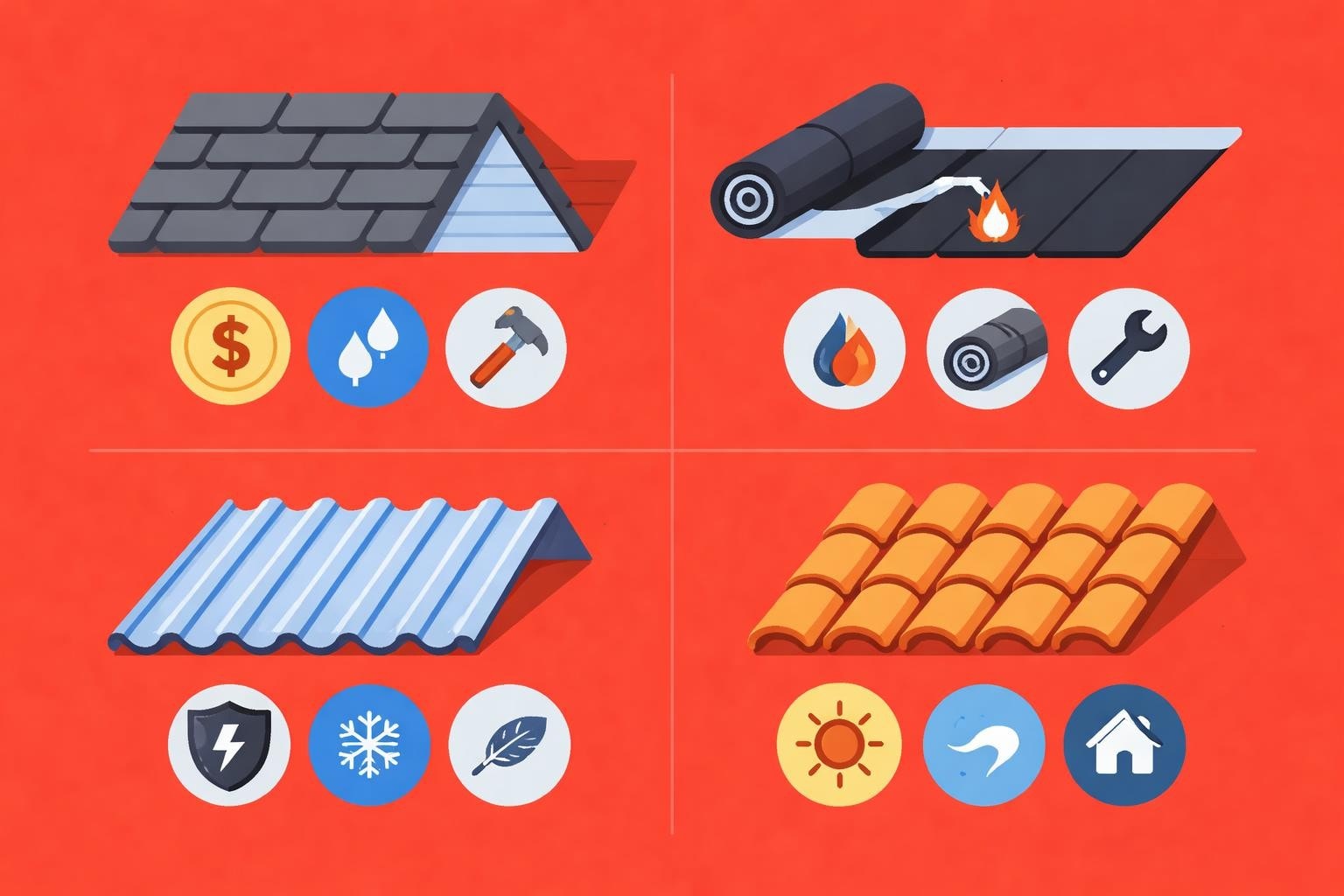
Today's roofing market offers unprecedented variety in materials, each engineered for specific applications and performance requirements. The distinction between residential and commercial roofing systems has become more defined, with manufacturers developing specialized products that address unique structural demands.
Residential Roofing Systems
Asphalt shingles remain the dominant choice for residential applications, accounting for approximately 80% of homes across the United States. These versatile materials offer excellent value, straightforward installation, and widespread contractor familiarity. Modern architectural shingles provide enhanced dimensional appearance compared to traditional three-tab designs, delivering improved curb appeal alongside performance benefits.
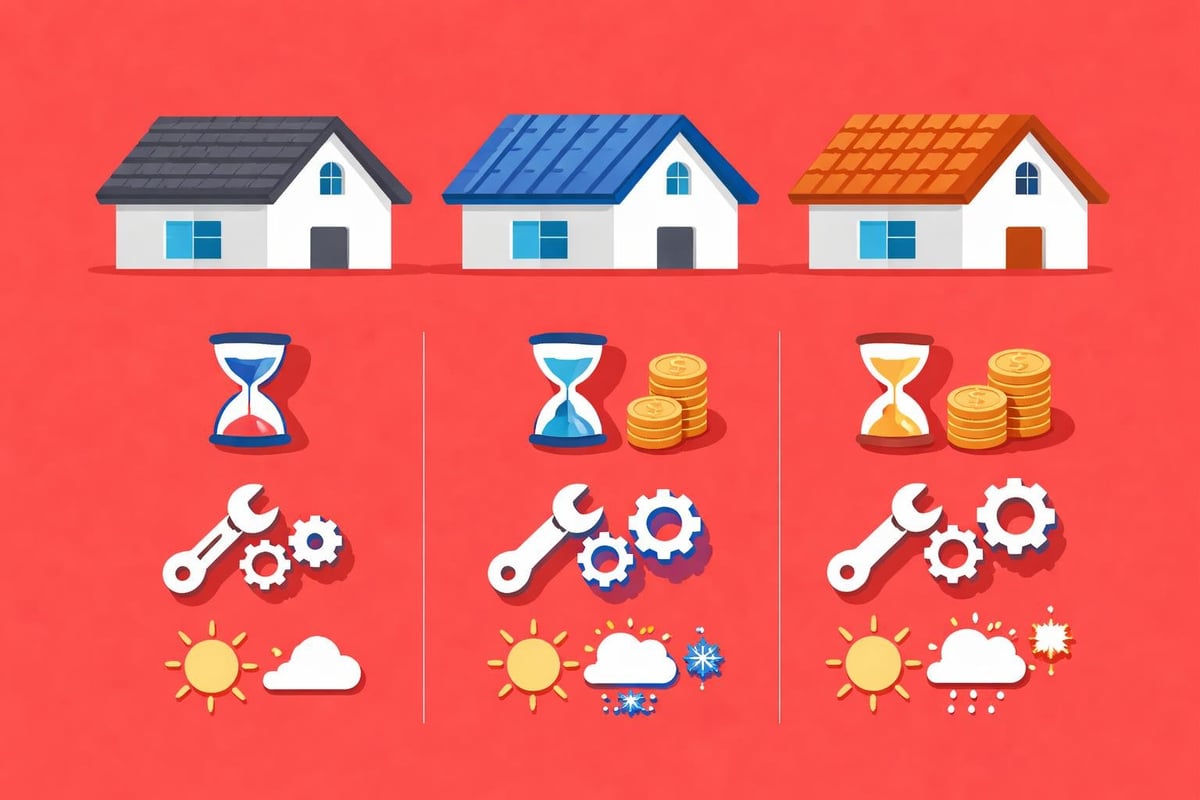
The various roofing materials available today include options ranging from economical to premium tiers. Three-tab shingles typically last 15-20 years, while architectural variants extend this lifespan to 25-30 years. Premium designer shingles can achieve 40-50 year performance when properly maintained.
Key residential material characteristics include:
- Weight compatibility with standard residential framing
- Color variety to match architectural styles
- Installation efficiency reducing labor costs
- Warranty coverage ranging from 20 years to lifetime
- Wind resistance ratings up to 130 mph
Commercial Roofing Applications
Commercial properties demand different performance characteristics than residential structures. Modified bitumen systems represent a top roofing solution for flat and low-slope commercial applications, offering exceptional waterproofing and durability. These multi-layer systems combine reinforced fabric with asphalt-based compounds, creating robust membrane protection.
Commercial roofing installations require specialized expertise in membrane applications, proper drainage design, and building code compliance. The National Roofing Contractors Association establishes comprehensive roofing guidelines that contractors must follow to ensure proper installation and long-term performance.
| Commercial System Type | Expected Lifespan | Best Application | Maintenance Level |
|---|---|---|---|
| Modified Bitumen | 20-30 years | Flat/low-slope roofs | Moderate |
| TPO Membrane | 15-25 years | Large commercial buildings | Low |
| EPDM Rubber | 25-30 years | Industrial facilities | Low |
| Built-Up Roofing (BUR) | 20-30 years | Heavy traffic areas | Moderate-High |
Critical Factors in Top Roofing Selection
Choosing superior roofing materials involves analyzing multiple factors beyond initial cost. Climate conditions, building design, structural capacity, and long-term maintenance requirements all influence the optimal choice for each property.
Climate Compatibility
Midwest weather patterns present unique challenges that demand careful material selection. Properties in regions experiencing temperature extremes, heavy snow loads, and severe storms require roofing systems engineered for these conditions.
Temperature cycling causes expansion and contraction that can stress inferior materials. Top roofing products incorporate flexibility that accommodates movement without cracking or splitting. Asphalt shingles designed for northern climates feature enhanced granule adhesion and modified asphalt formulations that remain pliable in cold temperatures.
Similar considerations apply to siding materials that must withstand comparable environmental stress. Coordinating exterior envelope materials ensures comprehensive weather protection.
Structural Load Considerations
Every building has specific weight capacity limitations that determine suitable roofing options. Dead load calculations must account for the material weight plus anticipated snow accumulation.
Standard asphalt shingles weigh 200-350 pounds per square (100 square feet), making them compatible with most residential framing. Tile roofing systems, by contrast, can exceed 900 pounds per square, requiring structural reinforcement in many cases. The types of roofing materials vary significantly in weight, with metal roofing offering lightweight alternatives that reduce structural demands.
Energy Efficiency Standards
Modern top roofing systems incorporate reflective technology and ventilation design that reduces cooling costs and extends material lifespan. Cool roof technology reflects solar radiation, maintaining lower surface temperatures that decrease heat transfer into building interiors.
Energy-efficient roofing delivers multiple benefits:
- Reduced HVAC costs through decreased heat gain
- Extended material lifespan from lower operating temperatures
- Environmental benefits from reduced energy consumption
- Potential rebates from utility companies and government programs
- Improved comfort for building occupants
Installation Excellence and Quality Standards
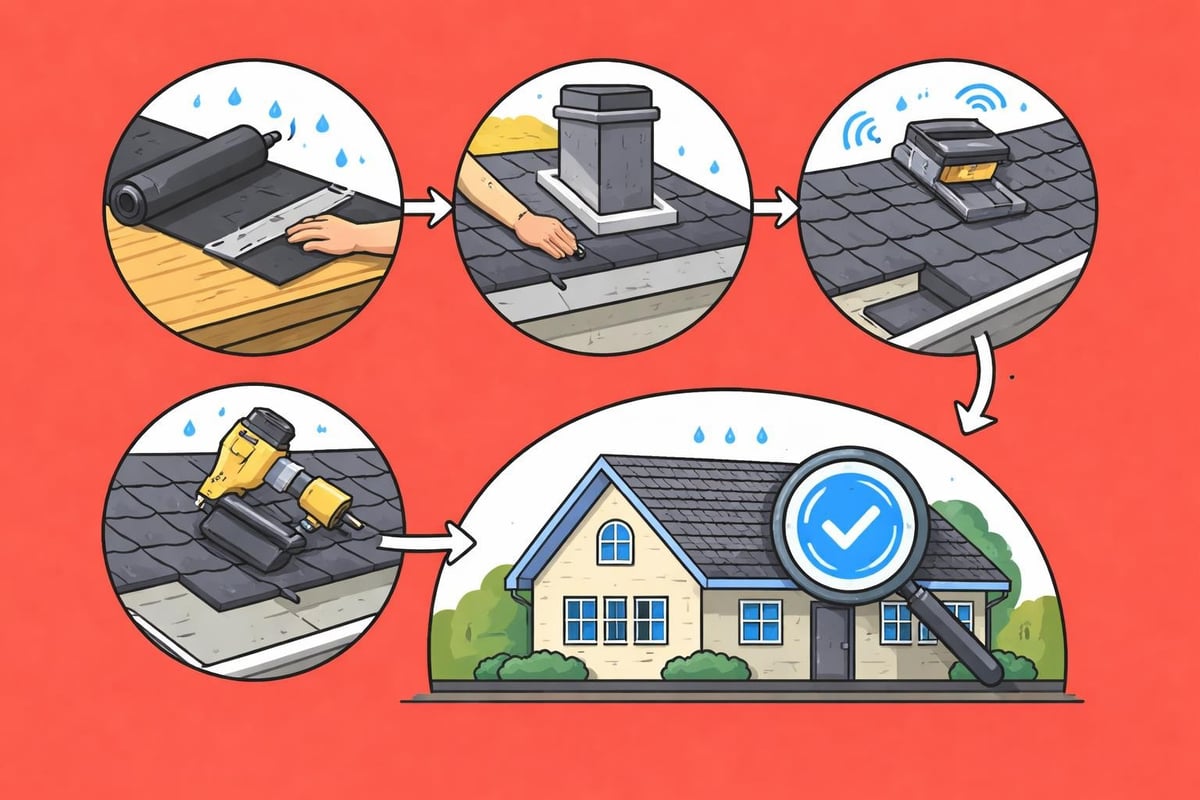
Material quality represents only one component of top roofing performance. Professional installation following manufacturer specifications and industry best practices ensures materials achieve their rated lifespan and performance characteristics.
Professional Contractor Selection
Choosing qualified roofing contractors involves verifying credentials, experience, and commitment to quality workmanship. Licensed contractors maintain proper insurance, warranty support, and manufacturer certifications that protect property owners throughout the installation process and beyond.
Great Roofing reviews demonstrate the value customers place on transparent communication, quality craftsmanship, and reliable service. Family-owned contractors often provide personalized attention and local accountability that larger national companies cannot match.
Contractor evaluation criteria should include:
- Active state licensing and insurance coverage
- Manufacturer certifications for premium products
- Local references and completed project portfolio
- Written warranties covering materials and workmanship
- Safety compliance and worker protection standards
Code Compliance and Safety Standards
Building codes establish minimum performance requirements that protect occupants and ensure structural integrity. The Insurance Institute for Business & Home Safety provides comprehensive roofing guidance that exceeds basic code minimums, offering enhanced protection against natural hazards.
Wind resistance ratings have become increasingly important as severe weather events grow more frequent. Top roofing installations incorporate proper fastening patterns, sealed shingles, and edge protection that resists uplift forces during high-wind events.
The National Roof Certification and Inspection Association standards ensure inspectors follow consistent protocols when evaluating roof condition and installation quality.
Maintenance Strategies for Long-Term Performance
Even premium top roofing systems require regular maintenance to achieve their full lifespan potential. Proactive inspection and minor repairs prevent small issues from escalating into costly damage requiring premature replacement.
Scheduled Inspection Programs
Annual professional inspections identify developing problems before they cause interior damage or structural compromise. Experienced contractors recognize early warning signs that homeowners and building managers often overlook.
Inspection focus areas include:
- Flashing integrity around chimneys, vents, and skylights
- Shingle condition including granule loss and curling
- Gutter and drainage system functionality
- Ventilation adequacy and airflow patterns
- Structural elements for sagging or damage
Properties that experience severe weather should schedule additional inspections following major storms. Storm damage repair addresses hail impact, wind damage, and debris penetration before water infiltration causes secondary damage.
Preventive Maintenance Tasks
Regular maintenance extends beyond inspections to include active preservation measures. Debris removal prevents moisture retention and premature deterioration. Algae and moss growth compromise shingle integrity and accelerate granule loss.
| Maintenance Task | Recommended Frequency | Impact on Lifespan |
|---|---|---|
| Professional Inspection | Annual | High |
| Gutter Cleaning | Twice yearly | High |
| Debris Removal | Quarterly | Moderate |
| Moss/Algae Treatment | As needed | Moderate |
| Minor Repairs | When identified | High |
| Sealant Inspection | Every 3-5 years | Moderate |
Specialty Roofing Systems and Applications
Beyond standard asphalt and modified bitumen systems, specialized top roofing solutions address unique architectural requirements or performance demands.
Metal Roofing Advantages
Metal roofing systems offer exceptional longevity, often exceeding 50 years with minimal maintenance. Standing seam profiles provide contemporary aesthetics alongside superior weather protection. These systems excel in regions with heavy snow loads, as smooth surfaces facilitate snow shedding and prevent ice dam formation.
The comprehensive comparison of roofing materials demonstrates how metal roofing balances higher initial costs with extended lifespan and reduced maintenance requirements. Over a 50-year period, metal roofing often proves more economical than multiple asphalt shingle replacements.
Premium Architectural Options
Designer shingles replicate the appearance of natural materials like slate and cedar shake while offering superior durability and lower maintenance. These premium products appeal to homeowners seeking distinctive aesthetics without the challenges associated with traditional materials.
Synthetic slate products weigh significantly less than natural slate while providing comparable appearance and improved impact resistance. These engineered materials resist the breakage and delamination that plague authentic slate installations.
Investment Analysis and Cost Considerations
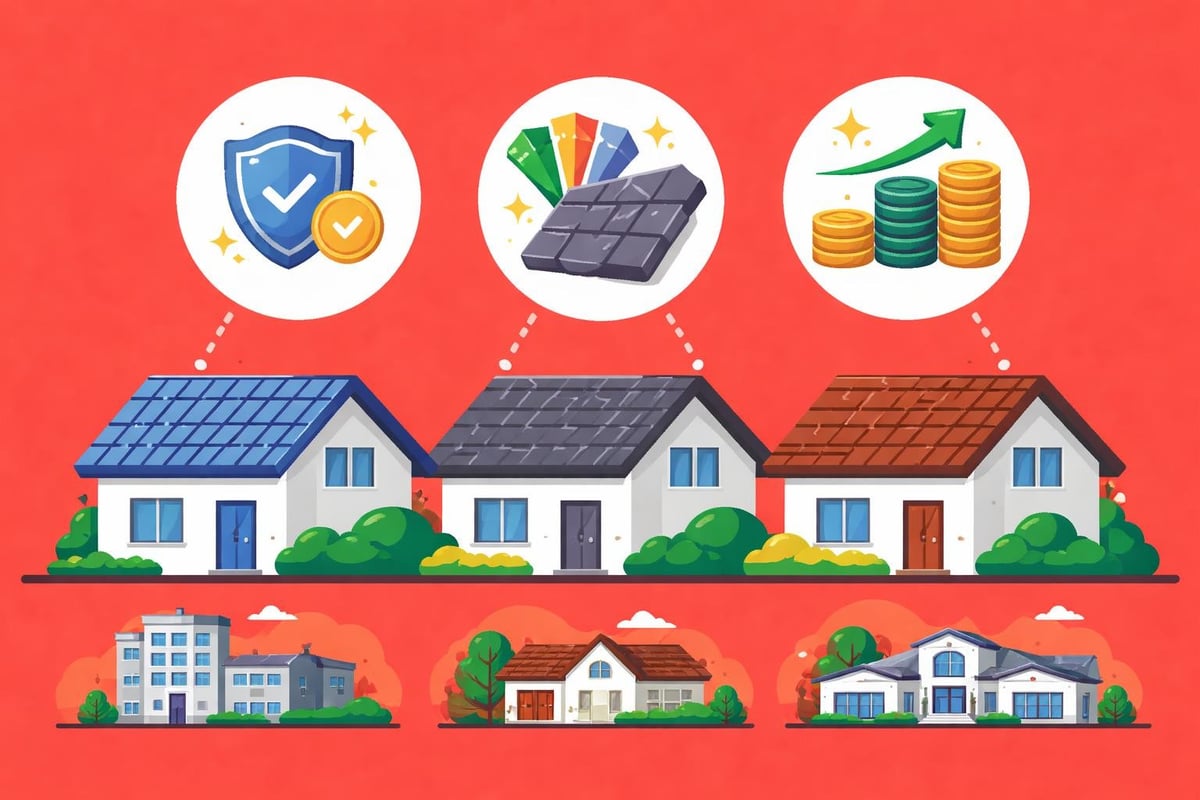
Understanding total cost of ownership helps property owners make informed decisions that balance upfront investment with long-term value. Top roofing systems justify premium pricing through extended lifespan, reduced maintenance, and enhanced performance.
Initial Installation Costs
Material and labor costs vary significantly based on system complexity, accessibility challenges, and regional market conditions. Asphalt shingle roofing typically costs $350-$550 per square installed, including tear-off and disposal. Premium architectural shingles increase this range to $450-$700 per square.
Commercial modified bitumen installations generally range from $400-$800 per square depending on membrane type, insulation requirements, and existing roof removal needs. Complex details, penetration quantities, and access limitations influence final project costs.
Long-Term Value Calculation
Lifecycle cost analysis provides accurate comparison between systems with different initial costs and lifespans. A $15,000 asphalt shingle roof lasting 25 years costs $600 annually, while a $30,000 metal roof lasting 50 years costs the same $600 per year before considering maintenance differences.
Property owners should evaluate:
- Expected lifespan under local climate conditions
- Maintenance requirements and associated costs
- Energy savings from reflective or insulated systems
- Warranty coverage and transferability
- Insurance discounts for impact-resistant materials
- Property value impact from premium materials
Certification and Quality Assurance Programs
Third-party verification provides confidence that roofing systems meet performance claims and installation standards. Roof certification programs document proper installation and current condition, valuable for property transactions and insurance purposes.
Manufacturer Certification Benefits
Factory-certified contractors receive advanced training, technical support, and enhanced warranty options unavailable to non-certified installers. These programs ensure contractors remain current on proper installation techniques and product specifications.
Certified contractors often qualify to offer extended warranties reaching 50 years, significantly exceeding standard coverage periods. These enhanced warranties typically cover both materials and workmanship, providing comprehensive protection.
Industry Standards Compliance
Professional associations establish installation standards that exceed minimum building code requirements. Following these enhanced standards produces superior results with improved longevity and performance reliability.
The extensive list of commercially available roofing materials demonstrates the complexity of modern roofing systems. Professional contractors navigate this variety while ensuring compatibility between components and adherence to manufacturer requirements.
Regional Considerations for Midwest Properties
Climate-specific challenges influence top roofing material selection and installation practices throughout the Midwest. Temperature extremes, freeze-thaw cycles, and severe weather demand robust systems engineered for these conditions.
Freeze-Thaw Durability
Repeated freezing and thawing tests material integrity through expansion and contraction cycles. Inferior products crack, split, or delaminate under this stress. Premium asphalt shingles incorporate modified asphalt formulations that maintain flexibility across wide temperature ranges.
Ice dam prevention requires proper attic insulation and ventilation that maintains consistent roof deck temperatures. Ridge and soffit vents facilitate airflow that prevents warm spots where ice dams typically form.
Wind and Hail Resistance
Severe storms producing high winds and large hail occur regularly throughout the Midwest. Impact-resistant shingles rated Class 4 withstand hail strikes that would damage standard products, often qualifying for insurance discounts that offset their premium cost.
Proper installation techniques, including appropriate nail placement and shingle sealing, ensure rated wind resistance. Top roofing systems installed to manufacturer specifications resist uplift forces exceeding 110 mph when properly fastened.
Selecting top roofing materials and ensuring professional installation protects your property investment while delivering decades of reliable performance. Whether you need residential shingle installation or commercial modified bitumen systems, partnering with experienced contractors ensures quality results that stand up to Midwest weather conditions. Great Roofing brings family-owned dedication and specialized expertise to every project, delivering the quality workmanship and personalized service your property deserves. Contact our team today to discuss your roofing needs and receive a comprehensive evaluation of the best solutions for your property.