

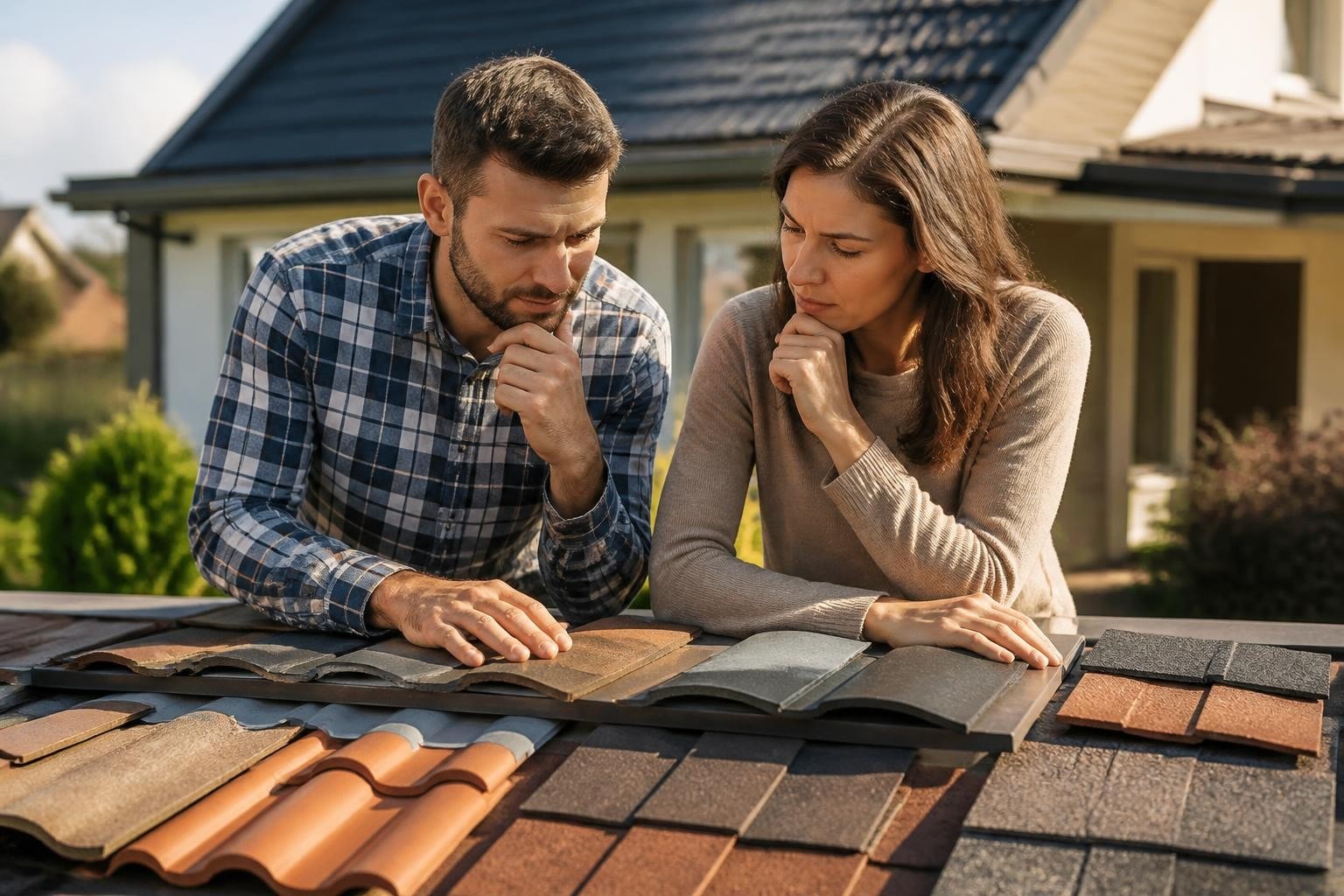
Protecting your home with a quality roof doesn't require draining your savings account. Finding affordable roofing solutions means understanding which materials deliver the best value, when to schedule your project, and how to work with contractors who prioritize both quality and budget consciousness. Whether you're replacing an aging roof on your Joliet home or planning commercial property improvements, smart decisions today prevent costly repairs tomorrow. This guide walks you through proven strategies for securing reliable roofing protection while respecting your financial boundaries.
Understanding True Cost vs. Initial Price
Many homeowners focus exclusively on upfront expenses when evaluating roofing options. This narrow view often leads to expensive mistakes down the road.
Affordable roofing requires examining the complete financial picture over your roof's expected lifespan. A cheaper installation using substandard materials might save $2,000 initially but require replacement five years earlier than quality alternatives. That premature replacement, coupled with potential interior damage from leaks, easily costs $10,000 or more.
The Lifetime Value Calculation
Smart buyers evaluate roofing investments using several key metrics:
- Expected lifespan of materials under local climate conditions
- Warranty coverage for both materials and workmanship
- Energy efficiency impact on heating and cooling costs
- Maintenance requirements and associated expenses
- Resale value contribution to overall home equity
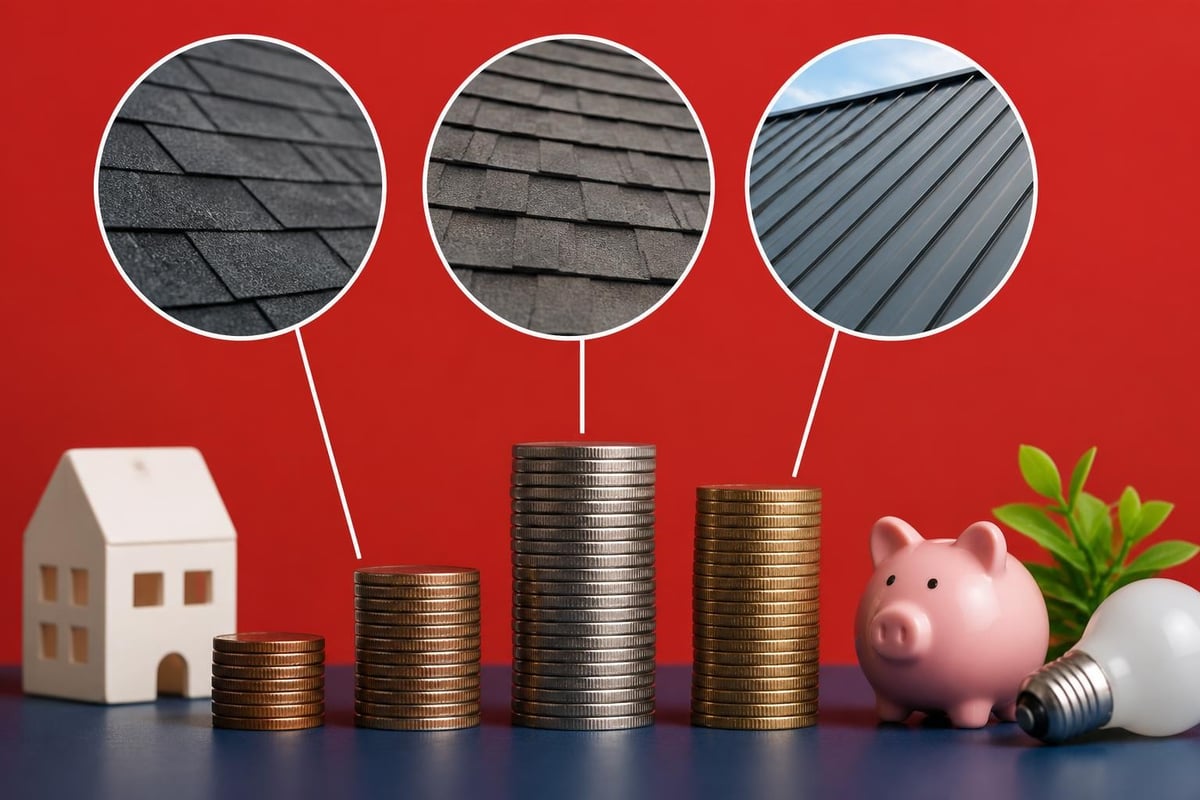
According to Consumer Reports’ roofing guide, asphalt shingles typically last 15-30 years depending on quality grade, while metal roofing can exceed 50 years with minimal maintenance. When you calculate annual cost by dividing total investment by lifespan years, premium options often prove more economical.
Material Selection for Budget-Conscious Projects
Choosing the right roofing material represents your most impactful cost decision. Each option brings distinct advantages for homeowners seeking affordable roofing without sacrificing protection.
Asphalt Shingles: The Budget-Friendly Standard
Three-tab asphalt shingles remain the most economical choice for residential projects. These basic shingles provide reliable weather protection at approximately $90-$100 per square (100 square feet) for materials alone.
Benefits include:
- Widespread contractor familiarity reduces labor costs
- Quick installation minimizes project duration
- Extensive color selection matches any aesthetic
- Adequate 15-20 year lifespan for budget scenarios
Architectural shingles add dimensional appearance and enhanced durability for roughly $120-$150 per square. The moderate price increase delivers improved wind resistance and 25-30 year performance, making them excellent mid-range options for residential shingle installation.
Metal Roofing: Long-Term Value Investment
While metal roofing costs $300-$600 per square installed, the 50+ year lifespan and minimal maintenance create compelling long-term savings. Metal roofs also reflect solar heat, reducing cooling costs by 10-25% according to EPA cool roof research.
| Material Type | Cost per Square | Expected Lifespan | Annual Cost |
|---|---|---|---|
| 3-Tab Asphalt | $350-$450 | 15-20 years | $22-$30 |
| Architectural Shingle | $450-$600 | 25-30 years | $18-$20 |
| Metal (Standing Seam) | $800-$1,200 | 50+ years | $16-$24 |
| Modified Bitumen | $500-$700 | 20-25 years | $25-$28 |
Commercial Roofing Considerations
Commercial properties demand different affordable roofing approaches. Modified bitumen systems provide excellent performance for flat and low-slope applications at moderate cost. These multi-layer membranes resist ponding water and UV damage while maintaining competitive pricing.
For commercial property owners evaluating modified bitumen roofing versus single-ply membranes, installation complexity and building configuration significantly impact final costs.
Strategic Timing Reduces Project Expenses
When you schedule your roofing project dramatically affects your final bill. Contractors experience seasonal demand fluctuations that create pricing opportunities for flexible homeowners.
Off-Season Advantages
Late fall and winter months bring substantial savings potential. Roofing crews have lighter schedules between November and March, making contractors more willing to negotiate pricing. Some homeowners save 10-20% by accepting winter installation dates.
Weather considerations matter. Shingle installation requires temperatures above 40°F for proper adhesive activation. However, dry winter days provide excellent working conditions, and experienced contractors plan around weather windows.
Spring and summer represent peak roofing season. Storm damage from severe weather drives demand, and contractors command premium pricing. Booking projects during these months typically costs more, though emergency repairs obviously can't wait for better pricing.
Multi-Project Bundling
Combining exterior improvements generates cost efficiencies. Scaffolding, waste containers, and contractor mobilization costs spread across multiple projects reduce per-service expenses.
Consider coordinating:
- Roof replacement with gutter installation services
- Shingle work alongside siding repairs
- Chimney flashing upgrades during main roof projects
- Soffit repairs when crews already have roof access
Great Roofing frequently helps Joliet-area clients maximize value through comprehensive exterior improvement planning.
Contractor Selection Impacts Total Investment
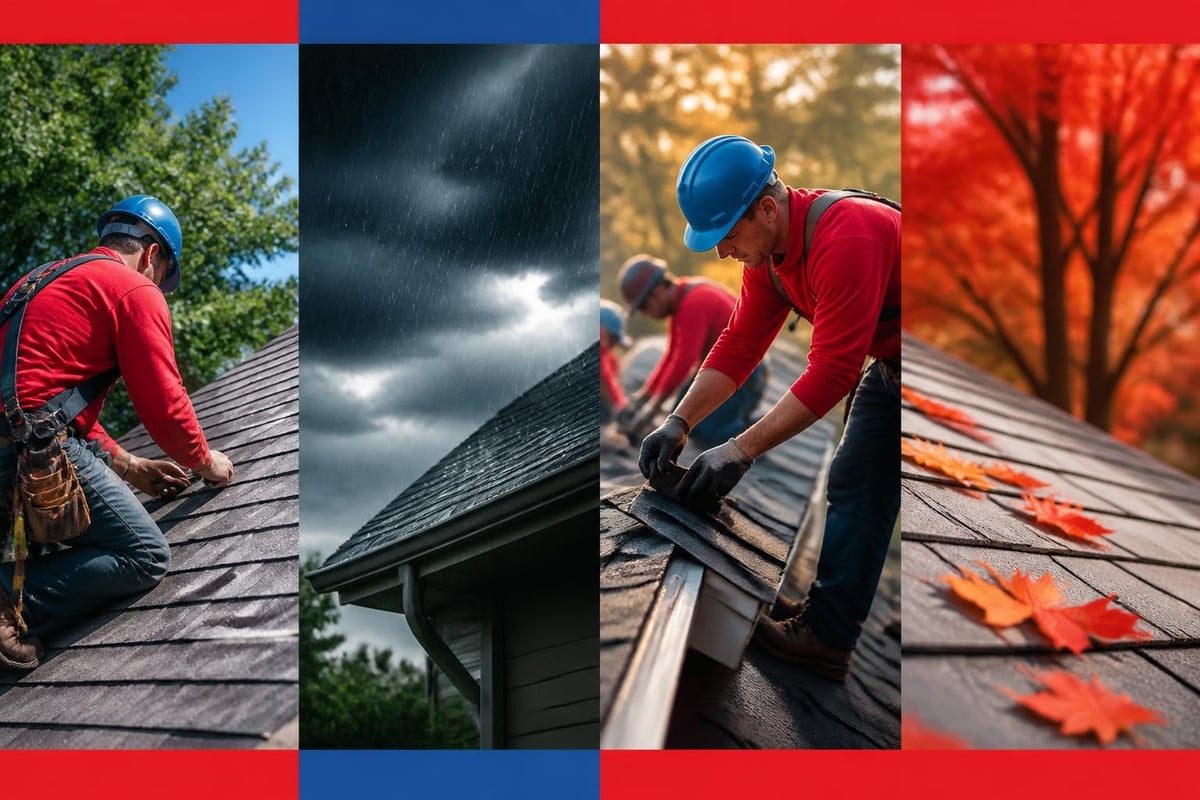
Choosing the right roofing contractor makes or breaks affordable roofing projects. Price comparisons tell only part of the story.
Red Flags to Avoid
Extremely low bids often signal problems. Contractors offering prices 30% below competitors may cut corners through:
- Unlicensed or underinsured operations
- Substandard material substitutions
- Inexperienced crews requiring supervision
- Missing permits and code compliance
- Limited or nonexistent warranties
These shortcuts create liability exposure and frequently require expensive corrections. HomeAdvisor’s cost estimator provides realistic pricing baselines for comparing contractor bids.
Value-Oriented Contractor Qualities
Quality contractors deliver affordable roofing through efficiency and expertise rather than material compromises. Look for:
- Detailed written estimates itemizing materials, labor, timeline, and warranty terms
- Proper licensing and insurance including workers' compensation and liability coverage
- Manufacturer certifications demonstrating installation training and material knowledge
- Local references from recent projects similar to yours
- Clear communication about project expectations and potential complications
The National Roofing Contractors Association provides installation standards helping homeowners verify contractor competency.
Getting Meaningful Quotes
Request estimates from three to five contractors. Provide identical project specifications to each, ensuring comparable proposals.
Effective estimates include:
| Estimate Component | Details to Verify |
|---|---|
| Material specifications | Brand, grade, color, warranty length |
| Labor scope | Tear-off, installation, cleanup, disposal |
| Timeline | Start date, completion date, weather delays |
| Payment terms | Deposit amount, progress payments, final payment |
| Warranty coverage | Workmanship period, material defect handling |
Never pay full project cost upfront. Legitimate contractors request 10-25% deposits, with remaining payments tied to completion milestones.
Maximizing Material Efficiency
Material waste drives unnecessary roofing expenses. Strategic planning minimizes excess while ensuring adequate supply.
Accurate Measurement Matters
Professional contractors calculate precise material quantities using roof measurements and waste factors. Complex roof designs with multiple valleys, dormers, and hips require 15-20% waste allowance. Simple gable roofs need only 10% extra material.
DIY measurement attempts often produce costly errors. A 200-square roof miscalculated by one square means either emergency material purchases at retail pricing or leftover waste. Professional estimation pays for itself through material optimization.
Shingle Bundles and Coverage
Understanding shingle packaging prevents overbuying. Standard three-tab bundles cover approximately 33 square feet, requiring three bundles per square. Architectural shingles vary by manufacturer, with coverage rates between 25-33 square feet per bundle.
Buying complete squares (three-bundle sets) typically costs less per shingle than individual bundles. Ordering full manufacturer pallets sometimes unlocks additional volume discounts for larger projects.
Insurance and Financing Options
Affordable roofing becomes accessible through various payment mechanisms beyond direct cash purchases.
Storm Damage Claims
Hail, wind, and storm damage often qualify for insurance coverage. Homeowners insurance policies typically cover roof replacement when damage exceeds cosmetic concerns.
Working with experienced contractors familiar with storm damage insurance claims streamlines the process. They document damage, provide detailed estimates, and communicate directly with insurance adjusters.
Key steps include:
- Document damage immediately with photographs
- Request professional inspection and damage assessment
- File insurance claim within policy timeframes
- Obtain multiple contractor estimates for comparison
- Review settlement offers against actual repair costs
Understanding hail damage to shingle roofs helps homeowners recognize covered damage versus normal aging.
Financing Alternatives
Several financing options make affordable roofing manageable even without available cash reserves:
- Home equity loans offer lower interest rates using home value as collateral
- Home equity lines of credit (HELOC) provide flexible borrowing against equity
- Personal loans deliver fixed payments without collateral requirements
- Contractor financing through third-party lenders with competitive terms
- Credit cards work for smaller repairs, though interest rates run higher
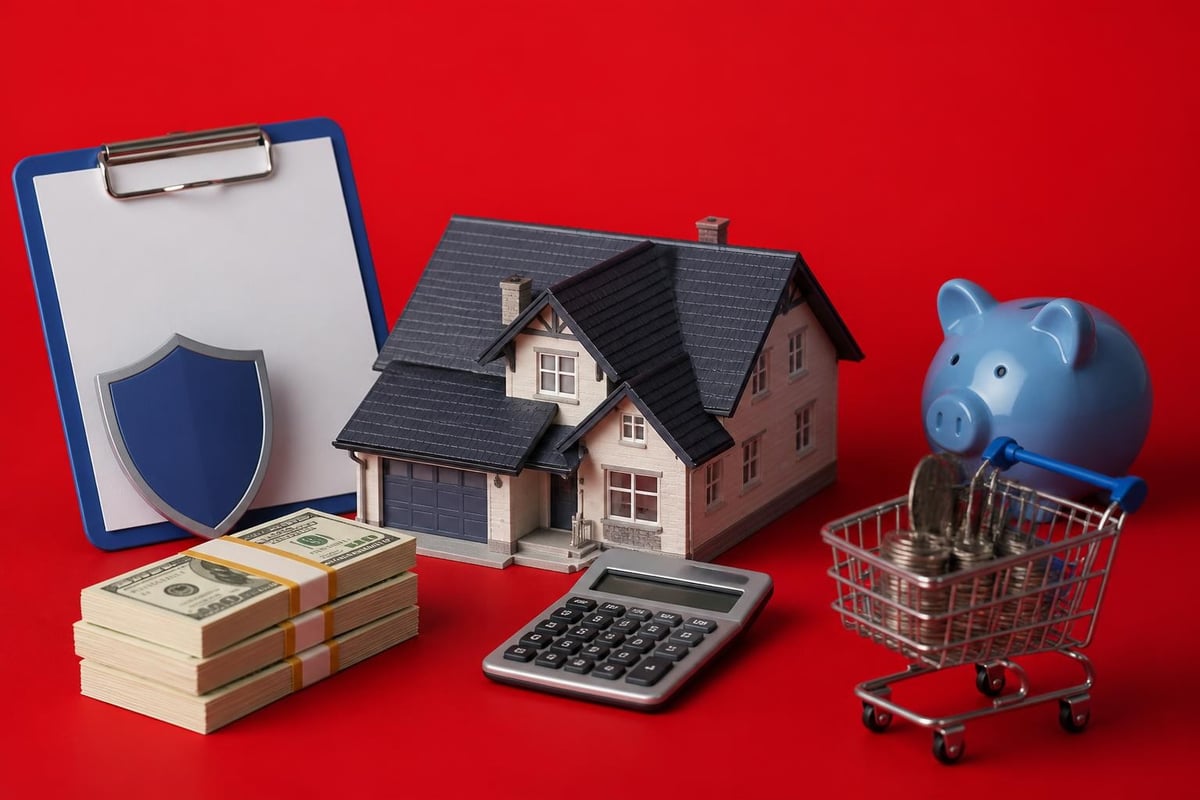
Compare total borrowing costs across options. A 7% HELOC costs significantly less over five years than an 18% credit card for a $12,000 roofing project.
Maintenance Extends Roof Lifespan
Preventive maintenance represents the most cost-effective affordable roofing strategy. Regular inspections and minor repairs prevent premature replacement.
Annual Inspection Benefits
Professional roof inspections cost $150-$300 but identify minor issues before they escalate. Inspectors check for:
- Damaged, missing, or lifted shingles
- Deteriorating flashing around chimneys and vents
- Granule loss indicating shingle aging
- Moss or algae growth reducing material lifespan
- Gutter problems causing water backup
Addressing small problems typically costs $200-$500 compared to thousands for water damage repairs or premature roof replacement.
Homeowner Maintenance Tasks
Between professional inspections, homeowners can perform simple maintenance:
- Clean gutters quarterly to prevent water backup and ice dams
- Trim overhanging branches that drop debris and retain moisture
- Remove debris from roof valleys where water concentrates
- Check attic ventilation ensuring proper airflow prevents heat buildup
- Monitor for leaks during and after heavy rain events
Great Roofing helps Joliet homeowners establish preventive maintenance schedules preserving roof integrity between replacements.
Energy Efficiency Creates Ongoing Savings
Modern roofing materials and techniques reduce energy consumption, lowering utility bills while protecting your investment.
Reflective Roofing Technology
Light-colored and specially coated shingles reflect solar radiation rather than absorbing heat. This "cool roof" technology reduces attic temperatures by 20-30°F during summer months.
Lower attic temperatures mean:
- Reduced air conditioning runtime and costs
- Extended HVAC system lifespan
- Improved occupant comfort in upper floors
- Decreased urban heat island effect in dense neighborhoods
The EPA’s cool roof program documents energy savings averaging 10-15% for homes adopting reflective roofing in warm climates.
Proper Ventilation Systems
Adequate attic ventilation works alongside roofing materials to regulate temperature and moisture. Balanced intake (soffit vents) and exhaust (ridge vents) create natural airflow preventing:
- Summer heat buildup that overworks cooling systems
- Winter moisture condensation causing mold and rot
- Premature shingle deterioration from excessive heat
- Ice dam formation during freeze-thaw cycles
Building codes now mandate specific ventilation requirements. The International Code Council establishes standards balancing cost-effective installation with performance needs.
Material Grade Selection Strategy
Within each roofing material category, manufacturers offer multiple quality grades at varying price points. Understanding these distinctions helps buyers maximize value.
Shingle Quality Tiers
Asphalt shingle lines typically include three quality levels:
Basic three-tab shingles deliver essential protection at minimum cost. These flat, uniform shingles suit budget-focused projects where appearance is secondary. Wind ratings typically reach 60 mph, adequate for most residential applications.
Mid-grade architectural shingles add dimensional appearance and improved performance. Enhanced wind ratings (110-130 mph) and longer warranties justify modest price premiums. These represent the sweet spot for most homeowners seeking balanced affordable roofing.
Premium designer shingles mimic slate, shake, or tile appearances with maximum durability. Limited lifetime warranties and superior aesthetics command highest pricing, appropriate when curb appeal drives decision-making.
Commercial Material Considerations
Commercial projects using modified bitumen or single-ply membranes also span quality ranges. Membrane thickness, reinforcement type, and manufacturer reputation affect both performance and cost.
Facilities requiring commercial roofing repair should consider upgrade opportunities during restoration work. Investing in better materials during necessary repairs often costs less than separate future projects.
Permit and Code Compliance
Legal requirements impact roofing costs in ways homeowners often overlook. Proper permitting protects property owners while ensuring safe installation.
When Permits Are Required
Most jurisdictions require permits for complete roof replacements and significant repairs. Permit costs typically range from $150-$500 depending on project scope and local fee structures.
Permits provide important benefits:
- Inspection verification that work meets building codes
- Property record documentation for future sales
- Liability protection from unpermitted contractor work
- Insurance compliance meeting policy requirements
Contractors who suggest skipping permits create risk. Unpermitted work can void insurance coverage, complicate property sales, and require expensive corrections when discovered.
Code Requirements Affecting Cost
Building codes establish minimum standards for roofing materials, installation methods, and structural support. These regulations exist for occupant safety but influence project costs.
Common code-driven expenses include:
- Tear-off requirements removing multiple existing layers before replacement
- Ice and water shield installation in vulnerable areas
- Fastener specifications ensuring wind resistance
- Flashing details around penetrations and transitions
- Fire rating requirements in wildfire-prone regions
Understanding local building code requirements prevents surprise costs during permitting and inspection.
DIY vs. Professional Installation
Labor represents 40-60% of total roofing costs, tempting some homeowners toward DIY installation. This decision deserves careful evaluation.
When DIY Makes Sense
Limited scenarios justify homeowner installation:
- Small repairs like replacing a few damaged shingles
- Simple shed roofs with minimal fall risk
- Flat deck waterproofing on accessible surfaces
- Minor flashing adjustments around vents
These projects minimize safety risks while building useful skills. However, they require proper safety equipment including harnesses, anchors, and fall protection.
Professional Installation Value
Complete roof replacement demands professional expertise for several reasons:
Safety considerations top the list. Roofing work causes numerous serious injuries and fatalities annually. Professional crews use proper safety equipment, training, and procedures minimizing accident risk.
Installation quality affects roof performance and longevity. Improper shingle alignment, inadequate fastening, or incorrect flashing creates leak pathways and premature failure. Experienced installers follow manufacturer specifications ensuring warranty validity.
Efficiency benefits professional crews who complete projects in days versus weeks of homeowner effort. Time savings matter when weather threatens or household disruption accumulates.
Warranty protection requires professional installation for most manufacturers. DIY work voids material warranties, eliminating recourse for defective products.
For comprehensive projects, working with established contractors like Great Roofing ensures quality results backing your investment.
Disposal and Cleanup Considerations
Project debris removal adds costs many homeowners overlook during planning. Proper disposal maintains neighborhood relations and environmental responsibility.
Dumpster Rental Economics
Roofing projects generate substantial waste. A typical 2,000-square-foot tear-off produces 3-5 tons of old shingles, underlayment, and debris.
Dumpster options include:
| Dumpster Size | Capacity | Typical Cost | Best For |
|---|---|---|---|
| 10-yard | 2-3 tons | $300-$400 | Small repairs, partial roofs |
| 20-yard | 4-6 tons | $400-$500 | Average residential projects |
| 30-yard | 7-10 tons | $500-$650 | Large homes, multiple layers |
Rental periods typically span 7-10 days. Extended rentals add $10-$20 per additional day. Strategic scheduling minimizes rental duration and cost.
Recycling Opportunities
Asphalt shingle recycling reduces disposal costs while supporting sustainability. Recycled shingles become paving aggregate, reducing landfill burden and material expenses.
Not all areas offer shingle recycling programs. Check with local waste management providers about availability and any associated cost savings.
Quality roofing protection fits within reasonable budgets when homeowners understand material options, timing strategies, and contractor selection criteria. Balancing upfront costs against long-term performance creates the most affordable roofing solutions for Joliet-area homes and businesses. Whether you're planning residential shingle replacement or commercial modified bitumen installation, Great Roofing brings three generations of family expertise to help you protect your property investment without exceeding your budget. Contact us today for a detailed estimate and personalized recommendations for your specific roofing needs.