

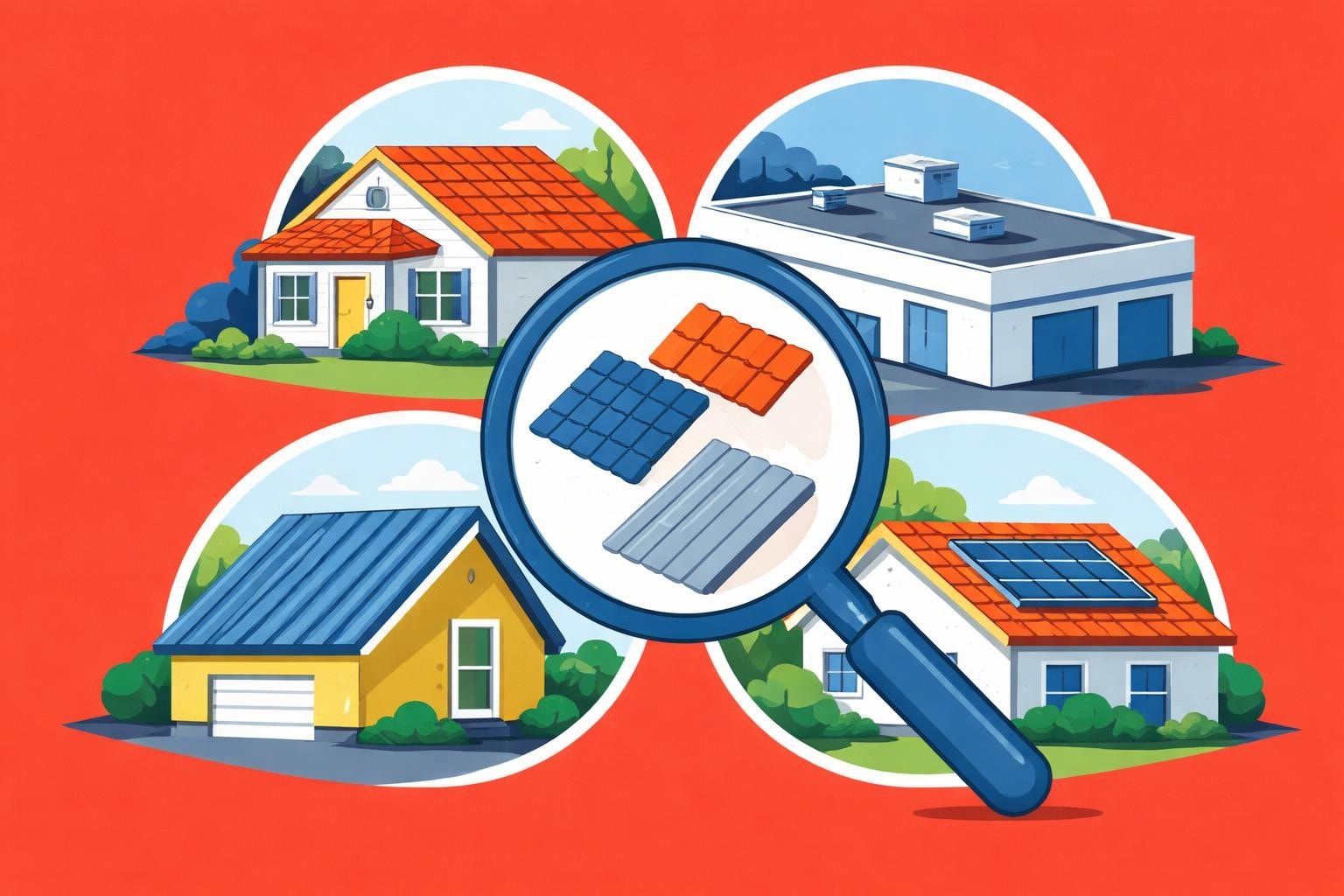
When it comes to protecting your property investment, understanding all roof options available in 2026 is essential for making informed decisions. Whether you're managing a commercial building or planning a residential renovation, the roofing system you choose impacts everything from energy efficiency to long-term maintenance costs. This comprehensive guide examines the full spectrum of roofing types, materials, and systems to help property owners in Joliet and surrounding areas make confident choices about their exterior protection needs.
Understanding All Roof Categories and Systems
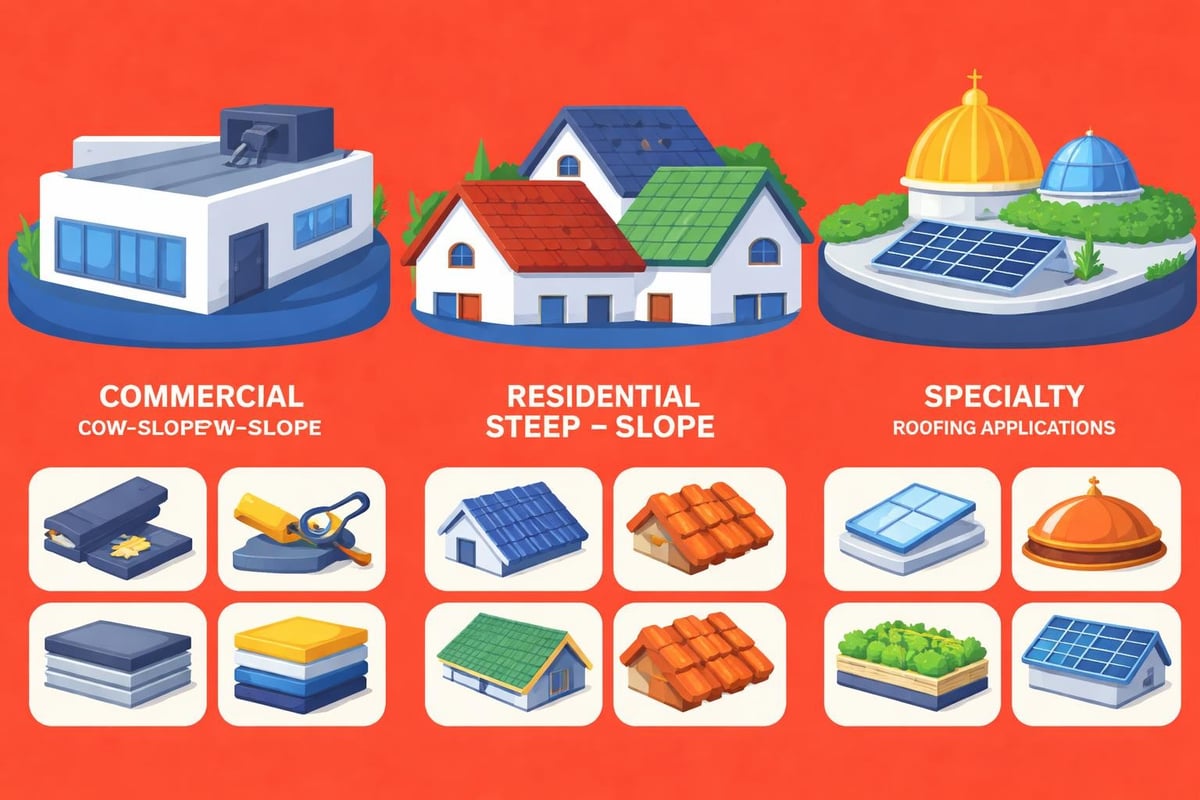
The roofing industry encompasses three primary categories that cover all roof applications: low-slope commercial systems, steep-slope residential installations, and specialty roofing solutions. Each category serves distinct purposes and requires specific installation expertise.
Commercial buildings typically feature low-slope or flat roofing systems designed for durability and water management. These systems include modified bitumen, EPDM rubber, TPO (thermoplastic polyolefin), and built-up roofing (BUR). Modified bitumen remains a popular choice for commercial applications because it offers excellent waterproofing and can withstand heavy foot traffic during maintenance operations.
Residential properties predominantly use steep-slope roofing systems that shed water quickly through gravity. Asphalt shingles dominate this market segment due to their affordability and versatility, but metal roofing, tile, slate, and wood shakes also serve specific aesthetic and performance requirements.
Material Selection for All Roof Applications
Choosing the right material involves balancing multiple factors including climate conditions, building codes, budget constraints, and aesthetic preferences. Understanding the various types of roofing materials helps property owners make decisions aligned with their specific needs.
Asphalt Shingles remain the most common choice for residential installations across North America. They offer:
- Affordable initial investment
- Wide color and style selection
- Proven 20-30 year lifespan
- Straightforward installation process
- Excellent wind and impact resistance ratings
Metal Roofing Systems continue gaining market share in both residential and commercial sectors. Available in standing seam, corrugated panels, and metal shingles, these systems deliver 40-70 year service lives with minimal maintenance requirements. Metal reflects solar radiation effectively, reducing cooling costs in summer months.
Modified Bitumen serves as the workhorse of commercial roofing. This multi-layer system combines asphalt with polymer modifiers to create flexible, waterproof membranes that perform reliably in diverse weather conditions. Great Roofing specializes in these commercial systems, providing expert installation for commercial properties throughout the Joliet area.
| Material Type | Average Lifespan | Cost Range | Best Application |
|---|---|---|---|
| Asphalt Shingles | 20-30 years | $-$$ | Residential steep-slope |
| Metal Roofing | 40-70 years | $$-$$$ | Residential and commercial |
| Modified Bitumen | 15-25 years | $$-$$$ | Commercial low-slope |
| EPDM Rubber | 25-35 years | $$ | Commercial flat roofs |
| Slate | 75-100+ years | $$$$ | High-end residential |
Installation Best Practices Across All Roof Types
Professional installation determines whether any roofing system achieves its expected service life. Cutting corners during installation creates vulnerabilities that lead to premature failures, water damage, and costly repairs.
Preparation and Deck Assessment
Every successful roofing project begins with thorough substrate evaluation. The roof deck must provide a solid foundation capable of supporting the new system's weight and withstanding environmental loads. Proper roofing best practices emphasize complete removal of existing materials when necessary, rather than layering new systems over compromised substrates.
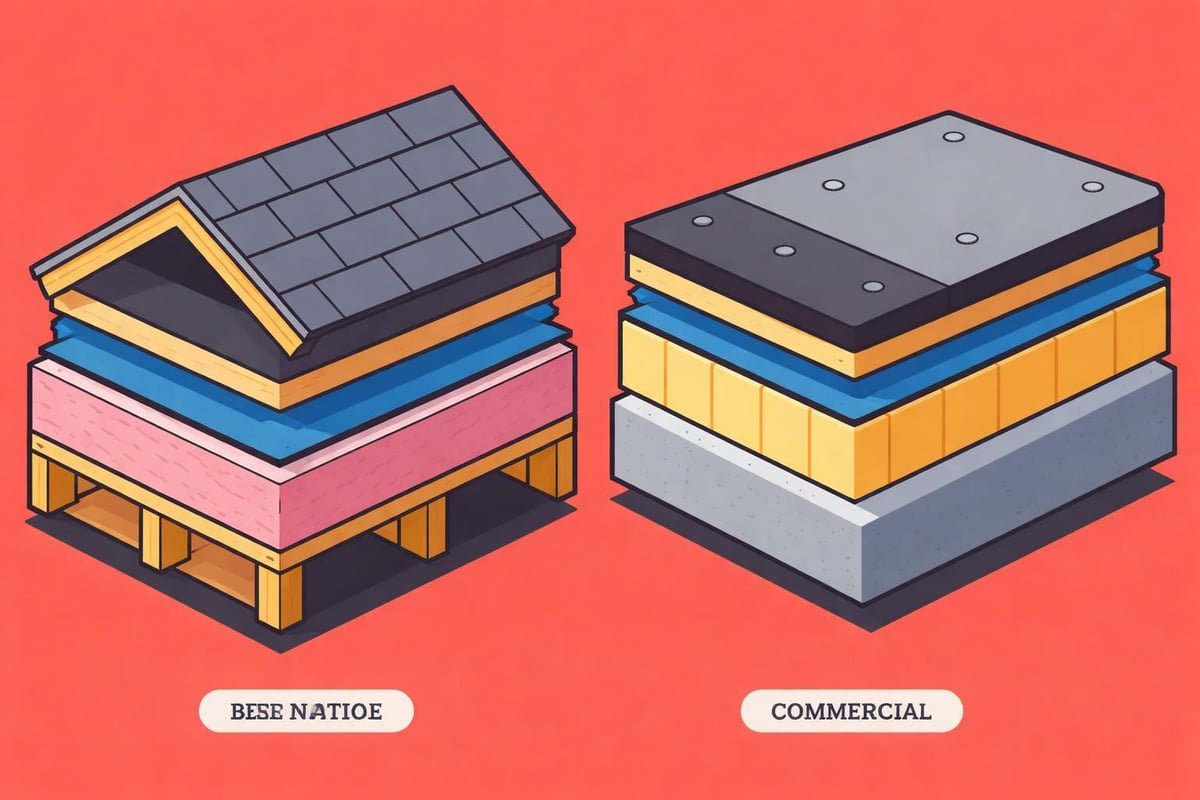
Residential shingle installations require clean, dry plywood or OSB decking without warping, rot, or structural deficiencies. Commercial flat roofing systems need structurally sound concrete or steel decks with proper slope (minimum 1/4 inch per foot) to facilitate drainage.
Water damage often hides beneath existing roofing layers. Professional contractors inspect decking carefully, replacing damaged sections before proceeding with installation. This upfront investment prevents callbacks and ensures warranty compliance.
Underlayment and Moisture Protection
All roof systems benefit from proper underlayment installation that provides secondary water protection. Synthetic underlayments have largely replaced traditional felt paper due to their superior tear resistance and UV stability.
Ice and water shield membranes deserve special attention in northern climates like Illinois. These self-adhering membranes protect vulnerable areas:
- Eaves and valleys where ice dams form
- Penetrations including chimneys and skylights
- Sidewall flashings where roofs meet vertical surfaces
- Low-slope sections below 4:12 pitch
Commercial roofing installations incorporate multiple waterproofing layers depending on the system type. Modified bitumen applications typically include base sheets, interply sheets, and cap sheets creating redundant protection against water infiltration.
Maintenance Requirements for All Roof Systems
Regular maintenance extends service life and protects your investment regardless of roofing type. Neglected roofs deteriorate faster, leading to expensive repairs or premature replacement.
Residential Roof Maintenance Schedule
Homeowners should conduct biannual inspections in spring and fall, examining all roof components for damage or wear. Spring roof maintenance addresses winter damage while fall preparations ensure readiness for harsh weather ahead.
Key inspection points include:
- Shingle condition: Check for curling, cracking, or missing granules
- Flashing integrity: Verify seals around chimneys, vents, and skylights
- Gutter function: Clear debris and ensure proper drainage
- Attic ventilation: Confirm adequate airflow preventing moisture buildup
- Tree clearance: Trim branches preventing abrasion and debris accumulation
Minor issues caught early prevent major problems. A few missing shingles or lifted flashing represent quick fixes when addressed promptly, but these small defects can lead to extensive water damage if ignored.
Commercial Roof Maintenance Protocols
Commercial properties require more frequent attention due to larger surface areas, mechanical equipment, and accessibility needs. Managing commercial roofs effectively involves quarterly inspections and immediate response to identified issues.
Professional maintenance programs include:
- Comprehensive documentation with photos and condition reports
- Drainage system cleaning preventing ponding water
- Membrane inspection for punctures, splits, or separation
- Flashing and penetration seal verification
- HVAC equipment support evaluation
Ponding water represents a critical concern for all roof types with low slopes. Water remaining on the surface more than 48 hours after rainfall accelerates deterioration and may void manufacturer warranties. Proper drainage design and maintenance prevent this common failure mode.
Regional Considerations for All Roof Decisions
Climate significantly influences roofing material selection and installation techniques. Properties in the Joliet area face specific challenges requiring thoughtful planning.
Weather Pattern Impact
Illinois experiences extreme temperature fluctuations, heavy snow loads, high winds, and severe thunderstorms. All roof systems installed locally must withstand:
- Thermal cycling: Daily and seasonal temperature swings cause expansion and contraction
- Wind uplift: Storm systems generate powerful forces attempting to lift roofing materials
- Impact resistance: Hail damage represents a major concern requiring Class 4 rated products
- Ice damming: Inadequate insulation and ventilation create damaging ice accumulation
Material selection should prioritize durability and impact resistance. Asphalt shingles with Class 4 impact ratings provide excellent hail protection for residential applications. Metal roofing systems offer superior wind resistance and shed snow effectively.

Building Code Compliance
All roof installations must satisfy current building codes and manufacturer specifications. The 2026 International Building Code (IBC) and International Residential Code (IRC) establish minimum requirements for:
| Code Requirement | Residential Standard | Commercial Standard |
|---|---|---|
| Wind Resistance | 110-130 mph rated | 90-120 mph rated |
| Fire Rating | Class A preferred | Class A required |
| Impact Resistance | Class 3-4 recommended | Varies by use |
| Slope Minimums | 2:12 for shingles | 1/4:12 for membranes |
Working with licensed contractors ensures code compliance and protects property owners from liability. Great Roofing maintains current licensing and stays updated on all roof-related building code changes affecting the Joliet market.
Cost Factors Affecting All Roof Projects
Budget planning requires understanding the complete cost picture beyond simple material prices. All roof replacement projects involve multiple expense categories that impact total investment.
Material and Labor Expenses
Material costs vary significantly based on product quality, brand reputation, and performance ratings. Premium products command higher prices but typically deliver better warranties and longer service lives. Labor represents 40-60% of total project costs depending on complexity and accessibility.
Steep-pitch residential roofs require more safety equipment and progress slower than simple ranch-style homes. Commercial projects involving existing roof removal and disposal add substantial expense compared to roof-over installations (where permitted by code).
Hidden Cost Factors:
- Permit fees and inspection costs
- Structural repairs discovered during tear-off
- Chimney and skylight reflashing
- Gutter replacement or repair
- Ventilation system upgrades
- Debris removal and disposal
Long-Term Value Analysis
Initial installation cost represents only one component of true roofing expense. Maintenance requirements, energy efficiency, and expected service life determine total ownership costs over time.
Metal roofing systems cost 2-3 times more than asphalt shingles initially but last twice as long and require minimal maintenance. When evaluated over 50 years, metal often proves more economical despite higher upfront investment.
Energy-efficient roofing materials reduce heating and cooling costs substantially. Cool roof technologies reflect solar radiation, lowering surface temperatures by 50-60 degrees compared to traditional dark shingles. These savings accumulate year after year, offsetting premium material costs.
Selecting Contractors for All Roof Work
Contractor selection impacts project success as significantly as material choice. All roof installations require skilled craftspeople who understand proper techniques and adhere to manufacturer specifications.
Evaluation Criteria
Verify potential contractors meet essential qualifications before requesting quotes:
- Licensed and insured: Confirm current liability and workers' compensation coverage
- Local reputation: Check references and online reviews from recent customers
- Manufacturer certifications: Preferred or select status indicates training and quality commitment
- Written warranties: Both workmanship and material coverage protecting your investment
- Safety programs: OSHA compliance and documented safety training
Experienced contractors provide detailed written proposals specifying materials, installation methods, timeline, and payment terms. Avoid contractors demanding large upfront deposits or offering prices significantly below market rates.
Common Roofing Mistakes to Avoid
Understanding typical roofing mistakes helps property owners make better decisions and avoid costly errors. The most frequent mistakes include:
- Choosing price over quality: Lowest bid often indicates inferior materials or shortcuts
- Neglecting ventilation: Poor attic airflow causes premature shingle failure
- Ignoring local expertise: Contractors unfamiliar with regional climate make inappropriate recommendations
- Skipping permits: Unpermitted work voids warranties and creates resale complications
- Accepting verbal agreements: Always insist on detailed written contracts
Warranty Coverage for All Roof Systems
Understanding warranty terms protects your investment and clarifies responsibilities when problems arise. All roof systems include multiple warranty components covering different aspects of performance and installation.
Manufacturer Material Warranties
Product manufacturers warrant their materials against manufacturing defects for specified periods ranging from 10 years to lifetime coverage. These warranties typically cover material replacement but exclude labor costs for reinstallation.
Premium products often include upgraded warranties with better coverage terms:
- Wind resistance guarantees: Coverage for wind damage up to specified speeds
- Algae resistance: Protection against unsightly algae staining
- Non-prorated coverage: Full replacement value maintained throughout warranty period
- Transferability: Coverage transfers to subsequent property owners
Reading warranty fine print reveals important exclusions and maintenance requirements. Most warranties become void if improper installation, inadequate ventilation, or deferred maintenance contributes to failure.
Contractor Workmanship Warranties
Reputable contractors warranty their installation work separately from material coverage. Workmanship warranties typically span 1-10 years and cover installation defects including improper flashing, fastener placement errors, and inadequate sealing.
When seeking roof repair services, verify the contractor's warranty terms and claims process. Established companies stand behind their work and respond promptly to legitimate warranty claims.
Special Considerations for Commercial Applications
Commercial roofing presents unique challenges requiring specialized expertise beyond typical residential knowledge. All roof systems on commercial buildings must accommodate equipment loads, frequent access, and different drainage requirements.
Access and Equipment Mounting
Commercial roofs typically support HVAC units, exhaust fans, satellite dishes, and other mechanical equipment. Proper mounting prevents membrane damage while maintaining waterproofing integrity. Equipment supports require careful flashing and may need additional reinforcement of the underlying structure.
Foot traffic from maintenance personnel necessitates durable membrane selections and protective walkway pads. Best practices for commercial roofing installations emphasize proper traffic planning and protective measures preserving roof integrity.
Drainage Engineering
Adequate drainage represents the most critical factor in commercial roof performance. Unlike steep residential roofs where gravity handles water removal efficiently, low-slope commercial systems require engineered drainage solutions.
Primary drainage components include:
- Interior drains: Strategically placed outlets connected to building plumbing
- Scuppers: Openings through parapet walls directing overflow
- Gutters and downspouts: Perimeter collection systems
- Emergency overflow: Secondary drainage preventing structural overload
All roof areas must slope toward drainage points without creating low spots where water accumulates. Proper cricket installation around rooftop equipment ensures water flows around obstacles rather than ponding against them.
Environmental and Sustainability Factors
Modern roofing decisions increasingly consider environmental impact and sustainability throughout the product lifecycle. All roof materials carry different environmental footprints affecting manufacturing, installation, performance, and disposal.
Energy Efficiency Performance
Roofing systems significantly influence building energy consumption through solar heat gain and thermal performance. Cool roofing technologies reduce urban heat island effects while lowering air conditioning costs.
Reflective roof coatings and light-colored membranes can reduce surface temperatures by 50-100 degrees compared to dark materials. This temperature reduction decreases heat transfer into buildings, cutting cooling energy use by 10-30% depending on climate and building characteristics.
Green roof systems incorporating vegetation provide additional benefits including stormwater management, extended membrane life (protection from UV exposure), and improved urban air quality. These systems work well on commercial buildings with adequate structural capacity and maintenance commitments.
Recyclability and Material Reuse
Sustainable roofing practices consider end-of-life disposal and recycling opportunities. Metal roofing contains recycled content and remains fully recyclable after removal. Asphalt shingles can be processed into pavement aggregate, though recycling infrastructure varies by region.
TPO and PVC single-ply membranes offer recycling potential through manufacturer take-back programs. Modified bitumen systems present more challenges for recycling but can sometimes be incorporated into hot-mix asphalt applications.
Emerging Technologies in All Roof Systems
The roofing industry continues evolving with new materials, installation methods, and integrated technologies improving performance and functionality. All roof systems benefit from ongoing innovation addressing traditional challenges.
Solar Integration Solutions
Building-integrated photovoltaics (BIPV) and solar shingles blur the line between roofing and energy generation. These systems replace traditional roofing materials with solar-collecting alternatives that generate electricity while providing weather protection.
Conventional solar panels mounted on existing roofs remain more common and cost-effective. Modern racking systems attach securely without compromising roof integrity when installed properly. Solar installations should coordinate with roofing work, ideally installing panels on new roofing to avoid future removal costs.
Smart Monitoring Systems
Sensor technology enables proactive maintenance through continuous roof condition monitoring. Moisture sensors detect leaks immediately, allowing repairs before extensive damage occurs. Temperature sensors identify insulation deficiencies and ventilation problems affecting performance.
These monitoring systems prove particularly valuable for commercial properties where roof problems can disrupt business operations and damage inventory. Early detection prevents small issues from escalating into major failures requiring emergency repairs.
Understanding all roof types, materials, and systems empowers property owners to make informed decisions protecting their investments for decades. Whether you need a residential shingle replacement or commercial modified bitumen installation, selecting quality materials and experienced contractors ensures optimal performance and longevity. Great Roofing brings family-owned dedication and professional expertise to every project throughout the Joliet area, providing comprehensive roofing solutions backed by quality workmanship and reliable service. Contact our team today to discuss your specific roofing needs and receive a detailed assessment of the best options for your property.