

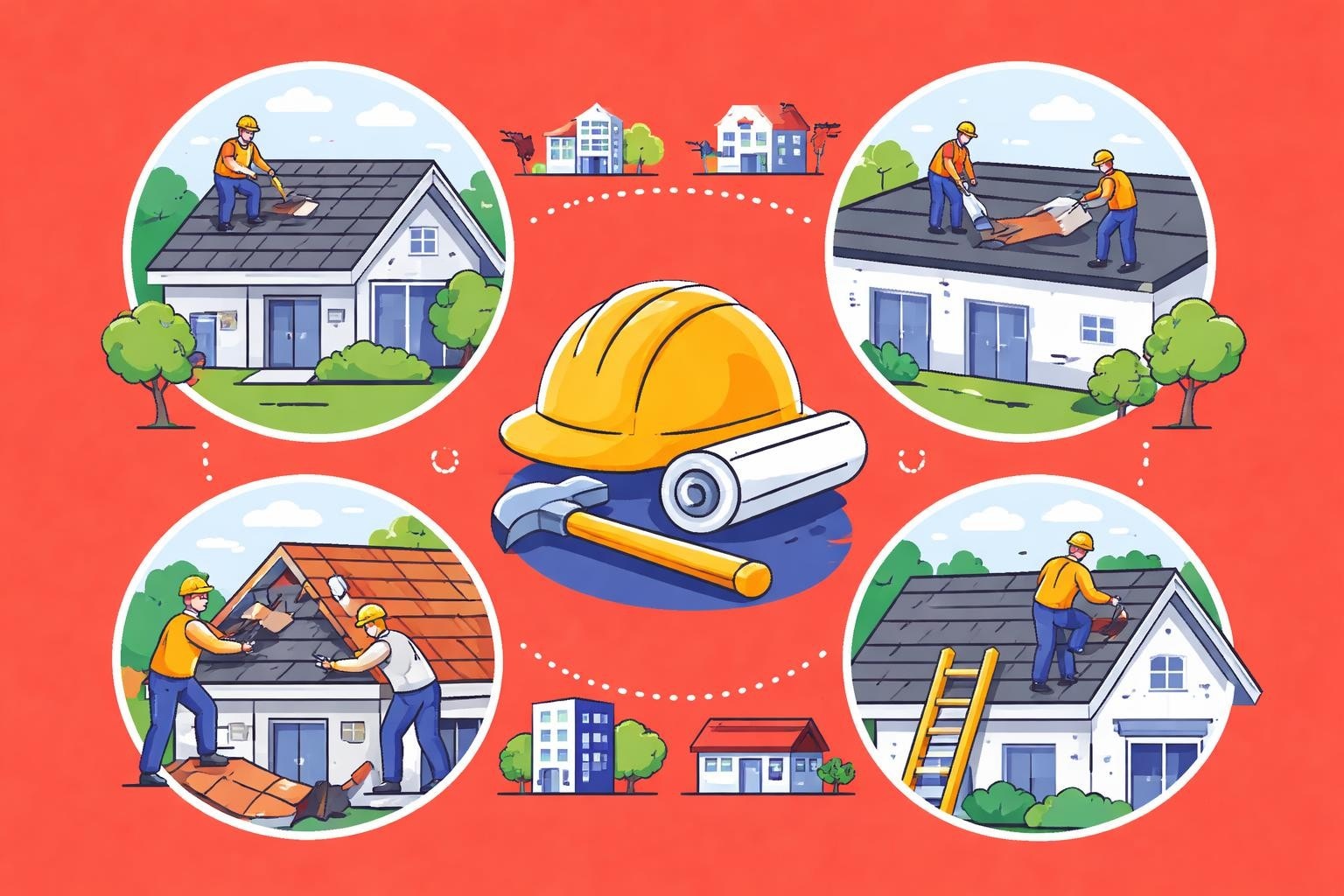
When you need roofing services for your property, finding qualified professionals who understand your local climate, building codes, and specific needs is essential. Area roofing encompasses the full spectrum of services available within your community, from emergency repairs to complete roof replacements, covering both residential and commercial properties. Understanding what area roofing contractors offer and how to select the right provider can save you thousands of dollars while ensuring your property receives the protection it deserves for decades to come.
Understanding Area Roofing Services
Area roofing refers to the comprehensive roofing solutions available within your geographic region, delivered by contractors who understand local weather patterns, building regulations, and material performance in your specific climate. These services extend far beyond simple repairs, encompassing installation, maintenance, inspection, and emergency response tailored to your community's needs.
Professional roofing contractors in your area typically offer specialized services for different property types. Residential area roofing focuses on single-family homes, townhouses, and small apartment buildings, primarily using asphalt shingles, architectural shingles, or alternative materials suited to homeowner preferences. Commercial area roofing addresses larger structures requiring different systems like modified bitumen, TPO, EPDM, or built-up roofing designed for flat or low-slope applications.
Key Service Categories
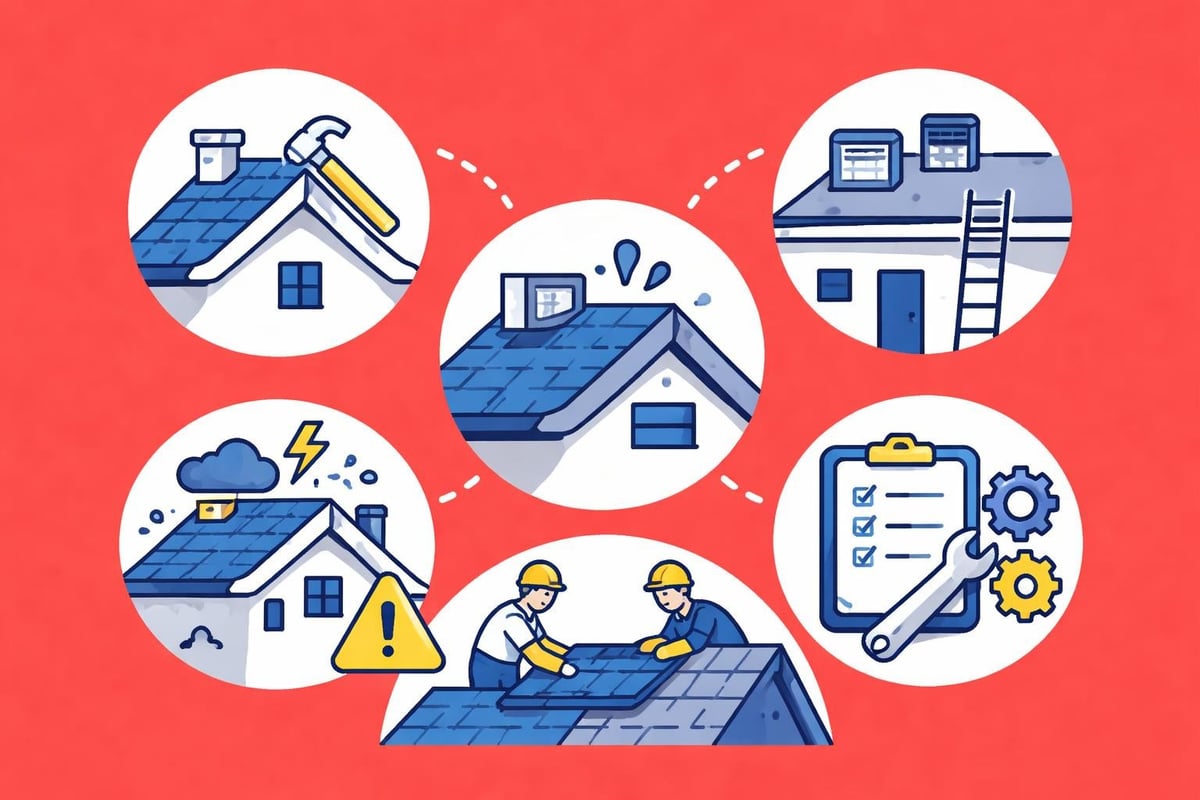
Area roofing professionals provide distinct service categories that address different property needs:
- Roof replacement: Complete removal and installation of new roofing systems
- Repair services: Targeted fixes for leaks, damaged shingles, or storm damage
- Maintenance programs: Regular inspections and preventive care
- Emergency services: Immediate response for severe weather damage or failures
- Inspection services: Detailed assessments for property transactions or insurance claims
The National Roofing Contractors Association provides industry standards that guide professional contractors in delivering these services consistently and safely across different regions.
Material Selection for Local Conditions
Choosing the right roofing material for your area depends on climate factors, building codes, aesthetic preferences, and budget considerations. Your local climate significantly impacts material performance and longevity, making regional expertise invaluable when selecting roofing systems.
Residential Roofing Materials
Asphalt shingles remain the dominant choice for residential area roofing throughout much of the United States, offering excellent value, proven performance, and diverse aesthetic options. The Asphalt Roofing Manufacturers Association reports that these materials provide 20-30 years of service when properly installed and maintained, with architectural shingles often exceeding these expectations.
Three-tab shingles represent the most economical option, while architectural shingles deliver enhanced durability and dimensional appearance. For homeowners seeking premium solutions, designer shingles replicate the look of slate or cedar shake while maintaining asphalt's practical benefits. Understanding how to choose the best roof for your home helps ensure your investment aligns with your property's specific requirements.
| Material Type | Average Lifespan | Cost Range | Best Climate |
|---|---|---|---|
| 3-Tab Shingles | 15-20 years | $ | Moderate climates |
| Architectural Shingles | 25-30 years | $$ | Most climates |
| Designer Shingles | 30-50 years | $$$ | All climates |
| Metal Roofing | 40-70 years | $$$ | Extreme weather |
Commercial Roofing Solutions
Commercial properties require different approaches, with modified bitumen and single-ply membranes dominating flat and low-slope applications. Modified bitumen systems combine traditional built-up roofing benefits with modern materials, offering exceptional durability for commercial area roofing projects. These multi-layer systems excel in extreme temperature fluctuations and heavy foot traffic environments.
Single-ply membranes like TPO and EPDM provide cost-effective solutions with simplified installation and reliable waterproofing. The choice between materials depends on building use, roof access requirements, and long-term maintenance considerations. Common commercial roofing problems often stem from improper material selection for the building's specific conditions.
Storm Damage and Emergency Response
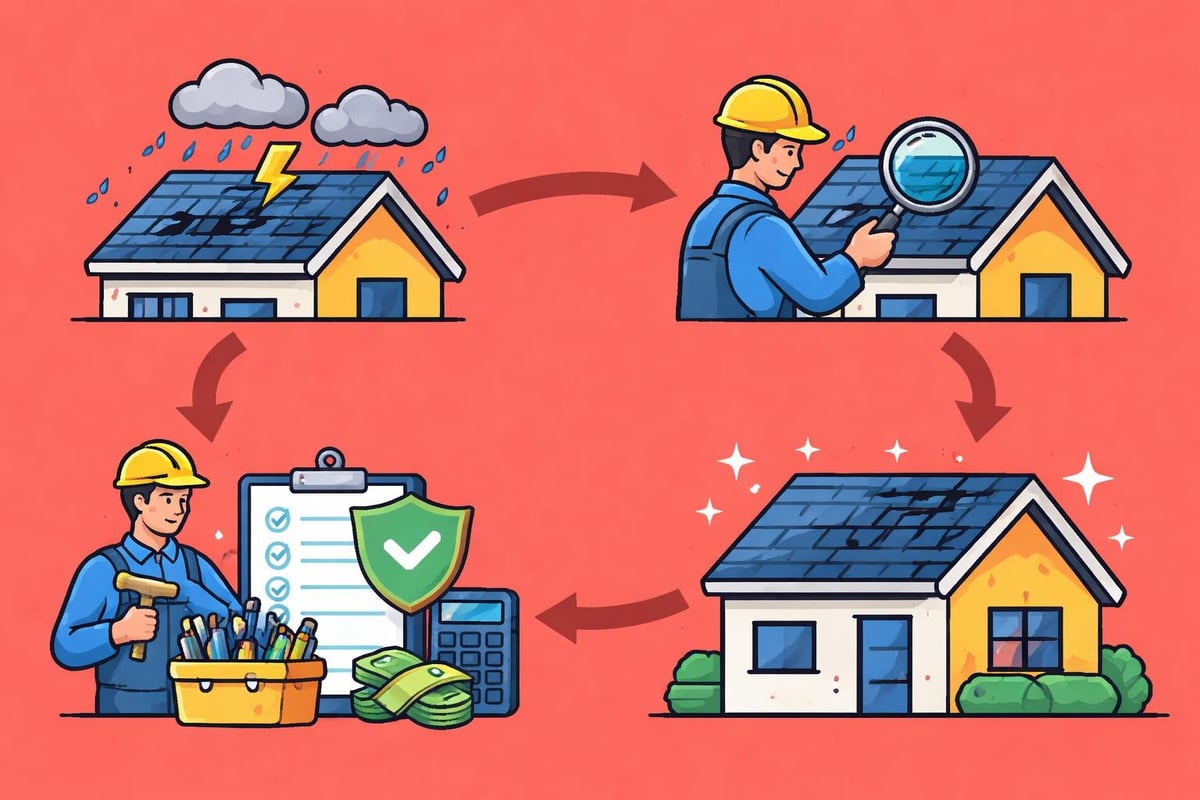
Severe weather represents the leading cause of unexpected area roofing needs, with wind, hail, and heavy precipitation causing billions in property damage annually. Understanding how storms impact roofing systems and knowing when to request emergency services protects your property and prevents minor damage from escalating into major structural problems.
Wind damage typically manifests as lifted or missing shingles, exposing underlayment and decking to moisture penetration. Hail creates bruising on asphalt shingles or punctures in metal roofing, compromising the system's waterproofing integrity. Even weeks after a storm has passed, damage signs may emerge as temperatures change or additional precipitation tests weakened areas.
Recognizing Storm Damage
Property owners should inspect their roofs following severe weather events, looking for these common indicators:
- Missing or damaged shingles with granule loss
- Dented gutters, downspouts, or metal flashing
- Ceiling stains or water spots inside the property
- Damaged or dented roof vents and exhaust caps
- Debris accumulation in valleys or against penetrations
Professional area roofing contractors provide thorough inspections that identify damage invisible from ground level. Benefits of hiring a local roofing company include familiarity with regional weather patterns and insurance claim processes specific to your area.
Cost Considerations and Budgeting
Understanding area roofing costs helps property owners budget appropriately and make informed decisions about repairs versus replacement. Multiple factors influence final project costs, including material selection, roof size and complexity, accessibility, and current market conditions for labor and supplies.
Residential roof replacement typically ranges from $5,000 to $25,000 for average-sized homes, with variables like pitch, layers requiring removal, and material choice driving final costs. Steep pitches increase labor requirements and safety equipment needs, while multiple existing layers necessitate additional disposal expenses. Learning about roof replacement costs in your specific market provides realistic expectations for budgeting purposes.
Pricing Factors
Area roofing contractors calculate estimates based on these primary cost drivers:
- Square footage: Measured in roofing squares (100 square feet)
- Material selection: Ranging from basic three-tab to premium designer shingles
- Tear-off requirements: Number of existing layers requiring removal
- Roof complexity: Valleys, penetrations, chimneys, and pitch considerations
- Permit and disposal fees: Local requirements and waste removal costs
- Warranty coverage: Extended manufacturer warranties increase upfront costs
Commercial projects scale differently, often quoted per square foot for larger surfaces. Modified bitumen installation costs less than single-ply membranes in many applications, though specific building requirements may dictate material selection regardless of initial price differences.
Maintenance and Longevity Strategies
Proactive maintenance extends roofing system lifespan significantly while reducing the likelihood of costly emergency repairs. Regular inspections identify minor issues before they escalate, protecting your property investment and maintaining warranty coverage that often requires documented maintenance.
Professional area roofing contractors recommend bi-annual inspections, scheduled in spring and fall to address seasonal concerns. Spring inspections assess winter damage from ice, snow, and freeze-thaw cycles, while fall evaluations prepare systems for upcoming harsh weather. How often you should have your roof inspected depends on roof age, material type, and local weather severity.
Essential Maintenance Tasks
| Maintenance Activity | Frequency | Purpose |
|---|---|---|
| Professional Inspection | Twice yearly | Identify damage early |
| Gutter Cleaning | Quarterly | Prevent water backup |
| Debris Removal | After storms | Protect shingle integrity |
| Flashing Inspection | Annually | Prevent leak points |
| Attic Ventilation Check | Annually | Control moisture, temperature |
Homeowners can supplement professional maintenance with basic monitoring, watching for granule accumulation in gutters, checking attic spaces for moisture or light penetration, and noting any interior staining. However, climbing onto roofs poses significant safety risks and may void warranties if improper repairs are attempted. The summer roof maintenance checklist provides seasonal guidance for property protection.
Understanding proper attic ventilation proves critical for roofing longevity, as inadequate airflow causes heat and moisture buildup that degrades materials from beneath. Balanced intake and exhaust ventilation regulates temperature extremes and prevents ice dam formation in winter climates.
Selecting Area Roofing Contractors
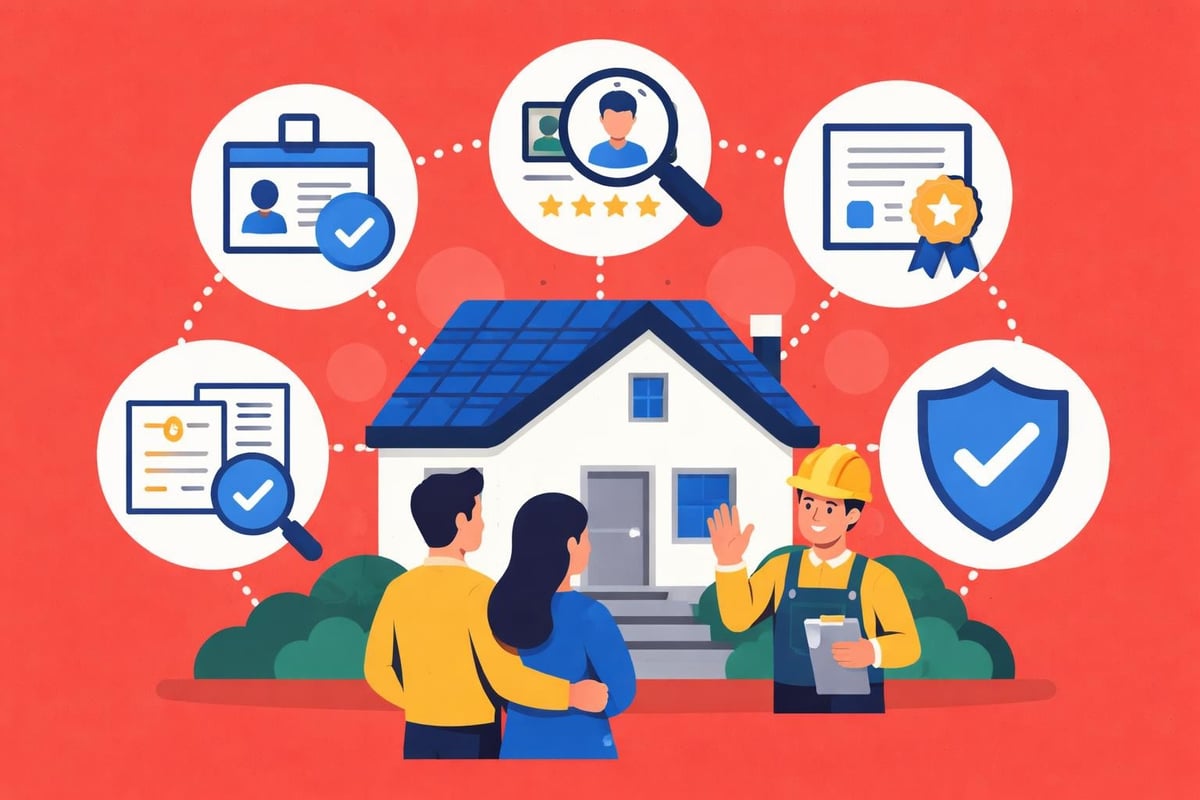
Choosing qualified area roofing professionals requires research beyond price comparison, as workmanship quality directly impacts system performance and longevity. Licensed, insured contractors with established local reputations provide accountability and expertise that unlicensed operators cannot match, regardless of initial cost savings they might promise.
Evaluation Criteria
Effective contractor selection involves verifying these essential qualifications:
- Valid licensing and insurance: Liability and workers' compensation coverage protects you
- Local references: Recent projects in your area demonstrate quality and reliability
- Material certifications: Manufacturer training ensures proper installation
- Written estimates: Detailed proposals prevent misunderstandings and change orders
- Warranty offerings: Both workmanship and material coverage provide long-term protection
Request multiple estimates to understand market pricing, but avoid automatically selecting the lowest bid. Unrealistically low prices often indicate substandard materials, inadequate labor allocation, or contractors who won't remain in business to honor warranties. According to Roofing Contractor magazine, established professionals price competitively while maintaining standards that protect both their reputation and your investment.
Seasonal Considerations and Timing
Project timing significantly impacts area roofing work quality and costs, with seasonal weather patterns creating optimal and challenging installation periods. Understanding these timing considerations helps property owners schedule work strategically for best results and potential cost savings.
Spring and fall represent ideal seasons for most roofing projects, offering moderate temperatures that allow proper material adhesion without extreme heat or cold complications. Summer installations proceed quickly due to long daylight hours and predictable weather, though extreme heat can make working conditions challenging and may affect shingle sealing rates. Winter roofing remains possible in many regions but requires special considerations and may incur premium pricing.
Weather Impact on Installation
Temperature extremes affect different materials distinctly. Asphalt shingles require specific temperature ranges for proper sealing, with adhesive strips activating through solar heat exposure. Cold weather installations need additional time for seal activation and may require special cold-weather adhesives. Preparing commercial roofs for cold weather ensures systems withstand winter conditions without emergency failures.
Storm seasons create demand surges that extend contractor scheduling timelines and may increase costs temporarily. Property owners who identify needed repairs during off-peak periods often secure better pricing and more flexible scheduling. However, delaying necessary roof replacement beyond appropriate timing risks additional damage that increases total project costs substantially.
Sustainable Roofing Options
Environmental consciousness increasingly influences area roofing decisions, with property owners seeking sustainable materials and energy-efficient systems that reduce environmental impact while lowering operating costs. Modern roofing technology offers numerous options that balance ecological responsibility with practical performance requirements.
Cool roofing systems reflect solar radiation more effectively than traditional dark materials, reducing heat absorption and lowering cooling costs. Light-colored shingles, reflective coatings, and specially designed materials can decrease roof surface temperatures by 50-60 degrees during summer months. The Environmental Protection Agency discusses green roofs as strategies for reducing urban heat islands while providing additional environmental benefits.
Metal roofing contains high recycled content and remains fully recyclable at end-of-life, creating minimal waste compared to tear-off disposal of asphalt shingles. While initial costs exceed standard shingles, metal systems' 50-70 year lifespan and energy efficiency create long-term value. Solar-ready roofing designs accommodate photovoltaic panels, preparing properties for renewable energy integration even if panels aren't installed immediately.
Energy Efficiency Benefits
Sustainable area roofing choices deliver measurable cost savings alongside environmental benefits:
- Reduced cooling costs through reflective surfaces
- Lower heating expenses via improved insulation and ventilation
- Extended replacement cycles reducing long-term material consumption
- Potential tax credits and utility rebates for energy-efficient installations
- Increased property values from sustainable building features
Understanding how heat impacts roofs in your climate zone helps determine which sustainable technologies provide the greatest return on investment for your specific property.
Warranty Protection and Coverage
Comprehensive warranty coverage protects area roofing investments through both material defect coverage and workmanship guarantees. Understanding warranty types, coverage limitations, and maintenance requirements ensures you receive full protection throughout your roof's service life.
Manufacturer warranties cover material defects, typically ranging from 20 years to lifetime coverage depending on product grade. These warranties protect against manufacturing flaws but exclude damage from improper installation, maintenance neglect, or weather events. Enhanced warranties may offer additional protection, including coverage for algae resistance, wind damage resistance to specific speeds, and prorated replacement value.
Workmanship warranties from area roofing contractors cover installation quality, addressing issues arising from improper techniques or materials application. Reputable contractors offer 5-10 year workmanship warranties, demonstrating confidence in their installation standards. Combined manufacturer and contractor coverage provides comprehensive protection addressing both product and installation concerns.
Maintaining Warranty Validity
Warranty coverage requires specific conditions for validity:
- Professional installation by certified contractors
- Documented regular maintenance and inspections
- Proper ventilation meeting manufacturer specifications
- Authorized repairs using approved methods and materials
- Timely claim filing following discovery of defects
Property owners should retain all documentation, including installation certificates, inspection reports, and maintenance records. These documents prove compliance with warranty terms and streamline claim processes if issues arise. Exploring vulnerable roof areas through regular professional inspections identifies potential problems while maintaining warranty coverage.
Integration with Complete Exterior Systems
Modern area roofing projects increasingly address comprehensive exterior protection rather than isolated roof replacement. Coordinating roofing work with gutter systems, siding, and ventilation creates cohesive protection that maximizes each component's effectiveness while achieving aesthetic harmony across your property's exterior.
Gutters and downspouts work directly with roofing systems to manage water runoff, protecting foundations, landscaping, and exterior surfaces. Gutter replacement costs represent a fraction of total roofing projects but deliver critical functionality that prevents thousands in potential water damage. Coordinating these installations during roof replacement ensures proper integration and eliminates redundant mobilization costs.
Siding condition impacts overall property protection and curb appeal, making simultaneous replacement logical when roofing systems reach end-of-life. Which siding holds up better in Midwest winters becomes an important consideration when planning comprehensive exterior renovations. Vinyl, fiber cement, and engineered wood each offer distinct advantages for different climates and maintenance preferences.
Selecting the right area roofing solutions requires understanding your property's specific needs, local climate challenges, and available materials while working with qualified professionals who deliver lasting results. Whether you need emergency storm repairs, routine maintenance, or complete system replacement, Great Roofing brings family-owned dedication and professional expertise to every residential and commercial project throughout the Joliet area. Contact their experienced team today to schedule a comprehensive roof inspection and discover how proper roofing solutions protect your most valuable investment for decades to come.