


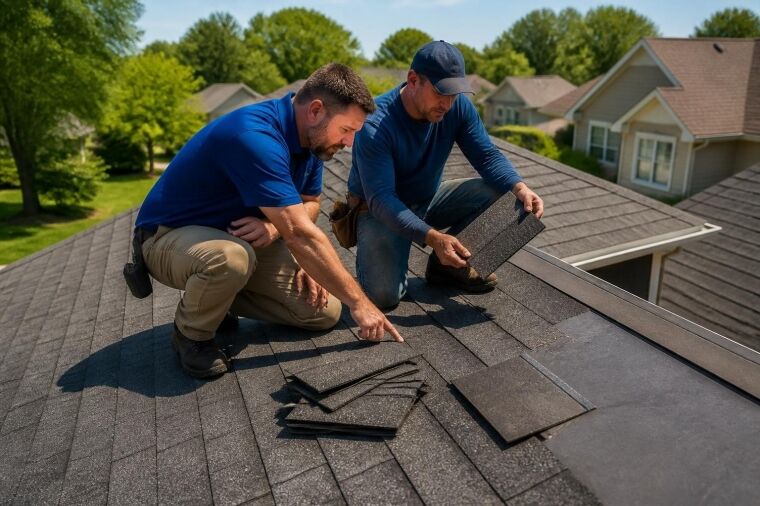
Selecting the right professional for your roof replacement or repair is one of the most critical decisions homeowners and property managers face. Asphalt shingles remain the most popular roofing material in North America, covering approximately 80% of residential properties, which makes finding qualified asphalt roofing contractors an essential task. Whether you're dealing with storm damage, planning a long-overdue replacement, or simply need repairs, understanding what distinguishes exceptional contractors from average ones will save you time, money, and considerable frustration. This comprehensive guide explores everything you need to know about working with asphalt roofing professionals in 2026.
Understanding What Asphalt Roofing Contractors Do
Professional roofing contractors specializing in asphalt shingles handle far more than simple installation. Their expertise spans initial roof assessment, material selection, proper installation techniques, warranty navigation, and long-term maintenance planning.
Core Services and Expertise
The scope of work performed by asphalt roofing contractors extends across multiple categories:
- Complete roof replacements using three-tab, architectural, or premium designer shingles
- Roof repairs addressing leaks, wind damage, and localized deterioration
- Storm damage assessment and insurance claim assistance
- Ventilation system design and installation for optimal attic performance
- Underlayment and ice barrier installation following manufacturer specifications
- Flashing fabrication around chimneys, skylights, and roof penetrations
Quality contractors stay current with evolving technical bulletins from the Asphalt Roofing Manufacturers Association to ensure compliance with the latest installation standards. This ongoing education distinguishes professionals who simply install shingles from those who understand building science, moisture management, and long-term roof performance.

Residential Versus Commercial Applications
While many contractors focus primarily on residential work, some asphalt roofing contractors maintain expertise in both sectors. Residential projects typically involve architectural shingles on steep-slope applications, whereas commercial properties might incorporate low-slope asphalt systems or modified bitumen installations.
The installation techniques differ significantly. Residential steep-slope roofing requires expertise in proper nail placement, shingle alignment, and valley treatments. Commercial applications demand knowledge of membrane systems, torch-down techniques, and different waterproofing approaches.
Choosing the Right Contractor for Your Project
Not all asphalt roofing contractors deliver the same quality, professionalism, or value. The selection process requires careful evaluation of credentials, experience, and business practices.
Essential Credentials and Certifications
| Credential Type | Why It Matters | What to Verify |
|---|---|---|
| Licensing | Legal requirement, consumer protection | Current state/local license number |
| Insurance | Liability and worker protection | Certificate of insurance with adequate limits |
| Manufacturer Certification | Factory training, warranty eligibility | Certifications from GAF, Owens Corning, CertainTeed, etc. |
| Industry Memberships | Professional standards, ongoing education | NRCA, local builder associations |
Manufacturer certifications particularly matter because they unlock extended warranty coverage unavailable through standard installations. The NRCA’s ProCertified contractor program provides additional verification that contractors meet specific experience and education requirements.
Questions to Ask During Contractor Selection
Before signing any contract, homeowners should gather detailed information:
- How long have you specialized in asphalt roofing installations?
- Can you provide references from projects completed in the past 12 months?
- Which manufacturer certifications does your company hold?
- What warranties cover materials and workmanship?
- How do you handle unexpected discoveries like deck damage?
- What is your typical project timeline from start to completion?
- Who will supervise the daily work on my property?
The contractor's responses reveal their professionalism, transparency, and customer service approach. Evasive answers or reluctance to provide documentation should raise immediate concerns.
The Asphalt Roofing Installation Process
Understanding the installation workflow helps property owners recognize quality workmanship and identify potential shortcuts that compromise roof performance.
Pre-Installation Planning and Preparation
Professional asphalt roofing contractors begin every project with thorough planning. This phase includes:
Material Selection and Ordering
Contractors help clients navigate the overwhelming array of shingle options, from basic three-tab products to premium architectural styles. Color selection, wind rating, algae resistance, and energy efficiency all factor into the decision. Cool roof strategies have gained popularity as homeowners seek reflective shingle options that reduce cooling costs.
Site Protection Measures
Reputable contractors protect landscaping, vehicles, and exterior features before work begins. Tarps, plywood pathways, and magnetic sweepers prevent property damage and injury from falling debris or stray nails.
Step-by-Step Installation Sequence
The actual installation follows a precise sequence that experienced asphalt roofing contractors execute efficiently:
- Removal of existing materials down to the roof deck
- Deck inspection and repairs addressing any structural concerns
- Drip edge installation along eaves for proper water management
- Underlayment application using felt or synthetic products
- Ice and water barrier in vulnerable areas (eaves, valleys, penetrations)
- Starter course installation providing secure attachment for first row
- Field shingle application following manufacturer specifications
- Ridge cap installation with proper ventilation integration
- Flashing installation around all penetrations and transitions
- Final cleanup and inspection ensuring no debris remains
Each step requires specific techniques and attention to detail. Proper attic ventilation design integrates with the roofing system to prevent moisture accumulation and premature shingle failure.
Material Quality and Performance Considerations
The asphalt shingle market offers products across a wide quality spectrum, and knowledgeable contractors guide clients toward appropriate selections based on budget, climate, and performance expectations.
Shingle Types and Performance Grades
Three-Tab Shingles
These basic products provide economical coverage but offer limited wind resistance and shorter lifespans (15-20 years). Few contractors recommend them for primary residences in 2026, though they remain suitable for rental properties or structures nearing end-of-life.
Architectural Shingles
The industry standard for residential roofing, architectural (dimensional) shingles feature multiple layers creating shadow lines and texture. These products typically carry 25-30 year warranties and better wind ratings. Independent testing by Consumer Reports helps homeowners understand real-world performance differences between brands.
Premium Designer Shingles
High-end products replicate the appearance of slate, cedar shake, or tile while maintaining asphalt's cost advantage. These specialty shingles suit distinctive architectural styles and historic neighborhoods where appearance matters most.
Understanding Warranty Coverage
| Warranty Type | Coverage Duration | What's Protected | Common Exclusions |
|---|---|---|---|
| Material Defect | 25-50 years | Manufacturing defects only | Improper installation, ventilation issues |
| Workmanship | 1-10 years | Installation errors | Acts of God, normal wear |
| Wind Resistance | 10-15 years | Wind damage up to rated speed | Damage below threshold, improper fastening |
| Algae Resistance | 10-25 years | Algae staining | Mold, mildew, other discoloration |
Quality asphalt roofing contractors explain warranty limitations honestly rather than overpromising coverage. Many installation defects void manufacturer warranties, making proper contractor selection critical for long-term protection.
Common Installation Mistakes to Avoid
Even experienced contractors occasionally cut corners or make errors that compromise roof performance. Awareness of common issues helps property owners recognize problems during installation.
Ventilation Inadequacies
Insufficient attic ventilation ranks among the most frequent mistakes. Asphalt roofing contractors must calculate proper intake and exhaust ratios based on attic square footage. Inadequate airflow causes:
- Excessive heat buildup reducing shingle lifespan
- Moisture accumulation promoting mold and rot
- Ice dam formation in cold climates
- Premature shingle deterioration and curling
The IIBEC’s technical guidance on roofing practice emphasizes ventilation as critical to overall system performance.
Improper Fastening Techniques
Shingle attachment directly impacts wind resistance and long-term durability. Problems include:
- Overdriven nails that tear shingle material and create leak points
- Underdriven nails that leave shingles vulnerable to wind uplift
- Incorrect nail placement outside manufacturer-specified zones
- Insufficient fastener quantity failing to meet local building codes
Flashing and Valley Errors
Water intrusion most commonly occurs around roof penetrations and valley intersections. Skilled asphalt roofing contractors fabricate custom flashing and carefully integrate valley materials. Common mistakes include reusing old flashing, improper overlap sequences, and inadequate sealant application.
Cost Factors and Budget Planning
Asphalt roofing remains one of the most cost-effective roofing solutions, but pricing varies significantly based on multiple factors.
Price Variables Affecting Your Investment
Material Grade and Brand Selection
Shingle costs range from $90 to $400 per square (100 square feet), with premium products commanding higher prices. Brand reputation, warranty length, and aesthetic features all influence material costs.
Roof Complexity and Accessibility
Simple gable roofs install faster and cheaper than complex designs featuring multiple valleys, dormers, or steep pitches. Accessibility challenges like limited driveway space or multi-story heights increase labor costs.
Geographic Location
Labor rates, permit costs, and material availability vary by region. Urban markets like Joliet typically see higher contractor rates than rural areas, though competition can moderate pricing.
Removal and Disposal Requirements
Many jurisdictions limit the number of shingle layers permitted. Complete tearoff adds $1-4 per square foot in labor and disposal fees compared to overlay installations.
Getting Accurate Estimates
Professional asphalt roofing contractors provide detailed written estimates breaking down costs by category:
- Materials (shingles, underlayment, fasteners, flashing)
- Labor (removal, installation, cleanup)
- Permits and inspections
- Waste disposal
- Contingencies for unexpected repairs
Beware of estimates significantly below market averages. Extremely low bids often indicate inadequate insurance, inferior materials, or planned shortcuts that compromise quality.
Working With Insurance on Storm Damage Claims
Severe weather frequently necessitates asphalt shingle replacement, and navigating insurance claims requires specific knowledge that quality contractors provide.
The Claims Process Workflow
Experienced asphalt roofing contractors assist with insurance claims by:
- Documenting damage with detailed photographs and measurements
- Meeting adjusters to point out less obvious hail impacts or wind damage
- Preparing estimates that match insurance documentation requirements
- Negotiating scope when initial assessments undervalue necessary work
- Coordinating payments through proper lien waivers and completion certificates
Many homeowners lack experience evaluating roof damage. Professional contractors identify subtle hail bruising, granule loss patterns, and seal failures that untrained eyes miss.
Understanding Depreciation and Coverage Limits
Most policies initially pay actual cash value (replacement cost minus depreciation), then reimburse depreciation upon completion. Contractors explain this payment structure and work within insurance parameters while ensuring proper repairs. When addressing storm damage needs, working with contractors who understand insurance claim procedures streamlines the entire process.
Maintenance and Longevity Expectations
Proper maintenance extends asphalt roof lifespan and protects your investment. Quality contractors provide guidance on inspection schedules and minor repairs.
Recommended Maintenance Activities
Annual Visual Inspections
Homeowners should examine roofs from ground level each spring and fall, looking for:
- Missing or damaged shingles
- Granule accumulation in gutters
- Exposed nails or lifted tabs
- Vegetation growth or debris accumulation
Professional Inspections
Every 3-5 years, property owners should hire asphalt roofing contractors for thorough inspections identifying issues before they cause interior damage.
Preventive Repairs
Addressing minor problems immediately prevents expensive secondary damage. Small investments in flashing repairs or shingle replacement protect against water intrusion that rots decking and damages interiors.
Expected Lifespan by Product Category
Realistic longevity expectations help with financial planning:
| Shingle Type | Expected Lifespan | Factors Affecting Duration |
|---|---|---|
| Three-Tab | 15-20 years | Climate, ventilation, maintenance |
| Architectural | 25-30 years | Installation quality, weather exposure |
| Premium | 30-50 years | Material grade, proper installation |
| Designer | 40-50+ years | Maintenance, severe weather frequency |
These timeframes assume proper installation, adequate ventilation, and reasonable maintenance. Harsh climates, poor ventilation, or installation defects significantly reduce actual service life.
Environmental Considerations and Sustainability
As environmental awareness grows, property owners increasingly consider the ecological impact of roofing decisions.
Asphalt Shingle Recycling Programs
Approximately 11 million tons of asphalt shingles enter landfills annually. Progressive asphalt roofing contractors participate in recycling programs that convert old shingles into:
- Road paving asphalt
- Pothole patching materials
- Manufactured roofing products
- Industrial fuel sources
While not universally available, recycling reduces environmental impact and sometimes lowers disposal costs.
Energy Efficiency and Cool Roofing
Reflective shingle technologies reduce heat absorption, lowering cooling costs in warm climates. Cool roof benefits include:
- 10-15% reduction in cooling energy consumption
- Extended shingle lifespan through lower surface temperatures
- Reduced urban heat island effects
- Potential utility rebates in some markets
Property owners interested in broader environmental strategies can explore green infrastructure alternatives though these typically complement rather than replace asphalt roofing on residential structures.
Red Flags and Warning Signs of Problem Contractors
Unfortunately, the roofing industry attracts unscrupulous operators who exploit homeowners' lack of technical knowledge.
Common Scam Tactics
Storm Chasers
Unlicensed contractors follow severe weather, offering "free inspections" that always discover extensive damage. They pressure homeowners into immediate decisions, collect deposits, then disappear or deliver substandard work.
Lowball Estimates
Unrealistically cheap quotes attract budget-conscious homeowners but typically involve:
- Inferior materials substituted without disclosure
- Inexperienced crews lacking proper supervision
- Skipped steps like ice barrier or adequate fasteners
- Abandoned projects when unexpected issues arise
High-Pressure Sales Tactics
Legitimate asphalt roofing contractors provide detailed information and allow time for decision-making. Red flags include same-day signing bonuses, expiring discounts, or claims that immediate action prevents catastrophic failure.
Protecting Yourself From Fraud
Smart consumers take several protective measures:
- Verify all credentials independently through state licensing boards
- Never pay the full amount upfront (typical deposits range 10-25%)
- Obtain detailed written contracts specifying materials, timelines, and warranties
- Check references and review online ratings across multiple platforms
- Ensure proper permits are pulled before work begins
Reputable contractors welcome scrutiny and provide transparent documentation without hesitation.
Working With Local Contractors Versus National Chains
The decision between local specialists and national franchise operations involves tradeoffs worth considering.
Advantages of Local Asphalt Roofing Contractors
Community Investment and Accountability
Local contractors build reputations over decades serving specific communities. They maintain physical locations, employ local workers, and depend on referrals from satisfied customers.
Personalized Service
Smaller operations typically provide more direct access to ownership and decision-makers. Project managers often handle installations personally rather than delegating to unknown subcontractors.
Regional Climate Expertise
Local professionals understand specific weather patterns, building codes, and architectural styles common in their service areas. This knowledge informs better material recommendations and installation adaptations.
When National Franchises Make Sense
Large franchise operations offer certain advantages:
- Established brand recognition and standardized processes
- Potentially broader warranty backing
- Greater purchasing power for material discounts
- More extensive marketing and customer acquisition systems
However, franchise quality varies dramatically between individual operators despite consistent branding.
The Future of Asphalt Roofing Technology
Innovation continues improving asphalt shingle performance, sustainability, and aesthetic options.
Emerging Product Technologies
Solar Reflective Granules
Advanced surface treatments reflect more solar radiation while maintaining traditional appearance. These products reduce attic temperatures without the visual impact of white or light-colored shingles.
Impact-Resistant Shingles
Class 4 impact-rated products resist hail damage better than standard shingles, qualifying for insurance discounts in many markets. Modified asphalt formulations and reinforced mats provide enhanced durability.
Self-Sealing Improvements
Enhanced adhesive strips create better wind resistance and seal more reliably in varied temperature conditions. These improvements address historical issues with inadequate sealing in cold climates.
Installation Innovation
Professional asphalt roofing contractors increasingly adopt technology improving efficiency and quality:
- Drone inspections for safer, more detailed assessments
- Digital measurement tools reducing estimation errors
- Advanced fastening systems ensuring consistent nail depth
- Weather monitoring applications optimizing installation timing
These innovations benefit customers through improved accuracy, faster project completion, and enhanced quality control.
Choosing qualified asphalt roofing contractors requires understanding installation processes, material options, and professional credentials that distinguish exceptional contractors from mediocre operators. Whether you need repairs, replacement, or guidance on storm damage claims, working with experienced professionals protects your investment and ensures long-lasting performance. Great Roofing brings decades of family-owned expertise to every asphalt roofing project in Joliet and surrounding communities, combining technical knowledge with personalized service that national chains can't match. Contact our team today for a detailed assessment and transparent estimate on your residential or commercial roofing needs.