

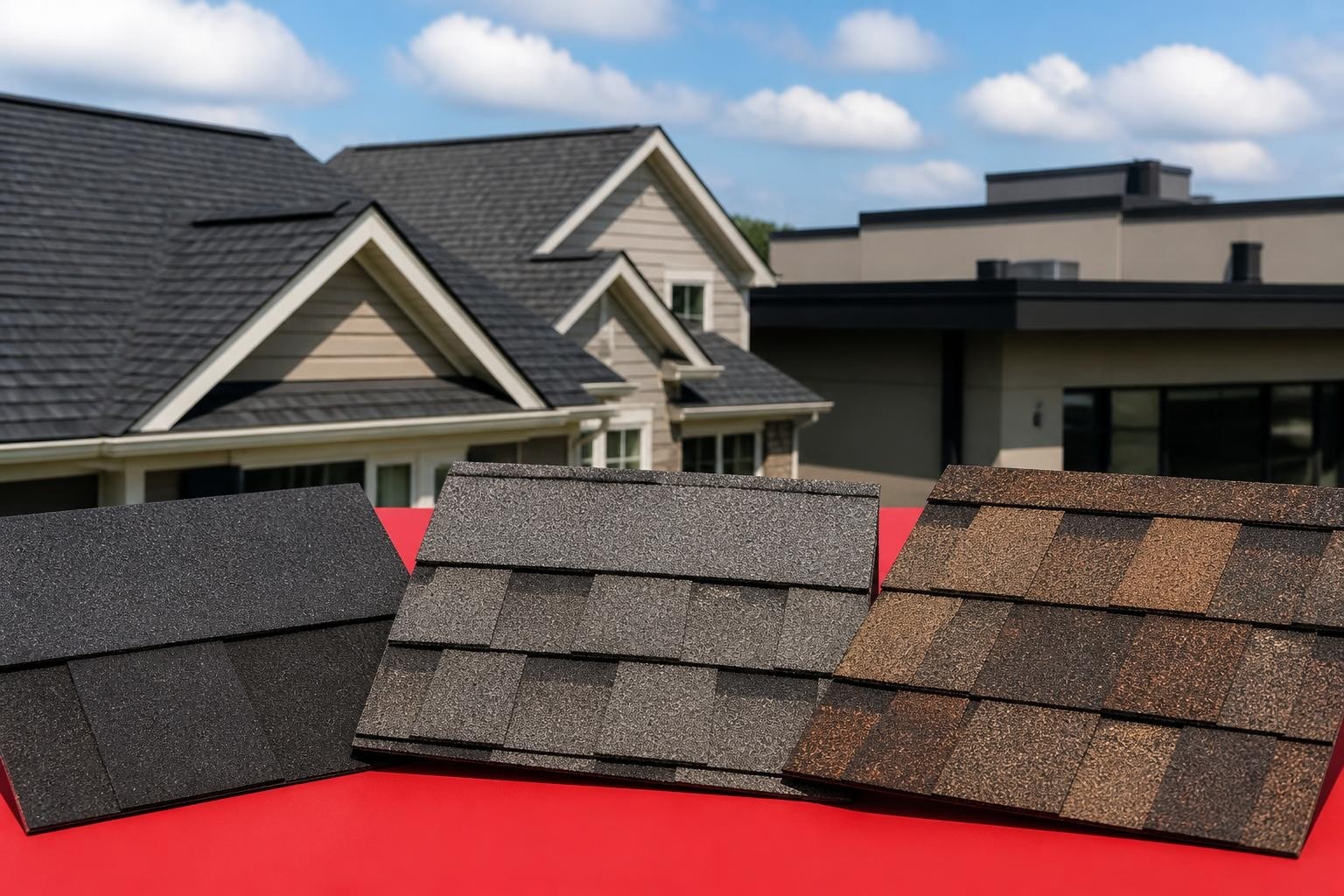
Asphalt roofing products dominate the residential and commercial roofing market across the United States, accounting for more than 75% of all steep-slope roofing installations. These versatile materials combine durability, affordability, and aesthetic flexibility, making them the preferred choice for property owners seeking reliable weather protection. Understanding the range of asphalt roofing products available today helps homeowners and business owners make informed decisions about roof replacements, upgrades, and new construction projects. From traditional three-tab shingles to advanced architectural designs with enhanced wind resistance, modern asphalt roofing solutions offer performance features that meet diverse climate challenges and architectural styles.
Understanding Asphalt Shingle Composition and Manufacturing
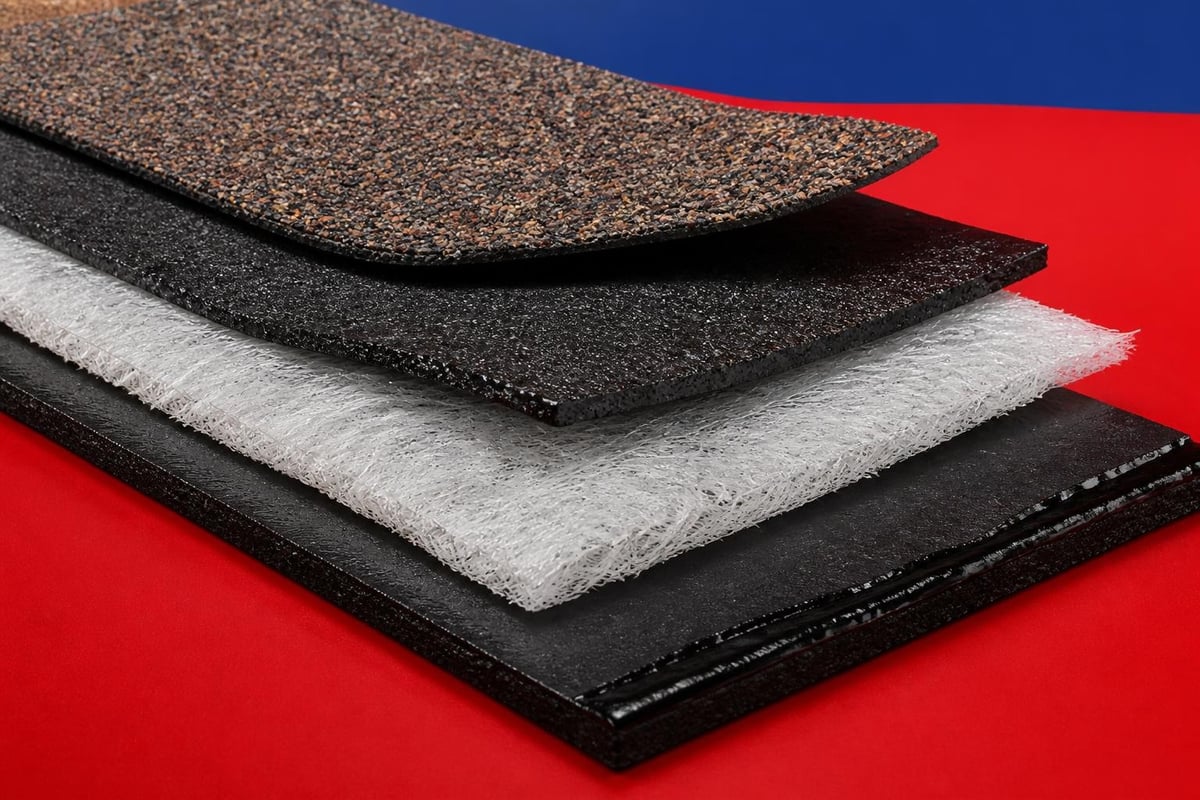
Modern asphalt roofing products utilize a sophisticated multi-layer construction that delivers both structural integrity and weather resistance. The manufacturing process begins with a fiberglass mat base, which replaced organic felt mats in most products during the 1980s due to superior dimensional stability and fire resistance.
Core Materials and Structure
The fiberglass mat serves as the reinforcement layer, providing tensile strength and preventing tearing during installation and throughout the product's service life. Manufacturers saturate this mat with asphalt, a petroleum-derived material that acts as the primary waterproofing agent. The asphalt formulation includes polymer modifiers that enhance flexibility, especially in cold weather conditions where traditional asphalt can become brittle.
Key compositional layers include:
- Fiberglass reinforcement mat (non-woven or woven construction)
- Asphalt coating with polymer modifiers for flexibility
- Ceramic-coated mineral granules for UV protection and color
- Back surface coating or sand to prevent sticking during shipping
- Adhesive strips for wind resistance and proper installation
The mineral granules embedded in the top surface provide critical protection against ultraviolet radiation, which would otherwise degrade the asphalt binder. These granules also deliver the color and aesthetic appearance of the finished roof. Advanced formulations now include algae-resistant copper or zinc compounds to prevent unsightly black streaks in humid climates.
Types of Asphalt Roofing Products
The asphalt roofing industry offers several distinct product categories, each designed for specific performance requirements and budget considerations. Understanding these categories helps property owners select appropriate materials for their particular needs.
Three-Tab Shingles
Three-tab shingles represent the most economical option among asphalt roofing products. These traditional shingles feature a uniform, flat appearance with cutouts that create three distinct tabs per shingle. While they meet basic performance standards outlined in ASTM D3462 specifications, they typically carry shorter warranty periods (20-25 years) compared to premium alternatives.
Their lighter weight (approximately 200-240 pounds per square) makes them easier to handle during installation but may provide less wind resistance than heavier alternatives. Many contractors, including those specializing in homeowners roof replacement, still install three-tab products for budget-conscious projects.
Architectural (Dimensional) Shingles
Architectural shingles have become the most popular asphalt roofing products in residential markets. These laminated shingles feature two or more layers bonded together, creating dimensional depth and visual texture that mimics the appearance of traditional wood shake or slate roofing.
| Feature | Three-Tab | Architectural | Premium Designer |
|---|---|---|---|
| Weight (lbs/square) | 200-240 | 260-400 | 350-550 |
| Warranty Period | 20-25 years | 30-50 years | Lifetime (limited) |
| Wind Rating | 60-70 mph | 110-130 mph | 130+ mph |
| Impact Rating | Class 3 | Class 4 available | Class 4 standard |
| Price Point | $ | $$ | $$$ |
Architectural products typically weigh 260-400 pounds per square, providing enhanced wind resistance and longer service life. The added thickness also improves impact resistance against hail and falling debris, which matters significantly when processing insurance claims for roof repair.
Premium Designer Shingles
Premium designer asphalt roofing products target luxury residential markets and historically-inspired architectural projects. These specialized shingles replicate the appearance of slate, cedar shake, or Mediterranean tile through advanced manufacturing techniques including multi-dimensional layering and specialized color blending.
Premium features include:
- Multi-layered construction with varied tab sizes and shapes
- Enhanced color blending with multiple granule shades
- Increased thickness (up to 1 inch) for dramatic shadow lines
- Superior wind resistance ratings (130 mph or higher)
- Extended warranty coverage (50 years to lifetime)
These products command premium pricing but deliver exceptional curb appeal and performance characteristics that justify the investment for high-end properties.
Performance Standards and Testing
Asphalt roofing products undergo rigorous testing to ensure they meet industry performance benchmarks. These standards protect consumers and provide contractors with reliable product specifications for different applications.
Industry Certification Requirements
The Asphalt Roofing Manufacturers Association (ARMA) maintains comprehensive technical resources and testing protocols that manufacturers follow. Products must pass evaluations for tear strength, nail pull resistance, wind uplift, fire rating, and accelerated weathering before receiving market approval.
Fire ratings range from Class A (highest resistance) to Class C, with most modern asphalt roofing products achieving Class A certification when installed over proper roof decking. This rating proves essential for properties in wildfire-prone regions where building codes mandate specific fire-resistance levels.
Wind and Impact Resistance
Wind resistance testing measures a product's ability to remain intact during high-velocity wind events. The industry uses ASTM D3161 and D7158 standards, with products rated for sustained winds ranging from 60 mph to 150 mph depending on design and installation method.
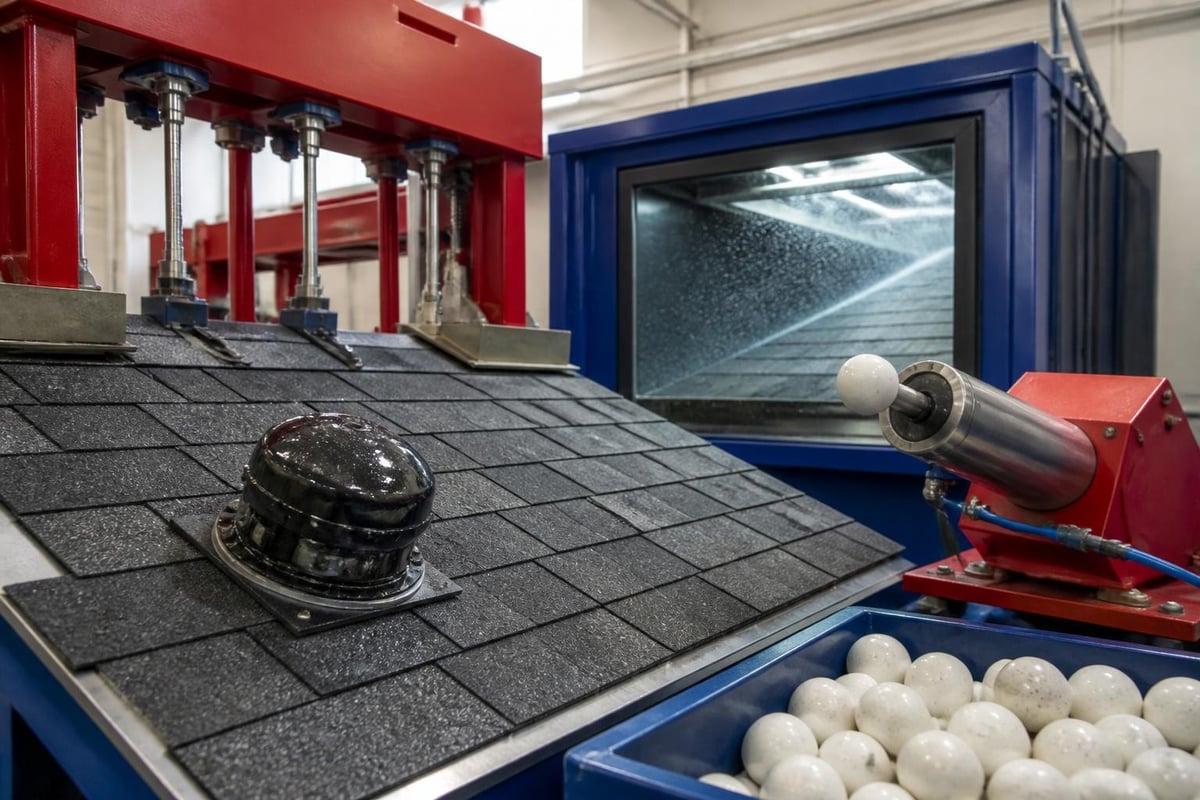
Impact resistance addresses hail damage concerns in regions prone to severe storms. Products tested under UL 2218 receive ratings from Class 1 through Class 4, with Class 4 representing the highest impact resistance. Many insurance companies offer premium discounts for homes with Class 4-rated roofing materials, making this certification financially advantageous beyond the physical protection benefits.
Energy Efficiency and Cool Roofing Options
Energy-efficient asphalt roofing products have gained significant market share as property owners seek to reduce cooling costs and environmental impact. These specialized products incorporate reflective granules that deflect solar radiation rather than absorbing it as heat.
Solar Reflectance Technology
Cool roofing technology applies to asphalt shingles through specialized granule coatings that reflect infrared radiation. While traditional dark-colored asphalt roofing can reach surface temperatures exceeding 160°F during summer, cool roof products maintain temperatures 10-20°F lower under identical conditions.
The ENERGY STAR cool roof program certifies asphalt roofing products that meet specific solar reflectance and thermal emittance criteria. These products work particularly well in hot climates where air conditioning costs represent a significant portion of energy expenses.
Cool roofing benefits include:
- Reduced cooling energy consumption (10-15% in hot climates)
- Extended shingle service life due to lower thermal stress
- Decreased urban heat island effect in densely populated areas
- Potential utility rebates and tax incentives
- Improved indoor comfort in unconditioned spaces
However, cool roofing may not suit all climates. Properties in northern regions with significant heating demands might benefit from traditional darker colors that absorb solar heat during winter months, reducing heating costs.
Installation Methods and Best Practices
Proper installation determines whether asphalt roofing products achieve their full performance potential and warranty coverage. Following manufacturer specifications and industry guidelines prevents premature failure and ensures optimal weather resistance.
Deck Preparation and Underlayment
Installation begins with thorough deck inspection and preparation. The substrate must provide a smooth, structurally sound surface free from protrusions, gaps, or deteriorated sections. The National Roofing Contractors Association guidelines detail specific requirements for deck preparation based on material type and local building codes.
Underlayment selection significantly impacts system performance. Traditional asphalt-saturated felt has largely given way to synthetic underlayment products that offer superior tear resistance and moisture protection. In high-wind or severe weather regions, contractors often specify self-adhering modified bitumen underlayment along eaves, valleys, and other vulnerable areas.
Fastening and Alignment Requirements
Manufacturers specify precise fastener placement, quantity, and type for each product line. Proper nailing technique ensures adequate holding strength without over-driving fasteners that can compromise the shingle's integrity. High-wind regions require additional fasteners and special placement patterns that exceed standard installation methods.
Critical installation considerations:
- Fastener placement within manufacturer-specified zones
- Proper exposure (typically 5 inches for most products)
- Adequate attic ventilation to prevent heat buildup
- Drip edge installation at rakes and eaves
- Valley treatment appropriate for roof pitch and climate
- Flashing integration at penetrations and transitions
When working with storm damage and insurance claim processes, proper installation documentation becomes essential for warranty claims and insurance adjusters' evaluations.
Maintenance and Lifecycle Management
Asphalt roofing products require periodic maintenance to achieve their expected service life. Proactive care identifies minor issues before they escalate into expensive repairs or premature replacement.
Inspection and Preventive Care
Property owners should schedule professional roof inspections every 2-3 years, with additional evaluations following severe weather events. Inspections identify damaged or missing shingles, deteriorated flashing, granule loss, and other conditions that compromise weather protection.
Common maintenance tasks include debris removal from valleys and gutters, trimming overhanging tree branches, and addressing moss or algae growth in humid climates. Keeping the roof surface clean and free from organic debris extends product life and maintains aesthetic appearance.
Recognizing Replacement Indicators
Several signs indicate that asphalt roofing products have reached the end of their service life and require replacement rather than repair. Understanding when to replace your roof helps property owners budget appropriately and avoid unexpected water damage.
| Indicator | Description | Urgency Level |
|---|---|---|
| Granule Loss | Bare spots with exposed asphalt layer | High |
| Curling/Cupping | Shingle edges lifting or curling upward | Moderate to High |
| Cracking | Visible cracks across shingle surface | Moderate |
| Missing Shingles | Gaps in roof coverage | High |
| Daylight in Attic | Visible light through roof deck | Critical |
| Interior Leaks | Water stains on ceilings or walls | Critical |
When multiple indicators appear simultaneously, full replacement typically proves more cost-effective than piecemeal repairs. Resources about joliet roof replacement cost help property owners understand local pricing and project scope.
Environmental Considerations and Recycling
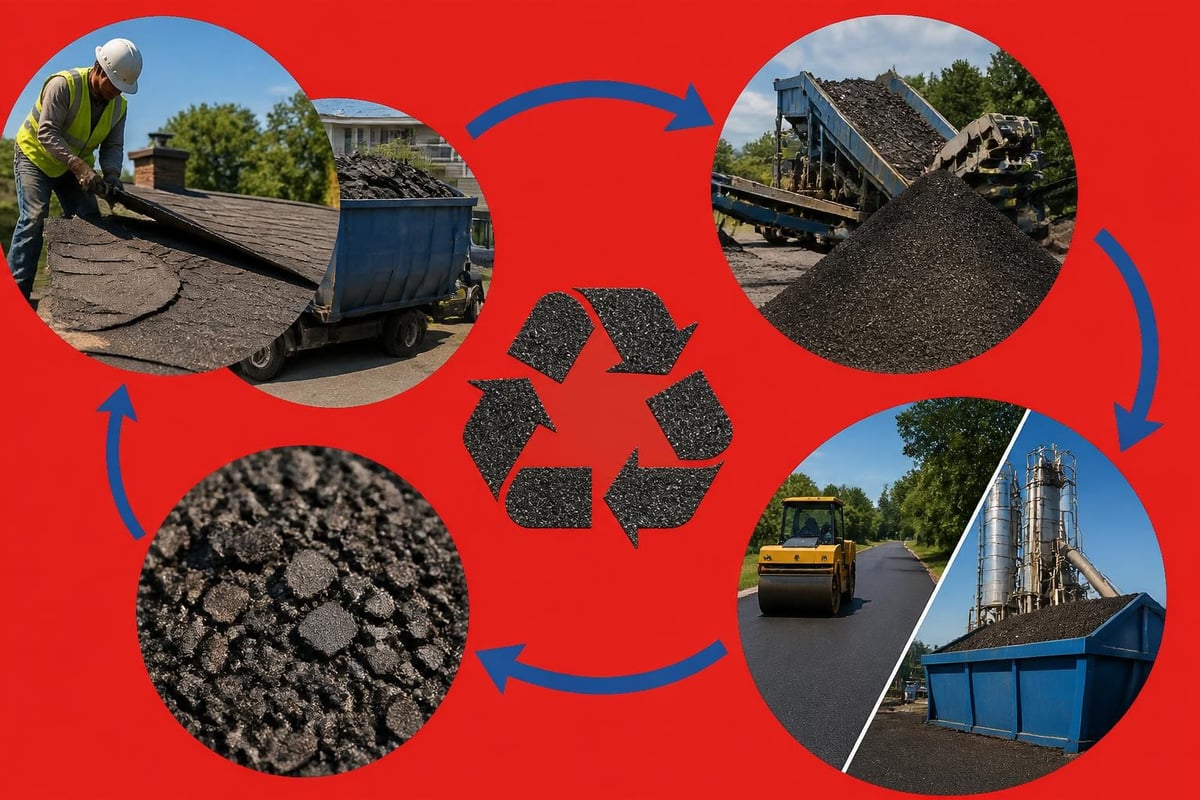
The roofing industry has made significant progress in addressing the environmental impact of asphalt roofing products. With approximately 11 million tons of asphalt shingles reaching end-of-life annually in the United States, recycling and sustainable disposal methods have become priorities.
Recycling Infrastructure and Applications
Asphalt shingles contain valuable materials that can be recovered and reused. The asphalt binder and aggregate components make excellent feedstock for paving applications when properly processed. EPA research on asphalt roofing recycling demonstrates that recycled roofing asphalt (RRA) can replace up to 5% of virgin asphalt in hot-mix paving without compromising performance.
Processing facilities grind tear-off shingles into specified particle sizes, remove nails and other contaminants, and blend the material into asphalt paving mixtures. This recycling reduces landfill burden while conserving petroleum resources required for virgin asphalt production.
Recycling benefits include:
- Diversion of millions of tons from landfills annually
- Conservation of petroleum-based asphalt resources
- Cost reduction in paving projects through lower material costs
- Reduced energy consumption compared to virgin material production
- Support for circular economy principles in construction
However, recycling availability varies by region. Property owners planning roof replacement should inquire whether their contractor participates in shingle recycling programs.
Warranty Coverage and Consumer Protection
Asphalt roofing products come with manufacturer warranties that typically cover material defects but exclude damage from improper installation, maintenance neglect, or severe weather events beyond product ratings. Understanding warranty terms prevents misunderstandings when issues arise.
Limited Warranty Structure
Most manufacturers offer limited warranties ranging from 25 years to lifetime coverage depending on product tier. These warranties follow a stepped depreciation schedule where coverage percentage decreases over time. For example, a 30-year warranty might provide full replacement coverage for the first 10 years, then prorated coverage based on remaining warranty life.
Warranty exclusions commonly include:
- Installation errors or workmanship defects
- Damage from severe weather exceeding product ratings
- Algae or moss growth (unless algae-resistant product fails)
- Normal weathering and gradual color change
- Consequential damages (interior water damage, mold, etc.)
- Improper ventilation causing premature degradation
Contractors who follow Building Science Corporation guidance on roof assemblies ensure proper ventilation and moisture management that prevents warranty-voiding conditions.
Contractor Workmanship Warranties
Separate from manufacturer material warranties, reputable contractors provide workmanship warranties covering installation quality. These typically range from 1-10 years and address issues like improper flashing, inadequate fastening, or alignment problems that lead to premature failure.
When evaluating contractors, verify both their credentials and warranty offerings. Established companies with strong reputations provide more reliable long-term support than fly-by-night operators who may not remain in business to honor warranty commitments.
Selecting the Right Asphalt Roofing Products
Choosing appropriate asphalt roofing products requires balancing performance requirements, aesthetic preferences, budget constraints, and local climate considerations. A systematic evaluation process ensures optimal results for your specific situation.
Climate and Weather Considerations
Regional weather patterns significantly influence product selection. Properties in hurricane-prone coastal areas require enhanced wind ratings (130+ mph) and proper installation techniques that exceed standard requirements. Hail-prone regions benefit from Class 4 impact-resistant products that reduce damage risk during severe storms.
Cold climate considerations include adequate ventilation to prevent ice damming and products rated for low-temperature flexibility. Hot, humid regions need algae-resistant formulations and potentially cool roof technology to manage heat gain and biological growth.
Aesthetic Integration
Asphalt roofing products now offer extensive color options, textures, and profiles that complement diverse architectural styles. Traditional homes often pair well with dimensional shingles in earth tones or slate-gray colors, while contemporary designs might incorporate cool colors or designer profiles with distinctive shadow lines.
The proper product selection enhances curb appeal and property value. Research on whether a new roof increases home value demonstrates that quality roofing investments typically return 60-70% of costs in increased resale value.
Budget and Long-Term Value
While initial cost matters, evaluating total lifecycle costs provides better value assessment. Premium asphalt roofing products with extended warranties and enhanced durability may cost 30-50% more initially but deliver superior long-term performance that justifies the investment.
Value calculation factors:
- Expected service life based on product quality and local climate
- Maintenance requirements over warranty period
- Energy savings potential from cool roof technology
- Insurance premium adjustments for impact-resistant products
- Resale value contribution and buyer appeal
Working with experienced contractors who understand these trade-offs helps property owners make informed decisions aligned with their specific priorities and constraints.
Commercial Applications for Asphalt Roofing Products
While residential installations dominate asphalt shingle usage, certain commercial applications also benefit from these products. Low-slope commercial roofs typically use modified bitumen or single-ply systems, but buildings with steeper roof sections often incorporate asphalt shingles.
Mixed-Use and Multi-Family Properties
Multi-family residential buildings, condominiums, and mixed-use developments frequently specify asphalt roofing products for their combination of affordability, proven performance, and aesthetic versatility. These projects require contractors experienced in both residential shingle installation and commercial project management.
Commercial applications demand more rigorous quality control, detailed documentation, and adherence to building codes that often exceed residential requirements. Contractors specializing in commercial flat roof repair typically maintain the expertise and resources needed for these larger-scale projects.
Working with Professional Contractors
The quality of asphalt roofing products installation directly determines system performance and longevity. Selecting qualified contractors with proven track records ensures proper installation that honors warranty requirements and delivers expected service life.
Contractor Qualification Criteria
Property owners should verify contractor licensing, insurance coverage (general liability and workers' compensation), and manufacturer certifications before engaging services. Established contractors maintain relationships with major manufacturers and receive ongoing training on new products and installation techniques.
References from recent projects, Better Business Bureau ratings, and local reputation provide additional confidence in contractor selection. Resources about benefits of hiring local roofing companies highlight the advantages of working with established community businesses.
Project Communication and Documentation
Professional contractors provide detailed written estimates specifying product brands, models, colors, and quantities. Installation timelines, crew size, site protection measures, and cleanup procedures should be clearly outlined before work begins.
Throughout the project, contractors should document progress with photographs, maintain clean work areas, and communicate any unexpected conditions requiring owner decisions. Final documentation includes warranty registration, installation certification, and care/maintenance guidelines for the installed products.
Selecting and installing the right asphalt roofing products protects your property investment while enhancing aesthetic appeal and energy efficiency. Whether you're planning a residential roof replacement or managing commercial property maintenance, understanding product options and performance characteristics ensures informed decision-making. Great Roofing brings family-owned expertise and professional installation standards to every project in the Joliet area, delivering quality asphalt roofing solutions backed by manufacturer warranties and exceptional workmanship. Contact our team today to discuss your roofing needs and receive a comprehensive project evaluation.