


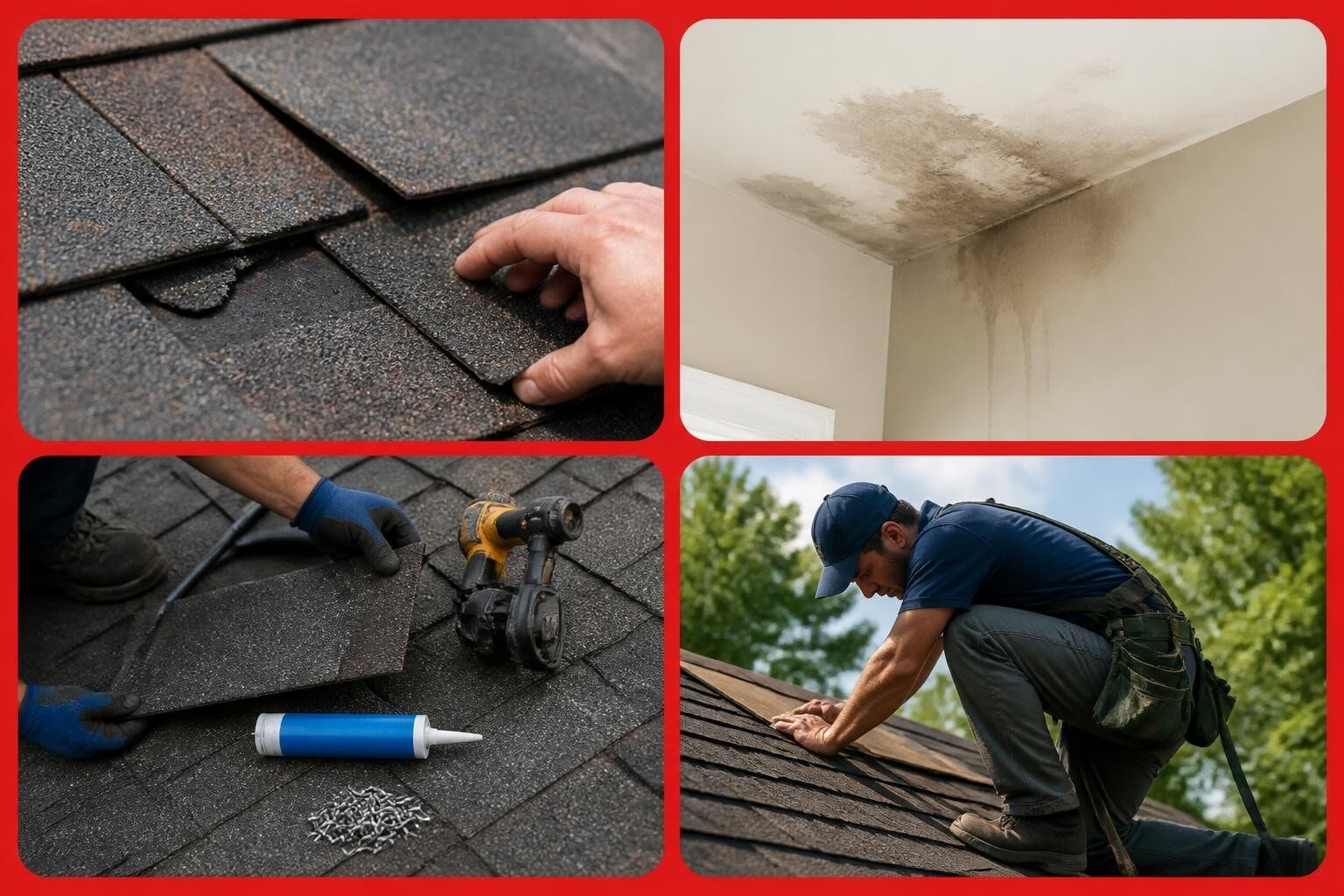
Asphalt shingle roofs remain the most popular roofing choice for residential properties across the United States, valued for their affordability, durability, and aesthetic versatility. However, even the most well-installed shingle roofs can develop leaks over time due to weather damage, aging materials, improper installation, or structural issues. Understanding how to identify, assess, and repair these leaks is essential for homeowners who want to protect their investment and maintain their property's structural integrity. Whether you're considering a DIY approach or planning to hire professionals, knowing the fundamentals of asphalt shingle roof leak repair will help you make informed decisions and prevent costly water damage.
Understanding Common Causes of Asphalt Shingle Leaks
Asphalt shingle roofs typically fail due to specific, identifiable problems that develop over the roof's lifespan. Wind damage is one of the most prevalent causes, especially in areas like Joliet where severe storms are common. High winds can lift shingle edges, break the adhesive seal, or completely tear shingles from the roof deck.
Age-related deterioration affects all asphalt shingles eventually. As shingles age, they lose granules, become brittle, and develop cracks that allow water infiltration. The average three-tab shingle lasts 15 to 20 years, while architectural shingles can last 25 to 30 years, but environmental factors can shorten these timeframes significantly.
Other common causes include:
- Ice damming during winter months when melting snow refreezes at roof edges
- Poor flashing installation around chimneys, vents, and valleys
- Thermal expansion and contraction causing fastener withdrawal
- Moss and algae growth trapping moisture against shingles
- Mechanical damage from fallen branches or foot traffic
The National Roofing Contractors Association (NRCA) offers a comprehensive repair manual detailing over 30 common asphalt shingle roof system repairs, which professionals reference when diagnosing and fixing these issues.

Detecting and Locating Roof Leaks
Finding the exact source of a roof leak requires systematic investigation both inside and outside your home. Interior signs often appear first: water stains on ceilings, peeling paint, mold growth, or dripping water during rain events. However, water can travel considerable distances along rafters and sheathing before becoming visible inside.
Interior Investigation Methods
Start your search in the attic during daylight hours. Look for water stains, dark streaks, or damp insulation. Use a flashlight to trace stains upward and toward the roof peak, as water follows gravity downward but can travel horizontally along structural members.
Mark potential leak locations and measure their distance from fixed reference points like chimneys or vent pipes. This helps you locate the corresponding area on the roof exterior.
Exterior Inspection Techniques
Safety is paramount when inspecting roofs. Use proper ladder placement, wear slip-resistant footwear, and consider hiring professionals for steep or high roofs. If you decide to proceed with a roof inspection for hail damage or general leak detection, examine these areas carefully:
| High-Risk Areas | What to Look For |
|---|---|
| Valleys | Cracked or missing shingles, deteriorated valley flashing |
| Flashing points | Rust, gaps, lifted edges around chimneys and vents |
| Shingle field | Curled edges, missing granules, cracked or broken shingles |
| Ridge caps | Loose or missing cap shingles along roof peak |
| Penetrations | Deteriorated boot seals around pipe vents |
According to Bob Vila’s roof leak repair guide, many homeowners overlook the importance of checking shingles upslope from interior leak locations, as water often enters at a higher point and travels downward.
Essential Materials and Tools for Asphalt Shingle Roof Leak Repair
Proper asphalt shingle roof leak repair requires specific materials and tools to ensure lasting results. Quality replacement shingles matching your existing roof in color, style, and thickness are fundamental. Purchase extras to account for cutting and future repairs.
Materials Checklist
- Replacement asphalt shingles (matching existing)
- Roofing cement or sealant
- Galvanized roofing nails (1¼-inch minimum)
- Roofing felt or synthetic underlayment
- Flashing material (aluminum or galvanized steel)
- Ice and water shield for vulnerable areas
- Caulk or specialized roof sealant
Required Tools
Homeowners attempting DIY repairs need proper equipment for safe, effective work:
- Flat pry bar or shingle removal tool
- Hammer or pneumatic nail gun
- Utility knife with hook blades
- Chalk line for alignment
- Tape measure and carpenter's square
- Safety harness and ladder stabilizers
- Caulking gun
Professional contractors use additional specialized equipment including roof jacks, pneumatic nailers, and safety systems that make repairs faster and safer.
DIY Repair Methods for Minor Shingle Damage
Minor asphalt shingle roof leak repair can be accomplished by confident homeowners with basic construction skills. Small repairs involving one to three shingles, simple flashing adjustments, or minor seal failures are generally manageable DIY projects.
Replacing Individual Damaged Shingles
This common repair addresses isolated damage from impact, wind, or localized wear:
- Lift the shingles in the row above the damaged shingle using a flat pry bar
- Remove nails securing the damaged shingle and the shingle above it
- Slide out the damaged shingle carefully to avoid tearing adjacent shingles
- Position the new shingle in the same location, sliding it into place
- Secure with four nails placed just below the adhesive strip
- Apply roofing cement under the shingle tabs above to reseal them
Temperature matters significantly. Shingles are most pliable and easiest to work with when temperatures exceed 50°F. Cold weather makes shingles brittle and prone to cracking during manipulation.
Repairing Curled or Lifted Shingles
Wind-damaged shingles that remain intact can often be reattached rather than replaced:
- Clean debris from under the lifted shingle
- Apply a quarter-sized dollop of roofing cement under each corner
- Press the shingle flat and hold for several seconds
- Weight the shingle with a brick for 24 hours if necessary
- Add a small amount of cement under the tab edge for additional security
This Old House provides detailed guidance on patching roof leaks with methods suitable for homeowners who want to tackle straightforward repairs themselves.
Professional Repair Approaches for Complex Leaks
Certain leak scenarios demand professional expertise and equipment. Structural issues, extensive damage, or problems requiring specialized knowledge fall into this category. Understanding when to call professionals protects both your safety and your investment.
When Professional Help Is Necessary
Complex asphalt shingle roof leak repair situations include:
- Multiple leak points indicating systemic failure
- Flashing replacement around chimneys, skylights, or dormers
- Valley repairs requiring removal of multiple shingle courses
- Decking damage from prolonged water exposure
- Storm damage affecting large roof sections
Professional contractors like Great Roofing bring specialized training, proper insurance coverage, and manufacturer warranties that protect homeowners from liability and ensure quality repairs.
Advanced Repair Techniques
Professionals employ methods beyond typical homeowner capabilities. Heat welding damaged areas, installing custom flashing, and properly integrating new materials with existing roof systems require expertise developed through years of experience.
| Repair Type | Professional Advantage | Homeowner Risk |
|---|---|---|
| Valley reconstruction | Proper shingling pattern, water channeling | Improper overlap causing future leaks |
| Chimney flashing | Counter-flashing installation, masonry sealing | Water infiltration behind flashing |
| Ridge vent repair | Proper ventilation maintenance | Inadequate sealing, ventilation problems |
| Multi-layer tear-off | Deck inspection, selective replacement | Hidden damage, structural concerns |
The National Roofing Contractors Association emphasizes that professional repairs following industry standards significantly outperform improvised solutions in longevity and weatherproofing effectiveness.
Preventive Maintenance to Minimize Future Leaks
Proactive maintenance substantially extends roof lifespan and prevents many common leak scenarios. Regular inspections conducted twice annually-in spring and fall-identify developing problems before they cause interior damage.
Inspection Schedule and Focus Areas
Create a maintenance calendar that includes:
- Spring inspections after winter weather to check for ice damage and fastener withdrawal
- Fall inspections before winter to clear debris and verify shingle adhesion
- Post-storm checks after severe weather events, particularly hail or high winds
- Gutter cleaning to prevent water backup and ice damming
Homeowners should examine specific vulnerable points during each inspection. Check hail damage on shingle roofs after severe storms, as impact damage may not leak immediately but creates future failure points.
Maintenance Best Practices
Simple maintenance tasks prevent expensive repairs:
- Trim overhanging branches to reduce debris accumulation and physical damage
- Remove moss and algae promptly using appropriate cleaners
- Replace deteriorated caulk around flashing and penetrations
- Ensure adequate attic ventilation to prevent heat buildup
- Clear debris from valleys and behind chimneys where water accumulates
Professional maintenance programs offer comprehensive inspections with detailed reports identifying minor issues before they escalate. Many contractors provide photographic documentation and prioritized repair recommendations.
Cost Considerations and Budgeting for Repairs
Understanding repair costs helps homeowners budget appropriately and make informed decisions about DIY versus professional work. Repair expenses vary significantly based on damage extent, materials required, roof accessibility, and regional labor rates.
Typical Repair Cost Ranges (2026)
Minor repairs handled by homeowners cost primarily for materials:
- Single shingle replacement: $5-$15 in materials
- Small flashing repair: $20-$50 in materials
- Roof cement and fasteners: $15-$30
Professional asphalt shingle roof leak repair costs include labor, materials, and contractor overhead:
- Minor repairs (1-3 shingles): $150-$350
- Moderate repairs (small section): $350-$800
- Valley repair: $500-$1,200
- Flashing replacement: $400-$1,000
- Extensive repairs (multiple areas): $1,000-$3,500
Geographic location significantly impacts pricing. Urban areas and regions with higher living costs typically see 20-30% higher rates than rural communities. Joliet-area homeowners can expect pricing in the moderate range for the Midwest.
Insurance Coverage Considerations
Many homeowners don't realize their insurance may cover asphalt shingle roof leak repair resulting from covered perils. Wind damage, hail impact, and sudden accidental damage typically qualify, while gradual deterioration does not.
When filing claims, document damage thoroughly with photographs and obtain professional estimates. Understanding the guide to filing roof damage insurance claims helps maximize recovery while avoiding common pitfalls that lead to claim denials.
Choosing the Right Roofing Contractor
Selecting qualified professionals ensures quality asphalt shingle roof leak repair that lasts. Contractor credentials including licensing, insurance, and experience should be verified before signing any agreements.
Essential Contractor Qualifications
Request and verify these credentials:
- Valid state contractor's license
- General liability insurance ($1 million minimum)
- Workers' compensation coverage
- Manufacturer certifications for shingle installation
- Local business references and portfolio
Local contractors familiar with regional building codes and climate challenges offer advantages over national chains. Family-owned businesses like those serving the Joliet area often provide more personalized service and stronger accountability to their communities.
Warning Signs of Unreliable Contractors
Avoid contractors who exhibit these red flags:
- Require large upfront deposits (over 30%)
- Pressure immediate decisions or limited-time offers
- Lack physical business address or local references
- Cannot provide proof of insurance
- Offer prices significantly below competitors
Reputable contractors provide detailed written estimates, clearly defined scope of work, payment schedules tied to completion milestones, and manufacturer warranties in addition to their workmanship guarantees.
Getting Multiple Estimates
Obtain at least three estimates for any significant repair project. Compare not just pricing but also:
| Comparison Factor | What to Evaluate |
|---|---|
| Scope of work | Materials specified, repair extent, preparation included |
| Timeline | Start date, estimated completion, weather contingencies |
| Warranty | Length, coverage specifics, transferability |
| Payment terms | Deposit amount, milestone payments, final payment timing |
| Communication | Responsiveness, clarity, professionalism |
The lowest bid isn't always the best value. Mid-range estimates from established contractors with strong references typically provide the best balance of quality and cost.
Long-Term Solutions: Repair vs. Replacement Decisions
Sometimes asphalt shingle roof leak repair isn't the most cost-effective long-term solution. Replacement considerations become necessary when repairs would cost more than 30-40% of a new roof or when the existing roof nears the end of its service life.
Factors Favoring Roof Replacement
Consider full roof replacement when:
- Your roof exceeds 80% of its expected lifespan
- Repairs are needed in multiple locations across the roof
- Shingles show widespread granule loss or curling
- The roof has been repaired multiple times previously
- You're planning to sell your home soon
Financial analysis comparing repair costs to replacement costs over the remaining roof lifespan often reveals replacement as more economical. A roof requiring $2,000 in repairs with only 5 years of remaining life costs more per year than replacement providing 25-30 years of service.
Upgrading During Replacement
Homeowners choosing replacement over continued repairs can upgrade to:
- Higher-quality architectural shingles with longer warranties
- Impact-resistant shingles reducing future hail damage
- Enhanced underlayment providing better leak protection
- Improved ventilation systems extending shingle life
- Energy-efficient cool roofing products reducing cooling costs
These upgrades add upfront cost but deliver long-term value through reduced maintenance, lower energy bills, and increased home value. Many modern asphalt shingle roofing products offer superior performance compared to materials installed just 10-15 years ago.
Proper asphalt shingle roof leak repair protects your home from water damage while extending your roof's service life, whether you tackle minor fixes yourself or hire professionals for complex issues. When you need expert asphalt shingle roof leak repair in the Joliet area, the experienced team at Great Roofing provides thorough inspections, quality repairs, and honest recommendations tailored to your specific situation and budget. Contact our family-owned business today to schedule your comprehensive roof evaluation and discover how we can protect your most important investment.