


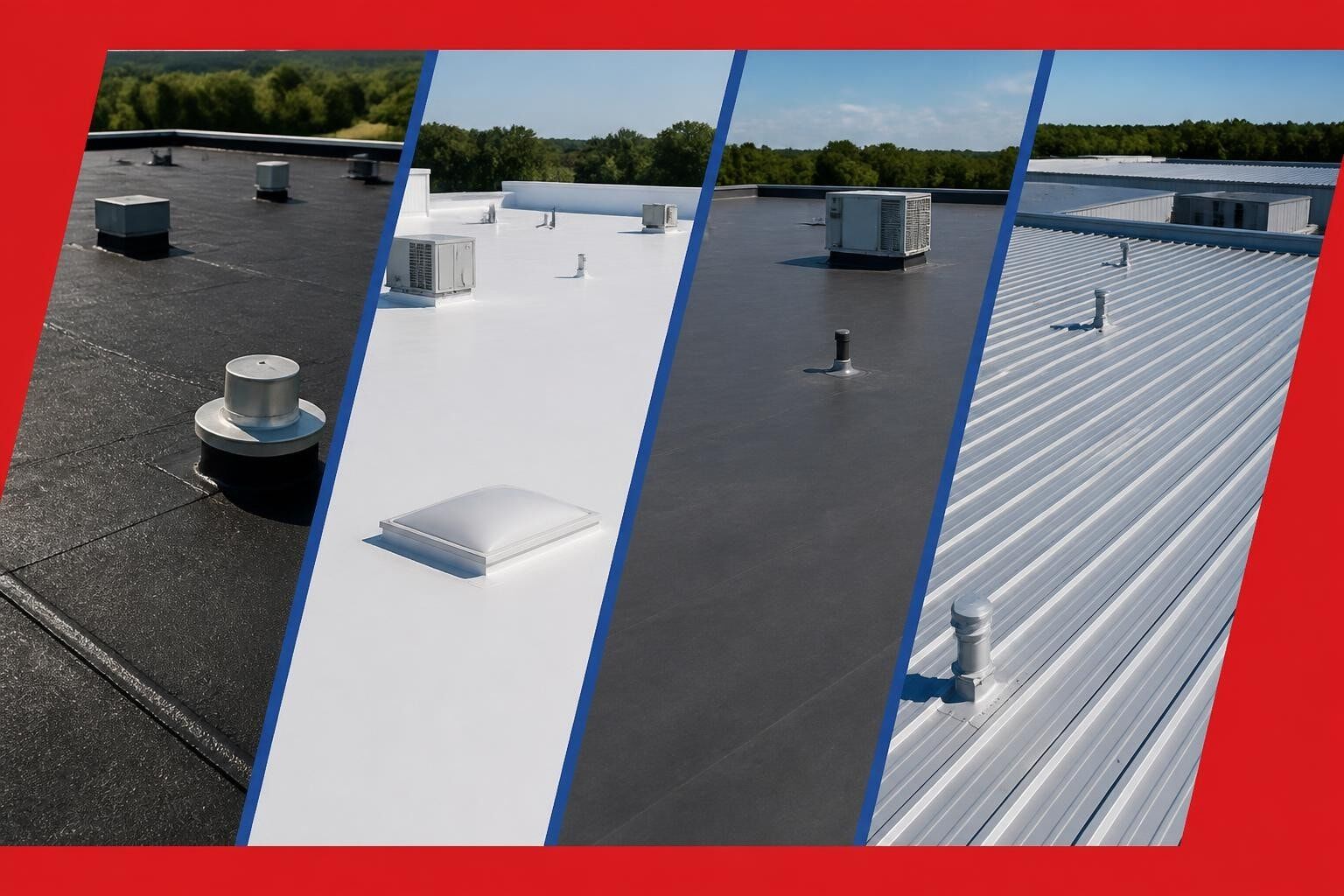
Selecting the best commercial roofing system for your business property is one of the most critical investment decisions you will make as a building owner or facility manager. Unlike residential roofing, commercial applications demand materials and installation methods that can withstand decades of weather exposure, accommodate foot traffic, support mechanical equipment, and deliver measurable energy savings. The right roofing system protects your assets, ensures operational continuity, and provides long-term value through durability and performance.
Understanding Commercial Roofing Requirements
Commercial buildings have fundamentally different roofing needs compared to residential structures. The best commercial roofing solutions must address unique challenges including large surface areas, low-slope or flat configurations, and the integration of HVAC units, ventilation systems, and other rooftop equipment.
Building codes and fire safety standards impose strict requirements on commercial roofing assemblies. The NFPA fire performance documentation outlines critical testing protocols that commercial roofing systems must meet to ensure occupant safety and compliance with local regulations. These standards affect material selection, installation methods, and maintenance protocols.
Key Performance Criteria
When evaluating the best commercial roofing options, facility managers should consider several essential performance factors:
- Weather resistance: Protection against wind uplift, hail impact, thermal cycling, and UV degradation
- Watertightness: Seamless membrane integrity or overlapping systems that prevent moisture intrusion
- Fire rating: Class A fire resistance for most commercial applications
- Thermal efficiency: Reflective surfaces and insulation values that reduce energy consumption
- Durability: Expected service life of 20 to 40 years depending on material and maintenance
- Maintenance accessibility: Ease of inspection, repair, and equipment accommodation
The NRCA commercial roofing guidelines provide comprehensive technical standards that roofing contractors and building owners should reference when specifying materials and installation methods.

Modified Bitumen Roofing Systems
Modified bitumen represents one of the best commercial roofing choices for low-slope applications, combining time-tested asphalt technology with modern polymer enhancements. This multi-ply system offers exceptional durability and proven performance across diverse climate conditions.
Composition and Installation Methods
Modified bitumen consists of reinforced fabric sheets saturated with polymer-modified asphalt. The two primary polymer types include:
| Polymer Type | Characteristics | Best Applications |
|---|---|---|
| APP (Atactic Polypropylene) | Heat-applied, excellent UV resistance | High-temperature climates, torch-down installation |
| SBP (Styrene-Butadiene-Styrene) | Cold or heat-applied, superior flexibility | Cold-climate regions, self-adhered systems |
Professional contractors apply modified bitumen through torch application, hot asphalt mopping, cold adhesives, or self-adhering membranes. Each method offers specific advantages depending on building occupancy, fire restrictions, and substrate conditions. Specialized bitumen roofing expertise ensures proper installation that maximizes system longevity.
The redundancy of multiple plies creates a robust waterproofing barrier. Base sheets, interply sheets, and cap sheets work together to provide puncture resistance and self-healing properties when properly installed. Surface granules on cap sheets provide UV protection and improve solar reflectance.
Performance Advantages
Modified bitumen delivers several compelling benefits for commercial property owners. The material's proven track record spans decades, with many installations surpassing 25-year service lives when properly maintained.
This system excels in accommodating building movement and thermal expansion without compromising membrane integrity. The flexibility of polymer-modified asphalt prevents cracking in cold temperatures while maintaining stability in extreme heat. Repairs are straightforward and cost-effective compared to other commercial systems.
Single-Ply Membrane Roofing
Single-ply membranes represent the fastest-growing category in commercial roofing, offering lightweight installation, excellent weather resistance, and impressive energy efficiency. These systems include TPO (thermoplastic polyolefin), EPDM (ethylene propylene diene monomer), and PVC (polyvinyl chloride) formulations.
TPO Roofing Systems
TPO has emerged as one of the best commercial roofing materials for energy-conscious building owners. The bright white surface reflects solar radiation, reducing cooling loads and qualifying for energy rebates and tax incentives. TPO membranes typically come in 45-mil, 60-mil, or 80-mil thicknesses.
Heat-welded seams create watertight bonds stronger than the membrane itself, eliminating the vulnerability of adhesive-based seaming. This fusion technology provides superior wind uplift resistance and long-term reliability. The DOE guidance on cool roof products highlights TPO's superior solar reflectance values that contribute to building energy savings.
Installation methods include fully adhered, mechanically attached, and ballasted systems. Each approach suits different structural conditions, budget parameters, and performance requirements.
EPDM Membrane Benefits
EPDM rubber roofing has protected commercial buildings for over 50 years, establishing an unmatched longevity record. The synthetic rubber composition resists ozone, UV radiation, and thermal cycling without degrading.
- Exceptional flexibility in cold climates prevents thermal shock cracking
- Proven 30+ year service life with minimal maintenance
- Cost-effective material and installation compared to other single-ply options
- Available in black (heat-absorbing) and white (reflective) formulations
- Simple repair procedures using EPDM patches and bonding adhesive
Building owners appreciate EPDM's straightforward maintenance requirements and the availability of experienced contractors familiar with installation and repair protocols.
Metal Roofing for Commercial Applications
Metal roofing systems deliver unmatched longevity and aesthetic versatility for commercial buildings. Standing seam metal roofs, structural metal panels, and metal retrofit systems each serve specific commercial applications with exceptional performance characteristics.
Standing Seam Metal Roofs
Standing seam systems feature concealed fasteners and interlocking panel connections that create clean, modern aesthetics while providing superior weather protection. These systems accommodate thermal expansion through floating clip attachments that allow panels to move independently of the structure.
Commercial property owners benefit from metal roofing's impressive lifespan of 40 to 60 years. The material requires minimal maintenance beyond periodic inspections and gutter cleaning. Standing seam roofs support solar panel installations without penetrating the waterproof membrane, making them ideal for facilities pursuing renewable energy integration.
Reflective metal coatings achieve high solar reflectance indexes, qualifying for ENERGY STAR certification and contributing to reduced urban heat island effects as documented by EPA green roof studies.
Material Options and Coatings
| Metal Type | Service Life | Key Benefits | Considerations |
|---|---|---|---|
| Galvanized Steel | 30-45 years | Cost-effective, widely available | Requires protective coatings |
| Aluminum | 40-60 years | Corrosion-resistant, lightweight | Higher material cost |
| Copper | 60-100+ years | Self-healing patina, premium aesthetics | Premium investment |
| Zinc | 60-100 years | Natural patina, eco-friendly | Limited contractor expertise |
Advanced coating systems including Kynar 500 and fluoropolymer finishes protect substrate metals while providing color retention and enhanced solar reflectance. These high-performance coatings justify premium pricing through extended warranties and reduced lifecycle costs.
Built-Up Roofing (BUR) Systems
Built-up roofing represents traditional commercial roofing technology that continues delivering reliable performance for flat and low-slope applications. Multiple layers of reinforcing fabric and bitumen create a redundant waterproofing membrane with self-healing characteristics.
BUR systems consist of alternating layers of roofing felt and hot asphalt or coal tar pitch, topped with an aggregate surfacing or cap sheet. This time-tested approach provides excellent puncture resistance and accommodates rooftop traffic better than many modern alternatives.
The multi-ply construction creates a thick, durable membrane that resists weather damage and provides superior waterproofing through layer redundancy. When one layer experiences minor damage, underlying plies maintain building protection until commercial roofing repair professionals address the issue.
Installation Considerations
Hot-applied BUR systems require specialized equipment and experienced crews to ensure proper installation. The weight of built-up roofing may require structural evaluation before installation on existing buildings. However, this mass provides excellent wind resistance and sound dampening.
Modern BUR installations often incorporate fiberglass reinforcing felts instead of traditional organic materials, improving fire resistance and dimensional stability. Aggregate surfacing options include gravel, slag, or specialized white stone that enhances solar reflectance.
Cost Analysis and Budgeting
Understanding commercial roofing costs requires evaluating both initial installation expenses and long-term lifecycle costs. The best commercial roofing selection balances upfront investment with expected service life, maintenance requirements, and energy performance.
Initial Installation Costs
Material selection significantly impacts project budgets. Single-ply membranes typically cost $5 to $10 per square foot installed, while modified bitumen ranges from $6 to $12 per square foot. Metal roofing commands premium pricing of $10 to $20 per square foot but delivers proportionally longer service life.
The RSMeans cost estimating data provides industry-standard benchmarks for commercial roofing projects, helping building owners develop realistic budgets and evaluate contractor proposals. Geographic location, building height, accessibility, and project complexity all influence final costs.
Additional expenses include:
- Roof deck repairs or replacement
- Insulation upgrades to meet current energy codes
- Removal and disposal of existing roofing materials
- Temporary waterproofing during phased installations
- Equipment rental for material hoisting and waste management
Lifecycle Cost Considerations
Sophisticated building owners evaluate roofing investments using lifecycle cost analysis rather than focusing solely on initial pricing. A premium metal roof costing $15 per square foot with a 50-year service life delivers better value than a $7 per square foot membrane requiring replacement after 20 years.
Maintenance expenses vary dramatically between roofing systems. Metal roofs require minimal upkeep beyond periodic inspections and fastener checks. Single-ply membranes need regular cleaning and seam inspections. Modified bitumen benefits from periodic granule inspections and minor patching.
Energy costs represent another critical lifecycle factor. Reflective roofing systems reduce cooling expenses by 10 to 30 percent in hot climates, generating annual savings that accumulate substantially over decades. The ENERGY STAR roofing specifications outline performance requirements for products that deliver measurable energy benefits.
Roof Slope and Drainage Requirements
Commercial buildings typically feature low-slope or flat roof configurations that demand specialized roofing systems and careful drainage design. Proper slope and drainage prevent ponding water that accelerates membrane degradation and creates leak risks.
Minimum Slope Standards
Building codes generally require minimum slopes of 1/4 inch per foot for low-slope commercial roofs. This gradient ensures positive drainage toward scuppers, drains, or gutters. Some roofing manufacturers require steeper minimum slopes to maintain warranty coverage.
Structural limitations sometimes prevent achieving ideal slopes on existing buildings. In these situations, tapered insulation systems create proper drainage planes without expensive structural modifications. Professional roofing contractors design tapered layouts using computer software that calculates optimal cricket configurations and drain locations.
Warranty Coverage and Contractor Selection
The best commercial roofing investment includes comprehensive warranty protection covering both materials and workmanship. Understanding warranty structures and selecting qualified contractors ensures long-term asset protection.
Manufacturer vs. Contractor Warranties
Material manufacturers offer standard product warranties ranging from 10 to 30 years, guaranteeing against manufacturing defects and premature material degradation. These warranties provide important protection but typically exclude installation-related failures.
Contractor workmanship warranties address installation quality, covering leaks and performance issues resulting from improper application. Reputable commercial roofing contractors provide 5 to 10-year workmanship guarantees backed by insurance and bonding.
System warranties represent the gold standard in commercial roofing protection. These comprehensive guarantees cover both materials and labor, issued by manufacturers through certified contractor networks. System warranties extend 15 to 30 years and include:
- Complete material replacement if defects occur
- Labor costs for repairs and replacements
- Annual or biannual inspections by manufacturer representatives
- Extended coverage through proper maintenance compliance
Contractor Qualification Criteria
Selecting experienced commercial roofing professionals ensures proper system installation and warranty compliance. Building owners should verify:
- Active manufacturer certifications for specified roofing systems
- Workers' compensation and general liability insurance
- Performance bonds for projects exceeding $100,000
- Safety training programs and OSHA compliance records
- References from similar commercial projects completed within 24 months
Great Roofing maintains manufacturer certifications for multiple commercial roofing systems, ensuring installation quality that meets stringent industry standards. Professional contractors understand nuances of roofing construction techniques specific to commercial applications.
Maintenance Programs for Extended Roof Life
Proactive maintenance dramatically extends commercial roof service life while preventing costly emergency repairs. Systematic inspection and preventive maintenance programs protect roofing investments and preserve warranty coverage.
Seasonal Inspection Protocols
Commercial roofs should receive professional inspections twice annually, typically in spring and fall. These evaluations identify minor issues before they escalate into major problems:
- Membrane condition: Check for punctures, tears, blisters, or surface deterioration
- Seam integrity: Examine all seams, transitions, and flashings for separation or damage
- Drainage function: Verify drains, scuppers, and gutters flow freely without debris blockage
- Penetration seals: Inspect pipe boots, equipment curbs, and roof-mounted unit flashings
- Fastener security: Assess mechanical fastener plates for loosening or corrosion
- Ponding water: Document any areas retaining water 48 hours after rainfall
Detailed inspection reports with photographs document roof conditions over time, supporting warranty claims and informing capital planning decisions. Many building owners appreciate how systematic maintenance from qualified roof repair experts prevents unexpected failures.
Preventive Maintenance Tasks
Regular maintenance activities preserve roof performance and prevent premature replacement:
- Quarterly debris removal from roof surfaces and drainage systems
- Semiannual cleaning of reflective membranes to maintain energy efficiency
- Annual sealant inspection and replacement around penetrations
- Immediate repair of minor damage before water infiltration occurs
- Documentation of all maintenance activities for warranty compliance
Building owners who implement structured maintenance programs consistently achieve 20 to 40 percent longer roof service life compared to reactive maintenance approaches. These programs also preserve energy efficiency by maintaining membrane cleanliness and reflectivity.
Energy Efficiency and Sustainability
The best commercial roofing systems deliver measurable energy savings while supporting corporate sustainability objectives. Cool roofing technology, insulation optimization, and emerging green roof systems provide environmental benefits alongside operational cost reductions.
Cool Roofing Technology
Reflective roofing materials reduce cooling costs by rejecting solar heat rather than absorbing it into building interiors. Cool roofs achieve this through high solar reflectance and thermal emittance values.
White TPO and PVC membranes typically achieve solar reflectance values of 0.80 to 0.87, meaning they reflect 80 to 87 percent of solar radiation. Modified bitumen with white granule surfacing reaches 0.65 to 0.75 reflectance. Metal roofs with specialized coatings attain similar performance.
Thermal emittance measures how efficiently roofing materials release absorbed heat. High-emittance surfaces cool quickly after sunset, further reducing heat transfer into buildings. Combined solar reflectance and thermal emittance determine a roof's Solar Reflectance Index (SRI), the metric used by LEED and other green building programs.
Insulation Integration
Modern commercial roofing systems incorporate insulation layers that exceed minimum code requirements, delivering superior thermal performance. Polyisocyanurate (polyiso), extruded polystyrene (XPS), and expanded polystyrene (EPS) provide R-values ranging from R-5 to R-8 per inch.
Insulation placement affects system performance. Boards installed above the roof deck maintain structural elements at stable temperatures, preventing thermal cycling damage. Tapered insulation creates positive drainage while providing thermal resistance.
Commercial property owners pursuing LEED certification or utility rebates benefit from insulation systems exceeding baseline requirements. Energy modeling demonstrates how enhanced roof assemblies reduce HVAC equipment sizing and operational costs throughout building lifecycles.
Investing in the best commercial roofing system protects your business assets, reduces operational costs, and provides decades of reliable performance when properly selected and maintained. The right combination of materials, professional installation, and proactive maintenance ensures your roof delivers maximum value throughout its service life. Great Roofing brings extensive commercial roofing expertise to Joliet-area businesses, specializing in modified bitumen systems and comprehensive roof maintenance programs. Contact our team today to schedule a professional roof evaluation and discover how quality commercial roofing protects your investment for years to come.