

Metal roofing has surged in popularity across Joliet and the greater Midwest region, offering homeowners and business owners an exceptional blend of durability, energy efficiency, and aesthetic appeal. With multiple metal options available in today's market, selecting the best metal roofing material requires understanding each material's unique properties, climate suitability, and long-term performance characteristics. Whether you're planning a residential upgrade or commercial roof replacement, the right metal roofing choice can protect your investment for decades while enhancing your property's curb appeal and energy efficiency.
Understanding Metal Roofing Material Options
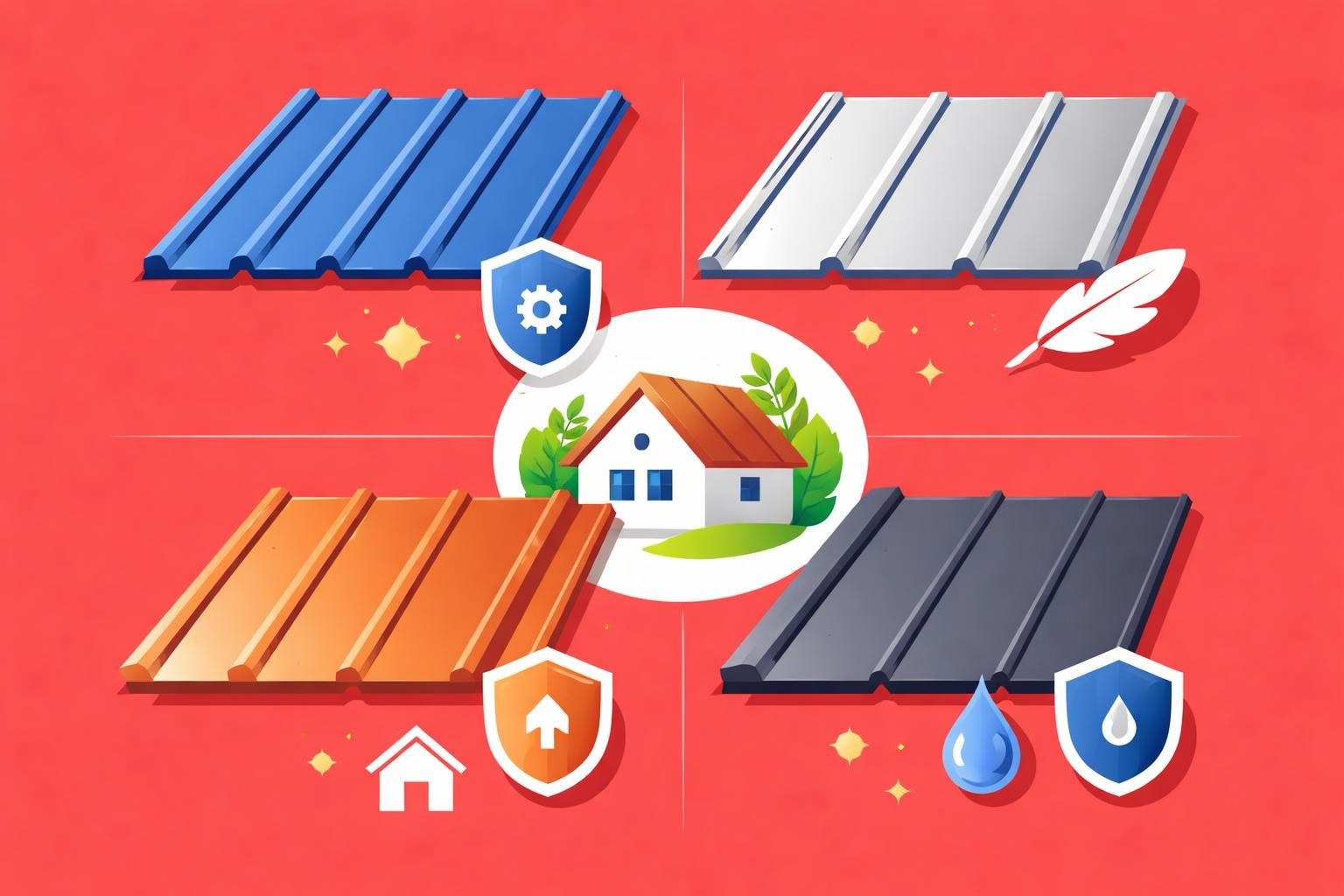
The metal roofing industry offers several distinct materials, each engineered to meet specific performance requirements and aesthetic preferences. The most common metal roofing materials include steel, aluminum, copper, zinc, and tin, with each presenting unique advantages for different applications and budgets.
Steel dominates the residential and commercial markets due to its exceptional strength-to-weight ratio and cost-effectiveness. Aluminum provides superior corrosion resistance, making it ideal for coastal regions or areas with harsh weather conditions. Copper delivers unmatched longevity and develops a distinctive patina over time, while zinc offers self-healing properties that extend its service life.
Steel: The Industry Standard
Galvanized and galvalume steel represent the most widely installed metal roofing materials across the United States. These steel products feature protective zinc or aluminum-zinc coatings that prevent rust and corrosion, ensuring decades of reliable performance.
Key advantages of steel roofing include:
- Exceptional durability in extreme weather conditions
- Cost-effective compared to premium metals
- Wide range of colors and finishes available
- High fire resistance rating
- Recyclable at end of service life
Steel roofing typically costs between $4 to $8 per square foot installed, making it accessible for most residential and commercial projects. The material performs exceptionally well in the Midwest climate, withstanding heavy snow loads, ice accumulation, and severe summer storms that frequently impact the Joliet area.
Aluminum Roofing for Maximum Corrosion Resistance
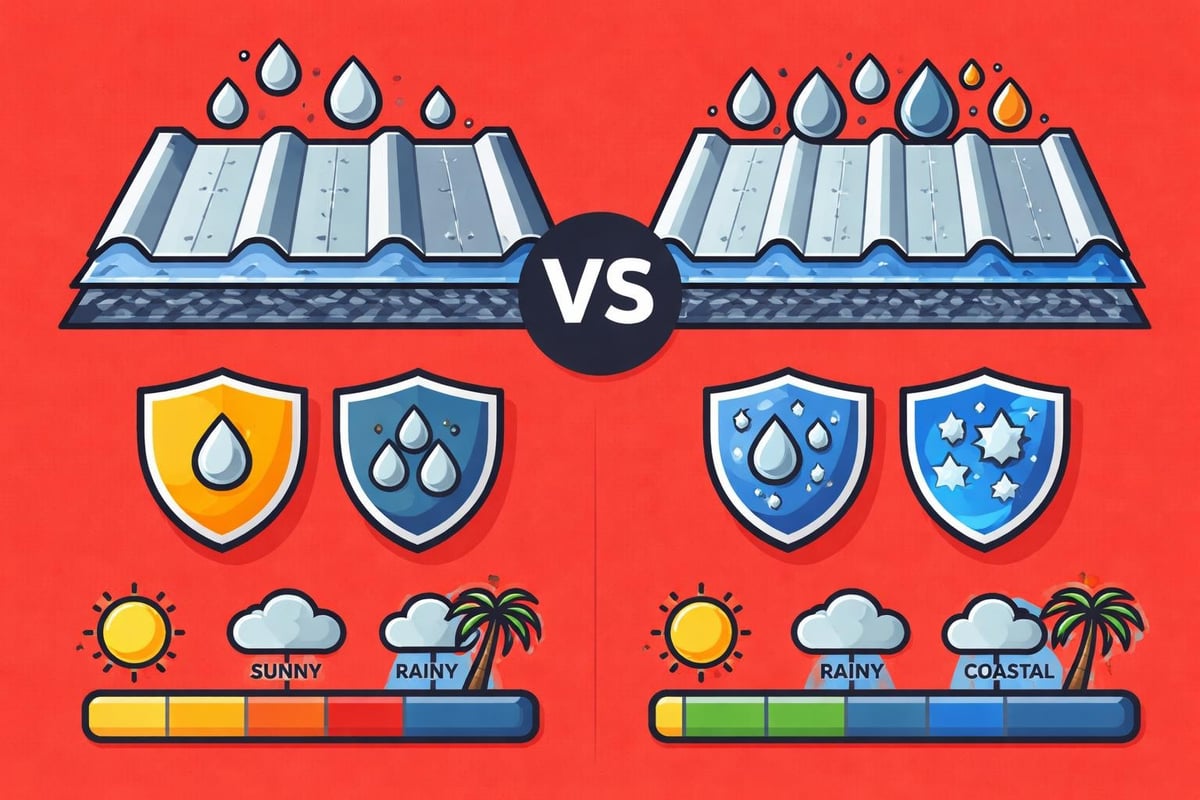
Aluminum stands out as the best metal roofing material for properties facing constant moisture exposure or salt spray. This lightweight material weighs approximately one-third as much as steel, reducing structural stress while providing excellent weather protection.
The corrosion-resistant properties of aluminum make it particularly valuable in specific environments. Unlike steel, aluminum naturally forms a protective oxide layer that prevents degradation even when the surface coating becomes damaged. This self-protecting characteristic extends the material's service life considerably.
| Feature | Aluminum | Steel | Copper |
|---|---|---|---|
| Weight (lbs/sq ft) | 0.7-1.0 | 1.5-2.5 | 2.5-3.5 |
| Corrosion Resistance | Excellent | Good | Superior |
| Average Lifespan | 40-60 years | 40-70 years | 100+ years |
| Cost per Square Foot | $8-$12 | $4-$8 | $15-$30 |
| Recyclability | 100% | 100% | 100% |
Aluminum roofing costs range from $8 to $12 per square foot installed, positioning it in the mid-to-premium price range. While more expensive than steel initially, the material's longevity and minimal maintenance requirements often justify the investment for properties in challenging environments.
Copper: Premium Performance and Timeless Beauty
Copper represents the pinnacle of metal roofing materials, offering unparalleled longevity and distinctive visual appeal. Historic buildings worldwide demonstrate copper's remarkable durability, with many installations serving continuously for over 100 years.
The natural patina process creates copper's signature green finish over time, though property owners can choose to maintain the bright copper appearance through periodic treatments. This living finish provides additional corrosion protection while creating unique aesthetic character.
Professional installation proves critical with copper roofing. The material expands and contracts significantly with temperature changes, requiring specialized fastening techniques and expansion joints to prevent oil-canning or buckling. Understanding different roofing types helps property owners appreciate copper's unique installation requirements.
Zinc Roofing: Self-Healing Technology
Zinc stands among the most innovative metal roofing materials available today. This premium option features remarkable self-healing properties that allow minor scratches to seal themselves through natural oxidation processes, maintaining the roof's protective barrier throughout its service life.
Zinc roofing benefits include:
- Self-healing surface properties
- 80-100 year expected lifespan
- Low thermal expansion
- Environmentally friendly production
- Distinctive architectural appearance
The material costs between $12 to $18 per square foot installed, reflecting its premium positioning and exceptional longevity. Zinc performs particularly well in the Midwest climate, handling temperature fluctuations and precipitation patterns without degradation.
Modern zinc alloys incorporate small amounts of copper and titanium, enhancing strength while maintaining the material's beneficial properties. The alloy develops a protective patina that stabilizes within months of installation, creating a matte gray finish that many architects and property owners find appealing.
Evaluating Metal Roofing by Performance Criteria
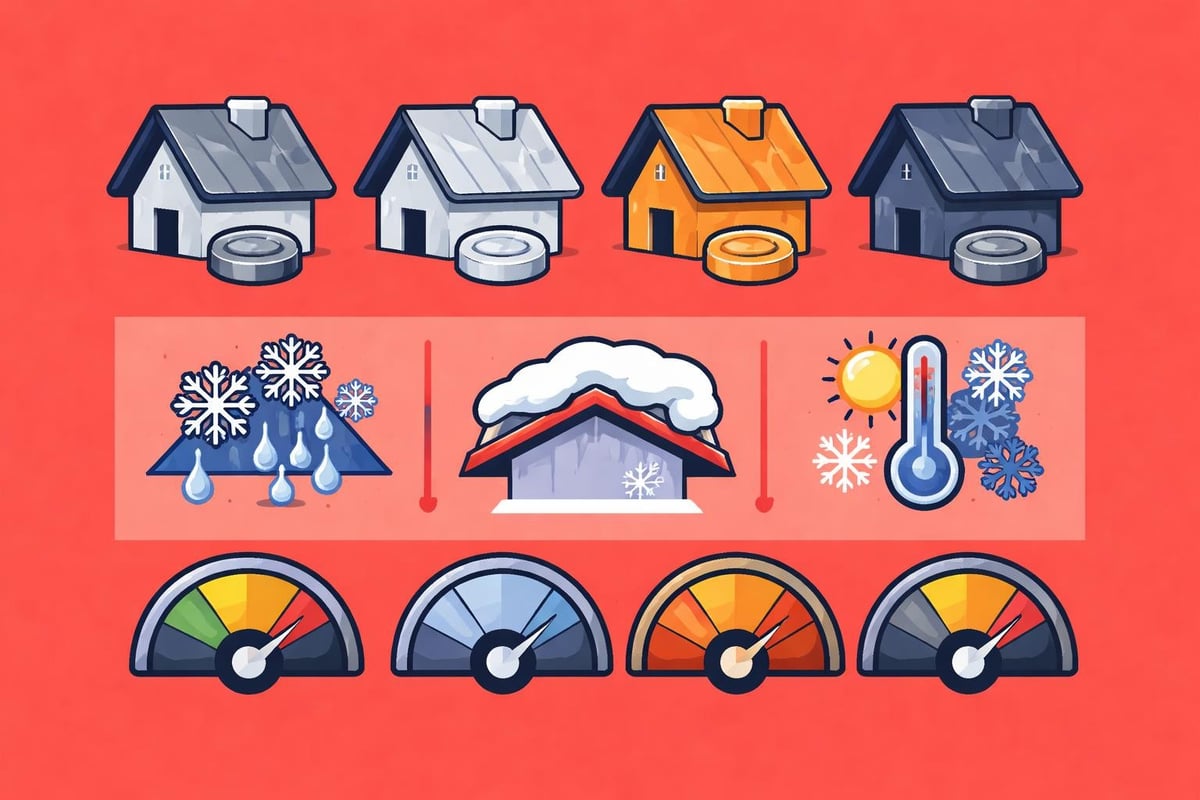
Determining the best metal roofing material requires analyzing performance across multiple dimensions. Climate conditions, building requirements, budget constraints, and aesthetic preferences all influence the optimal choice for any specific project.
Weather Resistance and Longevity
The Joliet region experiences significant seasonal temperature swings, heavy winter precipitation, and occasional severe weather events. Metal roofing materials excel in these conditions, but performance varies by material type.
Steel roofing handles extreme weather exceptionally well, with properly installed systems withstanding winds exceeding 120 mph. The material's strength prevents damage from hail impacts and falling debris, common concerns during Midwest storm seasons. When combined with proper summer roof maintenance, steel roofing delivers decades of trouble-free performance.
Aluminum offers superior performance in freeze-thaw cycles due to its lightweight nature and thermal properties. The material expands and contracts less dramatically than steel, reducing stress on fasteners and seams during temperature fluctuations.
Energy Efficiency Considerations
Modern metal roofing materials feature reflective coatings that significantly reduce cooling costs during summer months. These cool-roof technologies reflect solar radiation rather than absorbing heat, keeping building interiors more comfortable while reducing air conditioning demand.
Energy performance factors include:
- Solar reflectance index (SRI) ratings
- Thermal emissivity properties
- Insulation compatibility
- Air space ventilation potential
- Color and coating selection
Light-colored metal roofs can reduce cooling costs by 10-25% compared to traditional dark asphalt shingles. This energy savings accumulates throughout the roof's service life, offsetting the higher initial installation cost over time.
Installation and Maintenance Requirements
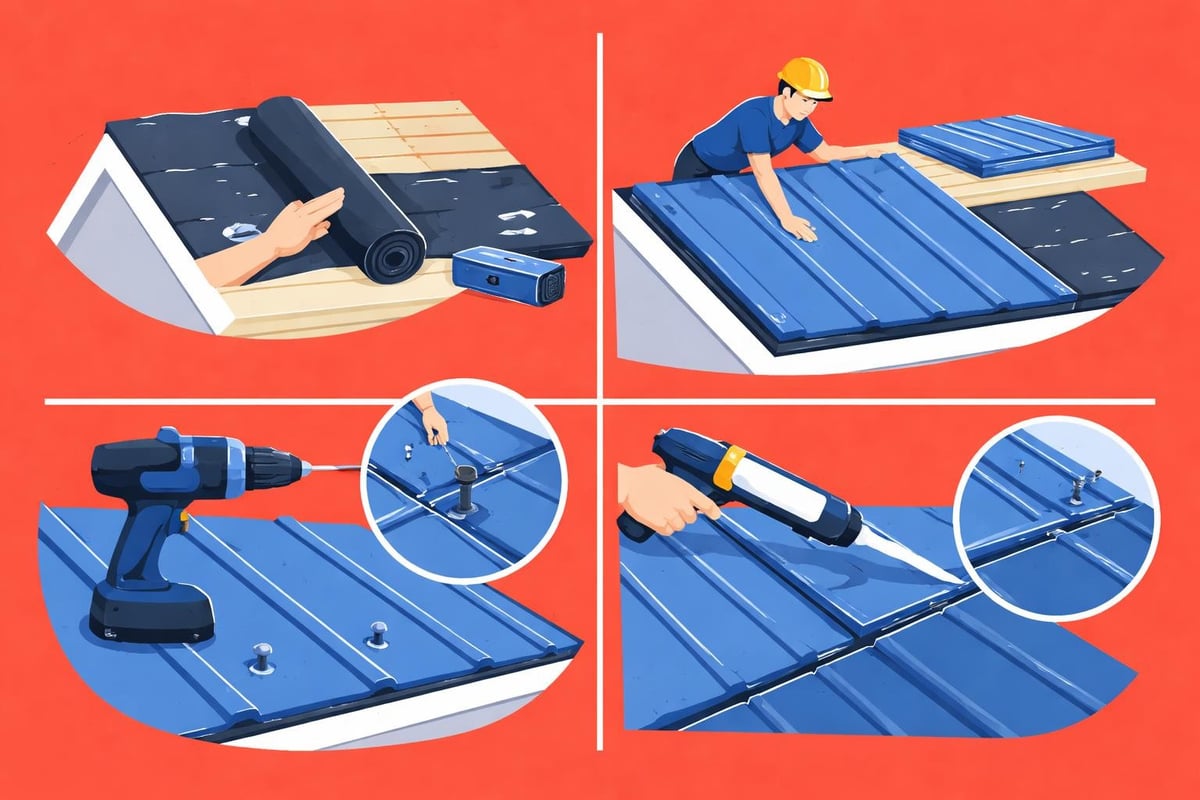
Professional installation remains critical regardless of which metal roofing material you select. Roofing contractors specializing in metal systems possess the expertise and equipment necessary to ensure proper panel alignment, weatherproofing, and fastener placement.
Steel and aluminum installations typically proceed faster than copper or zinc projects due to the materials' widespread availability and contractor familiarity. Standard metal panels install over existing roof decking with appropriate underlayment, though some applications benefit from complete tear-off and deck inspection.
Maintenance requirements vary by material but generally remain minimal compared to asphalt shingles or other roofing types. Annual inspections should verify fastener tightness, check for damaged panels, and ensure proper drainage system function.
| Maintenance Task | Frequency | Steel | Aluminum | Copper | Zinc |
|---|---|---|---|---|---|
| Visual Inspection | Annual | Required | Required | Required | Required |
| Panel Cleaning | As Needed | Optional | Optional | Optional | Optional |
| Fastener Check | Every 3-5 Years | Important | Important | Critical | Important |
| Coating Touch-Up | Every 15-25 Years | Sometimes | Rarely | Never | Never |
Cost Analysis and Return on Investment
Initial investment represents a significant consideration when selecting the best metal roofing material. Costs vary substantially based on material selection, roof complexity, regional labor rates, and project scope.
Material and Installation Cost Breakdown
Steel roofing delivers the most affordable entry point into metal roofing systems. A typical residential installation ranges from $8,000 to $16,000 for a 2,000-square-foot home, depending on panel style and coating options selected.
Aluminum installations cost approximately 30-50% more than comparable steel systems due to material pricing and specialized installation techniques. Premium materials like copper and zinc can cost three to five times more than steel, though their exceptional longevity and minimal maintenance requirements provide long-term value.
Commercial roofing projects often favor steel due to its cost-effectiveness across large square footage installations. The material's strength allows for wider panel widths and faster installation rates, reducing labor costs while maintaining excellent performance standards.
Long-Term Value Considerations
Metal roofing's extended service life significantly impacts total ownership costs. While asphalt shingles might require replacement every 15-25 years, quality metal roofs routinely last 40-70 years with minimal maintenance.
The detailed comparison of metal roof options reveals how different materials balance initial investment against lifecycle performance. Property owners planning long-term ownership typically find metal roofing more economical than traditional materials despite higher upfront costs.
Energy savings, increased property values, and reduced maintenance expenses contribute additional financial benefits throughout the roof's service life. Many insurance providers offer premium discounts for metal roofing installations due to the materials' superior fire resistance and weather durability.
Aesthetic Options and Architectural Styles
Today's metal roofing materials accommodate virtually any architectural style through diverse profile options, colors, and finishes. The best metal roofing material for your project depends partly on matching your property's design character while meeting performance requirements.
Panel Styles and Profiles
Standing seam profiles create clean, modern lines suitable for contemporary architecture while providing excellent weather protection through concealed fasteners. These systems expand and contract freely, accommodating thermal movement without stress on attachment points.
Metal shingles and tiles replicate traditional roofing materials while delivering metal's superior durability and longevity. Consumer Reports’ evaluation of metal roofing shingles highlights products that authentically mimic slate, wood shake, or clay tile appearances.
Corrugated and ribbed panels suit agricultural, industrial, and certain residential applications where bold visual elements complement the building's design. These economical profiles install quickly while providing reliable weather protection.
Color and Finish Selection
Modern coating technologies offer extensive color palettes ranging from traditional earth tones to bold contemporary hues. Kynar 500 and similar high-performance finishes resist fading, chalking, and degradation for 30-40 years, maintaining the roof's visual appeal throughout its service life.
Popular finish options include:
- Matte and low-gloss formulations
- Metallic and mica-enhanced coatings
- Stone-coated textured finishes
- Natural metal patinas (copper, zinc)
- Custom color matching services
Finish selection impacts both aesthetic appeal and energy performance. Lighter colors maximize solar reflectance, while darker tones create dramatic visual statements. Choosing the right roof involves balancing these considerations with your property's overall design vision.
Environmental Impact and Sustainability
Metal roofing ranks among the most environmentally responsible building materials available. Most products contain 25-95% recycled content, and all metal roofing materials achieve 100% recyclability at end of service life, unlike asphalt shingles that typically end up in landfills.
The extended service life reduces environmental impact by eliminating multiple replacement cycles required with shorter-lived materials. Manufacturing improvements have decreased energy consumption and emissions during production, further enhancing metal roofing's environmental credentials.
Cool-roof properties reduce urban heat island effects in developed areas while lowering building energy consumption. These benefits contribute to LEED certification points and other green building programs, making metal roofing an attractive choice for environmentally conscious property owners.
Regional Considerations for the Joliet Area
The Midwest climate presents specific challenges that influence the best metal roofing material selection. Winter snow loads, ice dam potential, summer heat, and occasional severe weather all factor into material performance expectations.
Steel roofing's strength-to-weight ratio handles heavy snow accumulation effectively while its smooth surface promotes snow sliding, reducing static loads. Proper installation with adequate ventilation prevents ice dam formation, protecting the roof structure and building envelope.
Local building codes in the Joliet area specify wind resistance ratings and attachment requirements that professional contractors incorporate into every installation. These regulations ensure metal roofing systems withstand the region's weather patterns while protecting occupants and property.
Temperature extremes require expansion joint planning and fastener selection appropriate for thermal cycling. Professional installers account for these factors during design and installation, preventing future issues from improper installation techniques.
Selecting the best metal roofing material depends on balancing performance requirements, budget considerations, and aesthetic preferences specific to your property and location. Whether steel's versatility, aluminum's corrosion resistance, or premium metals like copper and zinc best suit your needs, professional installation ensures optimal long-term performance. Great Roofing brings decades of expertise serving Joliet-area residential and commercial properties, helping you navigate material options and delivering quality installations that protect your investment for generations. Contact Great Roofing today to discuss which metal roofing solution best serves your specific requirements.