


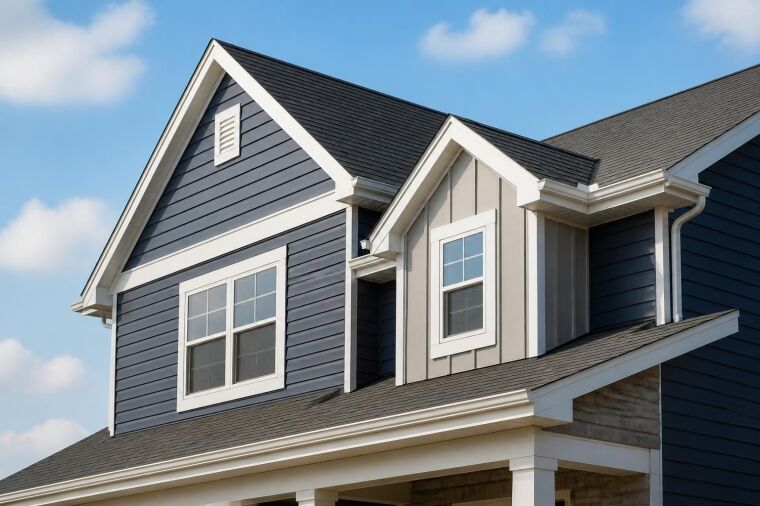
Choosing the best roofing and siding for your property represents one of the most significant investments you'll make in your home or commercial building. These two critical components work together to protect your structure from the elements, enhance energy efficiency, and elevate curb appeal. Whether you're planning a complete exterior renovation, addressing storm damage, or simply upgrading aging materials, understanding the options available and the quality standards that separate exceptional installations from mediocre ones will help you make informed decisions that protect your investment for decades to come.
Understanding Premium Roofing Materials
The foundation of selecting the best roofing and siding starts with understanding what makes roofing materials truly exceptional. Not all shingles, tiles, or modified bitumen systems are created equal, and quality varies dramatically across manufacturers and product lines.
Asphalt Shingle Excellence
Asphalt shingles remain the most popular roofing choice for residential properties throughout the Joliet area, accounting for approximately 80% of installations. However, premium architectural shingles differ substantially from basic three-tab options. Top-tier shingles feature:
- Enhanced wind resistance ratings up to 130 mph
- Extended warranties ranging from 30 to 50 years
- Advanced algae resistance through copper granule technology
- Superior impact ratings for hail-prone regions
- Dimensional aesthetics that replicate wood shake or slate
When evaluating asphalt shingle roofing options, consider the climate conditions your property faces. The Midwest experiences extreme temperature fluctuations, heavy snow loads, and severe storms that demand materials engineered for resilience. According to Good Housekeeping’s roofing material guide, selecting materials suited to your specific climate zone significantly impacts longevity and performance.

Commercial Roofing Systems
For commercial properties, modified bitumen and TPO (thermoplastic polyolefin) systems represent the best roofing and siding companion materials available. These systems provide:
| System Type | Expected Lifespan | Key Benefits | Best Applications |
|---|---|---|---|
| Modified Bitumen | 20-30 years | Excellent waterproofing, heat resistance | Low-slope commercial roofs |
| TPO | 15-25 years | Energy efficiency, UV resistance | Flat commercial applications |
| EPDM | 20-25 years | Durability, cost-effective | Budget-conscious projects |
Commercial roofing demands specialized expertise in installation techniques, particularly in torch-down applications for modified bitumen systems. Proper adhesion, seam integrity, and flashing details determine whether a commercial roof performs for its expected lifespan or fails prematurely.
Premium Siding Materials and Performance
Quality siding selection complements your roofing investment by creating a complete protective envelope around your structure. The best roofing and siding combinations consider both aesthetic cohesion and functional compatibility.
Vinyl Siding Advantages
Modern vinyl siding has evolved dramatically from the thin, brittle products of decades past. Premium vinyl options now feature:
Thickness matters significantly. Top-tier products measure 0.046 to 0.052 inches thick, providing superior impact resistance and dimensional stability compared to builder-grade options at 0.040 inches or less.
Color retention technology protects against UV degradation through specialized pigments and acrylic capstock layers. Quality manufacturers warranty their products against fading for 25 years or longer.
Insulated backing systems can improve R-values by 2.0 to 4.0, contributing to whole-house energy efficiency when properly installed. These systems also enhance rigidity and reduce noise transmission.
The siding installation practices you follow matter as much as the materials selected. Proper nailing techniques, expansion gap maintenance, and moisture barrier integration separate professional installations from amateur attempts.
Fiber Cement Excellence
James Hardie and similar fiber cement products represent premium siding choices that complement high-end roofing systems beautifully. These materials offer:
- Fire resistance with Class A ratings
- Pest immunity against termites and carpenter ants
- Moisture resistance superior to wood or composite alternatives
- Design versatility mimicking wood grain, stucco, or smooth finishes
- Extended warranties up to 30 years on material integrity
Fiber cement installation requires specialized tools and techniques, including carbide-tipped blades, proper clearances from grade, and appropriate caulking at all joints and penetrations.
Installation Excellence: Where Quality Meets Craftsmanship
The best roofing and siding materials fail when installation quality doesn't meet professional standards. Critical installation elements include proper underlayment, flashing details, and ventilation systems.
Roofing Underlayment Systems
Modern synthetic underlayment has largely replaced traditional felt paper in premium installations. These advanced products provide:
Superior tear resistance during installation, even in windy conditions, reducing the risk of damage before shingles are applied. Quality synthetic products withstand foot traffic better than organic felt alternatives.
Extended exposure ratings allow underlayment to remain exposed to weather for up to six months, providing flexibility in project scheduling and protection during multi-phase renovations.
Moisture management capabilities through specialized slip-resistant surfaces that facilitate proper water drainage while preventing shingle adhesion issues. According to This Old House’s roofing guide, proper underlayment selection and installation form the foundation of long-term roof performance.
Critical Flashing Details
Roof flashing importance cannot be overstated when discussing the best roofing and siding installations. Flashing serves as the primary defense against water infiltration at vulnerable transition points:
- Step flashing at wall-to-roof intersections must weave between shingle courses
- Counter flashing embeds into masonry or slides behind siding materials
- Valley flashing requires ice and water shield underlayment plus metal channels
- Drip edge installation at eaves and rakes directs water away from fascia boards
- Chimney cricket construction diverts water around large roof penetrations
Each flashing type demands specific materials and installation sequences. Copper, aluminum, and galvanized steel each offer distinct advantages depending on aesthetic preferences and budget considerations.
Ventilation and Energy Efficiency Integration
The best roofing and siding systems incorporate proper ventilation strategies that extend material life and reduce energy costs. Inadequate attic ventilation represents one of the most common causes of premature roofing failure.
Balanced Ventilation Systems
Effective attic ventilation requires balanced intake and exhaust. The general rule demands one square foot of net free ventilation area for every 150 square feet of attic space, split evenly between intake (soffit vents) and exhaust (ridge vents or roof-mounted options).
Ridge vent systems provide superior aesthetics and performance compared to box vents or turbines. These continuous ventilation products run the entire roof ridge length, creating consistent exhaust across the attic space.
Soffit ventilation must remain unobstructed by insulation. Baffles between rafters maintain airflow pathways from eaves to ridge, preventing insulation from blocking intake vents during installation or settling over time.
Gable vents can complement ridge and soffit systems in certain configurations, though they shouldn't serve as primary ventilation sources in modern balanced designs.
Siding Ventilation Considerations
Proper siding installation includes ventilation pathways that prevent moisture accumulation behind cladding materials. Quality installations incorporate:
- Rainscreen principles using furring strips or specialized drainage mats
- Weep holes at the bottom of wall sections for moisture escape
- Proper J-channel installation that doesn't trap water against sheathing
- House wrap integration that manages bulk water while allowing vapor transmission
These details, explained in Southwest Exteriors’ siding installation guide, differentiate professional installations from inadequate attempts that lead to premature failure.
Material Compatibility and Aesthetic Cohesion
Selecting the best roofing and siding means considering how materials complement each other visually and functionally. Color coordination, texture harmony, and architectural style alignment create cohesive exteriors.
Color Coordination Strategies
| Roof Color | Complementary Siding Options | Trim Accent Colors |
|---|---|---|
| Charcoal/Black | White, gray, beige, cream | White, black, burgundy |
| Brown/Tan | Cream, yellow, green, brown | White, brown, tan |
| Gray | Blue, gray, white, stone | White, black, gray |
| Green | Tan, yellow, cream, brown | White, green, burgundy |
Darker roofing absorbs more heat, potentially increasing cooling costs but accelerating snow melt in winter. Lighter colors reflect solar radiation, reducing attic temperatures and extending shingle life in hot climates.
Architectural Style Considerations
Different architectural styles demand specific material combinations:
Traditional Colonial homes pair well with dimensional asphalt shingles in gray or charcoal tones combined with vinyl or fiber cement siding in classic white, cream, or gray palettes.
Craftsman bungalows benefit from heavier-profile siding materials like fiber cement in natural wood tones or earth colors, complemented by multi-dimensional roofing that mimics wood shake.
Contemporary designs allow bold color contrasts, smooth siding profiles, and architectural shingles with clean lines and consistent shadow patterns.
Maintenance Requirements and Long-Term Performance
Even the best roofing and siding require regular maintenance to achieve their full lifespan potential. Proactive care prevents minor issues from escalating into expensive repairs.
Roofing Maintenance Essentials
Annual roof inspections identify problems before they cause interior damage:
- Shingle condition assessment checking for curling, cracking, or granule loss
- Flashing integrity verification at chimneys, valleys, and wall intersections
- Gutter cleaning and evaluation preventing ice dams and water backup
- Ventilation system inspection ensuring unobstructed airflow pathways
- Attic moisture checks identifying condensation or leak issues early
Professional roof repair services address issues promptly, preventing localized damage from spreading across larger roof sections. Small investments in maintenance dramatically extend roof life.
Siding Maintenance Best Practices
Quality siding materials require minimal maintenance but benefit from regular attention:
Annual washing removes accumulated dirt, mold, and mildew that can degrade appearance and potentially compromise material integrity over time. Gentle pressure washing or hand scrubbing with appropriate cleaning solutions maintains like-new appearance.
Caulk inspection at corners, trim joints, and penetrations prevents water infiltration. Exterior caulks degrade under UV exposure and temperature cycling, requiring replacement every five to seven years.
Paint maintenance for wood or fiber cement siding extends protection and preserves aesthetics. Quality exterior paints last seven to ten years before requiring renewal in Midwest climates.
Storm Damage Considerations and Insurance Claims
Severe weather events test even the best roofing and siding systems. Understanding how to assess storm damage and navigate insurance claims protects your investment.
Hail Damage Assessment
Hail impacts create distinct damage patterns on different materials:
Asphalt shingles show granule loss, bruising, or cracking depending on hail size and impact velocity. Dark spots where granules are missing indicate substrate exposure requiring replacement.
Vinyl siding cracks or develops circular impact marks from large hail. Unlike shingles, siding damage is often immediately visible and doesn't require specialized assessment techniques.
Gutters and downspouts frequently show denting from hail, providing corroborating evidence of storm severity when filing insurance claims.
Professional storm damage insurance claim assistance navigates the documentation requirements and ensures proper compensation for legitimate damage.
Wind Damage Recognition
High winds cause different failure patterns than hail:
- Edge lifting along eaves and rakes where wind gets under shingle edges
- Creasing damage at fastener points from repeated wind flexing
- Complete shingle loss in severe events exceeding wind rating specifications
- Siding displacement or fastener failure allowing panels to separate
Understanding these patterns helps homeowners recognize when professional assessment is needed versus normal wear that doesn't warrant insurance claims.
Budget Considerations and Value Engineering
The best roofing and siding choices balance quality, aesthetics, and budget constraints. Value engineering identifies where premium materials deliver measurable benefits versus where mid-grade options suffice.
Investment Prioritization
Critical quality areas justify premium material selection:
- Primary roof surfaces facing weather exposure
- Flashing materials and ice/water shield coverage
- Underlayment quality and coverage extent
- Siding on street-facing elevations
- Trim and accent materials visible from approaches
Cost-effective compromises maintain quality while managing budgets:
- Standard-grade shingles on garage or secondary structures
- Vinyl siding on less-visible elevations when fiber cement graces front facades
- Aluminum gutters instead of copper for budget-conscious projects
- Asphalt shingles versus premium materials like slate or tile
Return on Investment Analysis
| Improvement Type | Average Cost | Resale Value Recovered | ROI Percentage |
|---|---|---|---|
| Asphalt Roof Replacement | $25,000 | $16,500 | 66% |
| Fiber Cement Siding | $35,000 | $24,500 | 70% |
| Vinyl Siding Replacement | $18,000 | $13,140 | 73% |
| Modified Bitumen Commercial | $40,000 | $32,000 | 80% |
These figures from Remodeling Magazine's 2026 Cost vs. Value Report demonstrate that exterior improvements consistently deliver strong returns, particularly in the Midwest market where weather protection is paramount.
Contractor Selection and Quality Assurance
The best roofing and siding materials perform only as well as the contractors installing them. Selecting qualified professionals with proper credentials protects your investment.
Essential Contractor Qualifications
Verify these credentials before signing contracts:
- Current licensing appropriate to your municipality and project scope
- General liability insurance with minimum $1 million coverage
- Workers' compensation insurance protecting you from liability for on-site injuries
- Manufacturer certifications for products being installed
- Local references from recent projects in your area
Check reviews from previous customers to assess communication quality, craftsmanship standards, and problem-resolution approaches.
Contract Essentials and Protections
Comprehensive contracts specify:
Detailed material specifications including manufacturer, product line, color, and grade to prevent substitutions without approval.
Complete scope of work outlining demolition, disposal, installation sequences, cleanup requirements, and warranty coverage.
Payment schedules tied to project milestones rather than large upfront deposits. Never pay more than 10% down on residential projects.
Timeline expectations with start dates, completion targets, and weather delay provisions that protect both parties.
Warranty coverage distinguishing manufacturer material warranties from contractor workmanship guarantees, typically one to five years for installation quality.
Regional Considerations for Joliet Properties
Properties in the Joliet area face specific weather challenges that influence the best roofing and siding material selections. Understanding regional climate patterns optimizes material choices.
Climate-Specific Challenges
Midwest properties endure:
- Extreme temperature swings from sub-zero winters to 95°F+ summers
- Heavy snow loads requiring appropriate structural support
- Ice dam formation demanding proper insulation and ventilation
- Severe thunderstorms with large hail and damaging winds
- High humidity during summer months affecting moisture management
These conditions demand materials and installation techniques engineered for resilience. The best roofing shingle products for this region feature impact resistance, algae protection, and superior granule adhesion.
Local Building Code Compliance
Will County building codes specify minimum standards for wind resistance, fire ratings, and snow load capacities. Quality contractors maintain current knowledge of code requirements and obtain necessary permits for all projects.
Wind resistance requirements in Illinois typically mandate Class H ratings (150 mph) for new construction and major renovations, though existing homes may have lower-rated products.
Fire rating standards require Class A ratings in most residential zones, particularly properties near forest preserves or areas with wildfire risk.
Energy code compliance increasingly influences material selection, with insulation requirements and air sealing standards affecting both roofing and siding installation techniques.
Selecting the best roofing and siding for your property requires balancing material quality, installation excellence, aesthetic preferences, and budget realities while accounting for regional climate challenges. The guidance provided here equips you to make informed decisions that protect your investment for decades. When you're ready to move forward with your roofing or siding project, the experienced team at Great Roofing brings three generations of family expertise to every installation, combining old-school craftsmanship with modern materials and techniques to deliver exceptional results throughout the Joliet area.