


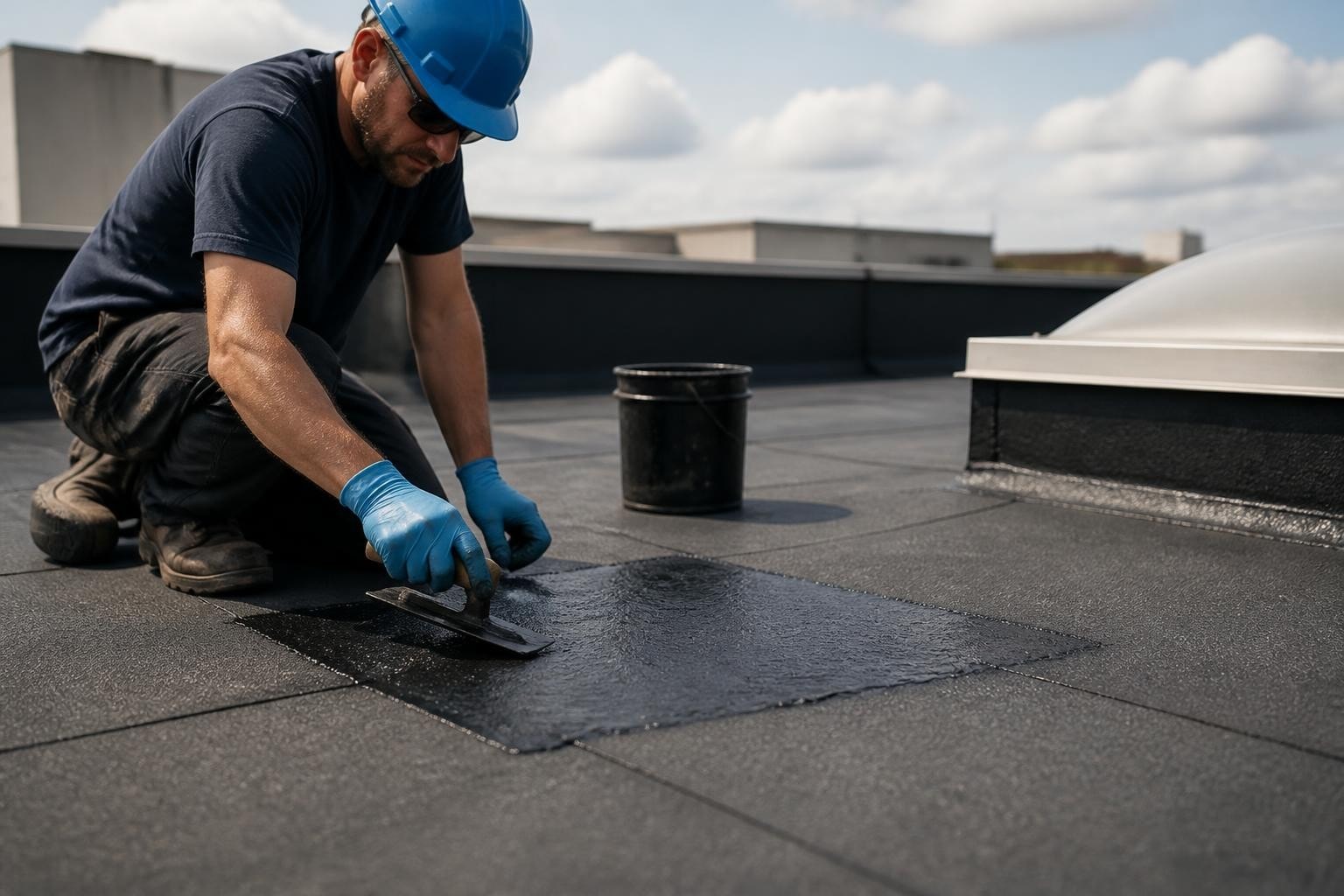
Bitumen roofing systems have served commercial and industrial properties reliably for decades, offering exceptional durability and weather resistance. However, even the most robust modified bitumen roofs eventually require attention. Understanding the repair process, recognizing damage early, and knowing when to call professionals can save property owners thousands of dollars while extending their roof's service life. This comprehensive guide explores everything property owners and facility managers need to know about maintaining and repairing these dependable roofing systems.
Understanding Modified Bitumen Roofing Systems
Modified bitumen represents one of the most dependable flat roofing options available for commercial properties. These systems consist of asphalt-based materials reinforced with polymers that enhance flexibility and resistance to extreme temperatures.
The material comes in two primary formulations:
- APP (Atactic Polypropylene): Heat-welded with torch application, offering superior UV resistance
- SBS (Styrene-Butadiene-Styrene): Applied with cold adhesive or heat, providing enhanced flexibility in cold weather
- Self-adhering: Peel-and-stick application for specific repair scenarios
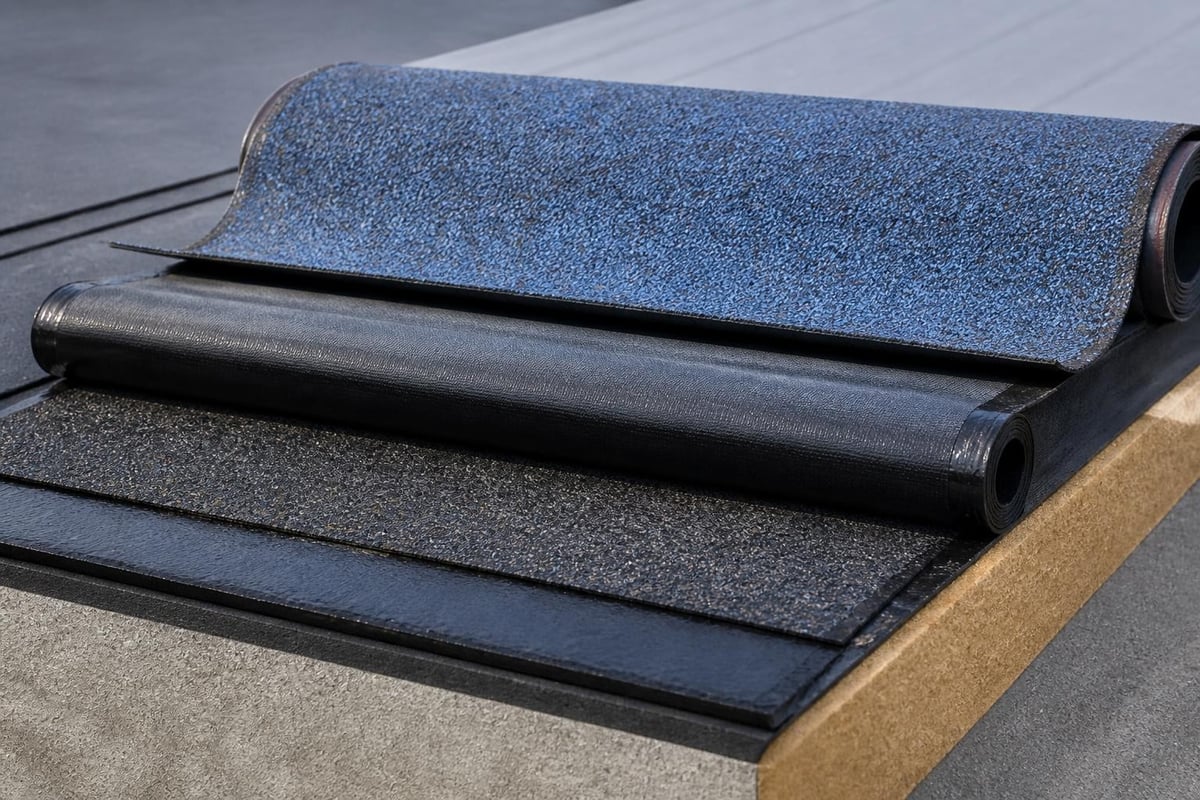
Most modified bitumen installations feature multiple layers that create redundancy. The base sheet adheres directly to the roof deck, followed by interply sheets, and finally a cap sheet with granular surface protection. This multi-ply construction provides excellent waterproofing but requires specific techniques when repairs become necessary.
Common Causes of Bitumen Roof Damage
Commercial roofing systems face constant assault from environmental factors. Thermal cycling creates the most prevalent issues, as daily temperature fluctuations cause expansion and contraction that eventually leads to cracking and membrane separation.
Standing water accelerates deterioration significantly. While modified bitumen handles moisture well, prolonged ponding degrades the protective granules and underlying asphalt. Property owners should address any areas where water pools for more than 48 hours after rainfall.
Physical damage from foot traffic, HVAC equipment, and falling debris creates immediate vulnerabilities. Regular inspections, particularly after severe weather events, help identify these issues before water infiltration causes structural damage. Understanding modified bitumen roof leak repair mechanics helps property managers recognize failure patterns early.
| Damage Type | Primary Cause | Typical Timeline |
|---|---|---|
| Blistering | Trapped moisture | 3-7 years |
| Cracking | Thermal stress | 5-12 years |
| Separation | Poor installation | 1-5 years |
| Granule loss | UV exposure | 8-15 years |
Identifying When Bitumen Roof Repair Is Needed
Early detection makes the difference between a simple patch and extensive restoration. Property managers should conduct visual inspections at least twice annually, ideally in spring and fall.
Surface-level warning signs include:
- Exposed felt or black streaking where granules have eroded
- Visible cracks longer than six inches
- Bubbling or blistering across seam areas
- Loose or peeling membrane edges at terminations
- Dark staining on interior ceilings
Interior indicators often appear after damage has progressed. Water stains, musty odors, or visible dripping during rain events signal active leaks requiring immediate attention. Commercial roof repair methods can prevent minor issues from escalating to full replacement scenarios.
The transition areas around penetrations deserve special scrutiny. Roof drains, vents, HVAC curbs, and skylights create vulnerable points where water can bypass the membrane. Flashings in these locations often fail before the main roof surface shows distress.
Professional Inspection vs. DIY Assessment
While property managers can identify obvious damage, professional inspections reveal hidden deterioration. Experienced contractors use moisture meters, infrared imaging, and core sampling to map wet insulation and assess membrane integrity beneath the surface.
Annual professional assessments typically cost between $300 and $600 for average commercial buildings, a worthwhile investment considering that undetected leaks can cause thousands in structural damage. Great Roofing offers comprehensive inspection services that include detailed reports with photographic documentation and prioritized repair recommendations.
Essential Bitumen Roof Repair Methods
Different damage types require specific repair approaches. Selecting the appropriate method ensures lasting results and prevents recurring failures.
Patch Repairs for Localized Damage
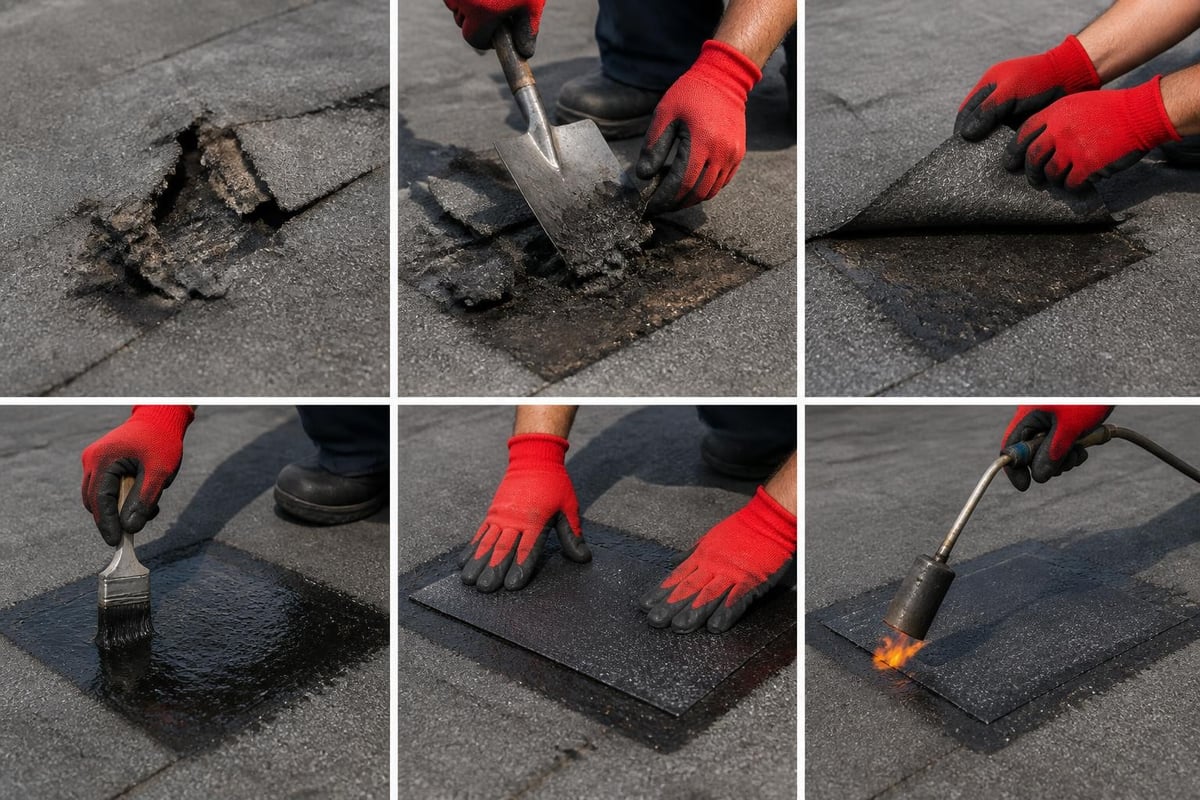
Small cracks, punctures, and isolated blisters respond well to patch repairs. This method involves cutting away damaged membrane, preparing the substrate, and installing new material that bonds to the existing roof.
The process follows these critical steps:
- Remove damaged membrane in a square or rectangular pattern extending at least six inches beyond the visible damage
- Clean and dry the exposed area thoroughly, removing all debris and moisture
- Apply primer to enhance adhesion between old and new materials
- Cut patch material oversized to extend beyond the prepared area
- Heat-weld or adhere the patch following manufacturer specifications
- Seal edges with compatible mastic or cement
Repairing bitumen flat roofs requires attention to weather conditions. Installations should occur when temperatures exceed 40°F and no precipitation is forecasted for at least 24 hours.
Seam and Flashing Restoration
Failed seams represent one of the most common repair scenarios. Heat-welded seams can reopen due to thermal stress, while adhesive-applied seams may separate if the bond deteriorates.
Seam repair techniques include:
- Heat welding with a propane torch to reactivate asphalt bonding
- Applying compatible mastic reinforced with membrane strips
- Installing cover strips over problematic seam runs
- Complete seam reconstruction for extensive failures
Flashing repairs demand particular care since these transitions experience the most movement. Metal counterflashings, pipe boots, and edge terminations often require complete replacement rather than patching. Understanding maintenance requirements helps facility managers budget appropriately for these anticipated repairs.
Coating and Restoration Systems
When damage becomes widespread but the underlying structure remains sound, coating systems offer cost-effective alternatives to replacement. These fluid-applied membranes create a seamless, monolithic surface that extends roof life by 10 to 15 years.
| Coating Type | Best Application | Expected Lifespan | Cost per Square Foot |
|---|---|---|---|
| Acrylic | Moderate climate | 10-12 years | $2.50-$4.00 |
| Silicone | High UV exposure | 15-20 years | $4.00-$6.50 |
| Polyurethane | High traffic | 10-15 years | $3.50-$5.50 |
| Asphalt emulsion | Budget option | 5-8 years | $1.50-$2.50 |
Proper surface preparation determines coating performance. All debris, dirt, and loose material must be removed. Existing damage requires patching before coating application. Most systems need two coats applied at manufacturer-specified rates to achieve warranty coverage.
Cost Considerations for Bitumen Roof Repair
Repair expenses vary dramatically based on damage extent, accessibility, and material selection. Understanding typical pricing helps property owners budget appropriately and evaluate contractor proposals.
Minor repairs involving small patches or localized seam work typically range from $500 to $2,000. These projects usually complete in a single day with minimal disruption to building operations.
Moderate repairs addressing multiple damage areas, extensive flashing replacement, or significant seam reconstruction cost between $2,000 and $8,000. These projects may require several days and temporary protection measures.
Major restoration involving coating systems or widespread membrane replacement runs $8,000 to $25,000 for average commercial buildings. While substantial, these investments often cost 40% to 60% less than complete replacement.
Modified bitumen roof repair costs depend heavily on local labor rates and material availability. The Joliet area typically sees competitive pricing due to the concentration of experienced commercial roofing contractors.
Repair vs. Replacement Decision Factors
Property owners face difficult decisions when repair costs approach replacement expenses. Several factors influence this determination:
- Roof age: Systems over 20 years old often benefit more from replacement
- Damage extent: If more than 30% of the surface needs work, replacement may be more economical
- Energy efficiency: Modern systems offer superior insulation and reflective properties
- Building plans: Avoid major repairs if planning renovations within five years
- Warranty considerations: New roofs provide comprehensive coverage
Consulting with experienced contractors provides perspective on long-term value. Great Roofing’s commercial roofing expertise helps property owners make informed decisions that balance immediate costs against long-term building needs.
Preventive Maintenance to Minimize Repairs
Proactive care dramatically reduces repair frequency and extends roof lifespan. Commercial property owners should implement systematic maintenance programs rather than reactive emergency repairs.
Quarterly Maintenance Tasks
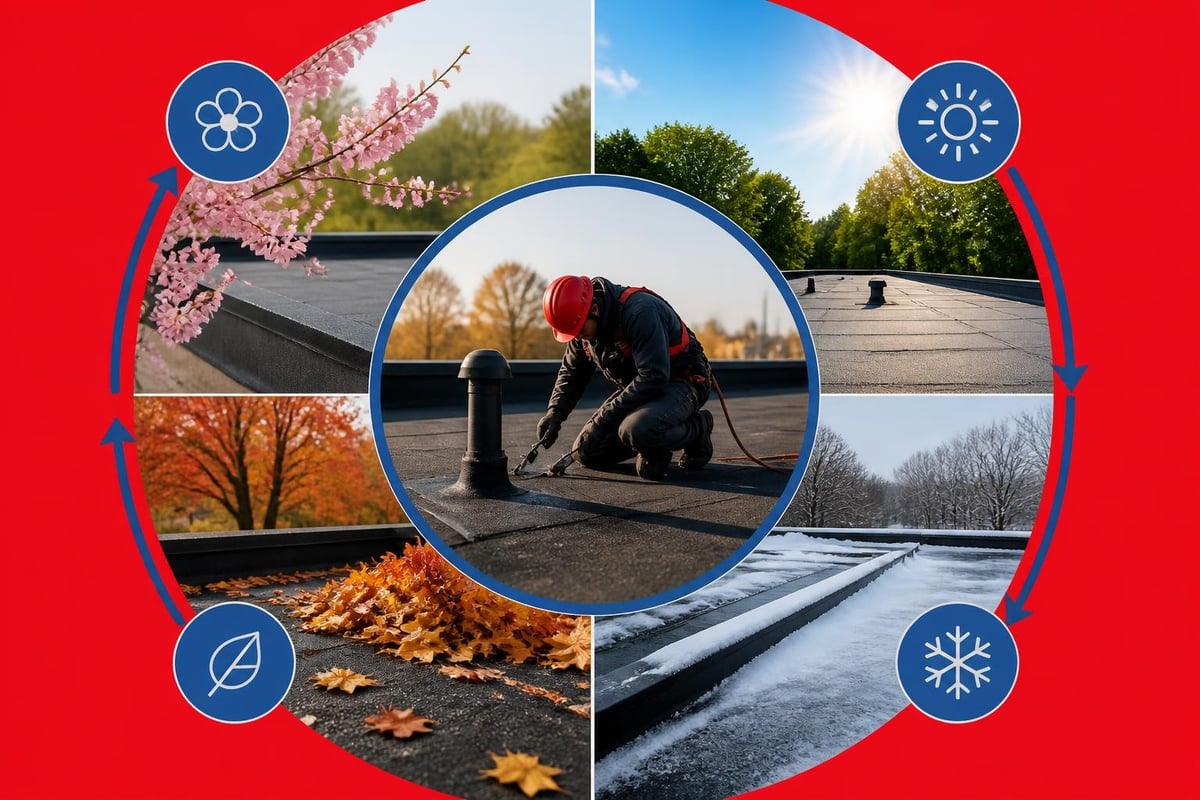
Spring inspections should focus on winter damage assessment. Check for ice dam damage, examine flashings for separation, and clear debris from drains and gutters. Remove any vegetation growth immediately, as roots can penetrate membrane seams.
Summer maintenance emphasizes thermal damage prevention. Inspect for new blisters or bubbling, examine seams in high-UV areas, and verify that all penetrations remain properly sealed. This season provides ideal conditions for planned repairs.
Fall preparation involves clearing leaves and debris, inspecting drainage systems, and addressing any minor damage before winter weather arrives. Residential roof maintenance principles apply equally to commercial bitumen systems.
Winter monitoring requires attention after significant snow accumulation or ice formation. While bitumen roofs handle winter well, excessive snow loads or ice dams can cause damage requiring spring attention.
Professional Maintenance Programs
Many commercial roofing contractors offer structured maintenance agreements that provide regular inspections, minor repairs, and detailed reporting. These programs typically cost $800 to $2,500 annually depending on roof size and complexity.
Program benefits include:
- Priority scheduling for emergency repairs
- Discounted rates on major work
- Comprehensive documentation for warranty compliance
- Early problem detection preventing costly damage
- Extended roof service life
Documentation proves particularly valuable when filing insurance claims or preparing for property sales. Detailed maintenance records demonstrate responsible ownership and can increase property value.
DIY vs. Professional Bitumen Roof Repair
Property owners with flat roof experience can handle minor repairs, but most bitumen roof repair projects require professional expertise. Understanding the distinction prevents costly mistakes and safety incidents.
When DIY Makes Sense
Small surface repairs under two square feet may be manageable for experienced property managers. Practical repair guides provide detailed instructions for basic patching procedures.
DIY-appropriate tasks include:
- Applying roof cement to minor cracks
- Replacing individual damaged granules
- Cleaning drains and scuppers
- Removing debris and vegetation
- Documenting damage for professional assessment
However, these repairs should be considered temporary measures until professional evaluation and permanent repairs can be scheduled.
Why Professional Service Matters
Modified bitumen requires specialized tools, materials, and expertise that most property owners lack. Torch application involves significant fire risk without proper training and equipment. Improper repairs void manufacturer warranties and can cause more extensive damage than the original problem.
Professional advantages include:
- Access to commercial-grade materials matching existing systems
- Proper safety equipment and insurance coverage
- Understanding of building codes and permit requirements
- Warranty coverage on labor and materials
- Expertise in identifying underlying issues invisible to untrained eyes
Repairing modified bitumen roofs involves technical skills developed through years of experience and manufacturer training. Licensed contractors carry liability insurance protecting property owners from accident claims and workmanship issues.
Material Selection for Lasting Repairs
Using compatible materials ensures repair longevity and maintains warranty coverage. Mismatched products can cause adhesion failure, accelerated deterioration, or complete repair failure.
Matching Existing Systems
Modified bitumen comes in numerous formulations with varying polymer content, reinforcement materials, and surface treatments. Repairs must use products compatible with the existing roof system.
Critical compatibility factors:
- Polymer type (APP vs. SBS) must match throughout
- Adhesive or heat-welding method should align with original installation
- Surface granules should approximate existing color and density
- Thickness should match or exceed original membrane
Professional contractors maintain relationships with manufacturers and distributors, ensuring access to matching materials even for discontinued products. They can also recommend suitable alternatives when exact matches prove unavailable.
Quality Considerations
Premium repair materials cost more initially but provide superior performance and longevity. Budget products may save $100 on a repair that fails within two years, requiring complete rework at additional expense.
| Material Grade | Initial Cost | Expected Performance | Best Application |
|---|---|---|---|
| Premium | $$$$ | 15+ years | Critical areas, high-visibility locations |
| Standard | $$$ | 10-12 years | General repairs, moderate exposure |
| Economy | $$ | 5-8 years | Temporary fixes, low-priority areas |
| Emergency | $ | 1-2 years | Immediate leak stoppage only |
Investing in quality materials during initial repairs prevents recurring problems and reduces lifetime maintenance costs. Repairing damaged bituminous membranes with appropriate materials ensures long-term waterproofing performance.
Regional Considerations for Illinois Properties
Climate significantly impacts repair timing, material selection, and maintenance requirements. Illinois weather patterns create unique challenges for commercial roofing systems.
Seasonal Repair Windows
Winter (December through February) severely limits repair options. Temperatures below 40°F prevent proper adhesive curing and make torch application dangerous. Emergency repairs may use temporary solutions until spring conditions allow permanent work.
Spring (March through May) provides ideal conditions once consistent temperatures exceed 50°F. This season offers the longest working days and typically stable weather patterns.
Summer (June through August) allows repairs but extreme heat can make torch application challenging. Early morning or late afternoon scheduling helps avoid midday temperature extremes that affect material handling.
Fall (September through November) offers excellent conditions until late October. Property owners should complete planned repairs before winter weather arrives, as storm damage often goes undetected until spring thaws reveal problems.
Weather-Related Damage Patterns
Illinois experiences temperature swings exceeding 100°F annually, creating intense thermal stress on bitumen membranes. Freeze-thaw cycles cause particular damage, as trapped moisture expands when frozen, separating membrane layers and creating blisters.
Heavy snow loads rarely damage modified bitumen structurally but can stress flashings and penetrations. Ice dams forming along roof edges may force water under the membrane, causing interior damage before external signs appear.
Severe thunderstorms with hail pose significant risk. Even small hail can dislodge protective granules, accelerating UV deterioration. Large hail creates immediate damage requiring prompt repair to prevent water infiltration.
Proper bitumen roof repair extends system life, prevents costly structural damage, and maintains energy efficiency for commercial properties. Understanding damage types, repair methods, and maintenance requirements empowers property owners to make informed decisions about their roofing investments. Whether your building needs minor patching, extensive restoration, or complete replacement, working with experienced professionals ensures quality results and long-term value. Great Roofing brings decades of modified bitumen expertise to Joliet-area commercial properties, offering comprehensive inspection, repair, and maintenance services that protect your investment. Contact our team today for a thorough assessment and customized repair plan that addresses your building's specific needs.