

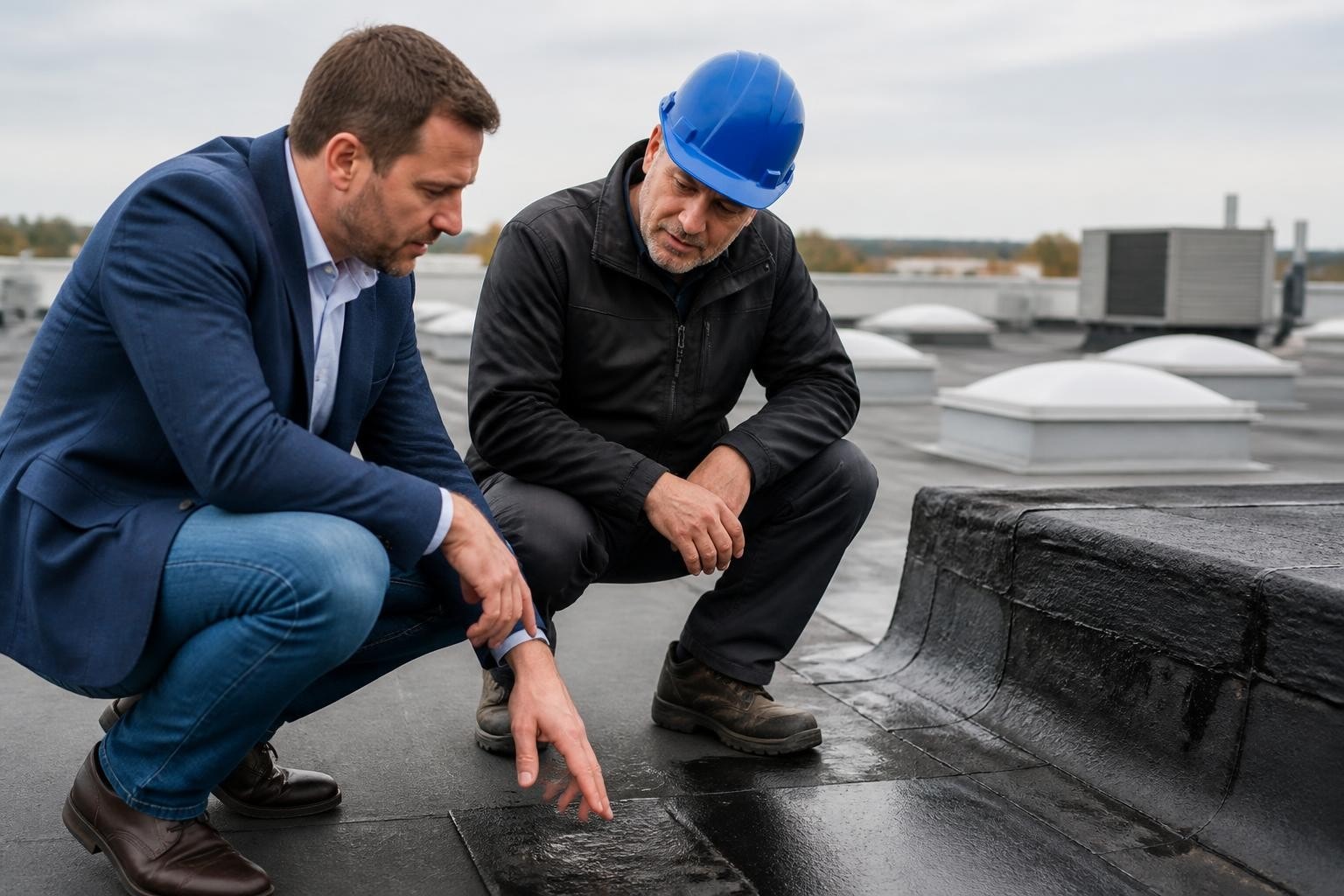
Commercial property owners face unique challenges when maintaining their buildings' roofing systems. Unlike residential properties, commercial roofs typically cover larger surface areas, use specialized materials, and require contractors with specific expertise in flat or low-slope configurations. Finding qualified commercial roof repair contractors who understand these complexities is essential for protecting your investment and ensuring uninterrupted business operations. This guide explores what property owners should know about selecting contractors, identifying repair needs, and maintaining commercial roofing systems for optimal performance.
Understanding Commercial Roofing Systems and Common Issues
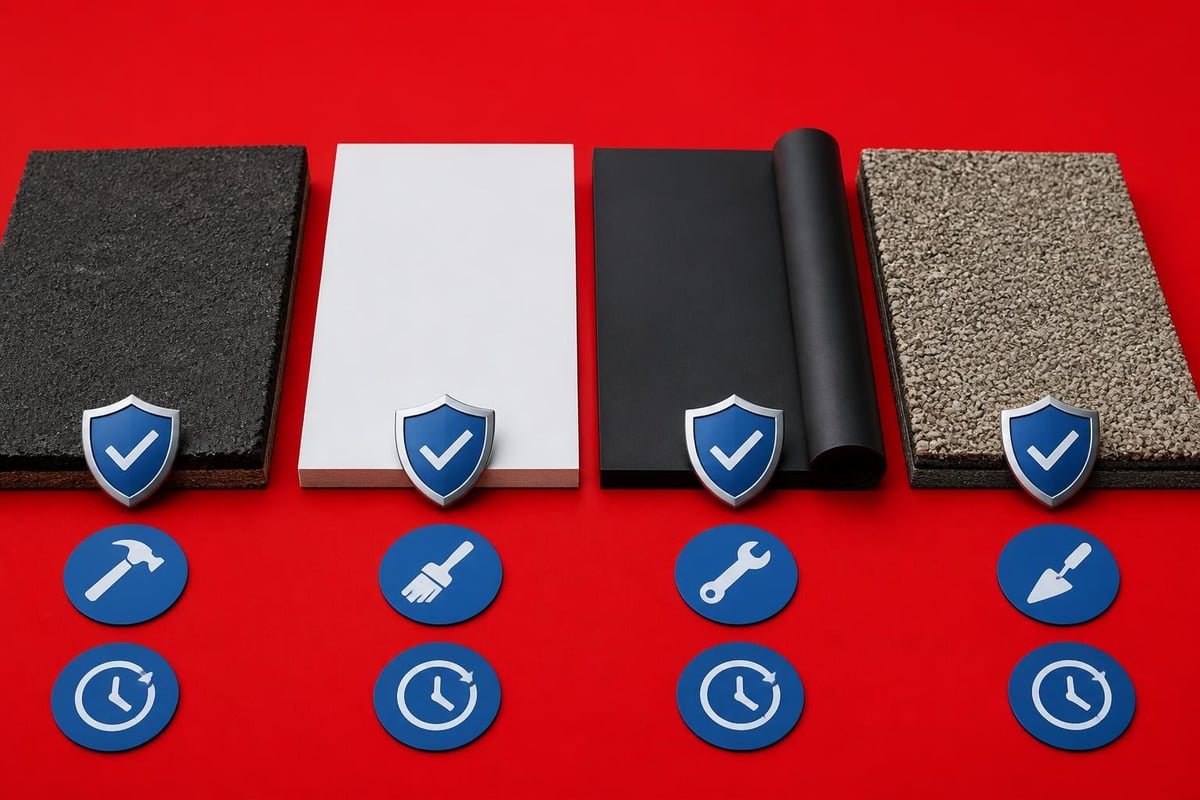
Commercial roofs differ significantly from residential installations in both materials and design. Most commercial buildings utilize flat or low-slope systems such as modified bitumen, EPDM rubber, TPO, or built-up roofing (BUR). These systems require specialized knowledge and equipment that not all roofing contractors possess.
Types of Commercial Roofing Materials
Different commercial roofing materials present unique repair challenges and maintenance requirements. Modified bitumen systems, which Great Roofing specializes in, consist of asphalt-based sheets that are torch-applied or cold-adhered to create a durable, waterproof membrane. These systems offer excellent durability but require experienced contractors who understand proper installation and repair techniques.
Single-ply membranes like TPO and EPDM have become increasingly popular due to their cost-effectiveness and energy efficiency. Built-up roofing systems, one of the oldest commercial roofing methods, layer tar and gravel to create a robust barrier against the elements. Each system demands specific repair approaches that qualified commercial roof repair contractors must master.
Recognizing Signs of Commercial Roof Damage
Property owners should monitor their roofs for several warning signs that indicate the need for professional repairs. Water stains on ceilings or walls represent the most obvious indicators of roofing problems, but many issues manifest more subtly. Ponding water that remains on the roof surface 48 hours after rainfall suggests drainage problems that can accelerate membrane deterioration.
Physical damage to the roof membrane, including cracks, blistering, or punctures, compromises the waterproofing layer and allows moisture infiltration. Flashing around roof penetrations, such as HVAC units and vents, commonly fails due to thermal expansion and contraction. Seam separation in single-ply or modified bitumen systems creates vulnerable points where water can enter the building envelope.
Regular inspections help identify these issues before they escalate into costly emergencies. Commercial roof inspections should occur at least twice annually and after significant weather events to catch problems early.
Selecting Qualified Commercial Roof Repair Contractors
Choosing the right contractor directly impacts both the quality of repairs and the long-term performance of your roofing system. Commercial roof repair contractors should demonstrate specific qualifications, experience, and business practices that distinguish them from general contractors or residential roofing specialists.
Essential Contractor Qualifications
Licensed and insured contractors protect property owners from liability and ensure compliance with local building codes. Verify that potential contractors carry both general liability insurance and workers' compensation coverage. Request certificates of insurance directly from the carrier rather than accepting copies from the contractor.
Manufacturer certifications indicate that contractors have received training in specific roofing systems and installation techniques. Major roofing manufacturers like GAF, Firestone, and Carlisle offer certification programs that validate a contractor's technical knowledge. These certifications often enable contractors to offer enhanced warranty coverage that standard installations cannot provide.
| Qualification Type | Why It Matters | What to Verify |
|---|---|---|
| License | Legal compliance, consumer protection | State/local license number, status |
| Insurance | Liability protection, financial security | General liability, workers' comp |
| Certifications | Technical expertise, warranty eligibility | Manufacturer training records |
| References | Past performance, reliability | Contact previous clients |
Experience with commercial properties specifically matters more than general roofing experience. A contractor who primarily installs residential shingles may lack the expertise required for modified bitumen or single-ply membrane repairs. Ask potential contractors about their experience with your specific roofing system type and request references from similar commercial projects.
Evaluating Contractor Proposals and Contracts
Written estimates from multiple commercial roof repair contractors allow property owners to compare pricing, scope of work, and project approaches. Detailed proposals should itemize materials, labor, disposal fees, and any additional costs. Be wary of vague estimates that provide only a total price without explaining what that price includes.
The lowest bid rarely represents the best value in commercial roofing repairs. Extremely low bids may indicate inferior materials, inadequate surface preparation, or contractors who plan to cut corners during installation. Focus instead on the overall value proposition, including material quality, warranty coverage, and the contractor's reputation.
Comprehensive contracts protect both parties by clearly defining project scope, timeline, payment terms, and responsibilities. Ensure the contract specifies the exact materials to be used, including manufacturer names and product lines. The agreement should outline the warranty coverage provided by both the manufacturer and the contractor, typically including separate coverage periods for materials and workmanship.
Payment schedules should align with project milestones rather than requiring large upfront deposits. Many reputable contractors request payment in thirds: a deposit to begin work, a midpoint payment when materials are delivered or work reaches 50% completion, and final payment upon project completion and inspection.
Common Commercial Roof Repair Methods
Commercial roof repair contractors employ various techniques depending on the damage type, roof system, and budget considerations. Understanding these methods helps property owners make informed decisions about repair approaches and evaluate contractor recommendations.
Patch and Coating Repairs
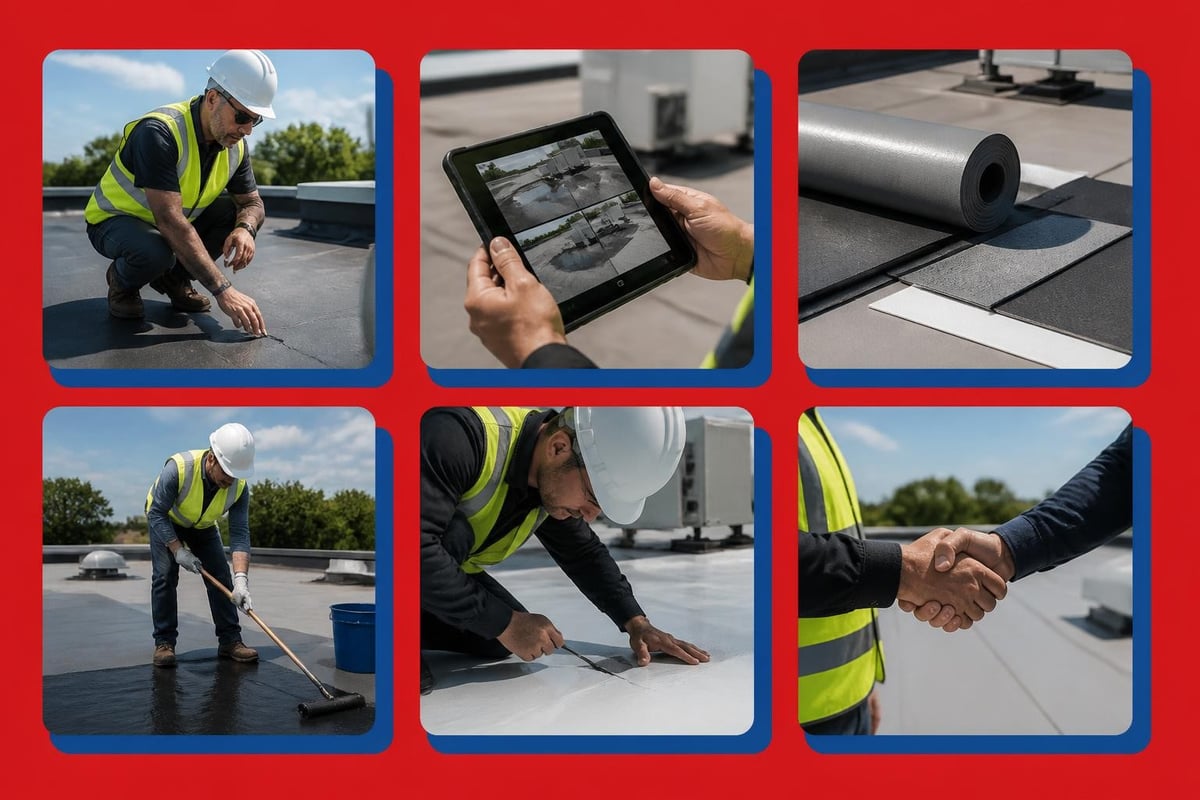
Minor damage to commercial roofing membranes often responds well to localized patching. This cost-effective approach addresses isolated problems without requiring extensive membrane replacement. Contractors clean and prepare the damaged area, apply compatible patching materials, and seal the edges to prevent water infiltration.
Roof coatings provide another repair option that can extend the life of aging commercial roofs. Reflective roof coatings create a seamless, waterproof layer over existing membranes while improving energy efficiency through solar reflectance. These coatings work particularly well on modified bitumen and built-up roofing systems that show general wear but maintain structural integrity.
Repairing commercial roofs without complete replacement offers significant cost savings, making patch and coating methods attractive options for budget-conscious property owners. However, these approaches work best for roofs with limited damage and sufficient remaining service life.
Membrane Replacement and Restoration
Extensive damage or widespread deterioration may necessitate partial or complete membrane replacement. Commercial roof repair contractors can remove damaged sections and install new membrane that integrates with the existing system. This approach costs less than total roof replacement while addressing significant problem areas.
Roof restoration represents a middle-ground solution between basic repairs and full replacement. The restoration process typically includes cleaning the existing roof, making necessary repairs, reinforcing seams and flashing, and applying protective coating systems. Commercial roof restoration benefits include extended roof life, improved energy efficiency, and costs that run 30-50% less than complete replacement.
For Great Roofing's specialty in modified bitumen systems, restoration work often involves repairing blisters, resealing seams with heat welding, and applying granulated cap sheets to damaged areas. These techniques restore the roof's waterproofing capabilities while maintaining the system's original design characteristics.
Weather Damage and Emergency Repairs
Commercial properties in the Joliet area face weather challenges that can cause sudden roofing damage requiring immediate attention. Severe storms, high winds, and hail events test commercial roofing systems and sometimes exceed their design limits.
Storm Damage Assessment and Response
Wind damage to commercial roofs often manifests as uplifted membrane edges, displaced flashing, or torn seams. These openings allow water infiltration that can damage building interiors, merchandise, and equipment. Property owners should inspect roofs after significant storms and contact commercial roof repair contractors promptly when damage appears.
Hail damage presents unique challenges on commercial roofs, particularly for modified bitumen and single-ply membrane systems. Impact from large hailstones can puncture membranes or fracture the protective granule layer on cap sheets. Similar to roof inspection for hail damage on residential properties, commercial inspections require trained eyes to identify subtle impact damage that may not be immediately visible.
Emergency repairs prioritize stopping water infiltration and protecting building contents. Temporary measures might include tarp installation, emergency patching, or sealing damaged areas until permanent repairs can be completed. Established commercial roof repair contractors maintain emergency response capabilities to address urgent situations outside normal business hours.
Insurance Claims and Documentation
Weather damage often qualifies for insurance coverage under commercial property policies. Proper documentation proves essential for successful claims processing. Property owners should photograph damage from multiple angles, maintain records of previous roof maintenance, and obtain professional inspection reports from qualified contractors.
Working with commercial roof repair contractors experienced in insurance claims streamlines the process. These contractors understand what documentation insurance adjusters require and can provide detailed damage assessments that support claim submissions. Similar to the guidance provided for filing roof damage insurance claims, commercial claims benefit from thorough documentation and professional support.
Insurance companies may send their own adjusters to verify damage and determine coverage amounts. Having your contractor present during adjuster visits ensures that all damage receives proper evaluation and that repair estimates reflect the actual scope of work required.
Preventive Maintenance Programs
Proactive maintenance prevents many commercial roofing problems before they require extensive repairs. Establishing a comprehensive maintenance program with qualified commercial roof repair contractors protects your investment and maximizes roof system longevity.
Scheduled Inspection Protocols
Regular inspections form the foundation of effective commercial roof maintenance. Bi-annual inspections conducted in spring and fall allow contractors to identify and address minor issues before seasonal weather extremes arrive. Additional inspections after severe weather events catch storm damage early when repairs remain simple and affordable.
Commercial roof maintenance checklists guide systematic evaluations of all roof components. Inspectors examine membrane condition, flashings, drainage systems, penetrations, and structural elements. Detailed inspection reports document current conditions, identify concerns requiring monitoring, and recommend immediate repairs.
Professional inspections supplement property manager walkthroughs but do not replace them. Monthly visual checks by building personnel help catch obvious problems like debris accumulation, drainage blockages, or visible membrane damage between professional inspections.
Routine Maintenance Tasks
Simple maintenance tasks extend commercial roof life significantly when performed consistently. Drainage systems require regular cleaning to prevent water accumulation that stresses roofing membranes. Gutters, downspouts, drains, and scuppers should be cleared of leaves, debris, and sediment quarterly or more frequently if surrounding trees shed heavily.
- Clear all drains and gutters of debris every quarter
- Remove vegetation growing in roof membrane joints or seams
- Inspect and reseal penetration flashings annually
- Check HVAC unit supports for stability and proper drainage
- Document all maintenance activities with photos and written notes
Vegetation control prevents root systems from penetrating roofing membranes and causing leaks. Small plants growing in accumulated dirt or gravel should be removed promptly, along with the organic material supporting their growth. Trees overhanging commercial roofs should be trimmed to prevent branch damage during storms and reduce leaf debris accumulation.
Equipment supports and roof penetrations require periodic inspection and maintenance. HVAC units, exhaust fans, and other rooftop equipment create stress points where flashings may separate or deteriorate. Commercial roof repair contractors can reseal these areas during maintenance visits before water infiltration occurs.
Cost Considerations and Budgeting
Understanding commercial roof repair costs helps property owners budget appropriately and make informed decisions about repair timing and scope. Multiple factors influence repair expenses, making generic pricing estimates unreliable without professional evaluation.
Factors Affecting Repair Costs
Roof size directly impacts repair costs, as larger surface areas require more materials and labor hours. However, commercial roofing often benefits from economies of scale, with per-square-foot costs decreasing as project size increases. Small repair jobs may carry minimum service fees that make per-unit costs appear higher than extensive projects.
| Cost Factor | Impact on Price | Considerations |
|---|---|---|
| Roof size | Higher square footage = higher total cost | Economies of scale on larger projects |
| Access difficulty | Limited access increases labor time | Building height, surrounding structures |
| Material type | Specialized systems cost more | Availability, manufacturer requirements |
| Damage extent | Extensive damage = higher costs | Consider full replacement if near 50% |
| Timing | Emergency repairs carry premiums | Schedule non-urgent work strategically |
Material selection significantly affects project costs. Modified bitumen systems that Great Roofing specializes in offer mid-range pricing compared to other commercial roofing options. Premium materials like thermoplastic polyolefin (TPO) or polyvinyl chloride (PVC) cost more initially but may provide longer service life and better energy efficiency.
Access challenges increase labor costs and project complexity. Roofs on tall buildings require specialized lift equipment, while properties with limited staging areas complicate material delivery and debris removal. Urban locations with restricted parking or work hours may incur additional coordination costs.
Long-Term Value Analysis
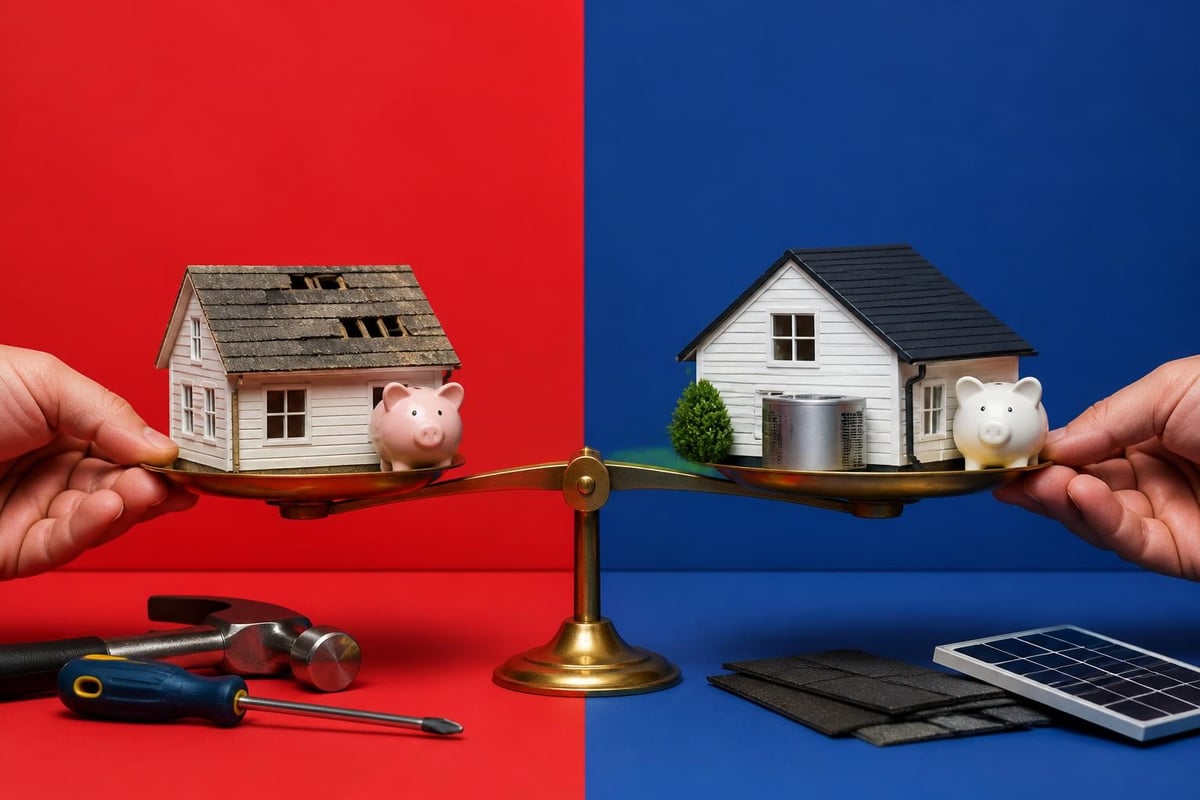
Evaluating repair costs requires considering both immediate expenses and long-term implications. Repeated patch repairs on aging roofs may cost less individually but accumulate quickly over time. Property owners should compare the total cost of ongoing repairs against the expense of comprehensive restoration or replacement.
Expected remaining roof life influences repair investment decisions. A roof with 10-15 years of remaining service life justifies more substantial repair investments than a roof nearing the end of its design life. Commercial roof repair contractors can help assess remaining service life based on current conditions and maintenance history.
Efficient commercial roof repair strategies emphasize addressing minor damage promptly before it escalates into major problems. Small investments in timely repairs prevent expensive emergency situations and protect building interiors from water damage that can exceed roofing repair costs.
Energy efficiency improvements through roof repairs or restoration can offset costs through reduced utility expenses. Reflective coatings and improved insulation lower cooling costs, particularly in large commercial buildings with significant roof surface area. Calculate potential energy savings when evaluating repair options to understand true long-term value.
Working with Local Contractors in the Joliet Area
Local commercial roof repair contractors offer advantages that national chains or distant contractors cannot match. Proximity enables faster emergency response, better understanding of regional weather challenges, and stronger accountability to the local business community.
Regional Weather and Building Considerations
The Joliet region experiences significant seasonal temperature variations, heavy snow loads in winter, and severe thunderstorms during spring and summer months. These conditions stress commercial roofing systems and require contractors familiar with local climate challenges. Local commercial roof repair contractors understand which materials and installation techniques perform best under these specific conditions.
Building codes and permit requirements vary by municipality. Contractors operating regularly in Joliet and surrounding communities maintain current knowledge of local regulations and established relationships with building departments. This familiarity streamlines permitting processes and ensures code compliance.
Community Reputation and Accountability
Local contractors build their businesses on community reputation. Family-owned operations like Great Roofing maintain strong ties to the area and depend on positive relationships with commercial property owners. This local accountability motivates contractors to deliver quality work and stand behind their warranties.
Customer reviews provide valuable insights into contractor performance and customer satisfaction. Local business owners can often obtain references from other commercial property owners in the area who have used the contractor's services. These firsthand accounts offer more reliable information than generic online testimonials.
Established local contractors invest in ongoing training and equipment upgrades to remain competitive. Their longevity in the market demonstrates financial stability and commitment to the industry. New or transient contractors may lack the resources or commitment to honor long-term warranties if problems arise years after initial repairs.
Warranty Coverage and Quality Assurance
Comprehensive warranty protection provides peace of mind and financial security after commercial roof repairs. Understanding warranty types, coverage terms, and maintenance requirements helps property owners maximize their warranty benefits.
Types of Roofing Warranties
Manufacturer warranties cover defects in roofing materials but typically exclude installation errors or improper application. These warranties range from 10 to 30 years depending on material quality and product line. Premium materials command higher prices but offer extended coverage periods and better protection.
Contractor workmanship warranties cover installation quality and labor-related issues. Reputable commercial roof repair contractors provide workmanship warranties ranging from 2 to 10 years, with longer periods indicating greater confidence in their work quality. These warranties address problems resulting from improper installation techniques or craftsmanship errors.
System warranties combine manufacturer material warranties with extended contractor workmanship coverage. These comprehensive warranties, available only through certified contractors, provide single-source protection for both materials and installation. They offer the highest level of coverage but require contractors to meet specific installation standards and use approved materials.
Maintaining Warranty Validity
Most roofing warranties include conditions that property owners must meet to maintain coverage. Regular maintenance requirements appear in virtually all commercial roofing warranties. Property owners must document routine inspections and maintenance activities to prove compliance with warranty terms.
Unauthorized repairs or modifications can void warranty coverage. Property owners should contact the original installing contractor or another authorized contractor for any repair work during the warranty period. Using unqualified contractors or performing DIY repairs often invalidates manufacturer and contractor warranties.
Following best practices for commercial roofing installations ensures repairs integrate properly with existing systems and maintain warranty compliance. Great Roofing's expertise in modified bitumen systems and commercial roofing ensures repairs meet manufacturer specifications and preserve warranty protection.
Safety Standards and Regulatory Compliance
Commercial roofing work involves significant safety risks and regulatory requirements. Professional commercial roof repair contractors prioritize worker safety and maintain compliance with all applicable regulations.
OSHA Requirements and Safety Protocols
The Occupational Safety and Health Administration (OSHA) establishes strict safety standards for commercial roofing work. Fall protection requirements mandate guardrails, safety nets, or personal fall arrest systems for work performed above six feet. Commercial roof repair contractors must implement comprehensive safety programs that protect workers and minimize liability.
Proper safety equipment extends beyond fall protection to include personal protective equipment, tool safety features, and hazard communication programs. Contractors should conduct regular safety training and maintain documentation of worker certifications and safety meetings.
Environmental Regulations
Commercial roof repairs generate waste materials requiring proper disposal according to environmental regulations. Tear-off debris, old membranes, and contaminated materials must be handled according to local waste management rules. Responsible contractors include disposal costs in project estimates and provide documentation of proper waste handling.
Some roofing materials contain substances requiring special handling procedures. Older built-up roofing systems may contain asbestos, necessitating specialized abatement contractors and disposal methods. Commercial roof repair contractors should identify potential hazardous materials during initial inspections and plan appropriate handling procedures.
Selecting qualified commercial roof repair contractors protects your property investment and ensures reliable, long-lasting repairs that withstand the Joliet area's challenging weather conditions. By prioritizing contractor qualifications, understanding repair methods, and implementing preventive maintenance programs, commercial property owners maximize their roofing system performance and minimize unexpected expenses. Great Roofing brings family-owned dedication and specialized expertise in modified bitumen systems to every commercial project, combining quality workmanship with responsive service that local business owners depend on. Contact Great Roofing today to schedule a comprehensive roof assessment and discover how professional commercial roofing services protect your property and support your business success.