


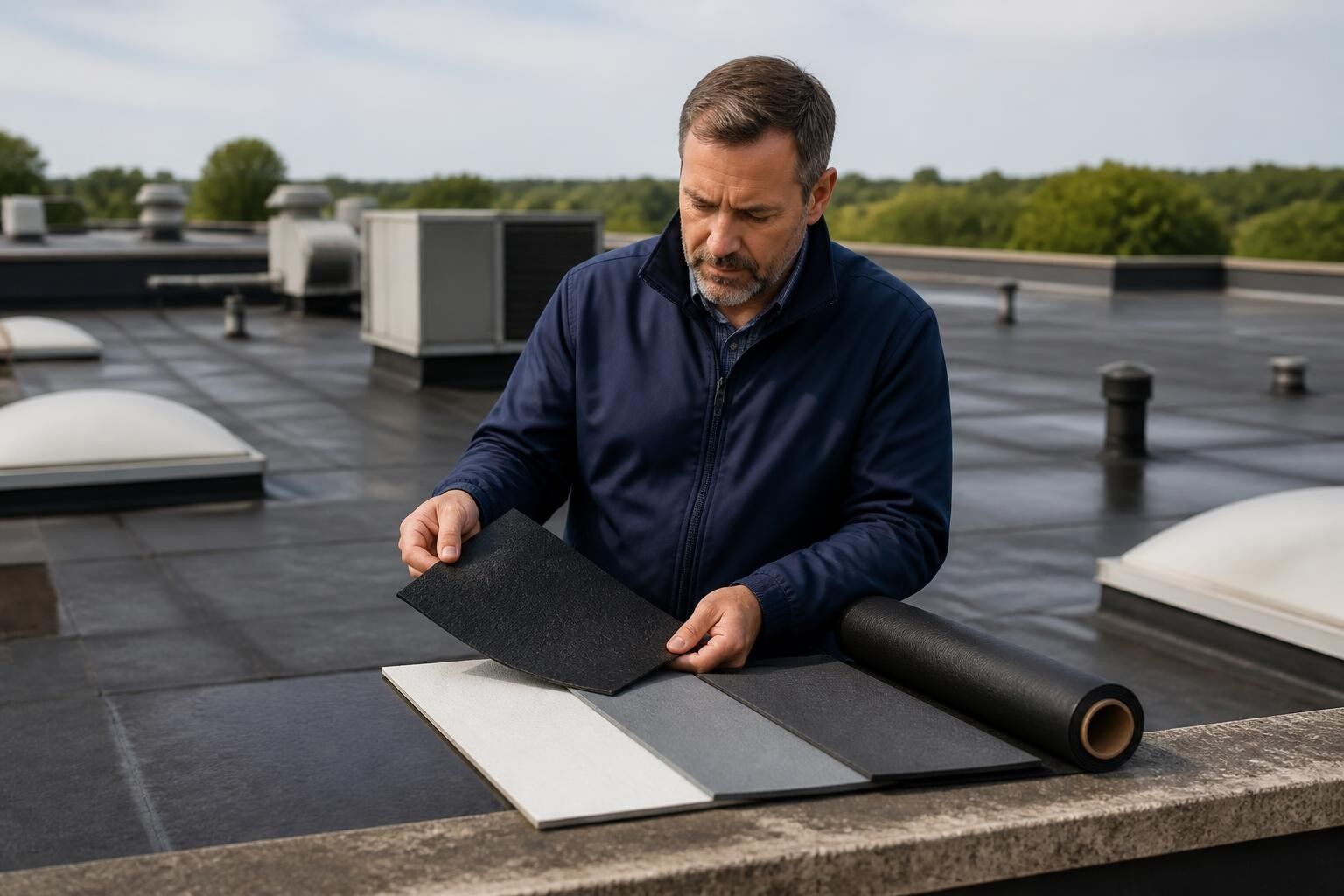
When business owners search for "commercial roof replacement near me," they're often facing a critical decision that will impact their property's protection, energy efficiency, and operational costs for decades. Unlike residential roofing projects, commercial roof replacement involves complex considerations ranging from building codes and business continuity to specialized materials and substantial financial investment. Understanding the replacement process, cost factors, and how to select the right contractor can mean the difference between a successful long-term solution and costly mistakes that disrupt your business operations.
Understanding Commercial Roof Replacement Needs
Commercial roofs differ fundamentally from residential systems in size, complexity, and functional requirements. Most commercial buildings feature flat or low-slope roofs designed to accommodate HVAC systems, electrical equipment, and sometimes even foot traffic for maintenance access.
The decision to replace rather than repair a commercial roof typically arises from several key indicators:
- Extensive water damage affecting interior operations
- Roofing membrane age exceeding manufacturer recommendations
- Recurring leak issues despite multiple repair attempts
- Energy costs rising due to failing insulation
- Visible deterioration including widespread cracking or bubbling

When Replacement Becomes Necessary
Age alone doesn't always dictate replacement timing. A well-maintained modified bitumen system can exceed 20 years, while neglected roofs may fail within a decade. Property owners should schedule professional inspections annually to assess roof condition and plan for eventual replacement before emergency situations arise.
Weather events can accelerate replacement needs significantly. The Joliet area experiences severe storms, high winds, and hail that can compromise commercial roofing systems. When storm damage affects your commercial property, quick professional assessment determines whether repairs suffice or full replacement is necessary.
Cost Factors for Commercial Roof Replacement
Understanding pricing components helps property owners budget appropriately and evaluate contractor proposals. Commercial roof replacement costs vary dramatically based on multiple interconnected factors that influence the final investment.
Square Footage and Roof Complexity
Roof size represents the most obvious cost driver, but complexity matters equally. A simple 10,000 square foot rectangular roof costs significantly less per square foot than a multi-level building with numerous penetrations, parapets, and rooftop equipment.
| Building Size | Average Cost Range | Cost Per Square Foot |
|---|---|---|
| 5,000 sq ft | $22,500 – $37,500 | $4.50 – $7.50 |
| 10,000 sq ft | $40,000 – $70,000 | $4.00 – $7.00 |
| 25,000 sq ft | $87,500 – $162,500 | $3.50 – $6.50 |
| 50,000+ sq ft | $175,000 – $350,000 | $3.50 – $7.00 |
These ranges reflect material and labor variations, with additional costs for complex architectural features. Contractors searching for "commercial roof replacement near me" should provide detailed square footage calculations and account for every roof section, dormer, and elevation change.
Material Selection and System Types
Material choice dramatically impacts both upfront investment and long-term performance. Each commercial roofing system offers distinct advantages suited to different building types, budgets, and operational requirements.
Modified Bitumen Systems provide excellent durability and proven performance in Midwest climates. These multi-ply systems offer superior waterproofing and can withstand temperature extremes common in the Joliet region. Installation requires specialized equipment and experienced technicians familiar with torch-down or cold-applied methods.
TPO (Thermoplastic Polyolefin) membranes have gained popularity for their energy efficiency and heat-reflective properties. White TPO roofs reduce cooling costs substantially, making them attractive for warehouse and retail applications where climate control expenses impact profitability.
EPDM (Ethylene Propylene Diene Monomer) rubber roofing delivers cost-effective protection with straightforward installation. This single-ply membrane works well for businesses prioritizing budget efficiency while maintaining reliable weather protection.
The cost variations between commercial roofing systems reflect material prices, installation complexity, and expected lifespan. Modified bitumen typically costs $4.50-$6.50 per square foot installed, while TPO ranges from $5.00-$7.50, and EPDM falls between $4.00-$6.00 per square foot.
Finding Qualified Local Contractors
Searching "commercial roof replacement near me" generates numerous results, but selecting the right contractor requires careful evaluation beyond proximity. Commercial roofing demands specialized expertise that differs significantly from residential work.
Verification and Credentials
Start by confirming contractor licensing, insurance coverage, and bonding appropriate for commercial projects. Request certificates of insurance showing general liability coverage of at least $2 million and workers' compensation for all employees. Commercial projects involve significant liability exposure, making proper insurance non-negotiable.
Manufacturer certifications indicate contractors have received specialized training in specific roofing systems. Great Roofing’s commercial roofing expertise includes certified installation of modified bitumen systems, ensuring warranty compliance and proper installation techniques.
- Verify state and local licensing requirements
- Confirm active insurance with adequate coverage limits
- Check manufacturer certifications for proposed systems
- Review Better Business Bureau ratings and complaint history
- Examine professional association memberships
Experience with Similar Projects
Commercial buildings vary tremendously in construction, usage, and roofing requirements. A contractor experienced with small office buildings may lack expertise for industrial facilities or multi-story commercial complexes.
Request references from projects similar in size and scope to your building. Visit completed installations when possible, and contact property managers about contractor performance, timeline adherence, and post-installation support.
Project Planning and Timeline Considerations
Commercial roof replacement requires careful coordination to minimize business disruption. Unlike residential projects completed in days, commercial installations often span weeks or months depending on building size and complexity.
Pre-Project Preparation
Successful projects begin with thorough planning weeks before installation starts. Property owners should understand the complete timeline and prepare accordingly.
- Initial Inspection and Assessment – Professional evaluation identifies damage extent, structural issues, and replacement scope
- Material Selection and Specifications – System selection based on building requirements, budget, and performance expectations
- Permit Acquisition – Commercial projects require building permits and inspections throughout installation
- Contractor Selection and Contracting – Detailed proposals, contract negotiation, and project scheduling
- Pre-Construction Coordination – Site logistics, safety planning, and stakeholder communication
The factors affecting commercial roof replacement costs extend beyond materials to include project management, permitting, and coordination with building operations.
Minimizing Business Disruption
Strategic scheduling reduces impact on daily operations. Many contractors perform work during off-hours, weekends, or seasonal low-activity periods. Phased installation allows portions of the building to remain fully operational while other sections undergo replacement.
Communication protocols keep tenants, employees, and customers informed about project progress, noise expectations, and access restrictions. Proper planning prevents surprises that could damage business relationships or operational efficiency.
Warranty Coverage and Long-Term Protection
Warranty terms represent critical but often overlooked aspects of commercial roof replacement. Understanding coverage differences helps property owners maximize their investment protection.
Manufacturer vs. Contractor Warranties
Material warranties cover defects in roofing products themselves, typically ranging from 10 to 30 years depending on system quality. However, material warranties exclude installation errors, which account for most premature roof failures.
Contractor workmanship warranties cover installation quality and typically run 2 to 10 years. The best protection comes from comprehensive warranties combining material and labor coverage through certified installation programs.
| Warranty Type | Typical Coverage Period | What's Included | What's Excluded |
|---|---|---|---|
| Material Only | 10-30 years | Manufacturing defects | Installation errors, weather damage |
| Workmanship | 2-10 years | Installation quality | Material defects, storm damage |
| System Warranty | 10-25 years | Materials and labor | Lack of maintenance, abuse |
| Extended Coverage | 15-30 years | Full system protection | Specified exclusions |
System warranties provide the most comprehensive protection by covering both materials and installation through a single warranty issued by the manufacturer. These require certified installers and often include periodic inspections to maintain coverage.
Maintenance Requirements
All commercial roof warranties require regular maintenance to remain valid. Property owners must document inspections, promptly address minor issues, and keep drainage systems clear. Professional roof inspections identify small problems before they escalate into warranty-voiding damage.
Energy Efficiency and Building Performance
Modern commercial roof replacement offers opportunities to improve building energy efficiency substantially. Cool roofing technologies, enhanced insulation, and reflective membranes reduce operational costs while improving occupant comfort.
Cool Roofing Benefits
Reflective roofing systems reduce heat absorption, lowering cooling costs by 10-30% in commercial buildings. White TPO or coated modified bitumen systems reflect solar radiation rather than transferring heat into the building envelope.
Energy savings accumulate over the roof's lifespan, often offsetting higher initial material costs within 5-7 years. Additional benefits include extended HVAC equipment life due to reduced workload and improved indoor comfort during peak summer months.
Building codes in many jurisdictions now mandate minimum solar reflectance values for commercial roof replacements. Compliance requirements vary by location, making local expertise essential when searching for "commercial roof replacement near me."
Financing and Return on Investment
Commercial roof replacement represents substantial capital investment that requires careful financial planning. Multiple financing options exist for property owners to fund replacement while preserving cash flow.
Financial Considerations
Traditional commercial loans, equipment financing, and specialized roofing finance programs offer different terms and qualification requirements. Some contractors provide financing arrangements through partnerships with lenders familiar with commercial roofing projects.
Energy-efficient roof systems may qualify for utility rebates, tax incentives, or accelerated depreciation under commercial property improvement guidelines. These financial benefits reduce effective project costs and improve return on investment calculations.
Return on investment extends beyond energy savings to include:
- Reduced maintenance and repair expenses
- Extended replacement intervals with quality systems
- Improved property value and marketability
- Enhanced tenant satisfaction and retention
- Lower insurance premiums with updated systems
Property managers should calculate total cost of ownership rather than focusing solely on initial installation expense. A moderately more expensive system that lasts 25 years and reduces energy costs outperforms cheaper alternatives requiring replacement after 15 years.
Regional Considerations for Joliet-Area Properties
Climate conditions specific to the Joliet region influence material selection and installation techniques for optimal performance. Understanding local weather patterns, building codes, and seasonal factors helps property owners make informed replacement decisions.
Weather Impact on Material Selection
The Midwest climate subjects commercial roofs to extreme temperature swings, heavy snow loads, ice damming, and severe storm activity. Material selection must account for thermal expansion and contraction cycles that stress roofing membranes and fastening systems.
Modified bitumen systems excel in this climate due to their flexibility across temperature ranges and proven snow load capacity. These multi-ply systems maintain waterproofing integrity despite the harsh conditions common in northern Illinois.
Wind resistance requirements vary by building height and exposure. Commercial buildings require engineered attachment systems meeting local wind load specifications. The understanding of wind damage factors helps contractors design properly secured roofing systems.
Seasonal Installation Windows
While commercial roof replacement can occur year-round with proper precautions, optimal installation windows exist for different systems. Spring and fall offer ideal temperatures for most materials, with moderate conditions that facilitate proper adhesive curing and membrane application.
Summer installation works well but requires heat management strategies to prevent material damage during storage and application. Winter installation presents challenges for certain systems but remains viable with temperature-appropriate materials and experienced crews.
Planning replacement during seasonal business lulls minimizes operational impact. Retail properties might schedule work during slower months, while educational facilities often prefer summer installation during reduced occupancy.
Quality Indicators and Red Flags
Distinguishing professional contractors from inadequate providers protects property owners from costly mistakes. Several indicators separate qualified commercial roofing specialists from general contractors attempting projects beyond their expertise.
Professional Standards
Reputable contractors provide detailed written proposals specifying material brands, system components, installation methods, and timeline expectations. Vague estimates lacking specific details often indicate inexperience or intentional ambiguity that allows quality shortcuts.
Professional contractors carry substantial insurance, maintain permanent business locations, and demonstrate established relationships with suppliers and manufacturers. They answer questions thoroughly, explain technical aspects clearly, and provide references without hesitation.
Warning signs include:
- Pressure tactics demanding immediate decisions
- Requests for large upfront payments
- Lack of verifiable insurance or licensing
- Inability to provide local references
- Proposals significantly below market rates
- Reluctance to specify material brands or grades
The lowest bid rarely represents the best value in commercial roofing. Installation quality, material grades, and warranty coverage matter far more than initial price differences that often reflect corner-cutting rather than efficiency.
Documentation and Project Records
Maintaining comprehensive project documentation protects property owners and simplifies future maintenance, repairs, or warranty claims. Professional contractors provide detailed records throughout the replacement process.
Essential Documentation
Complete project files should include original proposals, final contracts, material specifications, manufacturer data sheets, warranty certificates, inspection reports, and as-built drawings showing all roof details.
Photograph documentation captures pre-existing conditions, installation progress, and completed work. These images prove invaluable for warranty claims, insurance purposes, or future contractor consultations when existing roof details require verification.
Building codes require permit documentation and final inspection approvals. Contractors should provide copies of all permits and sign-off certificates confirming code compliance. Missing documentation can create problems during property sales or refinancing.
Ongoing Record Management
Property managers should establish roof maintenance logs documenting all inspections, repairs, and service work. Consistent record-keeping preserves warranty coverage and provides historical data for planning future replacements.
Digital file storage ensures documentation remains accessible throughout the roof's lifespan. Cloud-based systems prevent loss from physical damage or staff turnover that often results in missing critical roof information.
Making the Final Decision
After evaluating contractors, comparing proposals, and understanding cost factors, property owners must make final decisions balancing budget constraints, performance requirements, and long-term value considerations.
Proposal Comparison Framework
Effective proposal evaluation extends beyond price comparison to assess total project value. Create comparison matrices evaluating contractors across multiple criteria including experience, material quality, warranty offerings, timeline, and references.
Consider the contractor's communication quality, responsiveness, and professionalism during the bidding process. These characteristics typically reflect how they'll perform during installation and afterward when warranty service becomes necessary.
Local expertise matters significantly for commercial roofing projects. Contractors familiar with Joliet building codes, weather patterns, and material performance in the regional climate deliver superior results compared to distant providers unfamiliar with local requirements.
When searching "commercial roof replacement near me," proximity facilitates better communication, easier site visits, and faster response for warranty service or emergency repairs. Established local presence indicates commitment to long-term customer relationships rather than transient operations.
Investment Protection Strategies
Maximizing commercial roof replacement value requires active participation throughout the project. Regular communication with contractors, periodic site inspections, and thorough review of completed work ensure quality standards are maintained.
Schedule final walkthroughs before making final payment. Verify all work meets specifications, cleanup is complete, and warranty documentation is provided. Address any concerns immediately while contractors remain motivated to resolve issues.
Post-installation, implement preventive maintenance programs preserving your investment. Semi-annual inspections, prompt minor repairs, and proactive maintenance extend roof life substantially while preventing small issues from becoming major problems.
The comprehensive approach to commercial roofing services ensures properties receive appropriate solutions matched to their specific requirements, budget parameters, and performance expectations.
Finding the right commercial roof replacement solution requires balancing immediate costs with long-term value while ensuring minimal disruption to business operations. Professional contractors bring the expertise, materials knowledge, and installation quality that protect your property investment for decades. Great Roofing combines family-owned dedication with commercial roofing expertise, serving Joliet-area businesses with modified bitumen systems and comprehensive replacement services designed to deliver lasting protection and performance.