


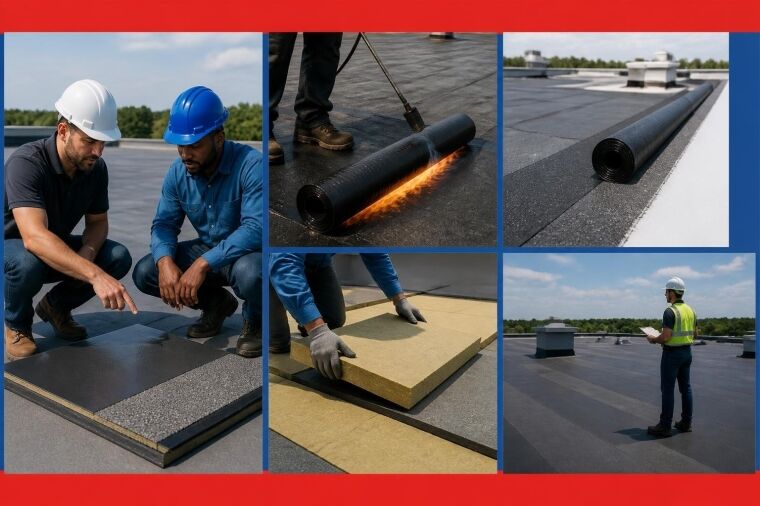
Commercial roofing installation represents one of the most significant investments a business can make in its property infrastructure. Unlike residential roofing projects, commercial installations demand specialized knowledge, heavy-duty materials, and precision execution to protect assets, employees, and operations. Whether you're planning a new build or replacing an aging roof on an existing structure, understanding the installation process, material options, and quality standards ensures your investment delivers decades of reliable performance.
Understanding Commercial Roofing Systems
Commercial buildings require roofing solutions fundamentally different from residential applications. The scale, structural demands, and performance expectations create unique challenges that specialized contractors must address.
Key differences between commercial and residential roofing include:
- Slope and drainage: Commercial roofs typically feature low-slope or flat designs requiring specialized waterproofing
- Size and accessibility: Larger surface areas demand efficient installation methods and equipment
- Traffic and usage: Commercial roofs often support HVAC equipment, solar panels, and maintenance access
- Building codes: Stricter regulations govern fire ratings, wind uplift resistance, and energy performance
The NRCA’s industry-recognized Roofing Manual provides comprehensive technical guidelines covering commercial membrane, metal, and low-slope roof systems that professionals rely on for design and installation best practices.
Primary Commercial Roofing Material Categories
| Material Type | Typical Lifespan | Best Applications | Key Benefits |
|---|---|---|---|
| Modified Bitumen | 20-30 years | Warehouses, retail | Durability, puncture resistance |
| TPO/PVC Membrane | 15-30 years | Office buildings, schools | Energy efficiency, welded seams |
| EPDM Rubber | 20-25 years | Light commercial | Cost-effective, proven performance |
| Built-Up Roofing | 20-30 years | High-traffic roofs | Multiple redundant layers |
| Metal Roofing | 40-70 years | Industrial facilities | Longevity, sustainability |

Great Roofing specializes in modified bitumen systems, which offer exceptional durability for commercial properties throughout the Joliet area. These multi-layer systems provide superior waterproofing through redundant protection layers.
Pre-Installation Planning and Assessment
Successful commercial roofing installation begins long before the first material arrives on site. Thorough planning prevents costly delays and ensures code compliance.
Building Evaluation and Structural Analysis
Every commercial roofing project requires a detailed structural assessment. Engineers evaluate load-bearing capacity, especially when replacing lighter materials with heavier systems or adding features like green roofing or solar arrays.
Critical evaluation factors include:
- Existing deck condition and material composition
- Structural support adequacy for new system weight
- Drainage patterns and ponding water issues
- Penetrations, vents, and rooftop equipment locations
- Insulation requirements for energy code compliance
Professional contractors conduct moisture surveys using infrared scanning or core sampling to identify wet insulation that must be replaced. Installing new roofing over saturated materials traps moisture, accelerating deterioration and voiding warranties.
Permit Requirements and Code Compliance
Commercial roofing installation in Illinois requires building permits and inspections. Local jurisdictions enforce the International Building Code with amendments specific to wind loads, fire ratings, and energy standards.
Essential permit and compliance considerations:
- Submit detailed plans showing system specifications, drainage design, and edge details
- Schedule inspections at substrate preparation, insulation, and final membrane stages
- Document compliance with wind uplift testing per FM Global or UL standards
- Verify warranty requirements that may mandate certified installers or specific details
The permitting process typically takes two to four weeks in most jurisdictions. Contractors should initiate applications early to prevent project delays. Great Roofing handles all permit coordination for commercial clients, ensuring smooth approval processes.
The Commercial Roofing Installation Process
Understanding the installation sequence helps property owners recognize quality workmanship and hold contractors accountable for proper procedures.
Phase One: Tear-Off and Deck Preparation
Complete removal of existing roofing materials reveals the true deck condition. While tear-off increases project costs compared to recover systems, it provides the only opportunity to address hidden damage.
Professional crews systematically remove old membranes, insulation, and damaged decking. They inspect structural members for rot, corrosion, or deterioration requiring repair before new installation proceeds.
Deck preparation includes:
- Replacing damaged panels or securing loose fasteners
- Cleaning surfaces to remove debris and contaminants
- Applying primer to ensure proper adhesion
- Installing cant strips at wall transitions
- Verifying proper slope toward drains
Phase Two: Insulation and Vapor Control
Modern energy codes require substantial insulation values for commercial roofs. Multiple insulation layers achieve target R-values while providing dimensional stability and enhanced puncture resistance.
A critical but often overlooked component, vapor retarders prevent moisture migration from building interiors into the roofing assembly. Proper vapor retarder selection depends on climate zone, building usage, and interior humidity levels.
Installation teams mechanically fasten insulation boards in staggered patterns, ensuring joints don't align between layers. This prevents thermal bridging and creates a monolithic assembly. The UL Solutions’ roofing testing services verify that complete assemblies meet fire and wind uplift requirements, not just individual materials.
Phase Three: Membrane Application
The waterproofing membrane represents the roof's primary defense against weather. Installation methods vary by material type but demand precision regardless of system choice.
Modified bitumen installation involves torch application, hot asphalt mopping, or cold adhesive methods. Each technique requires specialized equipment and trained applicators. Torch-applied systems achieve exceptional bond strength through heat-welding plies together, creating a monolithic waterproof barrier.
Single-ply membrane systems like TPO or PVC use heat welding or solvent bonding at seams. Mechanically attached systems fasten membranes through insulation into the deck, while fully adhered applications use bonding adhesives for maximum wind resistance.
Quality control during membrane installation includes:
- Maintaining proper overlap dimensions at all seams
- Achieving consistent weld temperatures and pressure
- Testing seam integrity with probe tools or destructive samples
- Installing reinforced membranes at stress points
- Properly flashing all penetrations and terminations
Phase Four: Flashing and Detail Work
The most common failure points in commercial roofing occur at transitions, penetrations, and edges where the field membrane terminates. Proper flashing installation requires experienced craftsmen who understand water flow patterns and material compatibility.
Critical flashing locations include:
- Wall and curb transitions using base and counter flashing
- Pipe and vent penetrations with prefabricated boots or custom flashings
- Roof drain assemblies with clamping rings and sealants
- Edge metal and fascia details securing membrane terminations
- Expansion joints allowing building movement without membrane stress
Great Roofing's expertise with commercial modified bitumen systems ensures proper execution of these critical details that protect your investment.
Material Selection for Longevity and Performance
Choosing appropriate roofing materials involves balancing initial costs, expected lifespan, maintenance requirements, and energy performance. The lowest bid rarely delivers the best long-term value.
Modified Bitumen Systems
Modified bitumen roofing combines the proven waterproofing properties of asphalt with polymer modifiers that enhance flexibility and durability. These systems typically include two or more plies, creating redundant waterproofing layers.
Advantages of modified bitumen:
- Exceptional puncture and tear resistance for high-traffic roofs
- Self-healing properties around fastener penetrations
- Proven performance in extreme temperature variations
- Straightforward repairs using compatible materials
- Cost-effective installation compared to some single-ply systems
Modified bitumen works particularly well for warehouses, retail centers, and industrial facilities where rooftop equipment access is common. The robust surface withstands maintenance traffic without special protection boards.
Single-Ply Membrane Options
Thermoplastic membranes like TPO and PVC dominate the commercial market due to their energy efficiency and installation speed. These heat-welded systems create watertight seams stronger than the membrane itself.
| Feature | TPO | PVC | EPDM |
|---|---|---|---|
| Color Options | White, tan, gray | White, tan, various | Black, white |
| Seam Method | Heat welded | Heat welded | Taped or glued |
| Chemical Resistance | Good | Excellent | Moderate |
| Reflectivity | High | High | Low (black) |
| Cost (per sq ft) | $4.50-$7.00 | $5.50-$8.50 | $3.50-$6.00 |
The Cool Roof Rating Council provides standardized testing for solar reflectance and thermal emittance, helping specifiers compare energy performance across products objectively.
Energy-Efficient Roofing Solutions
Rising energy costs make roof surface reflectivity a critical selection factor. Cool roofing technology reduces heat absorption, lowering cooling costs and extending membrane lifespan through reduced thermal stress.
The EPA’s guidance on cool roofs demonstrates how reflective roofing reduces urban heat island effects while cutting building energy consumption by 10-15% in many climates. Products meeting ENERGY STAR qualification criteria must achieve minimum solar reflectance and thermal emittance values.
White TPO and PVC membranes inherently provide excellent reflectivity. Modified bitumen systems can incorporate reflective cap sheets or coatings to achieve similar performance. Some commercial property owners qualify for utility rebates or tax incentives when installing high-performance cool roofing systems.
Quality Assurance and Inspection Protocols
Reputable commercial roofing installation includes multiple quality checkpoints throughout the project. These inspections protect both the building owner and the contractor by documenting proper installation before problems arise.
Third-Party Inspections and Certifications
Many roofing manufacturers offer certified contractor programs requiring specific training and installation standards. These programs typically include periodic inspections by manufacturer representatives who verify compliance with technical specifications.
Third-party inspections provide:
- Unbiased verification of proper material application
- Documentation for warranty activation
- Identification of deficiencies before final acceptance
- Peace of mind through independent quality confirmation
- Detailed reports with photographic evidence
Independent roofing consultants offer another layer of quality assurance. These professionals represent the building owner's interests, reviewing specifications, observing installation, and conducting final inspections before substantial completion.
Warranty Considerations and Coverage
Commercial roofing warranties vary significantly in coverage, duration, and transferability. Understanding warranty terms prevents misunderstandings when issues arise years after installation.
Standard warranty types include:
- Manufacturer's material warranty: Covers defects in roofing products (10-30 years typical)
- Contractor's workmanship warranty: Guarantees proper installation (2-10 years typical)
- System warranty: Comprehensive coverage combining materials and labor (10-30 years)
- Maintenance warranties: Extended coverage contingent on regular inspections
System warranties from manufacturers like GAF, Firestone, or Carlisle provide the most comprehensive protection but require certified installers, specific system configurations, and documented maintenance. Property owners should review warranty exclusions carefully, as many don't cover ponding water, impact damage, or alterations by others.
Cost Factors and Budget Planning
Commercial roofing installation costs vary widely based on system selection, building complexity, and regional labor rates. Joliet-area projects typically range from $4 to $12 per square foot installed, depending on specifications.
Primary Cost Drivers
Understanding what influences project costs helps property owners budget accurately and evaluate contractor proposals fairly.
Major factors affecting installation pricing:
- Roof accessibility: Difficult access increases labor and material handling costs
- Existing condition: Extensive deck repairs or multiple tear-off layers add expenses
- System complexity: Intricate details, numerous penetrations, or specialty flashings require more labor
- Material selection: Premium membranes, thicker insulation, or enhanced warranties increase costs
- Project timing: Winter installations or rushed schedules may carry premium pricing
- Building height: Multi-story structures require additional safety equipment and slower production
Property owners should budget 15-20% beyond base installation costs for contingencies. Hidden damage discovered during tear-off frequently requires additional repairs not visible during initial estimates. Understanding how to navigate roof insurance claims can help offset unexpected costs when storm damage is involved.
Long-Term Value Analysis
Evaluating commercial roofing options purely on initial cost overlooks critical factors that impact total ownership expenses over the roof's service life.
A comprehensive value analysis considers:
- Energy savings: Cool roofing reduces HVAC costs throughout the roof's lifespan
- Maintenance requirements: Some systems need more frequent inspections or repairs
- Durability: Longer-lasting materials defer replacement costs despite higher initial investment
- Warranty coverage: Comprehensive warranties reduce future out-of-pocket expenses
- Disposal costs: Consider end-of-life removal and disposal fees when selecting systems
A modified bitumen system costing $7 per square foot with a 25-year lifespan and minimal maintenance delivers better value than a $5 system requiring replacement after 15 years. Great Roofing helps commercial clients analyze lifecycle costs rather than focusing solely on upfront expenses.
Working with Professional Contractors
Selecting the right commercial roofing contractor significantly impacts project outcomes. The contractor's experience, resources, and commitment to quality determine whether your investment delivers expected performance.
Contractor Selection Criteria
Commercial roofing installation demands specialized expertise, equipment, and insurance coverage beyond typical residential capabilities. Property owners should verify credentials before awarding contracts.
Essential contractor qualifications include:
- Active state licensing and local business permits
- Comprehensive general liability insurance ($2M+ recommended for commercial work)
- Workers' compensation coverage protecting against on-site injuries
- Manufacturer certifications for specified roofing systems
- References from similar commercial projects completed recently
- Financial stability ensuring project completion even if challenges arise
Great Roofing maintains all necessary certifications and insurance as a family-owned contractor serving the Joliet commercial market. Their modified bitumen expertise ensures proper installation following manufacturer specifications.
Contract Documentation and Project Management
Detailed contracts protect both parties by establishing clear expectations, payment terms, and dispute resolution procedures. Commercial roofing contracts should specify materials by manufacturer and product line, not generic descriptions.
Critical contract elements include:
- Scope of work describing all tear-off, repairs, installation, and cleanup activities
- Material specifications listing exact products, thicknesses, and application methods
- Project timeline with start date, substantial completion, and final completion milestones
- Payment schedule tied to completion milestones, not arbitrary calendar dates
- Change order procedures governing how modifications are priced and approved
- Warranty terms clearly stating coverage periods, exclusions, and claim procedures
Effective project management includes regular communication, site safety protocols, and coordination with building operations. Commercial installations often occur on occupied buildings where minimizing business disruption is critical. Experienced contractors schedule noisy work during off-hours and maintain debris control to protect tenants and customers.
Maintenance Planning for Extended Service Life
Even the highest-quality commercial roofing installation requires regular maintenance to achieve its expected lifespan. Proactive care prevents minor issues from escalating into costly emergency repairs.
Recommended Maintenance Schedules
Establishing a systematic maintenance program protects your roofing investment and preserves warranty coverage. Many system warranties require documented semi-annual inspections as a coverage condition.
Effective maintenance programs include:
- Twice-yearly inspections in spring and fall to address seasonal damage
- Post-storm assessments following severe weather events
- Drain and gutter cleaning preventing water backup and ponding
- Sealant and flashing checks identifying deteriorated details before leaks develop
- Documentation and reporting creating historical records for future reference
Professional maintenance agreements from qualified contractors like Great Roofing ensure consistent attention and priority service when repairs are needed. Regular maintenance costs typically represent 1-2% of replacement value annually but prevent exponentially more expensive emergency repairs.
Common Issues and Early Detection
Understanding typical commercial roofing problems helps property managers recognize warning signs before interior damage occurs. Early intervention minimizes repair costs and extends roof lifespan.
Watch for these indicators of developing problems:
- Ponding water remaining 48 hours after rainfall indicates drainage deficiencies
- Blistering or bubbling in membranes suggests trapped moisture or poor adhesion
- Open seams or flashings allow water penetration at vulnerable transitions
- Membrane shrinkage creates stress at fasteners and edges
- Punctures or tears from foot traffic, equipment, or debris
Interior signs like water stains, musty odors, or increased energy costs may indicate roofing issues requiring immediate professional evaluation. Catching problems early prevents minor repairs from becoming full system replacements.
Commercial roofing installation demands careful planning, quality materials, and expert execution to protect your business investment for decades. Understanding the process, material options, and maintenance requirements empowers property owners to make informed decisions that balance upfront costs with long-term value. Whether you're planning a new construction project or replacing an aging roof on your commercial facility, Great Roofing brings decades of family-owned expertise to commercial properties throughout Joliet, specializing in durable modified bitumen systems engineered for lasting performance. Contact our team today to discuss your commercial roofing needs and receive a comprehensive evaluation of your property.