

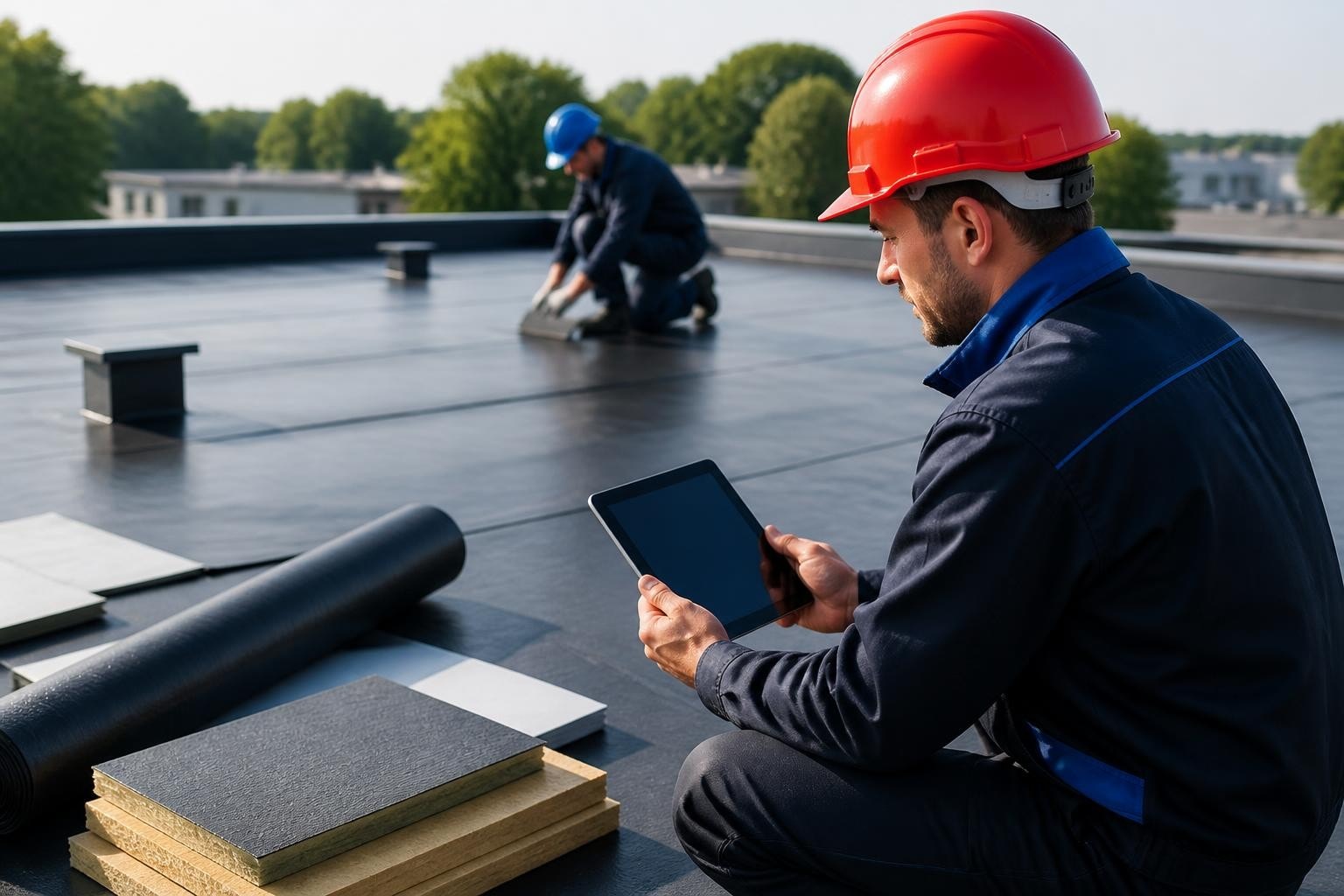
Finding reliable commercial roofing services near me has become increasingly important for business owners managing properties in the Joliet area and surrounding communities. Whether you operate a retail storefront, industrial facility, or office building, your commercial roof represents one of your most significant infrastructure investments. The complexity of commercial roofing systems, combined with regulatory requirements and business continuity concerns, makes selecting the right local contractor a critical decision. Understanding what professional commercial roofing services entail, how to evaluate local providers, and what to expect throughout the service process empowers property managers and business owners to make informed decisions that protect their investments and operations.
Understanding Commercial Roofing Systems and Materials
Commercial roofing differs fundamentally from residential applications in both scale and complexity. While residential roofs typically feature pitched designs with shingle materials, commercial buildings often utilize low-slope or flat roofing systems that require specialized expertise and materials.
Modified Bitumen Roofing Systems
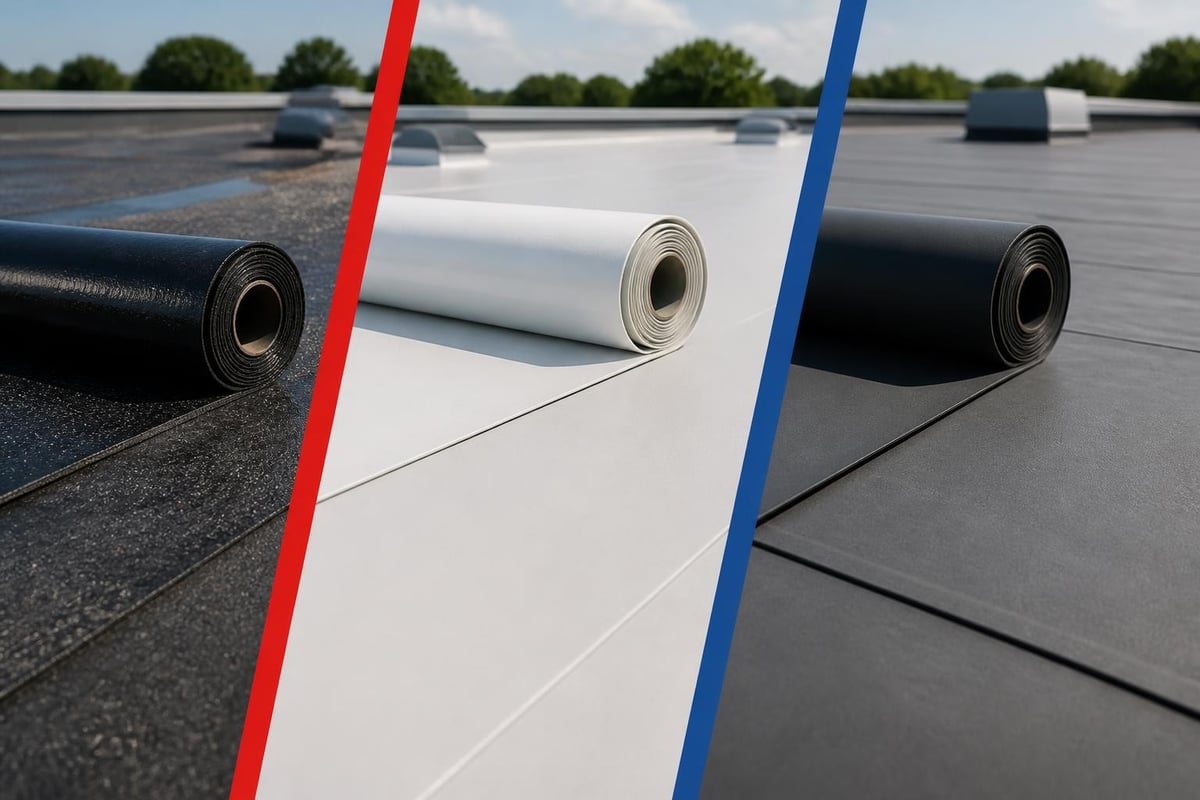
Modified bitumen represents one of the most popular commercial roofing solutions for businesses throughout the Midwest. This multi-layer system combines asphalt with polymer modifiers to create a durable, weather-resistant membrane. The material offers excellent performance in varying temperature conditions, making it ideal for Illinois's climate extremes.
Installation methods for modified bitumen include torch-applied, cold-applied, and self-adhering systems. Each approach offers distinct advantages depending on building requirements and safety considerations. Commercial roofing systems vary significantly in specifications and performance characteristics, requiring careful evaluation during the selection process.
Key benefits of modified bitumen systems:
- Superior durability in freeze-thaw cycles
- Excellent resistance to punctures and tears
- Multiple installation methods for different building types
- Cost-effective maintenance and repair options
- Long service life when properly maintained
TPO and EPDM Membrane Solutions
Single-ply membrane systems have gained significant market share in commercial applications. Thermoplastic Polyolefin (TPO) and Ethylene Propylene Diene Monomer (EPDM) membranes provide lightweight, energy-efficient roofing solutions suitable for various commercial structures.
TPO membranes feature heat-welded seams that create watertight bonds, while EPDM relies on adhesive or mechanical attachment. Both materials offer distinct advantages in different scenarios, and professional contractors can recommend the optimal solution based on building characteristics, budget constraints, and long-term performance goals.
Evaluating Commercial Roofing Services Near Me
The process of searching for commercial roofing services near me requires more than a simple internet search. Business owners must evaluate multiple factors to ensure they partner with qualified, reliable contractors capable of delivering professional results.
Licensing, Insurance, and Credentials
Verification of proper licensing and insurance represents the foundation of contractor evaluation. Illinois requires specific licensing for commercial roofing work, and Great Roofing maintains all necessary credentials to operate throughout the Joliet region.
| Credential Type | Importance | Verification Method |
|---|---|---|
| State Licensing | Ensures regulatory compliance | Check state licensing board |
| Liability Insurance | Protects property owners | Request certificate of insurance |
| Workers Compensation | Covers employee injuries | Verify current coverage |
| Manufacturer Certifications | Demonstrates technical expertise | Confirm with manufacturers |
Professional commercial roofing contractors carry comprehensive insurance coverage that protects both their workers and your property. Request certificates of insurance directly from the contractor's insurance provider rather than accepting photocopies that may be outdated.
Experience with Commercial Projects
Commercial roofing demands different expertise than residential work. When searching for commercial roofing services near me, prioritize contractors with demonstrated experience in commercial applications. Review their portfolio of completed projects, paying particular attention to buildings similar to yours in size, use, and roofing system.
Ask potential contractors about their experience with specific materials and systems. A contractor specializing in modified bitumen systems will bring different expertise than one focused primarily on metal roofing. Understanding best practices for commercial roofing installations helps property owners ask informed questions during the evaluation process.
Local Presence and Reputation
Working with local commercial roofing services offers significant advantages over regional or national chains. Local contractors understand regional building codes, climate challenges specific to Illinois, and maintain established relationships with local suppliers and inspectors.
Research contractor reputations through multiple channels. Online reviews provide valuable insights, but also seek references from other commercial property owners in your area. Drive by completed projects if possible to assess workmanship quality firsthand.
Comprehensive Commercial Roofing Service Offerings
Professional commercial roofing contractors provide a complete spectrum of services extending beyond simple installations. Understanding the full scope of commercial roofing services helps business owners develop long-term maintenance strategies and budgets.
Initial Inspections and Assessments
The commercial roofing service relationship typically begins with a comprehensive inspection and assessment. Commercial roof inspections identify current conditions, potential problems, and remaining service life expectations.
Professional inspectors evaluate multiple factors during assessments:
- Membrane condition – Surface degradation, punctures, seam integrity
- Drainage systems – Proper water flow, clogged drains, ponding issues
- Flashing details – Penetration seals, perimeter edges, transitions
- Structural components – Deck condition, insulation performance, ventilation
- Safety hazards – Access issues, fall protection needs, code violations
Following the inspection, contractors provide detailed reports documenting findings and recommending appropriate actions. These reports help business owners prioritize repairs, plan capital expenditures, and avoid unexpected failures.
Repair and Maintenance Services
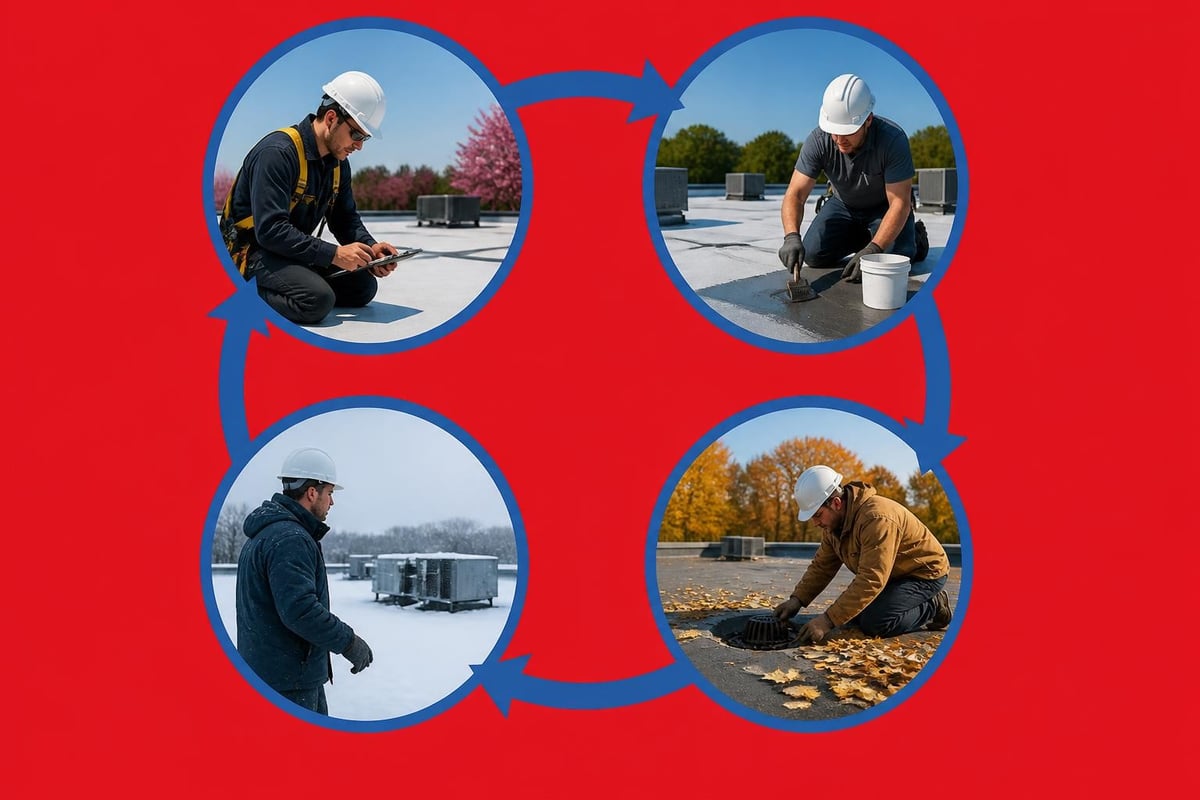
Proactive maintenance extends commercial roof service life significantly while preventing costly emergency repairs. Regular maintenance programs address minor issues before they escalate into major problems requiring extensive repairs or premature replacement.
Routine maintenance tasks include:
- Debris removal and drain cleaning
- Seam and flashing inspections
- Minor leak repairs
- Coating applications
- Documentation and reporting
Proactive commercial roofing maintenance represents one of the most cost-effective investments property owners can make. Regular service visits identify developing problems early when repairs remain simple and affordable.
Installation and Replacement Projects
When commercial roofs reach the end of their service life or suffer extensive damage, complete replacement becomes necessary. Professional installation services ensure new roofing systems perform as designed and achieve expected service life.
The installation process follows a structured sequence:
- Pre-construction planning and permitting
- Site preparation and safety setup
- Existing roof removal (if required)
- Deck inspection and repairs
- Insulation and vapor barrier installation
- Membrane application
- Flashing and detail work
- Final inspections and documentation
Working with experienced contractors familiar with commercial roofing services near me ensures installations meet manufacturer specifications, building codes, and performance expectations.
Emergency Services and Storm Damage Response
Commercial properties face unique challenges when roofing emergencies occur. Unlike residential properties where families can temporarily relocate, businesses must maintain operations while addressing roofing problems. Quick response times and effective temporary solutions minimize business disruption and prevent secondary damage.
24/7 Emergency Response
Reputable commercial roofing contractors offer emergency services for urgent situations like active leaks, storm damage, or structural concerns. Emergency response teams assess damage, implement temporary protective measures, and develop permanent repair plans.
Emergency situations requiring immediate response include:
- Active leaks threatening equipment or inventory
- Wind damage exposing building interiors
- Structural compromise creating safety hazards
- Fire or vandalism damage
- Equipment malfunctions (HVAC units, etc.)
Having an established relationship with local commercial roofing services near me ensures priority response when emergencies arise. Great Roofing's local presence in Joliet enables rapid response times throughout the region, minimizing damage and business interruption.
Storm Damage Assessment and Documentation
Severe weather events common to Illinois, including hail, high winds, and heavy snow loads, frequently damage commercial roofing systems. Professional contractors provide comprehensive storm damage assessments that document conditions for insurance claims while identifying all necessary repairs.
| Storm Type | Common Damage | Documentation Needs |
|---|---|---|
| Hail | Membrane punctures, equipment damage | Photographic evidence, measurements |
| Wind | Membrane blow-offs, flashing damage | Before/after comparisons, wind speed data |
| Snow/Ice | Structural stress, ice dam leaks | Load calculations, moisture mapping |
| Tornado | Severe structural damage | Engineering assessments, safety reports |
Thorough documentation supports insurance claims and ensures all damage receives proper attention. Contractors experienced with storm damage repairs understand insurance requirements and can facilitate smooth claims processes.
Budgeting and Financial Considerations
Commercial roofing represents a significant capital expenditure requiring careful financial planning. Understanding cost factors, financing options, and long-term value helps business owners make sound investment decisions.
Cost Factors and Pricing Structure
Commercial roofing project costs vary based on multiple factors beyond simple square footage. Material selection, building height, access challenges, and existing condition all influence final pricing.
Primary cost drivers include:
- Roofing system type and material quality
- Building size and roof complexity
- Removal and disposal requirements
- Insulation upgrades and deck repairs
- Flashing and penetration details
- Local labor rates and availability
- Permit and inspection fees
Request detailed proposals breaking down costs by category rather than accepting lump-sum bids. Transparent pricing enables accurate comparisons between contractors and helps identify potential value engineering opportunities.
Return on Investment Analysis
Quality commercial roofing services deliver returns extending beyond simple leak prevention. Energy-efficient roofing systems reduce utility costs, proper maintenance extends service life, and professional installation protects valuable building contents and business operations.
Calculate total cost of ownership rather than focusing solely on initial installation costs. A premium roofing system with professional maintenance may cost more upfront but deliver lower lifecycle costs through reduced repairs, extended service life, and energy savings.
Twenty-year commercial roofing investment analysis comparing initial costs, maintenance expenses, energy savings, and total lifecycle value for different roofing systems
Working with Insurance on Commercial Claims
Commercial roofing insurance claims involve complexity beyond typical residential claims. Policy coverage, business interruption considerations, and documentation requirements demand professional expertise to navigate successfully.
Understanding Commercial Policy Coverage
Commercial property insurance policies vary significantly in coverage terms, deductibles, and claim procedures. Review your policy carefully to understand what roofing damage is covered, exclusions that may apply, and responsibilities for maintenance and documentation.
Most commercial policies cover sudden, accidental damage from covered perils but exclude damage from deferred maintenance or normal wear. Maintaining thorough maintenance records demonstrates proper care and supports coverage for legitimate storm damage claims.
Claims Documentation and Support
Professional commercial roofing contractors provide valuable support throughout the insurance claims process. Detailed damage assessments, repair estimates, and technical expertise help insurance adjusters understand damage extent and necessary repairs.
Work with contractors experienced in insurance work who understand adjuster requirements and can communicate effectively with insurance representatives. Their expertise often results in more comprehensive settlements and smoother claim resolution.
Selecting the Right Commercial Roofing Partner
The decision of which commercial roofing services near me to engage represents more than a simple vendor selection. You're choosing a long-term partner who will protect one of your most valuable business assets and respond when urgent needs arise.
Questions to Ask Potential Contractors
Thorough contractor interviews reveal important information about capabilities, processes, and compatibility with your needs. Prepare questions addressing experience, procedures, and business practices.
Essential questions include:
- How many commercial projects have you completed in the past year?
- What experience do you have with my specific building type?
- Can you provide references from similar projects?
- What warranties cover materials and workmanship?
- How do you handle project scheduling and communication?
- What safety protocols do you follow?
- How do you manage weather delays and unexpected conditions?
Listen carefully to responses, noting not just what contractors say but how they communicate. Clear, confident answers demonstrate expertise and professionalism.
Evaluating Proposals and Contracts
Review proposals carefully, comparing not just pricing but scope of work, material specifications, and project terms. Detailed proposals demonstrate thorough planning and reduce misunderstandings during project execution.
Contract terms should clearly specify:
- Complete scope of work with material specifications
- Project timeline with milestone dates
- Payment schedule tied to completed work
- Warranty coverage and claim procedures
- Change order processes
- Insurance and safety requirements
- Cleanup and final acceptance criteria
Never sign contracts with significant blanks or ambiguous terms. Professional contractors provide complete, clear documentation that protects both parties and sets clear expectations.
Quality Assurance and Project Management
Professional commercial roofing services include robust quality assurance and project management processes ensuring work meets specifications and performance expectations.
Installation Quality Control
Quality begins with proper material handling and storage. Roofing materials must be protected from weather and damage before installation. Professional crews follow manufacturer installation guidelines precisely, understanding that deviations can void warranties and compromise performance.
Regular inspections throughout installation identify issues immediately when corrections remain simple. Final inspections verify complete installation according to specifications before project acceptance.
Post-Installation Support
The contractor relationship extends beyond project completion. Warranty administration, maintenance programs, and ongoing support ensure long-term roofing system performance.
Understand warranty coverage thoroughly:
| Warranty Type | Coverage | Duration | Provider |
|---|---|---|---|
| Material | Manufacturing defects | 10-30 years | Manufacturer |
| Workmanship | Installation errors | 1-10 years | Contractor |
| System | Complete assembly | 10-20 years | Manufacturer (certified installers) |
Register warranties promptly and maintain documentation carefully. Many warranties require regular professional maintenance to remain valid, making ongoing contractor relationships valuable.
Building Long-Term Maintenance Partnerships
Smart commercial property owners view roofing contractors as long-term partners rather than one-time vendors. Ongoing relationships enable proactive maintenance, priority service, and accumulated knowledge about your specific building.
Preventive Maintenance Programs
Structured maintenance programs provide regular inspections, minor repairs, and documentation supporting warranty requirements and insurance coverage. Programs typically include semi-annual inspections with additional visits following severe weather events.
Professional maintenance programs generate detailed reports tracking roof condition over time. These historical records support capital planning, insurance claims, and property transactions.
Lifecycle Planning and Budgeting
Commercial roofs require eventual replacement regardless of maintenance quality. Professional contractors help property owners anticipate replacement timing and budget accordingly through regular condition assessments and lifecycle projections.
Understanding remaining service life enables strategic planning. Some property owners choose to extend existing roofs through restoration coatings or overlay systems when replacement timing proves inconvenient or capital budgets are constrained.
Selecting the right commercial roofing services near me requires careful evaluation of contractor credentials, experience, and service capabilities. Quality commercial roofing protects your business operations, assets, and long-term property value through professional installation, proactive maintenance, and responsive service. Great Roofing brings family-owned dedication and commercial expertise to businesses throughout Joliet and surrounding communities, offering comprehensive roofing solutions from initial assessments through long-term maintenance partnerships. Contact our team today to discuss your commercial roofing needs and discover how professional service protects your business investment.