

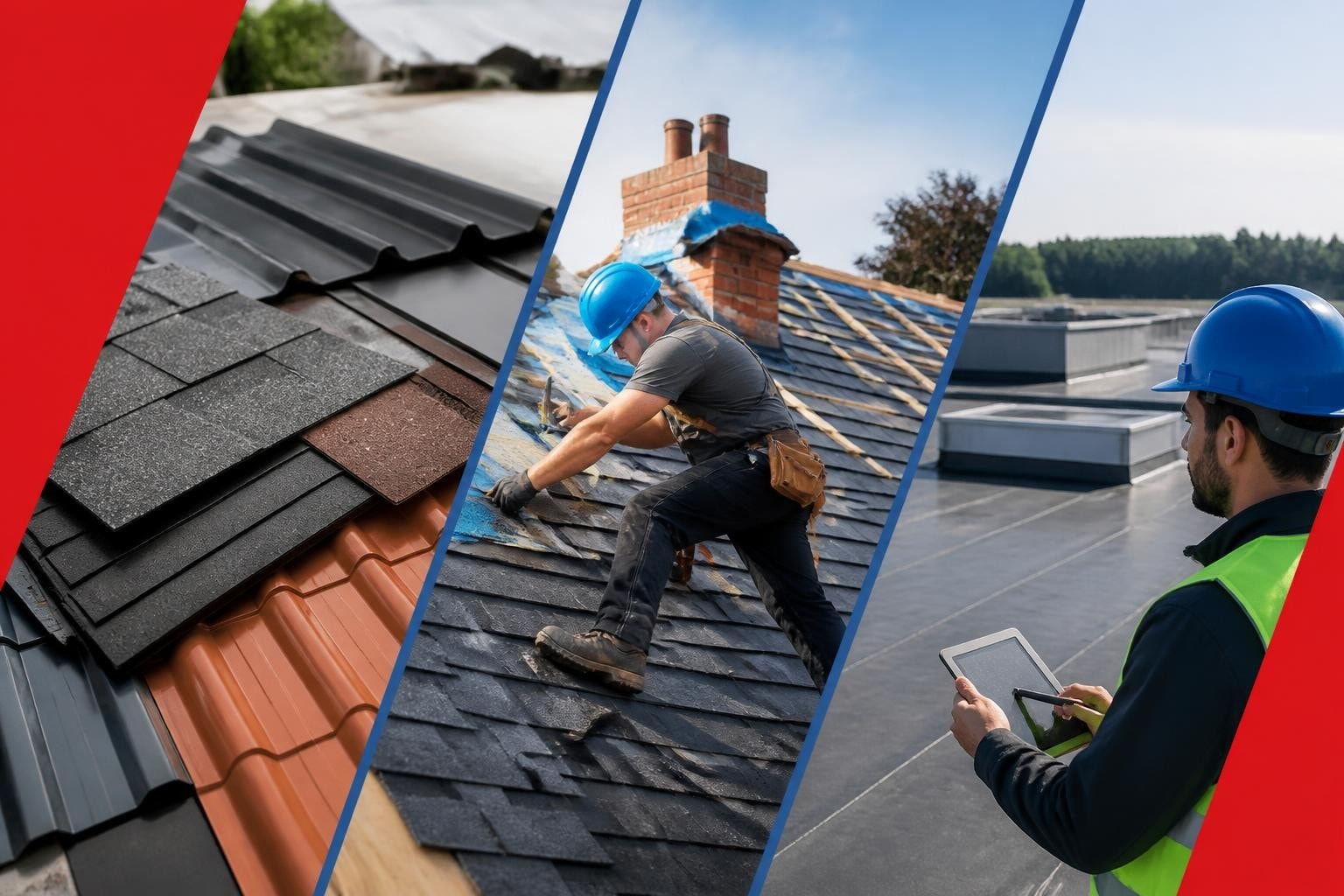
When property owners invest in a new roof or extensive repairs, they expect a finished product that will protect their building for decades to come. Achieving this level of durability and performance requires more than simply nailing shingles in place. The difference between an average roof and an exceptional one lies in the approach to detailed roofing, where every layer, every fastener, and every flashing component receives careful attention. This comprehensive approach ensures that all elements work together as a complete system, providing weather protection, energy efficiency, and long-term value.
Understanding the Foundations of Detailed Roofing
Detailed roofing begins long before the first shingle is installed. The foundation of any quality roof system starts with proper planning and assessment. Professional contractors examine the existing structure, evaluate decking conditions, and identify potential challenges that could compromise the installation.
Structural Assessment and Preparation
A thorough evaluation includes checking for adequate ventilation, proper drainage patterns, and structural integrity. The roof decking must be secure, dry, and capable of supporting the new roofing materials. Any damaged or deteriorated decking boards require replacement before proceeding with the installation.
Key preparation steps include:
- Inspecting rafters and trusses for signs of stress or damage
- Measuring roof pitch and calculating material requirements
- Evaluating existing ventilation systems and planning improvements
- Identifying areas requiring special attention, such as valleys and penetrations
- Reviewing local building codes and permit requirements
The National Roofing Contractors Association provides comprehensive guidance on roofing codes and standards that inform proper installation practices across different jurisdictions.
Material Selection for Optimal Performance
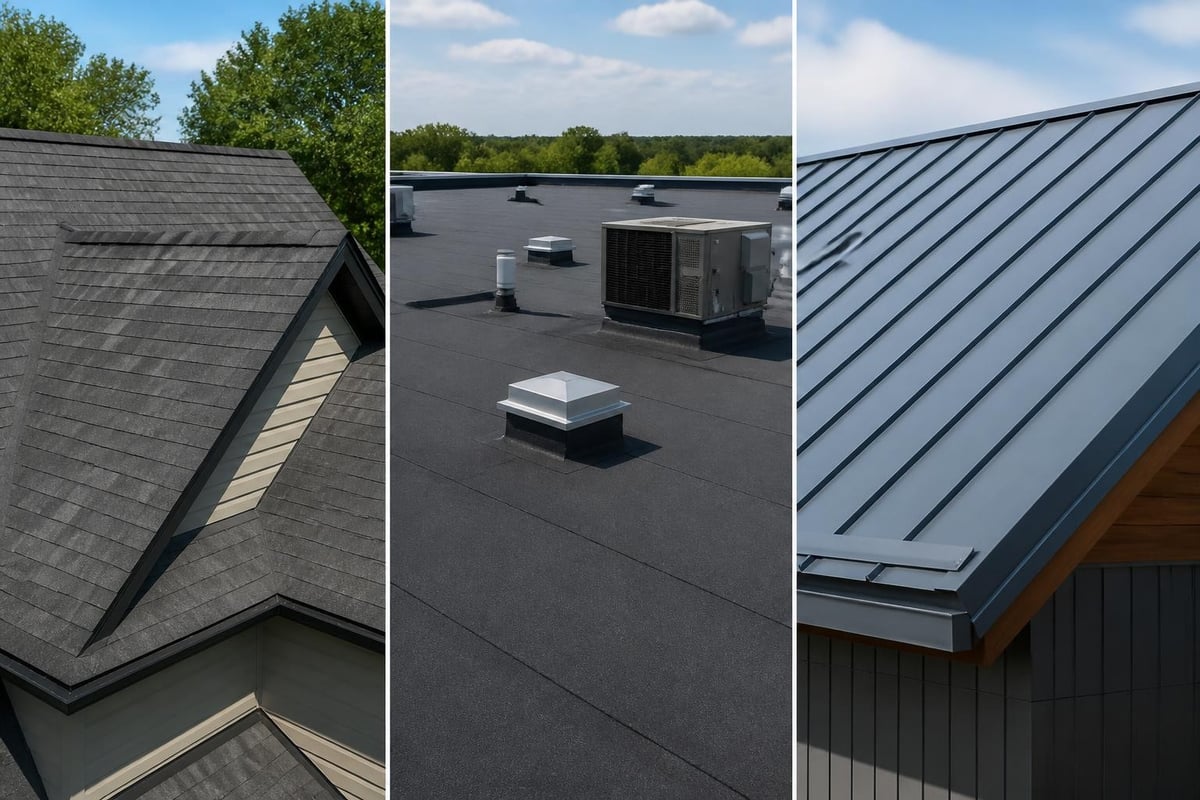
Choosing the right materials represents a critical component of detailed roofing. Different properties require different solutions based on climate conditions, architectural style, budget considerations, and expected lifespan. Residential applications typically utilize asphalt shingles, while commercial properties often benefit from modified bitumen or single-ply membrane systems.
| Material Type | Best Applications | Expected Lifespan | Key Benefits |
|---|---|---|---|
| Asphalt Shingles | Residential, steep slope | 20-30 years | Cost-effective, versatile styling |
| Modified Bitumen | Commercial, low slope | 15-20 years | Excellent waterproofing, durable |
| Metal Roofing | Residential, commercial | 40-70 years | Long-lasting, energy efficient |
| Cedar Shakes | High-end residential | 30-40 years | Natural beauty, insulation value |
Installation Techniques That Define Quality
The actual installation process separates exceptional roofs from mediocre ones. Detailed roofing requires adherence to manufacturer specifications, industry best practices, and local building codes throughout every phase of the project.
Underlayment and Waterproofing Layers
Before any finish roofing material goes down, proper underlayment installation creates the first line of defense against water infiltration. Ice and water shield belongs in vulnerable areas, including eaves, valleys, and around penetrations like chimneys and vent pipes.
Professional installers ensure underlayment overlaps correctly, typically with upper courses overlapping lower courses by at least six inches. This creates a shingled effect that directs water downward and away from the structure. For properties in regions experiencing severe weather, enhanced underlayment coverage provides additional protection.
Proper Fastening Methods
One of the most critical aspects of detailed roofing involves using the correct fasteners in the right locations. Each roofing material requires specific nailing patterns and fastener types. For asphalt shingles, proper nail placement ensures wind resistance and prevents blow-offs during storms.
The best practices for attaching asphalt shingles in high-velocity wind zones emphasize the importance of following manufacturer requirements for fastener quantity and placement patterns. Understanding these requirements helps contractors deliver installations that withstand extreme weather conditions.
Critical fastening considerations include:
- Using corrosion-resistant fasteners appropriate for the material
- Driving nails to the proper depth without overdriving
- Placing fasteners in designated zones specified by manufacturers
- Avoiding exposed fasteners wherever possible
- Inspecting fastener patterns throughout the installation
Flashing Installation Excellence
Flashing represents one of the most important elements in detailed roofing systems. These metal components direct water away from vulnerable transition points where different surfaces meet. Properly installed flashing prevents the majority of roof leaks.
Step flashing along wall intersections, counter flashing at chimneys, and valley flashing all require precise cutting, bending, and installation. Each piece must overlap correctly and integrate with the underlayment and finish roofing materials to create a watertight barrier.
Ventilation and Energy Efficiency Standards
Modern detailed roofing extends beyond waterproofing to include proper ventilation design. Adequate attic ventilation regulates temperature extremes, prevents ice damming in winter, and extends shingle life by reducing heat buildup during summer months.
Balanced Intake and Exhaust Systems
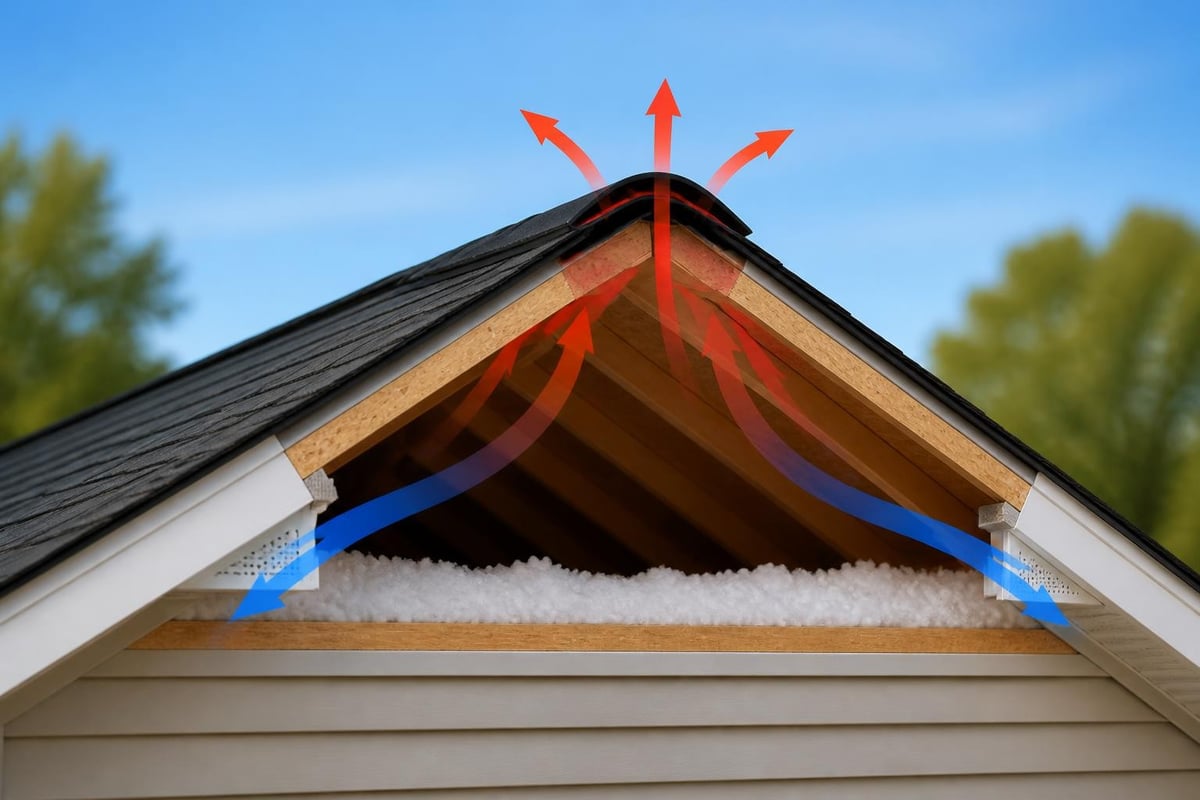
Effective ventilation requires balanced air intake at the soffits and exhaust at or near the ridge. The general recommendation calls for one square foot of net free ventilation area for every 150 square feet of attic space, though this ratio may vary based on specific conditions and building codes.
According to roof ventilation standards, proper airflow prevents moisture accumulation that can lead to mold growth, wood rot, and insulation damage. Achieving this balance often involves installing continuous soffit vents combined with ridge vents or other exhaust methods.
Quality Control and Inspection Protocols
Detailed roofing requires systematic quality control measures throughout the installation process. Professional contractors implement checkpoints at each phase to verify work meets specifications before proceeding to the next step.
Multi-Stage Inspection Process
Quality-focused contractors conduct inspections after decking preparation, following underlayment installation, and upon completion of the finish roofing. These inspections identify issues when corrections are still straightforward rather than after the entire roof is complete.
Third-party inspections provide additional verification for critical projects. The standards outlined for roofing inspection requirements help ensure completed roofs meet industry benchmarks for safety, performance, and longevity.
Inspection focus areas include:
- Decking flatness and fastener security
- Underlayment coverage and overlap patterns
- Flashing installation at all transition points
- Shingle alignment and fastener placement
- Valley construction and water channeling
- Penetration sealing and boot installation
- Edge detail finishing and drip edge placement
Specialized Applications and Complex Details
Some roofing projects present unique challenges requiring advanced detailed roofing techniques. Factors such as architectural complexity, extreme weather exposure, or historic preservation requirements demand specialized knowledge and experience.
Valley Systems and Water Management
Valleys concentrate water flow, making them particularly vulnerable to leaks if not constructed properly. Three primary valley construction methods exist: woven valleys, closed-cut valleys, and open metal valleys. Each approach has specific applications where it performs best.
For residential roofing applications, metal valleys typically provide the most reliable long-term performance. The metal channels water efficiently while remaining visible for inspection and maintenance. Proper valley construction includes extending ice and water shield well beyond the valley centerline and ensuring metal extends under shingles on both sides.
Chimney and Penetration Details
Chimneys, vent pipes, skylights, and other roof penetrations require meticulous attention during detailed roofing installations. Each penetration breaks the continuous roof plane, creating potential entry points for water if not properly sealed.
Step flashing around chimneys involves:
- Installing base flashing along the chimney bottom
- Weaving step flashing with each shingle course
- Adding counter flashing embedded in mortar joints
- Sealing all joints with appropriate caulking
- Creating a cricket behind the chimney to divert water
For properties requiring roof replacement services, addressing these complex details correctly during the initial installation prevents future problems and extends overall roof life.
Commercial Roofing Considerations
Commercial properties often feature low-slope or flat roof systems requiring different detailed roofing approaches than residential steep-slope applications. Modified bitumen, EPDM, TPO, and built-up roofing systems each have specific installation requirements that professionals must master.
Modified Bitumen System Installation
Modified bitumen roofing provides excellent performance for commercial applications when installed correctly. This multi-layer system typically includes a base sheet, one or more ply sheets, and a cap sheet with granular surface. The layers may be torch-applied, cold-applied, or self-adhered depending on the specific product and building requirements.
Detailed roofing practices for modified bitumen include ensuring proper overlap at seams, achieving complete adhesion between layers, and creating watertight terminations at roof edges and penetrations. The commercial roofing expertise required for these systems demands specialized training and experience.
| System Component | Purpose | Installation Method | Critical Success Factor |
|---|---|---|---|
| Base Sheet | Foundation layer | Mechanically fastened | Proper spacing of fasteners |
| Ply Sheets | Waterproofing layers | Torched or adhered | Complete seam fusion |
| Cap Sheet | Weather surface | Torched or adhered | Granule coverage uniformity |
| Flashing | Edge/penetration seal | Various methods | Integration with membrane |
Drainage System Integration
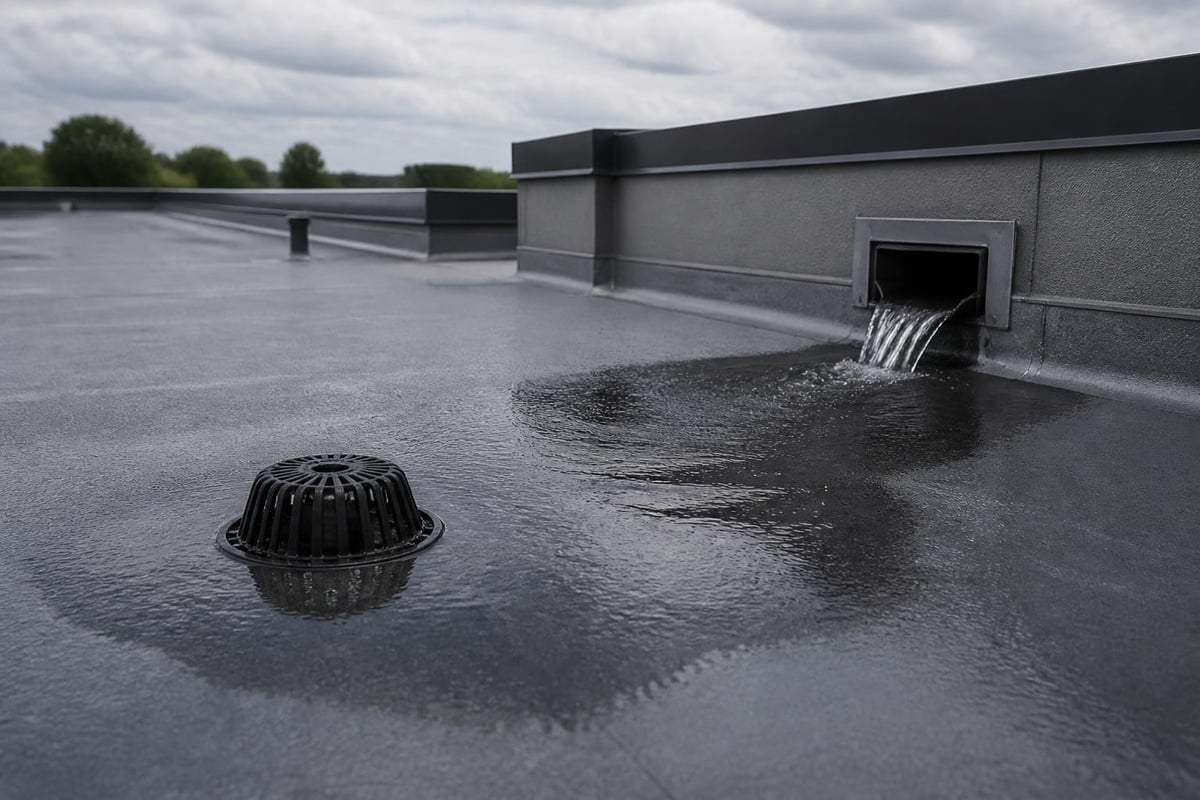
Commercial roofs require carefully designed drainage systems to prevent water accumulation. Positive drainage ensures water flows toward drains, scuppers, or gutters rather than ponding on the roof surface. Detailed roofing for commercial properties includes establishing proper slope, installing adequate drains, and ensuring emergency overflow provisions.
Documentation and Warranty Compliance
Professional detailed roofing includes comprehensive documentation of materials used, installation methods employed, and warranty coverage provided. This documentation protects both the property owner and the contractor while ensuring future service providers understand the roof system specifications.
Material Certification and Traceability
Quality contractors maintain records of all materials used, including manufacturer names, product lines, and batch numbers. This traceability becomes important if warranty claims arise or if future repairs require matching existing materials. Photographs documenting each installation phase provide visual evidence of proper techniques.
The importance of following updated best practices and technical information ensures installations meet current manufacturer requirements necessary for warranty validation. Deviations from specified procedures can void warranties, leaving property owners without recourse if problems develop.
Warranty Registration and Requirements
Most roofing manufacturers offer enhanced warranties when contractors meet specific certification requirements and follow prescribed installation procedures. These warranties may cover materials for 30-50 years and workmanship for 10-25 years, providing significant value to property owners.
Contractors practicing detailed roofing register warranties promptly after completion and provide owners with complete warranty documentation. Understanding what these warranties cover and exclude helps property owners maintain their roofs properly to preserve warranty coverage.
Maintenance Planning and Long-Term Performance
The final aspect of detailed roofing involves establishing maintenance protocols that preserve roof performance throughout its service life. Regular inspections and minor repairs prevent small issues from becoming major problems.
Property owners benefit from scheduling professional inspections twice annually, typically in spring and fall. These inspections identify damaged shingles, deteriorating sealants, clogged gutters, and other issues requiring attention. For guidance on what inspectors evaluate, reviewing roofing inspection standards provides valuable insight into professional assessment criteria.
Preventive Maintenance Programs
Establishing a preventive maintenance program extends roof life and protects the investment in detailed roofing. Simple tasks like keeping gutters clear, trimming overhanging branches, and removing debris prevent many common problems. Professional contractors often offer maintenance agreements that include scheduled inspections and priority service for repairs.
Recommended maintenance activities include:
- Quarterly visual inspections from ground level
- Annual professional roof inspections
- Immediate repair of identified damage
- Gutter cleaning at least twice yearly
- Removal of debris, moss, and algae growth
- Documentation of all maintenance performed
For properties experiencing storm events, prompt inspection helps identify damage requiring attention. Services such as storm damage repair address weather-related issues before they compromise the roof system.
Training and Certification Standards
Contractors delivering detailed roofing services invest in ongoing training and certification programs. The roofing industry continuously evolves with new materials, improved techniques, and updated building codes requiring professionals to maintain current knowledge.
Manufacturer certification programs verify that contractors understand proper installation procedures for specific product lines. Industry associations provide technical training covering both fundamental principles and advanced techniques. This commitment to professional development ensures that crews possess the skills necessary for quality installations.
The roof installation best practices developed through industry research and field experience form the foundation of training programs. Contractors who prioritize detailed roofing participate actively in these educational opportunities, bringing current knowledge to every project they undertake.
Material-Specific Installation Requirements
Different roofing materials demand unique installation approaches as part of detailed roofing practices. Understanding these material-specific requirements ensures optimal performance regardless of which product the property owner selects.
Cedar Shake and Shingle Installation
Cedar roofing provides natural beauty and excellent insulation properties when installed correctly. Proper installation requires specific exposure rates, adequate spacing for expansion, and appropriate fasteners that won't stain the wood. The Cedar Shake & Shingle Bureau installation guidelines outline critical requirements for these specialty applications.
Cedar installations also require consideration of underlayment type, as certain synthetic products may trap moisture against the wood. Ventilation becomes particularly important with cedar roofs to prevent moisture accumulation that can lead to premature deterioration.
Asphalt Shingle Selection and Application
Asphalt shingles remain the most common residential roofing material, offering excellent value and performance. However, not all asphalt shingles deliver the same quality. Architectural shingles provide superior wind resistance and aesthetic appeal compared to basic three-tab shingles, making them the preferred choice for detailed roofing applications.
Understanding asphalt shingle pricing factors helps property owners make informed decisions balancing budget considerations with quality expectations. Premium shingles cost more initially but typically provide better long-term value through extended lifespan and superior performance.
Mastering detailed roofing practices separates quality contractors from those simply completing installations. Every aspect from initial assessment through final cleanup contributes to roof system performance and longevity. When your property needs roofing services that prioritize quality craftsmanship and attention to detail, Great Roofing brings the expertise and commitment necessary to deliver exceptional results. Our family-owned team serves Joliet and surrounding communities with comprehensive roofing solutions for both residential and commercial properties, ensuring every project receives the meticulous care it deserves.