

When severe weather strikes or unexpected damage occurs, your roof becomes your home's most critical defense system. Understanding when and how to access emergency roofing services can mean the difference between minor repairs and catastrophic structural damage. For homeowners and business owners in the Joliet area, knowing what constitutes a roofing emergency and having a trusted contractor ready to respond can protect your property investment and ensure the safety of everyone inside.
What Qualifies as a Roofing Emergency
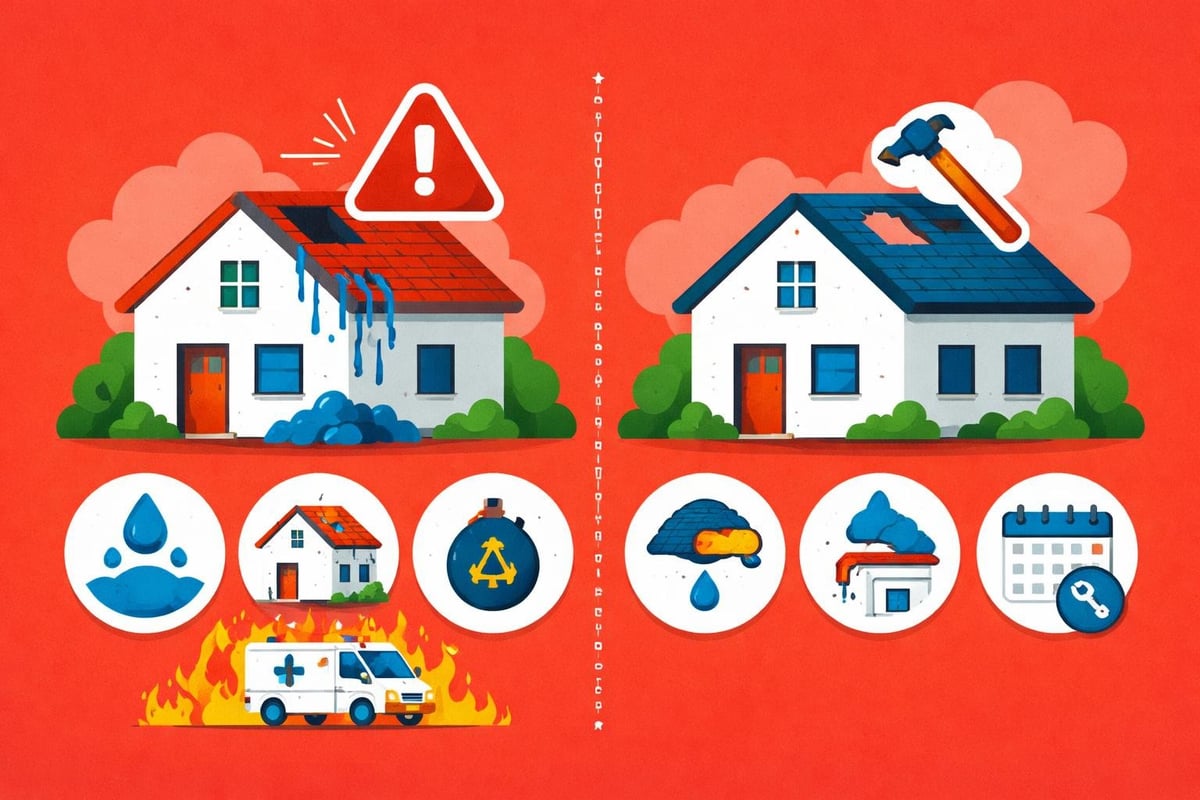
Not every roof issue requires immediate attention, but certain situations demand urgent professional intervention. Emergency roofing services become necessary when damage threatens the structural integrity of your building or allows water infiltration that could cause secondary damage to interior spaces.
Immediate emergency situations include:
- Active leaks during rainstorms with water entering living spaces
- Large sections of missing or severely damaged shingles
- Tree limbs or debris penetrating the roof surface
- Complete or partial roof collapse
- Significant storm damage from hail, wind, or tornadic activity
Property owners sometimes struggle to differentiate between urgent repairs and issues that can wait for regular business hours. Water penetration represents the most pressing concern because it accelerates exponentially once it begins. A small leak during a storm can saturate insulation, damage ceilings, ruin flooring, and create conditions for mold growth within 24 to 48 hours.
Weather-Related Emergencies
The Midwest experiences diverse weather patterns that create various roofing emergencies throughout the year. Illinois homeowners face unique challenges from each season's weather threats.
Spring and summer bring severe thunderstorms with straight-line winds exceeding 60 mph, hail ranging from pea-sized to baseball-sized, and occasional tornadoes. These storms can strip shingles from large roof sections in minutes. Understanding severe storm damage helps property owners recognize when emergency roofing services become necessary.
Winter presents different challenges. Ice dams form when heat escapes through the roof, melting snow that refreezes at the eaves. This ice buildup forces water underneath shingles, creating leaks that often go unnoticed until significant interior damage occurs. Heavy snow loads can also exceed structural capacity, particularly on flat or low-slope commercial roofs.
| Season | Common Emergency | Response Priority | Typical Damage |
|---|---|---|---|
| Spring | Tornado/Wind Damage | Immediate | Missing shingles, structural compromise |
| Summer | Severe Hail | Urgent | Granule loss, cracked shingles, punctures |
| Fall | Wind/Debris | High | Torn sections, tree damage |
| Winter | Ice Dam/Snow Load | Variable | Interior leaks, structural stress |
How Emergency Roofing Services Respond
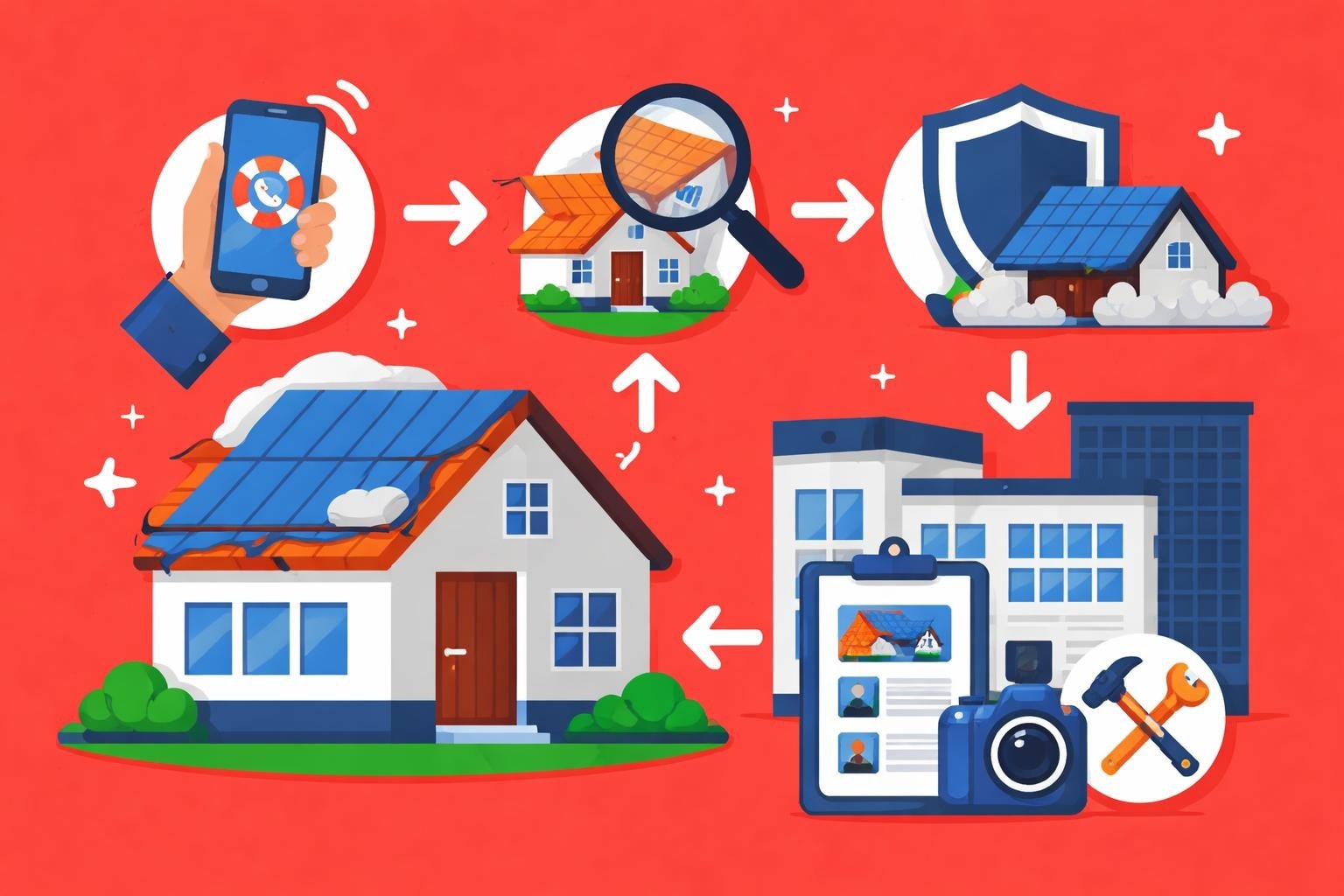
Professional emergency roofing services follow established protocols to protect your property quickly while assessing the full extent of damage. The response process prioritizes stopping active water intrusion and securing vulnerable areas before developing comprehensive repair plans.
When you contact emergency services, dispatchers gather essential information about the damage type, location, and severity. This initial assessment helps teams arrive with appropriate equipment and materials. Response times vary based on storm severity and call volume, but reputable contractors typically arrive within hours during active weather events.
Initial Assessment and Temporary Protection
The first priority involves stopping water infiltration and preventing further damage. Emergency crews perform temporary repairs using proven methods that protect your property until permanent solutions can be implemented.
Standard temporary protection measures include:
- Tarp installation over damaged sections
- Board-up services for broken skylights or ventilation openings
- Emergency patching of punctures or tears
- Debris removal from roof surfaces and gutters
- Interior water mitigation coordination
Tarping requires specific expertise to be effective. Improperly installed tarps can cause additional damage by trapping moisture or tearing loose in continued high winds. Professional roof tarping during storm season provides secure temporary protection while permanent repairs are scheduled.
Documentation occurs simultaneously with emergency stabilization. Technicians photograph damage from multiple angles, note affected areas, and create detailed reports for insurance claims. This documentation proves invaluable when working with insurance adjusters to secure proper compensation for repairs.
Finding Reliable Emergency Roofing Services
Not all roofing contractors offer true emergency services, and storm damage often attracts unscrupulous operators looking to exploit vulnerable property owners. Establishing a relationship with a reputable local contractor before emergencies occur provides peace of mind and ensures rapid response when needed.
Vetting Emergency Contractors
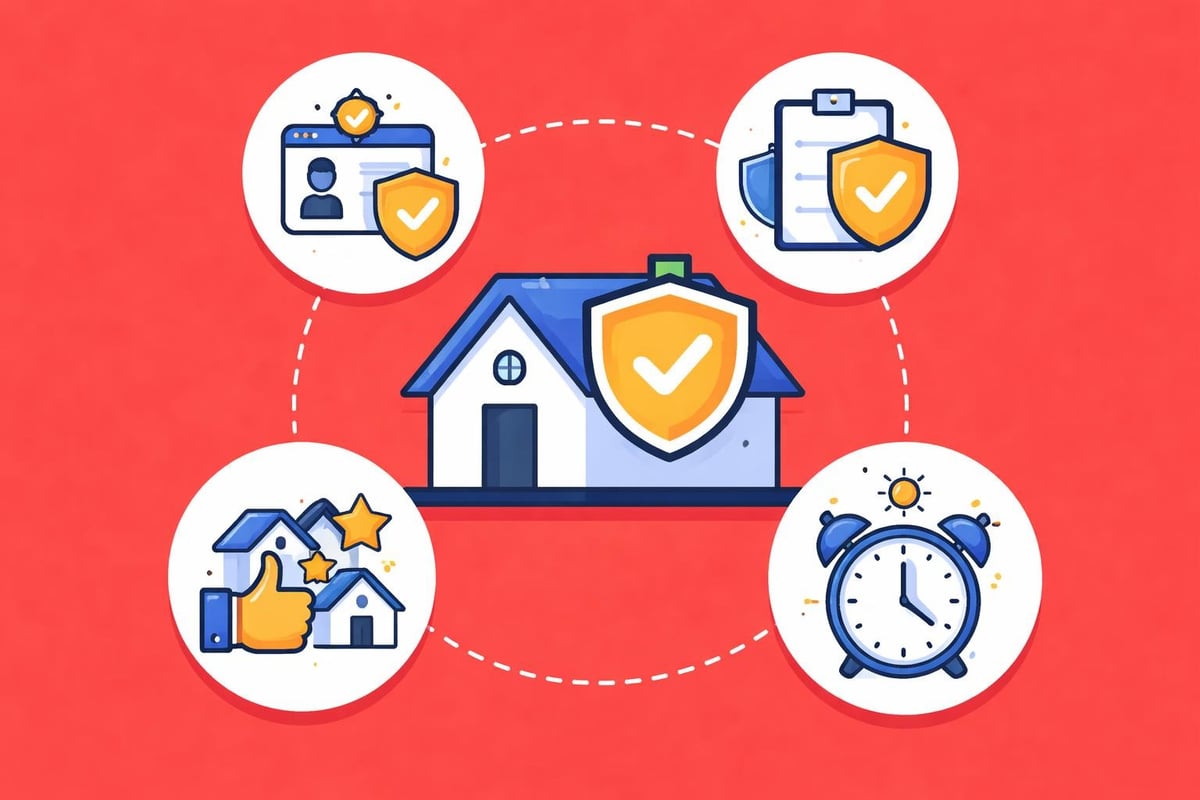
Legitimate emergency roofing services maintain proper licensing, comprehensive insurance coverage, and documented experience handling urgent repairs. Before any emergency arises, research local contractors and identify those offering 24/7 emergency response.
Essential verification steps include:
- Confirm state contractor licensing and local business permits
- Verify general liability and workers' compensation insurance
- Check references and online reviews from recent emergency service calls
- Verify physical business address and established local presence
- Review emergency response protocols and typical response times
The National Roofing Contractors Association provides resources for locating qualified contractors and understanding industry standards for emergency response. Local contractors often provide faster response times and better understanding of regional weather patterns and common damage types.
Storm chasers represent a significant risk following major weather events. These temporary operators move from area to area after storms, often providing substandard work, collecting insurance deposits, and disappearing before completing repairs. Hiring a local roofing company in Joliet ensures accountability and availability for warranty service.
Questions to Ask Before Hiring
When evaluating emergency roofing services, specific questions reveal contractor capabilities and reliability. Direct communication about processes, pricing, and timelines helps avoid misunderstandings during stressful situations.
Ask about typical emergency response times and what factors might delay arrival. Inquire about temporary repair methods and whether those costs apply toward permanent repairs. Request written estimates before authorizing work beyond immediate stabilization measures. Clarify insurance claim assistance and what documentation the contractor provides.
Cost Considerations for Emergency Repairs
Emergency roofing services typically cost more than scheduled repairs due to after-hours response, urgency premiums, and immediate material procurement requirements. Understanding pricing structures helps property owners make informed decisions and avoid price gouging.
| Service Type | Typical Cost Range | Factors Affecting Price |
|---|---|---|
| Emergency Tarp Installation | $500-$2,000 | Roof size, pitch, accessibility |
| Temporary Leak Repair | $300-$1,500 | Damage extent, location difficulty |
| Emergency Shingle Replacement | $400-$2,500 | Square footage, material matching |
| Storm Debris Removal | $200-$1,000 | Volume, roof access, disposal fees |
Most homeowners insurance policies cover emergency repairs when damage results from covered perils like storms, hail, or wind. However, policies typically distinguish between emergency stabilization and permanent repairs. Review your policy's emergency repair provisions and deductible requirements before disaster strikes.
The U.S. Small Business Administration offers disaster assistance loans for property repairs when damage exceeds insurance coverage or occurs in federally declared disaster areas. These low-interest loans help property owners complete necessary repairs without depleting emergency savings.
Insurance Claim Support
Reputable emergency roofing services assist with insurance claims by providing detailed damage documentation, repair estimates, and expert testimony when needed. This support proves invaluable when navigating complex claim processes during stressful post-disaster periods.
Contractors should photograph all damage before performing temporary repairs, document materials used, and provide itemized invoices for emergency services. These records support insurance claims and establish the timeline of damage and repairs. Some contractors offer direct insurance billing, though property owners remain ultimately responsible for deductibles and any uncovered expenses.
Preventing Roofing Emergencies
While some weather events exceed any preventive measures, regular maintenance and proactive upgrades significantly reduce emergency roofing service calls. Strategic investments in roof system improvements pay dividends through reduced damage during severe weather.
Regular Inspection and Maintenance
Scheduled roof inspections identify vulnerabilities before they become emergencies. Professional roof inspection frequency depends on roof age, material type, and local weather exposure, but most experts recommend annual inspections with additional checks after major storms.
Critical maintenance tasks include:
- Clearing debris from roof surfaces and valleys
- Inspecting and repairing flashing around chimneys, vents, and skylights
- Checking for loose, damaged, or missing shingles
- Cleaning gutters and downspouts to prevent water backup
- Trimming overhanging tree branches that could fall during storms
- Verifying adequate attic ventilation to prevent ice dams
Many roofing emergencies stem from deferred maintenance allowing minor issues to escalate. A small flashing gap might seem insignificant during dry weather but becomes a major leak source during heavy rain. Common spring roof problems in Joliet often result from winter damage that went unaddressed.
Storm Preparation Strategies
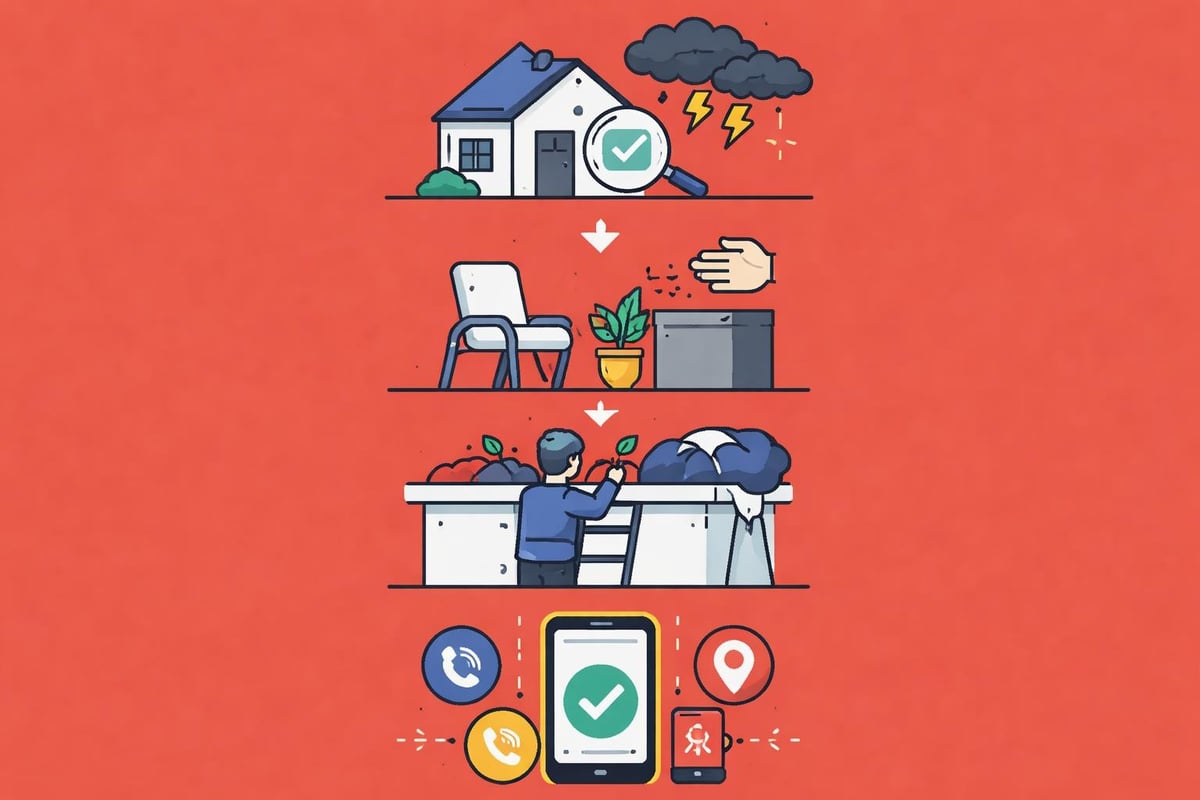
When forecasts predict severe weather, proactive steps protect your roof and minimize potential emergency service needs. Preparing for hurricanes and other severe storms involves specific actions that reduce damage risk.
Secure or remove loose items from your property that could become projectiles in high winds. Check that all roof penetrations have properly sealed flashing. Ensure gutters flow freely to handle heavy rainfall. Document your roof's current condition with photographs for insurance purposes.
The Insurance Institute for Business & Home Safety provides research-based guidance on strengthening roofs against severe weather. Their recommendations include installing impact-resistant shingles, upgrading roof-to-wall connections, and ensuring proper roof deck attachment.
Working With Emergency Services Providers
Effective communication during roofing emergencies ensures proper damage assessment and appropriate repairs. Understanding what information emergency crews need and what to expect during the response process reduces stress and facilitates efficient solutions.
What to Communicate During Emergency Calls
When contacting emergency roofing services, provide specific information that helps crews prepare appropriate responses. Describe visible damage, active leaks, and any safety hazards. Mention roof type, approximate age, and previous repairs if known.
Indicate whether anyone is in immediate danger or if utilities need shutoff due to water infiltration near electrical systems. Inform dispatchers about property access issues, such as locked gates or aggressive pets. This information helps emergency teams arrive prepared with necessary equipment and safety protocols.
Setting Realistic Expectations
Emergency roofing services prioritize immediate stabilization over permanent repairs. Temporary solutions protect your property until weather conditions and contractor schedules allow comprehensive work. Understanding this distinction prevents frustration when tarps and patches replace expectations of complete roof replacement within hours.
Response times vary dramatically based on storm severity and call volume. Major weather events generate hundreds of emergency calls, potentially delaying response by hours or even days. Contractors typically prioritize calls based on severity, with active interior flooding receiving faster response than exterior damage without immediate infiltration risk.
When storm damage affects your Joliet roof, patience combined with clear communication produces better outcomes than demanding immediate permanent repairs during ongoing severe weather.
Commercial Versus Residential Emergency Services
Commercial and residential properties face different emergency roofing challenges requiring specialized expertise and equipment. Understanding these differences helps property owners communicate needs effectively and select appropriate service providers.
Commercial Roofing Emergencies
Commercial buildings typically feature low-slope or flat roofing systems using modified bitumen, TPO, EPDM, or built-up roofing rather than residential shingles. These systems respond differently to storm damage and require specialized repair techniques.
Ponding water represents a common commercial emergency, particularly after heavy rainfall. Blocked drains or damaged roof areas that prevent proper drainage can quickly overload structural capacity. Commercial emergency services must address drainage issues while protecting inventory, equipment, and business operations.
Commercial-specific emergency considerations:
- Larger affected areas requiring extensive tarping systems
- Business interruption minimization during repairs
- Coordination with multiple tenants or departments
- Compliance with commercial building codes
- Specialized equipment for low-slope roof access and repair
Common commercial roofing problems in Joliet often stem from maintenance deferrals or system age. Commercial property owners should establish preventive maintenance agreements with qualified contractors to reduce emergency service needs.
Residential Emergency Priorities
Residential emergency roofing services focus on protecting living spaces and personal property from water damage. Response priorities emphasize occupied areas, with particular attention to preventing electrical hazards and structural failures that could endanger occupants.
Residential properties commonly feature steeper roof pitches with architectural shingles, creating different access and repair challenges than commercial buildings. Emergency crews must work safely on steep slopes while addressing damage efficiently. Understanding how to choose the best roof for your Joliet home includes considering emergency repair accessibility.
Post-Emergency Recovery Steps
Once emergency crews stabilize immediate damage, property owners must navigate repair planning, insurance claims, and contractor selection for permanent solutions. This recovery phase determines long-term outcomes and property protection.
Damage Documentation and Assessment
Comprehensive damage documentation supports insurance claims and repair planning. Beyond emergency contractor photos, property owners should photograph all affected areas from multiple angles, noting dates and times. Document interior damage to ceilings, walls, insulation, and personal property.
Request detailed written reports from emergency service providers describing temporary repairs performed, materials used, and recommendations for permanent solutions. These reports establish damage timelines and support insurance claims when adjusters investigate.
The American Red Cross provides disaster recovery assistance, including temporary shelter information if roof damage makes your home uninhabitable. Understanding available resources reduces stress during recovery periods.
Permanent Repair Planning
Temporary emergency repairs protect property short-term but require permanent solutions for lasting protection. Work with contractors to develop comprehensive repair plans addressing all damage, not just visible surface issues.
Consider whether damage severity justifies complete replacement rather than repairs. Insurance policies often cover full replacement when damage exceeds specific thresholds. Understanding when to replace your Joliet roof helps make informed decisions balancing immediate costs against long-term value.
Some property owners use emergency damage as opportunities to upgrade roofing systems with impact-resistant materials or improved ventilation. These enhancements may qualify for insurance discounts while providing better protection against future emergencies.
Building Emergency Preparedness Plans
Proactive emergency planning reduces panic and improves outcomes when roofing disasters occur. Establishing relationships, gathering resources, and documenting critical information before emergencies creates frameworks for effective response.
Essential emergency preparedness components:
- Identify and vet multiple emergency roofing contractors before needs arise
- Maintain current photos documenting roof condition
- Store insurance policy information in accessible locations
- Create contact lists including contractors, insurance agents, and utilities
- Understand insurance coverage limits and emergency repair provisions
- Develop family or employee communication plans for severe weather
Property maintenance records prove invaluable during insurance claims and contractor consultations. Document all roof repairs, replacements, and inspections with dates, contractor information, and work performed. This history demonstrates proper maintenance and supports damage claims.
Preparing your property for roof replacement includes similar organizational steps applicable to emergency situations. Advance preparation reduces stress and facilitates smoother recovery when unexpected damage occurs.
Emergency roofing services provide critical protection when severe weather or unexpected damage threatens your property. Understanding what constitutes an emergency, how to select qualified contractors, and what to expect during response helps property owners navigate these stressful situations effectively. For Joliet-area homeowners and businesses needing reliable emergency roofing services backed by decades of local experience, Great Roofing offers 24/7 emergency response with the expertise to protect your property when it matters most. Contact their team to establish your emergency service relationship before disaster strikes.