


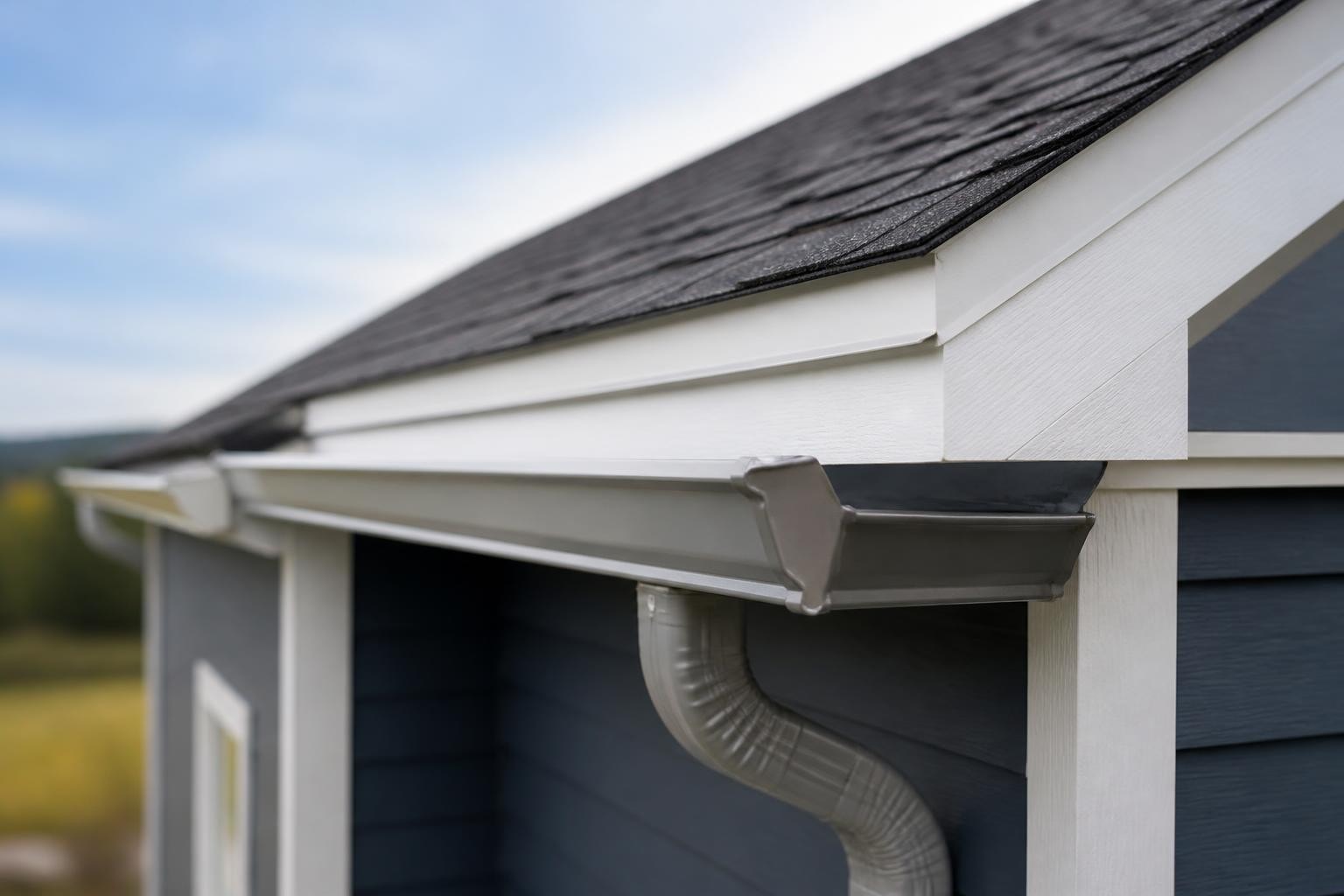
Your home's roofline represents more than just the protective barrier overhead. The fascia boards and gutter systems that frame your roof's perimeter work together as the first line of defense against water damage, structural deterioration, and costly repairs. Professional fascia and gutter installers understand that these components must function as an integrated system, protecting your investment while enhancing curb appeal. When homeowners in Joliet and surrounding communities recognize signs of failing fascia or inadequate drainage, partnering with experienced contractors becomes essential for preserving property value and preventing cascading damage to foundations, siding, and landscaping.
Understanding Fascia Board Function and Materials
Fascia boards serve multiple critical roles in your home's exterior envelope. These horizontal bands mount directly to the rafter tails along the roof's lower edge, creating the mounting surface for gutter systems while protecting the roof deck from weather exposure.
Structural and Aesthetic Responsibilities
The fascia performs structural duties by supporting the bottom row of roof tiles or shingles and bearing the weight of gutter systems filled with water and debris. Beyond mechanics, fascia boards provide the finished appearance along your roofline, often serving as the visual transition between roof and walls. When fascia and gutter installers evaluate your property, they assess both load-bearing capacity and visual consistency with your home's architectural style.
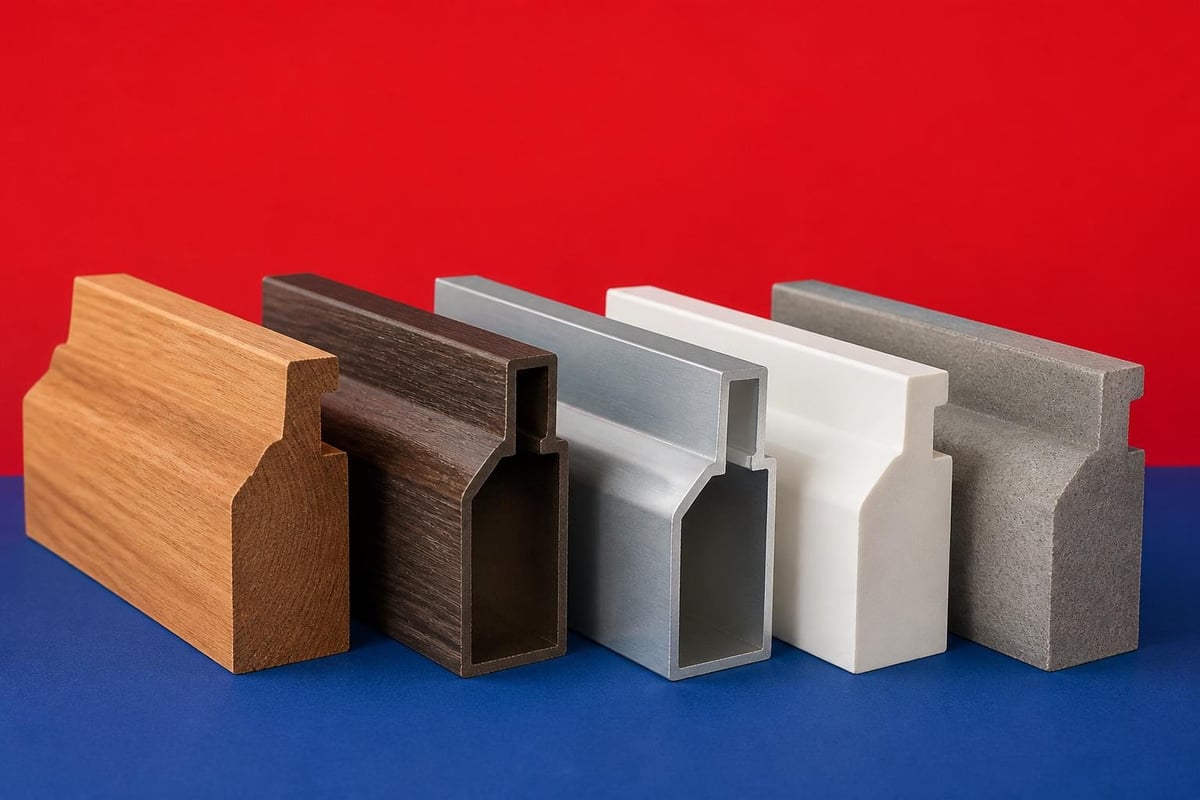
Modern fascia materials include:
- Wood fascia – traditional cedar, pine, or fir boards offering natural aesthetics but requiring regular maintenance
- Composite fascia – engineered wood products with improved moisture resistance and dimensional stability
- Aluminum fascia – lightweight, rust-resistant options popular for low-maintenance applications
- Vinyl-wrapped boards – wood cores with protective vinyl cladding combining durability with traditional appearance
- Fiber cement fascia – highly durable, fire-resistant boards ideal for commercial applications
Professional installers understand material selection impacts not only longevity but also ventilation strategies. Proper soffit and fascia installation affects attic ventilation and moisture management, making material choice a technical decision rather than purely aesthetic.
Gutter System Design and Installation Standards
Gutter systems channel thousands of gallons of water away from your foundation annually. A typical 2,000-square-foot roof sheds approximately 1,250 gallons of water during a one-inch rainfall event. Without properly sized and installed gutters, this volume concentrates at the foundation perimeter, creating hydrostatic pressure, basement seepage, and soil erosion.
Sizing and Capacity Calculations
Professional fascia and gutter installers calculate system capacity based on roof area, pitch, and regional rainfall intensity. The Sheet Metal and Air Conditioning Contractors’ National Association publishes sizing standards that account for these variables. Standard residential gutters measure five or six inches across, while commercial applications may require seven-inch or custom-fabricated systems.
| Gutter Size | Maximum Roof Area (sq ft) | Typical Application |
|---|---|---|
| 5-inch K-style | 5,520 | Standard residential |
| 6-inch K-style | 7,960 | Large residential/light commercial |
| 6-inch half-round | 2,500 | Historic homes, specialty applications |
| 7-inch commercial | 10,000+ | Commercial flat roofs, high-volume applications |
Downspout sizing follows similar calculations, with one 2×3-inch downspout handling approximately 600 square feet of roof area under standard conditions. Climate considerations matter significantly. Properties in areas experiencing intense summer storms require increased capacity compared to regions with gentle, prolonged rainfall patterns.
Integration Points Between Fascia and Gutters
The connection between fascia boards and gutter systems represents a critical weatherproofing junction. Water infiltration at this interface causes rapid deterioration of roof decking, rafter tails, and interior wall cavities. Experienced fascia and gutter installers employ multiple strategies to ensure watertight performance.
Mounting Methods and Load Distribution
Gutter hangers attach to fascia boards at intervals typically ranging from 24 to 32 inches, depending on snow load expectations and material gauge. Hidden hangers mounted inside the gutter trough distribute weight across wider fascia areas, while external brackets provide visible support and easier adjustment.
The National Roofing Contractors Association provides technical guidance on roof edge details emphasizing proper flashing integration. Drip edge flashing must extend beyond the fascia face, directing water into gutters rather than behind them. This seemingly minor detail prevents thousands of dollars in concealed water damage.
When working on homes built before 1978, fascia and gutter installers must follow lead-safe renovation practices to protect occupants and workers from lead paint hazards during removal and replacement.
Common Failure Modes and Warning Signs
Recognizing fascia and gutter deterioration early prevents minor issues from escalating into comprehensive structural repairs. Homeowners should monitor several key indicators throughout the year.
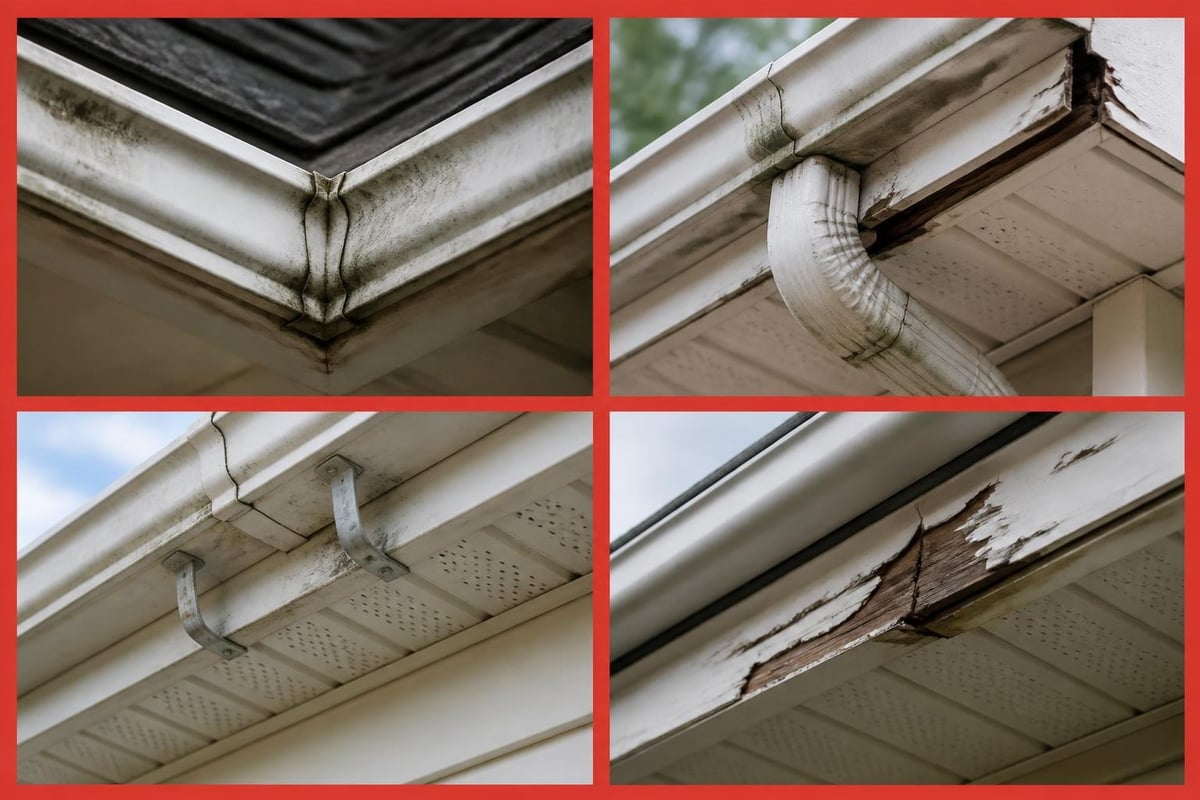
Visible damage patterns include:
- Peeling paint or exposed wood grain – indicates moisture penetration and active decay
- Sagging gutter sections – suggests fascia deterioration or inadequate hanger spacing
- Water stains on soffit panels – reveals overflow or back-drainage from clogged systems
- Separated joints or gaps – allows water infiltration and pest entry
- Nail pops or pulled fasteners – indicates wood rot weakening holding power
These symptoms often appear first at inside and outside corners where water concentrates and joint complexity increases. When Great Roofing’s team conducts exterior inspections, special attention focuses on these vulnerable transition points where multiple planes intersect.
Seasonal Inspection Protocols
Twice-yearly inspections align with spring and fall seasons, allowing homeowners to address damage before severe weather arrives. Spring inspections reveal winter ice damage and verify drainage functionality ahead of summer storms. Fall evaluations clear debris accumulation and identify needed repairs before freeze-thaw cycles begin.
Professional fascia and gutter installers employ specialized tools including moisture meters, thermal imaging cameras, and borescopes to detect hidden deterioration not visible during visual assessment. This technology identifies problems while repairs remain manageable and cost-effective.
Installation Process and Best Practices
Professional installation begins with thorough assessment of existing conditions. Experienced fascia and gutter installers document roof pitch, identify architectural challenges, and verify proper attic ventilation before recommending solutions.
Preparation and Substrate Evaluation
Rafter tail condition determines whether simple fascia replacement suffices or structural repairs become necessary. Moisture-damaged rafter ends require cutting back to sound wood and sistering reinforcement members. This structural work often remains invisible after fascia installation but proves critical for long-term system integrity.
When residential roofing projects include fascia replacement, coordination ensures proper sequencing. Roof edge flashings must integrate with new fascia before shingle installation proceeds. This sequencing creates overlapping weatherproofing layers that shed water effectively.
The installation sequence typically follows:
- Remove existing gutters and document drainage patterns
- Evaluate fascia board condition and rafter tail integrity
- Replace damaged substrate components and reinforce as needed
- Install new fascia boards with proper end joints and fastening
- Apply drip edge flashing extending over fascia face
- Mount gutter hangers at calculated intervals
- Install gutter sections with proper slope toward downspouts
- Connect downspouts and verify drainage to safe dispersal points
- Test system performance with controlled water flow
Proper slope represents one of the most critical installation parameters. Gutters require minimum 1/4-inch drop per ten feet of run to ensure drainage without standing water. Installers use laser levels and string lines to establish consistent slope across long runs and around corners.
Ventilation Considerations and Building Science
Fascia and soffit work directly impacts attic ventilation performance. The Department of Energy provides guidance on preserving ventilation pathways when modifying these components. Blocking soffit vents or disrupting airflow patterns leads to moisture accumulation, insulation degradation, and premature roof system failure.
Experienced fascia and gutter installers coordinate with attic ventilation requirements, ensuring adequate intake through soffit vents balanced with ridge or gable exhaust. Ventilation baffles maintain clear airflow channels between insulation and roof decking, preventing wind-washing that reduces insulation effectiveness.
| Ventilation Component | Function | Integration Point |
|---|---|---|
| Soffit vents | Intake air at eaves | Must align with fascia installation |
| Ventilation baffles | Maintain airflow channel | Install before fascia work begins |
| Drip edge | Water shedding | Coordinates with both fascia and ventilation |
| Fascia board | Structural support | Provides mounting for gutters without blocking vents |
This integration becomes especially important on commercial roofing applications where larger roof areas generate significant thermal movement and moisture loads. Professional installers understand these building science principles and design systems that address both water management and thermal performance.
Material Selection for Regional Climate Conditions
Climate dictates appropriate material choices for both fascia and gutter systems. The Midwest experiences temperature swings from below zero in winter to above ninety degrees in summer, creating expansion and contraction cycles that stress improperly specified materials.
Thermal Movement and Joint Design
Aluminum gutters expand approximately 0.065 inches per ten feet for each 100-degree temperature change. Fascia and gutter installers account for this movement by specifying expansion joints on runs exceeding forty feet and using slip joints at corner miters. Vinyl materials exhibit even greater expansion rates, requiring more frequent expansion accommodation.
Wood fascia boards resist thermal movement but require moisture management through proper priming, painting, and drip edge integration. Composite and fiber cement options offer dimensional stability with reduced maintenance compared to natural wood.
Homeowners concerned with affordable roofing solutions benefit from understanding material longevity versus initial cost. Aluminum gutters cost more upfront than vinyl but typically last fifty-plus years with minimal maintenance. Wood fascia requires repainting every five to seven years, while vinyl-wrapped alternatives eliminate this ongoing expense.
Gutter Guard Systems and Maintenance Reduction
Gutter protection systems reduce but do not eliminate maintenance requirements. Professional fascia and gutter installers evaluate multiple factors before recommending specific products.
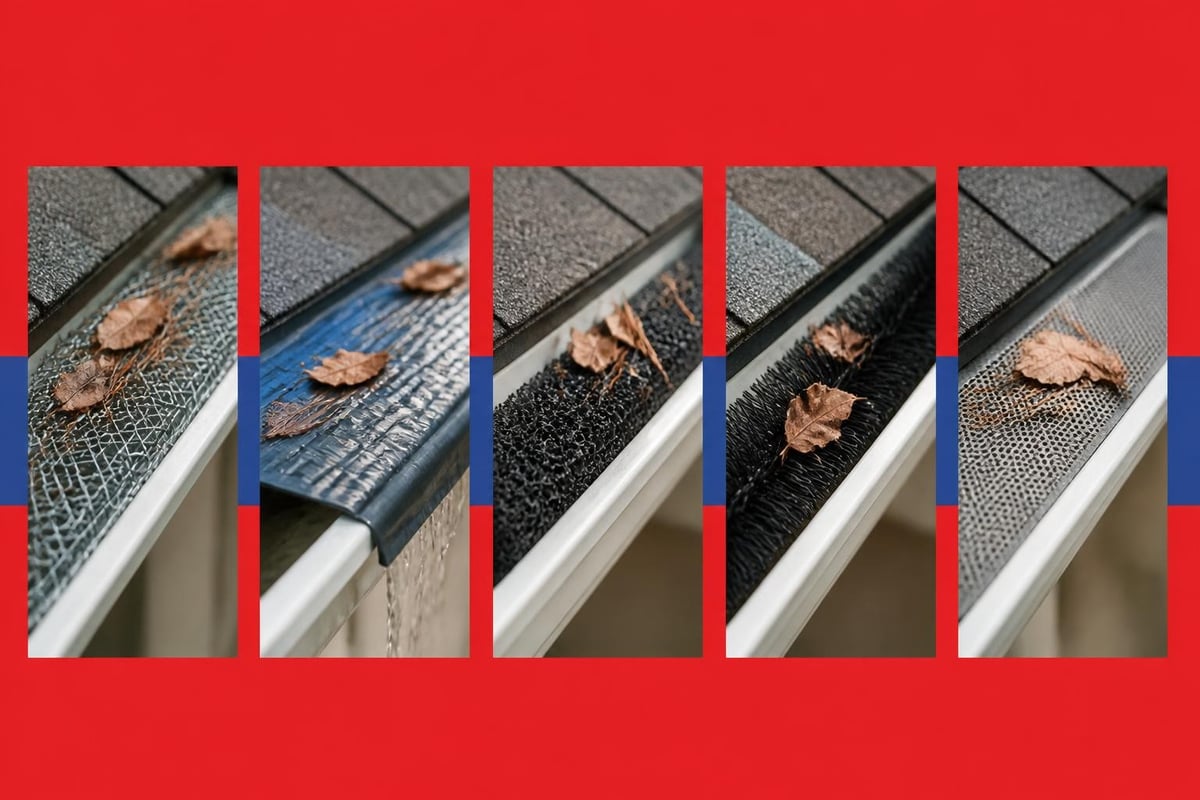
Common gutter guard categories include:
- Screen systems – mesh barriers preventing large debris entry while allowing water flow
- Surface tension designs – curved surfaces directing water into narrow slots while debris sheds over the edge
- Foam inserts – porous material filling gutter trough, blocking debris while passing water
- Brush-style guards – bristles preventing debris accumulation while maintaining flow
- Micro-mesh systems – surgical-grade mesh blocking even fine particles
Each design presents advantages and limitations. Surface tension systems perform well with leaves but struggle with pine needles and seed pods. Micro-mesh options handle small debris effectively but require periodic cleaning of accumulated material on the screen surface.
The University of Minnesota Extension offers guidance on gutter maintenance and water management strategies appropriate for homeowner implementation. Even with guard systems, annual inspections verify proper function and identify needed adjustments.
Storm Resilience and Wind Performance
Severe weather events test gutter and fascia systems beyond normal operating conditions. The Insurance Institute for Business & Home Safety researches roof edge performance during hurricanes, hail storms, and high wind events, providing guidance that informs professional installation standards.
Wind uplift at roof edges creates suction forces attempting to lift shingles, flashing, and gutters away from the structure. Properly installed fascia and adequate gutter hanger spacing resist these forces, maintaining system integrity during storms. Experienced fascia and gutter installers space hangers closer in high-wind zones and specify heavier gauge materials for enhanced durability.
When properties require storm damage repair, comprehensive assessment includes fascia and gutter evaluation even when visible damage appears confined to roofing materials. Hidden damage to substrates often reveals itself only through careful inspection by trained professionals.
Impact Resistance and Hail Considerations
Aluminum gutters resist denting better than vinyl options, important in hail-prone regions. Fascia materials vary in impact resistance, with fiber cement and metal options providing superior protection compared to wood or vinyl. These durability factors influence insurance premiums and long-term maintenance costs.
Selecting Qualified Installation Contractors
The quality of installation workmanship matters as much as material selection. Homeowners should evaluate contractors based on multiple criteria beyond price quotations.
Key qualification factors include:
- Licensing and insurance verification – protects homeowners from liability and ensures regulatory compliance
- Manufacturer certifications – demonstrates product knowledge and installation training
- References from recent projects – provides insight into workmanship quality and customer service
- Written specifications – details materials, methods, and warranty coverage
- Local experience – familiarity with regional climate challenges and building practices
When researching service areas, homeowners benefit from contractors with established local presence and accessible references. Family-owned operations often provide continuity and accountability that larger franchises cannot match.
Professional fascia and gutter installers provide detailed written proposals specifying material brands, gauges, colors, hanger types, and warranty coverage. Vague or incomplete proposals often precede disputes and disappointing results.
Warranty Coverage and Long-term Performance
Comprehensive warranty programs protect homeowners against material defects and installation failures. Understanding coverage limitations helps set realistic expectations.
| Warranty Component | Typical Coverage | Exclusions |
|---|---|---|
| Material defects | 20-50 years | Finish degradation, impacts |
| Installation workmanship | 1-10 years | Storm damage, lack of maintenance |
| Finish and paint | 5-20 years | Fading, chalking beyond specified limits |
| Fasteners and hangers | Lifetime to 20 years | Corrosion from chemical exposure |
Reputable fascia and gutter installers clearly explain what warranty coverage includes and excludes. Regular maintenance requirements often appear in warranty terms, with failure to perform specified cleaning voiding coverage.
Great Roofing backs installations with comprehensive workmanship warranties, standing behind quality when homeowners maintain systems according to recommended schedules. This commitment to long-term performance distinguishes professional contractors from budget installers focused solely on initial sale price.
Cost Factors and Investment Returns
Fascia and gutter replacement costs vary based on material selection, project complexity, and accessibility challenges. Linear foot pricing provides the most accurate estimation method, with typical residential projects ranging from eight to fifteen dollars per foot for standard installations.
Cost variables include:
- Material type and gauge specifications
- Single-story versus multi-story installation
- Existing condition requiring substrate repairs
- Gutter guard system addition
- Custom color or architectural profile selection
- Downspout relocation or extension work
Two-story installations increase labor costs approximately forty to sixty percent compared to single-story work due to staging requirements and reduced productivity. Complex rooflines with multiple valleys, dormers, and transitions add material waste and installation time.
Homeowners evaluating gutters as standalone projects should consider coordination with roofing or siding work when these systems approach replacement age. Combined projects often reduce total costs through staging efficiency and coordinated material delivery.
Investment returns manifest through prevented damage rather than direct financial gains. Properly functioning fascia and gutter systems protect foundations, prevent basement flooding, eliminate soil erosion, and maintain landscaping investments. These protections easily justify installation costs when compared to foundation repair expenses exceeding tens of thousands of dollars.
Maintenance Requirements and Lifespan Extension
Even premium materials require periodic maintenance for optimal performance. Homeowners partnering with professional fascia and gutter installers should establish maintenance schedules aligned with system design and regional conditions.
Essential maintenance tasks include:
- Debris removal from gutters and downspouts twice annually minimum
- Fastener inspection and tightening after severe weather events
- Sealant evaluation at joints and end caps with resealing as needed
- Finish inspection on painted surfaces with touch-up preventing moisture infiltration
- Downspout extension verification ensuring proper drainage away from foundations
These tasks require minimal time investment but dramatically extend system lifespan. Neglected gutters accumulate standing water, promoting mosquito breeding and accelerating corrosion. Debris-blocked downspouts redirect water against foundations, creating the exact problems gutter systems should prevent.
Properties surrounded by mature trees require more frequent cleaning, potentially quarterly during heavy leaf-fall seasons. Pine and fir trees shed needles year-round, necessitating different maintenance approaches than deciduous species.
Integration with Complete Exterior Systems
Professional contractors view fascia and gutter systems as components within comprehensive exterior envelopes. Decisions affecting these elements ripple through adjacent systems including roofing, siding, soffit panels, and trim details.
When homeowners invest in siding projects, coordinating fascia replacement ensures color consistency and proper weatherproofing integration. New siding installed against deteriorated fascia undermines both aesthetics and performance. Similarly, asphalt shingle roofing installations demand proper fascia and drip edge details for warranty compliance and long-term waterproofing.
Experienced fascia and gutter installers communicate with other trades, ensuring work sequences preserve system integrity. Painters understand fascia boards require back-priming before installation. Electricians route service masts without penetrating critical waterproofing components. This coordination separates professional contractors from handyman services lacking comprehensive expertise.
Professional fascia and gutter installation protects your most significant investment while enhancing curb appeal and preventing costly water damage throughout your property's structure. The expertise required to properly assess, specify, and install these critical components demands experienced contractors who understand building science, material performance, and regional climate challenges. Great Roofing brings three generations of family craftsmanship to every project, delivering the quality installation and responsive service that Joliet-area homeowners deserve. Contact Great Roofing today to schedule a comprehensive evaluation and discover how professional fascia and gutter solutions can protect your home for decades to come.