

Your home's roofing system extends far beyond the shingles you see from the street. The critical junction where your roof meets the exterior walls involves three interconnected components that work in harmony to protect your property from water damage, regulate attic temperatures, and maintain structural integrity. Understanding how fascia soffit gutters function together helps homeowners make informed decisions about maintenance, repairs, and replacements. These elements may seem purely aesthetic, but they serve essential roles in your home's defense against the elements and contribute significantly to energy efficiency and long-term durability.
The Anatomy of Your Roofline System
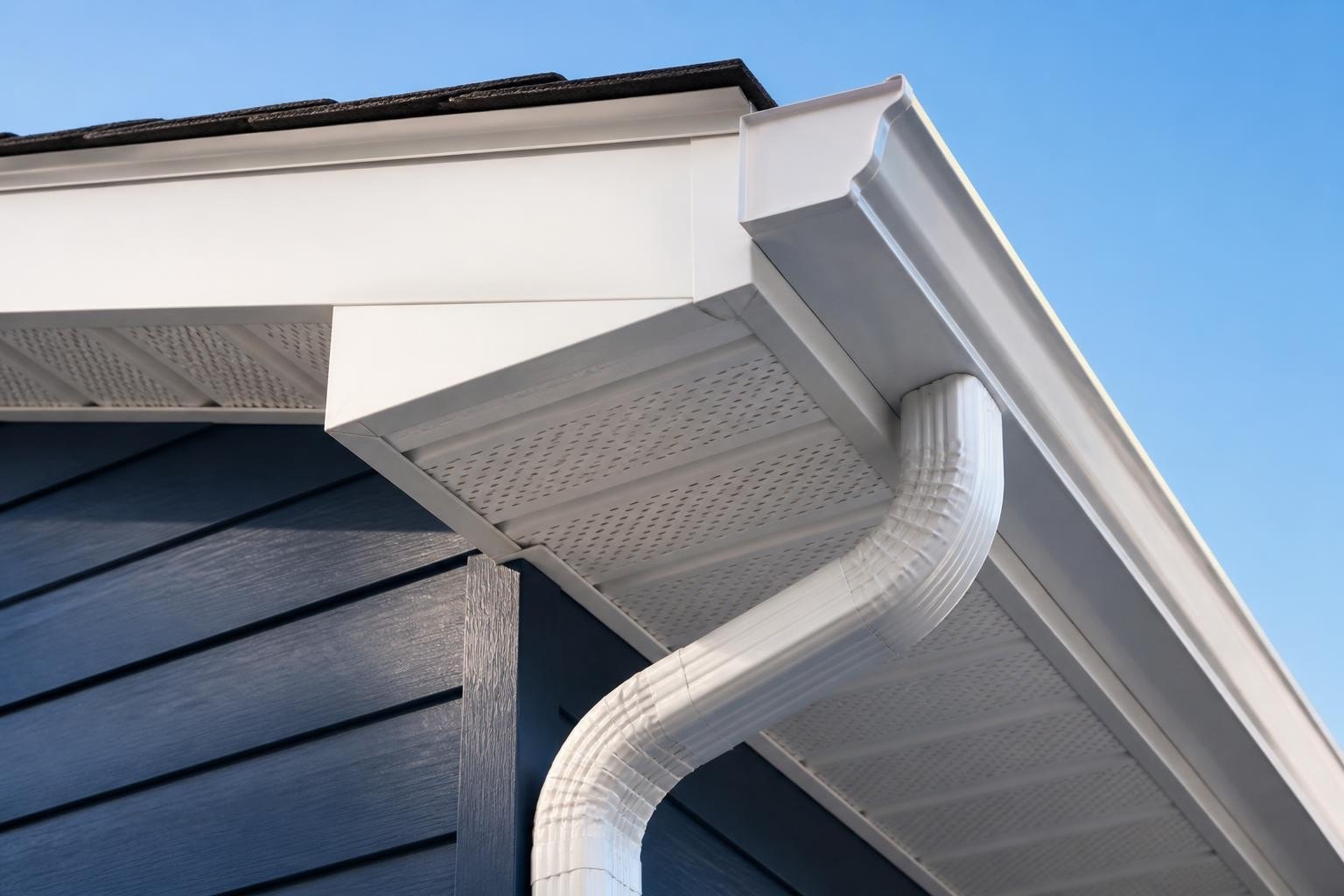
The fascia board runs horizontally along the edge of your roof, creating a vertical surface where the roof meets the outer walls. This board serves as the mounting point for your gutter system and provides a finished appearance to the roof edge. Fascia boards protect the roof's edge from weather exposure and support the bottom row of roof tiles or shingles.
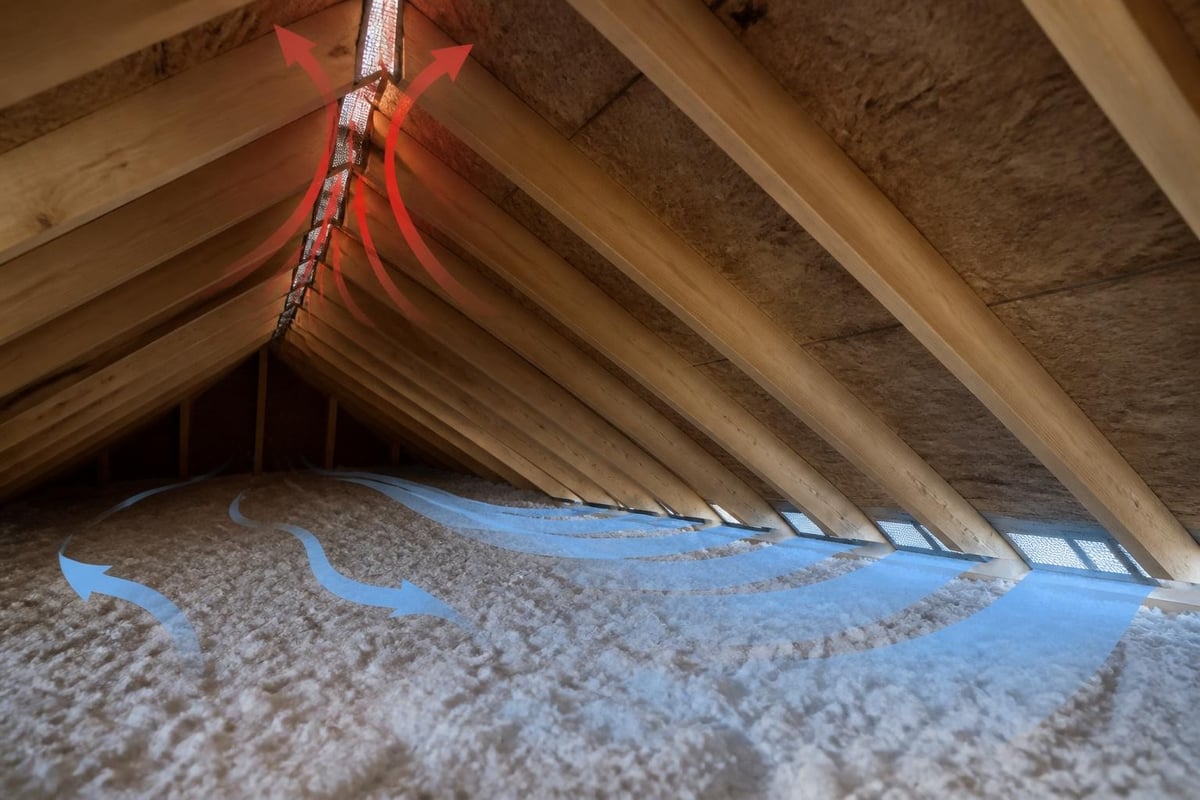
Soffit refers to the material that spans the underside of your roof overhang, the area between the exterior wall and the roof's edge. While often overlooked, soffits provide crucial ventilation for your attic space. Properly vented soffits allow fresh air to enter the attic, working in conjunction with ridge vents to create continuous airflow that prevents moisture buildup and reduces cooling costs.
Gutters complete the trio by collecting rainwater from the roof surface and directing it away from your foundation through downspouts. Without functional gutters, water cascades directly off the roof edge, potentially causing foundation erosion, basement flooding, and landscape damage. The National Roofing Contractors Association provides technical guidance on proper installation details for these critical roof-edge components.
How These Components Work Together
The integration of fascia soffit gutters creates a comprehensive moisture management and ventilation system. Rain flows down the roof slope into gutters mounted securely to the fascia board. Meanwhile, soffit vents draw fresh air into the attic space, preventing heat and moisture accumulation that can compromise roof decking and insulation performance.
This coordinated system protects your home in multiple ways:
- Prevents water from infiltrating wall cavities and causing rot
- Maintains proper attic ventilation to extend shingle lifespan
- Reduces ice dam formation during winter months
- Protects foundation and basement from water intrusion
- Enhances curb appeal with clean, finished roofline aesthetics
Material Options for Fascia and Soffit
Selecting the right materials for your fascia soffit gutters significantly impacts longevity, maintenance requirements, and overall performance. Each material offers distinct advantages and considerations that homeowners should evaluate based on climate, budget, and architectural style.
Wood Fascia and Soffit
Traditional wood remains popular for historic homes and custom construction. Cedar and pine offer natural beauty and workability, allowing for custom profiles and detailing. However, wood requires regular painting or staining every three to five years and remains vulnerable to rot, insect damage, and warping when exposed to moisture.
Treated lumber extends the service life but still demands ongoing maintenance. For homes in Joliet's climate, where seasonal moisture fluctuations are common, wood fascia requires vigilant inspection and timely repairs to prevent deterioration.
Vinyl Systems
Vinyl fascia and soffit have become the dominant choice for residential applications due to their exceptional durability and minimal maintenance demands. These systems resist rot, insects, and moisture while offering a range of colors and styles that complement various architectural designs.
Advantages of vinyl include:
- Never requires painting or staining
- Resists warping and cracking in temperature extremes
- Available in pre-vented soffit panels
- Cost-effective for budget-conscious homeowners
- Typically includes manufacturer warranties of 20-50 years

Aluminum and Steel Options
Metal fascia and soffit deliver maximum durability in harsh weather conditions. Aluminum resists corrosion and provides excellent longevity with minimal maintenance. Steel offers superior strength but requires proper coating to prevent rust formation.
Metal systems particularly excel in commercial roofing applications where fire resistance and impact resistance are priorities. The material costs more initially but often proves economical over decades of service.
| Material | Average Lifespan | Maintenance Level | Relative Cost | Best Application |
|---|---|---|---|---|
| Wood | 10-20 years | High | Medium | Historic homes, custom builds |
| Vinyl | 20-30 years | Very Low | Low-Medium | Most residential properties |
| Aluminum | 30-50 years | Low | Medium-High | Coastal, high-moisture areas |
| Composite | 25-40 years | Low | High | Premium installations |
Gutter Systems and Integration
The gutter system mounts directly to the fascia board, making proper fascia installation critical for gutter performance. Seamless aluminum gutters have become the standard for residential applications, offering custom-fitted runs that minimize leak points and match the home's color scheme.
Gutter Sizing and Capacity
Proper gutter sizing depends on roof area, pitch, and local rainfall intensity. Most residential homes utilize five-inch or six-inch K-style gutters, while commercial properties may require larger box gutters or internal drain systems. Undersized gutters overflow during heavy rain events, defeating the purpose of the entire system.
When considering gutter installation services, homeowners should evaluate not just the gutters themselves but the entire fascia soffit gutters system to ensure all components work harmoniously. Weak or rotted fascia cannot support heavy, water-filled gutters, leading to sagging and eventual failure.
Downspout Placement and Drainage
Strategic downspout placement directs water away from vulnerable areas like basement walls, crawl spaces, and foundation corners. Each downspout should discharge at least six feet from the foundation, either through splash blocks, underground drainage pipes, or extensions that carry water to suitable drainage areas.
Optimal downspout configuration includes:
- One downspout for every 30-40 feet of gutter run
- Additional downspouts at building corners and low points
- Proper slope (quarter-inch per ten feet) toward downspouts
- Secure mounting to prevent separation during storms
- Debris guards or screens to prevent clogging
Ventilation Requirements and Building Science
The soffit component of your fascia soffit gutters system plays an essential role in attic ventilation, which directly impacts energy efficiency, shingle longevity, and indoor air quality. Building Science Corporation research demonstrates how proper soffit ventilation prevents moisture accumulation and heat buildup that compromise roof assemblies.
Calculating Ventilation Needs
Building codes typically require one square foot of net free ventilation area for every 150 square feet of attic space, split evenly between intake (soffit) and exhaust (ridge or gable) vents. In balanced systems, cool air enters through soffit vents, rises as it warms, and exits through upper vents, creating continuous airflow.
Insufficient soffit ventilation causes several problems. Hot, stagnant air in summer increases cooling costs and accelerates shingle deterioration. During winter, warm moist air from living spaces condenses on cold roof decking, promoting mold growth and wood rot. ENERGY STAR guidance on attic ventilation provides homeowners with practical strategies for optimizing airflow.
Continuous vs. Intermittent Venting
Continuous soffit vents run the full length of the eave overhang, providing maximum intake area and ensuring even air distribution across the attic floor. Intermittent vents, installed at intervals, cost less but may create dead zones where air circulation remains inadequate.
For homes undergoing roofing construction or remodeling, transitioning to continuous soffit vents often delivers measurable improvements in attic temperature regulation and moisture control.
Common Problems and Warning Signs
Regular inspection of your fascia soffit gutters prevents minor issues from escalating into costly structural repairs. Understanding common failure modes helps homeowners identify problems early when repairs remain straightforward and affordable.
Fascia Deterioration
Wood fascia boards rot when exposed to persistent moisture from clogged gutters, ice dams, or roof leaks. Visible warning signs include:
- Peeling paint or discolored sections
- Soft spots when pressed with a finger
- Visible water stains or dark streaks
- Separation from the roof edge
- Pest damage or insect entry holes
Damaged fascia compromises gutter mounting integrity. When fascia boards deteriorate, gutters sag or pull away from the roofline, exacerbating water damage and creating a cascading failure scenario.
Soffit Problems
Soffit issues often go unnoticed until significant damage occurs. Peeling paint indicates moisture problems from above, possibly from ice dams or roof leaks. Stains suggest water infiltration through the roof assembly or condensation from poor ventilation.
Wildlife entry through damaged soffit sections creates additional complications. Birds, squirrels, and bats exploit gaps to access attic spaces, bringing noise, odors, and potential health hazards. Professional soffit repairs restore protection and prevent recurring animal intrusions.
Gutter Failures
Clogged gutters rank among the most common homeowner maintenance failures. Leaves, pine needles, and debris accumulate in gutters, blocking water flow and causing overflow. Standing water in gutters breeds mosquitoes and accelerates corrosion in metal systems.
Sagging gutters result from inadequate support, deteriorated fascia, or accumulation of debris and standing water. Once gutters sag, they cannot drain properly, creating a self-perpetuating problem that worsens with each rain event.
| Problem | Primary Cause | Typical Repair | Prevention Strategy |
|---|---|---|---|
| Rotted fascia | Moisture exposure, gutter overflow | Board replacement, painting | Regular gutter cleaning, proper flashing |
| Soffit staining | Roof leaks, condensation | Repair leak source, replace panels | Adequate ventilation, ice dam prevention |
| Gutter overflow | Undersizing, clogging | Cleaning, possible upsizing | Gutter guards, seasonal maintenance |
| Separated gutters | Fascia failure, improper mounting | Fascia repair, remounting | Quality installation, proper support spacing |
Installation Best Practices
Professional installation of fascia soffit gutters requires attention to detail, proper sequencing, and adherence to manufacturer specifications. DIY installation saves money initially but often leads to performance issues and premature failures when executed incorrectly.
Fascia Installation Sequence
Proper fascia installation begins with ensuring the roof edge provides solid backing. Rotten or damaged roof decking must be replaced before fascia boards are attached. The fascia should align perfectly with the roof slope, creating a clean, straight line visible from the street.
Fasteners must penetrate into solid framing members, typically the tail ends of roof rafters or trusses. Spacing fasteners every 16-24 inches ensures adequate support for gutter weight. Using corrosion-resistant screws or nails prevents rust stains and fastener failure over time.
Soffit Ventilation Installation
Installing vented soffit requires maintaining continuous airflow pathways from soffit to upper roof vents. Insulation installers sometimes block soffit vents inadvertently, particularly in low-slope roof sections. Installing rigid baffles between each rafter bay prevents insulation from blocking airflow while maintaining the insulation's thermal performance.
The Building America Solution Center provides guidance on disaster-resistant venting details that enhance both performance and durability in severe weather events. These practices prove particularly valuable in regions experiencing high winds, heavy snow, or intense rainfall.
Gutter Mounting Techniques
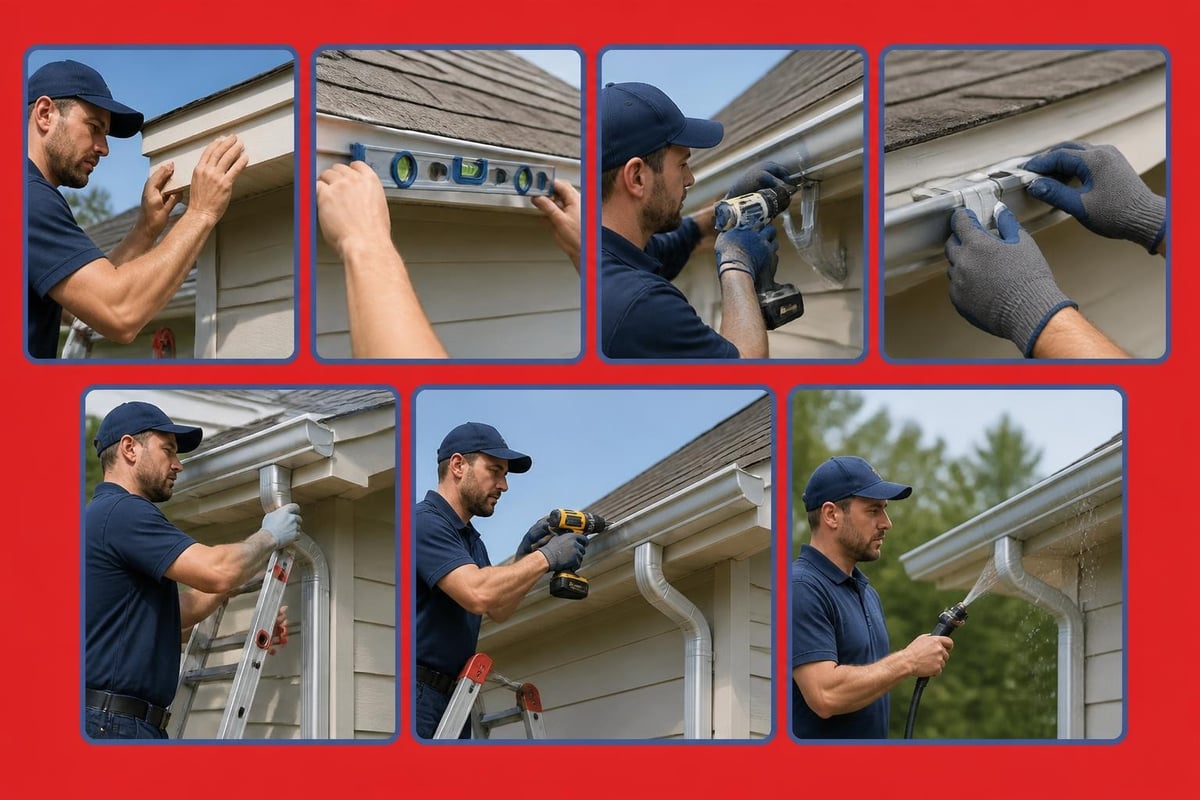
Professional gutter installers pitch gutters carefully toward downspouts, typically one-quarter inch per ten feet of run. This subtle slope remains invisible to casual observation but ensures complete drainage and prevents standing water.
Mounting brackets spaced appropriately prevent sagging between supports. Hidden hangers that mount inside the gutter provide cleaner aesthetics than external spike-and-ferrule systems. When working with experienced gutter installers, homeowners benefit from proper techniques that extend system lifespan and minimize maintenance requirements.
Maintenance Schedules and Seasonal Care
Proactive maintenance of fascia soffit gutters extends system lifespan and prevents expensive emergency repairs. Establishing a regular inspection and cleaning schedule helps homeowners catch problems early when solutions remain simple and affordable.
Spring and Fall Inspections
Seasonal transitions present ideal opportunities for comprehensive system inspections. Spring inspections identify winter damage from ice, heavy snow, or freezing temperatures. Fall inspections prepare the system for winter while removing accumulated leaves and debris before heavy rain and snow seasons begin.
During inspections, check for loose fasteners, separated joints, rust spots, and signs of water damage. Clean gutters thoroughly, flush downspouts with a garden hose, and verify proper drainage away from the foundation.
Gutter Cleaning Frequency
Most homes require gutter cleaning twice annually, in spring and fall. Properties with overhanging trees may need quarterly cleaning or installation of gutter guards to reduce debris accumulation. Neglecting this simple maintenance task leads to overflow, ice dams, and eventual system failure.
Effective gutter maintenance includes:
- Removing all leaves, twigs, and debris by hand or with a gutter scoop
- Flushing gutters and downspouts with water to identify clogs
- Checking for proper slope and adjusting sagging sections
- Inspecting mounting brackets and tightening loose fasteners
- Examining fascia boards for signs of rot or water damage
- Verifying that soffit vents remain clear and unobstructed
For comprehensive protection, consider professional maintenance services that include inspection of the entire roofing system during gutter cleaning visits.
Weather Resistance and Storm Protection
Your fascia soffit gutters system serves as the first line of defense against severe weather. Proper installation and material selection significantly impact how well your home withstands high winds, heavy rain, hail, and winter ice accumulation.
Wind Resistance Considerations
High winds generate tremendous uplift forces at roof edges where fascia soffit gutters are located. The Insurance Institute for Business & Home Safety research demonstrates that properly secured roof edges significantly reduce storm damage risk during hurricanes and severe thunderstorms.
Continuous soffit systems attached with appropriate fasteners resist wind-driven rain infiltration better than pieced installations with multiple joints. Sealed joints and properly overlapped panels prevent water intrusion during wind-driven rain events common in severe weather.
Ice Dam Prevention
Ice dams form when heat escaping through inadequately insulated and ventilated attics melts snow on the roof surface. Meltwater runs down to the colder eave overhang where it refreezes, creating an ice barrier that traps subsequent meltwater. This trapped water backs up under shingles, penetrating the roof assembly and causing interior damage.
Proper soffit ventilation plays a critical role in ice dam prevention by maintaining cold roof deck temperatures that prevent snow melting. Combined with adequate attic insulation, effective ventilation through your fascia soffit gutters system minimizes ice dam risk and protects against storm damage during winter months.
Gutter Protection Systems
Gutter guards and covers reduce maintenance requirements while improving performance during heavy rain events. Various styles include screen systems, surface tension designs, and micro-mesh filters. Each technology offers advantages for specific applications and debris types.
The FORTIFIED program technical documents provide tested guidance on gutter protection systems that improve wind and water performance while reducing maintenance burdens. These solutions prove particularly valuable for homes surrounded by deciduous trees or in areas prone to severe weather.
Cost Considerations and Investment Value
Understanding the financial aspects of fascia soffit gutters helps homeowners make informed decisions about materials, installation quality, and maintenance strategies. While initial costs matter, long-term value depends on durability, maintenance requirements, and protection against costly water damage.
Material and Installation Costs
Vinyl soffit and fascia typically costs between $6-12 per linear foot installed, making it the most economical choice for most residential applications. Aluminum systems range from $8-15 per linear foot, while premium materials like fiber cement or composite products may exceed $20 per linear foot.
Gutter installation costs vary based on material, home height, and complexity. Standard aluminum seamless gutters average $8-12 per linear foot installed, while copper gutters may exceed $40 per linear foot. Additional costs include corners, downspouts, and accessories like gutter guards.
Total project costs for a typical 2,000-square-foot home:
- Budget vinyl system: $2,000-3,500
- Mid-range aluminum/vinyl: $3,500-6,000
- Premium materials with guards: $6,000-10,000+
Return on Investment
While fascia soffit gutters aren't glamorous upgrades, they protect your home's structural integrity and prevent exponentially more expensive repairs. A $5,000 investment in quality materials and professional installation prevents foundation repairs ($10,000-30,000), basement waterproofing ($3,000-10,000), and roof decking replacement ($2,000-8,000).
Proper ventilation through well-designed soffit systems reduces cooling costs by 10-15% during summer months and extends shingle lifespan by preventing heat-accelerated deterioration. When combined with quality shingle installation, a complete roofing system delivers maximum protection and value.
Repair vs. Replacement Decisions
Minor fascia or soffit damage often permits localized repairs rather than complete system replacement. Replacing a few damaged boards or panels costs a fraction of whole-house renovation. However, extensive deterioration or systems approaching the end of their service life often justify complete replacement.
When evaluating gutters replacement projects, consider coordinating with other exterior work. Replacing fascia soffit gutters during a roof replacement project reduces mobilization costs and ensures optimal integration between all components.
Selecting a Qualified Contractor
The quality of installation significantly impacts fascia soffit gutters performance and longevity. Selecting experienced, reputable contractors ensures proper techniques, appropriate materials, and warranty protection for your investment.
Credentials and Experience
Look for contractors with specific experience in roofing and exterior trim work. General handyman services may lack the specialized knowledge required for proper ventilation design, water management, and integration with roofing systems. Licensed, insured contractors protect homeowners from liability and provide recourse if problems arise.
Ask potential contractors about their experience with your specific material choices and home style. A contractor specializing in historic wood restoration brings different expertise than one focused on vinyl replacement systems.
Warranty and Guarantee Provisions
Reputable contractors stand behind their work with comprehensive warranties covering both materials and labor. Material warranties come from manufacturers, while labor warranties reflect the contractor's confidence in their installation quality.
Key warranty elements to verify:
- Minimum 5-year labor warranty on installation
- Full manufacturer material warranties properly registered
- Clear process for addressing post-installation issues
- Written documentation of all warranty terms
- Verification of proper licensing and insurance coverage
Working with established local contractors like those specializing in roofing soffit projects ensures accessible service for warranty work and future maintenance needs.
Protecting your home's exterior requires understanding how fascia soffit gutters work together as an integrated system, not isolated components. Regular maintenance, quality materials, and professional installation create lasting value while preventing costly water damage and structural problems. Great Roofing brings decades of experience serving Joliet homeowners with comprehensive exterior services that protect your investment. Whether you need complete system replacement, targeted repairs, or expert guidance on maintenance strategies, our family-owned team delivers the quality craftsmanship and personalized service your home deserves. Contact Great Roofing today to schedule a thorough inspection and receive a detailed assessment of your fascia, soffit, and gutter systems.