

Finding qualified flat roof specialists near me has become increasingly important for commercial property owners and managers throughout the Joliet area. Flat roofing systems require specialized knowledge, unique installation techniques, and ongoing maintenance that differs significantly from traditional sloped roofing. Whether you're dealing with a commercial building, warehouse, or multi-family property, selecting the right contractor can mean the difference between decades of reliable protection and costly recurring problems. Understanding what qualifications to look for, which services matter most, and how to evaluate local contractors ensures you make an informed decision that protects your investment.
What Makes Flat Roof Specialists Different
Flat roofing systems demand expertise that goes beyond general roofing knowledge. These specialists understand the unique challenges of low-slope and flat roof applications, including water drainage, membrane installation, and material selection specific to horizontal surfaces.
Specialized Training and Certifications
Professional flat roof specialists invest in manufacturer-specific training programs that general roofers may not pursue. These certifications demonstrate competency with specific materials like modified bitumen, EPDM, TPO, and built-up roofing systems.
Key certifications to verify include:
- Manufacturer warranties and approved installer status
- OSHA safety compliance training
- Local licensing and insurance verification
- Specialized membrane installation credentials
The most reliable contractors maintain relationships with major roofing manufacturers, which provides access to technical support, warranty backing, and the latest installation methods. At Great Roofing, we maintain expertise in commercial modified bitumen systems, ensuring our clients receive industry-leading installation quality.
Experience With Commercial Applications
Commercial flat roofing presents distinct challenges compared to residential work. Specialists must understand building codes, accommodate HVAC equipment, manage larger-scale projects, and coordinate with property managers or building owners.
Common Services Provided by Flat Roof Specialists
When searching for flat roof specialists near me, understanding the full range of services helps you identify contractors capable of meeting all your needs rather than requiring multiple vendors.
Installation and Replacement Services
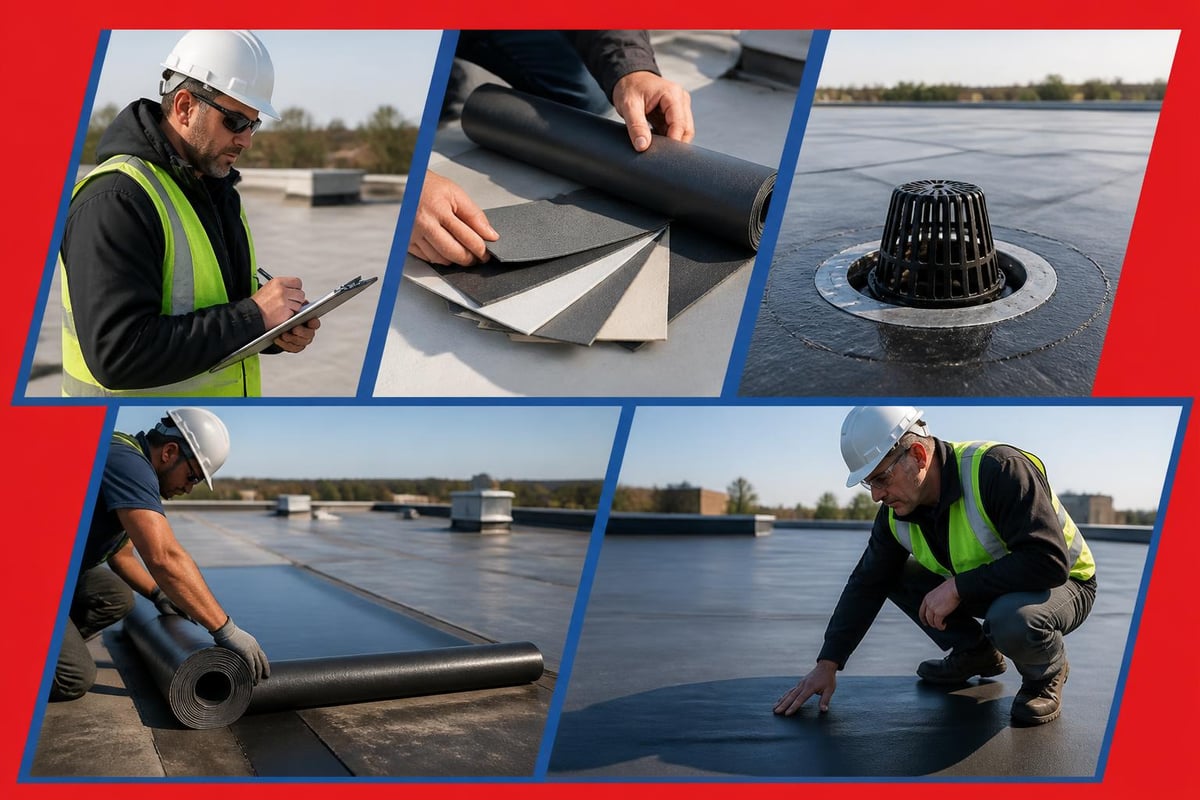
Complete flat roof installations require precise measurements, proper substrate preparation, and expert membrane application. Specialists handle everything from tear-offs to new construction installations.
| Service Type | Typical Duration | Best Season | Warranty Period |
|---|---|---|---|
| Full Replacement | 3-7 days | Spring/Summer | 10-30 years |
| Overlay Installation | 2-4 days | Any (dry weather) | 10-20 years |
| New Construction | Varies by size | Any | 15-30 years |
| Emergency Repairs | 1-2 days | Year-round | 1-5 years |
Preventive Maintenance Programs
Regular maintenance extends flat roof lifespan significantly while preventing expensive emergency repairs. Professional specialists offer scheduled inspection programs that catch small issues before they escalate.
Comprehensive maintenance strategies for flat roofs include:
- Quarterly visual inspections of membrane condition
- Drainage system cleaning and testing
- Seam and flashing integrity verification
- Minor repair completion during routine visits
- Documentation of roof condition over time
These programs typically cost a fraction of emergency repair expenses while providing peace of mind and extended roof life. Many property owners discover that consistent flat roof maintenance reduces total ownership costs by preventing premature replacement.
Leak Detection and Repair
Flat roof leaks can be particularly challenging to locate since water often travels horizontally before penetrating into the building interior. Specialists use advanced techniques including infrared scanning, moisture meters, and visual dye testing.
Advanced leak detection methods:
- Thermal imaging to identify wet insulation areas
- Electronic leak detection for membrane systems
- Flood testing for specific problem zones
- Core sampling to assess underlying damage
Evaluating Local Flat Roof Contractors
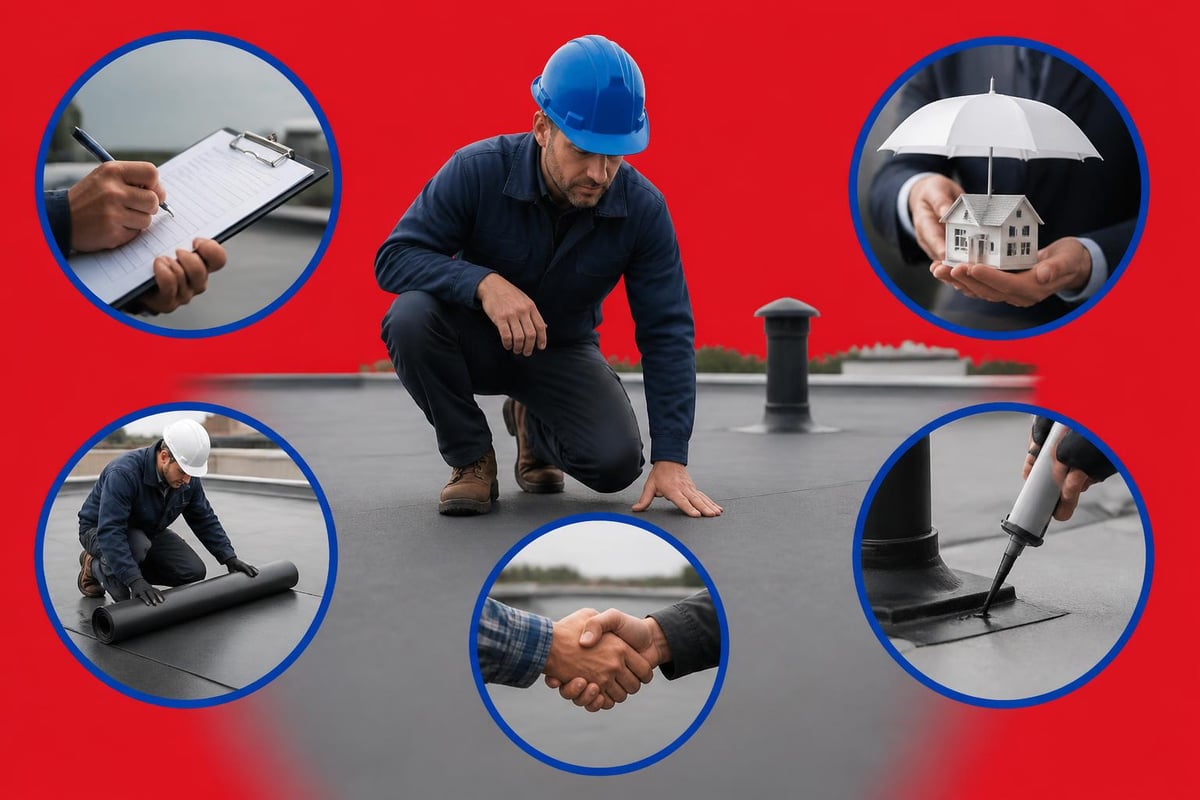
The process of finding reliable flat roof specialists near me requires more than a simple internet search. Thorough vetting protects you from substandard work and ensures long-term roof performance.
Questions to Ask Potential Contractors
During initial consultations, strategic questions reveal contractor competency and reliability. Pay attention not just to answers but to how confidently and thoroughly specialists respond.
-
How many years have you specialized in flat roofing systems? Experience specifically with flat roofs matters more than general roofing experience.
-
Which membrane types do you recommend for my building and why? Quality specialists explain options rather than pushing a single solution.
-
Can you provide references from similar commercial projects? Recent references from comparable buildings offer the best insight.
-
What warranty coverage do you provide beyond manufacturer warranties? Workmanship warranties demonstrate confidence in installation quality.
-
How do you handle unexpected substrate damage discovered during installation? Clear protocols prevent surprise costs and project delays.
Red Flags to Watch For
Certain warning signs indicate contractors who may not deliver professional results or stand behind their work adequately.
Avoid contractors who:
- Pressure immediate decisions without thorough inspections
- Offer prices significantly lower than other qualified bids
- Cannot provide current insurance certificates
- Lack manufacturer certifications for proposed materials
- Refuse to provide detailed written estimates
- Have no established business location or online presence
Material Options for Flat Roofing Systems
Understanding different flat roof materials helps property owners make informed decisions when consulting with specialists. Each system offers distinct advantages depending on building use, budget, and expected lifespan.
Modified Bitumen Roofing
Modified bitumen represents one of the most reliable flat roofing solutions for commercial applications. This multi-layer system combines traditional built-up roofing technology with modern polymer modifications.
| Advantage | Description |
|---|---|
| Durability | Excellent resistance to foot traffic and weather extremes |
| Flexibility | Accommodates building movement without tearing |
| Proven Performance | Decades of successful commercial installations |
| Repair-Friendly | Damaged sections can be patched without full replacement |
| Weather Resistance | Performs well in harsh Midwest climate conditions |
Modified bitumen installation requires specialized equipment and expertise, making contractor selection particularly important. The system works exceptionally well for buildings in the Joliet area where seasonal weather extremes demand robust roofing solutions.
Single-Ply Membrane Systems
TPO and EPDM single-ply membranes have gained popularity for their installation efficiency and energy performance. These synthetic rubber or thermoplastic materials arrive in large rolls, reducing seams and installation time.
TPO (Thermoplastic Polyolefin) benefits:
- Heat-reflective white surface reduces cooling costs
- Heat-welded seams create watertight bonds
- Excellent puncture and tear resistance
- Strong manufacturer warranty programs
EPDM (Ethylene Propylene Diene Monomer) advantages:
- Proven 50+ year track record
- Cost-effective installation
- Excellent weather resistance
- Simple repair procedures
Built-Up Roofing (BUR)
Traditional built-up roofing layers multiple plies of roofing felt with bitumen to create a thick, durable membrane. While less common for new installations, BUR systems remain popular for specific applications.
This time-tested approach works well for buildings requiring heavy equipment on the roof or expecting significant foot traffic. However, installation takes longer and requires more labor than modern single-ply alternatives.
The Importance of Proper Drainage
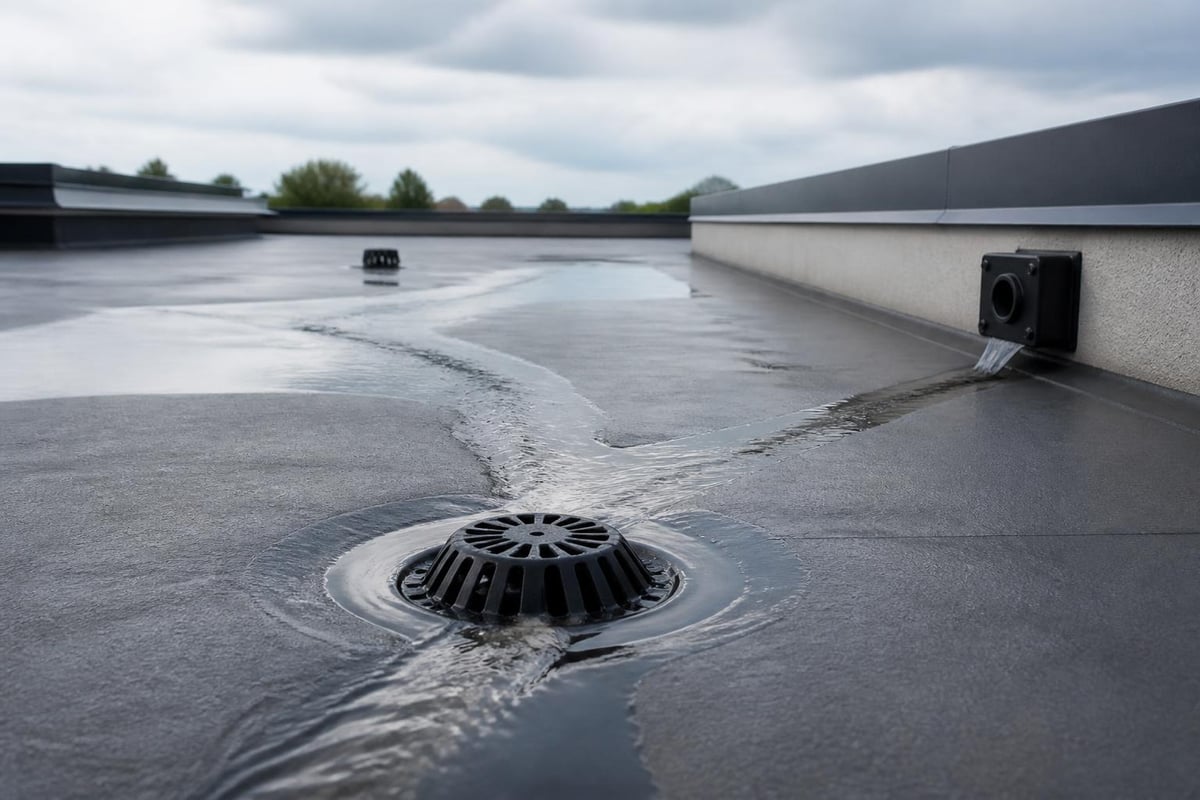
Flat roofs aren't truly flat-they require slight slopes directing water toward drains, scuppers, or edge systems. Inadequate drainage causes the majority of flat roof failures, making this a critical consideration when working with specialists.
Common Drainage Problems
Understanding typical drainage issues helps property owners recognize problems early and communicate effectively with contractors.
- Ponding water remaining more than 48 hours after rainfall accelerates membrane deterioration
- Clogged drains from debris accumulation cause water backup and potential leaks
- Inadequate slope prevents proper water flow toward drainage points
- Damaged scuppers or overflow drains compromise secondary drainage systems
- Ice damming in winter months blocks drainage paths
Professional flat roof specialists assess drainage during every inspection and recommend corrections before water damage occurs. Following comprehensive flat roof maintenance tips helps property owners maintain proper drainage between professional visits.
Drainage Solutions and Upgrades
When drainage problems exist, specialists can implement various solutions depending on the severity and roof configuration.
| Problem | Solution | Typical Cost Range |
|---|---|---|
| Minor ponding | Tapered insulation system | $3-7 per sq ft |
| Clogged drains | Drain cleaning and strainer upgrades | $200-500 per drain |
| Insufficient slope | Complete roof replacement with proper slope | $8-15 per sq ft |
| Edge drainage issues | Scupper installation or modification | $500-1,500 each |
Seasonal Considerations for Flat Roof Work
Timing matters significantly for flat roof projects. While emergencies happen year-round, planned installations and major repairs benefit from strategic scheduling with flat roof specialists near me.
Optimal Installation Seasons
Spring and summer offer ideal conditions for flat roofing work in the Joliet region. Warm temperatures ensure proper adhesive curing, membrane flexibility, and consistent installation conditions.
Spring advantages:
- Moderate temperatures for worker comfort and material performance
- Addressing winter damage before severe weather returns
- Scheduling flexibility before peak construction season
- Longer daylight hours for extended work days
Summer benefits:
- Warmest temperatures optimize adhesive bonding
- Lowest probability of rain delays
- Maximum membrane flexibility during installation
- Fastest curing times for all materials
Winter Roof Maintenance
Cold weather doesn't prevent all flat roof work, though it does limit certain activities. Emergency repairs remain necessary year-round, and specialists can complete many maintenance tasks during winter months.
Regular roof inspections throughout the year help property owners avoid winter emergencies by addressing potential problems during favorable weather. However, winter inspections themselves serve important purposes by identifying ice damage, checking drainage before spring thaw, and ensuring heating equipment hasn't caused roof damage.
Cost Factors for Flat Roof Projects
Budget planning requires understanding the variables that influence flat roof project costs. Transparent specialists provide detailed estimates explaining each cost component rather than simple per-square-foot quotes.
Primary Cost Drivers
Several factors significantly impact total project investment beyond basic material and labor expenses.
- Roof size and accessibility affect labor efficiency and equipment requirements
- Existing roof condition determines removal costs and substrate repair needs
- Material selection ranges from economical EPDM to premium modified bitumen systems
- Building height influences safety equipment needs and labor costs
- Project timing with off-season work sometimes offering cost advantages
- Warranty level as extended coverage increases upfront investment
- Additional features like new drains, insulation upgrades, or walkway pads
Getting Accurate Estimates
Quality flat roof specialists conduct thorough on-site inspections before providing estimates. Beware of quotes provided over the phone or based solely on square footage without examining the actual roof.
Comprehensive estimates should include:
- Detailed material specifications with brand names
- Labor costs broken down by project phase
- Removal and disposal fees for existing roofing
- Permits and inspection costs
- Warranty terms and coverage details
- Payment schedule and project timeline
- Change order procedures
Understanding roofing and guttering services helps property owners recognize when additional work beyond the roof membrane might be necessary for complete weather protection.
Long-Term Maintenance Planning
Partnering with flat roof specialists near me extends beyond initial installation. Developing a long-term maintenance relationship protects your investment and maximizes roof lifespan.
Creating a Maintenance Schedule
Professional maintenance programs prevent small issues from becoming expensive emergencies. Most specialists recommend inspection frequency based on roof age, building use, and local weather conditions.
Typical maintenance schedule:
- Semi-annual inspections for roofs under 10 years old
- Quarterly inspections for roofs 10-20 years old
- Monthly inspections for roofs over 20 years old
- Post-storm inspections after severe weather events
- Pre-winter preparation in late fall
- Post-winter assessment in early spring
Between professional visits, property managers should conduct basic visual checks for obvious problems. Following spring home maintenance guidelines helps catch roof issues before they cause interior damage.
Documentation and Record Keeping
Maintaining detailed roof records helps specialists track performance, plan maintenance, and validate warranty claims when necessary.
Essential documentation includes:
- Original installation contracts and specifications
- Warranty certificates from manufacturers and contractors
- Inspection reports with photographs
- Repair history with dates and work descriptions
- Material samples or specifications for future repairs
- Drainage system diagrams and drain locations
Emergency Services and Response Times
Flat roof emergencies rarely occur during business hours. Access to responsive specialists who provide 24/7 emergency services protects buildings from extensive water damage.
What Constitutes a Roofing Emergency
Not every leak requires immediate after-hours response, but certain situations demand urgent attention regardless of timing.
True emergencies requiring immediate response:
- Active leaks affecting building operations or inventory
- Storm damage creating large openings in the roof membrane
- Water accumulation threatening structural components
- Damage affecting occupied areas or critical equipment
- Safety hazards from damaged roof sections
Non-emergency issues that can wait for business hours:
- Small leaks contained with buckets
- Minor membrane damage without active water intrusion
- Drainage concerns not causing immediate problems
- Routine maintenance needs
- Cosmetic damage without functional impact
When searching for flat roof specialists near me, confirm emergency service availability and typical response times before problems occur. Establishing relationships with contractors during non-emergency situations ensures faster response when urgent needs arise.
Working With Insurance Claims
Storm damage, sudden leaks, and other covered perils often involve insurance claims. Experienced flat roof specialists understand this process and can assist property owners in documenting damage and obtaining appropriate coverage.
The Claims Documentation Process
Thorough documentation strengthens insurance claims and helps ensure proper coverage for necessary repairs or replacement.
- Photograph damage immediately from multiple angles and distances
- Document interior damage caused by roof failure
- Request professional inspection from qualified flat roof specialists
- Obtain detailed repair estimates with material specifications
- Preserve damaged materials for insurance adjuster review
- Keep communication records with all parties involved
Quality contractors provide detailed reports that insurance adjusters can easily evaluate, streamlining the claims process and reducing disputes over coverage or necessary repairs.
Selecting qualified flat roof specialists near me protects your commercial property investment through expert installation, reliable maintenance, and responsive emergency services. Whether you need new installation, preventive care, or emergency repairs, partnering with experienced professionals ensures your flat roof delivers decades of dependable performance. Great Roofing brings family-owned dedication and commercial roofing expertise to every project throughout the Joliet area, specializing in modified bitumen systems and comprehensive roof care. Contact us today to schedule an inspection and discover how professional flat roof services protect your building.