

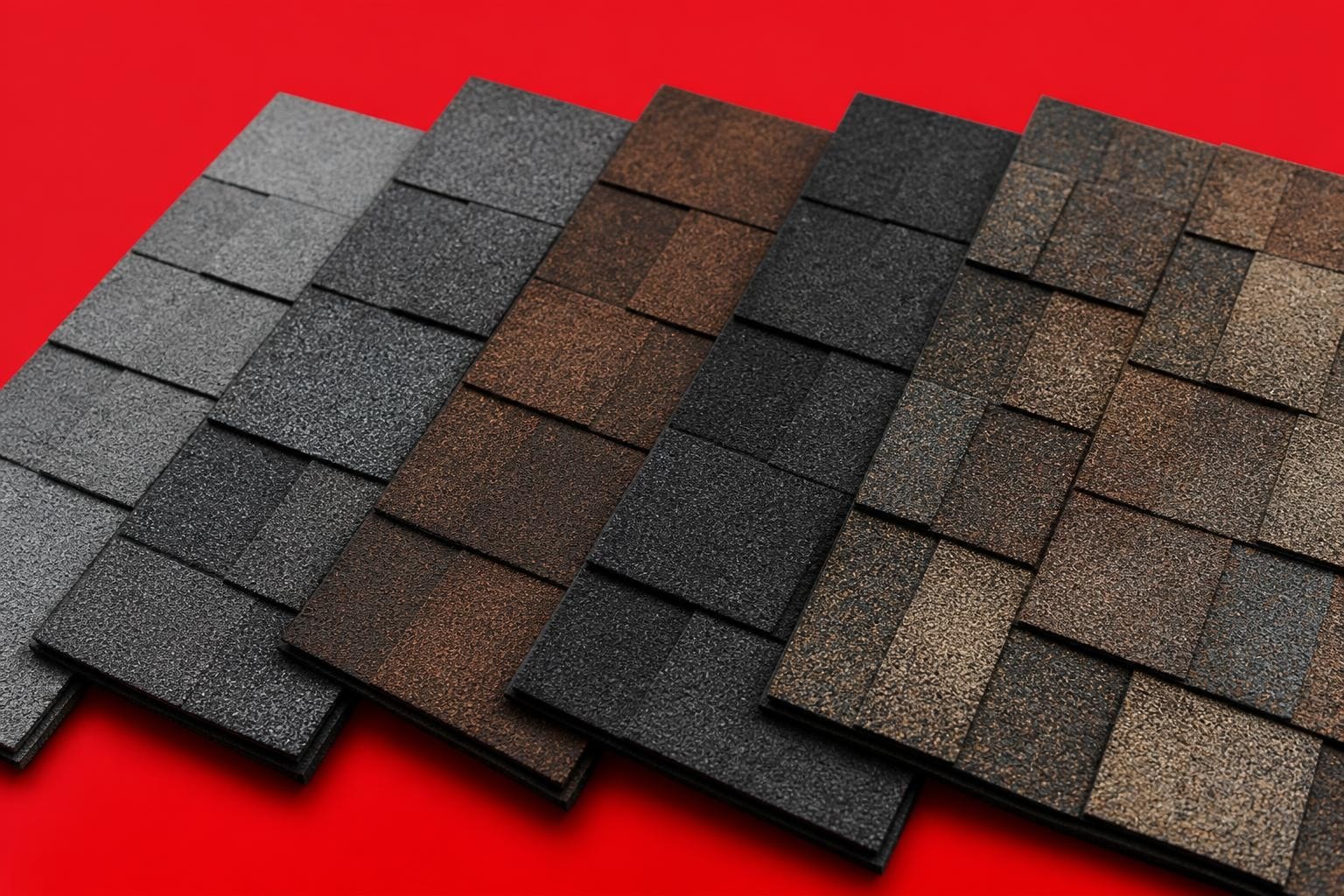
Choosing roofing materials for your home represents one of the most significant investments in property maintenance and protection. Among all available options, asphalt shingles remain the most popular choice for residential properties across the United States, combining affordability with performance and aesthetic versatility. However, not all asphalt shingles offer the same level of quality, durability, or value. Understanding what separates good asphalt shingles from inferior products helps homeowners make informed decisions that protect their investment for decades to come.
Understanding Asphalt Shingle Quality Grades
The asphalt shingle market offers three primary quality tiers, each designed for different budgets and performance expectations. Recognizing these distinctions helps homeowners identify good asphalt shingles that match their specific needs.
Three-Tab Shingles: Entry-Level Option
Three-tab shingles represent the most basic category in the asphalt shingle market. These products feature a flat, uniform appearance with cutouts that create three distinct tabs per shingle. While they meet minimum building code requirements, they typically carry shorter warranties and lighter weight construction.
Key characteristics of three-tab shingles:
- Weight range of 200-250 pounds per square
- Warranty periods of 20-25 years
- Single-layer construction
- Limited wind resistance ratings
- Lower upfront cost but reduced longevity
Architectural Shingles: The Sweet Spot
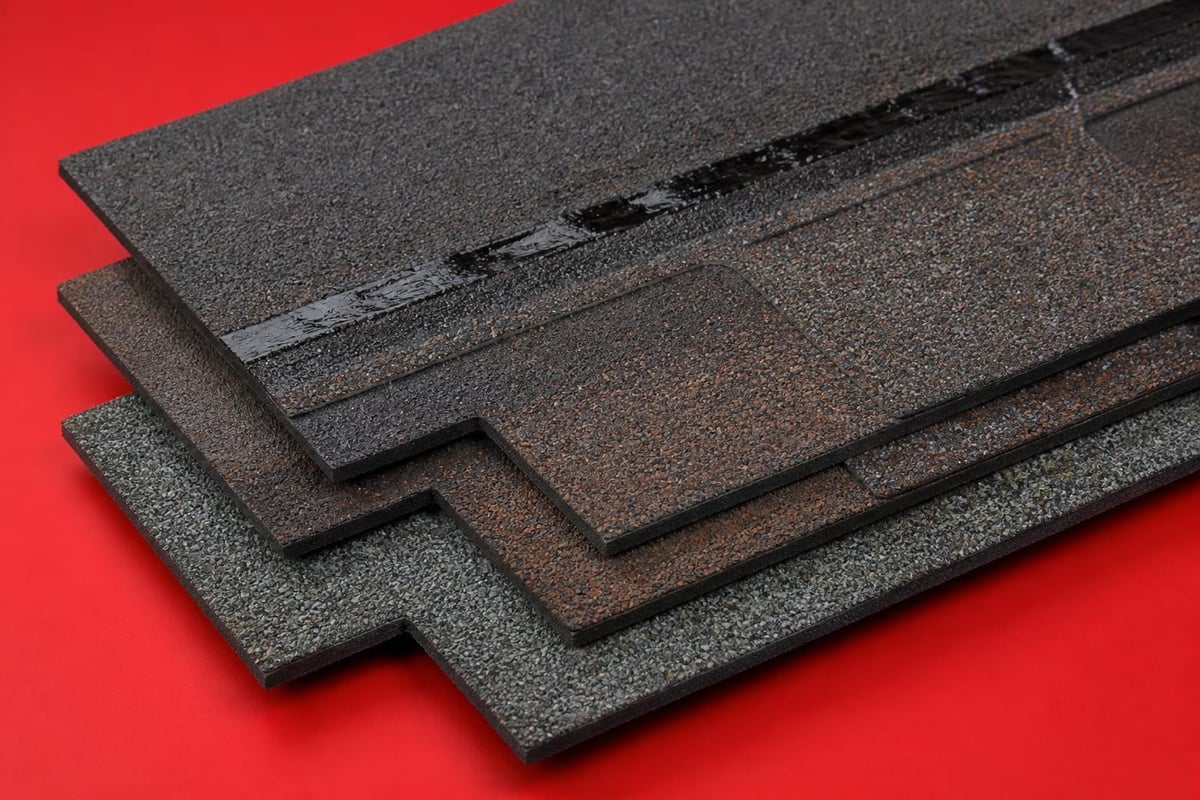
Architectural shingles, also called dimensional or laminated shingles, represent where most homeowners find the best balance of quality and value. These good asphalt shingles feature multiple layers bonded together, creating depth and shadow lines that enhance curb appeal while delivering superior performance.
Most professional roofing contractors recommend architectural shingles for their combination of durability and aesthetic appeal. These products typically weigh 50-100 pounds more per square than three-tab options, translating directly to enhanced weather resistance and longevity.
| Feature | Three-Tab | Architectural | Premium/Designer |
|---|---|---|---|
| Warranty | 20-25 years | 30-50 years | 50+ years, lifetime |
| Weight per square | 200-250 lbs | 300-350 lbs | 400-500 lbs |
| Wind resistance | 60-70 mph | 110-130 mph | 130+ mph |
| Average cost per square | $90-$120 | $150-$250 | $300-$600 |
Premium and Designer Shingles
The highest tier includes premium architectural and designer shingles that mimic the appearance of natural materials like slate, cedar shake, or tile. These good asphalt shingles incorporate advanced manufacturing techniques, heavier base materials, and enhanced granule technology to deliver maximum performance and distinctive aesthetics.
Material Composition That Defines Quality
Understanding what makes good asphalt shingles requires examining their internal construction and component materials. The quality of each layer directly impacts overall performance and longevity.
The base mat serves as the foundation for all asphalt shingles. Better quality products use either fiberglass or organic materials, with fiberglass dominating modern manufacturing due to superior fire resistance and dimensional stability. Good asphalt shingles feature dense, high-quality fiberglass mats that resist tearing and provide consistent support for other layers.
Asphalt quality varies significantly across manufacturers and product lines. Premium shingles incorporate modified asphalt formulations with polymer additives that enhance flexibility in cold weather and maintain stability in extreme heat. According to real-world performance data on asphalt shingle lifespan, these advanced formulations contribute measurably to extended service life.
Critical composition factors:
- Fiberglass mat density and weight
- Asphalt modification with polymers
- Granule adhesion technology
- Sealant strip quality and placement
- Overall shingle thickness and weight
The protective granule layer deserves special attention when evaluating quality. These ceramic-coated minerals shield the asphalt from UV degradation, provide color and texture, and enhance fire resistance. Good asphalt shingles feature proprietary granule formulations with superior adhesion technology that prevents premature granule loss.
Manufacturer Reputation and Brand Selection
The asphalt shingle industry includes dozens of manufacturers, but quality concentrates among established leaders with proven track records. When selecting good asphalt shingles, brand reputation provides valuable insight into manufacturing consistency and customer support.
Leading manufacturers invest heavily in research, quality control, and manufacturing technology. They maintain stringent production standards and back their products with comprehensive warranties. Top asphalt shingle brands consistently demonstrate superior performance in independent testing and real-world applications.
Evaluating Manufacturer Warranties
Warranty terms reveal manufacturer confidence in product quality. Good asphalt shingles come with clear, comprehensive warranty coverage that includes both materials and workmanship provisions.
- Material defect coverage protects against manufacturing flaws
- Wind resistance guarantees specify maximum sustained wind speeds
- Algae resistance warranties address discoloration in humid climates
- Transferability provisions add value if you sell your home
- Prorated versus non-prorated periods affect actual coverage value
Understanding the difference between warranty length and actual coverage matters significantly. Many warranties feature a limited non-prorated period followed by prorated coverage that decreases value annually. Reading warranty fine print reveals whether you're investing in genuinely good asphalt shingles or marketing hype.
Performance Features That Matter
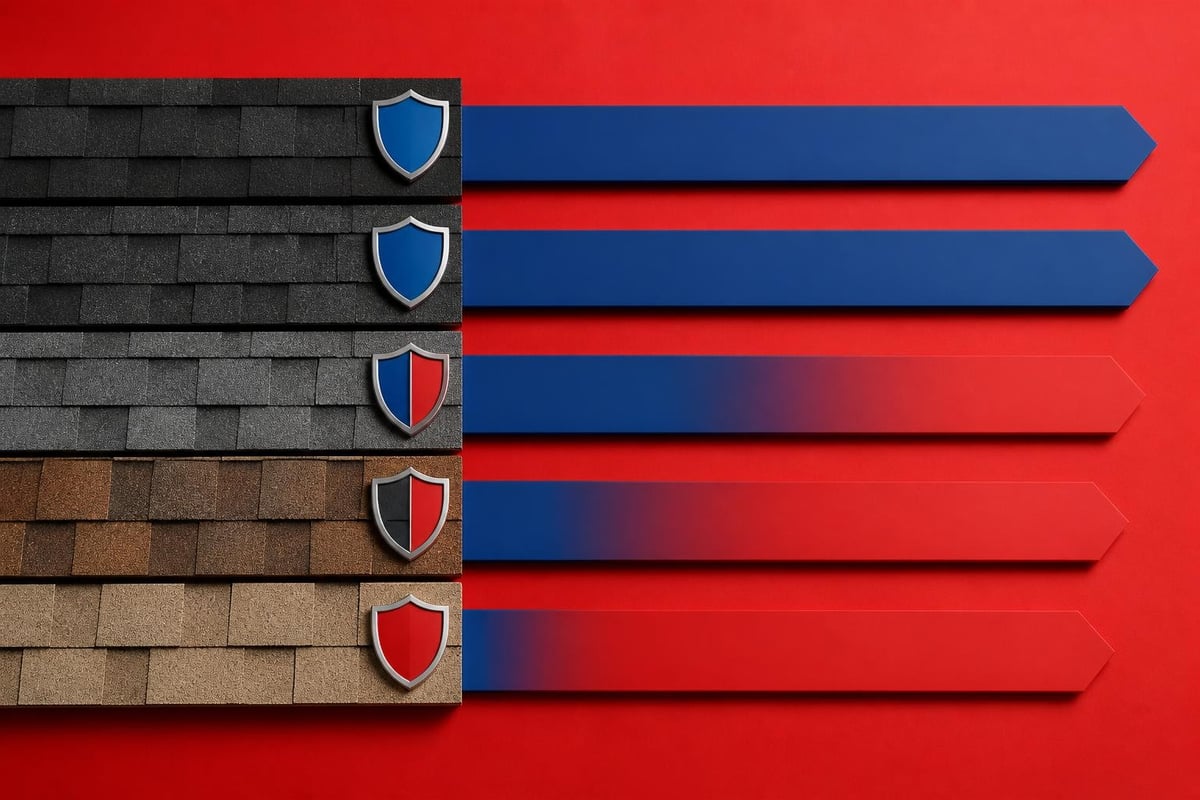
Beyond basic construction, specific performance features distinguish good asphalt shingles from standard products. These technologies address common roofing challenges and extend service life in demanding conditions.
Algae Resistance Technology
In humid climates, blue-green algae creates unsightly dark streaks on roof surfaces. Quality manufacturers incorporate copper or zinc granules into their shingle designs to inhibit algae growth. Products carrying algae-resistance warranties demonstrate proven performance in preventing this common issue.
Enhanced Wind Rating
Wind damage represents a leading cause of premature asphalt shingle roof repair needs. Good asphalt shingles feature reinforced designs with multiple sealant strips and heavier construction that resists uplift forces. Look for products tested and rated for wind speeds exceeding 110 mph, particularly in areas prone to severe weather.
Impact Resistance Classification
The UL 2218 impact resistance test rates shingles from Class 1 through Class 4, with Class 4 representing the highest impact resistance. These good asphalt shingles withstand hail damage better than standard products, potentially qualifying homeowners for insurance discounts.
- Class 1: Withstands 1.25-inch diameter steel ball
- Class 2: Withstands 1.5-inch diameter steel ball
- Class 3: Withstands 1.75-inch diameter steel ball
- Class 4: Withstands 2-inch diameter steel ball
Properties in hail-prone regions benefit significantly from Class 4 rated shingles. Many storm damage repair specialists report substantially fewer insurance claims on roofs protected by impact-resistant products.
Installation Quality Equals Product Quality
Even the best asphalt shingles fail prematurely when installed incorrectly. Proper installation practices prove just as critical as material selection in achieving long-term performance.
Manufacturer Installation Requirements
Every shingle manufacturer provides detailed installation instructions that specify required techniques, materials, and conditions. Good asphalt shingles demand strict adherence to these guidelines to maintain warranty validity and ensure proper performance.
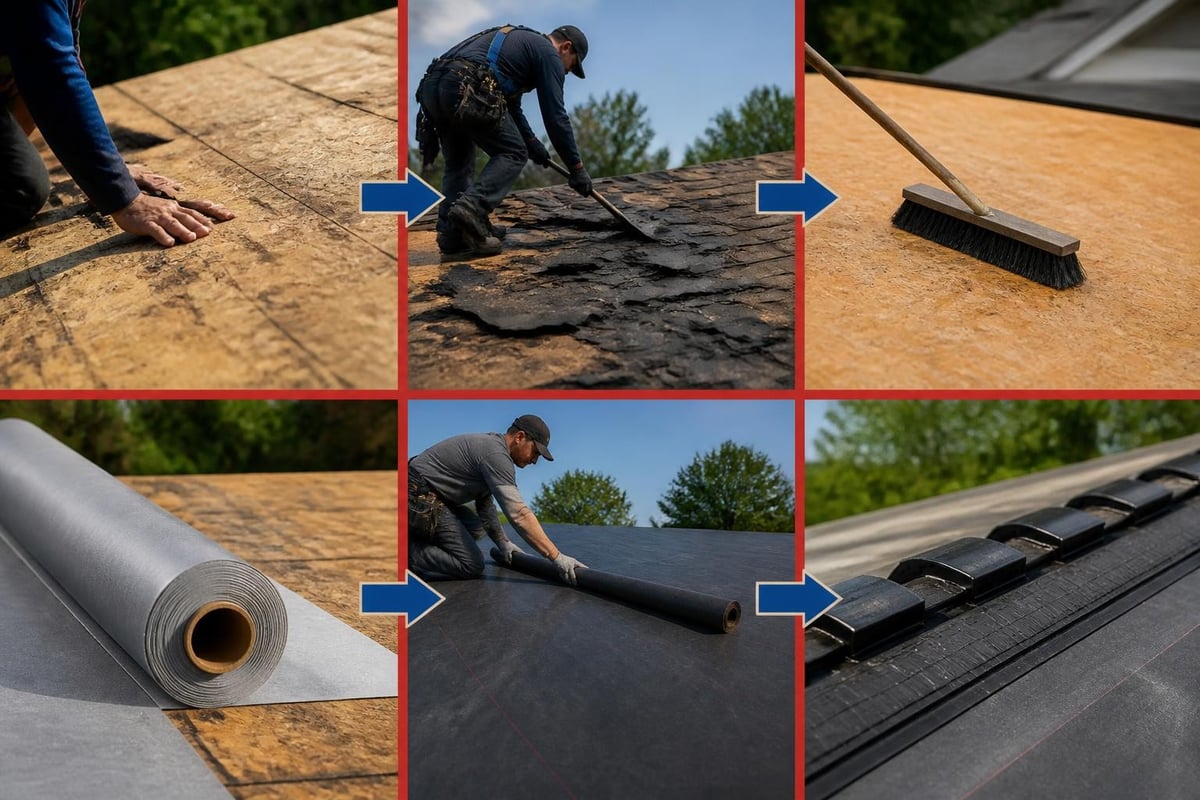
Professional installers understand that shortcuts during installation void warranties and compromise roof integrity. Critical installation factors include proper deck preparation, appropriate underlayment selection, correct fastener placement, adequate ventilation, and proper flashing details around penetrations and valleys.
When evaluating roofing and siding services, verify that contractors follow manufacturer specifications and maintain certification from major shingle manufacturers. These credentials demonstrate ongoing training and commitment to quality workmanship.
Ventilation and Deck Preparation
No amount of shingle quality compensates for inadequate roof ventilation or improper deck preparation. Good asphalt shingles require balanced intake and exhaust ventilation to prevent premature deterioration from trapped heat and moisture.
Essential preparation steps include:
- Inspecting and repairing deck damage
- Ensuring proper ventilation ratios
- Installing appropriate underlayment
- Replacing deteriorated flashing
- Verifying proper deck fastening
Climate Considerations for Shingle Selection
Regional climate patterns significantly influence which products qualify as good asphalt shingles for specific locations. Temperature extremes, precipitation patterns, and UV exposure all impact shingle performance and longevity.
Hot Climate Considerations
Intense heat and UV radiation accelerate asphalt degradation. Properties in southern regions benefit from shingles with enhanced UV-resistant granules and heat-stable asphalt formulations. Lighter colors reflect more heat, potentially reducing cooling costs while protecting shingle integrity.
According to comprehensive roofing material lifespan data, identical shingle products perform differently across climate zones. A 30-year rated shingle might last 25 years in Arizona but exceed 35 years in moderate northern climates.
Cold Climate Performance
Freeze-thaw cycles challenge shingle flexibility and adhesion. Good asphalt shingles for cold regions incorporate modified asphalt that remains flexible at low temperatures, preventing thermal cracking and sealant failure. Enhanced adhesive strips maintain bond strength despite temperature fluctuations.
High-Wind Regions
Coastal areas and tornado-prone regions demand shingles with superior wind ratings and reinforced construction. Many building codes in these areas specify minimum wind resistance requirements. Selecting products rated for winds exceeding local code minimums provides additional protection margin.
Cost Versus Value Analysis
Budget constraints influence every roofing decision, but focusing solely on initial cost often proves counterproductive. Good asphalt shingles deliver superior long-term value through extended service life, reduced maintenance needs, and enhanced property protection.
Calculating True Cost
Comparing shingle options requires analyzing cost per year of expected service rather than simple upfront expense. A $5,000 three-tab roof lasting 20 years costs $250 annually, while a $7,500 architectural roof lasting 35 years costs just $214 annually.
| Shingle Type | Installation Cost | Expected Life | Annual Cost | Replacement Cycles (50 years) |
|---|---|---|---|---|
| Three-tab | $5,000 | 20 years | $250 | 2-3 |
| Architectural | $7,500 | 35 years | $214 | 1-2 |
| Premium | $12,000 | 50+ years | $240 | 1 |
This analysis excludes disposal costs, inflation, and opportunity costs associated with multiple re-roofing projects. When examining different types of roof shingles, total lifecycle cost often favors mid-grade to premium products over budget options.
Insurance and Resale Considerations
Good asphalt shingles may qualify for homeowners insurance discounts, particularly impact-resistant and high-wind-rated products. These savings accumulate over the roof's lifetime, offsetting higher initial investment.
Real estate professionals consistently report that quality roofing enhances property value and marketability. Homes with recently installed premium shingles sell faster and command higher prices than comparable properties with aging or low-quality roofs.
Recognizing Quality During Product Selection
Shopping for roofing materials presents challenges for homeowners unfamiliar with industry terminology and performance specifications. Several practical indicators help identify good asphalt shingles during the selection process.
Physical weight provides an immediate quality indicator. Heavier shingles contain more material, translating to enhanced durability and weather resistance. Request weight specifications per square and compare products within the same category.
Warranty terms reveal manufacturer confidence. Products backed by comprehensive, long-term warranties from established manufacturers typically justify that confidence with superior construction and materials.
Professional Recommendations
Experienced roofing contractors develop extensive knowledge of product performance through years of installation and service work. When consulting with local roofing professionals, ask which products they install on their own homes and which brands generate the fewest callback issues.
Contractors who maintain manufacturer certifications demonstrate commitment to staying current with installation techniques and product specifications. These partnerships often provide access to extended warranties and technical support unavailable to homeowners working with uncertified installers.
Maintenance Requirements for Longevity
Even good asphalt shingles require appropriate maintenance to achieve their full lifespan potential. Neglecting basic upkeep leads to premature deterioration and costly repairs regardless of initial product quality.
Essential maintenance tasks include:
- Annual visual inspections from ground level
- Professional inspections every 3-5 years
- Prompt debris removal from roof surfaces
- Gutter cleaning to prevent water backup
- Addressing minor damage before it spreads
- Trimming overhanging tree branches
Research on actual roof lifespans by material type confirms that well-maintained roofs significantly outlast neglected installations using identical products. Regular inspections catch small problems before they escalate into major failures requiring premature replacement.
Regional Product Availability
Not all manufacturers distribute products nationwide, and regional preferences influence local inventory. Working with established Joliet roofing contractors provides access to products proven in local climate conditions with reliable warranty service and replacement availability.
Local suppliers maintain stock of popular colors and styles, ensuring repair materials match existing installations. This consideration matters for homeowners planning partial repairs or additions that require matching the original roof appearance.
Selecting good asphalt shingles requires balancing multiple factors including material quality, manufacturer reputation, climate appropriateness, and total lifecycle cost. By understanding construction differences, performance features, and installation requirements, homeowners can make informed decisions that protect their property investment for decades. Whether you're planning a complete roof replacement or exploring your options for future projects, Great Roofing brings family-owned expertise and commitment to quality that ensures your new roof delivers maximum performance and value throughout its entire service life.