


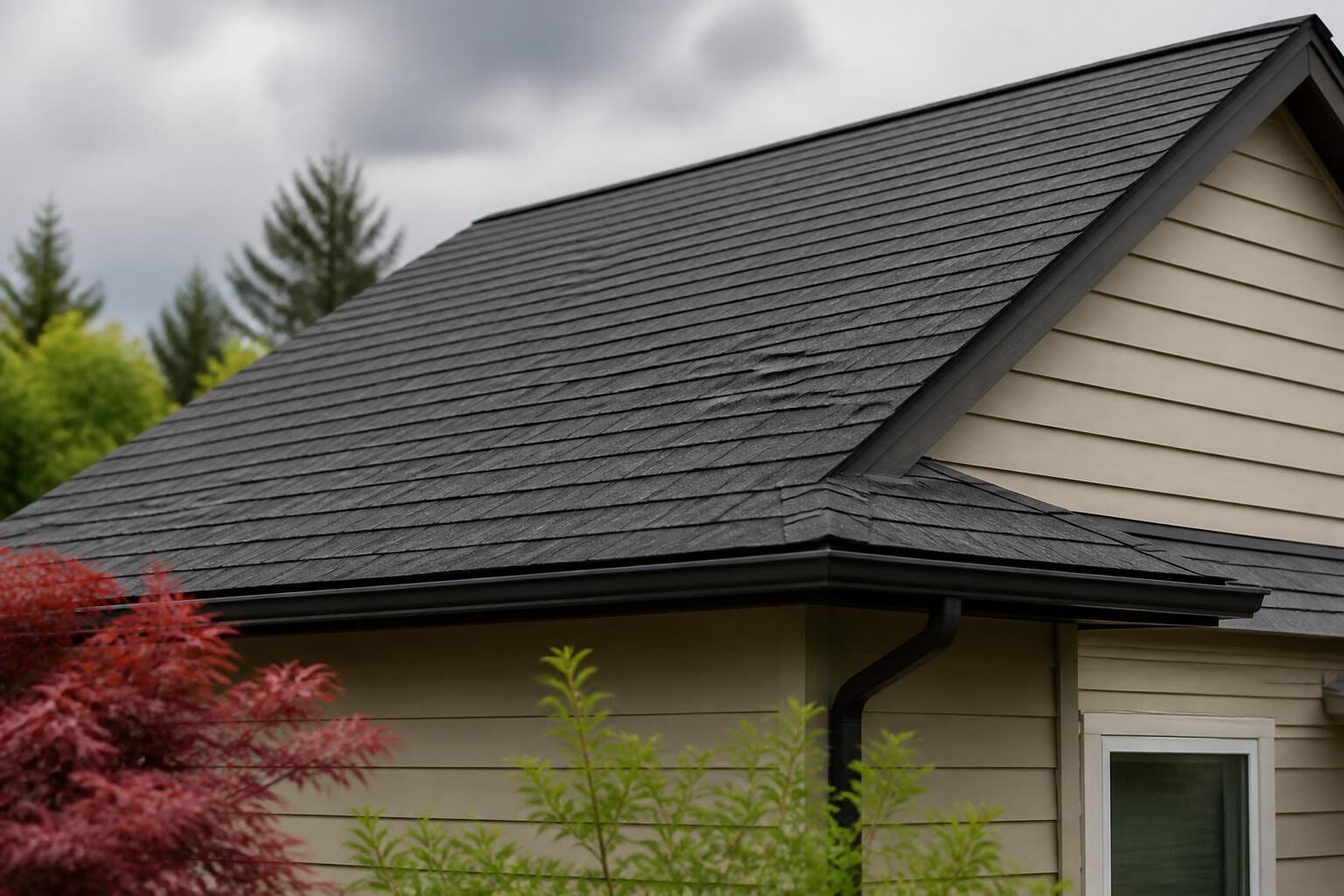
Your roof represents one of the most significant investments in your property's protection and value. The quality of shingles you select directly impacts your home's durability, energy efficiency, and long-term maintenance costs. Understanding what separates good quality roof shingles from mediocre options enables homeowners to make informed decisions that protect their investment for decades. Whether you're planning a complete roof replacement or evaluating your current roofing system, knowing the hallmarks of premium shingles is essential.
Understanding Shingle Quality Standards
The roofing industry maintains rigorous standards for shingle manufacturing, but not all products meet the same benchmarks. Good quality roof shingles comply with multiple testing protocols that measure wind resistance, impact resistance, fire rating, and weathering performance.
Impact Resistance Classifications
Shingles receive UL 2218 impact resistance ratings ranging from Class 1 to Class 4, with Class 4 representing the highest impact resistance. Premium manufacturers engineer their products to withstand hail damage, falling debris, and severe weather conditions.
Key impact resistance features include:
- Multi-layered construction with reinforced backing
- Enhanced granule adhesion technology
- Specialized asphalt formulations that maintain flexibility
- Superior nail pull-through resistance
- Proprietary sealant strips for enhanced bond strength
Many insurance companies offer discounts for homes with Class 4 impact-rated shingles, recognizing their superior protection against storm damage. This classification becomes particularly important in regions prone to severe weather events.

Wind Resistance Performance
Good quality roof shingles feature engineered wind resistance that exceeds basic building code requirements. While standard shingles may offer 60 mph wind ratings, premium products provide ratings up to 130 mph or higher.
The wind resistance depends on several construction factors:
| Feature | Standard Shingles | Premium Shingles |
|---|---|---|
| Sealant Coverage | 50-60% | 90-100% |
| Adhesive Strength | Basic | Enhanced Formula |
| Wind Rating | 60-90 mph | 110-130 mph |
| Warranty Coverage | Limited | Comprehensive |
Superior sealant technology creates stronger bonds between shingle layers, preventing uplift during high winds. This enhanced adhesion proves critical during severe storms when inferior products may fail.
Material Composition and Manufacturing Quality
The foundation of good quality roof shingles lies in their material composition and manufacturing processes. Different roof shingle materials offer varying performance characteristics, but quality standards remain consistent across categories.
Asphalt Shingle Composition
Premium asphalt shingles incorporate multiple layers that work together to provide superior protection. The fiberglass mat base provides dimensional stability and tear resistance, while the asphalt coating delivers waterproofing capabilities.
Top-tier manufacturers use modified asphalt formulations that resist thermal cycling better than standard products. These advanced formulations prevent cracking in cold weather and maintain stability during extreme heat.
The ceramic granule coating serves multiple functions beyond aesthetics. Quality granules provide UV protection, reflect solar heat, resist algae growth, and maintain color consistency throughout the shingle's lifespan.
Advanced Manufacturing Processes
Manufacturing precision distinguishes good quality roof shingles from lower-grade alternatives. Premium manufacturers maintain strict quality control throughout production, ensuring consistent thickness, proper asphalt saturation, and uniform granule application.
Critical manufacturing quality indicators:
- Consistent weight per square across production runs
- Precise dimensional accuracy for proper installation
- Uniform asphalt distribution without bare spots
- Superior granule embedment preventing excessive loss
- Automated quality inspection at multiple production stages
These manufacturing standards directly impact installation efficiency and long-term performance. Consistent product dimensions ensure proper alignment and sealing, while uniform material distribution prevents premature failure.
Warranty Coverage and Manufacturer Reputation
Warranty terms reveal manufacturer confidence in their product quality. Good quality roof shingles come with comprehensive warranty packages that protect homeowners against material defects and premature failure.
Understanding Warranty Components
Premium shingle warranties typically include multiple coverage layers. The material defect warranty covers manufacturing flaws, while the wind warranty protects against blow-offs under specified conditions. Algae resistance warranties guarantee against visible algae growth for extended periods.
Many top asphalt roof shingle brands offer lifetime warranties on their premium lines, though understanding the specific terms is essential. These warranties often include prorated coverage periods and specific installation requirements.
| Warranty Type | Coverage Period | What's Protected |
|---|---|---|
| Material Defect | 10 Years Non-Prorated | Manufacturing flaws |
| Limited Lifetime | 50+ Years Prorated | Material performance |
| Wind Resistance | 10-15 Years | Blow-off damage |
| Algae Resistance | 10-25 Years | Visible algae growth |
Manufacturer Track Record
Established manufacturers with decades of experience demonstrate commitment to product quality and customer satisfaction. Their research and development investments result in continuous product improvements and innovative features.
Researching manufacturer reputation through industry reviews, contractor feedback, and homeowner experiences provides valuable insights. Companies that stand behind their products typically maintain responsive customer service departments and honor warranty claims fairly.
Installation Requirements and Professional Standards
Even good quality roof shingles fail prematurely when installed improperly. Premium products require specific installation techniques that maximize their performance capabilities and warranty coverage.
Proper Underlayment Selection
Quality installations begin with appropriate underlayment selection. Synthetic underlayment products offer superior tear resistance and moisture protection compared to traditional felt paper. Many shingle warranties require synthetic underlayment for full coverage activation.
The underlayment creates a secondary water barrier that protects against ice dams, wind-driven rain, and installation moisture. Premium installations may incorporate multiple underlayment layers in vulnerable areas like valleys and eaves.
Ventilation and Deck Preparation
Adequate attic ventilation extends shingle lifespan by preventing excessive heat buildup and moisture accumulation. Proper ventilation systems balance intake and exhaust airflow, maintaining optimal temperature conditions.
Before shingle installation, the roof deck must meet specific standards:
- Clean, dry surface free from debris and protruding nails
- Properly spaced and secured deck boards or panels
- Smooth surface without significant gaps or warping
- Adequate structural support for expected loads
- Flashing installation at all penetrations and transitions
Professional contractors understand these preparation requirements and refuse to compromise installation quality. Their expertise ensures good quality roof shingles perform as engineered.
Climate Considerations and Regional Performance
Selecting good quality roof shingles requires understanding your regional climate challenges. Roofing materials perform differently based on temperature extremes, precipitation patterns, and environmental conditions.
Cold Climate Requirements
Northern regions demand shingles that withstand freeze-thaw cycles without cracking or losing adhesion. Premium cold-weather shingles incorporate flexible asphalt formulations that maintain pliability at low temperatures.
Ice dam prevention features become critical in cold climates. Enhanced sealant technology prevents water infiltration during freeze-thaw events, while proper installation techniques create ice and water barriers.
Hot Climate Performance
Extreme heat challenges shingle integrity through thermal expansion, UV degradation, and accelerated aging. Good quality roof shingles designed for hot climates feature reflective granules that reduce heat absorption and special asphalt formulations resistant to thermal cycling.
Heat-resistant shingle features include:
- Cool roof technology with high solar reflectance
- Enhanced UV inhibitors in asphalt formulation
- Improved granule adhesion preventing loss
- Reinforced structure resisting thermal expansion
- Ventilation compatibility for heat dissipation
Understanding how long roofs last in various climates helps homeowners set realistic expectations and maintenance schedules.
Color Retention and Aesthetic Durability
Premium shingles maintain their appearance throughout their service life, protecting your home's curb appeal and property value. Color retention technology prevents the fading and discoloration that plague lower-quality products.
Advanced Granule Technology
Good quality roof shingles utilize ceramic-coated granules engineered for superior color stability. These granules resist UV degradation while maintaining their reflective properties and protective functions.
Multiple granule colors blend to create depth and dimensional appearance. Premium manufacturers apply granules in specific patterns that enhance visual appeal while ensuring complete asphalt coverage.
Algae Resistance Features
Black algae streaks detract from home appearance and signal potential shingle degradation. Quality shingles incorporate copper or zinc compounds within their granule coating to prevent algae colonization.
These algae-resistant formulations typically carry 10 to 25-year warranties against visible algae growth. The protection remains effective throughout the warranty period when shingles are installed according to manufacturer specifications.
Cost Considerations and Long-Term Value
While good quality roof shingles command higher initial costs, their long-term value proposition often surpasses budget alternatives. Understanding total cost of ownership reveals the true economics of quality roofing materials.
Initial Investment Comparison
Premium shingles typically cost 20 to 40 percent more than builder-grade alternatives. However, this price difference represents a modest percentage of total roofing and guttering services project costs when labor and materials are factored together.
| Shingle Grade | Cost per Square | Expected Lifespan | Annual Cost |
|---|---|---|---|
| Builder Grade | $75-$100 | 15-20 years | $4.00-$6.67 |
| Mid-Grade | $100-$150 | 20-25 years | $4.00-$7.50 |
| Premium | $150-$250 | 30-50 years | $3.00-$8.33 |
The annual cost calculation reveals that premium shingles often deliver comparable or superior value through extended service life and reduced maintenance requirements.
Energy Efficiency Benefits
Cool roof shingles with enhanced reflectivity reduce cooling costs in warm climates. These energy savings accumulate over the roof's lifetime, offsetting the initial premium investment. Some utility companies offer rebates for cool roof installations, further improving the economic proposition.
Proper ventilation compatibility in premium shingles also contributes to energy efficiency. By facilitating optimal airflow, quality shingles help maintain consistent attic temperatures and reduce HVAC system strain.
Identifying Quality During Selection
Homeowners can assess shingle quality through visual inspection and specification review. Understanding quality indicators enables informed product comparisons and prevents costly mistakes.
Physical Quality Markers
Examine sample shingles for consistent thickness, uniform granule coverage, and proper flexibility. Good quality roof shingles feel substantial without being brittle, and granules should resist easy displacement when rubbed firmly.
Check the backing for complete asphalt saturation without bare spots or thin areas. The fiberglass mat should be fully encapsulated, providing moisture resistance and dimensional stability.
Specification Sheet Review
Manufacturer specification sheets reveal critical performance data. Review wind ratings, impact classifications, fire ratings, and warranty terms before making selections. Compare these specifications across multiple brands to identify superior products.
Pay attention to weight specifications, as heavier shingles typically indicate better material quality and durability. Premium products often weigh 20 to 30 percent more than economy alternatives.
Professional Installation Partners
Selecting good quality roof shingles represents only half the equation for successful roofing projects. Professional installation by experienced contractors ensures these premium materials perform as engineered.
Contractor Qualifications
Seek contractors certified by major shingle manufacturers and maintain active licensing and insurance coverage. These credentials demonstrate commitment to industry standards and ongoing education. Experienced contractors understand nuances in asphalt shingle roofing installation that impact long-term performance.
Request references from recent projects using similar shingle products. Quality contractors gladly provide customer contacts and portfolio examples showcasing their installation expertise.
Installation Best Practices
Professional installations follow manufacturer specifications precisely, ensuring warranty compliance and optimal performance. Contractors should provide detailed proposals outlining materials, installation methods, ventilation improvements, and project timelines.
Essential installation practices include:
- Complete roof deck inspection and repair before shingle installation
- Proper underlayment application with correct overlap and fastening
- Accurate shingle alignment using chalk lines and starter strips
- Correct nail placement and quantity per manufacturer requirements
- Proper valley and flashing installation for water diversion
These practices transform good quality roof shingles into comprehensive roofing systems that protect homes for decades.
Maintenance and Longevity Optimization
Even premium shingles require periodic maintenance to achieve their full service potential. Understanding roofing material longevity helps homeowners develop appropriate maintenance schedules.
Regular Inspection Protocols
Annual roof inspections identify minor issues before they escalate into costly repairs. Professional inspections should occur after severe weather events and during seasonal transitions when thermal cycling stresses roofing materials.
Homeowners can perform basic visual inspections from ground level, looking for missing granules, curled shingles, damaged flashing, or debris accumulation. However, professional inspections provide thorough assessments without risking safety or causing roof damage.
Preventive Maintenance Activities
Keeping gutters clean prevents water backup that can damage shingle edges and underlayment. Trimming overhanging branches reduces debris accumulation and prevents physical damage from falling limbs.
Removing moss and algae growth promptly preserves shingle integrity and appearance. Professional cleaning services use appropriate techniques that remove growth without damaging protective granules or voiding warranties.
Proper attic ventilation maintenance ensures temperature regulation that extends shingle lifespan. Verify that soffit vents remain unblocked and ridge vents function correctly throughout the year.
Regional Considerations for Joliet Homeowners
Joliet's climate presents specific challenges that influence shingle selection and performance. The region experiences significant temperature swings, heavy snow loads, and occasional severe storms that test roofing system integrity.
Weather Pattern Impact
Midwest weather patterns subject shingles to freeze-thaw cycles, ice dam conditions, and thermal expansion stress. Good quality roof shingles designed for this climate incorporate flexibility and adhesion technology that withstands these demanding conditions.
Summer heat combined with high humidity can accelerate granule loss and asphalt degradation in lower-quality products. Premium shingles engineered for variable climates maintain their protective properties throughout seasonal extremes.
Local Building Code Compliance
Illinois building codes mandate specific wind resistance and fire rating requirements that quality shingles readily exceed. Working with local contractors familiar with these requirements ensures compliant installations that pass inspection without delays.
Understanding these regional factors helps homeowners select shingles optimized for local conditions, maximizing both performance and value over the roof's service life.
Investing in good quality roof shingles protects your home's structural integrity while enhancing curb appeal and energy efficiency. The combination of superior materials, professional installation, and regular maintenance creates roofing systems that deliver decades of reliable performance. Whether you're planning a new installation or evaluating your current roof's condition, Great Roofing brings the expertise and craftsmanship that Joliet homeowners trust. Our family-owned team specializes in premium shingle installations that maximize your investment and protect your property for years to come.