

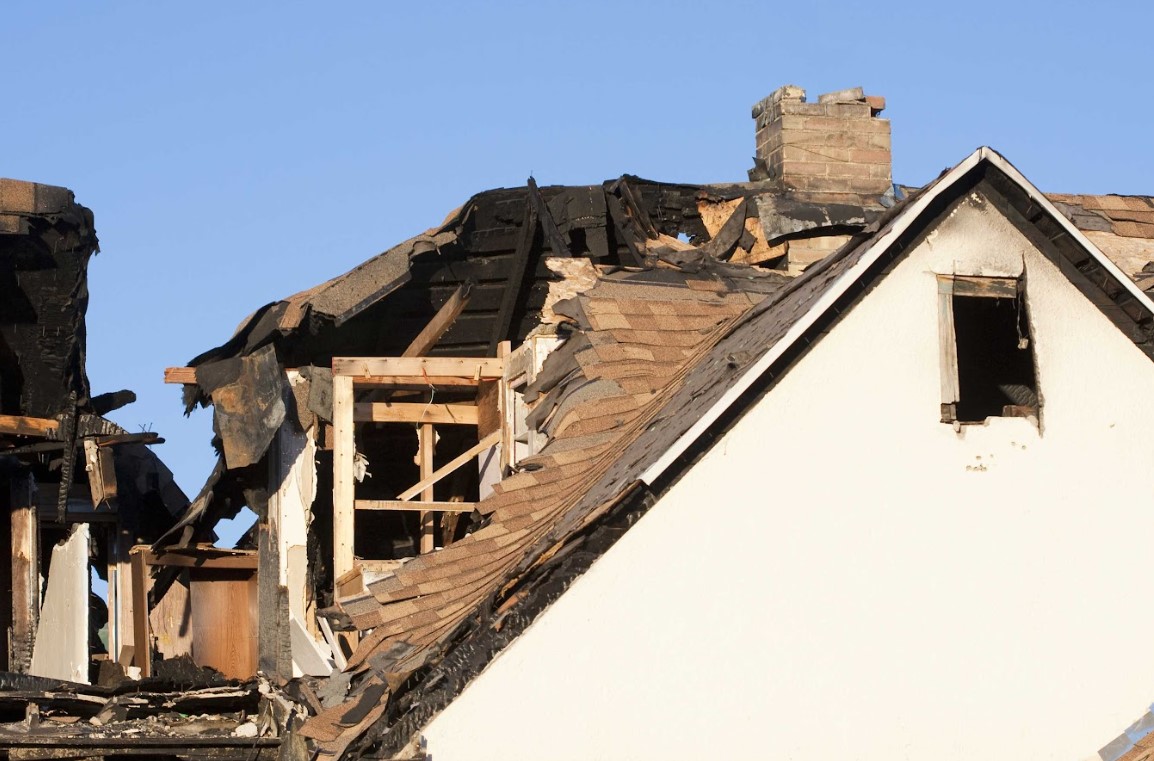
Living in Joliet means experiencing the full range of Midwest weather. Strong winds roll across Will County, hailstorms arrive with little warning, and heavy rain can test even a well-built roofing system. Over time, those conditions can lead to roof damage that isn’t always obvious from the ground. When that happens, knowing how to properly file a roof damage insurance claim will help you protect your home, your finances, and your peace of mind.
At Great Roofing, we’ve worked with homeowners throughout Joliet for generations. We understand both the roofing challenges in this area and the insurance claim process that follows storm damage. Filing a claim doesn’t have to feel overwhelming. With the right steps and steady guidance, it can be handled clearly and correctly.
Here is a practical, step-by-step guide to help you navigate the process.
Step 1: Schedule a Professional Roof Inspection
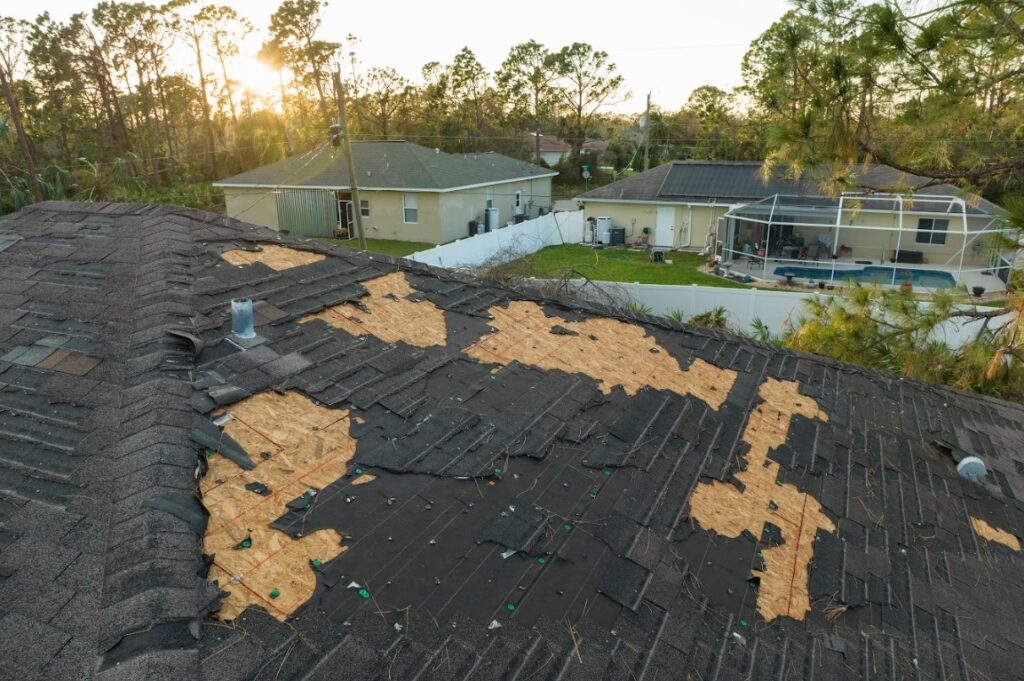
After a significant storm involving hail, high winds, or debris, the first step is a professional inspection. Even if you don’t see visible leaks, damage such as lifted shingles, granule loss, or punctures may still be present.
Avoid climbing onto your roof yourself. Not only is it unsafe, but unintentional damage can complicate a future claim. A licensed roofing contractor can safely assess your roof and identify:
- Hail impact marks
- Missing or lifted shingles
- Damaged flashing
- Compromised low-slope roofing areas
- Wind damage or debris impact
At Great Roofing, we provide complimentary estimates and detailed inspections so homeowners understand exactly what condition their roof is in before moving forward.
Step 2: Document the Damage
Proper documentation is essential when filing a roof insurance claim. Your roofing contractor will typically provide:
- Photographs of visible damage
- A written assessment
- Measurements and scope of affected areas
This documentation supports your claim and gives your insurance adjuster clear evidence of the damage.
If safe to do so, you can also take ground-level photos of fallen shingles, siding damage, dented gutters, or interior water staining. The more organized your documentation, the smoother the process tends to be.
Step 3: Review Your Insurance Policy
Before contacting your insurance provider, take time to look over your homeowner’s insurance policy. Look for:
- Your deductible amount
- Coverage for wind, hail, or storm-related events
- Replacement cost vs. actual cash value coverage
Understanding your policy helps set expectations. For example, replacement cost coverage typically reimburses you for the cost to replace the damaged portion of your roof, while actual cash value policies factor in depreciation.
If you’re unsure about policy language, your insurance agent can clarify what is and is not covered.
Step 4: File the Claim Promptly
Once damage is confirmed and you’ve reviewed your policy, get in touch with your insurance company to initiate the claim. Most insurers allow you to file:
- Online
- By phone
- Through a mobile app
You’ll be assigned a claim number and an adjuster who will inspect the property.
It’s important to file in a timely manner after the storm event. Waiting too long could complicate the process or raise questions about when the damage occurred.
Step 5: Meet with the Insurance Adjuster
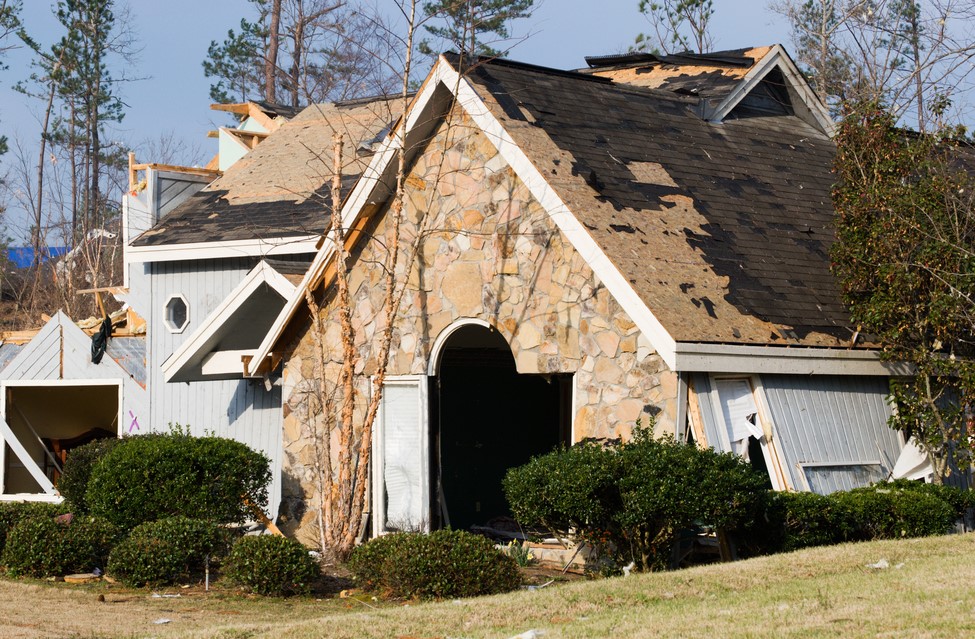
Your insurance company will schedule an inspection with its adjuster. Having your roofing contractor present during this visit can be beneficial. A knowledgeable contractor can:
- Point out specific areas of storm-related damage
- Clarify roofing materials used (such as architectural shingles or impact-resistant shingles)
- Ensure all affected components are noted
The goal is not confrontation, but clarity. Open communication helps ensure that nothing important is overlooked.
Step 6: Review the Insurance Estimate
After the adjuster’s inspection, your insurance company will provide an estimate outlining:
- Approved scope of work
- Settlement amount
- Deductible responsibility
- Depreciation details (if applicable)
Review this estimate carefully with your contractor. Sometimes supplemental documentation may be needed if additional damage is discovered during the repair process. That’s a normal part of many claims and can be addressed through proper channels.
At Great Roofing, we work directly with insurance companies to help streamline this step. Our goal is transparency and making sure the approved scope reflects the true condition of your roof.
Step 7: Schedule Repairs or Replacement
Once your claim is approved, repairs or replacement can begin. In Joliet, roofing systems commonly include:
- Architectural and premium asphalt shingles
- Impact-resistant shingles
- Granulated modified bitumen for low-slope roofing
- Seamless gutters and gutter guards
- Vinyl, wood, or LP SmartSide siding
If emergency roof repairs or tarping are needed to prevent further damage, those can often be addressed earlier in the process to protect your home.
Throughout the project, clear communication is essential. You should always understand the timeline, materials being used, and next steps.
Step 8: Final Payment and Claim Closure
After work is completed and inspected, the final documentation is submitted to the insurance company. If depreciation was withheld, the final payment is typically released once proof of completed repairs is provided.
Keep all paperwork, invoices, and communication records for your files. Organized documentation ensures everything is properly closed out.
A Steady Partner Through the Process
Filing a roof damage insurance claim in Joliet doesn’t need to feel complicated. With experienced guidance, clear documentation, and steady communication, the process becomes manageable.
Great Roofing is a family-owned and operated company built on generations of experience. We’ve seen the effects of Illinois storms year after year, and we understand what it takes to restore a home properly. From emergency roof repairs and hail damage to wind and tornado-related claims, we approach every project with integrity, transparency, and attention to detail.
If you suspect roof damage or simply want peace of mind after a recent storm, we invite you to schedule a complimentary inspection. Our team will walk you through each step of the process and answer any questions that you may have.