

Protecting your property from water damage starts at the roofline. Gutter installation services play a critical role in directing rainwater away from your foundation, preventing basement flooding, soil erosion, and structural deterioration. For homeowners and business owners throughout the Joliet area, understanding how professional gutter systems work and what to expect during installation ensures you make informed decisions about this essential component of your building's exterior envelope.
Understanding the Purpose of Professional Gutter Systems
Gutters serve as the first line of defense against water infiltration. Every square foot of roof surface collects rainwater that must be channeled away from the building's perimeter. Without properly installed gutters, water cascades directly off the roof edge, saturating the soil adjacent to your foundation and potentially causing settlement issues, basement moisture problems, and landscape damage.
The EPA recognizes roof runoff as a significant contributor to urban stormwater systems, making proper water management both a property protection strategy and an environmental responsibility.
How Gutters Integrate with Building Envelope Design
Modern gutter installation services extend beyond simple water collection. Professional systems integrate with your roof's edge protection, fascia boards, and overall drainage plane strategy. The gutter must attach securely without compromising the roof's waterproof barrier while maintaining proper slope to ensure water flows toward downspouts.
Key integration points include:
- Drip edge flashing that directs water into the gutter channel
- Fascia board attachment that supports the system's weight when full
- Roof shingle overhang specifications that prevent water from bypassing the gutter
- Downspout placement that considers foundation drainage systems
Quality contractors coordinate these elements during both new construction and retrofit installations to create a cohesive water management system.
Material Selection for Gutter Installation Services
Choosing the right gutter material impacts both performance and longevity. Each material offers distinct advantages depending on your building type, budget, and aesthetic preferences.
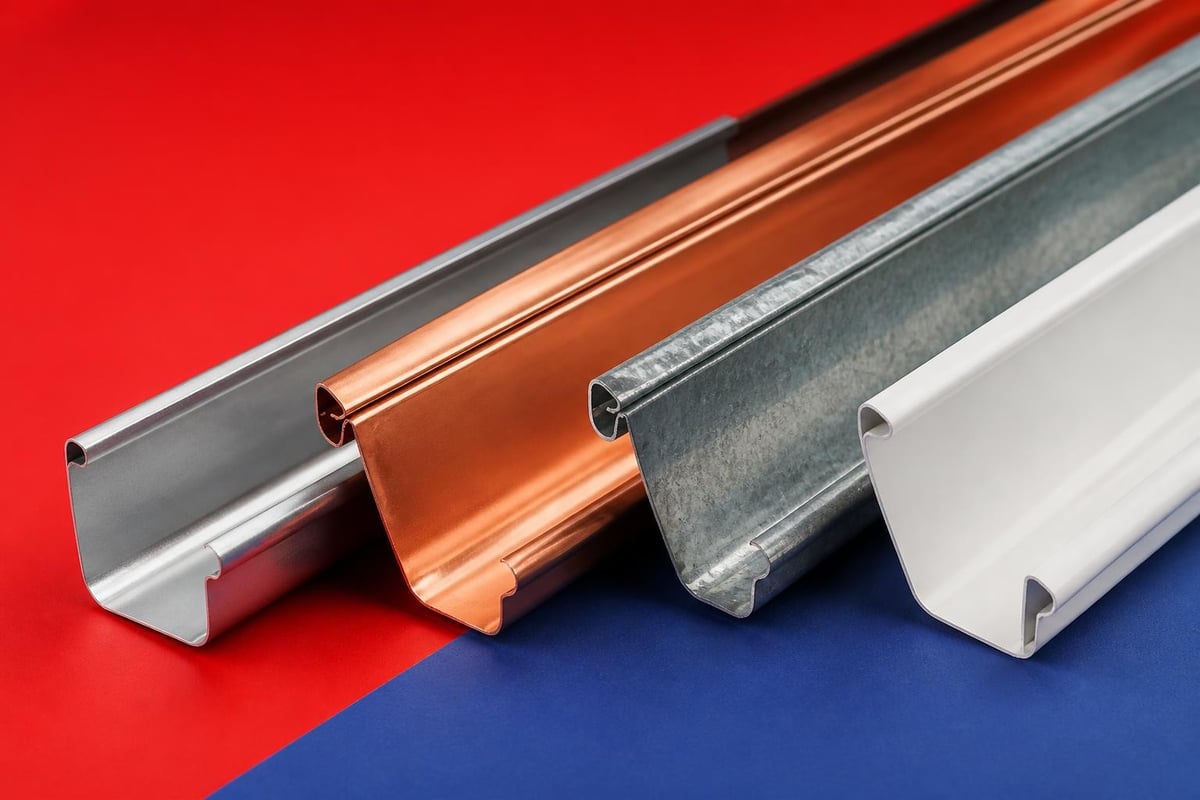
| Material | Lifespan | Cost Range | Best Applications |
|---|---|---|---|
| Aluminum | 20-25 years | $$ | Residential, light commercial |
| Copper | 50+ years | $$$$ | Historic homes, premium installations |
| Steel | 20-30 years | $$$ | Commercial, high-durability needs |
| Vinyl | 10-15 years | $ | Budget residential projects |
Aluminum Gutter Systems
Aluminum dominates the residential market because it resists rust, accepts paint finishes, and offers an excellent strength-to-weight ratio. Professional gutter installation services typically recommend .032-inch thickness for standard applications and .040-inch for areas experiencing heavy snow loads or where longer runs require additional structural capacity.
Seamless aluminum gutters, formed on-site to your exact measurements, eliminate joints where leaks commonly develop. This approach has become the industry standard for quality installations.
Copper and Specialty Materials
Copper gutters develop a distinctive patina over time and require no painting or coating. They represent a premium investment suited to historic properties or homeowners seeking a distinctive appearance. Steel gutters, particularly galvanized or Galvalume-coated options, provide superior strength for commercial applications or regions with extreme weather conditions.
The Professional Installation Process
Professional gutter installation services follow systematic procedures to ensure proper function and longevity. Understanding these steps helps property owners recognize quality workmanship and realistic project timelines.
Planning and Measurement Phase
Experienced contractors begin with comprehensive measurements of your roofline, calculating total linear footage and identifying downspout locations. They assess roof pitch, fascia condition, and any obstacles like electrical service drops or architectural features that affect gutter routing.
Proper pitch calculation is critical. Gutters typically slope 1/4 inch per 10 feet of run toward downspouts, ensuring water doesn't pool while maintaining an aesthetically level appearance. Professional installation guides emphasize the importance of precise pitch calculations to prevent standing water and premature system failure.
Fascia Preparation and Repair
Before mounting brackets, quality contractors inspect fascia boards for rot, insect damage, or structural deficiencies. Damaged fascia cannot support a gutter system's weight, especially when filled with water and debris. Repairs or replacements address these issues before installation proceeds.
The mounting sequence typically includes:
- Marking level reference lines along the fascia
- Installing end caps and outlet fittings first
- Positioning hidden hangers or fascia brackets every 24-36 inches
- Securing the gutter to brackets while maintaining proper slope
- Connecting downspouts and elbows with appropriate fasteners
This systematic approach prevents alignment issues that compromise water flow and create stress points where leaks develop.
Sizing Gutters for Adequate Capacity
Undersized gutters overflow during heavy rainfall, defeating their purpose. Professional gutter installation services calculate capacity based on roof area, local rainfall intensity, and roof pitch.
Standard residential applications use 5-inch K-style or 6-inch half-round gutters. Commercial buildings or homes with steeply pitched roofs that concentrate water flow often require 6-inch or larger systems. Inspection standards for gutters and downspouts provide detailed sizing requirements that professionals reference during design.
Downspout Specifications
Downspouts must match gutter capacity. A 5-inch gutter typically pairs with 2×3-inch rectangular or 3-inch round downspouts, while 6-inch gutters require 3×4-inch or 4-inch round downspouts. Spacing depends on gutter run length and drainage area, but one downspout every 30-40 feet of gutter represents a common baseline.
Contractors position downspouts at building corners when possible, routing water away from foundation walls through extensions or underground drainage systems. Properties with finished basements benefit from extended drainage that carries water at least 10 feet from the foundation.
Gutter Guards and Protection Systems
Leaf guards and gutter screens reduce maintenance frequency by preventing debris accumulation. These accessories range from simple mesh screens to sophisticated solid-surface designs that use water surface tension to separate debris from water flow.
| Guard Type | Debris Blocking | Water Capacity | Maintenance |
|---|---|---|---|
| Mesh screens | Good | Excellent | Periodic cleaning |
| Solid surface | Excellent | Good | Minimal |
| Foam inserts | Fair | Good | Replacement needed |
| Brush guards | Fair | Excellent | Regular removal |
FORTIFIED construction guidance on leaf guards and gutters provides research-backed recommendations for properties in high-wind or wildfire-prone areas, where proper attachment and material selection affect both performance and insurance considerations.
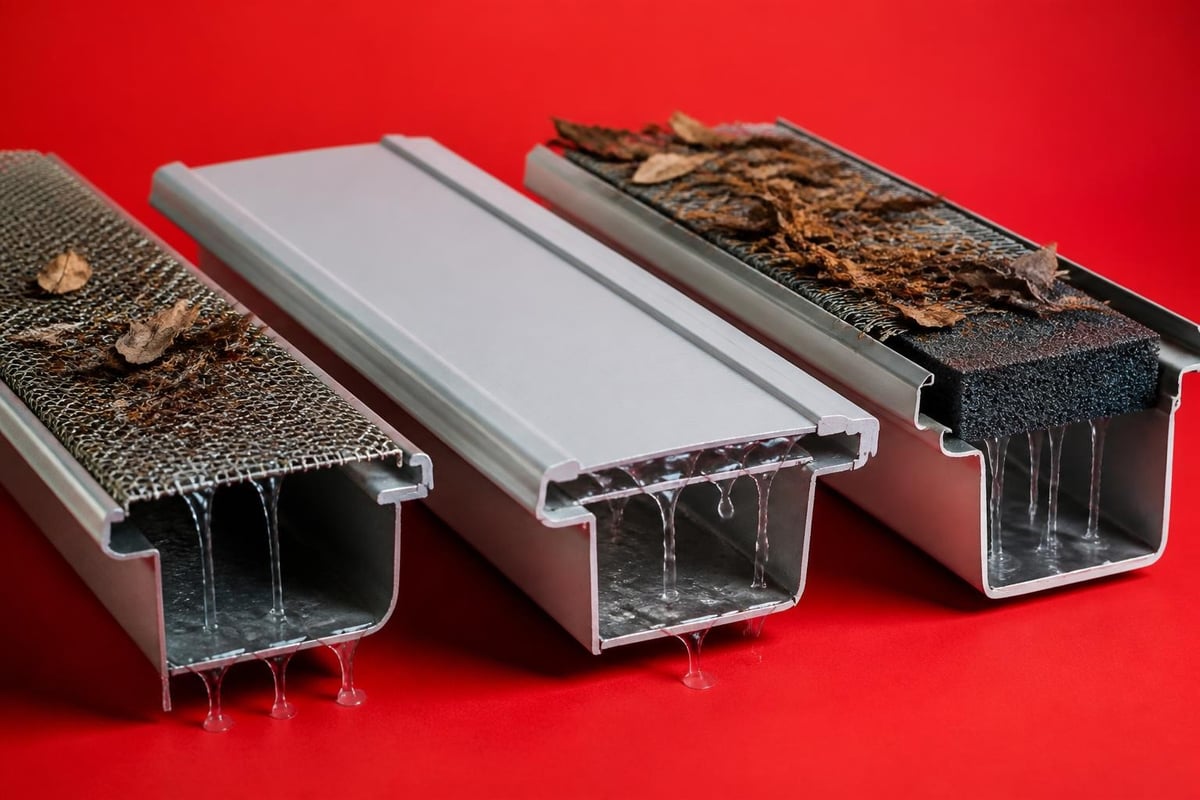
Professional installation services evaluate your surrounding landscape, nearby trees, and regional weather patterns to recommend appropriate protection systems. Properties surrounded by deciduous trees benefit most from comprehensive guards, while homes in open areas may need only basic screens.
Commercial Versus Residential Installation Considerations
Commercial gutter installation services address unique challenges compared to residential applications. Larger roof areas, modified bitumen or single-ply membrane systems, and parapet walls require specialized design approaches.
Commercial Gutter Design Requirements
Commercial buildings often incorporate internal or concealed gutter systems that aren't visible from ground level. These internal metal gutter systems demand meticulous waterproofing details and robust overflow protection to prevent interior water damage during extreme weather events.
Commercial installations typically include:
- Larger capacity box gutters or custom-fabricated systems
- Multiple overflow scuppers as backup drainage
- Expansion joints to accommodate thermal movement
- Corrosion-resistant coatings for extended service life
Great Roofing's experience with commercial modified bitumen systems ensures gutter installations integrate properly with low-slope roof membranes and edge metal systems.
Residential Installation Focus
Residential gutter installation services prioritize curb appeal alongside function. Color-matched gutters complement siding and trim, while custom corners eliminate unsightly joints. Seamless fabrication creates clean lines that enhance architectural details rather than detracting from them.
Homeowners investing in residential shingle installation benefit from coordinating gutter replacement during roofing projects, allowing contractors to integrate flashings and ensure proper water management from shingle edge to ground drainage.
Cost Factors and Investment Considerations
Gutter installation service pricing varies based on material selection, linear footage, architectural complexity, and regional labor rates. Understanding cost components helps property owners budget appropriately and compare proposals accurately.
Material and Labor Cost Breakdown
Standard aluminum gutter installation typically ranges from eight to fifteen dollars per linear foot installed, including downspouts and basic hardware. Premium materials like copper can exceed thirty dollars per linear foot, while budget vinyl systems may cost as little as four to six dollars installed.
Additional cost factors include:
- Fascia repair or replacement requirements
- Multi-story installation requiring specialized equipment
- Custom fabrication for architectural details
- Gutter guard or protection system integration
- Removal and disposal of existing gutters
Requesting itemized proposals allows direct comparison between contractors and helps identify where value differences exist.
Long-term Value Analysis
Quality gutter installation services represent a significant investment that protects more expensive building components. Preventing foundation damage, basement waterproofing issues, and landscape erosion typically costs far more than proactive gutter system installation.
Consider total cost of ownership over the system's expected lifespan. A premium copper installation might cost triple the price of aluminum initially but last twice as long with virtually no maintenance, potentially representing better long-term value for permanent homeowners.

Selecting Qualified Installation Contractors
Professional gutter installation requires specific expertise beyond general handyman capabilities. Evaluating contractor qualifications ensures your investment delivers expected performance and longevity.
Credentials and Experience Verification
Look for contractors with comprehensive exterior experience, not specialists who only install gutters. Companies like Great Roofing that provide roofing construction services understand how gutters integrate with overall building envelope systems and can identify potential issues other specialists might miss.
Essential qualifications include:
- Valid licensing and insurance coverage
- Worker's compensation insurance for employee protection
- References from recent similar projects
- Manufacturer certifications for specialty products
- Local building code knowledge and permit compliance
Request proof of insurance before allowing work to begin. Verify coverage amounts meet your property value and local requirements.
Warranty and Service Commitment
Reputable gutter installation services provide written warranties covering both materials and workmanship. Material warranties typically come from manufacturers and range from 20 years to lifetime coverage depending on the product. Workmanship warranties from the installer should cover at minimum two to five years and address installation-related failures like improper pitch or inadequate fastening.
Understand what the warranty covers and what maintenance the property owner must perform to keep coverage valid. Most warranties require annual cleaning and inspection to remain effective.
Maintenance Requirements After Installation
Even professionally installed gutters require regular maintenance to function properly. Establishing a maintenance schedule prevents premature system failure and protects your investment.
Seasonal Inspection and Cleaning Schedule
Spring and fall cleaning removes accumulated debris before heavy rain seasons. Properties with significant tree coverage may require quarterly or even monthly attention during leaf-drop periods.
Maintenance tasks include:
- Removing leaves, pine needles, and organic debris
- Flushing downspouts to ensure unobstructed flow
- Checking for loose fasteners or separated joints
- Inspecting for rust spots or coating damage
- Verifying proper slope and alignment
Many gutter installation services offer ongoing maintenance contracts that handle these tasks professionally, particularly valuable for multi-story buildings where homeowner access poses safety concerns.
Identifying Problems Early
Regular inspections catch small issues before they become expensive problems. Look for water stains on fascia boards indicating overflow, separated gutter sections suggesting inadequate support, or sagging areas where hangers have failed.
Professional contractors can often make minor repairs during routine maintenance visits, extending system life significantly. Understanding common gutter defects and inspection points helps property owners recognize when professional intervention is needed.
Regional Considerations for Joliet-Area Properties
Local climate and building characteristics influence gutter system design and material selection. The Joliet region experiences freeze-thaw cycles, significant snowfall, and periodic heavy rainfall events that stress gutter systems.
Winter Weather Performance
Ice dams form when heat loss through the roof melts snow, which refreezes at the cold roof edge and gutter. Proper attic insulation and ventilation address root causes, but gutter design also plays a role. Larger gutters and additional hangers prevent collapse under ice and snow loads.
Some property owners install heat cables in gutters and downspouts to maintain water flow during freezing conditions. While effective, these systems add operational costs and complexity that require consideration during planning.
Storm Water Management
Properties throughout the region must manage substantial water volumes during spring storms and summer downpours. Adequate gutter capacity paired with proper grading ensures water moves away from structures rather than pooling near foundations.
Great Roofing's local experience, including Aurora roofing contractor projects, provides insight into regional weather patterns and building characteristics that affect gutter system performance across different municipalities and neighborhoods.
Integration with Roofing Replacement Projects
Coordinating gutter installation services with roofing replacement offers several advantages. Contractors can properly integrate new flashings, ensure shingle overhangs meet specifications, and avoid damage to new gutters during roofing work.
Timing Considerations
Installing gutters before roof replacement risks damage from material staging, tear-off debris, and worker traffic. Conversely, delaying gutter installation after roofing completion leaves the property vulnerable to water damage during the interim period.
The optimal sequence involves removing old gutters before roofing work begins, then installing new gutters as the final step after all roofing and fascia work is complete. This approach protects new gutters while ensuring proper integration with roof edge details.
When addressing roof damage from storms, evaluate whether existing gutters sustained impact damage or show age-related deterioration. Insurance claims sometimes cover gutter replacement when storm damage affects the complete water management system.
Professional gutter installation services protect your property investment by managing roof runoff effectively and preventing costly water damage to foundations, basements, and landscaping. Selecting appropriate materials, ensuring proper sizing and pitch, and working with experienced contractors who understand building envelope integration creates systems that perform reliably for decades. Great Roofing brings family-owned dedication and comprehensive exterior expertise to every gutter installation project throughout the Joliet area, ensuring your property receives the protection it deserves with quality craftsmanship backed by local experience.