



Finding reliable gutter installers near me has become increasingly important as homeowners recognize that properly functioning gutters protect foundations, prevent erosion, and maintain property value. With the average gutter replacement costing between $1,200 and $2,800 in 2026, choosing the right contractor requires understanding materials, sizing calculations, installation standards, and verification processes. This comprehensive guide walks you through every step of locating, vetting, and hiring qualified gutter professionals in your area.
Understanding Gutter System Components and Materials
Before searching for gutter installers near me, homeowners should understand the basic components that comprise a complete system. A properly designed installation includes gutters, downspouts, hangers, end caps, corners, and often gutter guards or screens.
Material choices significantly impact both performance and cost:
- Aluminum (most common, rust-resistant, available in seamless configurations)
- Copper (premium option, develops patina, 50+ year lifespan)
- Vinyl (budget-friendly, prone to cracking in extreme temperatures)
- Steel (durable but requires regular maintenance to prevent rust)
- Zinc (European-style, extremely long-lasting, higher initial cost)
Seamless gutters have become the industry standard for residential installations because they eliminate leak-prone seams and offer cleaner aesthetics. Most professional installers fabricate seamless gutters on-site using specialized equipment that forms continuous sections up to 50 feet long.
Gutter Profiles and Capacity Considerations
The profile shape affects both water-handling capacity and aesthetic appeal. K-style gutters dominate the residential market because their decorative face resembles crown molding while providing excellent capacity. Half-round gutters offer a traditional appearance popular in historic restoration but require more frequent cleaning due to their open design.
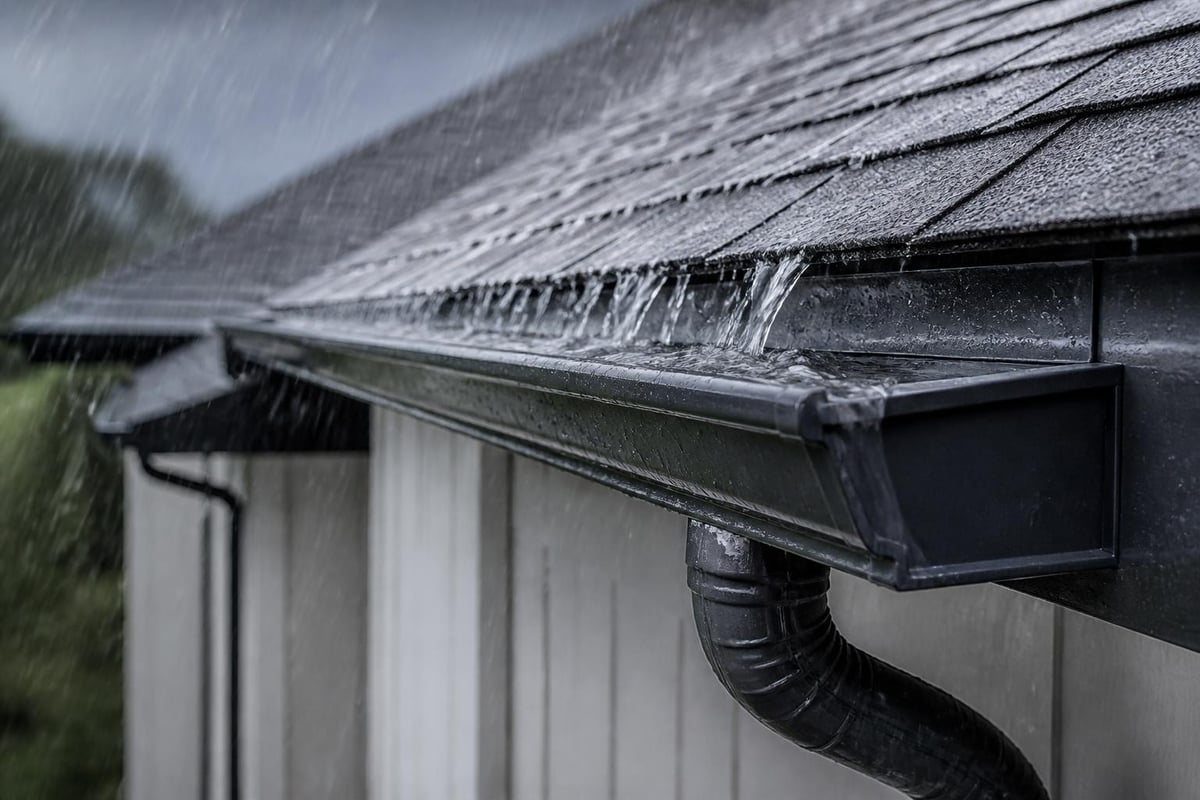
Proper sizing prevents overflow during heavy rainfall events. The Sheet Metal and Air Conditioning Contractors’ National Association provides standardized sizing calculations based on roof area, pitch, and local rainfall intensity. A qualified contractor should calculate your specific requirements rather than defaulting to standard 5-inch or 6-inch gutters.
| Roof Area | Rainfall Intensity | Minimum Gutter Size | Downspout Size |
|---|---|---|---|
| Up to 800 sq ft | Low (4"/hr) | 5-inch | 2×3 inch |
| 800-1,400 sq ft | Moderate (6"/hr) | 5-inch | 3×4 inch |
| 1,400-2,200 sq ft | Moderate (6"/hr) | 6-inch | 3×4 inch |
| Over 2,200 sq ft | High (8"/hr) | 6-inch or custom | 4×5 inch |
How to Search for Qualified Gutter Installers Near Me
The search process should begin 4-6 weeks before your desired installation date to allow time for proper vetting and scheduling. Start by compiling a list of at least five contractors through multiple channels.
Effective search methods include:
- Referrals from neighbors who recently completed gutter work
- Recommendations from your roofing contractor or home inspector
- Local building supply yards that serve professional installers
- State contractor licensing boards with verified credentials
- Professional associations like the National Roofing Contractors Association
When residential roofing projects are underway, coordinating gutter installation makes practical sense since contractors already have roof access and can ensure proper integration between roofing and drainage systems.
Red Flags During Initial Contact
Pay attention to warning signs during your first interactions with potential gutter installers near me. Contractors who refuse to provide proof of insurance, pressure you to sign immediately, or require large upfront deposits warrant scrutiny. The Federal Trade Commission offers guidance on hiring contractors that emphasizes verification before commitment.
Professional installers should offer free on-site estimates that include detailed measurements, material specifications, and itemized pricing. Avoid contractors who provide quotes over the phone without inspecting your property, as accurate estimates require assessing roof edge conditions, fascia integrity, and existing drainage patterns.
Essential Credentials and Verification Steps
Thorough vetting protects homeowners from substandard work and potential liability. Never hire gutter installers near me without verifying their credentials through official channels rather than relying solely on documents they provide.
Required Documentation Checklist
- General liability insurance (minimum $1 million coverage, verified directly with insurer)
- Workers' compensation insurance (protects homeowners from injury claims)
- State contractor license (where required, confirmed through licensing board)
- Business registration (LLC or corporation in good standing)
- References from projects completed within the past 12 months
Call insurance companies directly using contact information from state insurance department records, not phone numbers on certificates the contractor provides. This simple step prevents falling victim to fraudulent insurance documents.
When working with a company that handles both roofing gutters and other exterior services, verify their experience specifically with gutter installation rather than assuming general roofing expertise translates to drainage systems.

Understanding Local Code Requirements
Municipal building codes govern gutter installation in many jurisdictions, particularly regarding downspout discharge and stormwater management. Professional installers should be familiar with local requirements and obtain necessary permits. University extension guidance on roof runoff structures emphasizes how gutters integrate with whole-house water management strategies.
Evaluating Estimates and Understanding Pricing
Once you've verified credentials for several gutter installers near me, compare detailed written estimates. Pricing varies significantly based on materials, linear footage, stories, and installation complexity.
2026 average pricing ranges (materials and labor):
- Vinyl gutters: $3-$7 per linear foot
- Aluminum seamless gutters: $8-$14 per linear foot
- Steel gutters: $9-$16 per linear foot
- Copper gutters: $25-$45 per linear foot
Additional costs include gutter guards ($7-$25 per linear foot), fascia repairs ($8-$20 per linear foot), and soffit work ($6-$18 per linear foot). Since roofing fascia must be sound before gutter installation, comprehensive estimates should include inspection and repair of these supporting structures.
Breaking Down Estimate Components
Detailed estimates separate materials, labor, disposal, and additional services. This transparency allows apples-to-apples comparison and helps identify contractors padding specific line items.
| Estimate Component | Typical Percentage | What to Verify |
|---|---|---|
| Materials | 35-45% | Specific brands, gauges, warranties |
| Labor | 40-50% | Crew size, timeframe, supervision |
| Removal/disposal | 5-10% | Old gutter handling, cleanup protocols |
| Permits/admin | 5-10% | Actual permit costs, insurance |
Unusually low bids often indicate shortcuts in materials, improper pitch calculations, or inadequate fastening. When considering gutters replacement, remember that proper installation matters more than minor price differences.
Installation Quality Standards and Best Practices
Understanding what constitutes proper installation helps homeowners recognize quality work and spot deficiencies during project walkthroughs. Professional gutter installers near me should follow industry standards for pitch, fastening, and integration with existing structures.
Critical Installation Elements
Proper pitch ensures water flows toward downspouts without pooling. The standard is 1/4 inch decline per 10 feet of gutter run, though longer runs may require 1/2 inch per 10 feet. Contractors should use laser levels or string lines to establish consistent slope.
Hanger spacing affects long-term performance dramatically. In areas with snow load, hangers should be placed every 18-24 inches. Southern regions may extend spacing to 24-30 inches for aluminum gutters. Hidden hangers provide cleaner aesthetics than spike-and-ferrule systems while offering superior holding strength.
Downspout placement follows building science guidance on foundation protection, with discharge points directing water at least 4-6 feet from foundations. Extensions, splash blocks, or underground drainage prevent erosion and basement moisture problems.
The home inspection perspective on gutters reveals common defects including improper pitch, inadequate fastening, missing end caps, and incorrect downspout sizing that inspectors flag during property evaluations.
Integration with Roofing Systems
Gutters must coordinate with roof edge details including drip edge, ice and water shield, and roofing soffit ventilation. The drip edge should extend into the gutter by 1-2 inches to direct water properly while preventing ice dam backup.
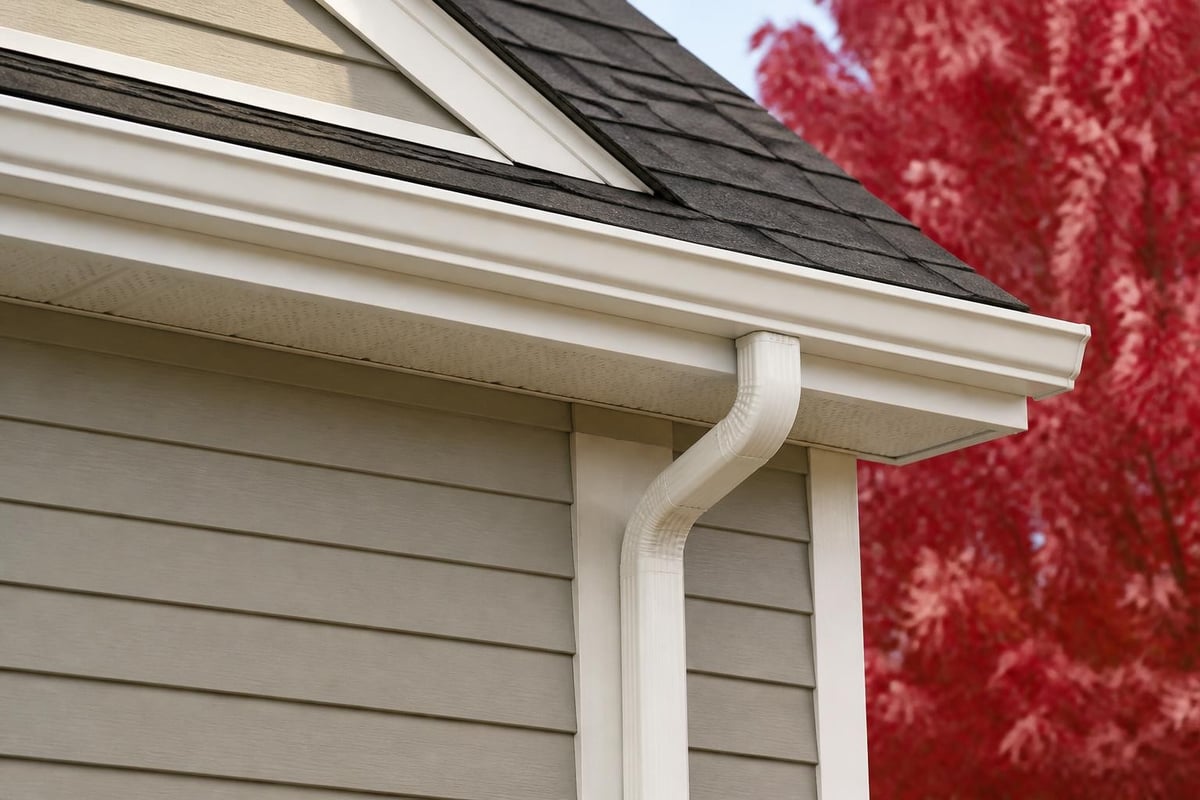
When searching for gutter installers near me who also handle roofing, coordination between trades becomes simpler. Companies familiar with both systems ensure compatible materials and proper sequencing.
Gutter Guard and Protection Systems
Many contractors offer gutter guards as add-ons during installation. While guards reduce cleaning frequency, homeowners should understand their limitations and potential drawbacks before committing.
Common gutter guard types:
- Screen guards – Inexpensive, easy to install, block large debris but allow small particles
- Reverse-curve guards – Use surface tension, expensive, may cause overshoot in heavy rain
- Foam inserts – Budget option, trap small debris, require periodic replacement
- Micro-mesh guards – Fine screen blocks nearly everything, premium pricing, best performance
- Brush guards – Cylindrical bristles, moderate cost, debris collects in bristles
Research indicates gutter guards may create unintended consequences. A peer-reviewed study on gutter guards and mosquito production found certain designs trap moisture and organic matter that provides mosquito breeding habitat, an important consideration in areas where West Nile virus poses public health risks.
Professional opinions among gutter installers near me vary significantly regarding guard recommendations. Some contractors refuse to install certain types based on long-term performance concerns, while others promote guards aggressively. Ask for specific examples of guard installations they completed 5-10 years ago and whether customers remain satisfied.
Understanding Gutter Sizing and Capacity Calculations
Proper sizing prevents the most common gutter failure: overflow during heavy rainfall. Yet many contractors default to standard sizes without calculating actual requirements based on your roof's characteristics and local weather patterns.
The calculation requires three key inputs: roof area (length × width adjusted for pitch), local rainfall intensity (available from weather data), and roof pitch factor. Technical guidance on gutter sizing standards explains how these variables interact to determine minimum gutter and downspout dimensions.
Rainfall Intensity Zones
The National Weather Service divides the United States into rainfall intensity zones based on maximum expected hourly precipitation. Illinois, including the Joliet area, falls into a moderate-to-high intensity zone where 6-8 inches per hour can occur during severe thunderstorms.
Qualified gutter installers near me should reference local data rather than using national averages. A gutter system sized for Phoenix will fail spectacularly in Chicago during summer storms.
Pitch adjustment factors for roof area calculations:
- Flat to 3:12 pitch: multiply length × width × 1.0
- 4:12 to 6:12 pitch: multiply length × width × 1.1
- 7:12 to 9:12 pitch: multiply length × width × 1.2
- 10:12 to 12:12 pitch: multiply length × width × 1.3
- Over 12:12 pitch: multiply length × width × 1.4
Contract Elements and Payment Terms
Never begin work without a comprehensive written contract that protects both parties. Professional gutter installers near me should provide contracts covering scope, timeline, payment schedule, warranties, and dispute resolution.
Essential contract provisions include:
- Complete scope of work with specific materials, brands, and colors
- Start and completion dates with weather contingency language
- Total price broken down by components
- Payment schedule (avoid paying more than 10% upfront)
- Warranty terms for materials and workmanship
- Permit responsibility and code compliance statements
- Cleanup and disposal procedures
- Change order process with pricing method
- Lien waiver requirements for subcontractors and suppliers
Payment terms reveal contractor financial stability. Companies demanding 50% or more upfront often face cash flow problems or plan to use your deposit for previous projects. Standard practice involves small deposits (10-15%), progress payments tied to completion milestones, and final payment upon satisfactory inspection.
For homeowners coordinating multiple exterior projects, working with contractors who handle waterproofing services alongside gutter installation ensures comprehensive moisture management strategies.
Warranty Coverage and Long-Term Support
Warranty terms separate quality contractors from fly-by-night operators. When comparing gutter installers near me, evaluate both manufacturer warranties on materials and installer warranties on workmanship.
Material Warranties
Manufacturer warranties typically cover defects in materials for 20-50 years depending on the product line. However, these warranties contain numerous exclusions and often become prorated after initial periods. Aluminum gutters may carry lifetime warranties against rust-through but only 20-year finish warranties.
Copper gutters rarely carry formal warranties because the material itself provides inherent longevity when properly installed. The patina development is natural and expected rather than a defect.
Workmanship Warranties
Installation workmanship warranties from contractors should cover a minimum of 2-5 years for labor and installation defects. Premium installers offer 10-year workmanship guarantees, demonstrating confidence in their crews' expertise.
Warranty claims require the contractor to remain in business, emphasizing the importance of choosing established companies over new startups or individual operators. Verify business longevity through state records and check for customer complaints through Better Business Bureau reports and state attorney general databases.
Post-Installation Maintenance Requirements
Even professionally installed gutters require periodic maintenance to function properly. Educate yourself on maintenance needs before searching for gutter installers near me, as some systems demand more attention than others.
Seasonal Maintenance Tasks
Spring maintenance (April-May):
- Remove debris accumulated during winter
- Check for frost damage or loose fasteners
- Verify downspout discharge points direct water away from foundations
- Inspect for settling that affects pitch
Fall maintenance (October-November):
- Clean leaves before first freeze
- Verify all hangers remain secure
- Check corner miters for separation
- Ensure downspouts remain clear
After severe weather:
- Inspect for storm damage
- Remove heavy snow loads if applicable
- Check for ice dam damage in winter
- Verify no sections pulled away from fascia
Professional cleaning services charge $75-$250 depending on home size and story count. Some homeowners prefer annual service contracts with the same contractors who performed installation, ensuring familiarity with the specific system.
Similar to how leaky roof repair near me searches help homeowners find quick solutions to urgent problems, establishing relationships with local contractors creates resources for both routine maintenance and emergency repairs.
Questions to Ask During Contractor Interviews
Prepared questions help differentiate experienced professionals from general handymen attempting gutter work. When meeting with gutter installers near me, use these questions to assess expertise and approach.
Technical capability questions:
- How do you calculate proper gutter sizing for my specific roof?
- What pitch do you use and how do you establish it?
- Which hanger type do you install and at what spacing?
- How do you integrate gutters with existing drip edge and ice barriers?
- What gauge aluminum do you use for seamless gutters?
Business practice questions:
- How long have you been installing gutters specifically?
- Can you provide references from projects completed in the past six months?
- Who will supervise the installation crew?
- What happens if weather delays the project?
- How do you handle unexpected fascia rot discovered during installation?
Warranty and support questions:
- What does your workmanship warranty cover and for how long?
- Are warranty repairs performed by the same crew that did the installation?
- Do you offer maintenance services or annual inspections?
- How quickly do you respond to service calls for warranty issues?
- What happens to my warranty if you sell the business or retire?
Contractors who provide thoughtful, detailed answers demonstrate professionalism. Those who seem irritated by questions or provide vague responses should raise concerns.
Finding qualified gutter installers near me requires diligent research, credential verification, and understanding of proper installation standards. By following the guidelines in this comprehensive resource, homeowners can confidently select contractors who will protect their property investment through expertly designed and installed gutter systems. Great Roofing brings decades of family-owned expertise to every exterior project in the Joliet area, combining quality craftsmanship with transparent pricing and comprehensive warranties that homeowners deserve.