

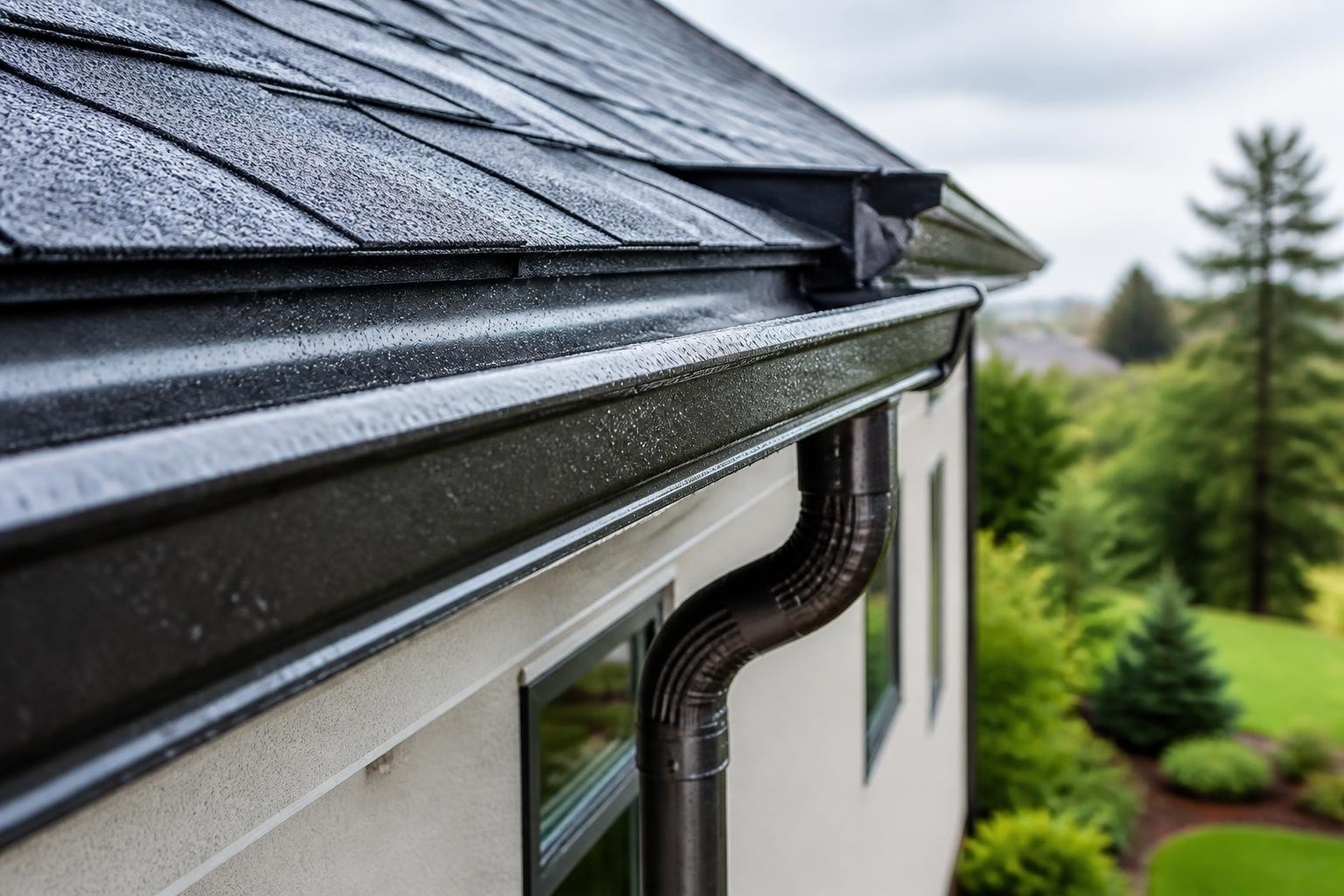
The relationship between gutters and roof systems represents one of the most critical aspects of home protection. These two components work in tandem to channel water away from your property, preventing costly damage to foundations, siding, and landscaping. For homeowners in Joliet and surrounding areas, understanding how these systems function together is essential for maintaining property value and avoiding expensive repairs. Whether you're planning a new installation, considering upgrades, or simply maintaining your existing system, knowing the fundamentals of how gutters and roof components interact will help you make informed decisions about your home's exterior.
Understanding the Integrated System
Your gutters and roof form a comprehensive water management system designed to handle thousands of gallons of water annually. The roof collects precipitation and directs it toward the edges, where gutters catch and channel the water to downspouts. This seemingly simple process requires precise engineering and proper installation to function effectively.
The average residential roof can collect over 600 gallons of water during a single inch of rainfall. Without properly functioning gutters, this water cascades directly off the roof edge, saturating soil near your foundation and potentially causing basement flooding, foundation cracks, and landscape erosion.
Critical Components of Roof Drainage
The effectiveness of your gutters and roof system depends on several key elements working together:
- Roof pitch and slope: Determines water flow speed and volume
- Gutter size and capacity: Must match your roof's square footage
- Downspout placement: Strategic positioning for optimal drainage
- Fascia board condition: Provides the mounting surface for gutters
- Roof edge protection: Prevents water from backing up under shingles
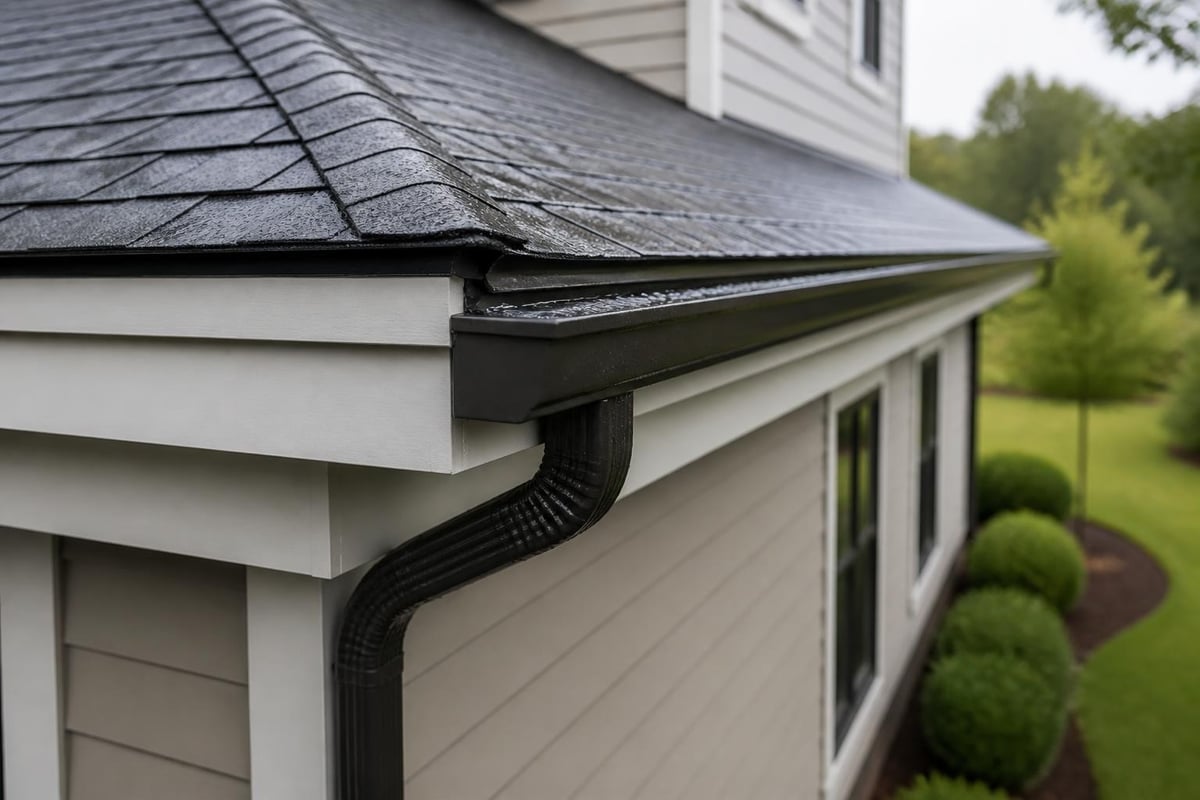
The engineering considerations involved in proper gutter installation ensure that water moves efficiently across the roof surface and into the drainage system. According to professional installation guidelines, understanding water movement patterns across different roof types is essential for creating an effective drainage solution.
Material Selection for Longevity
Choosing the right materials for your gutters and roof requires balancing durability, cost, and aesthetic considerations. The materials you select will directly impact system performance and maintenance requirements for decades.
| Material | Lifespan | Best For | Maintenance Level |
|---|---|---|---|
| Aluminum gutters | 20-25 years | Most residential applications | Low |
| Copper gutters | 50+ years | Premium homes, historic properties | Very low |
| Vinyl gutters | 10-15 years | Budget-conscious projects | Moderate |
| Steel gutters | 20-30 years | Heavy rainfall areas | Moderate-high |
Seamless gutters have become the industry standard for residential installations. Professional seamless gutter systems use heavy gauge aluminum formed on-site to create continuous runs without joints, significantly reducing leak potential and improving appearance.
Matching Gutters to Roofing Materials
The type of roofing material you have influences gutter selection and installation methods. Asphalt shingle roofs, the most common residential option, work well with standard aluminum gutter systems. If you're considering a roof replacement, exploring the cost of asphalt shingles can help you budget for coordinating your entire water management system.
Modified bitumen commercial roofs require different gutter configurations, often incorporating larger capacity systems to handle flat or low-slope drainage patterns. The relationship between roof type and gutter performance cannot be overstated.
Installation Best Practices
Proper installation of gutters and roof edge components requires technical expertise and attention to detail. Even premium materials will fail if installation procedures are not followed correctly.
Professional vs. DIY Considerations
While some homeowners explore DIY options, professional installation offers significant advantages:
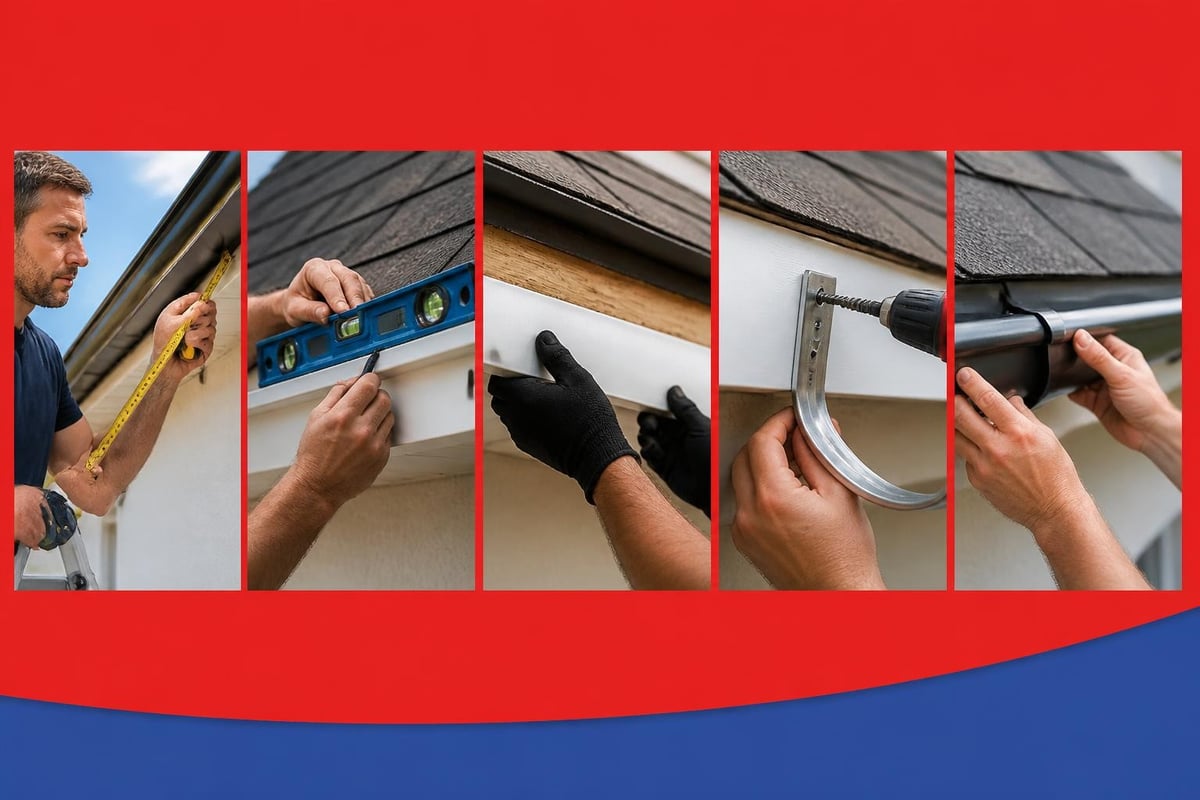
- Precise measurements and slope calculations ensure proper water flow
- Proper fascia attachment prevents future sagging or separation
- Correct hanger spacing maintains structural integrity
- Seamless fabrication reduces leak points
- Warranty protection covers both materials and workmanship
For those interested in the technical aspects, instructional resources demonstrate the complexity involved in proper gutter installation, including downspout placement and securing techniques.
Working with experienced roof installation companies ensures your gutters and roof are coordinated from the start, preventing compatibility issues and optimizing system performance.
Maintenance Requirements and Schedules
Regular maintenance keeps your gutters and roof functioning properly and extends their service life significantly. Neglecting routine care leads to premature failure and costly emergency repairs.
Seasonal maintenance schedules should account for your local environment. In the Midwest, spring and fall cleanings are essential, with additional inspections after major storms. Roof and gutter cleaning frequency depends on factors like tree coverage, climate conditions, and system age.
Essential Maintenance Tasks
- Clean debris from gutters and downspouts quarterly
- Inspect for loose hangers or sagging sections
- Check for proper drainage and standing water
- Examine roof edges for shingle damage or lifting
- Verify downspout extensions direct water away from foundation
- Look for rust, corrosion, or separation at seams
- Clear roof valleys of accumulated debris
Spring maintenance focuses on winter damage assessment and clearing accumulated debris. Fall preparation involves removing leaves before they decompose and create blockages. Summer inspections check for storm damage, while winter reviews identify ice dam risks.
Common Problems and Solutions
Understanding typical issues with gutters and roof systems helps homeowners identify problems early and prevent extensive damage.
Clogging and Overflow Issues
Clogged gutters represent the most frequent problem homeowners face. Leaves, twigs, and asphalt shingle granules accumulate in gutters, restricting water flow and causing overflow. This overflow defeats the entire purpose of the gutter system, allowing water to damage fascia boards, soffit, and foundation walls.
Gutter guards offer a partial solution but require careful selection. Some designs actually create additional problems by trapping small debris or forming ice dams in winter climates.
Roof Edge Damage
When gutters pull away from fascia boards or overflow repeatedly, water infiltrates behind the gutter system and damages the roof edge. This creates a cascade of problems:
- Fascia board rot weakens gutter attachment points
- Water seeps under shingle edges causing deck deterioration
- Interior water damage develops in ceilings and walls
- Mold and mildew growth occurs in affected areas
Addressing roof leak repairs promptly prevents minor issues from becoming major renovation projects.
| Problem | Symptoms | Solution | Prevention |
|---|---|---|---|
| Sagging gutters | Visible drooping, standing water | Reinstall hangers, replace fascia | Regular inspections |
| Ice dams | Icicles, interior leaks | Improve attic insulation/ventilation | Proper roof ventilation |
| Downspout clogs | Overflow at specific points | Clear blockages, extend downspouts | Install leaf guards |
| Fascia rot | Soft or discolored boards | Replace damaged sections | Keep gutters clean |
Storm Damage Assessment
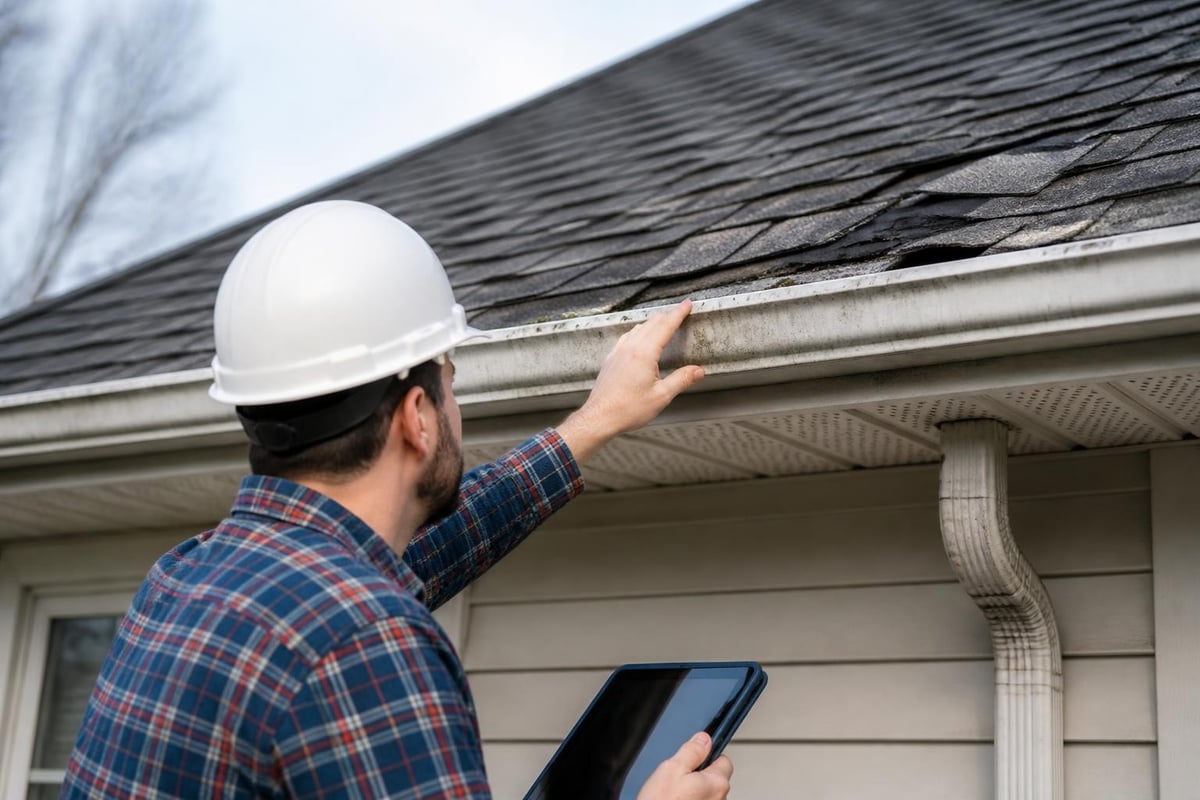
Severe weather events can compromise both gutters and roof systems simultaneously. After hailstorms, high winds, or heavy snow loads, thorough inspection is critical.
Hail damage often affects shingles and gutters differently. While hail damage on roof shingles may appear as bruising or granule loss, gutter damage shows as dents or deformation. Both types of damage require professional assessment to determine repair versus replacement needs.
Insurance Claim Considerations
When storms damage your gutters and roof, documenting the extent of damage properly supports insurance claims. Professional contractors experienced in storm damage insurance claims can provide detailed assessments and work directly with adjusters to ensure proper coverage.
Coordinating repairs for both gutters and roof through a single contractor streamlines the claims process and ensures compatible repairs. This integrated approach prevents mismatched materials or installation techniques that could void warranties.
Advanced Technologies and Innovations
The roofing and gutter industry continues evolving with new materials, installation techniques, and diagnostic tools that improve system performance and longevity.
Smart Monitoring Systems
Modern technology enables homeowners to monitor their gutters and roof systems remotely. Sensors detect clogs, overflow conditions, and structural issues, sending alerts before problems cause damage. These systems particularly benefit commercial properties with extensive roof areas.
Thermal imaging identifies hidden leaks, inadequate insulation, and moisture accumulation in roof structures. This diagnostic approach reveals problems invisible to conventional inspection methods.
Computational Design Tools
Advanced research in roof geometry and water management informs better gutter system design. Computational models help engineers optimize gutter placement, size downspouts correctly, and predict performance under various weather conditions. These tools ensure modern installations handle extreme weather events more effectively than older systems.
Upgrading Existing Systems
Many homes feature outdated gutter and roof configurations that don't meet current performance standards. Upgrading these systems provides immediate benefits and long-term value.
Capacity Improvements
Older homes often have undersized gutters inadequate for today's intense rainfall events. Upgrading from 5-inch to 6-inch gutters significantly increases capacity without major structural changes. Similarly, increasing downspout size and quantity improves drainage efficiency.
When planning a roof redo, coordinating gutter upgrades maximizes efficiency and minimizes overall project costs. Contractors can optimize the entire water management system rather than working around existing limitations.
Energy Efficiency Considerations
Proper gutter and roof integration contributes to home energy efficiency. Adequate attic ventilation prevents ice dams while reducing cooling costs. When water management systems function correctly, building envelope integrity remains intact, preventing air leakage and moisture problems that compromise insulation performance.
Selecting the Right Contractor
The quality of your gutters and roof installation depends heavily on contractor expertise and professionalism. Choosing the right company requires careful evaluation.
Key Qualifications to Verify
- Licensing and insurance: Protects you from liability
- Local experience: Familiarity with regional weather challenges
- Manufacturer certifications: Ensures proper installation techniques
- Warranty offerings: Demonstrates confidence in workmanship
- References and portfolio: Shows proven track record
Family-owned businesses often provide personalized service and long-term accountability that larger corporations cannot match. Local contractors understand regional building codes, weather patterns, and material performance in your specific climate.
Working with Great Roofing’s services ensures access to comprehensive expertise in both roofing and gutter systems, allowing coordinated installation and maintenance strategies.
Cost Considerations and Budgeting
Understanding the financial aspects of gutters and roof systems helps homeowners plan appropriately and avoid unexpected expenses.
Initial Investment vs. Long-Term Value
Quality gutters and roof components require higher upfront investment but deliver superior longevity and performance. Budget-oriented choices often result in premature failure, requiring complete replacement within a decade.
Financing options make quality installations accessible for most homeowners. Many contractors offer payment plans that spread costs over time, making system upgrades feasible without depleting emergency savings.
| System Component | Budget Range | Mid-Range | Premium |
|---|---|---|---|
| Gutter materials (per linear foot) | $3-5 | $8-12 | $15-25 |
| Roof replacement (per square) | $350-450 | $500-650 | $750-1000 |
| Downspout installation (each) | $75-125 | $150-200 | $250-350 |
| Fascia repair (per linear foot) | $6-10 | $12-18 | $20-30 |
Hidden Costs to Consider
Beyond material and labor, several factors influence total project costs:
- Fascia board replacement if rot or damage exists
- Soffit repairs when gutter removal reveals deterioration
- Landscaping protection during installation
- Disposal fees for old materials
- Permit costs in some municipalities
Comprehensive quotes from reputable contractors include these elements, preventing surprise expenses during project execution.
Regional Considerations for Illinois Homeowners
The Midwest climate presents unique challenges for gutters and roof systems. Understanding these regional factors helps homeowners make appropriate material and maintenance decisions.
Freeze-Thaw Cycles
Illinois experiences significant temperature fluctuations, particularly during spring and fall. Water freezing in gutters expands, potentially damaging seams and pulling hangers loose. Ice dams form when heat escaping through inadequate attic insulation melts snow, which then refreezes at roof edges.
Proper attic insulation and ventilation prevents ice dam formation more effectively than heated gutter cables or other band-aid solutions. Addressing root causes provides permanent solutions rather than ongoing maintenance burdens.
Heavy Rainfall Events
Climate patterns show increasing rainfall intensity, with more frequent severe storms delivering high volumes in short periods. Gutters and roof systems must handle these extreme events without overflow or damage.
Oversizing gutter systems provides capacity margin for exceptional weather events. The modest additional cost proves worthwhile when systems continue functioning during storms that overwhelm undersized installations.
Commercial Applications
While residential properties constitute the majority of gutter installations, commercial buildings present distinct challenges and requirements for gutters and roof drainage.
Modified Bitumen Systems
Commercial flat and low-slope roofs using modified bitumen require specialized gutter configurations. These systems often incorporate internal drains and scuppers in addition to perimeter gutters. Proper coordination between roofing membrane and gutter installation prevents leaks at critical transition points.
Box gutters concealed within roof structures provide clean aesthetics for commercial buildings but require expert installation and regular maintenance to prevent catastrophic failures.
Scale Considerations
Commercial properties feature extensive roof areas generating massive water volumes. Professional engineering calculations determine appropriate gutter sizes, downspout quantities, and drainage system capacity. Undersized systems create liability issues and property damage that far exceed upgrade costs.
Future-Proofing Your Investment
Making strategic decisions today about your gutters and roof ensures long-term performance and minimizes future expenses.
Warranty Protection
Comprehensive warranty coverage protects your investment against material defects and installation errors. Understanding warranty terms, transferability, and exclusions helps homeowners maintain coverage and address issues promptly when they arise.
Manufacturer warranties typically cover material defects for 20-50 years depending on product tier. Workmanship warranties from reputable contractors guarantee proper installation, usually for 5-10 years. Combined coverage provides peace of mind and financial protection.
Documentation and Records
Maintaining detailed records of installation dates, materials used, maintenance performed, and repairs completed creates valuable documentation for insurance claims, home sales, and warranty service. Photographs documenting system condition over time prove particularly useful.
Regular professional inspections identify developing issues before they cause damage. Many contractors offer maintenance programs that include periodic inspections, cleaning, and minor repairs, keeping systems functioning optimally.
Protecting your property through properly integrated gutters and roof systems requires understanding how these components work together, selecting quality materials, ensuring expert installation, and maintaining regular care schedules. Whether you're addressing immediate repairs or planning comprehensive upgrades, the decisions you make about your water management systems directly impact your home's longevity and value. Great Roofing brings decades of family-owned expertise to every project, combining technical knowledge with personalized service to deliver roofing and gutter solutions that protect Joliet-area homes and businesses for years to come.