

When homeowners think about protecting their property, they often focus on the roof itself while overlooking a critical component that works hand-in-hand with their roofing system. Gutters on the roof play an essential role in managing water runoff and preventing thousands of dollars in structural damage to homes throughout the Joliet area and beyond. Understanding how these systems work, the different types available, and proper maintenance requirements can help you make informed decisions about your home's exterior protection. Whether you're building new construction, replacing an aging system, or simply learning more about your home's drainage capabilities, this comprehensive guide will walk you through everything you need to know about gutters on the roof.
Understanding the Purpose of Roof Gutter Systems
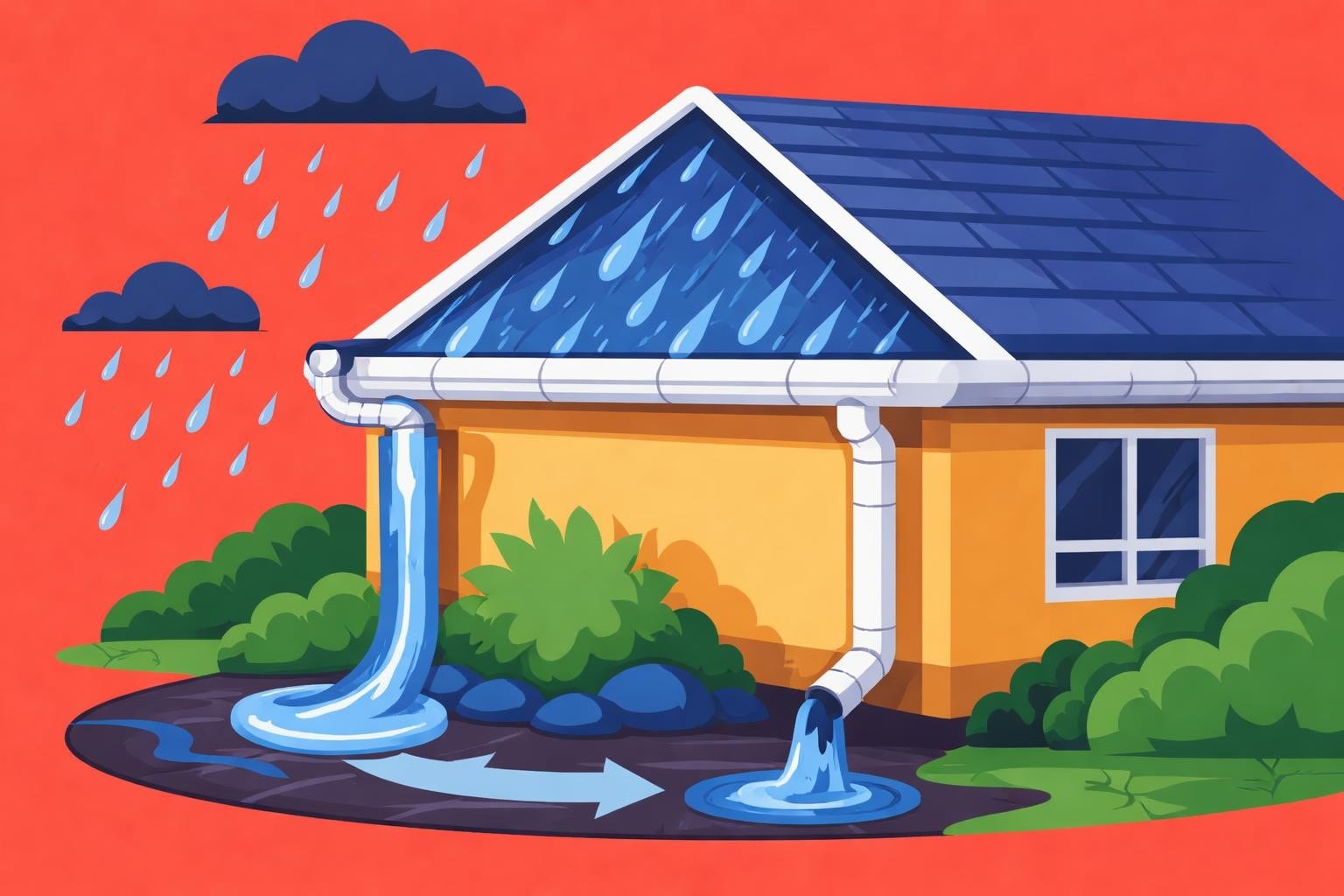
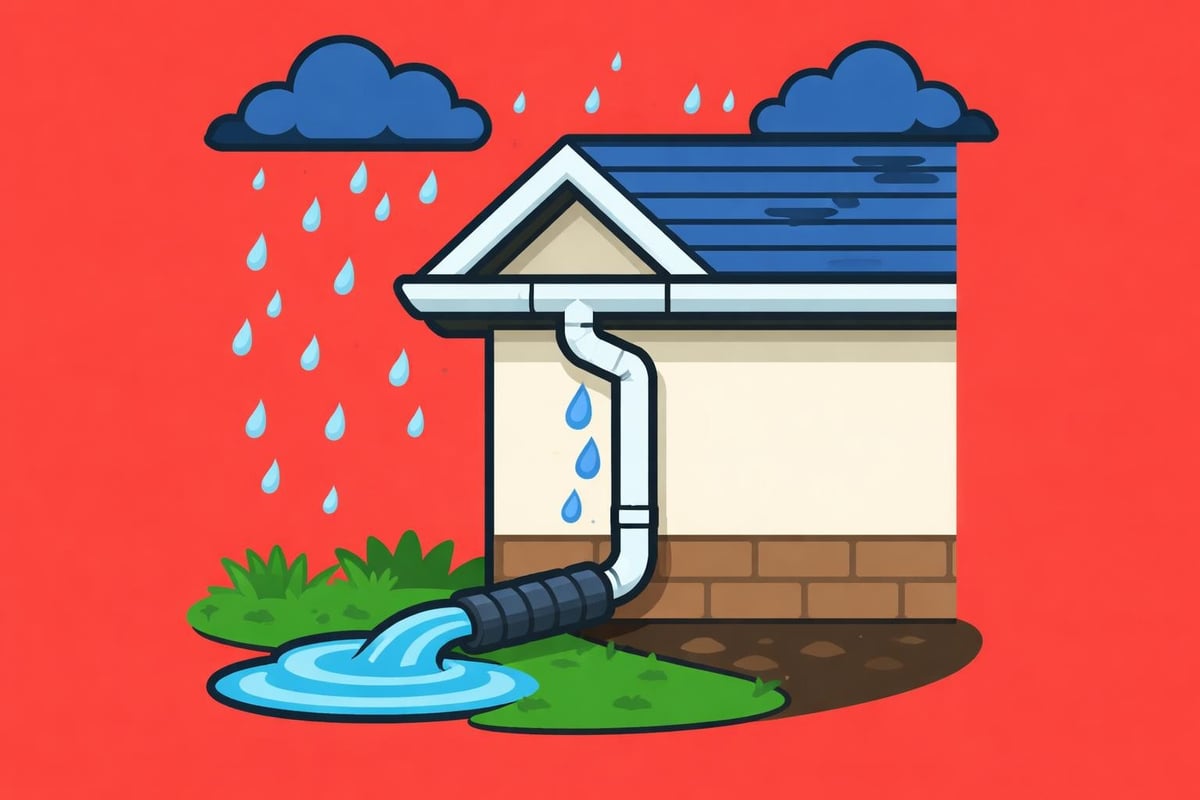
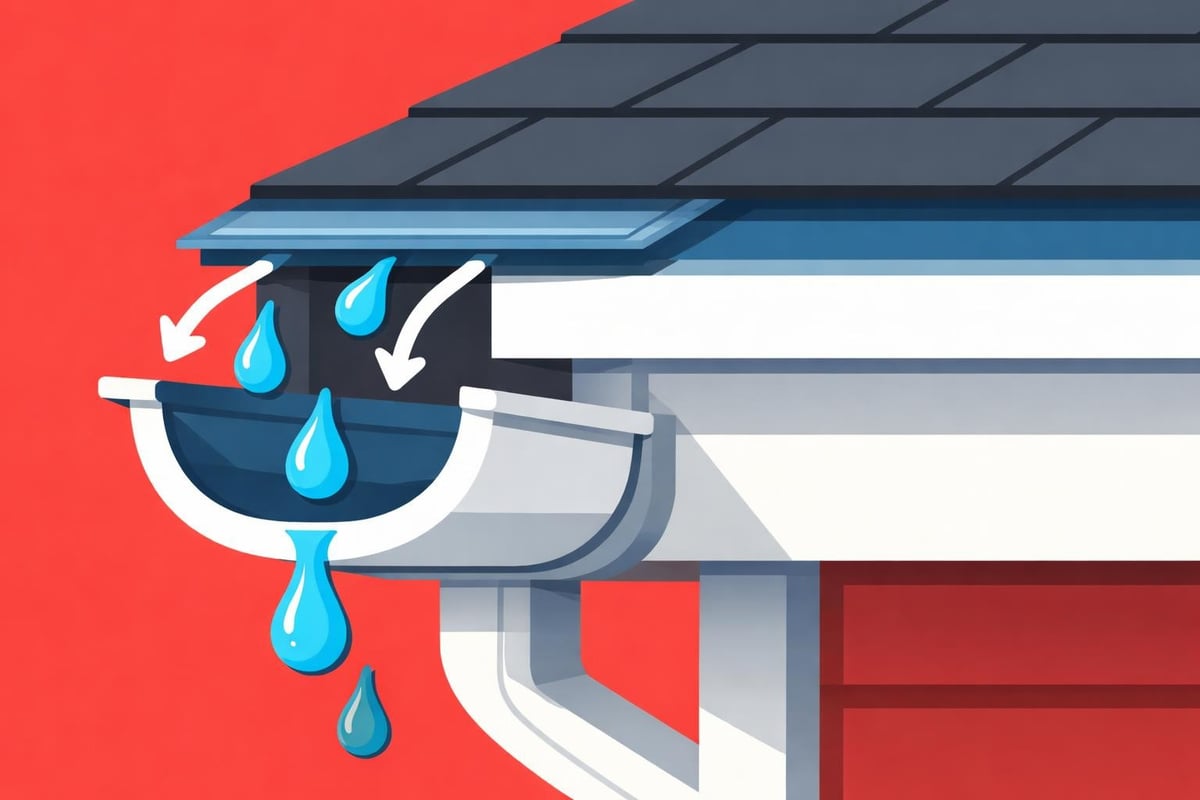
Gutters on the roof serve one primary function: directing water away from your home's foundation, walls, and landscaping. Without proper drainage, rainwater cascades directly off the roof edge, pooling around the foundation and potentially causing basement flooding, soil erosion, and structural instability.
The average roof collects an enormous amount of water during rainfall. A standard 2,000-square-foot roof can funnel over 1,200 gallons of water during just one inch of rainfall. This volume needs somewhere to go, and proper gutter installation and maintenance are critical to roof longevity by preventing water from backing up under shingles.
Key Benefits of Functional Gutter Systems
Installing quality gutters provides multiple layers of protection:
- Foundation preservation by channeling water at least 4-6 feet away from the home's base
- Landscape protection preventing soil erosion and plant damage from concentrated water flow
- Siding and exterior wall protection against water staining, rot, and deterioration
- Basement waterproofing reducing the risk of leaks and flooding during heavy storms
- Fascia board protection keeping roof edges dry and preventing wood rot
Property owners who understand the importance of gutters recognize them as an investment rather than an expense. The cost of installing a complete gutter system represents a fraction of what homeowners might spend repairing foundation damage or remediating basement water intrusion.
Types of Gutters on the Roof
Selecting the right gutter style involves understanding the differences between materials, shapes, and installation methods. Each type offers distinct advantages depending on your home's architecture, local climate, and budget considerations.
Material Options and Their Characteristics
| Material | Lifespan | Cost Range | Maintenance Level | Best For |
|---|---|---|---|---|
| Aluminum | 20-25 years | Moderate | Low | Most residential applications |
| Copper | 50+ years | High | Low | Historic or luxury homes |
| Steel | 20-30 years | Moderate-High | Moderate | Areas with heavy snow/ice |
| Vinyl | 10-15 years | Low | Moderate | Budget-conscious homeowners |
Aluminum gutters dominate the residential market due to their corrosion resistance, lightweight properties, and availability in multiple colors. They won't rust like steel and cost significantly less than copper while still providing decades of reliable service.
For homeowners in the Joliet region considering new gutters, understanding these material differences helps set realistic expectations for both initial investment and long-term performance.
Sectional vs. Seamless Configuration
Traditional sectional gutters come in pre-cut lengths (typically 10 feet) that connect at joints using brackets and sealant. While less expensive upfront, these seams become potential leak points over time.
Seamless gutters are custom-fabricated on-site to match your home's exact dimensions. Seamless rain gutters offer significant advantages including reduced maintenance, fewer leaks, and improved aesthetics with a continuous profile.
The installation process for seamless gutters requires specialized equipment and professional expertise. Most contractors, including those specializing in roof and gutter replacement in Joliet, use portable gutter machines that create custom-length sections from coiled metal stock.
Proper Installation Techniques
Installing gutters on the roof requires precision and understanding of proper pitch, placement, and attachment methods. Even high-quality materials will fail prematurely if installation doesn't follow best practices.
Critical Installation Factors
Pitch and slope represent the most important installation consideration. Gutters need a slight downward angle toward downspouts-typically 1/4 inch for every 10 feet of run. Too little pitch allows water to pool and stagnate; too much creates an awkward appearance and may cause water to overshoot during heavy rainfall.
Placement height matters equally. Gutters on the roof should align so the roof's edge sits roughly in the middle of the gutter channel. This positioning catches maximum runoff while preventing ice and snow from damaging the system during winter months.
- Measure and mark the high point (typically at the opposite end from the downspout)
- Calculate the drop needed based on the total run length
- Install fascia brackets every 24-32 inches for proper support
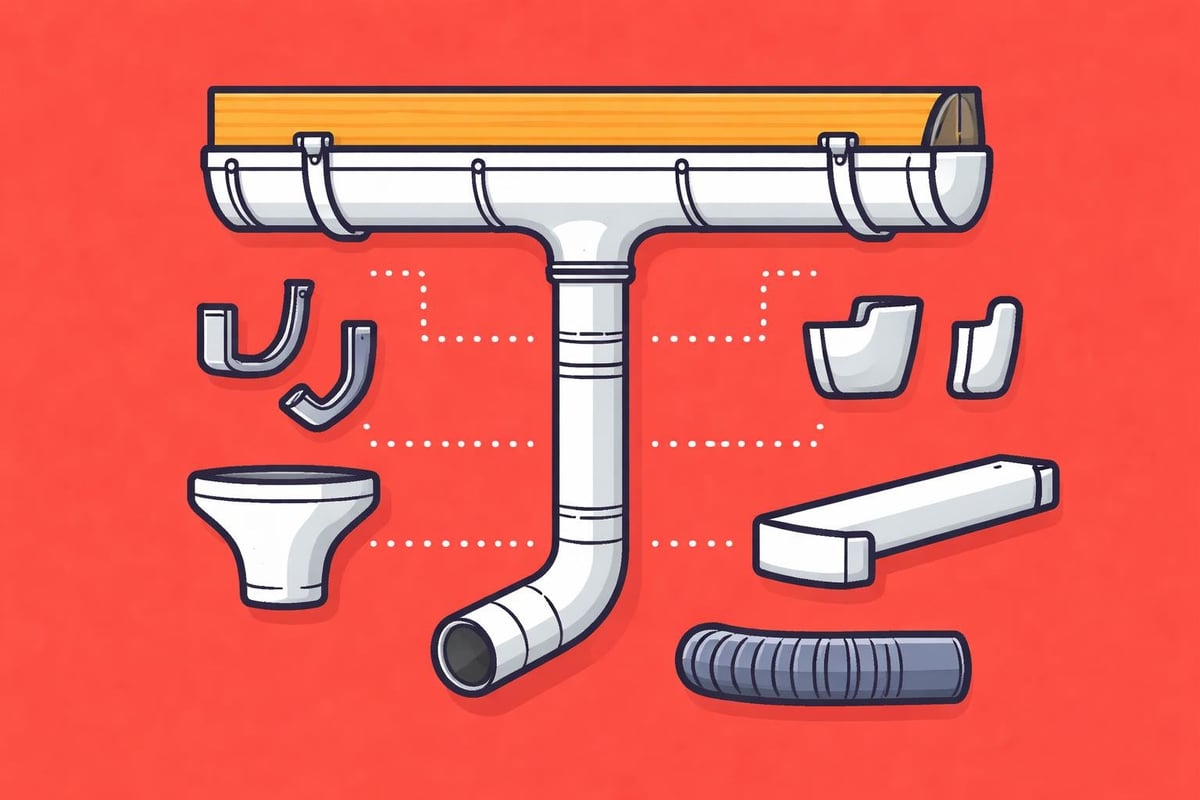
- Secure end caps, corners, and downspout outlets before hanging gutter sections
- Test water flow before completing the installation
Professional contractors use laser levels and specialized tools to ensure consistent pitch across long runs. The installation process and costs vary depending on home size, configuration complexity, and material selection.
Downspout Placement Strategy
Effective water management extends beyond the gutters themselves. Downspouts should be positioned every 30-40 feet along the roofline, with additional outlets for valley areas that concentrate water flow.
Extensions carry water away from the foundation-a critical detail many homeowners overlook. A minimum distance of 4-6 feet protects against basement seepage and foundation settling. Consider underground drainage systems for properties with landscaping constraints or strict aesthetic requirements.
Maintenance Requirements for Longevity
Even the best gutters on the roof require regular attention to function properly. Neglected systems become liability rather than assets, contributing to the very problems they're designed to prevent.
Seasonal Cleaning Schedule
Spring and fall represent critical cleaning periods when debris accumulation peaks from budding trees and falling leaves. However, properties surrounded by mature trees may need quarterly or even monthly maintenance during heavy shedding periods.
The cleaning process involves:
- Removing leaves, twigs, and granular debris from shingle wear
- Flushing downspouts to clear blockages
- Inspecting for sagging sections or loose brackets
- Checking for rust spots, holes, or separation at seams
- Ensuring proper pitch hasn't changed due to settling or damage
Regular gutter and downspout maintenance prevents overflow that can damage fascia boards, soffit, and even the roof deck itself when water backs up under shingles.
Property owners who maintain their systems typically enjoy significantly longer service life. Combining gutter maintenance with summer roof maintenance creates a comprehensive protection strategy.
Common Problems and Solutions
| Problem | Cause | Solution |
|---|---|---|
| Overflowing during rain | Clogs or improper pitch | Clean debris; adjust hangers |
| Sagging sections | Inadequate support | Add brackets; replace damaged sections |
| Rust or holes | Age and wear | Patch small holes; replace severely damaged areas |
| Separated joints | Failed sealant | Re-seal or convert to seamless |
| Ice dams in winter | Poor attic ventilation | Improve ventilation; add heat cable |
Ice dam formation presents a particular challenge for gutters on the roof in cold climates. When heat escapes through inadequate attic insulation, it melts snow on the upper roof. Water refreezes at the colder eaves, creating ice blockages that force water under shingles. Addressing attic ventilation solves the root cause.
Gutter Protection Systems
Homeowners tired of frequent cleaning often turn to gutter guards, screens, or covers. These accessories promise to keep debris out while allowing water to flow freely-but results vary significantly based on design quality and local conditions.
Types of Protection Available
Mesh screens stretch across the gutter opening, blocking large debris while permitting water entry. These affordable options work reasonably well but require periodic cleaning as small particles still accumulate on the mesh surface.
Reverse-curve systems use surface tension to guide water into a narrow opening while leaves and debris fall away. While effective, they can be overwhelmed during heavy downpours and may cause water to overshoot entirely.
Micro-mesh guards feature extremely fine screens that block even small debris. Premium versions include powder-coated aluminum frames and surgical-grade stainless steel mesh that resists corrosion while maintaining water flow.
Foam inserts fill the gutter channel, allowing water to permeate while blocking debris. These deteriorate over time and can harbor mold growth in humid climates.
The cost-benefit analysis for gutter protection depends on several factors: tree coverage around your property, your physical ability to perform maintenance, and local labor costs for professional cleaning services. Some systems pay for themselves within 3-5 years through reduced maintenance requirements.
Built-In Roof Gutters
Traditional external gutters aren't the only option. Built-in or integral gutters sit within the roof structure itself, creating a concealed drainage system that appeals to homeowners prioritizing aesthetics. Understanding built-in roof gutters and their benefits helps evaluate whether this premium option suits your needs.
Advantages and Considerations
Built-in systems offer several compelling benefits:
- Seamless architectural integration that preserves the roofline's clean appearance
- Enhanced durability when properly constructed with weather-resistant materials
- Increased capacity to handle heavy water volume from large roof sections
- Protection from physical damage since they're recessed into the roof structure
However, these systems come with important trade-offs. Installation costs run 2-3 times higher than conventional gutters, requiring skilled carpentry during construction or extensive renovation work for retrofits. Maintenance becomes more complex since accessing the channel requires removing roof materials. When leaks develop, they often affect the roof deck and fascia before becoming visible.
Integration with Roofing Projects
Coordinating gutters on the roof with roofing replacement creates the ideal opportunity for comprehensive exterior updates. This approach ensures proper integration, maximizes warranty coverage, and often reduces overall project costs through combined labor.
When planning roof replacement in Joliet, consider these integration points:
- Fascia board inspection and replacement before new gutter installation
- Drip edge installation to direct water properly into gutter channels
- Ice and water shield extended to protect vulnerable eave areas
- Coordinated color selection for cohesive exterior aesthetics
- Simultaneous warranty coverage protecting both systems under unified terms
Professional contractors evaluate the existing fascia condition during roof replacement. Rotted or damaged boards need replacement before new gutters go up, ensuring solid attachment points and preventing future problems.
Storm Damage and Insurance Considerations
Severe weather events can damage gutters on the roof just as they affect shingles and other roofing components. High winds tear sections away from fascia boards, hail dents aluminum and steel, and falling branches crush entire sections.
Documenting and Filing Claims
After significant storms affecting the Joliet area, homeowners should inspect their entire exterior for damage. Understanding what happens when storms damage your roof helps identify less obvious problems beyond missing shingles.
Comprehensive documentation supports insurance claims:
- Photograph damaged gutter sections from multiple angles
- Document water staining or overflow evidence indicating system failure
- Collect debris that caused damage (if safe to do so)
- Note the storm date and any official weather service reports
- Request professional inspection to identify all related damage
Most homeowner policies cover sudden storm damage but exclude deterioration from age or neglect. Regular maintenance records demonstrate responsible ownership and may strengthen claims when legitimate damage occurs.
Cost Factors and Budgeting
Understanding the financial investment for gutters on the roof helps homeowners plan appropriately and avoid budget surprises. Prices vary based on materials, system complexity, regional labor rates, and additional features like guards or enhanced downspout systems.
Price Breakdown by Component
Material costs for aluminum gutters typically range from $4-9 per linear foot, while installation labor adds $3-7 per foot. A standard 150-linear-foot system averages $1,050-2,400 installed. Premium materials and seamless construction increase costs, with copper systems reaching $25-40 per linear foot.
Additional expenses to consider:
- Gutter guards: $7-28 per linear foot depending on quality
- Fascia repair/replacement: $6-20 per linear foot
- Downspout extensions: $10-25 each
- Underground drainage: $50-150 per downspout
- Removal of old gutters: $0.50-1.50 per linear foot
For accurate budgeting on gutter costs in Joliet, request detailed quotes from multiple contractors. Ensure proposals specify materials, gauge thickness, warranty terms, and what's included in the installation price.
Choosing the Right Contractor
Professional installation ensures gutters on the roof function properly for decades. Selecting qualified contractors requires evaluating experience, credentials, and business practices beyond simply comparing price quotes.
Essential Contractor Qualifications
Look for these indicators of professionalism and expertise:
- Licensed and insured with current liability and workers' compensation coverage
- Established local presence with verifiable references from recent projects
- Manufacturer certifications for specific product lines and installation methods
- Detailed written proposals specifying materials, timeline, and warranty coverage
- Physical business location rather than post office boxes or mobile-only operations
Benefits of hiring local roofing companies in Joliet include familiarity with regional weather patterns, building codes, and established reputations within the community. Local contractors depend on word-of-mouth referrals and maintain higher accountability standards.
Request to see examples of completed work, particularly installations similar to your property's configuration. Well-established contractors maintain photo galleries and can provide contact information for satisfied customers willing to discuss their experience.
Matching Gutters to Home Architecture
While functionality drives gutter selection, aesthetics matter for maintaining curb appeal and property value. Matching gutters on the roof to your home's architectural style creates visual cohesion that enhances rather than detracts from exterior appearance.
Style Considerations
K-style gutters feature decorative profiles resembling crown molding and suit most traditional residential architecture. Their flat backs mount flush against fascia boards, and they're available in 5-inch and 6-inch widths to accommodate different water volumes.
Half-round gutters offer a classic appearance ideal for historic homes or cottage-style architecture. These require specialized brackets that suspend them below the roofline, creating a distinctive appearance that complements certain design aesthetics.
Box gutters suit modern or contemporary homes with clean lines and minimal exterior ornamentation. Built into the roof structure, they maintain architectural minimalism while providing excellent water management.
Color selection deserves equal attention. Popular options include white, almond, brown, and custom colors matching trim or siding. Many homeowners choose colors slightly darker than trim but lighter than roofing, creating subtle contrast that avoids harsh visual breaks.
Long-Term Performance Expectations
Understanding realistic service life helps homeowners plan for eventual replacement and recognize when existing systems have exceeded their useful lifespan. Gutters on the roof don't last forever, but proper maintenance and quality installation maximize longevity.
Lifespan by Material and Conditions
Well-maintained aluminum gutters typically provide 20-25 years of service before requiring replacement. Copper systems can last 50 years or more, justifying their premium cost for homeowners planning long-term ownership. Vinyl gutters offer the shortest lifespan at 10-15 years, particularly in climates with significant temperature fluctuations.
Several factors influence actual performance:
- Installation quality (properly pitched and secured systems last longer)
- Maintenance frequency (regular cleaning prevents deteriorative overflow)
- Climate conditions (freeze-thaw cycles stress materials more than stable temperatures)
- Tree coverage (heavy debris accelerates wear and increases maintenance demands)
- Material quality (heavier gauge metals resist denting and sagging better)
Signs indicating replacement needs include multiple leaks across different sections, widespread rust or corrosion, persistent sagging despite bracket additions, and separation at seams in sectional systems. When repair costs approach 50% of replacement expenses, investing in new gutters makes better financial sense.
Protecting your home requires attention to every component of your exterior system, and gutters on the roof represent a critical defense against water damage that can compromise foundations, basements, and structural integrity. Understanding the types available, proper installation requirements, and maintenance needs helps you make informed decisions about this essential investment. Whether you're planning new construction, addressing storm damage, or recognizing that aging gutters need replacement, Great Roofing brings decades of family-owned expertise to every project throughout the Joliet area. Our comprehensive approach to roofing and gutter systems ensures your home receives the protection it deserves with quality materials, professional installation, and the personalized service that only a local, dedicated contractor can provide.