

When severe weather strikes the Joliet area, homeowners face immediate concerns about property damage. Among the most vulnerable components of any home, the roof bears the brunt of nature's fury, particularly during hailstorms. Understanding hail damage on roof shingles is essential for protecting your investment and ensuring your family's safety. While some damage appears immediately obvious, other signs remain hidden to the untrained eye, potentially leading to costly water intrusion and structural issues if left unaddressed. This comprehensive guide explores how to identify, assess, and address hail damage on your roof shingles, empowering you with knowledge to make informed decisions about your home's protection.
Understanding How Hail Impacts Roof Shingles
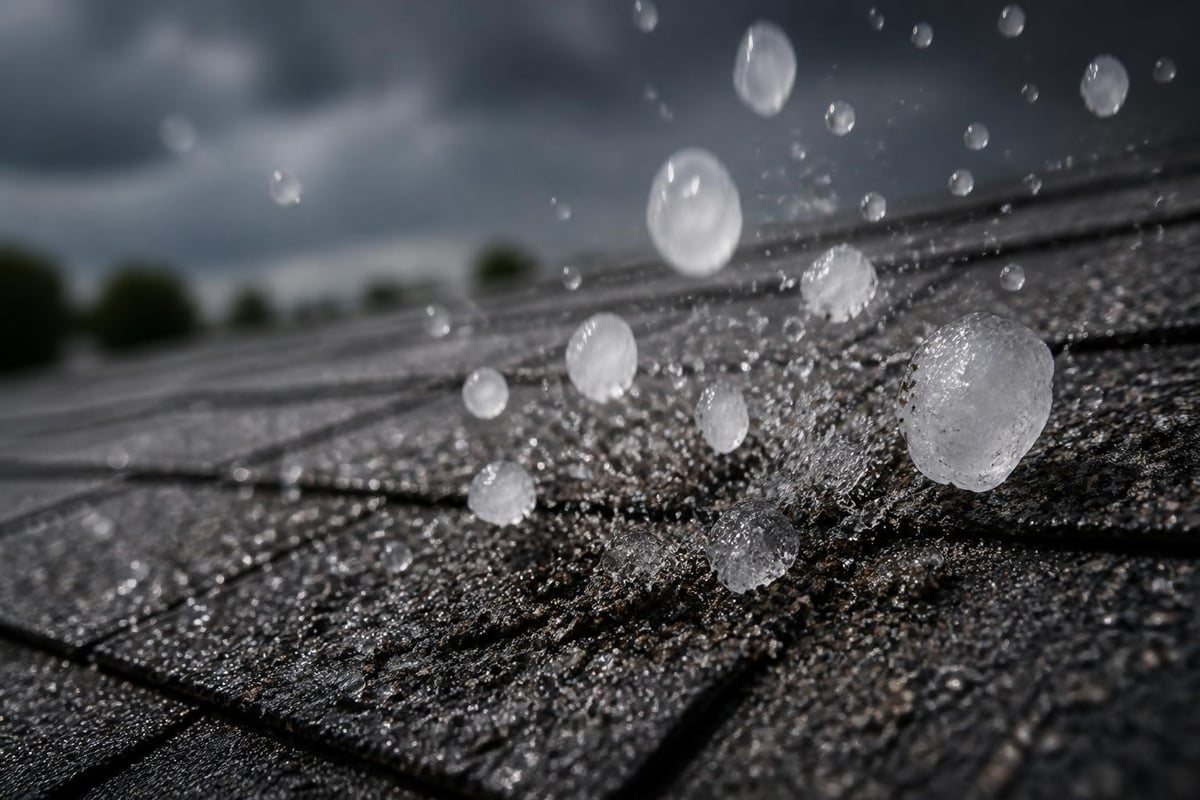
Hailstones strike roofs with tremendous force, creating damage patterns that vary based on multiple factors. The size, density, and velocity of hailstones all contribute to the severity of impact. According to research on hail behavior, the composition and trajectory of hailstones influence their damaging potential.
Key factors affecting damage severity include:
- Wind speed and direction during the storm
- Age and condition of existing shingles
- Shingle composition and manufacturer specifications
- Roof pitch and orientation
- Presence of protective barriers or overhanging trees
The impact creates two primary types of damage: functional and cosmetic. Functional damage compromises the shingle's ability to protect against water infiltration, while cosmetic damage affects appearance without immediate structural consequences. Homeowners must understand this distinction when evaluating repair needs and insurance claims.
The Science Behind Shingle Damage
When hailstones strike asphalt shingles, they compress the protective granules into the underlying mat. This compression creates bruises that may not penetrate immediately but weaken the shingle's integrity over time. The mat beneath the granules becomes susceptible to ultraviolet radiation and thermal cycling, accelerating deterioration.
Temperature plays a crucial role in damage susceptibility. Shingles soften in warm weather, making them more vulnerable to bruising. Conversely, cold temperatures make shingles brittle, increasing the likelihood of cracks and fractures. Storm timing significantly influences the extent of hail damage on roof shingles.
Identifying Signs of Hail Damage
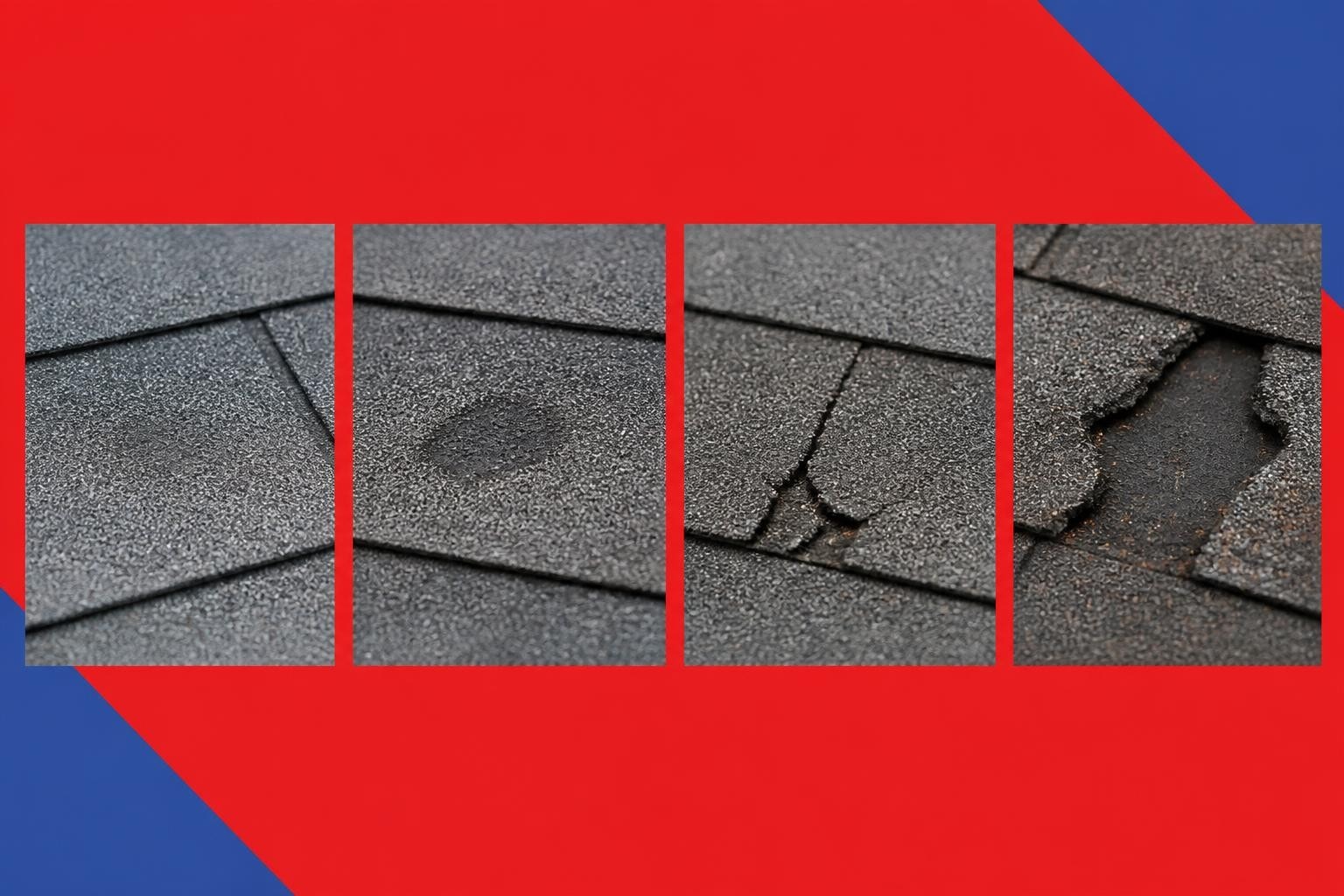
Visual inspection reveals several telltale indicators of hail impact. Granule loss appears as dark spots where the protective coating has been displaced, exposing the underlying felt. These areas feel soft to the touch and show no distinct edges, distinguishing them from normal wear patterns.
Dents and dings create circular patterns across affected shingles. Fresh damage appears shiny where the impact has exposed fresh asphalt. Travelers Insurance highlights that random patterns without uniformity typically indicate hail damage rather than mechanical damage from foot traffic.
| Damage Type | Appearance | Severity Level |
|---|---|---|
| Granule Loss | Dark spots, exposed felt | Moderate to High |
| Bruising | Soft spots, random patterns | High |
| Cracking | Linear breaks, split shingles | Critical |
| Missing Shingles | Gaps in roof coverage | Critical |
| Dented Flashing | Visible dings on metal | Moderate |
Secondary Indicators Throughout Your Property
Examining other property elements provides corroborating evidence of hail activity. Check gutters and downspouts for fresh dents and displaced granules that wash down during rain. Air conditioning units, window sills, and siding often display damage corresponding to roof impact.
Vegetation damage offers additional clues. Stripped leaves, broken branches, and damaged flowers indicate hail intensity. Compare damage on the windward side of your home against protected areas to understand storm direction and impact zones. When assessing hail damage to siding, look for circular dents and paint chips that confirm widespread hail activity.
Professional Inspection Versus DIY Assessment
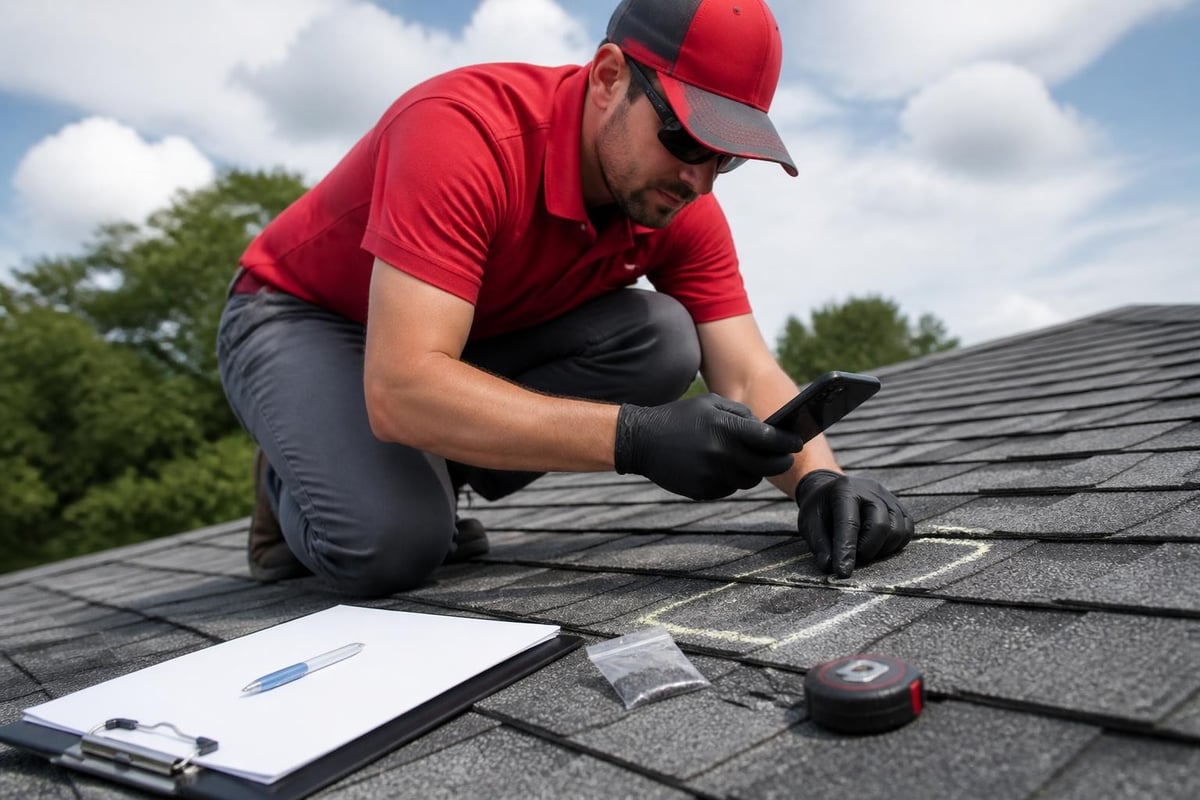
While homeowners can perform preliminary evaluations, professional inspection remains crucial for accurate damage assessment. The National Roofing Contractors Association recommends following specific protocols when evaluating hail-damaged roofing to ensure consistent, reliable assessments.
Experienced contractors understand subtle damage indicators that escape untrained observers. They recognize manufacturing defects, installation errors, and normal wear patterns that mimic hail damage. This expertise proves invaluable during insurance claims processes where accurate documentation determines coverage.
Professional inspectors evaluate:
- Shingle mat integrity beneath granule surface
- Flashing condition around chimneys and vents
- Underlayment exposure and tears
- Decking condition visible from attic spaces
- Overall roof system performance
Safety concerns make professional inspection particularly important. Walking on damaged shingles risks additional breakage and personal injury. Contractors carry proper insurance, equipment, and training to navigate roof surfaces safely. Their documentation includes detailed photographs, measurements, and technical reports supporting insurance claims.
When to Schedule an Inspection
Timing significantly impacts inspection effectiveness and insurance claim success. Schedule professional evaluation within days of suspected hail events, as evidence degrades over time. Weather conditions, additional storms, and normal wear can obscure damage indicators, complicating later assessments.
Most insurance policies specify claim filing deadlines. Missing these windows may result in denied coverage, leaving homeowners responsible for repair costs. Understanding storm damage insurance claims helps navigate policy requirements and documentation standards.
Repair Options and Replacement Considerations
Repair strategies depend on damage extent, shingle age, and available materials. Minor damage affecting isolated shingles may warrant spot repairs, replacing only affected sections. This approach works best for newer roofs where matching shingles remain available and surrounding material maintains good condition.
Extensive damage covering significant roof areas typically requires complete replacement. The Nebraska Department of Insurance notes that hail damage patterns often affect entire roof planes uniformly, making partial repairs impractical. Matching aged shingles proves difficult, creating aesthetic inconsistencies and potential performance issues.
Factors Influencing Repair Versus Replacement
Age plays a decisive role in repair decisions. Shingles approaching their expected lifespan rarely justify repair investment. Replacing damaged sections on older roofs addresses immediate concerns but leaves surrounding materials vulnerable to imminent failure. Comprehensive replacement provides uniform protection and warranty coverage.
Material availability affects feasibility. Discontinued shingle lines or specialty products may lack suitable replacements, forcing whole-roof solutions. Color matching presents challenges even with available materials, as weathering alters appearance over time. Mixing new and aged shingles creates visible patchwork effects that diminish curb appeal.
| Consideration | Spot Repair | Full Replacement |
|---|---|---|
| Roof Age | Under 10 years | Over 10 years |
| Damage Extent | Less than 25% | More than 25% |
| Matching Materials | Readily available | Discontinued or aged |
| Cost Effectiveness | Limited damage | Widespread impact |
| Warranty Coverage | Partial coverage | Complete system warranty |
Insurance coverage significantly influences decisions. Policies may cover replacement costs when damage exceeds specific thresholds, making comprehensive solutions financially viable. Understanding roof replacement and home insurance helps maximize benefits while minimizing out-of-pocket expenses.
Working With Insurance Adjusters
Insurance companies dispatch adjusters to assess damage and determine coverage. Their evaluation focuses on functional impairment rather than cosmetic concerns. Adjusters measure impact density per square, documenting patterns that exceed policy thresholds for replacement authorization.
Homeowners benefit from having independent contractor assessments before adjuster visits. This preparation ensures comprehensive damage documentation and provides leverage during negotiations. Disagreements between contractor and adjuster findings may trigger re-inspections or third-party evaluations.
Documentation supporting insurance claims includes:
- Detailed photographs showing damage close-ups and overall patterns
- Measurements quantifying affected areas
- Material specifications and age verification
- Repair estimates from licensed contractors
- Storm date confirmation through weather service records
Bob Vila’s guidance on hail damage repair emphasizes thorough documentation as critical for successful claims. Missing evidence or incomplete records provide insurers justification for reduced settlements or claim denials.
Common Claim Challenges and Solutions
Depreciation calculations often surprise homeowners expecting full replacement coverage. Actual cash value policies deduct depreciation based on roof age, reducing settlements substantially. Replacement cost coverage provides full value but may require completing repairs before receiving total payment.
Coverage disputes arise when adjusters attribute damage to wear rather than storm impact. Pre-existing conditions, poor maintenance, or installation defects complicate claims. Having professional assessments from experienced storm damage repair services strengthens homeowner positions during negotiations.
Material Quality and Hail Resistance
Not all shingles perform equally under hail bombardment. Impact-resistant shingles incorporate modified asphalt formulations and reinforced backing that better withstand hailstone strikes. These products carry UL 2218 Class 4 ratings, indicating superior performance during standardized testing.
Insurance companies recognize enhanced shingle performance through premium discounts. Class 4 rated products may qualify for 20-30% reductions on policy costs, offsetting higher material expenses over time. This financial incentive encourages homeowners to invest in superior protection during replacement projects.
Evaluating Shingle Specifications
Manufacturer warranties vary significantly regarding hail coverage. Standard warranties exclude hail damage entirely, while premium products include limited impact protection. Reading warranty terms carefully reveals actual coverage parameters and claim procedures.
Thickness and weight indicate shingle durability. Heavier products generally contain more asphalt and reinforcement, improving hail resistance. Architectural shingles outperform three-tab varieties due to their multi-layer construction and dimensional design. When exploring options among the best residential shingles, prioritize impact ratings and comprehensive warranties.

Long-Term Consequences of Unaddressed Damage
Ignoring hail damage on roof shingles invites progressive deterioration and costly consequences. Compromised shingles lose protective capacity, allowing moisture penetration into underlying structures. Water infiltration damages decking, insulation, and interior finishes, multiplying repair costs exponentially.
Mold and mildew thrive in damp environments created by leaking roofs. These biological contaminants pose health risks and require expensive remediation. Structural damage from prolonged moisture exposure may necessitate extensive framing repairs or complete roof deck replacement.
Energy efficiency suffers as damaged shingles compromise thermal barriers. Heating and cooling systems work harder to maintain comfortable temperatures, increasing utility expenses. Wet insulation loses R-value effectiveness, further degrading energy performance.
Property values decline when visible damage remains unaddressed. Potential buyers question overall maintenance quality, negotiating price reductions or demanding repairs before closing. Real estate appraisers downgrade values for homes showing obvious defects.
Insurance Complications From Delayed Action
Postponing repairs after known damage discovery may void insurance coverage for subsequent claims. Policies require reasonable maintenance and timely damage mitigation. Insurers argue that secondary damage from delayed action falls under homeowner negligence rather than covered perils.
Time limitations on claims filing create additional urgency. Most policies specify one or two-year windows from damage occurrence. Missing deadlines eliminates coverage options entirely, leaving homeowners financially responsible. Farmers’ Almanac discusses initial steps following hailstorms, emphasizing prompt action.
Preventive Measures and Maintenance
While preventing hail damage completely remains impossible, strategic measures reduce vulnerability. Regular inspections identify minor issues before they escalate into major problems. Annual professional evaluations catch developing concerns, extending roof lifespan through timely interventions.
Proper attic ventilation maintains consistent temperatures, preventing thermal cycling that weakens shingles. Adequate insulation reduces temperature extremes that make materials brittle or overly pliable. These fundamental systems support overall roof health regardless of weather events.
Maintenance practices that enhance roof resilience:
- Clear debris from gutters and roof surfaces quarterly
- Trim overhanging branches preventing impact damage
- Replace missing or damaged shingles immediately
- Seal exposed nail heads and flashing gaps
- Monitor attic spaces for moisture or ventilation issues
Strategic landscaping provides additional protection. Properly placed trees buffer wind-driven hail while avoiding direct overhead positioning. Dense shrubs around foundations deflect ground-level hail from siding and windows.
Upgrading to impact-resistant materials during scheduled replacements represents the most effective preventive measure. While requiring upfront investment, Class 4 shingles significantly reduce future damage likelihood. Combined with insurance discounts, these materials deliver both protection and financial benefits.
Choosing Qualified Contractors
Contractor selection significantly impacts repair quality and claim success. Licensed, insured professionals understand building codes, manufacturer specifications, and insurance requirements. Their work meets industry standards, protecting homeowners from liability and ensuring warranty validity.
Verify contractor credentials through state licensing boards and Better Business Bureau ratings. Check references from recent customers, particularly those involving insurance work. Established contractors demonstrate consistent quality and maintain relationships with material suppliers ensuring product availability.
Storm chasers present particular concerns following major hail events. These transient operators lack local accountability, often disappearing before warranty obligations arise. They may pressure homeowners into unnecessary repairs or inflate damage claims, creating insurance complications. Working with local roof companies ensures ongoing support and legitimate service commitments.
Red Flags in Contractor Selection
Avoid contractors demanding full payment upfront or offering suspiciously low estimates. Legitimate professionals require deposits covering materials but collect final payment upon satisfactory completion. Extremely low bids often indicate substandard materials, inadequate insurance, or planned shortcuts compromising quality.
Pressure tactics suggesting immediate decisions or limited-time offers signal unprofessional operations. Reputable contractors provide detailed written estimates, answer questions thoroughly, and allow time for consideration. They welcome questions about licensing, insurance, and references.
Protecting your home from hail damage on roof shingles requires vigilance, prompt action, and professional expertise. Understanding damage indicators, insurance processes, and repair options empowers you to make informed decisions safeguarding your investment. When severe weather threatens your property, having a trusted roofing partner makes all the difference. Great Roofing brings decades of family-owned experience serving Joliet homeowners with comprehensive inspection, repair, and replacement services designed to restore your roof's integrity and your peace of mind.