


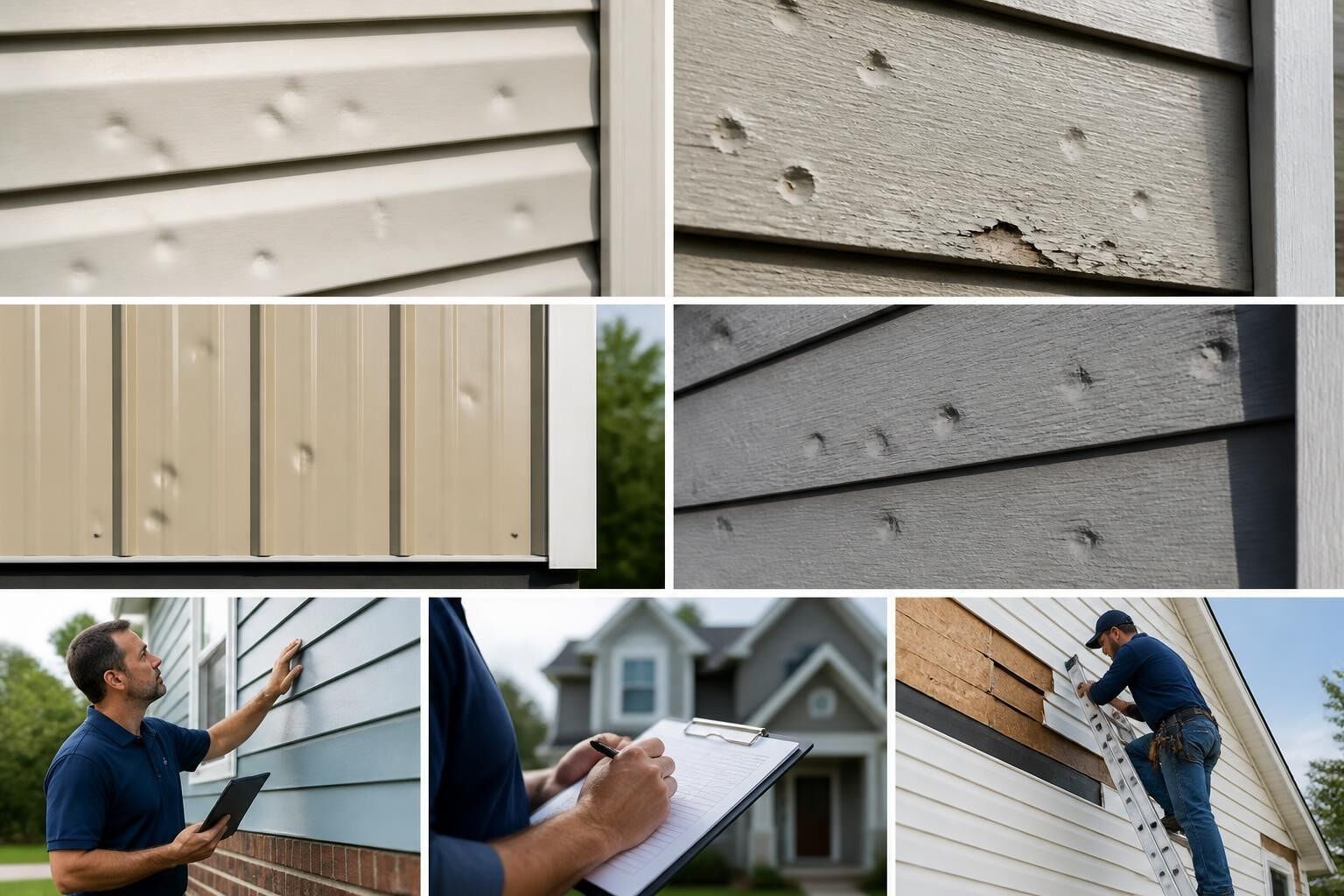
When severe weather strikes, homeowners often focus on obvious damage like broken windows or missing roof shingles, but hail damage siding can be just as serious and far more subtle. Understanding how to identify, document, and address siding damage from hail is essential for protecting your home's structural integrity and maximizing your insurance claim. Whether you're dealing with vinyl, wood, aluminum, or fiber cement siding, knowing the signs of impact damage can save you thousands of dollars in future repairs and prevent moisture infiltration that leads to more costly problems.
Recognizing Hail Damage on Different Siding Materials
Not all siding materials react the same way to hail impact. The size of the hailstones, wind speed, and duration of the storm all contribute to the severity of damage, but material composition plays the most significant role in how damage manifests.
Vinyl Siding Impact Indicators
Vinyl siding typically shows hail damage through circular dents, cracks, or holes where the impact was severe enough to puncture the material. You may notice chips missing from the surface or areas where the color coating has been compromised.
Common vinyl siding damage signs include:
- Round impact marks ranging from dime-sized to quarter-sized
- Cracked or split panels, especially along seams
- Discoloration or exposed substrate beneath the vinyl layer
- Loose or dislodged panels that no longer lock properly
According to Farmers’ Almanac’s guide to hail damage, even small hailstones traveling at high velocity can compromise vinyl siding's integrity, creating entry points for moisture and pests.
Wood and Fiber Cement Considerations
Wood siding presents unique challenges when assessing hail damage siding because natural grain patterns can mask impact marks. Fiber cement, while more durable, can still sustain significant damage from large hailstones. Both materials may show splintering, gouging, or surface fractures that aren't immediately visible from ground level.

| Siding Material | Common Damage Type | Visibility | Repair Difficulty |
|---|---|---|---|
| Vinyl | Dents, cracks, holes | Moderate | Easy to moderate |
| Wood | Splintering, gouges | Low to moderate | Moderate to difficult |
| Aluminum | Dings, dents | High | Moderate |
| Fiber Cement | Chips, cracks | Moderate | Difficult |
Conducting a Thorough Post-Storm Inspection
Timing is critical when inspecting for hail damage siding. Most insurance policies require prompt notification of storm damage, and delaying your inspection could complicate your claim or allow secondary damage to develop.
Start your inspection from ground level using binoculars to examine upper stories and hard-to-reach areas. Look for patterns of damage rather than isolated incidents, as hail typically creates consistent impact zones across exposed surfaces. Professional inspection tips for hail-damaged siding emphasize the importance of checking all four sides of your home, as wind-driven hail often concentrates damage on specific elevations.
Safety and Documentation Best Practices
Never climb onto ladders or roofs during severe weather conditions or immediately afterward. Wait for conditions to stabilize, and consider working with storm damage repair services that have the equipment and expertise to safely assess your property.
Proper documentation requires:
- Photographing damage from multiple angles with date stamps enabled
- Taking wide shots to show overall patterns and close-ups of individual impacts
- Measuring hailstone sizes if any remain on the ground (golf ball, baseball, etc.)
- Recording the date, time, and approximate duration of the storm
- Noting any witnesses who can verify the severity of the weather event
Great Roofing's team understands that comprehensive documentation makes the difference between a successful insurance claim and a denied one. When you partner with experienced roofing and siding contractors, you benefit from professionals who know exactly what insurance adjusters need to see.
Understanding Your Insurance Coverage for Siding Damage
Insurance policies vary significantly in their coverage of hail damage siding, and understanding your specific policy language is crucial before filing a claim. Most homeowners policies cover sudden, accidental damage from weather events, but deductibles, depreciation schedules, and coverage limits can substantially impact your out-of-pocket costs.
The Maryland Insurance Administration’s guidance on siding damage coverage explains that policies typically cover the cost of repairs or replacement, but may calculate payouts based on actual cash value rather than replacement cost. This distinction matters significantly when dealing with older siding materials that have depreciated over time.
Deductibles and Financial Considerations
Before filing a claim, calculate whether your total damage exceeds your deductible by a sufficient margin to justify the claim. Kiplinger’s analysis of hail damage insurance claims points out that filing claims can increase your premiums, potentially costing more over time than paying for minor repairs yourself.
For substantial damage affecting multiple sides of your home, filing a claim usually makes financial sense. Minor damage affecting only a small section may be better handled through direct payment, especially if your deductible is high.
Filing an Effective Insurance Claim
When you determine that filing a claim is the right choice, the process requires careful attention to detail and adherence to your insurer's specific requirements. Prompt notification is essential, most policies require claims within a specific timeframe following the storm event.
Detailed guidance on filing hail damage siding insurance claims emphasizes that thorough documentation from the outset prevents disputes later. Your claim should include photographic evidence, contractor estimates, weather reports confirming the storm, and any other supporting materials your insurer requests.
Working with Insurance Adjusters
Insurance adjusters will inspect your property to verify damage and determine coverage amounts. Having your own professional assessment from a qualified contractor provides valuable leverage during this process. Great Roofing's experience with storm damage insurance claims means we understand what adjusters look for and can help ensure nothing is overlooked during their inspection.
Key steps in the claims process:
- Contact your insurance company within 24-48 hours of the storm
- Document all damage thoroughly before any cleanup or repairs
- Obtain multiple contractor estimates for repair costs
- Schedule the adjuster inspection and be present if possible
- Review the adjuster's report carefully and dispute any discrepancies
- Keep detailed records of all communications with your insurer
Some homeowners benefit from hiring public adjusters who work on their behalf rather than for the insurance company. This option involves additional costs but may result in higher claim settlements for extensive damage.
Repair Options and Material Selection
Once your claim is approved, choosing the right repair approach and materials ensures long-term protection and aesthetic consistency. Matching existing siding can be challenging, especially for older installations where the exact color or style may no longer be available.
Partial Replacement versus Full Re-Siding
Minor hail damage siding affecting isolated sections can often be repaired through partial replacement. However, color matching becomes problematic with aged siding, as UV exposure causes fading that's impossible to replicate perfectly. Professional assessment and repair techniques help determine whether partial or complete replacement makes the most sense for your situation.
| Repair Option | Best For | Pros | Cons |
|---|---|---|---|
| Spot Repair | Single panel damage | Cost-effective, quick | Color matching issues |
| Section Replacement | Damage to one side | Moderate cost | Visible transitions possible |
| Full Re-Siding | Extensive or old siding | Uniform appearance, fresh warranty | Higher cost, longer timeline |
| Upgrade to Better Material | Any situation | Improved durability | Maximum expense |
Great Roofing specializes in helping Joliet-area homeowners navigate these decisions, providing honest assessments of whether spot repairs or complete replacement offers better long-term value.
Choosing Upgraded Materials
Hail damage presents an opportunity to upgrade to more impact-resistant siding materials. While insurance may only cover like-for-like replacement, many homeowners choose to pay the difference for superior materials that better withstand future storms.
Fiber cement siding offers exceptional durability and resistance to hail, fire, and pests. Premium vinyl products with increased thickness and impact-resistant formulations provide better protection than standard grades. Metal siding options, including steel and aluminum, excel in severe weather regions where hail is common.
Timing Your Repairs Strategically
The timing of hail damage siding repairs affects both the quality of work and your overall costs. While you shouldn't delay necessary repairs indefinitely, strategic scheduling can optimize results.
Seasonal Considerations for Installation
Spring and fall typically offer ideal conditions for siding installation in the Joliet area. Moderate temperatures allow proper material expansion and contraction, adhesives cure correctly, and work proceeds efficiently without weather-related delays.
Optimal repair timing factors:
- Temperature ranges appropriate for your siding material
- Contractor availability and scheduling flexibility
- Insurance claim deadlines and fund disbursement timing
- Risk of secondary damage from exposure
- Local building permit processing timeframes
Summer heat can cause vinyl siding to become too pliable during installation, leading to buckling or warping as temperatures cool. Winter cold makes materials brittle and challenging to work with, potentially compromising installation quality. Working with experienced home roofing contractors ensures proper installation regardless of seasonal constraints.
Preventing Future Hail Damage
While you cannot prevent hailstorms, you can take proactive measures to minimize future damage to your siding. Material selection, protective measures, and regular maintenance all contribute to your home's resilience during severe weather.
Impact-resistant siding products earn ratings based on standardized testing that simulates hail strikes. Look for products that meet or exceed industry standards for impact resistance in your region's typical hail size range. These materials cost more initially but often qualify for insurance discounts and reduce long-term repair expenses.
Protective Landscaping and Architectural Features
Strategic landscaping can deflect some wind-driven hail away from your home's exterior. Trees and large shrubs planted at appropriate distances provide partial shielding without creating moisture problems or pest habitat near your siding. Architectural features like deep eaves and overhangs protect upper portions of walls from direct impact.
Regular maintenance identifies and addresses minor damage before it escalates. Annual inspections catch early signs of deterioration, loose panels, or compromised caulking that could allow water infiltration following a hailstorm. Great Roofing's comprehensive exterior maintenance programs keep both your roof and siding in optimal condition year-round.
Regional Considerations for Joliet Homeowners
Joliet's location in northeastern Illinois places it within a region that experiences regular severe weather, including hailstorms of varying intensity. Understanding local weather patterns and building code requirements helps homeowners make informed decisions about siding materials and protection strategies.
The Illinois building code specifies minimum standards for exterior cladding, but many homeowners benefit from exceeding these minimums. Working with local roofing companies familiar with regional weather patterns ensures your siding choices reflect realistic risk assessments rather than just code compliance.
Historical Storm Data and Risk Assessment
Reviewing historical weather data for your area provides insight into typical hail frequencies and sizes. While past patterns don't guarantee future events, they inform reasonable expectations about your home's exposure risk. Statistical modeling of hail damage insurance claims demonstrates how location-specific data improves risk prediction and material selection decisions.
Professional contractors with deep local experience offer invaluable perspective on which materials perform best in your specific microclimate. Great Roofing's decades of service in the Joliet area means we've seen firsthand how different siding products hold up through countless storm seasons.
Working with Professional Contractors
Choosing the right contractor for hail damage siding repairs significantly impacts both the quality of work and the success of your insurance claim. Professional contractors bring expertise in damage assessment, material selection, installation techniques, and insurance coordination that DIY approaches simply cannot match.
Essential contractor qualifications include:
- Valid licensing and comprehensive insurance coverage
- Manufacturer certifications for the siding products they install
- Established local reputation with verifiable references
- Experience working with insurance companies on storm damage claims
- Written warranties covering both materials and workmanship
Avoid contractors who pressure you to sign contracts immediately or suggest inflating insurance claims. Legitimate professionals provide detailed written estimates, explain all options clearly, and give you time to make informed decisions. Precision Exteriors’ emphasis on professional inspections reflects industry best practices that protect homeowners from substandard work.
Coordinating Roof and Siding Repairs
Hailstorms that damage siding typically affect roofing systems as well. Coordinating these repairs through a single contractor streamlines the process, ensures consistent quality, and may reduce overall costs. Great Roofing's expertise in both roofing and siding allows us to assess your entire exterior comprehensively and execute repairs efficiently.
When addressing roof replacement through insurance claims, synchronizing siding work prevents duplicate contractor visits, scaffolding setups, and insurance adjuster inspections. This integrated approach minimizes disruption to your daily life while maximizing the value of your claim settlement.
Protecting your home from hail damage requires vigilance, knowledge, and access to qualified professionals who understand both the technical and insurance aspects of siding repair. When severe weather strikes your Joliet-area property, Great Roofing brings the expertise, integrity, and comprehensive service capabilities to restore your home's exterior efficiently and effectively. Contact Great Roofing today to schedule a professional inspection and ensure your siding provides the protection your home deserves for years to come.