


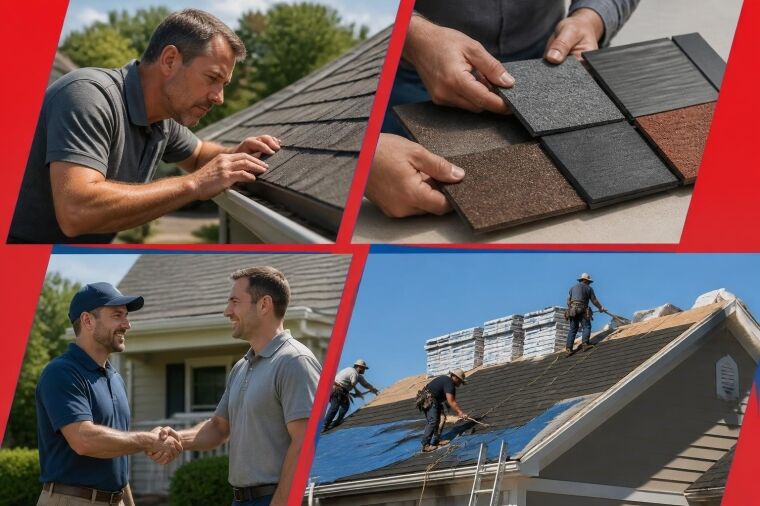
Your roof represents one of the most critical investments in your home's structural integrity and long-term value. When signs of wear, damage, or age-related deterioration appear, homeowners face a significant decision that impacts both protection and budget. Understanding the homeowners roof replacement process empowers property owners to make informed choices about materials, contractors, timing, and financing. This comprehensive guide walks through every aspect of residential roof replacement, from recognizing warning signs to navigating insurance claims and selecting the right roofing professional for your project.
Recognizing When Your Roof Needs Replacement
Most homeowners struggle to determine whether their roof requires a full replacement or simply targeted repairs. Several key indicators signal that replacement has become necessary rather than optional.
Age and Material Lifespan
Asphalt shingle roofs typically last 20 to 25 years, while architectural shingles may extend to 30 years with proper maintenance. Metal roofing systems can last 40 to 70 years, and tile or slate roofs often exceed 50 years. If your roof approaches or exceeds its expected lifespan, replacement becomes the more cost-effective option compared to repeated repairs.
Check your home records or ask previous owners about installation dates. When multiple layers of shingles exist, replacement becomes mandatory in most building codes before adding new materials.
Visible Damage Indicators
Walk around your property and look for these warning signs:
- Curling or cupping shingles that no longer lay flat
- Missing shingles leaving exposed underlayment
- Granule loss creating bald spots on shingles
- Cracked or broken shingles across multiple roof sections
- Sagging roof deck indicating structural concerns
- Daylight visible through roof boards from the attic
According to the National Roofing Contractors Association’s consumer guidelines, these physical signs often warrant professional inspection to determine whether homeowners roof replacement should proceed.

Interior Warning Signs
Your home's interior reveals roof condition through subtle clues many homeowners overlook. Water stains on ceilings or walls indicate active leaks requiring immediate attention. Mold or mildew growth in attic spaces suggests moisture infiltration compromising your roof system.
Peeling paint near rooflines or moisture in attic insulation points to ventilation problems or deteriorating roof materials. These interior signals often mean exterior damage has progressed beyond simple repair solutions.
Understanding Roof Replacement Costs and Budgeting
Financial planning represents a crucial component of any homeowners roof replacement project. Costs vary significantly based on multiple factors that homeowners should evaluate carefully.
Cost Factors and Price Ranges
The average homeowners roof replacement cost in 2026 ranges from $8,000 to $25,000 for typical residential properties, with premium materials and larger homes exceeding $40,000. Several variables influence final pricing:
| Cost Factor | Impact on Price | Typical Range |
|---|---|---|
| Roof Size | Square footage directly affects material and labor | $350-$850 per square (100 sq ft) |
| Material Selection | Asphalt to slate creates wide price variations | $100-$1,200 per square |
| Roof Pitch | Steeper roofs require specialized safety equipment | 10%-25% premium for steep slopes |
| Removal Complexity | Multiple layers or disposal requirements | $100-$150 per square removal |
| Structural Repairs | Deck replacement or truss repairs | $1,000-$5,000+ additional |
Understanding asphalt shingle roof installation costs helps homeowners budget appropriately for the most common residential roofing material.
Material Selection and Value Considerations
Your material choice significantly impacts both upfront costs and long-term value. Asphalt shingles remain the most affordable option at $100 to $200 per square, offering decent durability and wide style selection. Architectural shingles cost slightly more but provide enhanced curb appeal and extended warranties.
Metal roofing systems range from $300 to $800 per square, delivering superior longevity and energy efficiency. According to Energy.gov’s guidance on energy-efficient roof products, cool roof materials can significantly reduce cooling costs in warmer climates.
Premium options include slate ($600-$1,200 per square) and clay tile ($800-$1,200 per square), which offer exceptional durability but require structural reinforcement in many homes.
Financing Options and Payment Protection
Most homeowners finance roof replacement through several common methods. Home equity loans or lines of credit typically offer lower interest rates than personal loans or contractor financing. Some roofing companies provide financing programs, though rates and terms vary considerably.
The Consumer Financial Protection Bureau offers valuable guidance on protecting yourself when working with contractors, including payment structures and contract requirements. Never pay the full amount upfront, and establish clear payment milestones tied to project completion stages.
Navigating Insurance Claims for Roof Replacement
Storm damage, hail, wind, and other covered perils often make homeowners roof replacement eligible for insurance coverage. Understanding the claims process maximizes your chances of approval and fair compensation.
Insurance Coverage Basics
Standard homeowners insurance policies typically cover roof damage from sudden, unexpected events like storms, fallen trees, or fire. Gradual wear, poor maintenance, or age-related deterioration generally fall outside coverage parameters.
The Insurance Information Institute explains how roof condition influences coverage, including how insurers evaluate claims based on roof age and material type. Policies often include replacement cost coverage or actual cash value coverage, creating significantly different payout amounts.
Replacement cost coverage pays for a new roof regardless of your old roof's depreciated value. Actual cash value subtracts depreciation based on age and condition, leaving homeowners to cover the difference.
Filing and Managing Claims
When storm damage occurs, document everything immediately with photographs and videos showing damaged areas. Contact your insurance company promptly, as many policies include notification deadlines following damage events.
Request a professional inspection from a qualified roofing contractor who can provide detailed damage assessment and repair estimates. Great Roofing's experience with insurance claims for roof repair helps homeowners navigate the documentation and negotiation process effectively.
Insurance adjusters will inspect your property to verify damage and determine coverage. Having your own contractor's assessment provides valuable comparison and ensures nothing gets overlooked during the adjuster's evaluation.
- Schedule your inspection promptly after damage occurs
- Document all damage with time-stamped photos
- Obtain multiple professional estimates
- Review your policy coverage limits and deductibles
- Keep detailed records of all communications
Understanding the roofer’s role in insurance claims streamlines the process and helps ensure proper compensation for necessary repairs or replacement.
Selecting the Right Roofing Contractor
Contractor selection represents perhaps the most important decision in the homeowners roof replacement process. Quality workmanship, proper licensing, and reliable warranties separate professional contractors from problematic operations.
Credentials and Verification Steps
Begin by verifying essential credentials that legitimate roofing contractors maintain. Valid licensing appropriate to your state and municipality ensures contractors meet minimum competency requirements. General liability insurance protects your property during work, while workers compensation insurance shields you from liability if crew members suffer injuries.
Request proof of both insurance types and verify coverage remains current by contacting insurance providers directly. Many homeowners skip this verification step and face significant liability when unlicensed or uninsured contractors work on their properties.
Check contractor references from recent projects similar to yours. Speak directly with previous customers about their experience, project quality, timeline adherence, and problem resolution. Online reviews provide additional perspective, though focus on detailed reviews rather than simple star ratings.
Questions to Ask Potential Contractors
Interview at least three contractors before making your selection. Consumer Reports’ roofing buying guide recommends asking specific questions that reveal contractor expertise and business practices:
- How long have you been in business specifically in this area?
- What manufacturer certifications do you hold?
- Will you obtain all necessary permits?
- What is your typical project timeline?
- Who supervises daily work on my property?
- How do you handle unexpected issues or additional costs?
- What warranty coverage do you provide?
- How do you protect my property and landscaping during work?
Contractors who hesitate to answer these questions or provide vague responses should raise concerns. Professional operations welcome detailed questions and provide clear, confident answers.
Contract Terms and Protections
Never proceed with homeowners roof replacement without a detailed written contract. Your agreement should specify all materials by brand, model, and color; complete scope of work including tear-off, disposal, and cleanup; total project cost with payment schedule tied to completion milestones; start and completion dates with weather contingencies; and warranty terms for both materials and workmanship.
| Contract Element | What to Verify | Red Flags |
|---|---|---|
| Payment Terms | No more than 10% deposit; progress payments | Full payment upfront required |
| Material Specifications | Exact brands, grades, colors listed | Generic descriptions or "equivalent" materials |
| Timeline | Specific start and completion dates | Vague or missing timeline |
| Warranty Details | Separate material and labor warranties with durations | Combined warranty or missing terms |
| Change Orders | Written process for additions or modifications | Verbal agreement process |
Review the contract thoroughly before signing, and don't hesitate to request modifications or clarifications. Legitimate contractors expect negotiation and welcome client questions about contract terms.
Preparing Your Home for Roof Replacement
Proper preparation minimizes disruption and protects your property during the homeowners roof replacement process. Advance planning ensures smooth project execution and prevents common problems.
Property Protection Measures
Roof replacement creates significant vibration throughout your home as crews remove old materials and install new roofing systems. Remove wall hangings, mirrors, and fragile items from walls in rooms directly beneath roof work areas. Clear attic spaces of stored items to prevent damage from falling debris or tools.
Protect landscaping by relocating potted plants, covering shrubs near the house, and moving outdoor furniture away from work zones. Professional contractors use tarps and boards to protect gardens, but homeowners should handle valuable or delicate plants personally. If you've invested in quality outdoor spaces with contemporary furniture, move those pieces to safe locations away from the work zone.
Notify neighbors about upcoming work, especially regarding noise, crew parking, and dumpster placement. Most communities appreciate advance warning about construction activities affecting their immediate surroundings.
Logistics and Access Considerations
Ensure contractors have clear access to all roof areas and adequate space for material staging and disposal containers. Driveway parking accommodates delivery trucks dropping material bundles, while dumpster placement requires level ground with overhead clearance for delivery and removal.
Discuss with your contractor where to place equipment, materials, and vehicles to minimize lawn damage. Establish clear communication protocols including daily start times, crew break schedules, and end-of-day expectations for cleanup and site security.
If you manage properties with software like Rentably’s property management platform, coordinate replacement schedules around tenant needs and document all work for maintenance records.
The Roof Replacement Process Timeline
Understanding project phases helps homeowners know what to expect during their roof replacement and recognize whether work proceeds appropriately.
Day One: Tear-Off and Deck Inspection
Most residential homeowners roof replacement projects begin with complete removal of existing roofing materials. Crews systematically strip old shingles, underlayment, and flashing, exposing the roof deck for inspection. This phase generates the most noise and debris.
Professional contractors inspect exposed decking for rot, damage, or inadequate ventilation before proceeding. Damaged sections require replacement with new plywood or OSB sheathing, ensuring a solid foundation for new roofing materials. Great Roofing's approach to shingle roof tear-off emphasizes thorough deck evaluation and proper material disposal.
Installation Days: Building Your New Roof
After deck preparation, installation proceeds in systematic layers. Crews first install drip edge along eaves and rakes, followed by ice and water shield in vulnerable areas including valleys, eaves, and around penetrations. Synthetic underlayment covers the entire deck, providing temporary weather protection.
Valley metal, step flashing, and penetration boots get installed before shingle application begins. Starter strips along eaves prevent wind uplift, and full shingles proceed from bottom to top in overlapping courses. Proper nailing patterns and exposure measurements ensure manufacturer warranty compliance and optimal performance.
Ridge vents or other ventilation systems get integrated during installation, balancing intake and exhaust airflow crucial for roof longevity and energy efficiency. Final flashing around chimneys, skylights, and wall intersections completes the weatherproofing system.
Final Inspection and Cleanup
Professional contractors perform thorough cleanup using magnetic tools to collect nails and metal debris from yards and driveways. Final inspection verifies proper installation, checks for missed details, and ensures the site returns to pre-construction condition.
Schedule your own detailed inspection before final payment. Walk the property perimeter examining workmanship, check gutters for debris, and verify cleanup completion. Most quality contractors welcome homeowner inspection and address any concerns immediately.
Energy Efficiency and Sustainable Options
Modern homeowners roof replacement projects increasingly emphasize energy performance and environmental responsibility alongside traditional durability considerations.
Cool Roofing and Energy Savings
Cool roof technology uses reflective materials that absorb less heat than traditional dark shingles, reducing attic temperatures and cooling costs. Light-colored shingles, metal roofing with reflective coatings, and specially formulated cool asphalt shingles all qualify as cool roof products.
The Department of Energy reports that cool roofs can reduce cooling energy use by 10-15% in warm climates. When combined with proper attic insulation and ventilation, energy-efficient roofing systems deliver measurable utility savings throughout your roof's lifespan. For homeowners with rooftop solar installations, Energy.gov provides guidance on roof replacement considerations including panel removal, installation timing, and available tax credits.
Recycling and Waste Management
Asphalt shingle recycling programs divert millions of tons of roofing waste from landfills annually. Many contractors partner with recycling facilities that process old shingles into paving materials, reducing environmental impact from homeowners roof replacement projects.
The EPA’s guidance on construction material management explains disposal options and recycling opportunities for roofing materials. When interviewing contractors, ask about their waste handling practices and whether they participate in shingle recycling programs.
Sustainable material choices extend beyond disposal considerations. Metal roofing often contains high recycled content and remains fully recyclable at end of life. Wood shakes from sustainably managed forests and recycled rubber or plastic composite shingles offer additional eco-friendly alternatives to traditional materials.
Storm Resilience and Impact-Resistant Materials
Severe weather events make storm-resistant roofing increasingly important for homeowners across many regions. Understanding impact ratings and resilience features helps you select materials that withstand local weather challenges.
Impact Resistance Ratings
The Underwriters Laboratories (UL) 2218 standard classifies roofing materials into four impact resistance classes based on their ability to withstand steel ball drops of varying sizes. Class 4 rating represents the highest impact resistance, withstanding two-inch diameter steel balls dropped from specific heights.
Many insurance companies offer premium discounts for Class 4 impact-resistant shingles, recognizing their superior hail damage resistance. These discounts often offset the slightly higher material costs over the roof's lifespan.
FORTIFIED Roof Standards
The Insurance Institute for Business & Home Safety’s FORTIFIED program establishes enhanced construction standards that significantly reduce storm damage risk. FORTIFIED Roof designation requires sealed roof deck, enhanced attachment methods, and improved edge securement that dramatically outperform standard installation practices.
Homeowners in hurricane-prone or severe weather regions should seriously consider FORTIFIED standards when planning roof replacement. The enhanced protection provides peace of mind and potential insurance benefits that justify additional upfront investment.
- Sealed roof deck prevents water intrusion
- Ring-shank nails improve wind resistance
- Starter strip reinforcement resists edge uplift
- Enhanced hip and ridge cap attachment
- Improved valley and flashing details
Great Roofing specializes in storm damage repair and can incorporate resilient installation practices that protect your home from future weather events.
Warranty Protection and Long-Term Maintenance
Understanding warranty coverage and implementing proper maintenance extends your roof's lifespan and protects your investment long after installation completion.
Understanding Warranty Types
Homeowners roof replacement projects typically include two separate warranties. Material warranties from manufacturers cover defects in shingles or other roofing products, ranging from 25 years to lifetime coverage depending on product grade. Enhanced warranties often require certified installer programs and specific installation methods.
Workmanship warranties from your contractor cover installation errors and labor-related problems. Reputable contractors offer 5-10 year workmanship warranties, though coverage terms vary significantly. Clarify exactly what each warranty covers, exclusion terms, transferability if you sell your home, and claim procedures before signing contracts.
Maintenance Requirements and Best Practices
Regular maintenance preserves warranty coverage and prevents minor issues from becoming major problems. Most manufacturers require periodic inspections and basic maintenance to maintain warranty validity.
Essential maintenance tasks include:
- Annual inspections checking for damaged or missing shingles
- Gutter cleaning preventing water backup and ice dams
- Debris removal eliminating leaves, branches, and organic buildup
- Flashing checks ensuring seals remain intact around penetrations
- Attic ventilation verification confirming proper airflow continues
- Trim overhanging branches preventing mechanical damage
Document all maintenance activities with photos and records. This documentation proves proper care if warranty claims become necessary and provides valuable information for future service providers.
Professional inspections every 3-5 years identify developing problems before visible damage appears. Great Roofing offers comprehensive residential roofing services including maintenance inspections that extend roof lifespan and protect your investment.
Seasonal Considerations and Optimal Timing
Scheduling your homeowners roof replacement during favorable weather conditions ensures quality installation and minimizes weather-related delays. Understanding seasonal advantages helps homeowners plan projects strategically.
Best Seasons for Roof Replacement
Fall typically offers ideal roofing conditions across most regions. Moderate temperatures allow proper shingle sealing, lower humidity reduces moisture concerns, and contractors face less scheduling pressure than during peak summer months. Spring represents another excellent window, though spring storms may create scheduling uncertainties.
Summer projects benefit from extended daylight and stable weather patterns, but extreme heat affects shingle handling and crew comfort. Asphalt shingles become pliable in high temperatures, requiring extra care during installation. Despite challenges, summer's predictable weather makes it the most popular season for roof replacement.
Winter installation remains possible in many areas but presents significant challenges. Cold temperatures prevent proper shingle sealing, ice creates safety hazards, and shorter daylight limits productive work hours. Emergency replacements sometimes necessitate winter work, but planned projects should avoid coldest months when possible.
Planning Around Weather and Availability
Contact contractors 2-3 months before your preferred installation date, especially for spring or fall projects during peak demand periods. Severe weather events create emergency backlogs that extend normal scheduling timelines significantly.
Monitor weather forecasts during your scheduled project window and maintain flexibility for rain delays or extreme temperature postponements. Quality contractors refuse to install during unsuitable conditions that compromise installation quality, even when homeowners pressure for completion.
If you're coordinating roof replacement as part of broader home improvements, including installations from specialists like ANR Media’s custom home cinema solutions, schedule roofing work first to prevent interior damage during exterior construction.
Successful homeowners roof replacement requires careful planning, informed material selection, thorough contractor vetting, and realistic timeline expectations. When you understand the process from evaluation through completion, you make confident decisions that protect your home and maximize your investment value. Great Roofing brings family-owned dedication and professional expertise to every residential roofing project throughout the Joliet area, combining quality materials with skilled installation and comprehensive warranty protection for homeowners ready to replace their roof.