

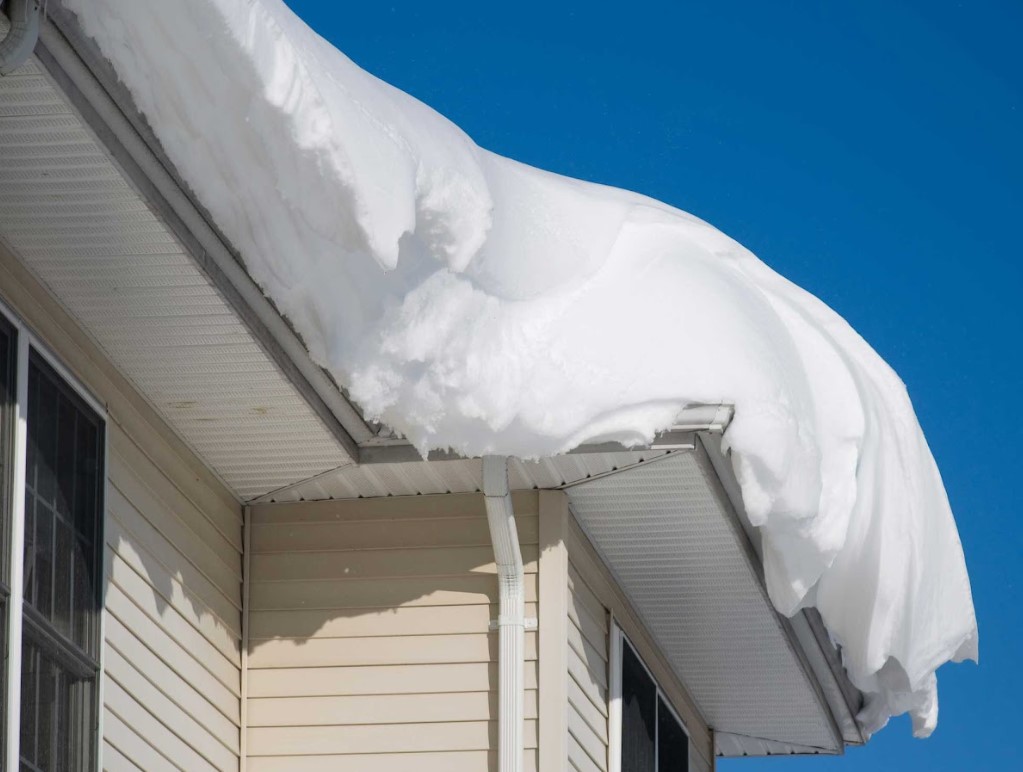
Winter in South Chicagoland is no joke. From heavy lake-effect snow and prolonged freezing temperatures to sudden thaws followed by refreezing, roofs in this region face intense seasonal stress every year. Snow may look harmless as it piles up, but over time, that weight can put serious strain on your roofing system, especially if your roof is aging, low-sloped, or already compromised.
Understanding roof snow load in IL, recognizing warning signs, and knowing when to act are key parts of winter roof collapse prevention. At Great Roofing, we help homeowners and business owners across South Chicagoland prepare their roofs for winter and respond quickly when snow loads become a concern.
Roofing Systems We Install: Built for Midwest Winters
As a family-owned and operated roofing company with multiple generations of industry experience, Great Roofing installs roofing systems designed to perform in Illinois’ demanding winter climate. Snow load capacity depends heavily on roof design, slope, and materials, which is why professional installation and quality materials matter so much.
For residential properties, we install:
- Architectural asphalt shingles, which offer added thickness and durability compared to traditional shingles
- Premium asphalt shingles, designed for a longer lifespan and better structural performance
- Impact-resistant shingles, built to handle severe weather stress
- Granulated modified bitumen is commonly used on low-slope residential roofs where snow accumulation is more likely
For commercial properties, we provide dependable commercial roofing systems designed to support heavier loads and withstand prolonged winter exposure.
No roof is immune to snow stress, but the right roofing system, installed correctly, can significantly reduce risk.
How Much Snow Can a Roof Handle in Illinois?
In Illinois, building codes account for snow loads, but that doesn’t mean every roof is equally protected. Many factors affect how much weight your roof can safely handle, including roof age, slope, drainage, and past storm damage.
As a general rule, wet, compacted snow is far heavier than fresh powder. Just one cubic foot of wet snow can weigh over 20 pounds. When snow piles up repeatedly without melting or sliding off, the load increases quickly, especially on low-slope or flat roofing systems.
Roofs that are most vulnerable include:
- Older roofs nearing the end of their lifespan
- Low-slope or poorly draining roofs
- Roofs with existing leaks or structural weaknesses
- Buildings with uneven snow accumulation due to wind drifting
That’s why monitoring snow load throughout winter is critical—not just after major storms.
Snow Load Warning Signs You Should Never Ignore
Snow load problems often show warning signs before a collapse occurs. If you notice any of the following, it’s time to act fast:
- Sagging ceilings or visible roofline dips
- Cracking sounds are coming from the attic or ceiling
- Doors or windows are suddenly sticking
- Interior leaks appearing during or after snowfall
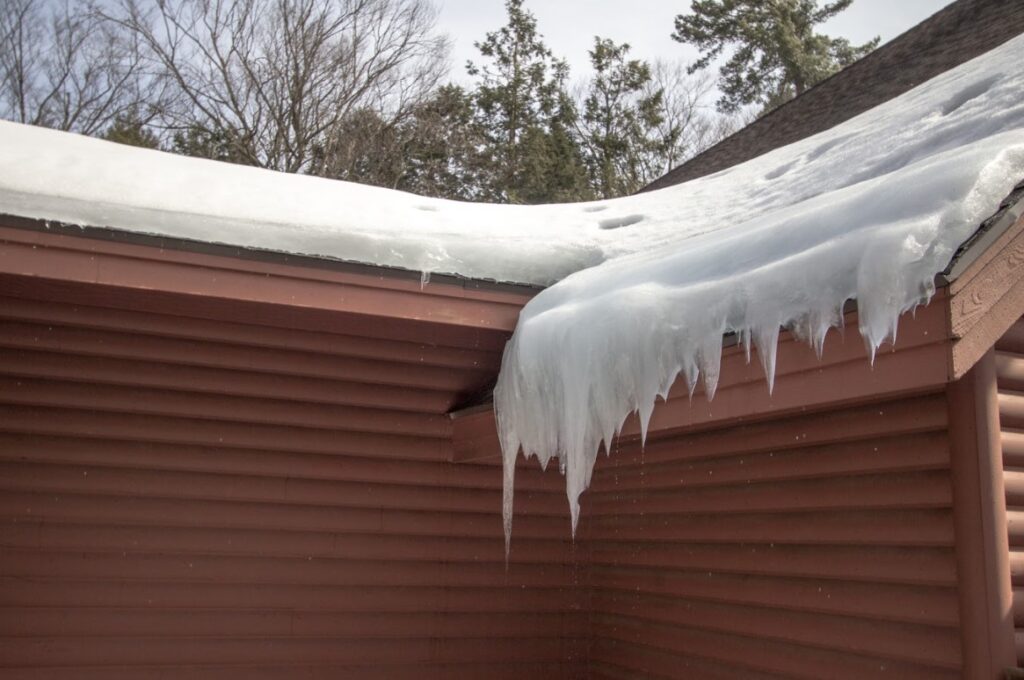
- Ice dams are forming along the roof edges
These issues don’t resolve on their own. Ignoring them can lead to costly structural damage or even roof failure.
Winter Roof Collapse Prevention Starts With Smart Snow Management
Safe snow management is a major part of protecting your roof, but it needs to be done carefully. Improper snow removal can cause more harm than good.
Helpful snow removal tips include:
- Avoid climbing onto the roof yourself whenever possible
- Never chip ice aggressively, which can damage shingles or membranes
- Clear snow gradually and evenly to prevent unbalanced loads
- Keep gutters and downspouts clear so melting snow can drain properly
If snow accumulation becomes concerning, professional help is the safest option. Great Roofing provides guidance and emergency response services when winter conditions threaten your roof.
Storm Damage Makes Snow Load Even Riskier
South Chicagoland roofs don’t just deal with snow. Wind, hail, ice, and even tornado activity can weaken roofing systems long before winter arrives. Storm-damaged roofs are far more susceptible to snow load failure.
Great Roofing offers:
- Emergency roof repairs
- Roof tarping
- Leak repairs
- Wind and hail damage restoration
- Insurance claim assistance
Addressing storm damage promptly helps ensure your roof enters winter in the strongest possible condition.
How Great Roofing Helps Protect Your Roof All Winter Long
At Great Roofing, we believe protecting your roof is about more than materials; it’s about communication, transparency, and long-term care. From complimentary estimates to detailed inspections, our team focuses on identifying risks early and providing clear, honest solutions.
Our Production Quality Control process ensures every project meets strict standards for durability and performance, giving homeowners and property managers confidence during even the harshest winter conditions.
Schedule Your Complimentary Roof Estimate Today
If you’re concerned about roof snow load in IL or want expert guidance on winter roof collapse prevention, Great Roofing is here to help. With multi-generation experience, family-owned values, and a client-first approach, we’re proud to protect homes and businesses across South Chicagoland.
Schedule your complimentary roofing estimate today and let our team help you enter winter with confidence, safety, and peace of mind.