

Industrial facilities face unique challenges when maintaining their roofing systems. Unlike residential or standard commercial buildings, industrial structures often house heavy equipment, experience chemical exposure, and operate around the clock, making downtime for repairs particularly costly. Industrial roofing repairs require specialized knowledge, strategic planning, and contractors who understand the complexities of large-scale roofing systems. Whether your facility uses modified bitumen, single-ply membranes, or metal roofing, proactive maintenance and timely repairs protect your operations, inventory, and workforce from weather-related disruptions.
Understanding Industrial Roofing Systems
Industrial buildings typically feature flat or low-slope roofing systems designed to accommodate HVAC equipment, skylights, and other penetrations. These roofing assemblies differ significantly from residential structures in both scale and complexity. Industrial roofing systems must withstand foot traffic from maintenance personnel, support mounted equipment, and resist environmental stressors specific to manufacturing and warehousing operations.
Common Industrial Roofing Materials
Industrial facilities utilize several roofing material options, each with distinct advantages and maintenance requirements:
- Modified Bitumen: Multi-layer systems offering excellent waterproofing and durability for flat roofs
- TPO (Thermoplastic Polyolefin): Heat-welded seams providing superior leak resistance and energy efficiency
- EPDM (Ethylene Propylene Diene Monomer): Rubber membrane systems known for longevity and weather resistance
- Metal Roofing: Standing seam or corrugated panels offering durability and fire resistance
- Built-Up Roofing (BUR): Traditional tar and gravel systems still common on older industrial buildings
The choice of roofing material influences repair approaches, lifecycle expectations, and maintenance schedules. Understanding your specific system helps facility managers make informed decisions about repair versus replacement strategies.
Identifying Common Industrial Roof Damage
Industrial roofing repairs begin with accurate damage identification. Unlike residential roofs where problems often become obvious through interior leaks, industrial facilities may experience prolonged damage before visible signs appear. The expansive nature of industrial roofs means small issues can develop into major problems affecting operations and inventory.
Ponding Water and Drainage Issues
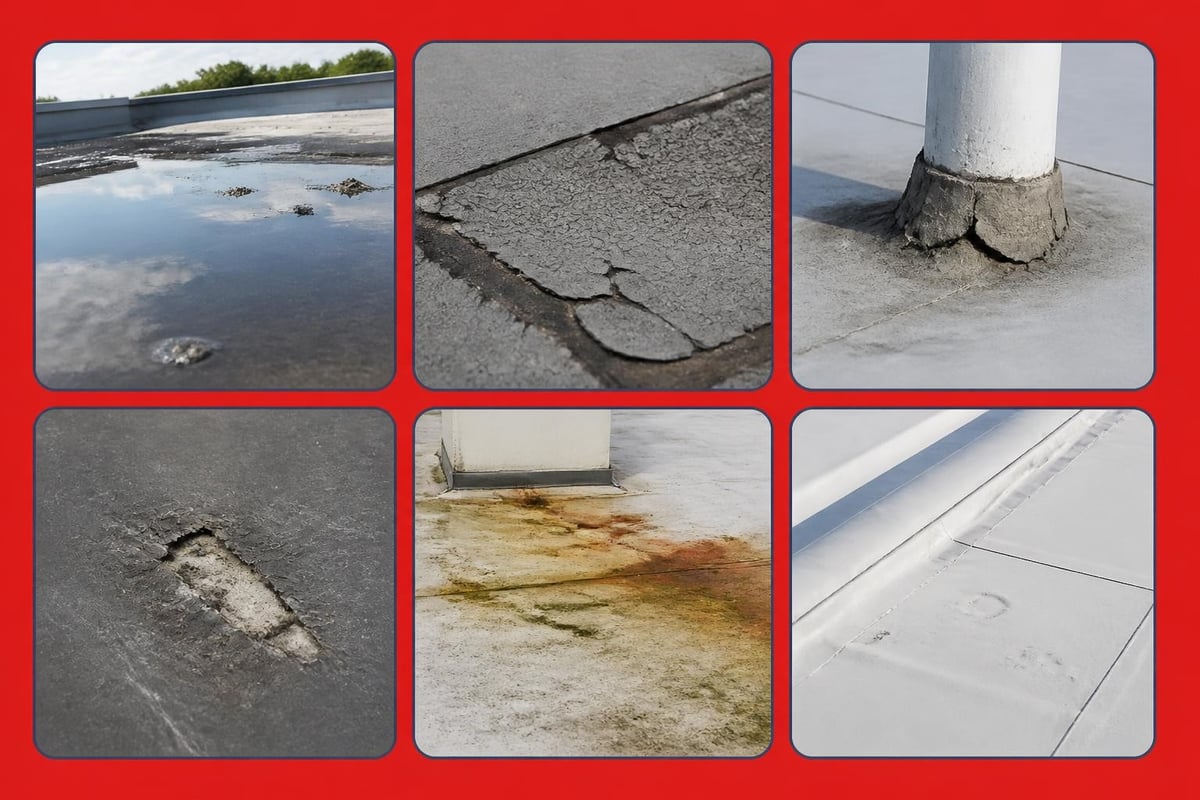
Flat industrial roofs frequently develop low spots where water accumulates after rainfall. Ponding water accelerates membrane deterioration, promotes vegetation growth, and adds structural load. Drainage systems require regular inspection to ensure proper function, particularly around roof drains, scuppers, and gutters.
Warning signs of drainage problems include:
- Standing water remaining 48 hours after rainfall
- Debris accumulation near drains
- Sagging areas or visible depressions
- Staining patterns indicating water flow issues
- Vegetation growth in chronic ponding areas
Membrane and Surface Deterioration
UV exposure, thermal cycling, and weather conditions gradually degrade roofing membranes. Industrial roofing repairs often address blistering, cracking, splitting, or surface erosion. These conditions compromise waterproofing integrity and, if left unaddressed, lead to substrate damage requiring more extensive intervention.
Regular inspections should document membrane condition across the entire roof surface, paying special attention to areas with heavy foot traffic or equipment mounting points. Many facility managers implement twice-yearly inspections coordinated with residential roof maintenance schedules to maintain consistency.
Strategic Repair Planning for Industrial Facilities
Effective industrial roofing repairs require coordination between roofing contractors, facility managers, and operations teams. Unlike residential projects that might inconvenience homeowners for a few days, industrial repairs can impact production schedules, safety protocols, and regulatory compliance. Strategic planning minimizes disruption while ensuring thorough, lasting repairs.
Assessment and Documentation
Professional roof inspections provide the foundation for repair planning. Comprehensive assessments document current conditions, identify immediate concerns, and project future maintenance needs. This information supports budget planning and helps prioritize repairs based on risk and operational impact.
| Assessment Component | Purpose | Frequency |
|---|---|---|
| Visual Inspection | Surface condition, obvious damage | Quarterly |
| Moisture Survey | Hidden leaks, trapped moisture | Annually |
| Core Sampling | Membrane and substrate condition | As needed |
| Drone Inspection | Overall condition, inaccessible areas | Semi-annually |
| Thermographic Scan | Moisture detection, insulation gaps | Annually |
Documentation from these assessments creates historical records showing roof performance over time. This data proves invaluable when determining whether repairs or replacement represent the most cost-effective solution.
Repair Method Selection
Industrial roofing repairs employ various techniques depending on damage extent, roofing material, and facility requirements. Contractors select methods balancing immediate problem resolution with long-term performance expectations. Understanding available industrial roofing services helps facility managers evaluate contractor recommendations.
Primary repair methodologies include:
- Patch Repairs: Localized fixes for small damaged areas using compatible materials
- Coating Applications: Protective layers extending membrane life and improving waterproofing
- Flashing Replacement: Addressing penetration failures around vents, pipes, and equipment
- Drainage Modifications: Improving water flow to eliminate ponding
- Partial Reroofing: Replacing severely damaged sections while preserving viable areas
The selection process considers factors beyond immediate cost. Weather windows, production schedules, and future expansion plans all influence repair strategy. Some facilities coordinate major repairs during planned shutdowns, minimizing operational disruption.
Addressing Specific Industrial Roof Vulnerabilities
Industrial facilities present unique roofing challenges that differentiate them from commercial office buildings or retail spaces. Manufacturing processes, equipment installations, and operational requirements create specific vulnerability points requiring specialized attention during industrial roofing repairs.
Equipment Penetrations and Mounting Systems
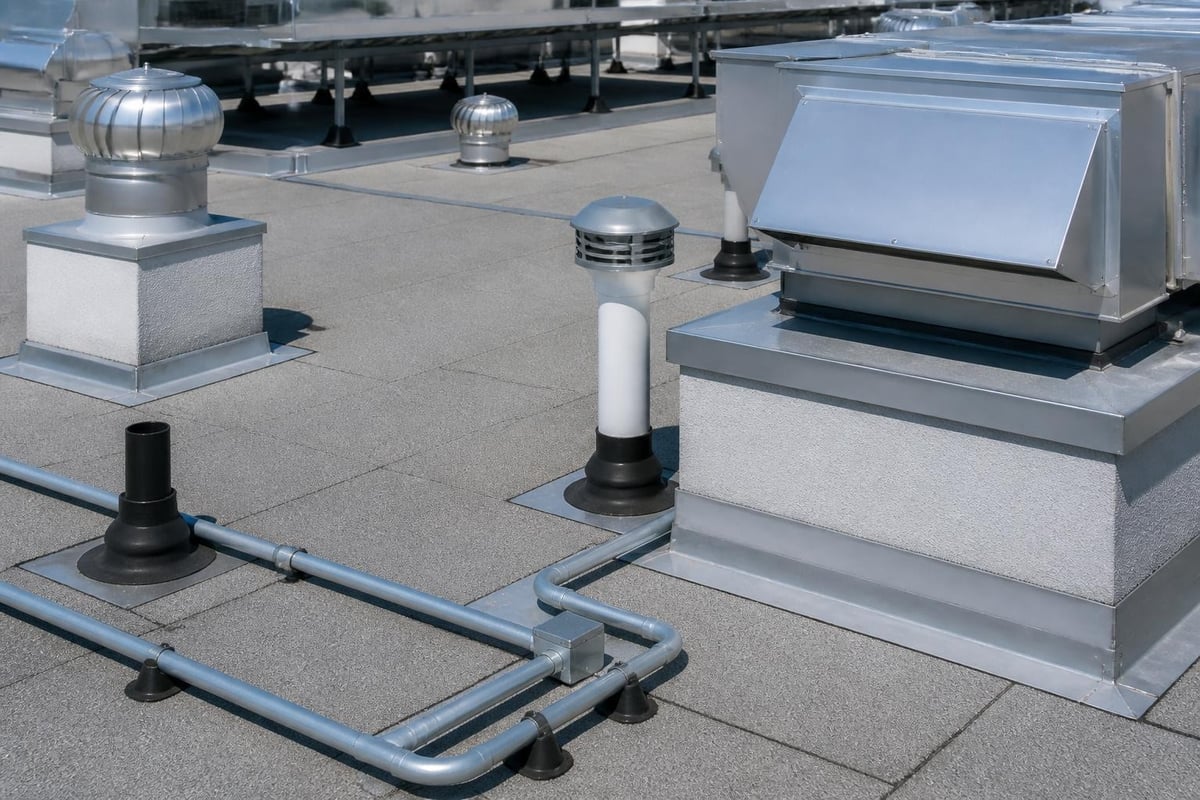
Industrial roofs typically support substantial equipment including HVAC units, exhaust fans, process vents, and solar arrays. Each penetration creates potential leak pathways requiring proper flashing and regular maintenance. Vibration from equipment can work flashing loose over time, while thermal expansion and contraction stress sealed connections.
Repair specialists examine mounting systems for proper attachment, adequate pitch pockets or curb flashing, and signs of movement or deterioration. Professional roof repair services address these complex intersections with techniques ensuring both waterproof integrity and equipment stability.
Chemical Exposure and Environmental Factors
Manufacturing facilities may expose roofing systems to chemicals, oils, or elevated temperatures that accelerate material degradation. Food processing plants deal with grease exhaust, while chemical plants contend with corrosive fumes. These environmental factors require membrane materials specifically designed for such exposures.
When planning industrial roofing repairs in chemically aggressive environments, contractors specify compatible materials and protective coatings. Some situations necessitate specialized membranes offering chemical resistance beyond standard roofing products. Understanding industrial roof corrosion helps facility managers recognize when environmental factors demand enhanced protection.
Proactive Maintenance Programs
Preventive maintenance represents the most cost-effective approach to industrial roofing management. Regular attention to minor issues prevents cascading failures that disrupt operations and require emergency repairs. Establishing comprehensive maintenance programs extends roof lifespan while reducing total lifecycle costs.
Inspection Schedules and Protocols
Systematic inspections form the cornerstone of effective maintenance programs. While annual professional inspections provide thorough assessments, quarterly facility-level inspections identify emerging issues before they become urgent problems. This two-tier approach balances professional expertise with operational knowledge.
Quarterly facility inspection checklist:
- Clear all roof drains and gutters of debris
- Check flashing around penetrations for damage or separation
- Document any ponding water locations
- Inspect membrane surface for obvious damage
- Verify equipment mounting systems remain secure
- Photograph conditions for comparison over time
- Remove vegetation or debris accumulation
These routine inspections complement professional assessments, creating a comprehensive monitoring system. Facility personnel familiar with their roofs often notice subtle changes that warrant contractor evaluation. Similar principles apply to residential roof maintenance, though industrial systems require more frequent attention due to their complexity.
Emergency Response Planning
Despite best maintenance efforts, industrial roofs occasionally fail unexpectedly due to severe weather, equipment mishaps, or hidden defects. Emergency response plans minimize damage and operational disruption when unexpected failures occur. These plans should identify emergency contractors, temporary weatherproofing materials, and procedures for protecting inventory and equipment.
Facilities in regions experiencing severe weather should maintain relationships with contractors offering emergency services. Storm damage response capabilities become critical when weather events damage roofing systems, requiring immediate temporary repairs to prevent further losses.
Cost Considerations and Budget Planning
Industrial roofing repairs represent significant capital investments requiring careful financial planning. Understanding cost drivers helps facility managers budget appropriately and make informed decisions about repair timing and scope. While repair costs vary based on damage extent, roofing type, and facility location, several factors consistently influence project expenses.
Repair Cost Variables
Multiple elements affect industrial roofing repair pricing beyond simple square footage calculations. Facility height, accessibility, required safety equipment, and production coordination all contribute to project costs. Specialized materials for chemical-resistant applications or high-temperature environments command premium pricing compared to standard roofing products.
| Cost Factor | Impact Level | Planning Consideration |
|---|---|---|
| Roof Height | Moderate-High | Scaffolding, crane, or lift requirements |
| Access Complexity | Moderate | Equipment transport, staging areas |
| Production Coordination | Low-High | Night/weekend premiums, phased scheduling |
| Material Specifications | Moderate-High | Standard vs. specialized membrane systems |
| Substrate Condition | High | Decking repairs add substantial cost |
| Regulatory Compliance | Moderate | Permits, inspections, safety requirements |
Requesting detailed proposals from qualified contractors provides accurate cost projections. Reputable contractors like Great Roofing provide transparent pricing breakdowns explaining material selections, labor components, and project timelines.
Long-Term Financial Planning
Industrial roofing repairs should align with broader facility capital improvement plans. Some repairs extend existing roof life by several years, postponing full replacement. Other situations warrant transitioning to replacement rather than investing in extensive repairs on failing systems.
Financial analysis comparing repair costs against replacement benefits guides these decisions. Consider factors including expected service life extension, energy efficiency improvements, warranty coverage, and operational disruption. A $50,000 repair extending roof life five years may prove more economical than a $200,000 replacement, depending on facility plans and budget constraints.
Contractor Selection for Industrial Projects
Choosing qualified contractors for industrial roofing repairs significantly impacts project outcomes. Industrial projects demand specialized expertise, safety protocols, and coordination capabilities beyond typical residential or light commercial work. Facility managers should evaluate contractors based on industrial experience, safety records, and project management capabilities.
Essential Qualifications and Certifications
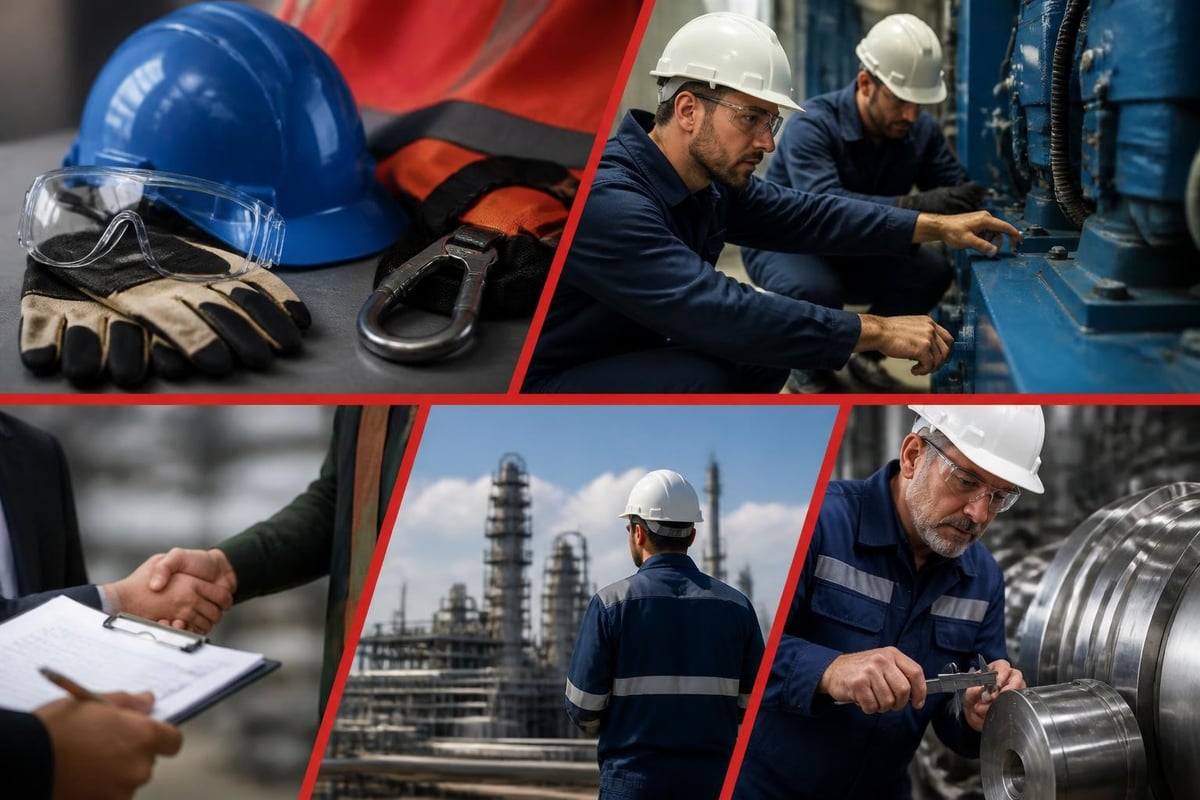
Industrial roofing contractors should demonstrate specific qualifications proving their capability to handle complex projects safely and effectively. Manufacturer certifications indicate training on proper installation and repair techniques for specific roofing systems. Safety certifications demonstrate commitment to worker protection and OSHA compliance.
Key contractor qualifications include:
- Manufacturer certifications for installed roofing systems
- OSHA safety training and compliance records
- Adequate insurance coverage (general liability and workers compensation)
- References from comparable industrial projects
- Financial stability and bonding capacity
- Quality control and warranty programs
Request documentation verifying these qualifications before engaging contractors for significant industrial roofing repairs. Professional roofing experts maintain current certifications and readily provide references demonstrating successful project completion.
Project Management and Communication
Industrial repairs require coordination with facility operations, safety personnel, and sometimes regulatory agencies. Effective contractors establish clear communication protocols, provide detailed schedules, and adapt to facility needs. Pre-construction meetings should address safety requirements, access restrictions, noise limitations, and emergency procedures.
Throughout the project, regular updates keep facility managers informed of progress, challenges, and schedule adjustments. Contractors experienced in industrial environments understand production priorities and work collaboratively to minimize operational impact. This coordination proves particularly important for facilities operating continuous processes where roofing work must proceed without disrupting manufacturing activities.
Safety Protocols for Industrial Roof Repairs
Industrial roofing repairs occur in inherently hazardous environments requiring comprehensive safety measures. Fall protection, hot work permits, confined space protocols, and lockout/tagout procedures protect workers and facility personnel. Contractors must comply with OSHA regulations while adhering to facility-specific safety requirements.
Worker Protection Systems
Fall protection represents the primary safety concern for industrial roofing work. Contractors employ guardrail systems, personal fall arrest equipment, and safety monitoring programs protecting workers at elevation. Additional hazards including hot work near flammable materials, chemical exposures, and electrical systems require specialized safety protocols.
Before commencing repairs, contractors should conduct job hazard analyses identifying potential risks and establishing control measures. These analyses integrate with facility safety programs, ensuring all parties understand and follow established protocols. Regular safety briefings reinforce procedures and address changing conditions as projects progress.
Facility Coordination and Protection
Industrial roofing repairs may create hazards for facility personnel and operations below the work area. Contractors establish exclusion zones, install protective barriers, and coordinate hot work with facility safety staff. When repairs occur above active production areas, additional precautions prevent debris, tools, or materials from falling into manufacturing spaces.
Some facilities require contractors to attend facility safety orientations covering emergency procedures, restricted areas, and hazardous material locations. This integration ensures roofing personnel understand facility-specific risks and respond appropriately to emergencies. Detailed information about managing industrial roofing repairs safely and effectively helps both contractors and facility managers establish appropriate protocols.
Technology Integration in Modern Repairs
Advanced technologies enhance industrial roofing repairs through improved damage detection, precise repairs, and better lifecycle management. Thermal imaging identifies hidden moisture, drone inspections access difficult areas safely, and digital documentation systems track conditions over time. These technologies improve repair quality while reducing costs and safety risks.
Diagnostic Technologies
Infrared thermography detects moisture trapped within roofing assemblies by identifying temperature differentials invisible to visual inspection. This non-destructive testing locates specific problem areas, allowing contractors to target repairs precisely rather than conducting exploratory removal across large areas. Nuclear moisture meters and electrical impedance scanners provide alternative moisture detection methods for different roofing systems.
Drone technology revolutionizes industrial roof inspections by capturing high-resolution imagery and video without requiring personnel to access every roof area. Drones equipped with thermal cameras combine visual and infrared data, creating comprehensive condition assessments. This technology proves particularly valuable for tall buildings or roofs with limited safe access points.
Documentation and Asset Management
Digital documentation systems transform how facility managers track roofing conditions and plan maintenance. Cloud-based platforms store inspection reports, photographs, and repair histories accessible to facility teams and contractors. This centralized information supports data-driven decisions about repair timing, budget allocation, and replacement planning.
Some systems integrate with building automation platforms, correlating roof conditions with energy consumption, indoor environmental quality, and equipment performance. This holistic approach to facility management recognizes roofing as one component within interconnected building systems. Proper roof certification processes document current conditions for property transactions, insurance purposes, or warranty compliance.
Weather Considerations and Seasonal Planning
Weather significantly impacts industrial roofing repair scheduling, material performance, and project success. Temperature requirements for adhesives and sealants, precipitation restrictions, and wind limitations constrain when repairs can proceed. Understanding seasonal considerations helps facility managers plan projects during optimal weather windows.
Optimal Repair Seasons
Most roofing materials perform best when installed within specific temperature ranges. Modified bitumen requires adequate heat for proper adhesion, while single-ply membranes may become too rigid in cold weather for effective seaming. Summer heat can make working conditions challenging and affect material handling, while winter cold limits available work days in northern climates.
Seasonal repair considerations:
- Spring: Moderate temperatures, but frequent precipitation may delay work
- Summer: Extended daylight and warm temperatures, but extreme heat affects materials
- Fall: Excellent conditions in many regions before winter weather arrives
- Winter: Limited options in cold climates, but possible in moderate regions
Planning repairs during favorable seasons reduces weather delays and ensures optimal material performance. However, damage requiring immediate attention cannot always wait for ideal conditions. Contractors experienced with emergency roof repairs employ specialized techniques and materials suitable for adverse weather conditions.
Weather-Related Damage Response
Severe weather events including hailstorms, high winds, and heavy snow loads can damage industrial roofing systems suddenly and extensively. Immediate assessment after significant weather events identifies damage before water infiltration causes additional problems. Some damage remains invisible from ground level, requiring professional inspection to document fully.
Insurance claims for weather damage require thorough documentation, including photographs, repair estimates, and damage descriptions. Many facilities maintain relationships with roofing contractors who can respond quickly after storms, providing temporary repairs and damage assessments. Understanding insurance claim processes helps facility managers navigate post-storm recovery efficiently.
Industrial roofing repairs protect critical facility assets while maintaining operational continuity. Strategic planning, qualified contractors, and proactive maintenance programs ensure industrial roofs perform reliably for decades. Whether your facility requires minor repairs or comprehensive restoration, partnering with experienced professionals makes all the difference. Great Roofing brings expertise in both residential and commercial roofing systems, offering the specialized knowledge industrial facilities need for lasting repairs. Contact our team today to schedule a comprehensive roof assessment and develop a maintenance strategy tailored to your facility's unique requirements.