

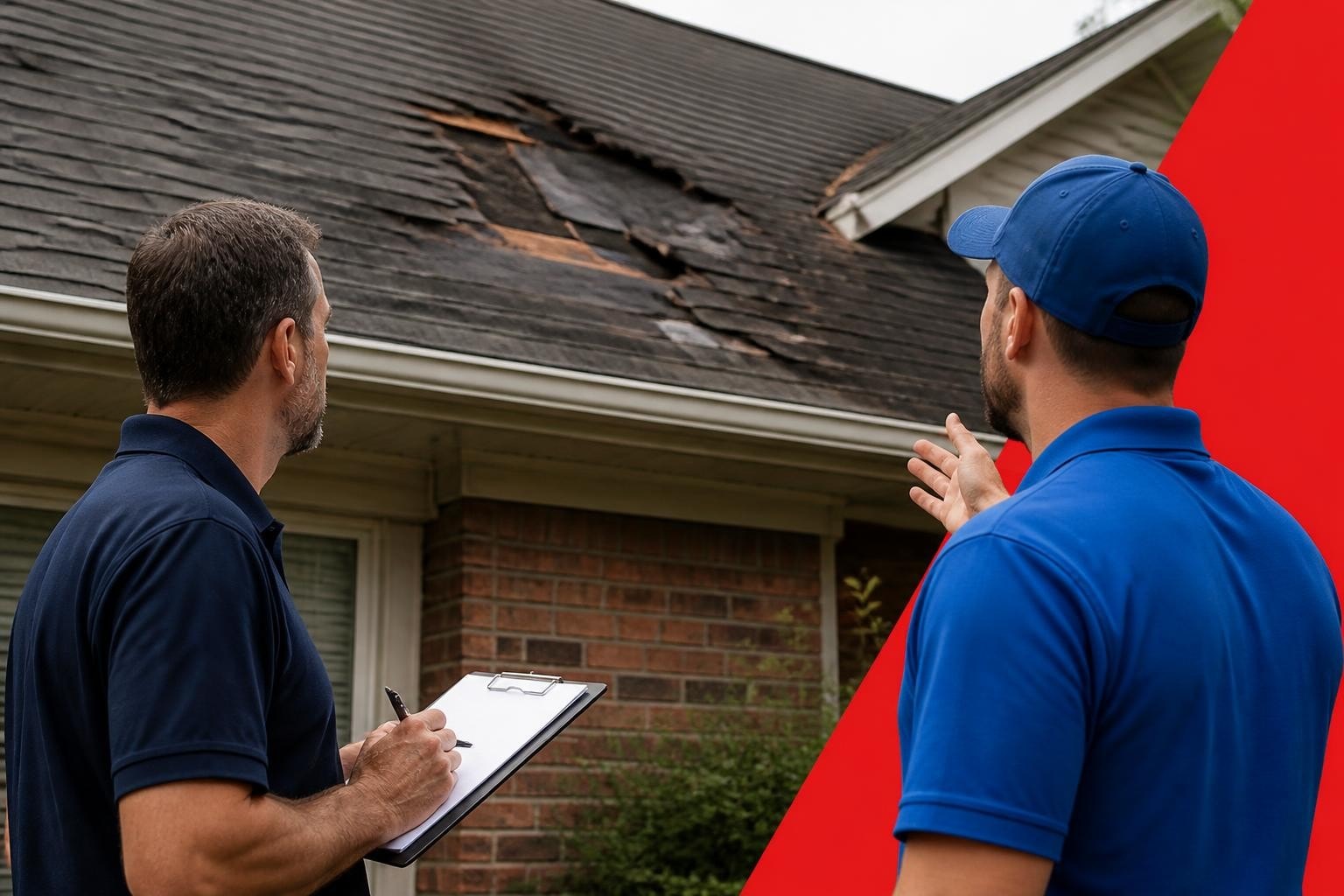
Understanding how to properly file an insurance claim for roof repair can mean the difference between a smooth restoration process and months of frustration. Whether your roof has suffered storm damage, hail impact, or wind-related issues, navigating the insurance landscape requires knowledge of policy terms, documentation standards, and claim procedures. This comprehensive guide walks you through every step of the process, helping you maximize your coverage while avoiding common pitfalls that could jeopardize your claim or leave you undercompensated for necessary repairs.
Understanding Your Roof Insurance Coverage
Before filing any claim, you need to understand exactly what your homeowners insurance policy covers. Most standard policies protect against sudden, accidental damage from covered perils like hail, wind, falling trees, and fire. However, gradual deterioration, lack of maintenance, and normal wear are typically excluded.
Replacement Cost vs. Actual Cash Value
Your policy likely uses one of two valuation methods. Replacement Cost Value (RCV) pays to replace your roof with materials of similar kind and quality at today's prices, without depreciation. Actual Cash Value (ACV) factors in depreciation based on your roof's age and condition, meaning you receive less money.
The Insurance Information Institute explains how roof age and valuation methods directly impact what insurers will pay. A 20-year-old asphalt shingle roof will receive significantly less under ACV than a newer roof, even if the damage is identical.
| Valuation Method | How It Works | Typical Payout |
|---|---|---|
| Replacement Cost Value (RCV) | Full replacement without depreciation | 100% of current repair costs |
| Actual Cash Value (ACV) | Replacement cost minus depreciation | 40-70% of current repair costs |
| Recoverable Depreciation | RCV paid in stages (ACV upfront, rest after completion) | Full RCV eventually, but delayed |
Understanding your deductible is equally critical. If your policy carries a $2,500 deductible and repairs cost $4,000, you'll receive only $1,500 from the insurer.
Documenting Roof Damage Properly
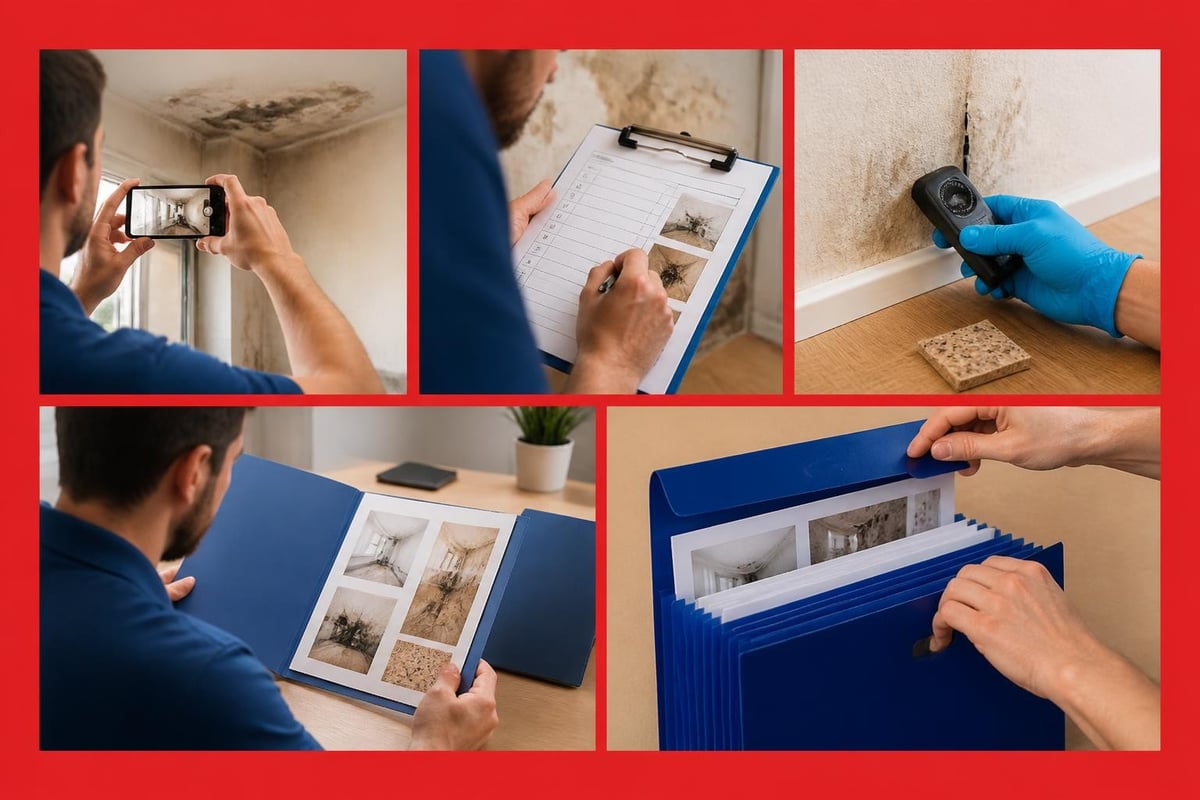
Thorough documentation forms the foundation of any successful insurance claim for roof repair. The moment you discover damage, begin creating a comprehensive record that will support your claim throughout the process.
Initial Damage Assessment
Start by photographing the damage from multiple angles. Take wide shots showing the entire roof section, then close-ups of specific damage points. Include reference objects (like a ruler or coin) to show scale. Document interior damage such as water stains, leaks, or structural issues that resulted from roof compromise.
Create a written inventory that includes:
- Date and time you discovered the damage
- Weather event or incident that caused it
- Specific locations on the roof affected
- Related damage to gutters, siding, or interior spaces
- Any emergency repairs you made to prevent further damage
The NAIC’s Post-Disaster Claims Guide emphasizes the importance of maintaining detailed records from the first moment of damage discovery through final settlement.
Professional Inspection
While homeowner documentation is important, a professional roofing contractor's inspection report carries significant weight with insurance adjusters. A qualified contractor can identify damage you might miss and provide detailed estimates that align with industry standards.
When selecting a contractor for inspection, verify their credentials, insurance, and local reputation. The Better Business Bureau warns about storm-chasing scams that target homeowners after severe weather events.
Filing Your Insurance Claim for Roof Repair
Once you've documented the damage, contact your insurance company promptly. Most policies require notification within a reasonable timeframe, and delays can complicate or even jeopardize your claim.
The Claims Process Timeline
- Report the claim to your insurance company within 24-48 hours of discovering damage
- Receive claim number and adjuster assignment within 1-3 business days
- Schedule inspection with the adjuster (typically within 5-10 days)
- Adjuster inspection of your roof and damage assessment
- Initial claim decision issued within 7-14 days after inspection
- Dispute or supplement if the estimate is insufficient
- Final settlement and payment authorization
When you report the claim, provide your policy number, detailed description of damage, and the date of the loss event. Be factual and thorough, but don't speculate about causes or costs at this stage.
Working with the Insurance Adjuster
The adjuster's role is to assess damage and determine coverage under your policy terms. They represent the insurance company's interests, not yours, so professional preparation is essential.
During the adjuster's inspection:
- Walk them through all damage areas
- Share your documentation and photos
- Have your contractor present if possible
- Point out related damage they might overlook
- Ask questions about coverage and the evaluation process
- Take notes on their findings and comments
The adjuster will create an estimate based on their inspection. This estimate may differ significantly from your contractor's assessment, which often leads to the next critical step: supplemental claims.
Navigating Estimate Discrepancies and Supplements
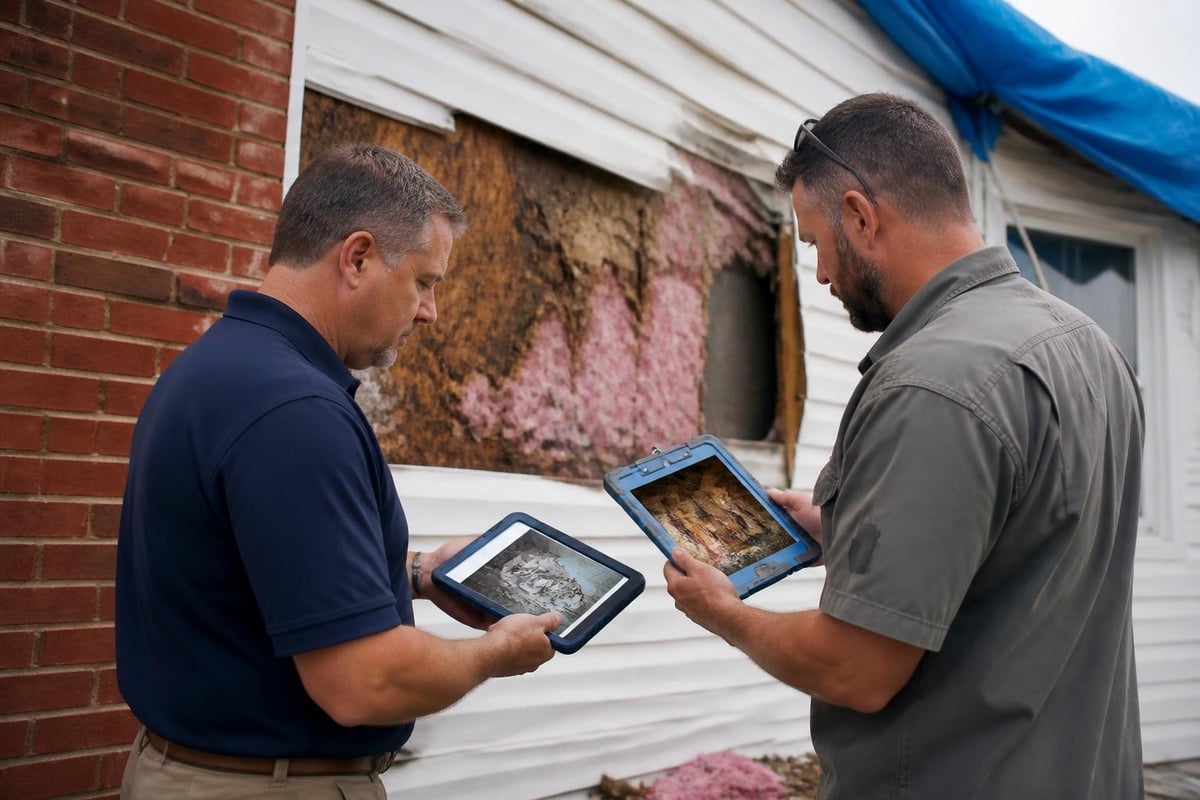
It's common for insurance adjusters to initially underestimate repair costs or miss hidden damage. When your contractor's estimate exceeds the adjuster's, you'll need to file a supplemental claim.
Common Estimate Shortfalls
Insurance adjusters may miss or undervalue several aspects of roof repair work. They might not account for necessary tear-off of multiple layers, proper ventilation upgrades, or code compliance requirements. Experienced roofing contractors often identify additional damage once they begin work, such as compromised decking, damaged underlayment, or structural issues.
Understanding professional roofing installation requirements helps you evaluate whether an estimate includes all necessary components for a proper, code-compliant repair.
| Commonly Underestimated Items | Why Adjusters Miss Them | Impact on Total Cost |
|---|---|---|
| Decking replacement | Not visible from surface | $1,500-$4,000 |
| Multiple shingle layers | Requires measurement verification | $800-$2,500 |
| Ventilation system upgrades | Building code changes since original installation | $600-$1,800 |
| Flashing replacement | Appears intact but compromised | $400-$1,200 |
| Permits and inspections | Varies by jurisdiction | $200-$800 |
Filing a Supplemental Claim
Your contractor should prepare a detailed supplement that explains the additional damage or work scope, includes supporting photos and documentation, and references industry standards or manufacturer specifications. Many experienced contractors work directly with adjusters to negotiate supplemental approvals.
Great Roofing's expertise in navigating roof insurance claims ensures that all necessary repairs receive proper coverage consideration and that supplements are professionally documented.
Understanding Payment Structures and Holdbacks
Insurance companies typically don't issue one lump-sum payment for roof repairs. Understanding payment structures helps you manage expectations and contractor relationships effectively.
The Two-Payment System
Most insurers using RCV policies issue an initial payment for the ACV portion upfront, holding back recoverable depreciation until repairs are completed. You'll receive the depreciation only after submitting proof of completed work, including paid invoices, final inspection certificates, and contractor lien releases.
Payment timeline example:
- Total approved claim: $15,000
- Deductible: $2,500
- Depreciation: $3,000
- Initial payment: $9,500 ($15,000 – $2,500 – $3,000)
- Final payment: $3,000 (after completion proof)
This structure protects insurers from paying for work that never gets completed, but it can create cash flow challenges. Some contractors require partial payment upfront, which must come from your initial insurance payment or personal funds.
Mortgage Company Requirements
If you have a mortgage, your lender's name appears on insurance checks as a co-payee. The mortgage company may require an inspection before releasing funds or may hold funds in escrow, releasing them as work progresses. This adds another layer of complexity to the payment process.
Protecting Your Rights During the Claims Process
State insurance regulations and your policy terms grant you specific rights during the claims process. Understanding these protections helps you advocate effectively when disputes arise.
Key Consumer Protections
Every state has an insurance department that regulates claim handling practices. Insurers must respond to claims within specific timeframes, provide written explanations of coverage decisions, and follow fair claim settlement practices. The Texas Department of Insurance outlines consumer rights and insurer obligations specific to property damage claims.
If you're unsatisfied with a claim decision, you have several escalation options. Start by requesting a detailed written explanation of the denial or underpayment. Then file a formal appeal with your insurance company, request an independent inspection or appraisal, or file a complaint with your state insurance department.
Resources for claim disputes:
- State insurance department consumer assistance programs
- Insurance policy appraisal clauses (binding arbitration)
- Public adjusters (licensed professionals who advocate for policyholders)
- Insurance attorneys for complex disputes or bad faith claims
The Consumer Reports coverage on homeowners insurance highlights common policy pitfalls and consumer protection proposals that could strengthen policyholder rights.
Avoiding Common Claim Mistakes
Several missteps can reduce your settlement or result in claim denial. Awareness of these pitfalls helps you navigate the process successfully.
Delayed Reporting
Filing your insurance claim for roof repair promptly is crucial. While discovering minor leaks months after a storm might seem acceptable to you, insurers may question whether the damage resulted from the covered event or subsequent maintenance neglect.
Unauthorized Repairs
Making extensive repairs before the adjuster inspects can eliminate evidence of damage and jeopardize your claim. However, you have both a right and an obligation to prevent further damage through reasonable temporary repairs like tarping.
Temporary repairs vs. permanent fixes:
- Acceptable: Tarping damaged areas, placing buckets to catch leaks, boarding broken sections
- Risky: Replacing shingles, repairing decking, removing evidence of damage
Keep detailed records and receipts for any emergency repairs. Your policy should cover reasonable costs to prevent additional damage.
Contractor Assignment of Benefits
Some contractors ask homeowners to sign Assignment of Benefits (AOB) agreements, which transfer insurance claim rights to the contractor. While these arrangements can simplify the process, they may also reduce your control over the claim and create conflicts. The NAIC’s consumer guide explains AOB risks and when they might be appropriate.
Strengthening Future Insurance Considerations
While navigating your current claim, consider how today's decisions affect future coverage and costs. Insurance companies increasingly scrutinize roof age and condition when underwriting policies.
Roof Age and Insurability
Many insurers now limit coverage or require inspections for roofs over 15-20 years old. Some refuse to write new policies on homes with older roofs, while others switch automatically from RCV to ACV coverage once roofs reach certain ages.
When filing a claim, you face a strategic decision: repair or replace. If your roof is older and sustains significant damage, fighting for full replacement now may provide better long-term value than accepting a partial repair that leaves you with a patchwork roof of mixed ages.
Impact Resistant Materials
Upgrading to impact-resistant shingles or other resilient roofing materials during repairs can qualify you for insurance discounts and reduce future claim likelihood. The FORTIFIED home program provides standards for roof resilience that can lower insurance costs and improve storm performance.
Discussing high-quality roofing materials with your contractor during the claim process allows you to evaluate upgrade options that might be partially covered through your claim.
Working with Qualified Roofing Contractors
Your contractor choice significantly impacts claim success. Experienced roofing professionals understand insurance processes, can prepare detailed supplements, and communicate effectively with adjusters.
Contractor Qualifications to Verify
Look for contractors with proper licensing, comprehensive insurance (both liability and workers' compensation), established local presence, and proven experience with insurance claim work. Request references from recent insurance jobs and verify their standing with local building departments.
Questions to ask potential contractors:
- How many insurance claim projects do you complete annually?
- Will you attend the adjuster's inspection with me?
- How do you handle supplements for additional damage?
- What is your payment schedule relative to insurance payments?
- Do you offer a warranty on your work?
Reputable contractors won't pressure you to sign contracts before the insurance inspection or guarantee that insurance will cover all costs. They should provide transparent estimates that align with industry standards and local building codes.
For both residential roofing projects and commercial roofing repair, working with established local contractors ensures continuity if issues arise during or after claim settlement.
Managing the Repair Timeline
Once your claim is approved and you've selected a contractor, managing the repair timeline becomes critical for receiving full payment and restoring your home's protection.
Coordination Requirements
Schedule repairs promptly after claim approval, as delays can trigger questions about whether you mitigated further damage. Your contractor should pull necessary permits, schedule inspections, and coordinate with your mortgage company if funds are held in escrow.
Most roof repairs take 1-3 days for residential properties, depending on size and complexity. Weather delays are common and acceptable, but document any factors that extend the timeline beyond normal parameters.
Final Documentation for Depreciation Recovery
To receive withheld depreciation, submit complete documentation to your insurer within the timeframe specified in your policy (typically 180-365 days). Required documents usually include paid invoices showing work completed, certificates of completion from local building departments, photos of completed work, and contractor lien releases.
Missing any required documentation can delay or prevent recovery of depreciation funds. Work with your contractor to ensure all paperwork is completed correctly before final payment.
State-Specific Regulations and Resources
Insurance claim regulations vary significantly by state. Understanding your state's specific requirements and consumer protections strengthens your position throughout the claims process.
Several states have enacted specific consumer protections for roof claims. For example, the California Department of Insurance provides guidance on timelines insurers must meet and formal complaint procedures available to California homeowners.
Regional Considerations
Climate and weather patterns influence both coverage availability and claim handling. States with frequent hail or hurricanes face tighter underwriting and more stringent claim scrutiny. Understanding regional norms helps set realistic expectations.
In the Joliet area, spring and summer storms frequently cause roof damage through hail, high winds, and falling debris. Working with local contractors familiar with regional weather patterns and insurance company behaviors provides advantages during the claim process.
Successfully navigating an insurance claim for roof repair requires thorough documentation, understanding of your policy terms, and strategic management of the adjuster relationship. By following the steps outlined in this guide, you'll maximize your settlement while ensuring quality repairs that protect your property for years to come. Great Roofing brings decades of experience helping Joliet-area homeowners and businesses through the insurance claim process, from initial damage assessment through final completion documentation. Contact our team today to schedule a professional inspection and receive expert guidance on your roof insurance claim.