


Storm damage can devastate a roof in minutes, leaving homeowners scrambling to understand their insurance coverage, document damage properly, and navigate the claims process. Insurance claim roofers specialize in helping property owners through this challenging period, serving as knowledgeable advocates who understand both roofing systems and insurance procedures. These professionals bridge the gap between technical roofing expertise and the complex world of property insurance, ensuring homeowners receive fair settlements that fully cover necessary repairs or replacements. For Joliet-area property owners facing storm damage, working with experienced contractors who understand the insurance landscape can make the difference between a smooth claim process and months of frustration.
Understanding the Role of Insurance Claim Roofers
Insurance claim roofers bring specialized knowledge to storm-damaged properties that extends far beyond standard roofing expertise. These professionals understand policy language, documentation requirements, and negotiation strategies that maximize claim outcomes while maintaining ethical standards.
What Sets Insurance Claim Specialists Apart
The distinction between standard roofing contractors and insurance claim roofers lies in their comprehensive understanding of the claims process. While all qualified roofers can repair storm damage, specialists in this field know how to document damage in ways insurance adjusters recognize and accept. They understand the difference between cosmetic damage and functional impairment, can identify subtle signs of storm impact that untrained eyes might miss, and know how to present findings in terms that align with policy coverage.
Key competencies include:
- Detailed damage assessment using industry-standard documentation methods
- Knowledge of insurance policy language and coverage limitations
- Ability to communicate technical findings to adjusters and homeowners
- Understanding of regional weather patterns and typical storm damage signatures
- Familiarity with manufacturer specifications and installation standards
When severe weather strikes the Joliet area, property owners need contractors who can quickly assess whether roof damage from storms warrants an insurance claim and how to proceed efficiently.
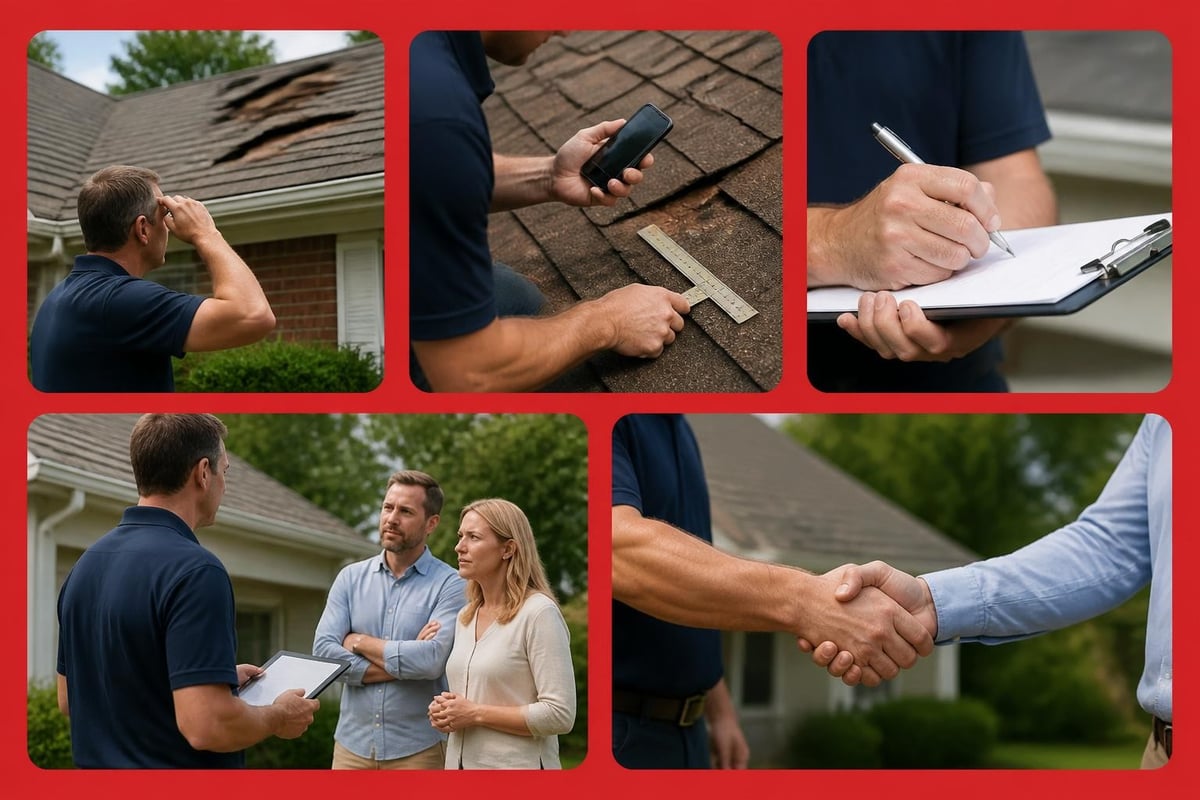
The Claims Process Timeline
Understanding the typical insurance claim timeline helps property owners set realistic expectations and take appropriate action at each stage. The process generally unfolds over several weeks, though complex claims may extend longer.
| Phase | Typical Duration | Key Activities |
|---|---|---|
| Initial Contact | 1-2 days | Homeowner contacts insurer, emergency tarping if needed |
| Inspection Scheduling | 3-7 days | Adjuster appointment set, contractor assessment |
| Damage Assessment | 1 day | Adjuster inspection, contractor documentation |
| Estimate Review | 5-10 days | Carrier processes claim, issues initial estimate |
| Negotiation | Variable | Contractor and adjuster resolve discrepancies |
| Approval & Work | 1-3 weeks | Claim approved, work scheduled and completed |
Insurance claim roofers accelerate this timeline by providing thorough documentation upfront, reducing back-and-forth with adjusters and minimizing delays. According to data from the Insurance Information Institute on convective storm losses, severe weather claims have reached historic levels, making efficient processing more critical than ever.
Storm Damage Documentation and Assessment
Proper documentation forms the foundation of every successful insurance claim. Insurance claim roofers excel at creating comprehensive damage records that withstand carrier scrutiny and support full replacement when warranted.
Initial Damage Discovery
The assessment process begins immediately after a storm event. Experienced contractors conduct systematic roof inspections that examine every vulnerable area where hail, wind, or debris might have caused damage. This includes checking for:
- Shingle damage: Bruising, cracking, granule loss, or missing sections
- Flashing failures: Bent, torn, or displaced metal components around chimneys and vents
- Ventilation impacts: Damaged ridge vents, soffit vents, or attic ventilation systems
- Underlying deck damage: Compromised decking visible from attic inspections
- Collateral damage: Gutters, downspouts, siding, and other exterior components
For property owners researching storm history and severity, the NOAA Storm Events Database provides authoritative records of hail size, wind speeds, and event footprints that help establish the likelihood of covered damage.
Professional Documentation Standards
Insurance carriers require specific types of evidence to validate claims. Professional insurance claim roofers use standardized documentation methods that meet or exceed carrier requirements:
Photo Documentation Requirements:
- Overall roof views from multiple angles
- Close-up images of specific damage with measurement references
- Interior attic photos showing deck damage or water intrusion
- Comparative images of damaged versus undamaged sections
- Date-stamped images with metadata intact
Written reports must include precise measurements, damage quantities, affected square footage, and technical descriptions using industry terminology. Many contractors now use drone technology to capture high-resolution imagery and thermal imaging to detect hidden moisture intrusion that supports claims for comprehensive replacement rather than spot repairs.
When dealing with asphalt shingle roof systems, documentation must capture both visible surface damage and underlying vulnerabilities that compromise long-term performance.
Working with Insurance Adjusters
The relationship between insurance claim roofers and insurance adjusters significantly impacts claim outcomes. Professional contractors approach these interactions as collaborative problem-solving rather than adversarial negotiations.
The Adjuster Meeting
When the insurance adjuster arrives for the property inspection, having your contractor present offers substantial advantages. The contractor can point out damage the adjuster might miss, explain technical aspects of roofing systems, and ensure all affected areas receive proper attention.
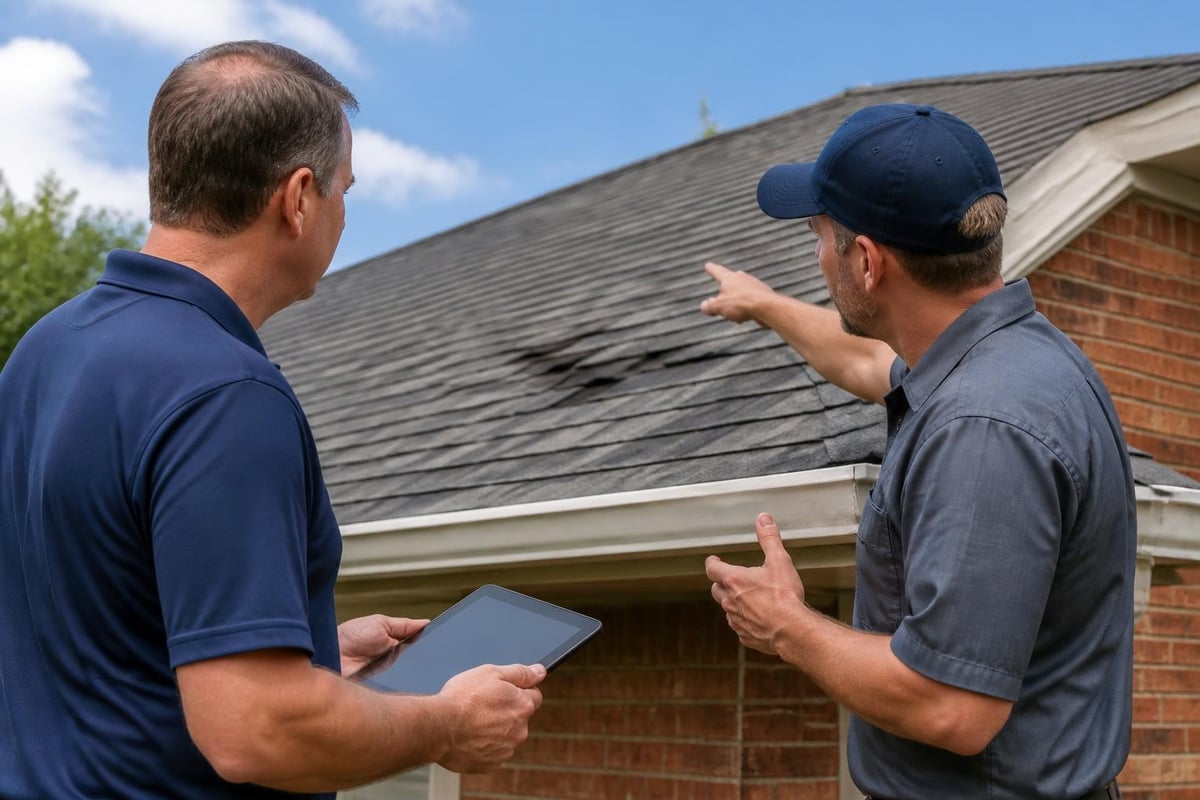
During the inspection, professional insurance claim roofers maintain detailed notes about which damage the adjuster photographs and acknowledges. This creates a reference point for future discussions if the initial estimate proves inadequate. The National Roofing Contractors Association provides resources on best practices for contractor-adjuster interactions that maintain professional standards.
Navigating Estimate Discrepancies
Initial insurance estimates frequently fall short of actual replacement costs. Common discrepancies include:
- Inadequate allowances for removal and disposal
- Underestimated material quantities due to waste factors
- Missing line items for necessary components
- Outdated pricing that doesn't reflect current market rates
- Failure to account for code upgrade requirements
Insurance claim roofers address these gaps by preparing detailed supplement requests supported by manufacturer specifications, local code requirements, and industry standards. They understand how to present technical justifications that adjusters can defend to their supervisors, facilitating approval without unnecessary conflict.
Red Flags and Ethical Considerations
The storm restoration industry unfortunately attracts unscrupulous operators who exploit homeowners during vulnerable times. Understanding the warning signs of storm-chasing scams protects property owners from fraud while highlighting the value of established local contractors.
Storm Chaser Warning Signs
Legitimate insurance claim roofers differ fundamentally from fly-by-night storm chasers. State regulators like the Florida Department of Financial Services have documented common red flags that homeowners should recognize:
- Door-to-door solicitation immediately after storms
- High-pressure tactics demanding immediate signing
- Offers to waive or rebate insurance deductibles
- Requests for full payment upfront before work begins
- Lack of local business address or established reputation
- Unwillingness to provide references or proof of insurance
- Generic business names without local branding
Ethical Contractor Practices:
| Ethical Practice | Storm Chaser Tactic |
|---|---|
| Free inspection, no obligation | Pressure to sign contract immediately |
| Transparent pricing aligned with estimates | Inflated estimates to maximize claim |
| Licensed, insured, local presence | Out-of-state, temporary operation |
| Respects deductible requirements | Offers illegal deductible waiver |
| Works within insurance guidelines | Encourages claim inflation or fraud |
Homeowners in the Joliet area benefit from working with established local roofing contractors who maintain long-term reputations and remain available for warranty service years after installation.
Assignment of Benefits Concerns
Some contractors request homeowners sign assignment of benefits (AOB) agreements that transfer insurance claim rights to the contractor. While not inherently fraudulent, AOB agreements reduce homeowner control over the claims process and can lead to inflated invoices and litigation. Reputable insurance claim roofers rarely require AOB, instead working collaboratively with homeowners who retain full claim authority.
Maximizing Your Insurance Claim Value
Strategic approaches to the claims process help ensure homeowners receive settlements that truly cover necessary repairs or replacement rather than inadequate partial payments.
Knowing Your Policy Coverage
Before filing a claim, homeowners should understand their specific policy provisions. Key coverage elements include:
- Replacement cost versus actual cash value: Determines whether depreciation applies
- Matching provisions: Whether carriers must match existing undamaged sections
- Code upgrade coverage: Payment for bringing systems to current building codes
- Deductible structure: Flat dollar amount versus percentage of dwelling coverage
The National Association of Insurance Commissioners offers guidance on policy basics that help homeowners understand their coverage before claims arise. Insurance claim roofers who review policies before filing can identify coverage opportunities that maximize legitimate claim value.
Timing Considerations
Filing promptly after storm events protects claim viability. Most policies require notification within specific timeframes, and delayed reporting can jeopardize coverage. However, rushing to select a contractor without proper vetting creates different risks.
The optimal approach involves:
- Contacting your insurance carrier immediately after discovering damage
- Arranging temporary repairs to prevent additional damage
- Researching and vetting qualified local contractors
- Scheduling professional inspections before the adjuster arrives
- Maintaining detailed records of all communications and expenses
For comprehensive storm damage repair services, established contractors provide emergency response while guiding homeowners through the complete claims process.
Common Insurance Claim Scenarios
Different damage patterns require tailored approaches to documentation and claim presentation. Insurance claim roofers adapt their assessment methods based on the specific storm event and resulting damage signature.
Hail Damage Claims
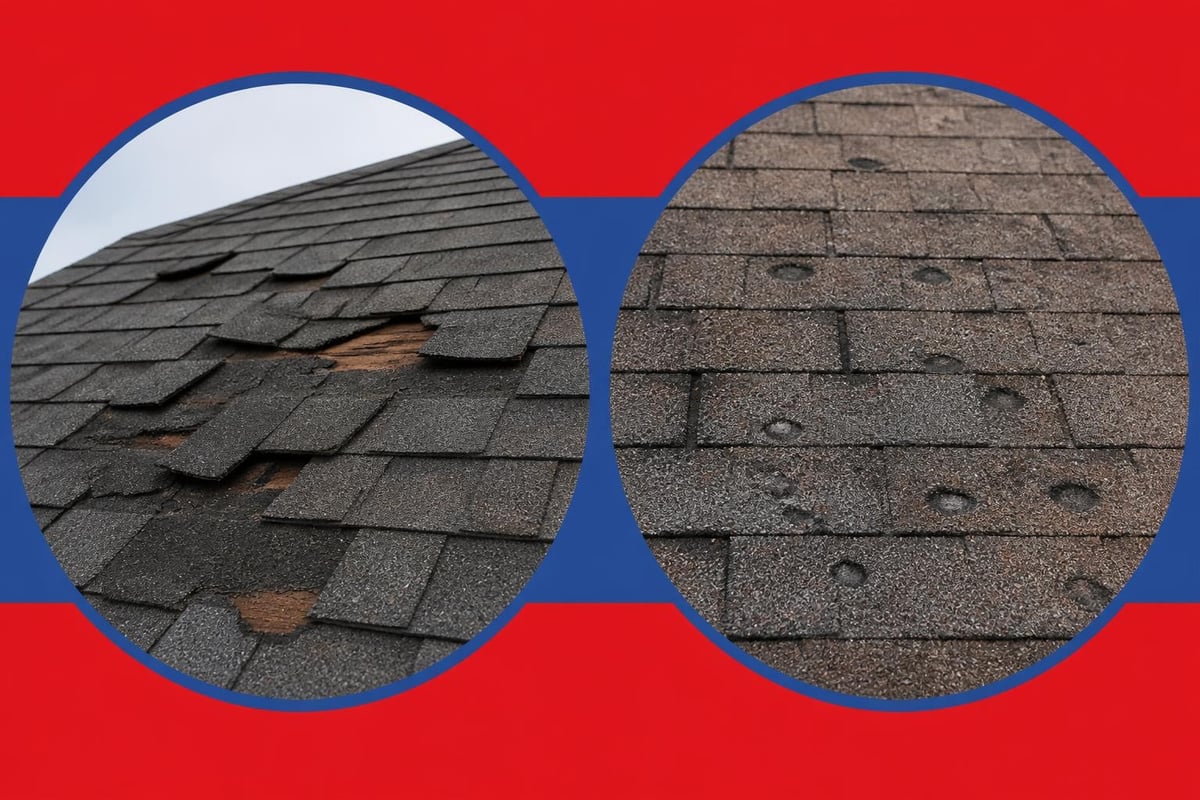
Hail creates distinctive impact patterns that experienced contractors recognize immediately. Successful hail claims require demonstrating:
- Consistent damage distribution across all roof planes
- Impact marks on soft metals like vents and flashing
- Granule displacement in fracture patterns
- Underlying mat damage in severe cases
- Correlation with documented hail events of sufficient size
Insurance carriers often dispute hail claims, arguing that granule loss results from age rather than impact. Professional insurance claim roofers counter these arguments with systematic documentation showing damage patterns inconsistent with normal wear, correlation with weather event timing, and expert opinions from manufacturers regarding impact signatures.
Wind Damage Documentation
Wind damage typically manifests differently than hail impact. Common wind-related failures include:
- Shingle blow-off along edges and ridges
- Lifted or creased shingles throughout the field
- Damaged or missing ridge caps
- Torn underlayment visible after shingle loss
- Debris impact damage from fallen branches
Wind claims require establishing that damage resulted from a single covered event rather than gradual deterioration. Consumer Reports provides practical guidance on documenting weather-related damage that strengthens claim presentations.
Complex Multi-Component Claims
Severe storms often damage multiple building components simultaneously. Comprehensive claims might include:
- Complete roof system replacement
- Gutter and downspout replacement
- Siding repair or replacement
- Window damage
- Interior water damage from compromised envelope
Insurance claim roofers coordinate these complex claims by documenting how all damage traces to the covered storm event. They work with adjusters to ensure every affected component receives appropriate claim consideration rather than piecemeal settlements that leave homeowners with incomplete repairs.
Selecting the Right Insurance Claim Roofing Partner
Choosing qualified insurance claim roofers requires evaluating credentials, experience, and business practices that separate professional contractors from opportunistic operators.
Essential Contractor Qualifications
Before engaging any roofing contractor for insurance work, verify these fundamental qualifications:
Licensing and Insurance:
- Valid state and local contractor licenses
- General liability insurance with adequate limits
- Workers' compensation coverage for all employees
- Proof of manufacturer certifications for installed products
Business Stability:
- Established local business address and physical office
- Years in business under consistent ownership
- Strong online reputation with verified reviews
- Professional memberships (BBB, local chambers, industry associations)
Technical Expertise:
- Experience with your specific roofing system type
- Knowledge of local building codes and permit requirements
- Familiarity with major insurance carriers and their processes
- Ongoing training in current installation methods
For homeowners seeking quality roofing services in the Joliet area, established contractors with proven insurance claim expertise offer peace of mind throughout the process.
Questions to Ask Prospective Contractors
During contractor interviews, specific questions reveal their insurance claim competency:
- How many insurance claims have you completed in the past year?
- Can you provide references from recent insurance claim projects?
- Will you attend the adjuster inspection and document discrepancies?
- How do you handle supplement negotiations if the initial estimate is inadequate?
- What is your typical timeline from approval to project completion?
- Do you require assignment of benefits, or will I retain claim control?
- What warranties do you provide beyond manufacturer coverage?
Contractors who provide clear, confident answers demonstrate the expertise homeowners need for successful claim navigation.
Managing Expectations Throughout the Process
Realistic expectations about timelines, outcomes, and responsibilities help homeowners navigate insurance claims without unnecessary stress or disappointment.
What Insurance Claim Roofers Can and Cannot Do
Professional contractors bring valuable expertise to the claims process, but legal and ethical boundaries limit their role:
Services Insurance Claim Roofers Provide:
- Comprehensive damage assessment and documentation
- Attendance at adjuster meetings to explain technical issues
- Preparation of detailed estimates aligned with industry standards
- Supplement requests when initial settlements prove inadequate
- Project management from approval through final inspection
Actions They Cannot Ethically Take:
- Guarantee specific claim outcomes (approval is the carrier's decision)
- Waive or rebate your insurance deductible
- File claims on your behalf without proper authorization
- Inflate damage estimates to increase settlement amounts
- Guarantee that insurance will cover pre-existing conditions
Understanding these boundaries helps homeowners partner effectively with contractors while maintaining appropriate claim authority.
Communication and Documentation Best Practices
Successful insurance claims require organized communication and meticulous record-keeping. Homeowners should:
- Maintain a dedicated file with all claim-related documents
- Document every conversation with adjusters and contractors (dates, names, topics)
- Save all emails and written correspondence
- Photograph damage progression and repair stages
- Request written confirmation of all agreements and decisions
- Keep copies of estimates, invoices, and payment records
Insurance claim roofers typically provide documentation support, but ultimate responsibility for claim records rests with property owners. When working with professional roofing contractors, homeowners receive guidance on documentation requirements that protect their interests throughout the process.
The Financial Side of Insurance Roofing Claims
Understanding payment structures, cost components, and financial arrangements helps homeowners budget appropriately and avoid common pitfalls.
Payment Structures and Timing
Insurance claims typically involve multi-stage payments that contractors and homeowners must coordinate:
Standard Insurance Payment Process:
- Initial Payment: Actual cash value (ACV) minus deductible upon claim approval
- Depreciation Holdback: Withheld until work completion and final inspection
- Final Payment: Released after carrier verifies completed work meets standards
Contractors generally require payments that align with project milestones rather than insurance payment timing. Common structures include:
- Deposit at contract signing (typically 10-30% of project cost)
- Progress payment at material delivery or project midpoint
- Final payment upon completion and homeowner satisfaction
Reputable insurance claim roofers understand insurance payment timing and structure payment schedules that accommodate carrier disbursement without creating financial hardship for homeowners.
Hidden Costs and Unexpected Expenses
Even with insurance coverage, homeowners may face out-of-pocket costs beyond the deductible:
- Code upgrades: Required improvements to meet current building standards
- Enhanced materials: Upgrades beyond standard replacement specifications
- Non-covered components: Items outside policy coverage scope
- Temporary housing: If extensive interior damage requires relocation
- Landscaping restoration: Damage from equipment or material staging
Professional contractors provide detailed estimates that identify potential out-of-pocket costs upfront, preventing surprise expenses mid-project. When considering shingle installation projects, transparent pricing helps homeowners understand total investment requirements.
Long-Term Considerations After Claim Settlement
The insurance claim process doesn't end when the new roof is installed. Several post-completion considerations affect long-term satisfaction and property protection.
Warranty Protection and Documentation
Completed roofing projects should include multiple warranty layers:
| Warranty Type | Coverage Period | What's Protected |
|---|---|---|
| Manufacturer Material | 25-50 years | Shingle defects and failures |
| Workmanship | 1-10 years | Installation errors and leaks |
| Enhanced System | 10-25 years | Total system performance |
Insurance claim roofers provide warranty documentation and explain coverage terms, exclusions, and claim procedures. Homeowners should maintain these documents with other important property records for future reference.
Preventing Future Claims
While some storm damage is unavoidable, proactive maintenance reduces claim frequency and severity:
- Schedule annual professional inspections
- Clear debris from roof surfaces and gutters regularly
- Address minor damage promptly before it expands
- Trim overhanging branches that could cause impact damage
- Ensure adequate attic ventilation to prevent premature aging
For ongoing roof maintenance and inspection services, established contractors provide programs that catch small issues before they become major claims.
Impact on Future Insurance Coverage
Filing claims can affect future insurance premiums and coverage availability. While storm damage claims typically have less impact than liability claims, homeowners should consider:
- Potential premium increases at renewal
- Claim history reported to industry databases
- Possible coverage restrictions for future roof claims
- Benefits of higher deductibles for premium savings
Insurance claim roofers with extensive experience help homeowners evaluate whether damage severity justifies filing versus paying for repairs independently when costs approach deductible amounts.
Navigating the insurance claim process after storm damage requires technical expertise, documentation skills, and knowledge of carrier procedures that most homeowners don't possess. Working with experienced insurance claim roofers ensures proper damage assessment, comprehensive documentation, and effective advocacy throughout the claims process. Great Roofing brings decades of experience helping Joliet-area property owners successfully navigate insurance claims while delivering quality workmanship that stands the test of time. When storm damage threatens your property, contact Great Roofing for a professional assessment and expert guidance through every step of the insurance claim process.