


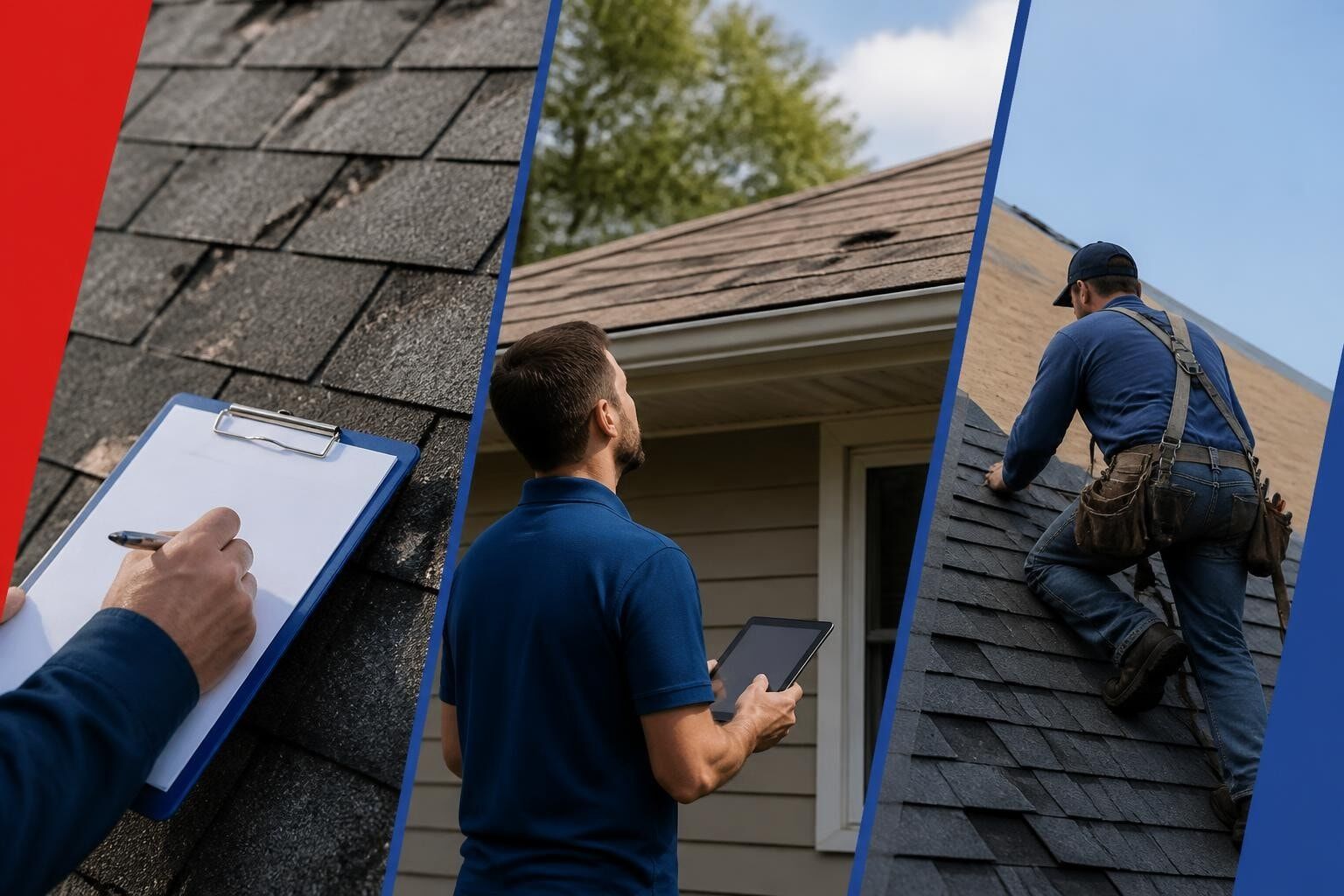
Hailstorms represent one of the most destructive weather events for roofing systems across the United States, causing billions in property damage annually. When your roof sustains hail damage, understanding the intersection between insurance coverage and repair requirements becomes essential for protecting your investment and ensuring proper restoration. The insurance hail damage roof claim process involves multiple stakeholders, technical assessments, and policy nuances that can significantly impact your financial outcome and the quality of repairs.
Understanding Hail Damage on Roofing Systems
Hail impacts create distinct damage patterns depending on the roofing material, hailstone size, wind speed, and existing roof condition. Asphalt shingles typically show bruising where granules are knocked loose, creating soft spots that expose the underlying mat. Metal roofing may develop dents or dings that compromise the protective coating, while clay and concrete tiles can crack or shatter completely.
Common Signs of Hail Impact
Property owners should inspect their roofs after severe weather events for specific indicators:
- Granule loss appearing as dark spots where the protective layer has been stripped away
- Shingle bruising that feels soft to the touch and indicates mat fiber damage
- Cracked or missing shingles from direct hail strikes
- Damaged roof accessories including vents, flashing, and ridge caps
- Dented gutters and downspouts suggesting significant hail size
- Impact marks on siding providing evidence of storm severity
According to the National Weather Service hail information, hailstones larger than one inch in diameter can cause significant roof damage, while stones exceeding two inches often result in catastrophic failures requiring full replacement. The angle of impact, driven by wind direction and velocity, determines damage severity more than hailstone size alone in many cases.

Documentation Requirements for Claims
Thorough documentation strengthens your insurance hail damage roof claim and accelerates the settlement process. Begin by photographing damage from multiple angles, including close-ups showing individual impacts and wide shots establishing the damage extent. Record the date of the storm, hailstone size if observed, and any immediate protective measures taken.
| Documentation Type | Purpose | Best Practices |
|---|---|---|
| Photographs | Visual evidence of damage | Include reference objects for scale, timestamp images |
| Written notes | Timeline and observations | Record weather conditions, immediate leaks, temporary repairs |
| Professional inspection | Technical assessment | Hire certified contractor for detailed report |
| Repair estimates | Cost substantiation | Obtain multiple quotes from licensed contractors |
Many homeowners discover that understanding the storm damage insurance claim process before filing significantly improves their success rate and reduces claim denials.
Navigating Insurance Coverage and Policy Terms
Insurance policies vary dramatically in their treatment of roof damage, making it crucial to understand your specific coverage before disaster strikes. Most homeowners policies cover hail as a peril, but the settlement method and coverage limits depend on policy language, roof age, and material type.
Replacement Cost Versus Actual Cash Value
The difference between replacement cost value (RCV) and actual cash value (ACV) dramatically affects your insurance hail damage roof claim payout. RCV policies pay the full cost of replacing damaged materials with new equivalents, while ACV policies deduct depreciation based on the roof's age and condition. A fifteen-year-old roof with a twenty-year lifespan receives only 25% of replacement cost under ACV coverage.
The National Association of Insurance Commissioners explains that RCV policies typically withhold depreciation until repairs are completed and invoices submitted, meaning homeowners must finance the full repair cost upfront before receiving the complete settlement. This recoverable depreciation clause requires careful financial planning and understanding of claim payment schedules.
Policy Exclusions and Limitations
Common exclusions that affect insurance hail damage roof claims include:
- Cosmetic damage clauses that deny coverage for impact marks not affecting functionality
- Age-based restrictions limiting coverage for roofs exceeding certain ages
- Named storm deductibles requiring higher out-of-pocket expenses for declared weather events
- Matching limitations restricting replacement to damaged sections rather than full roofs
- Depreciation schedules reducing coverage percentage as roofs age
Research from the Insurance Information Institute on roof-related insurance demonstrates that roof condition ranks among the top factors insurers evaluate during underwriting, with older roofs facing higher premiums or coverage restrictions even before damage occurs.
Working With Insurance Adjusters and Contractors
The adjuster's assessment determines your claim outcome, making this relationship critical to securing fair compensation. Insurance companies employ staff adjusters or hire independent adjusters to evaluate damage and estimate repair costs. Understanding their methodology helps property owners advocate effectively for complete coverage.
The Adjustment Process
Insurance adjusters typically conduct roof inspections within days of claim filing, though major catastrophes can delay responses by weeks or months. They document damage using industry-standard methodologies, measuring affected areas and applying pricing databases to calculate repair costs. Adjusters also evaluate pre-existing damage, wear patterns, and whether impacts constitute insurable losses under policy terms.
Property owners should accompany adjusters during inspections when possible, pointing out all damage areas and ensuring comprehensive documentation. Having your contractor present during this inspection creates a collaborative assessment and identifies discrepancies before the adjuster finalizes their report.
Addressing Claim Disputes
Disagreements between adjuster estimates and contractor assessments occur frequently, especially regarding damage extent and necessary repairs. When disputes arise, property owners have several resolution options:
- Request re-inspection with additional documentation supporting your position
- Submit independent assessments from licensed roofing contractors or engineers
- Invoke appraisal clauses requiring neutral third-party evaluation
- File complaints with state insurance departments for handling violations
- Seek legal counsel for significant discrepancies or claim denials
The roofing contractor you select plays a vital role in claim success, particularly when navigating complex damage scenarios or disputed assessments. Experienced contractors familiar with roof insurance claims provide detailed documentation that supports fair settlements and ensures repairs meet both insurance requirements and building codes.
Selecting Impact-Resistant Materials and Upgrades
Following hail damage, replacement provides an opportunity to upgrade to more resilient roofing materials that reduce future claim likelihood and may qualify for insurance discounts. Impact-resistant shingles carry UL 2218 ratings indicating their ability to withstand hail strikes without damage.
Understanding Impact Resistance Ratings
The Underwriters Laboratories UL 2218 standard classifies shingles into four classes based on their resistance to steel ball impacts simulating hail:
| Class Rating | Impact Test | Hail Equivalent | Insurance Benefit |
|---|---|---|---|
| Class 1 | 1.25-inch steel ball | Small hail | No discount typically |
| Class 2 | 1.5-inch steel ball | Moderate hail | Minimal discount |
| Class 3 | 1.75-inch steel ball | Large hail | 5-15% discount common |
| Class 4 | 2-inch steel ball | Very large hail | 15-30% discount typical |
The IBHS Roof Shingle Hail Impact Ratings provide independent testing data showing how specific products perform under controlled hail simulation, helping homeowners select materials proven to withstand regional weather patterns. Many insurance companies offer premium discounts ranging from ten to thirty percent for Class 4 impact-resistant installations, recovering the material upgrade cost within several years.
FORTIFIED Roof Standards
Beyond basic impact resistance, the FORTIFIED Roof program establishes comprehensive construction standards addressing multiple hazards including hail, wind, and water intrusion. FORTIFIED certification requires sealed roof decks, enhanced attachment methods, and impact-resistant materials that work synergistically to protect homes during severe weather.
The optional FORTIFIED Hail supplement specifically targets regions prone to frequent hailstorms, incorporating Class 4 impact-resistant shingles, upgraded underlayment systems, and reinforced roof-to-wall connections. Homes meeting FORTIFIED standards demonstrate significantly lower claim frequency and severity, translating to insurance savings and reduced disaster recovery costs.
Regional Considerations for Joliet Homeowners
Joliet's location in northeastern Illinois places properties in moderate hail risk territory, experiencing significant storms primarily during spring and early summer months. Local building codes, insurance market conditions, and climate patterns create specific considerations for managing insurance hail damage roof claims effectively.
Illinois Climate Patterns
Illinois ranks among the top ten states for annual hail events, with the highest concentration occurring between April and July when warm, moist air masses collide with cooler systems. Joliet-area homeowners should maintain heightened awareness during this peak season, monitoring weather forecasts and conducting post-storm inspections promptly.
Seasonal spring roof maintenance helps identify minor damage before it escalates and ensures roofs enter storm season in optimal condition. This proactive approach strengthens insurance hail damage roof claims by establishing clear timelines between damage events and pre-existing conditions.
Local Insurance Market Dynamics
Illinois insurance regulations require carriers to explain depreciation methods, coverage limitations, and claim procedures in policy documents, but understanding these provisions before filing claims proves essential. Many insurers operating in the Joliet market have tightened underwriting standards for older roofs following the increasing frequency of severe convective storms across the Midwest.
Property owners considering roof replacement should verify insurance coverage adequacy and discuss potential premium impacts with their agents. Some carriers reduce premiums immediately upon installing impact-resistant materials, while others require inspection verification before applying discounts.
Timing Considerations and Claim Deadlines
Insurance policies impose strict notification and filing deadlines that property owners must observe to preserve coverage rights. Most policies require notification of potential claims within days of discovering damage, with formal claim filing deadlines ranging from six months to two years depending on carrier and state regulations.
Immediate Actions After Hail Events
Take these steps within 24-48 hours of suspected hail damage:
- Document the damage with photographs and written observations
- Prevent further deterioration using tarps or temporary repairs as needed
- Notify your insurance company to establish the claim timeline
- Schedule professional inspection with licensed roofing contractors
- Preserve damaged materials for adjuster examination if replacement becomes necessary
Delays in reporting can provide insurers grounds for claim denial, particularly if subsequent weather events complicate damage attribution or additional deterioration occurs. Prompt action demonstrates due diligence and preserves evidence supporting your insurance hail damage roof claim.
Statute of Limitations Issues
Beyond policy deadlines, state statutes of limitations establish the maximum timeframe for filing lawsuits against insurers who wrongfully deny or underpay claims. Illinois maintains a five-year statute of limitations for breach of contract claims, though policy language may impose shorter deadlines for initiating legal action.
Homeowners who discover claim handling violations or receive inadequate settlements should consult with attorneys specializing in insurance disputes before deadlines expire. The complexity of insurance hail damage roof claims often requires professional advocacy to secure fair compensation, particularly when dealing with total loss scenarios or depreciation disputes.
Commercial Property Considerations
Commercial roofing systems face unique challenges during hail events due to their low-slope designs, larger surface areas, and specialized membrane materials. Modified bitumen, TPO, PVC, and EPDM roofing systems respond differently to hail impacts than residential shingles, requiring specialized assessment expertise.
Modified Bitumen Hail Damage
Modified bitumen systems, common on commercial buildings throughout Joliet, develop punctures, surface fracturing, or granule loss depending on membrane composition and reinforcement. These impacts may not immediately cause leaks but compromise the membrane's waterproofing integrity and accelerate aging.
Insurance adjusters evaluating commercial insurance hail damage roof claims must understand membrane construction, repair limitations, and industry standards for determining total loss thresholds. Unlike shingle roofs where individual tabs can be replaced, membrane damage often requires section replacement to maintain warranty coverage and ensure proper adhesion.
Business Interruption Considerations
Commercial property policies may include business interruption coverage that compensates for income losses during roof repairs. Documenting revenue impacts, temporary relocation costs, and operational disruptions strengthens these supplemental claims and ensures complete compensation for hail-related losses.
Businesses should maintain detailed financial records, customer contracts, and operational data that support business interruption valuations. The Insurance Information Institute’s commercial property guidance explains how roof condition affects both property coverage and business interruption limits, emphasizing the importance of preventive maintenance and prompt repairs.
Avoiding Fraud and Contractor Scams
The aftermath of major hail events attracts both legitimate contractors and fraudulent operators seeking to exploit vulnerable property owners. Storm chasers canvas neighborhoods offering free inspections, guaranteeing claim approvals, or requesting large upfront payments before beginning work.
Red Flags and Warning Signs
Protect yourself by recognizing these common scam indicators:
- Unsolicited door-to-door solicitation immediately after storms
- Pressure tactics demanding immediate decisions or deposit payments
- Guarantee of claim approval or offers to waive deductibles
- Out-of-state operations without local business licenses or references
- Cash-only payment demands or requests for full payment upfront
- Lack of proper insurance including liability and workers compensation
The Texas Department of Insurance provides guidance applicable nationwide on avoiding contractor fraud and selecting qualified professionals for insurance hail damage roof repairs. Verify licensing status, insurance coverage, and local references before signing contracts or making payments.
Selecting Qualified Contractors
Reputable roofing contractors maintain established local operations, provide detailed written estimates, and work transparently with insurance adjusters to document damage accurately. They should offer manufacturer certifications, workers compensation coverage, and comprehensive liability insurance protecting property owners from construction-related risks.
When evaluating top roofing companies for insurance work, prioritize those with experience handling claims similar to yours, knowledge of local building codes, and relationships with material suppliers ensuring quality products and warranty protection.
Maximizing Your Claim Settlement
Strategic approaches to claim management can significantly increase settlement amounts and ensure repairs meet quality standards. Understanding adjuster methodologies, policy provisions, and contractor pricing helps property owners negotiate effectively and avoid leaving money on the table.
Comprehensive Damage Assessment
Insurance hail damage roof claims should encompass all affected components, not just obvious shingle impacts. Adjusters may overlook secondary damage including:
- Gutters and downspouts requiring replacement
- Roof ventilation components damaged by hail
- Flashing systems needing repair or replacement
- Skylights or roof penetrations sustaining impacts
- Siding or trim affected by the same storm event
Contractors should provide itemized estimates addressing every damaged component, supported by photographs and industry pricing data. This comprehensive approach prevents supplemental claims and ensures single-event settlements cover complete restoration.
Understanding Pricing Methodologies
Insurance companies utilize software platforms like Xactimate to estimate repair costs based on local pricing data, material costs, and labor rates. These platforms sometimes undervalue specialized work, premium materials, or regional cost variations, creating disputes between adjuster estimates and contractor bids.
Property owners should request detailed breakdowns of adjuster estimates, comparing line items against contractor proposals to identify discrepancies. Significant differences warrant discussion with adjusters and submission of supporting documentation justifying higher costs for quality materials or specialized labor.
Preventive Measures and Maintenance
While insurance provides financial protection against hail damage, proactive maintenance and material selection reduce claim frequency and preserve property values. Regular inspections identify minor issues before they escalate, while strategic upgrades enhance resilience against future storms.
Annual Inspection Programs
Schedule professional roof inspections annually, ideally before spring storm season, to identify potential vulnerabilities:
- Check flashing integrity around chimneys, vents, and roof penetrations
- Examine shingle condition for curling, cracking, or granule loss
- Inspect underlayment exposure in valleys or eave areas
- Verify ventilation function ensuring proper attic airflow
- Clear debris accumulation from gutters and roof surfaces
These inspections create documentation establishing roof condition before storm events, strengthening insurance hail damage roof claims by eliminating pre-existing damage disputes. Many contractors offer maintenance programs combining inspections with minor repairs that extend roof lifespan and maintain warranty coverage.
Upgrade Timing Strategies
Property owners should time roof replacements strategically, considering both remaining service life and insurance coverage changes. Replacing roofs approaching twenty years of age prevents coverage restrictions while market conditions remain favorable and contractor availability ensures competitive pricing.
Coordinating upgrades with storm damage repair needs following partial damage events allows property owners to leverage insurance settlements toward comprehensive improvements exceeding minimum repair standards. This approach maximizes value while ensuring complete protection against future weather events.
Navigating insurance hail damage roof claims requires understanding policy provisions, documentation standards, and material options that protect your investment while maximizing coverage benefits. Whether you're dealing with residential shingle damage or commercial membrane impacts, professional guidance ensures complete restoration and fair compensation. Great Roofing brings family-owned expertise to Joliet property owners facing hail damage, combining insurance claim knowledge with quality craftsmanship for residential and commercial roofing projects. Contact our team today for a comprehensive damage assessment and guidance through every step of the claim and repair process.