

Finding qualified metal roof installers requires careful consideration of credentials, experience, and installation methods. Metal roofing systems demand specialized knowledge that extends far beyond traditional asphalt shingle installation, making the selection of your contractor one of the most critical decisions in your roofing project. Whether you're planning a residential upgrade or commercial roof replacement in the Joliet area, understanding what separates exceptional installers from average contractors will help protect your investment for decades to come.
What Distinguishes Professional Metal Roof Installers
Professional metal roof installers bring specialized training and certifications that standard roofing contractors may lack. The metal roofing industry requires knowledge of thermal expansion, proper fastening techniques, and material-specific handling procedures that differ significantly from shingle applications.
Required Certifications and Training
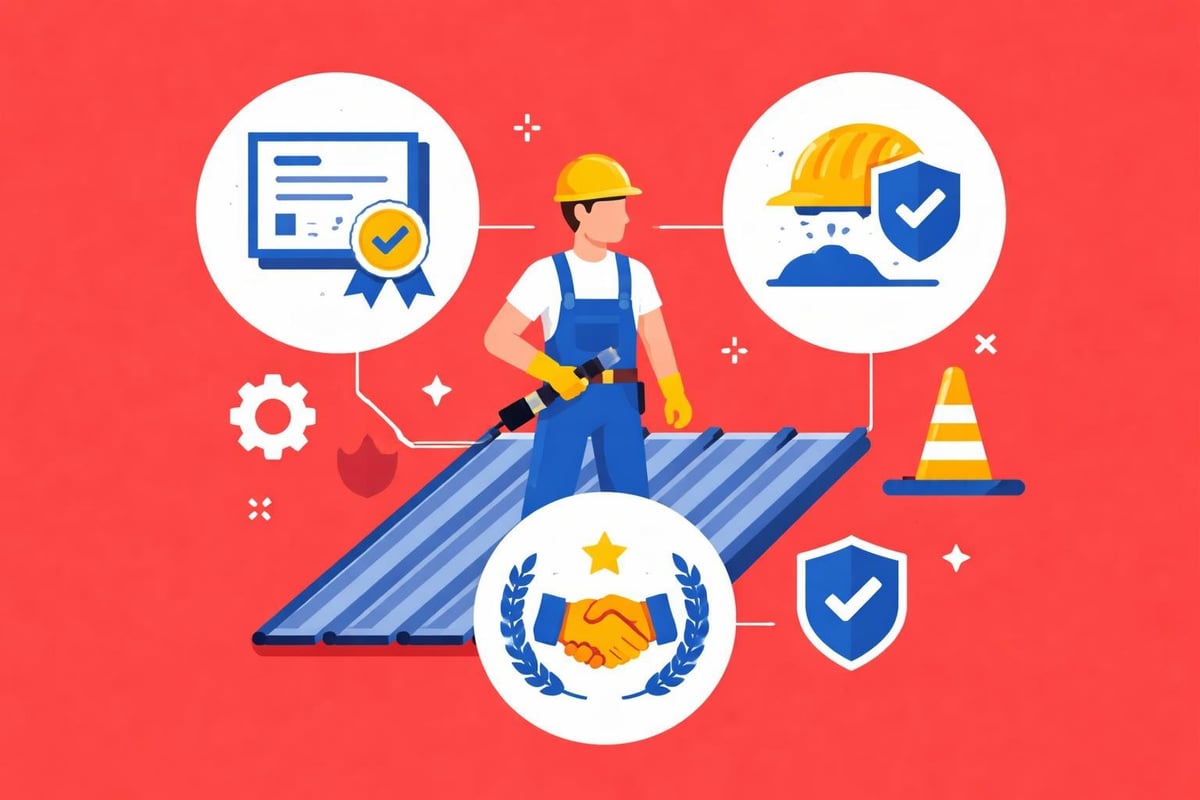
The most qualified metal roof installers hold manufacturer-specific certifications from leading metal roofing brands. These certifications demonstrate comprehensive training in proper installation techniques, warranty compliance, and product-specific requirements. Many manufacturers require ongoing education to maintain certification status, ensuring installers stay current with evolving best practices.
Key credentials to verify include:
- Manufacturer certifications from metal roofing producers
- OSHA safety training completion
- Local licensing and bonding requirements
- Insurance coverage including liability and workers' compensation
- Trade association memberships demonstrating industry commitment
Experience With Specific Metal Systems
Metal roofing encompasses numerous systems including standing seam, corrugated panels, metal shingles, and commercial applications. Each system requires different installation approaches, fastening methods, and detail work. Experienced metal roof installers develop expertise through hands-on work with various materials and profiles.
Standing seam systems demand precision in panel alignment and clip placement. The Building America Solution Center provides comprehensive guidelines on proper installation techniques including flashing details and surface preparation. Corrugated metal requires different fastener spacing and sealing approaches to prevent water infiltration.
| Metal Roofing System | Primary Applications | Key Installation Challenges |
|---|---|---|
| Standing Seam | Residential, Commercial | Panel alignment, clip spacing, thermal movement |
| Corrugated Panels | Agricultural, Industrial | Fastener placement, lap sealing, load distribution |
| Metal Shingles | Residential | Pattern consistency, edge details, valley integration |
| Low-Slope Metal | Commercial, Industrial | Waterproofing, seam integrity, drainage management |
Installation Process and Methodology
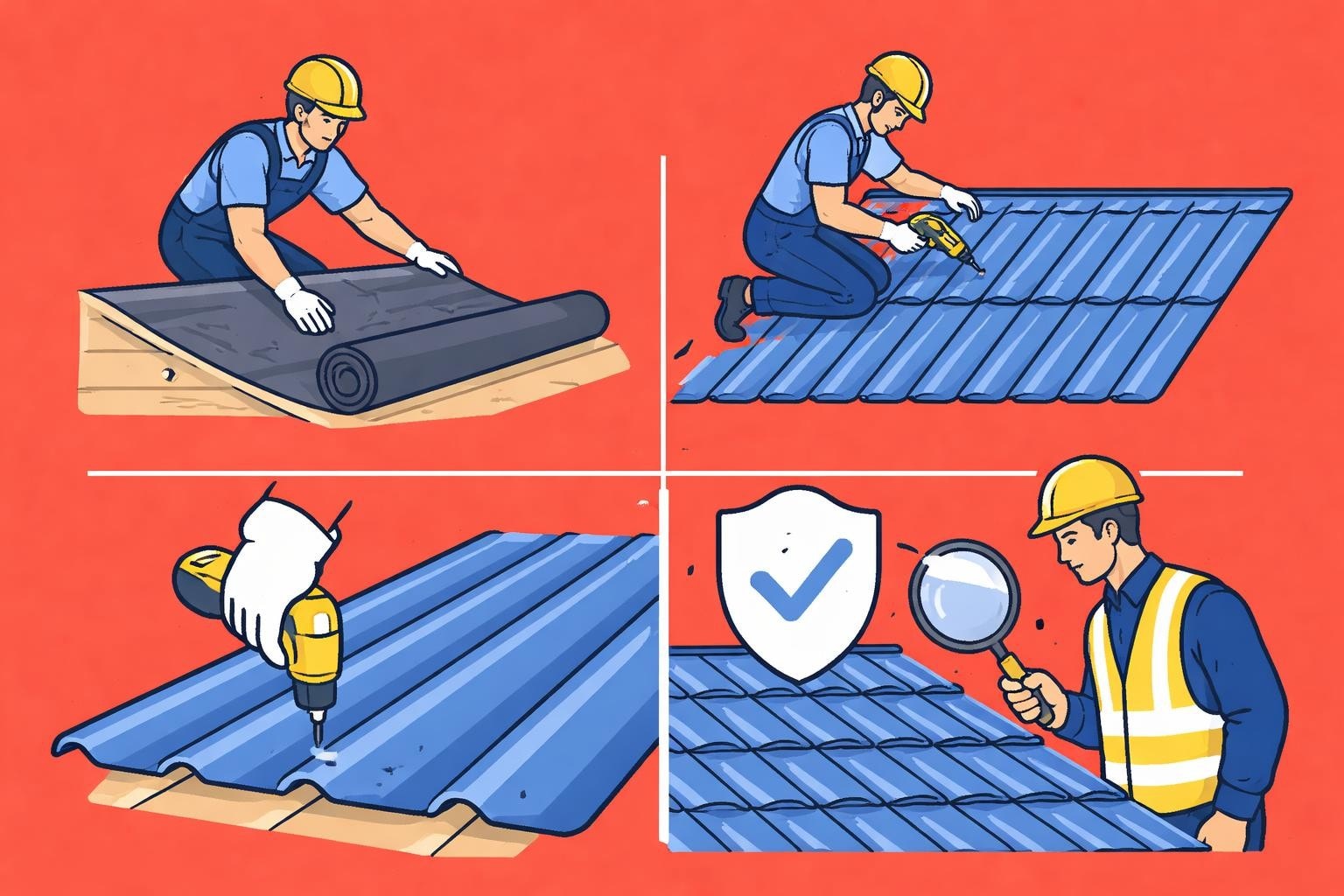
Understanding the complete installation process helps property owners evaluate contractor proposals and recognize quality workmanship. Professional metal roof installers follow systematic approaches that ensure long-term performance and manufacturer warranty compliance.
Pre-Installation Assessment and Planning
Thorough preparation separates professional installers from contractors cutting corners. This phase includes structural evaluation, measurement verification, and material ordering with appropriate overage calculations. Metal roof installers assess roof deck condition, identify necessary repairs, and plan panel layout to minimize waste while optimizing appearance.
Ventilation requirements receive special attention during planning. Proper attic airflow prevents moisture accumulation and extends roof life, making ventilation design integral to metal roofing success. Understanding attic ventilation becomes especially important with metal roofing due to heat transfer characteristics.
Underlayment and Deck Preparation
Quality metal roof installers never skip proper underlayment installation. High-temperature synthetic underlayment provides essential weather protection during installation and serves as a secondary barrier throughout the roof's life. The underlayment choice varies based on roof slope, climate conditions, and metal panel type.
Critical preparation steps include:
- Complete deck inspection and repair of damaged sections
- Installation of appropriate underlayment with proper overlap
- Application of ice and water shield in vulnerable areas
- Ventilation component installation before panel placement
- Trim and flashing preparation at all roof penetrations
The Insurance Institute for Business & Home Safety offers detailed guidelines for low-slope metal roof installation, including underlayment specifications and fastener requirements based on climatic factors.
Panel Installation and Fastening
Panel installation represents the most visible aspect of the metal roofing process. Professional metal roof installers maintain consistent reveal dimensions, ensure proper panel alignment, and follow manufacturer specifications for fastener placement. Each panel type requires specific installation sequences and fastening patterns.
Standing seam installations use concealed clips that allow thermal movement while maintaining weathertight integrity. Exposed fastener systems require precise fastener placement with appropriate compression to seal washers without overtightening. Weather conditions during installation affect metal handling, with extreme temperatures requiring special considerations.
Safety Standards and Compliance
Safety distinguishes professional metal roof installers from inexperienced contractors. Metal roofing presents unique hazards including sharp edges, slippery surfaces, and electrical conductivity concerns. Reputable contractors prioritize worker safety through comprehensive programs and equipment investment.
Fall Protection Requirements
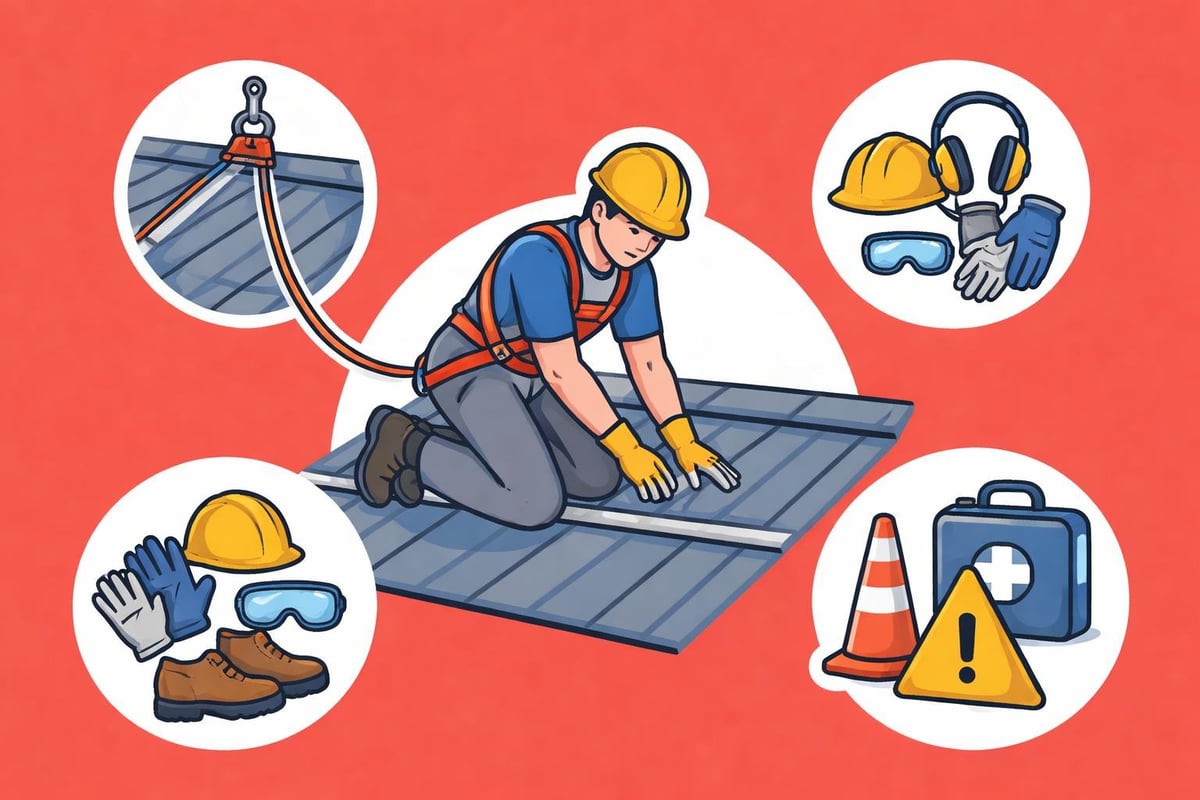
Fall protection represents the most critical safety consideration in metal roofing. OSHA’s Subpart R regulations establish specific requirements for fall protection systems on metal roofing projects. Professional installers implement guardrail systems, personal fall arrest equipment, or safety monitoring systems based on project conditions.
Metal panels create especially slippery working surfaces when wet or frosted. Quality metal roof installers schedule work during favorable weather and use appropriate footwear with enhanced traction. Projects pause during adverse conditions rather than compromising safety for schedule adherence.
Personal Protective Equipment Standards
Beyond fall protection, comprehensive PPE programs protect metal roof installers from cuts, eye injuries, and other hazards. Proper PPE selection for metal roof installation includes cut-resistant gloves, safety glasses, and protective clothing designed for metal handling.
Essential safety equipment includes:
- Cut-resistant gloves rated for metal handling
- Safety glasses with side shields
- Steel-toed boots with slip-resistant soles
- Hard hats for overhead hazard protection
- Sun protection for extended outdoor exposure
Evaluating Contractor Proposals and Quotes
Comparing proposals from different metal roof installers requires understanding what comprises a complete quote. The lowest bid rarely represents the best value, especially when quality materials and proper installation techniques get sacrificed for price competition.
What Complete Proposals Should Include
Comprehensive proposals detail every aspect of the installation process, from material specifications to cleanup procedures. Professional metal roof installers provide itemized breakdowns showing labor, materials, and additional components separately. This transparency allows property owners to understand exactly what their investment covers.
Material specifications should identify manufacturer names, product lines, panel profiles, and finish colors. Gauge thickness affects durability and cost, with thicker metals providing longer service life. Warranty terms deserve careful review, as many metal roofing warranties require specific installation procedures for validity.
| Proposal Component | What to Verify | Red Flags |
|---|---|---|
| Material Specifications | Brand, gauge, finish warranty | Generic descriptions, missing details |
| Labor Details | Installation timeline, crew size | Vague timeframes, rushed schedules |
| Underlayment | Type, brand, coverage area | Budget alternatives, minimal coverage |
| Trim and Flashing | Custom fabrication, finish match | Standard components, mismatched finishes |
| Cleanup and Disposal | Magnet sweep, debris removal | Not addressed, extra charges |
References and Portfolio Review
Experienced metal roof installers maintain portfolios showcasing completed projects similar to yours. Request references from recent installations, preferably within the past two years. Contact these references to inquire about workmanship quality, timeline adherence, and problem resolution.
Drive by completed projects when possible to observe installation quality firsthand. Check panel alignment, trim work precision, and overall aesthetic appearance. Quality installations demonstrate consistent reveals, straight lines, and professional-grade flashing details. Local roofing contractors with established reputations often provide the most reliable references.
Regional Considerations for Metal Roofing
Geographic location significantly influences metal roofing decisions and installation approaches. Metal roof installers familiar with regional climate patterns and building codes deliver better results than contractors lacking local experience.
Climate-Specific Installation Techniques
Midwest weather patterns create unique challenges for metal roofing installations. Temperature extremes require installers to account for significant thermal expansion and contraction. Proper fastening systems accommodate this movement while maintaining weathertight integrity throughout seasonal changes.
Snow load considerations affect panel selection and fastening schedules in northern climates. Metal roofing's snow-shedding characteristics provide advantages but require planning for safe snow release areas. Ice dam prevention strategies differ from traditional roofing approaches, making experienced metal roof installers valuable for cold-climate applications.
Local Building Code Compliance
Building codes vary by municipality and directly impact metal roofing specifications. Professional metal roof installers maintain current knowledge of local requirements including wind resistance ratings, fire classifications, and permit procedures. Code compliance protects property owners from future complications and ensures insurance coverage validity.
Joliet building requirements specify minimum standards for roofing materials and installation methods. Working with contractors familiar with local roofing regulations streamlines the permit process and prevents compliance issues. Some municipalities require specific certifications or registration for contractors performing roofing work.
Common Installation Mistakes to Avoid
Understanding typical errors helps property owners recognize quality workmanship and avoid contractors who cut corners. Even experienced metal roof installers occasionally encounter challenges, but systematic approaches minimize mistakes and ensure proper corrections when issues arise.
Fastener-Related Problems
Improper fastening represents the most common installation error in metal roofing. Over-tightening compresses washers excessively, creating leak points and restricting thermal movement. Under-tightening fails to seal washers properly, allowing water infiltration. Professional metal roof installers use calibrated tools and visual inspection to achieve proper fastener tension.
Fastener placement outside designated zones compromises panel performance and may void warranties. Each metal roofing system specifies precise fastening locations based on engineering calculations. Universal Roofing’s installation guide details proper fastener placement for various metal roofing systems.
Common fastening mistakes include:
- Fasteners installed at incorrect angles
- Wrong fastener types for specific applications
- Insufficient fastener quantity for wind requirements
- Fasteners through panel faces instead of designated areas
- Missing or improperly sealed penetration points
Trim and Flashing Deficiencies
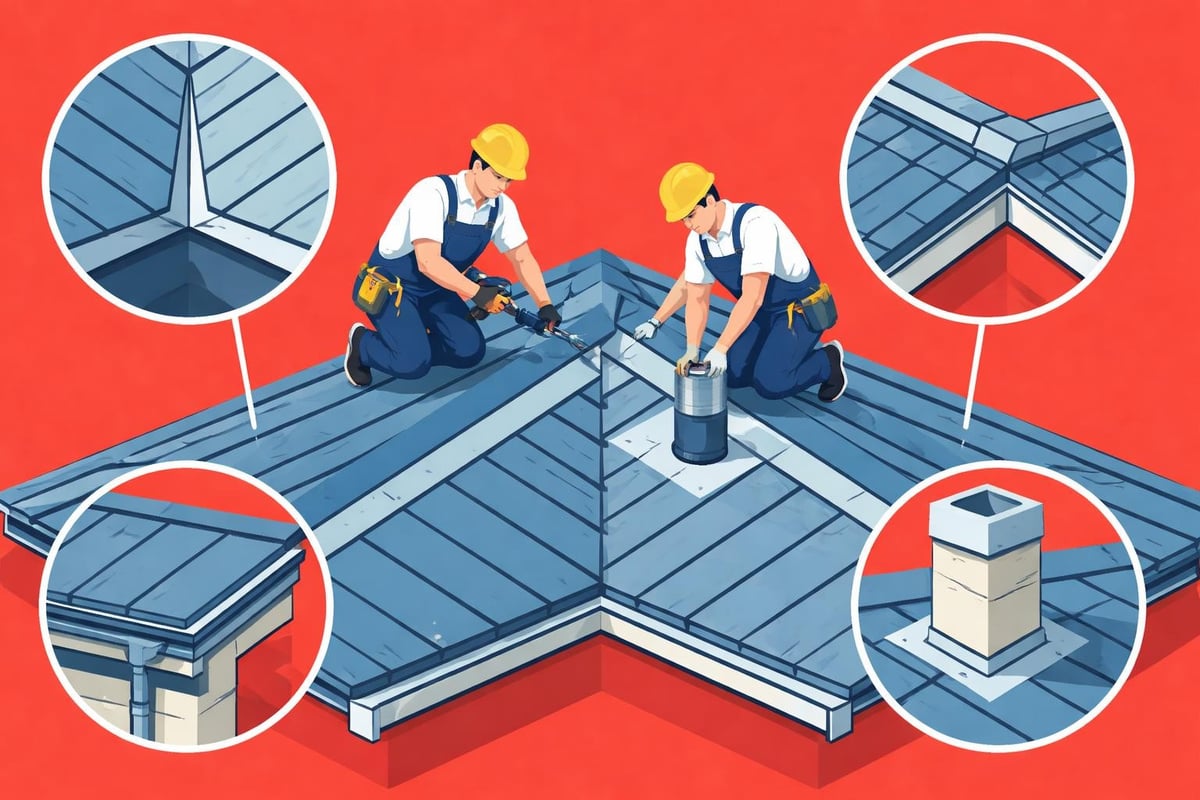
Trim work quality separates professional installations from amateur attempts. Custom-fabricated trim pieces properly fitted to each transition point prevent water infiltration and create finished appearances. Pre-formed trim rarely fits perfectly, requiring skilled metal roof installers to make precise modifications.
Valley flashing demands particular attention as water concentrates in these areas. Proper valley installation includes adequate underlayment coverage, correctly positioned metal valley liners, and panel ends cut at appropriate angles. Poor valley work creates leak risks that manifest years after installation.
Maintenance and Long-Term Performance
Metal roofing's reputation for durability depends on proper installation and reasonable maintenance. Professional metal roof installers educate property owners about care requirements that preserve appearance and extend service life.
Routine Inspection Recommendations
Annual inspections identify minor issues before they become major problems. Property owners should examine fasteners for backing out or corrosion, check sealants around penetrations, and verify trim pieces remain secure. Professional inspections every three to five years provide thorough assessments beyond typical owner capabilities.
Summer roof maintenance includes checking for debris accumulation, inspecting drainage components, and verifying ventilation systems function properly. Metal roofing requires less maintenance than many alternatives but benefits from periodic attention.
Warranty Protection and Documentation
Manufacturer warranties typically cover material defects for 30 to 50 years, while finish warranties guarantee color retention for 25 to 35 years. These warranties require proper installation by qualified metal roof installers and may mandate periodic inspections. Documentation preservation protects warranty claims and facilitates future service.
Installation warranties from contractors typically cover workmanship for one to ten years depending on the company. Reputable metal roof installers stand behind their work and address any installation-related issues promptly. Warranty terms should be clearly defined in writing before project commencement.
Cost Factors and Investment Considerations
Metal roofing represents a significant investment with corresponding long-term value. Understanding cost components helps property owners budget appropriately and recognize fair pricing from qualified metal roof installers.
Material and Labor Cost Breakdown
Material costs vary widely based on metal type, gauge thickness, and finish options. Steel roofing typically costs less than aluminum or copper but requires protective coatings for longevity. Standing seam systems command premium prices compared to exposed fastener panels due to aesthetic advantages and enhanced performance.
Labor represents 40 to 60 percent of total project costs depending on complexity. Intricate roof designs with multiple valleys, dormers, and penetrations require more installation time. Metal roof installers with specialized equipment complete projects more efficiently, potentially offsetting higher hourly rates with faster completion.
| Cost Factor | Impact on Total Investment | Typical Range |
|---|---|---|
| Metal Type and Gauge | Moderate to High | 30-50% of total |
| Panel Profile and System | Moderate | 15-25% variation |
| Labor and Installation | High | 40-60% of total |
| Trim and Accessories | Low to Moderate | 10-15% of total |
| Tear-off and Disposal | Low | 5-10% of total |
Return on Investment Analysis
Metal roofing's extended lifespan provides favorable ROI compared to asphalt shingles requiring replacement every 15 to 20 years. Energy efficiency improvements reduce cooling costs through reflective finishes, particularly beneficial in commercial applications. Property value increases typically exceed installation costs, making metal roofing an investment rather than mere expense.
Insurance premium reductions available in some regions offset ongoing ownership costs. Metal roofing's fire resistance, wind performance, and hail resistance qualify properties for discounts with many insurers. Commercial roofing projects particularly benefit from these insurance advantages.
Questions to Ask Prospective Installers
Thorough contractor vetting prevents disappointment and ensures project success. Asking specific questions reveals installer experience, business practices, and commitment to quality workmanship.
Experience and Qualifications Verification
How many metal roofing projects have you completed in the past year? This question establishes whether metal roofing represents a core competency or occasional side work. Metal roof installers focusing primarily on metal installations develop superior skills compared to general roofers handling occasional metal projects.
What manufacturer certifications do you hold? Certified installers receive factory training and must demonstrate competency before certification. Multiple certifications indicate commitment to professional development and breadth of product knowledge.
Project-Specific Questions
How do you handle substrate preparation and repairs? Quality installers assess deck condition thoroughly and include necessary repairs in proposals. Avoiding this discussion suggests potential surprises and additional costs during installation.
What weather precautions do you implement? Professional metal roof installers monitor forecasts closely and protect materials from moisture exposure. Understanding storm damage prevention demonstrates contractor awareness of quality protection measures.
Selecting qualified metal roof installers requires careful evaluation of credentials, experience, and installation methodologies that ensure long-term performance and value. The investment in professional installation pays dividends through decades of reliable weather protection and minimal maintenance requirements. If you're considering metal roofing for your Joliet property, Great Roofing brings family-owned dedication to quality workmanship across residential and commercial applications, ensuring your roofing investment delivers exceptional performance for years to come.