

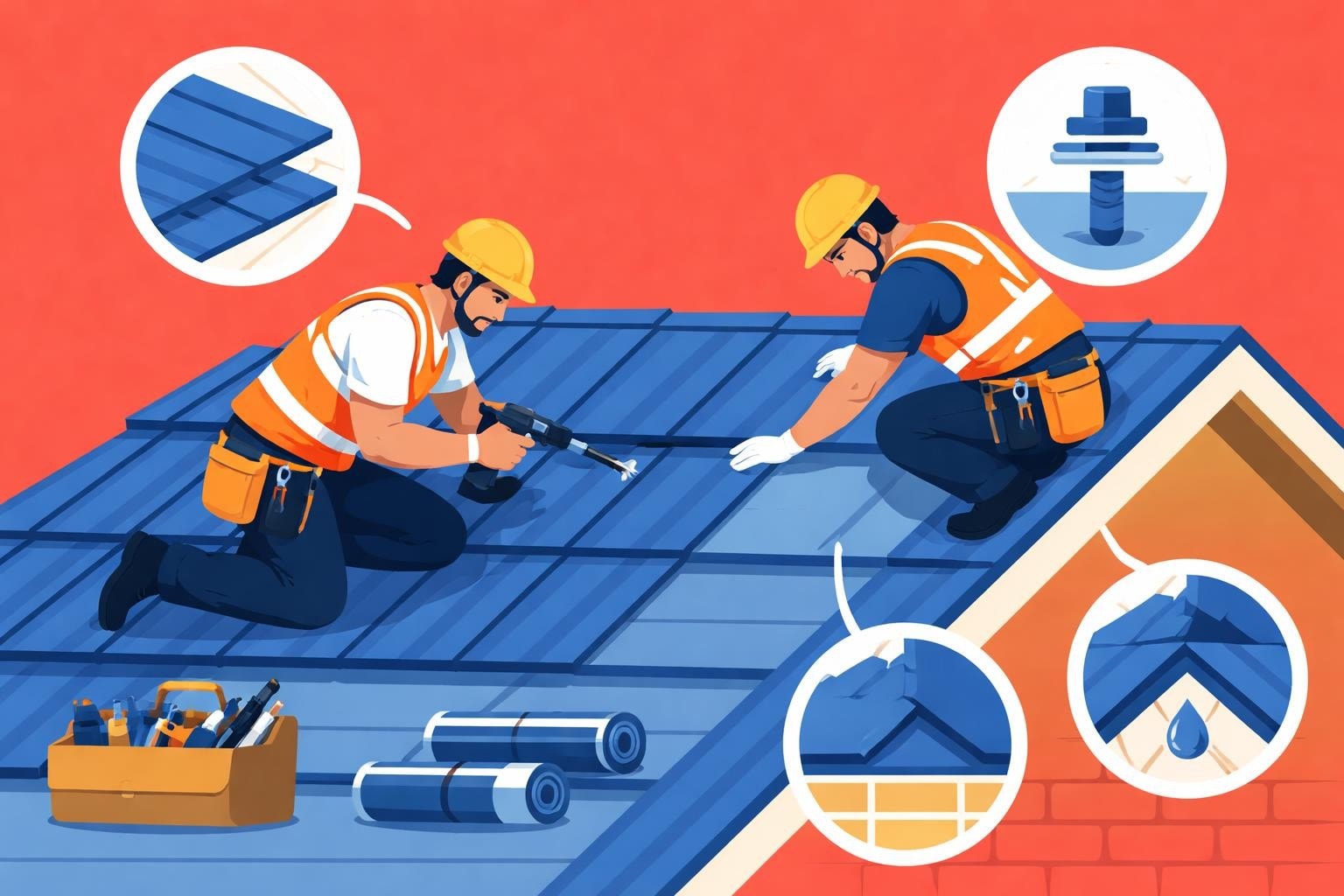
Finding the right metal roof specialist can make the difference between a roofing system that lasts decades and one that requires constant repairs. Metal roofing has grown exponentially in popularity across residential and commercial properties due to its durability, energy efficiency, and aesthetic versatility. However, installing these systems requires specialized knowledge and technical expertise that goes far beyond traditional roofing methods. Whether you're considering a metal roof for your home or business in the Joliet area, understanding what qualifies a true specialist and how they differ from general contractors will help ensure your investment delivers maximum value and performance.
What Defines a Metal Roof Specialist
A metal roof specialist brings focused expertise to installation, repair, and maintenance of metal roofing systems that general roofing contractors may lack. These professionals undergo specialized training in the unique characteristics of metal materials, thermal movement, fastening systems, and weatherproofing techniques specific to metal applications.
The distinction matters because metal roofing behaves fundamentally differently than asphalt shingles or other traditional materials. Thermal expansion and contraction create unique challenges, and improper installation can lead to panel distortion, fastener failure, and water infiltration.
Specialized Training and Certification
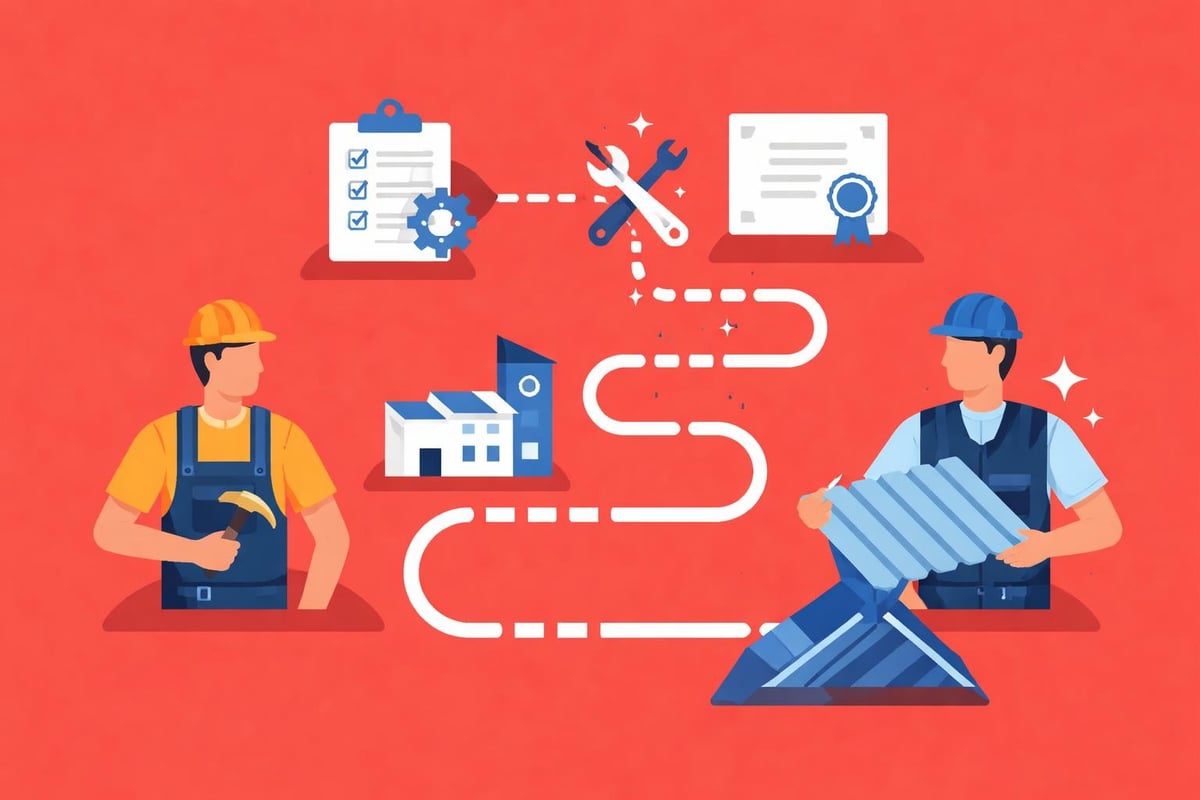
Metal roof specialists typically complete manufacturer-specific training programs and earn certifications that demonstrate proficiency with particular systems. These credentials verify knowledge of:
- Proper substrate preparation and underlayment selection
- Panel attachment methods for different profiles
- Flashing and trim installation techniques
- Seaming procedures for standing seam systems
- Coating application for specific metal types
Many specialists maintain relationships with multiple manufacturers, allowing them to recommend the best system for each project rather than being limited to a single product line. According to the Building America Solution Center’s metal roof guide, proper installation techniques vary significantly based on climate zone and building type.
Key Services Provided by Metal Roofing Experts
Metal roof specialists offer comprehensive services that address every phase of a metal roofing project. Their expertise extends beyond basic installation to encompass system design, material selection, and long-term maintenance planning.
Installation and Replacement Services
Professional installation represents the core service of any metal roof specialist. This process involves detailed planning and execution across multiple stages:
- Structural assessment to verify deck integrity and load capacity
- Ventilation planning to prevent moisture accumulation and optimize airflow
- Underlayment selection based on climate and roof slope
- Panel layout for optimal water shedding and aesthetic appeal
- Precise fastening following manufacturer specifications
- Trim and flashing fabrication for custom fit at penetrations and transitions
The Metal Roofing Alliance’s industry resources provide comprehensive specifications that guide specialists through proper installation procedures. These standards ensure that installations meet both performance requirements and warranty conditions.
Repair and Restoration Work
Metal roofs occasionally require repairs due to weather damage, fastener failure, or coating degradation. A qualified metal roof specialist can diagnose issues accurately and implement targeted repairs:
- Fastener replacement at locations showing backing-out or corrosion
- Panel realignment where thermal movement has caused misalignment
- Sealant renewal at joints, seams, and penetrations
- Coating application to restore protective finishes on painted panels
- Rust remediation through proper surface preparation and treatment
Understanding the specific alloy, gauge, and finish of existing panels allows specialists to source matching materials and maintain system integrity. This knowledge proves especially valuable when working with commercial roofing projects that require minimal disruption to business operations.
| Service Type | Typical Timeline | Key Considerations |
|---|---|---|
| New Installation | 3-7 days | Weather windows, delivery schedules |
| Re-roofing Over Existing | 4-9 days | Structural capacity, ventilation |
| Repairs | 1-3 days | Material matching, access requirements |
| Coating Restoration | 2-5 days | Surface preparation, temperature ranges |
Material Expertise and System Knowledge
A true metal roof specialist possesses in-depth knowledge of various metal roofing materials and their performance characteristics. This expertise enables them to match the right material to each project's specific requirements, budget constraints, and aesthetic goals.
Common Metal Roofing Materials
Different metals offer distinct advantages and require specific handling techniques:
Steel roofing remains the most common choice, available in galvanized, galvalume, and painted finishes. Steel provides excellent strength-to-weight ratios and cost efficiency. Specialists understand how different coatings affect longevity and appearance retention.
Aluminum roofing offers superior corrosion resistance, making it ideal for coastal environments or areas with high moisture exposure. Its lighter weight reduces structural demands but requires careful fastening to prevent wind damage.
Copper roofing delivers unmatched longevity and distinctive patina development. Working with copper demands specialized soldering skills and understanding of galvanic corrosion when copper contacts other metals.
Zinc roofing self-heals minor scratches through oxidation and develops a protective patina. Installation requires knowledge of proper expansion joint placement due to zinc's high thermal movement coefficient.
The Whole Building Design Guide’s cool metal roofing resource explains how material selection impacts energy efficiency and sustainability goals, particularly important for property owners seeking to reduce cooling costs.
Panel Profiles and System Types
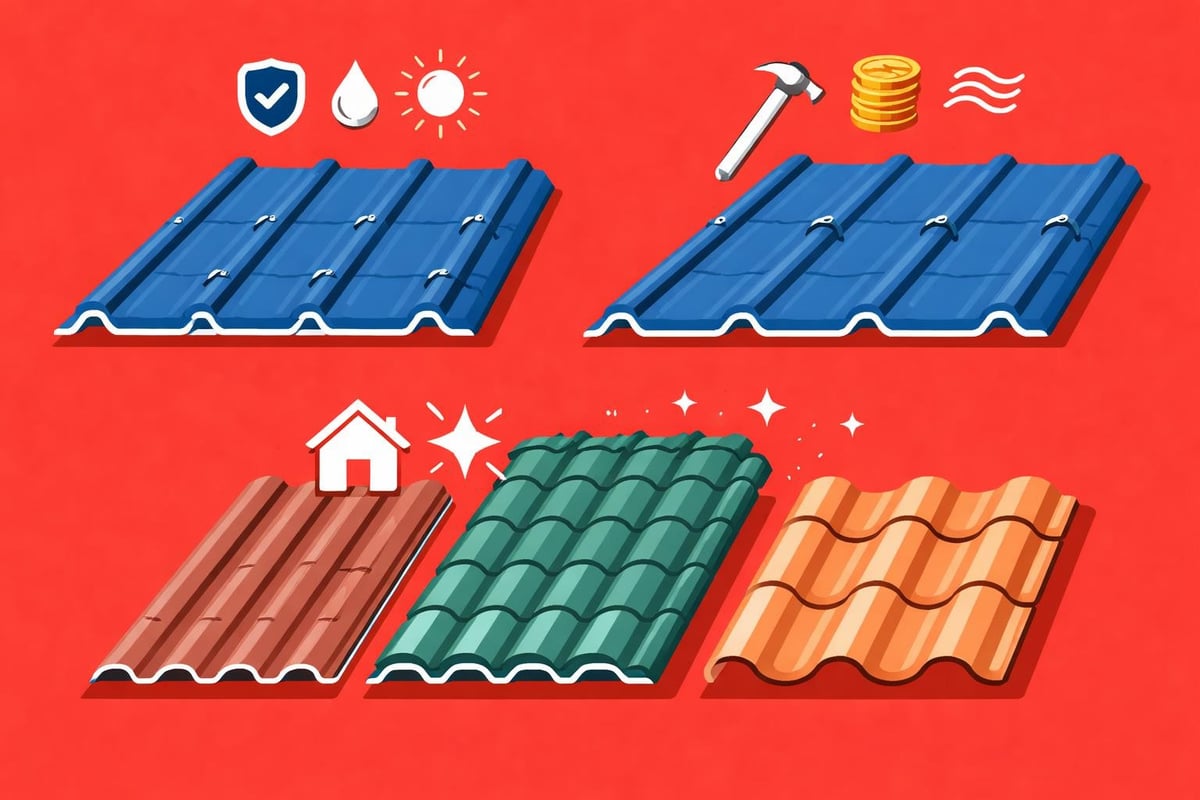
Metal roof specialists work with numerous panel profiles, each suited to different applications:
- Standing seam systems with concealed fasteners for superior weather protection
- Exposed fastener panels offering economical coverage for agricultural and industrial buildings
- Metal shingle and shake profiles replicating traditional roofing aesthetics
- Corrugated and ribbed panels providing strength and efficient water shedding
- Flat-seam panels creating uniform surfaces for contemporary architecture
Understanding how panel profile affects water management, snow retention, and thermal performance allows specialists to recommend appropriate systems. Roofing Contractor magazine’s recommendations emphasize the importance of matching panel type to building design and climate conditions.
Critical Installation Considerations
Proper metal roof installation requires attention to numerous technical details that impact long-term performance. A qualified metal roof specialist addresses these considerations systematically throughout the project.
Thermal Movement Management
Metal expands and contracts significantly with temperature changes. Specialists account for this movement through:
- Proper fastener placement allowing panel movement
- Expansion joints at appropriate intervals
- Clip systems that accommodate thermal cycling
- Adequate clearance at panel ends and edges
Failure to address thermal movement leads to panel buckling, fastener failure, and stress cracks at penetrations. The specialist calculates expected movement based on panel length, material type, and local temperature extremes.
Moisture Control and Ventilation
Metal roofs require carefully designed ventilation systems to prevent condensation on the underside of panels. Specialists evaluate:
- Ridge and soffit venting configurations
- Vapor barrier placement and selection
- Insulation methods that maintain air gaps
- Underlayment permeability characteristics
METALCON’s pro tips for successful installation highlight moisture management as a critical factor in preventing premature system failure and maintaining indoor air quality.
Fastener Selection and Placement
The fastening system represents a critical vulnerability point in metal roofing. Specialists select fasteners based on:
- Substrate material (wood, steel, or concrete)
- Panel gauge and profile
- Wind load requirements
- Corrosion resistance needs
Proper torque prevents over-driving that compresses washers excessively or under-driving that allows water infiltration. Specialists use calibrated tools and follow manufacturer spacing requirements precisely.
Choosing the Right Metal Roof Specialist
Selecting a qualified metal roof specialist requires evaluating credentials, experience, and project approach. Not all contractors claiming metal roofing expertise possess the specialized knowledge necessary for optimal results.
Essential Qualifications to Verify
When vetting potential specialists, property owners should confirm:
- Manufacturer certifications for systems being considered
- Insurance coverage including liability and workers' compensation
- Project portfolio showing similar installations
- References from recent commercial or residential projects
- Material sourcing relationships ensuring access to quality components
Metal Architecture magazine’s specification guide provides technical standards that qualified specialists should be familiar with and able to discuss intelligently.
Questions to Ask During Consultation
A thorough consultation reveals the specialist's depth of knowledge and project approach:
- How do you account for thermal movement in panel design?
- What underlayment do you recommend for this specific application?
- How will you address the existing ventilation system?
- What warranty coverage applies to materials and workmanship?
- What is your typical project timeline and crew size?
The quality of answers demonstrates whether the contractor truly specializes in metal roofing or simply offers it as an occasional service. Specialists provide detailed, technical responses rather than generic assurances.
Red Flags to Avoid
Certain warning signs indicate a contractor lacks genuine metal roofing expertise:
- Inability to discuss specific panel systems or manufacturers
- Reluctance to provide detailed written proposals
- Pressure to make immediate decisions
- Significantly lower bids than other specialists
- Limited or no manufacturer certifications
Working with a local roofing contractor who maintains established relationships in the community provides additional accountability and ongoing service availability.
Maintenance and Long-Term Care
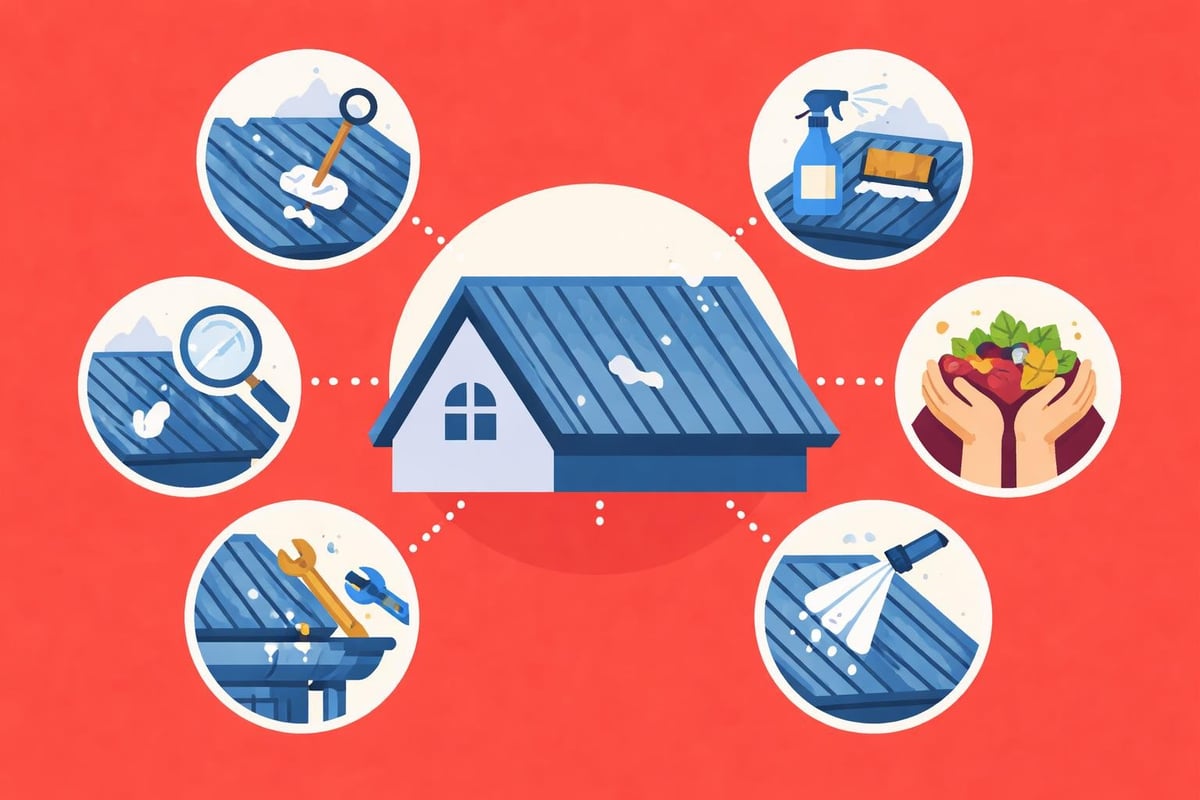
Metal roofs deliver decades of service when properly maintained. A metal roof specialist provides guidance on inspection schedules and preventive maintenance that protects the investment.
Routine Inspection Protocols
Regular inspections identify minor issues before they escalate into costly repairs. Specialists recommend examining:
| Inspection Area | Frequency | Key Issues to Check |
|---|---|---|
| Fasteners | Annually | Backing out, corrosion, missing washers |
| Seams and Joints | Annually | Separation, sealant condition |
| Flashing | Bi-annually | Seal integrity, metal fatigue |
| Coatings | Every 2-3 years | Chalking, fading, deterioration |
| Drainage | Seasonally | Debris accumulation, gutter function |
These inspections align with broader roof maintenance best practices that extend system lifespan across all roofing types.
Preventive Maintenance Tasks
Proactive maintenance preserves metal roof performance and appearance:
- Panel cleaning removes debris and pollutants that accelerate finish degradation
- Fastener tightening addresses thermal cycling effects
- Sealant replacement maintains weather barriers at critical junctions
- Touch-up coating prevents rust at scratches or abrasions
- Gutter maintenance ensures proper water discharge away from the building
A metal roof specialist can establish a customized maintenance schedule based on roof age, material type, and environmental exposure.
Cost Considerations and Value Analysis
Understanding metal roofing costs helps property owners make informed decisions about specialist selection and system choice. While initial investment exceeds traditional materials, long-term value often justifies the premium.
Investment Factors
Several variables influence metal roofing project costs:
- Material selection ranging from economy steel to premium copper
- Panel profile complexity affecting fabrication and installation labor
- Roof geometry with multiple planes or penetrations increasing difficulty
- Substrate condition requiring repairs or reinforcement
- Accessibility challenges affecting equipment needs and safety requirements
A qualified metal roof specialist provides transparent pricing that itemizes these factors rather than offering vague per-square-foot estimates.
Long-Term Return on Investment
Metal roofing delivers value through multiple channels:
- Longevity of 40-70 years versus 15-25 for asphalt shingles
- Energy efficiency reducing cooling costs by 10-25%
- Minimal maintenance compared to other roofing types
- Insurance discounts in many markets due to fire and wind resistance
- Resale value enhancement for properties
When calculating true lifetime cost, metal roofing often proves more economical than cheaper alternatives requiring multiple replacements. Property owners exploring new roof options should evaluate total cost of ownership rather than just initial price.
Regional Considerations for Metal Roofing
Climate and local building codes significantly impact metal roofing specifications. A knowledgeable metal roof specialist adapts systems to regional requirements.
Midwest Climate Challenges
The Midwest presents unique conditions affecting metal roof performance:
Temperature extremes create substantial thermal movement requiring careful expansion planning. Annual temperature swings exceeding 100 degrees demand robust fastening systems and appropriate panel lengths.
Snow loads necessitate structural analysis and potential snow retention systems preventing dangerous ice slides. Panel profiles must efficiently shed snow while maintaining adequate strength.
Ice damming prevention requires proper ventilation and insulation details. Metal's smooth surface naturally resists ice dam formation better than textured materials.
Storm resilience becomes critical in areas experiencing severe weather. Metal's wind resistance and impact protection provide superior performance during severe thunderstorms common across the region.
Local Code Compliance
Building departments establish specific requirements for metal roofing installations. Specialists navigate:
- Wind uplift resistance standards based on local wind zones
- Fire rating requirements for different occupancies
- Energy code compliance for reflectivity and emissivity
- Structural load calculations for snow and wind
- Permit and inspection procedures
Working with specialists familiar with Joliet and surrounding area regulations ensures smooth project approval and completion. Their experience with local inspectors streamlines the permitting process.
Testing and Quality Assurance Standards
Reputable metal roof specialists prioritize quality assurance through rigorous testing protocols. Understanding these standards helps property owners evaluate system reliability.
Performance Testing Programs
Metal roofing systems undergo various tests verifying their capabilities:
- Wind uplift resistance measured through ASTM standards
- Water penetration testing under simulated rain conditions
- Fire resistance classifications from UL and FM Global
- Impact resistance against hail and debris
- Thermal cycling evaluating performance across temperature ranges
The Metal Alliance testing program demonstrates the comprehensive evaluation quality systems undergo. These certifications provide objective evidence of performance claims.
Warranty Coverage
Strong warranty programs reflect manufacturer confidence and specialist accountability:
Material warranties cover finish performance, substrate integrity, and weathertightness for periods ranging from 20 to 50 years depending on the system.
Workmanship warranties from qualified specialists protect against installation defects. Premium installers often provide 10-20 year labor warranties.
System warranties combining materials and labor offer comprehensive protection when specialists meet manufacturer certification requirements. These warranties typically demand periodic inspections to maintain coverage.
Understanding warranty terms and exclusions prevents surprises when issues arise. Specialists should explain coverage details clearly during project planning.
Specialized Applications and Custom Solutions
Metal roof specialists handle diverse project types requiring tailored approaches. Their versatility extends across residential, commercial, and specialty applications.
Residential Metal Roofing
Homeowners select metal roofing for various reasons, and specialists adapt installations accordingly:
- Architectural metal shingles replicating slate, tile, or shake appearances
- Standing seam panels delivering contemporary aesthetics with superior performance
- Historic restoration matching original metal roofing materials and techniques
- Energy-efficient systems incorporating cool roof coatings and insulation
Each application demands specific expertise in material selection, color coordination, and integration with existing architectural elements.
Commercial and Industrial Applications
Commercial projects present distinct challenges requiring specialized knowledge:
Low-slope applications using mechanically seamed systems designed for minimal pitch installations. These systems require precise seaming equipment and trained operators.
Large-span structures demanding structural coordination with building engineers. Panel gauge selection and support spacing become critical calculations.
Retrofit installations over existing roofing systems where specialists must address condensation control and structural capacity. Commercial roofing considerations often involve phased installation to maintain business continuity.
Industrial environments with corrosive atmospheres requiring specialized coatings and alloys. Chemical plants, food processing facilities, and coastal installations demand expert material selection.
Working with Metal Roof Specialists on Your Project
Successful metal roofing projects result from effective collaboration between property owners and specialists. Understanding the process and expectations facilitates smooth execution.
Project Planning Phase
Initial planning establishes the foundation for success:
- Site evaluation identifies challenges and opportunities
- System selection balances performance requirements with budget
- Timeline development coordinates with weather windows and occupancy needs
- Permit acquisition ensures regulatory compliance
- Material ordering allows adequate lead time for custom components
Specialists should provide detailed project proposals outlining scope, specifications, timeline, and pricing. This documentation prevents misunderstandings and establishes clear expectations.
Installation Phase Communication
Active communication during installation keeps projects on track:
- Daily progress updates on work completed
- Weather delay notifications and schedule adjustments
- Problem resolution discussions when unexpected conditions arise
- Quality control checkpoints at critical installation stages
- Safety protocol adherence and site cleanliness maintenance
Property owners should feel comfortable asking questions and requesting clarification throughout the process. Accessible specialists view communication as integral to customer satisfaction.
Project Completion and Follow-up
Professional specialists conclude projects thoroughly:
- Final inspection walking through completed work
- Warranty documentation providing all necessary paperwork
- Maintenance guidance explaining care requirements
- Cleanup verification ensuring complete debris removal
- Follow-up scheduling for post-installation checks
Establishing this relationship creates a resource for future maintenance needs and potential expansion projects. For personalized guidance on your metal roofing project, contact Great Roofing to discuss your specific requirements.
Selecting a qualified metal roof specialist ensures your investment delivers the exceptional performance and longevity metal roofing systems offer. The specialized knowledge, technical expertise, and quality focus these professionals bring to every project create value that extends for decades. Great Roofing brings family-owned dedication and professional expertise to every metal roofing project across Joliet and surrounding areas, combining specialized knowledge with personalized service that has built our reputation throughout the region. Whether you're considering metal roofing for your home or business, Great Roofing provides the expert guidance and skilled installation your project deserves.