

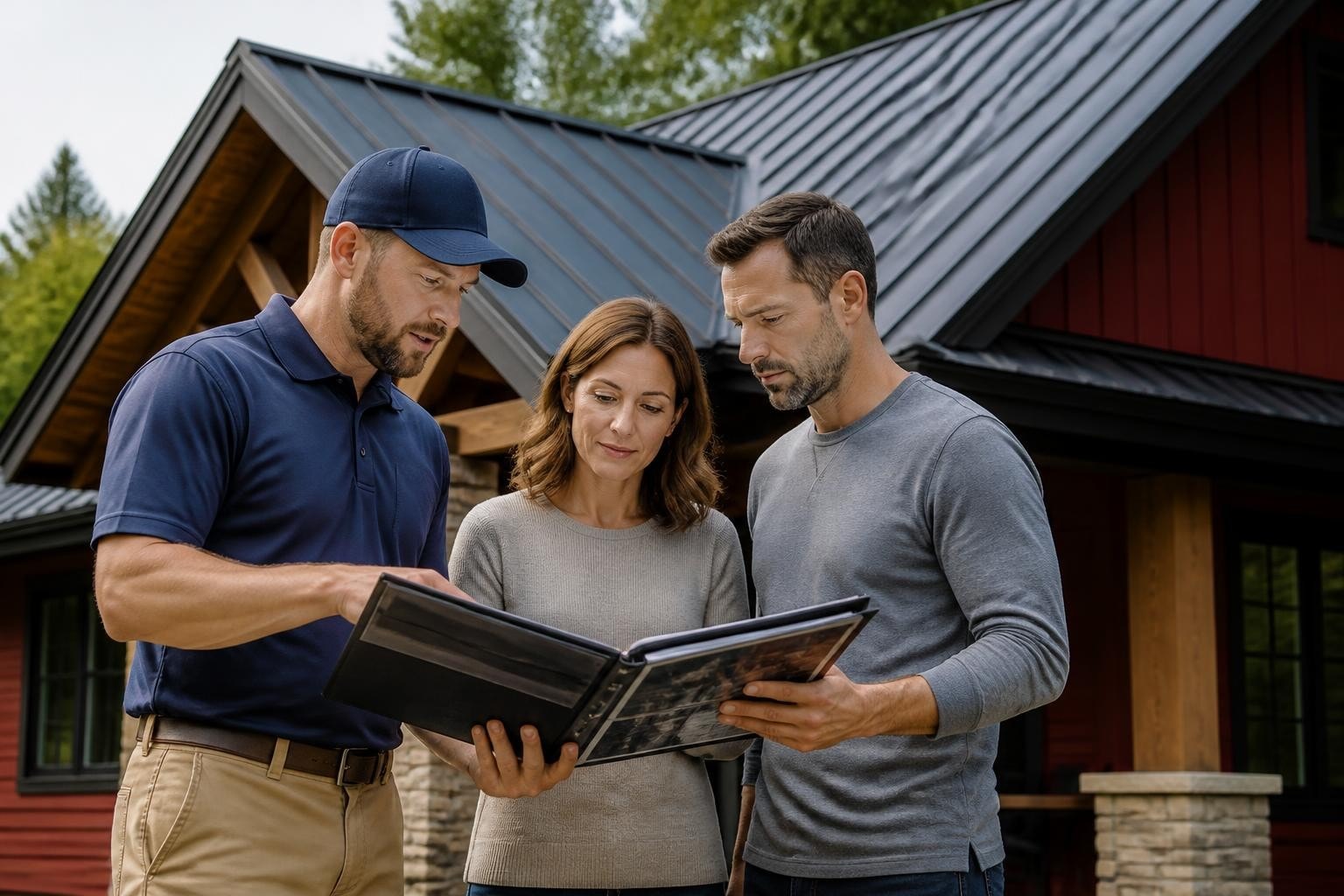
Finding qualified metal roofing contractors near me requires more research than a simple online search. Metal roofing represents a significant investment in your property's protection and value, and the contractor you choose will determine whether that investment pays dividends for decades or becomes a source of frustration. Unlike traditional asphalt shingle installations, metal roofing demands specialized knowledge of fastening systems, thermal movement, and precise flashing details that only experienced professionals can execute properly. The right contractor brings technical expertise, proper licensing, and a proven track record that transforms your roofing project from a stressful undertaking into a smooth, well-executed upgrade.
Why Metal Roofing Expertise Matters
Metal roofing installation differs fundamentally from traditional roofing methods. The materials expand and contract with temperature changes, require specific fastening patterns, and demand meticulous attention to detail at every penetration and transition point. A contractor experienced with asphalt shingles may lack the specialized training needed for standing seam panels, corrugated metal, or stone-coated steel systems.
Technical Requirements Set Metal Apart
The Metal Roofing Alliance resources outline critical considerations that distinguish metal roofing from other materials. Proper installation requires understanding thermal movement coefficients, concealed versus exposed fastening systems, and the relationship between substrate preparation and long-term performance. These technical factors directly impact weather resistance, noise levels, and the roof's ability to perform for 40 to 70 years.
When searching for metal roofing contractors near me, prioritize those who demonstrate specific metal roofing certifications from manufacturers. These credentials indicate formal training in:
- Panel layout and geometric calculations for minimal waste and optimal appearance
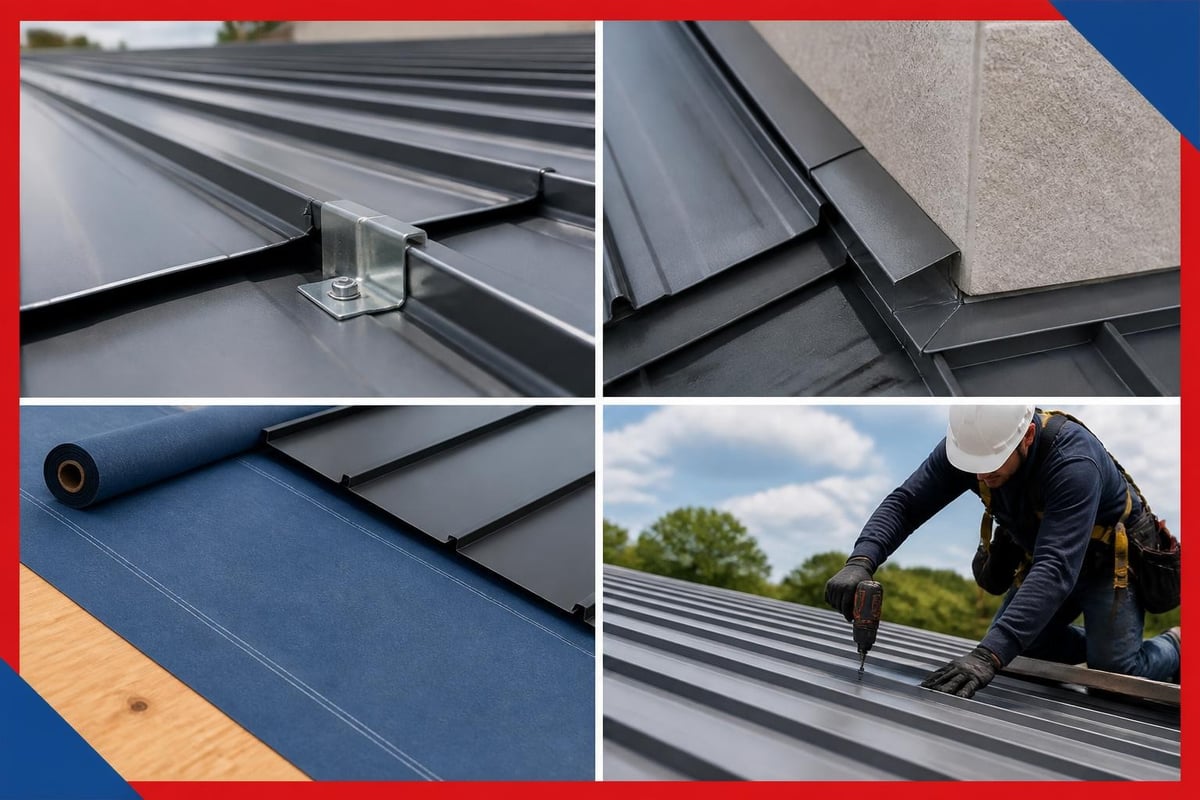
- Flashing fabrication and integration at chimneys, valleys, and wall interfaces
- Thermal expansion joint placement to prevent oil-canning and fastener failure
- Underlayment selection based on metal type and roof pitch
- Proper ventilation strategies that prevent condensation beneath metal panels
Credentials and Qualifications to Verify
Professional credentials separate qualified metal roofing contractors from general roofers attempting to expand their service offerings without proper preparation. State licensing requirements vary, but reputable contractors maintain multiple certifications that demonstrate ongoing commitment to quality and industry standards.
Essential Licensing and Insurance
Every contractor on your shortlist should carry current general liability insurance with coverage limits of at least two million dollars. Workers' compensation insurance protects you from liability if injuries occur on your property. Request certificates of insurance directly from the insurance carrier, not photocopies the contractor provides.
Licensing requirements in Illinois and surrounding states mandate specific bonding and proof of financial responsibility. Verify licenses through your state's contractor licensing board rather than accepting the contractor's word. This verification takes minutes but prevents catastrophic mistakes.
| Credential Type | Why It Matters | How to Verify |
|---|---|---|
| State contractor license | Legal requirement, indicates minimum competency | State licensing board website |
| Manufacturer certifications | Training in specific metal systems | Contact manufacturer directly |
| General liability insurance | Protects your property during work | Request COI from insurer |
| Workers' compensation | Covers employee injuries | State insurance verification portal |
| BBB accreditation | Track record of resolving complaints | Better Business Bureau database |
Manufacturer-Specific Training
Leading metal roofing manufacturers offer tiered certification programs that train contractors in their specific products. These programs cover installation nuances unique to each manufacturer's panel profiles, coating systems, and accessory components. A contractor certified by multiple manufacturers demonstrates versatility and commitment to staying current with evolving products.
The Metal Construction Association installation manual provides standardized guidance that certified contractors must master. This technical resource addresses everything from deck preparation to final panel attachment, establishing benchmarks against which you can evaluate contractor knowledge during consultations.
Evaluating Local Metal Roofing Contractors
Geographic proximity matters more than many homeowners realize when selecting metal roofing contractors near me. Local contractors understand regional weather patterns, building code variations, and permit requirements that affect project timelines and costs. They also maintain reputations within the community that incentivize quality work and responsive service.
Portfolio Review and Reference Checks
Request photos of completed projects similar to yours in size, complexity, and metal roofing type. Pay attention to detail work around chimneys, dormers, and roof-to-wall transitions. These areas reveal craftsmanship quality more clearly than broad expanses of uninterrupted panels.
Contact at least three recent customers whose projects match your scope. Ask specific questions about:
- Timeline adherence and communication during delays
- Cleanup procedures and site protection measures
- How the contractor handled unexpected conditions or change orders
- Post-installation responsiveness to questions or minor adjustments
- Overall satisfaction with both process and finished product
Many top roofing companies maintain online portfolios and customer testimonials, but independent verification through direct reference conversations provides unfiltered insights.
Understanding Regional Building Codes
Building codes vary significantly between municipalities, even within the same county. Experienced local contractors navigate permit applications, inspection schedules, and jurisdiction-specific requirements efficiently. They understand which inspectors prioritize specific details and can anticipate questions before they arise.
The FORTIFIED roofing standards provide voluntary enhanced requirements that exceed minimum code. Contractors familiar with FORTIFIED protocols demonstrate advanced knowledge that benefits any metal roofing project, even when formal certification isn't pursued. These standards address wind resistance, water intrusion prevention, and system durability that translate directly to long-term performance.
What to Expect During Estimates
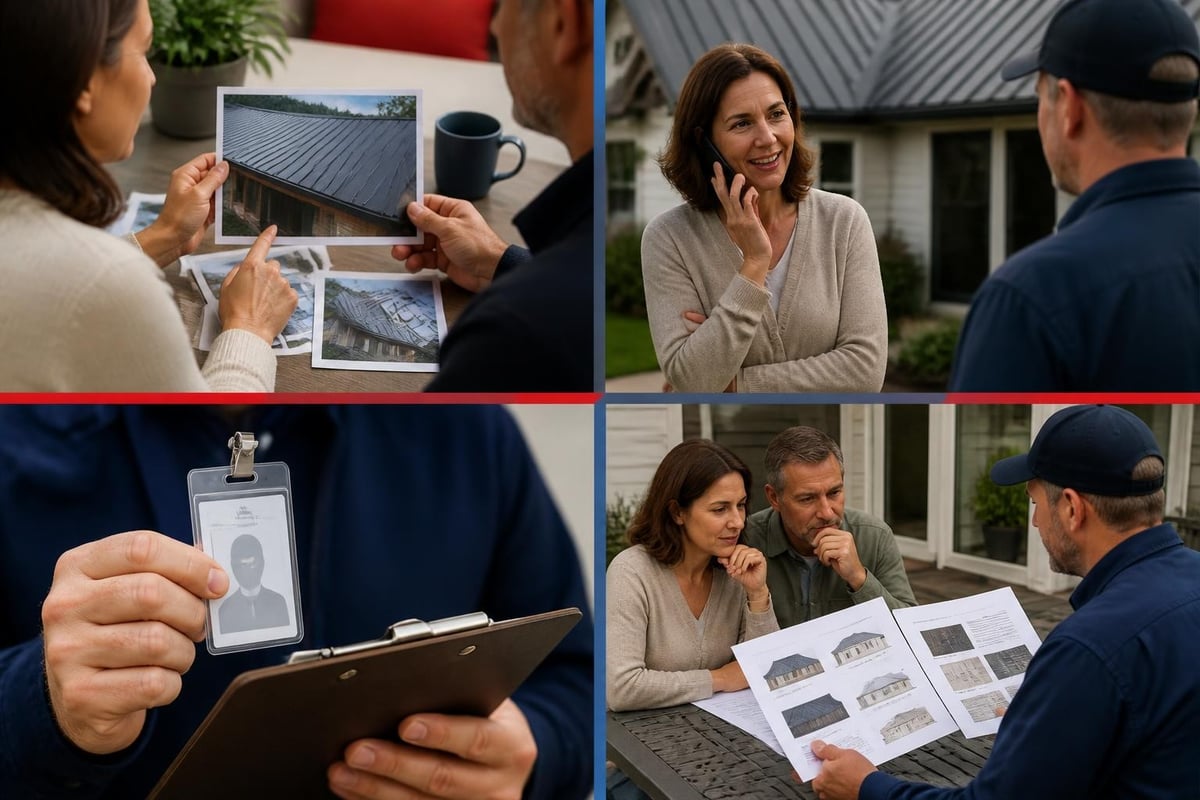
Professional estimates for metal roofing involve detailed site assessment, not cursory measurements from satellite imagery. Quality contractors schedule on-site visits to evaluate substrate condition, identify potential complications, and discuss your preferences for panel style, color, and accessories.
Comprehensive Scope Documentation
Detailed estimates break costs into distinct categories rather than providing a single lump sum. This transparency allows you to understand where your investment goes and makes comparing multiple bids more meaningful. Look for line items addressing:
- Tear-off and disposal of existing roofing materials
- Deck repairs for damaged or deteriorated sheathing
- Underlayment installation with specific product names
- Panel supply and installation with square footage calculations
- Flashing fabrication and installation at all transitions
- Trim and accessories including ridge caps, rake edges, and gable trim
- Ventilation components if modifications are needed
- Permits and inspections as separate billable items
- Cleanup and final site restoration
- Warranty registration with manufacturer
Comparing these itemized estimates helps identify whether price variations stem from material quality differences, scope inclusions, or profit margins. A significantly lower bid often indicates reduced scope or inferior materials rather than operational efficiency.
Material Specifications Matter
Not all metal roofing carries the same performance characteristics or longevity expectations. Gauge thickness, coating type, and substrate material dramatically affect both initial cost and lifecycle value. According to Energy Star cool roof guidelines, reflective coatings can reduce cooling costs by 10 to 15 percent while extending roof life through reduced thermal stress.
Ask contractors to specify:
- Base metal type (steel, aluminum, copper, zinc)
- Gauge or thickness measurements
- Coating system (Kynar 500, acrylic, stone coating)
- Warranty coverage for paint, substrate, and weather-tightness
- Expected service life under local conditions
The ASTM roofing standards establish testing protocols for metal roofing materials, providing objective benchmarks for comparing product specifications contractors propose.
Questions to Ask Prospective Contractors
Informed questions reveal contractor expertise and help you gauge whether their approach aligns with your expectations. Prepare questions that address both technical competence and business practices before initial consultations.
Technical Knowledge Assessment
How do you address thermal movement in metal roofing? Qualified contractors explain expansion joint placement, fastener selection that allows movement, and panel layout strategies that prevent oil-canning. Vague answers or dismissive responses indicate insufficient metal-specific experience.
What underlayment do you recommend for my specific metal system? The answer should reference vapor permeability, temperature ratings, and compatibility with your chosen metal type. High-temperature underlayments prevent degradation beneath metal that reaches 180 degrees on summer afternoons.
How do you ensure proper ventilation beneath metal panels? Condensation control requires adequate ventilation between the metal and underlying structure. Contractors should discuss intake and exhaust ratios, baffle installation, and how they maintain airflow at eaves and ridge.
Business Practice Evaluation
Understanding how contractors operate their businesses provides insight into the experience you'll have throughout the project. These operational questions matter as much as technical qualifications:
- What's your typical project timeline from contract signing to completion?
- How do you handle unexpected substrate damage discovered during tear-off?
- Who will supervise the installation crew on-site daily?
- What cleanup and protection measures do you implement?
- How do you communicate progress and address concerns during installation?
When researching best residential roofing companies, prioritize those with clear communication protocols and documented processes for managing the common challenges that arise during reroofing projects.
Understanding Metal Roofing Investment
Metal roofing costs more initially than asphalt shingles but provides superior longevity and performance that shifts the value equation dramatically. The NRCA roofing guidelines emphasize lifecycle cost analysis rather than simple upfront price comparison when evaluating roofing materials and contractors.
Price Factors and Variables
Several factors influence metal roofing project costs beyond simple square footage calculations. Roof complexity, access challenges, and material selection create wide price ranges even for similarly sized homes.
| Cost Factor | Impact on Price | Typical Range |
|---|---|---|
| Roof pitch | Steeper roofs require more safety equipment and slower installation | 10-25% premium above 6:12 pitch |
| Complexity | Multiple valleys, dormers, and penetrations increase labor | 15-35% above simple gable roofs |
| Metal type | Aluminum, steel, copper, and zinc vary significantly | $3-$15 per square foot material only |
| Panel profile | Standing seam costs more than corrugated or R-panel | 30-50% difference in material costs |
| Coating system | Premium finishes extend life but increase initial investment | 20-40% material cost variation |
Requesting itemized estimates from multiple metal roofing contractors near me allows direct comparison of how each contractor prices labor, materials, and project management.

Warranty Coverage Comparison
Metal roofing warranties typically separate paint/finish coverage from substrate perforation protection. Premium products offer 40-year paint warranties and 50-year substrate guarantees, while economy options may provide only 20 years of limited coverage.
Contractor workmanship warranties should cover installation quality for at least five years, with many leading firms offering 10-year labor guarantees. This coverage protects you if leaks develop due to improper flashing installation or inadequate fastener application.
Review warranty transferability if you might sell your property before the warranty expires. Transferable warranties add resale value and provide peace of mind to prospective buyers.
Installation Process and Timeline
Understanding the metal roofing installation sequence helps you prepare your property and set realistic expectations for project duration. Most residential metal roof replacements require three to five days of on-site work, depending on size and complexity.
Pre-Installation Preparation
Professional contractors conduct detailed pre-installation planning that minimizes surprises and delays. This preparation phase includes ordering materials with adequate lead time, scheduling inspections, and coordinating waste disposal.
You should expect contractors to:
- Protect landscaping with plywood or tarps beneath work areas
- Set up debris chutes or designated material drop zones
- Cover sensitive areas like air conditioning units
- Establish clear parking areas for crew vehicles and material deliveries
- Discuss daily schedules and noise expectations with household members
Installation Sequence
The systematic approach contractors follow ensures quality at each phase. Rushing through early steps to accelerate completion compromises the entire system's integrity.
Day 1-2: Tear-off and deck inspection. Crews remove existing roofing, expose the deck, and assess structural soundness. Damaged sheathing gets replaced before proceeding. This phase generates the most debris and noise.
Day 2-3: Underlayment and valley preparation. High-temperature synthetic underlayment provides critical water protection and creates a smooth substrate. Valley metal and pre-formed flashing components get installed according to manufacturer specifications.
Day 3-4: Panel installation. Working from eave to ridge, crews install panels with precise alignment and proper fastener placement. Standing seam systems use concealed clips that allow thermal movement without compromising weather resistance.
Day 4-5: Trim, accessories, and cleanup. Ridge caps, rake edges, and transition trim complete the installation. Final cleanup includes magnet sweeps to collect metal shavings and fasteners that could damage tires or lawn equipment.
The IBHS wind resistance research demonstrates how proper installation techniques determine whether metal roofs survive severe weather events. Contractors who follow tested protocols provide measurably better storm protection than those taking shortcuts.
Red Flags to Avoid
Certain warning signs during contractor evaluation should prompt immediate disqualification from consideration. These red flags indicate business practices or technical deficiencies that create unacceptable risk.
Pressure Tactics and Unrealistic Promises
Contractors who push for immediate decisions or offer significant "today-only" discounts prioritize closing sales over customer service. Quality contractors present information, answer questions, and give you time to make informed decisions without artificial urgency.
Promises of lifetime warranties without clear documentation or claims that metal roofing requires zero maintenance reveal either dishonesty or ignorance. All roofing systems require periodic inspection and minor maintenance to achieve maximum service life.
Payment Structure Concerns
Large upfront deposits before work begins create risk if contractors abandon projects or encounter financial difficulties. Standard practice involves modest deposits (10-20 percent) with progress payments tied to completion milestones. Never pay in full until final inspection approval and warranty documentation delivery.
Be cautious of contractors who:
- Request cash-only payment to "save on taxes"
- Cannot provide verifiable business addresses or phone numbers
- Offer to pay your insurance deductible
- Show reluctance to provide written contracts with detailed scope
- Suggest skipping required permits to reduce costs
When comparing options after searching for metal roofing contractors near me, eliminate any contractor displaying these problematic behaviors regardless of their quoted price.
Ongoing Maintenance and Contractor Support
Metal roofing's durability doesn't eliminate maintenance needs entirely. Establishing a relationship with your installation contractor provides advantages when minor issues arise or periodic inspections become necessary.
Annual Inspection Recommendations
Professional inspections every one to three years identify small problems before they escalate into expensive repairs. These examinations focus on:
- Fastener condition and sealant integrity at penetrations
- Flashing performance at chimneys, valleys, and wall transitions
- Panel alignment and evidence of unexpected movement
- Coating condition in high-exposure areas
- Debris accumulation in valleys or behind rooftop equipment
Many metal roofing contractors offer maintenance agreements that include annual inspections and minor adjustments at reduced rates. These programs help maintain warranty validity while extending system performance.
When to Contact Your Contractor
Understanding which situations warrant contractor involvement versus simple homeowner maintenance prevents unnecessary service calls while ensuring prompt attention to genuine concerns.
Contact your contractor immediately if you observe:
- Water stains on interior ceilings or walls
- Loose or displaced panels after severe weather
- Unusual noises during wind events
- Visible fastener back-out or missing components
- Changes in attic temperature or humidity levels
Simple tasks you can handle include clearing gutters, removing debris from valleys, and trimming overhanging branches. Similar to how you might monitor your roof for hail damage, staying alert to changes helps preserve your metal roofing investment.
Making Your Final Selection
After evaluating credentials, comparing estimates, and checking references, synthesize this information into a confident hiring decision. The lowest price rarely represents the best value when comparing metal roofing contractors near me, just as the highest quote doesn't guarantee superior results.
Balancing Cost and Value
Create a simple scoring matrix that weights factors according to your priorities. Assign points for credentials, experience, communication quality, warranty coverage, and price competitiveness. This structured approach prevents over-emphasizing any single factor while maintaining objectivity.
Consider the total ownership experience beyond installation day. Contractors who respond promptly during the estimate phase typically maintain that responsiveness throughout the project and afterward. Those who seem disorganized or difficult to reach before you've signed a contract rarely improve once they have your deposit.
Contract Review Essentials
Before signing, ensure your contract includes:
- Complete material specifications with manufacturer names and model numbers
- Detailed scope describing every aspect of tear-off, installation, and cleanup
- Project timeline with start and completion dates
- Payment schedule tied to specific milestones
- Change order procedures with pricing methodology
- Warranty coverage from both manufacturer and contractor
- Dispute resolution process and cancellation terms
Have an attorney review contracts for projects exceeding $20,000 or involving structural modifications beyond simple roof replacement. This modest investment provides protection against problematic contract language.
Regional Considerations for Metal Roofing
Local climate patterns, building codes, and architectural preferences influence metal roofing decisions. Contractors familiar with your region understand these nuances and incorporate them into recommendations and installation practices.
Weather Pattern Adaptation
High-wind areas benefit from specific panel profiles and enhanced fastening schedules that exceed standard requirements. The FM Global wind performance guidance provides testing data contractors use to specify appropriate systems for your exposure category.
Snow load considerations affect both structural capacity and panel selection. Standing seam roofs with smooth surfaces shed snow more effectively than textured profiles, reducing accumulation weight while potentially creating hazardous ice dams if gutter capacity proves inadequate.
Areas prone to severe hail require impact-resistant coatings and heavier gauge metals that resist denting. Stone-coated steel products combine metal durability with Class 4 impact resistance that satisfies insurance requirements in hail-prone regions.
Architectural Compatibility
Metal roofing complements both traditional and contemporary architecture when contractors select appropriate profiles and colors. Victorian homes may feature standing seam copper that develops natural patina, while modern designs often showcase sleek metal panels in bold colors.
Historic districts sometimes restrict roofing materials or require design review approval. Experienced local contractors navigate these requirements efficiently, knowing which panel profiles satisfy preservation standards while providing modern performance.
Selecting qualified metal roofing contractors near me determines whether your investment delivers decades of reliable protection or becomes a source of ongoing problems. Thorough vetting of credentials, careful comparison of detailed estimates, and clear communication about expectations create the foundation for successful projects. Whether you need expert residential roofing services or guidance on your specific metal roofing project, Great Roofing brings the technical expertise and customer-focused approach that transforms your roofing investment into lasting value for your Joliet-area property.