

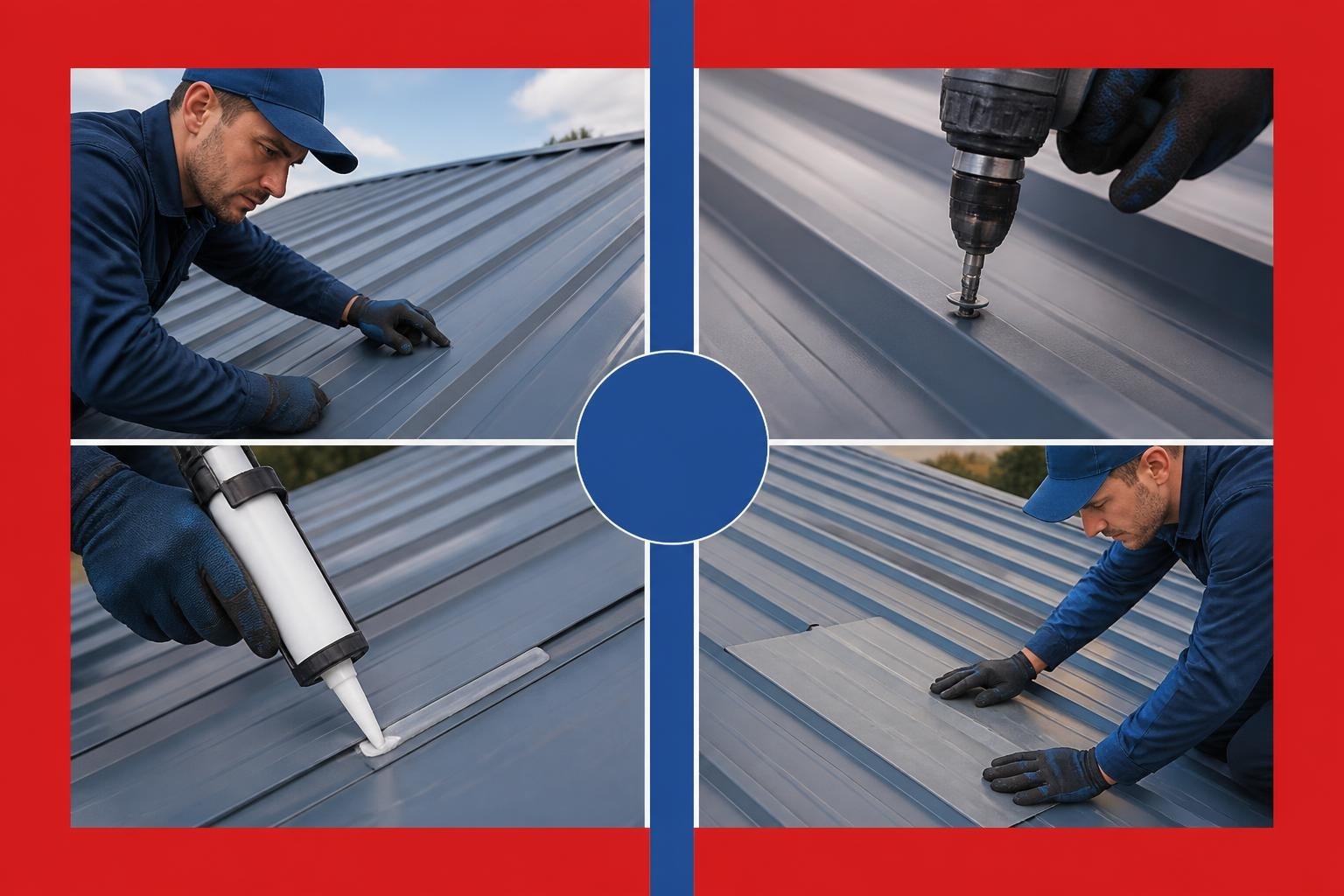
Metal roofing systems have become increasingly popular across residential and commercial properties due to their exceptional durability, energy efficiency, and longevity. However, even the most robust metal roofs require periodic maintenance and repairs to maintain their protective capabilities. Understanding the fundamentals of metal roofing repair can help property owners make informed decisions about maintenance schedules, identify problems early, and determine when professional intervention is necessary. Whether you're dealing with minor fastener issues or more significant panel damage, knowing the proper repair techniques ensures your investment continues to protect your property for decades to come.
Common Metal Roofing Problems Requiring Repair
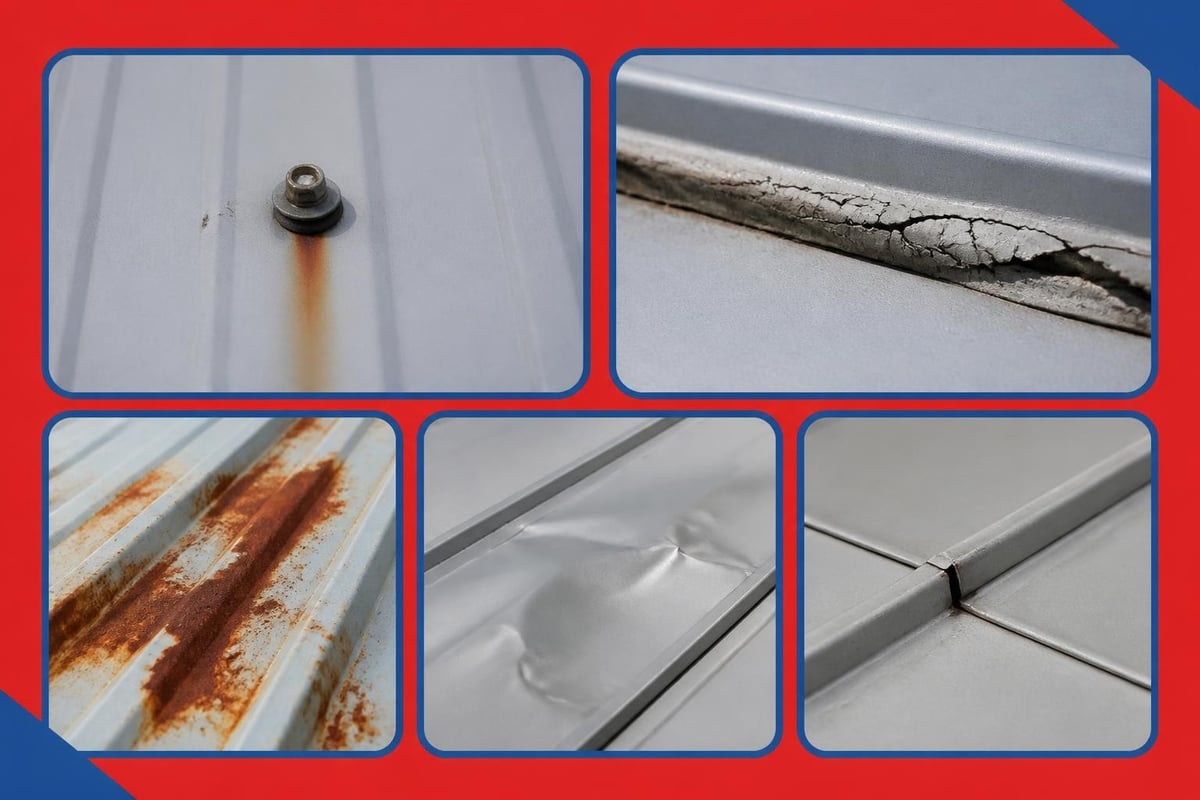
Metal roofs face several recurring issues that property owners should monitor regularly. Fastener failure represents one of the most frequent problems, occurring when screws become loose, back out, or deteriorate over time. These fasteners serve as critical attachment points, and when they fail, they create potential entry points for water infiltration.
Sealant degradation is another widespread concern that affects metal roofing systems. The butyl tape and sealants used at panel overlaps, penetrations, and flashing details gradually break down due to UV exposure and thermal cycling. Regular inspections help identify fastener and sealant issues before they escalate into more serious damage.
Panel and Coating Deterioration
- Rust and corrosion developing at cut edges or damaged coating areas
- Denting or punctures from fallen branches, hail, or foot traffic
- Paint or finish degradation exposing bare metal to elements
- Oil canning causing visual waviness in flat panel areas
- Panel separation at seams due to thermal expansion issues
Standing water on low-slope metal roofs accelerates deterioration and creates ideal conditions for rust development. This problem often stems from inadequate drainage design or clogged gutters that prevent proper water evacuation.
Inspection Techniques for Metal Roofing Systems
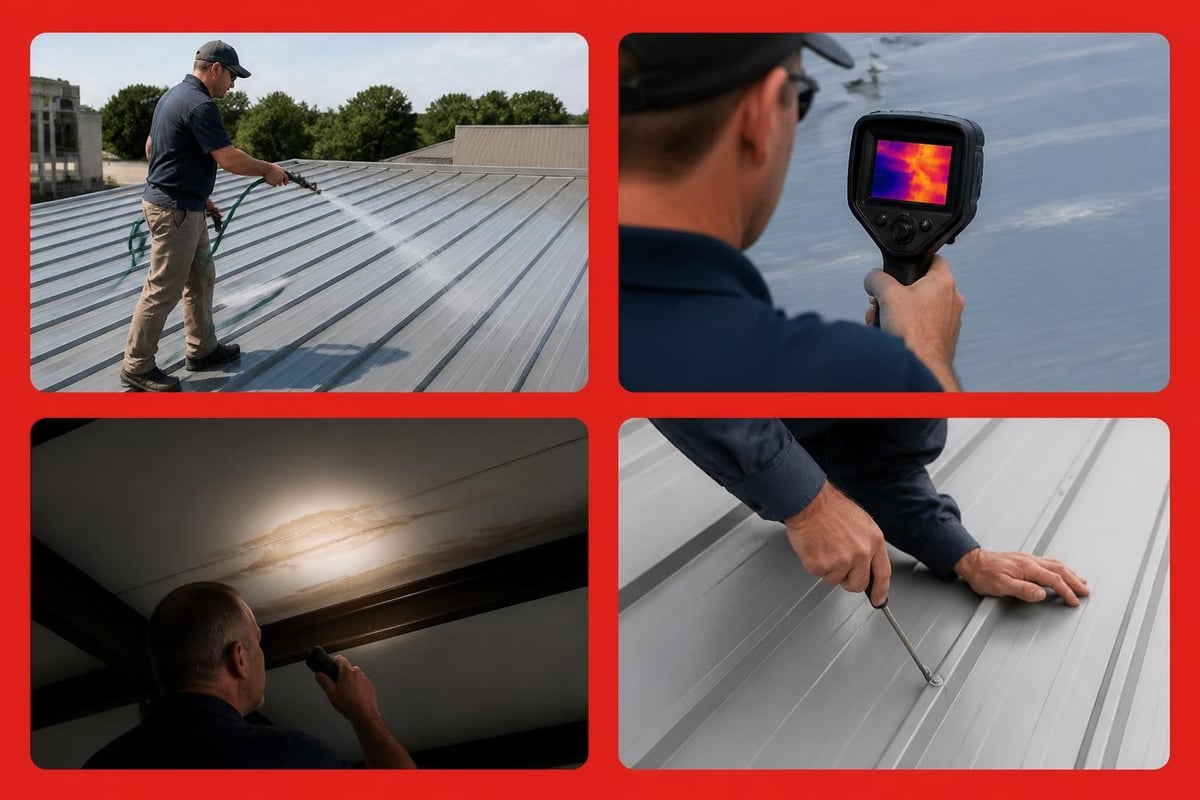
Conducting thorough inspections forms the foundation of effective metal roofing repair programs. Property owners should schedule professional inspections at least twice annually, preferably in spring and fall. These systematic evaluations identify developing problems before they compromise the building envelope.
Start by examining all fasteners across the roof surface. Look for missing washers, tilted screws, or pulled-through fasteners that indicate installation problems or material fatigue. Document the locations of compromised fasteners using photographs and roof diagrams to ensure comprehensive repairs.
Critical Inspection Areas
The following zones require particular attention during metal roof evaluations:
- Panel overlaps and seams where water penetration most commonly occurs
- Penetration flashings around vents, pipes, and equipment
- Ridge caps and hip details exposed to wind-driven rain
- Eave and rake trim where panel terminations meet fascia
- Valley areas experiencing concentrated water flow
- Transition flashings between different roofing materials
Interior inspections complement exterior evaluations by revealing active leaks or water staining that might not be visible from above. Check attic spaces and ceiling areas below the metal roof for discoloration, dampness, or drip marks that indicate penetration points requiring immediate attention.
Metal Roofing Repair Methods and Materials
Professional metal roofing repair requires appropriate materials that match the existing system specifications. Using incompatible materials can accelerate corrosion through galvanic action, where dissimilar metals create electrochemical reactions in the presence of moisture.
Replacement fasteners must match the original specifications exactly, including thread pattern, head style, and washer configuration. Standard repairs use color-matched screws with EPDM washers that maintain seal integrity through thermal cycling. Proper fastener selection and installation prevents future repair needs and extends system life.
| Repair Type | Materials Required | Expected Lifespan |
|---|---|---|
| Fastener replacement | Matching screws with EPDM washers | 15-20 years |
| Sealant renewal | Butyl tape or polyurethane sealant | 10-15 years |
| Panel patching | Matching metal, fasteners, sealant | 20-25 years |
| Coating restoration | Metal roof coating system | 10-12 years |
| Flashing repair | Matching metal flashing, sealant | 15-20 years |
Sealant Application Best Practices
Applying sealants correctly ensures watertight repairs that withstand weather extremes. Clean all surfaces thoroughly using appropriate solvents to remove dirt, oil, and oxidation before applying new sealant. This preparation step dramatically improves adhesion and longevity.
- Use butyl tape for horizontal seams and panel overlaps
- Apply polyurethane sealant for vertical transitions and terminations
- Employ high-grade silicone for temporary emergency repairs only
- Ensure proper tooling and contact with both surfaces
- Allow adequate curing time before exposing repairs to moisture
Temperature conditions significantly affect sealant performance during application. Most products require surface temperatures between 40°F and 100°F for proper adhesion. Working outside these parameters compromises the repair quality and may necessitate premature reapplication.
Addressing Leaks and Water Infiltration
Water infiltration through metal roofing systems typically follows predictable patterns based on roof design and installation quality. Understanding proper panel overlap techniques helps identify where leaks most commonly develop and guides effective repair strategies.
Leak investigation begins with careful observation during active rainfall when possible. This direct approach reveals the exact entry points and water travel paths that may not be obvious during dry conditions. Document findings with photographs and measurements to guide repair work.
Emergency Leak Mitigation
When immediate temporary repairs become necessary before permanent solutions can be implemented, several options provide short-term protection:
Property owners facing active leaks should place collection containers inside the building while arranging professional evaluation. External temporary patches using peel-and-stick membrane products can slow water entry, but these represent stopgap measures rather than permanent solutions. Understanding when simple fixes suffice versus requiring professional intervention helps property owners make appropriate decisions.
For properties in the Joliet area experiencing metal roofing issues, connecting with experienced local roofing professionals ensures repairs meet both manufacturer specifications and local building codes. This expertise proves particularly valuable when dealing with insurance claims for storm damage or determining whether repairs or replacement provide better long-term value.
Rust Treatment and Prevention Strategies
Rust formation on metal roofing represents a progressive problem that requires prompt intervention. Surface rust appears as light discoloration and can be arrested through proper treatment, while penetrating rust compromises structural integrity and often necessitates panel replacement.
Treating surface rust involves mechanical removal through wire brushing or grinding, followed by application of rust-inhibiting primer and topcoat. This process restores the protective coating system and prevents further oxidation. All bare metal exposed during repair work requires immediate priming to prevent flash rusting.
Corrosion Prevention Techniques
- Maintain proper drainage to eliminate standing water conditions
- Apply protective coatings at cut edges and penetrations
- Replace damaged fasteners showing rust staining or deterioration
- Ensure adequate ventilation in attic spaces beneath metal roofs
- Remove debris accumulation that traps moisture against panels
- Use compatible materials to prevent galvanic corrosion
Long-term corrosion protection requires addressing environmental factors that accelerate deterioration. Coastal properties face increased salt exposure, industrial areas experience acidic atmospheric conditions, and agricultural settings expose roofs to ammonia and other corrosive compounds. Professional repair approaches account for these environmental stressors when selecting materials and techniques.
Panel Replacement and Structural Repairs
Severely damaged panels that cannot be effectively patched require complete replacement to maintain system integrity. This process involves carefully removing fasteners, extracting the damaged panel without disturbing adjacent components, and installing new material that matches existing specifications.
Color matching presents challenges with aged metal roofing, as weathering and fading alter the original finish. Professional suppliers can often provide aged or weathered panels that blend more naturally with existing roofing, though perfect matches rarely occur on systems over ten years old.
Panel replacement procedures vary based on the specific metal roofing profile:
| Profile Type | Replacement Difficulty | Special Considerations |
|---|---|---|
| Standing seam | Moderate | Requires panel unclipping tools |
| Exposed fastener | Easy | Direct screw removal and installation |
| R-panel | Easy to Moderate | Overlap sequencing critical |
| Corrugated | Easy | Standard fastener replacement |
| Snap-lock | Difficult | May require multiple panel removal |
When structural repairs extend beyond simple panel replacement, involving underlying deck damage or compromised framing members, comprehensive roofing services that address both exterior and structural components ensure proper system restoration. This integrated approach prevents recurring problems and maintains warranty coverage.
Fastener and Accessory Component Repairs
Fastener systems on metal roofs serve dual purposes: structural attachment and weather sealing. Over time, thermal cycling causes fasteners to work loose as panels expand and contract. This movement gradually degrades the EPDM washer seal, creating potential leak paths even when screws remain partially engaged.
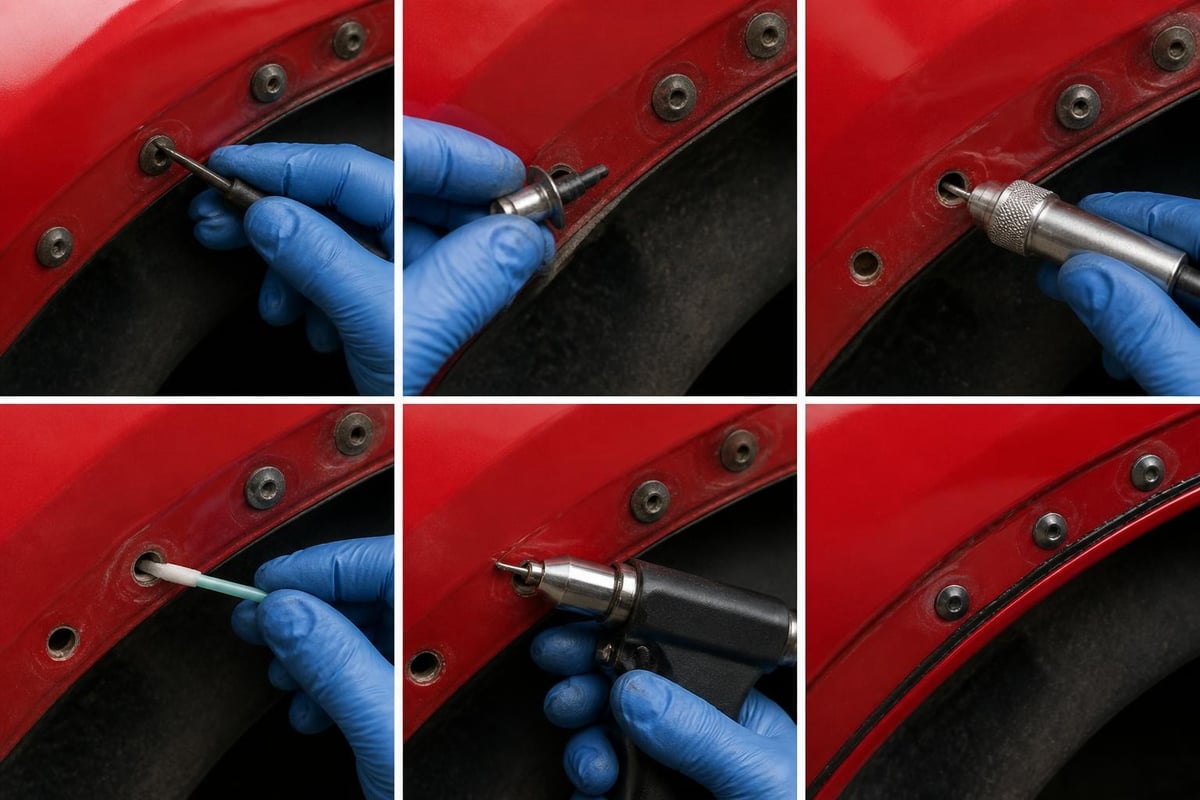
Proper fastener replacement requires appropriate torque application-neither undertightened nor overtightened. Undertightened fasteners allow continued movement and seal failure, while overtightened fasteners crush washers or dimple panels, creating stress concentrations and compromising attachment strength. Professional installers use calibrated tools to achieve manufacturer-specified torque values.
Trim and Flashing Component Maintenance
- Ridge caps requiring periodic sealant renewal and fastener checks
- Gable trim susceptible to wind damage and backing out fasteners
- Eave drip edge collecting debris and developing corrosion
- Sidewall flashings at transitions showing sealant degradation
- Pipe boots cracking from UV exposure and temperature cycling
Accessory components typically require more frequent attention than field panels because they experience greater stress from wind forces and water concentration. Establishing a preventive maintenance schedule that addresses these high-risk areas reduces emergency repair needs and extends overall system life. Property owners dealing with storm damage should prioritize accessory component inspection, as these areas often sustain the first and most severe impact.
Coating Restoration and Renewal Systems
Metal roof coating systems provide an alternative to replacement when panels remain structurally sound but show surface deterioration. These restoration coatings renew weather protection, improve energy efficiency through increased reflectivity, and extend roof life by fifteen to twenty years when properly applied.
Surface preparation represents the critical success factor for coating systems. All rust must be removed, failing paint scraped away, and surfaces thoroughly cleaned before coating application. Inadequate preparation leads to premature coating failure and wasted investment.
Coating System Selection Criteria
Professional coating selection considers multiple factors affecting long-term performance. Acrylic coatings offer excellent UV resistance and reflectivity at moderate cost, making them popular for residential applications. Silicone coatings provide superior water resistance and weather well in harsh environments, though they command higher prices. Polyurethane coatings deliver maximum durability and abrasion resistance for high-traffic areas or commercial applications.
Application timing affects coating success significantly. Most systems require dry conditions for forty-eight to seventy-two hours after application to achieve proper cure. Temperature ranges between 50°F and 90°F optimize application conditions and promote uniform film formation.
For property owners evaluating whether coating restoration or complete replacement provides better value, professional assessment from experienced contractors clarifies the most cost-effective approach based on existing system condition, remaining service life, and long-term building plans.
Preventive Maintenance Programs
Implementing structured preventive maintenance programs dramatically reduces emergency metal roofing repair needs while maximizing system longevity. Best practices for metal roof maintenance include scheduled inspections, proactive component replacement, and systematic record-keeping that tracks repair history and guides future work.
Seasonal maintenance addresses specific challenges throughout the year. Spring inspections identify winter damage and prepare systems for summer storm season. Fall maintenance removes accumulated debris, checks drainage systems, and ensures roofs enter winter in optimal condition.
Documentation forms the backbone of effective maintenance programs. Recording inspection findings, repair work performed, and materials used creates valuable historical data that reveals patterns and guides preventive interventions. Digital photographs provide visual records showing condition changes over time.
Cost-Effective Maintenance Scheduling
Property owners should budget for regular metal roofing repair and maintenance as part of overall building operating expenses. While specific costs vary based on roof size, complexity, and regional labor rates, general guidelines suggest allocating between $0.15 and $0.35 per square foot annually for comprehensive maintenance programs.
This investment prevents small problems from escalating into major failures requiring expensive emergency repairs or premature replacement. Properties that defer maintenance typically experience three to five times higher lifetime costs compared to those following proactive programs.
Professional vs. DIY Repair Considerations
Determining which metal roofing repair tasks property owners can safely handle versus those requiring professional expertise involves honest assessment of skills, tools, and safety capabilities. Simple tasks like tightening accessible fasteners or clearing debris from gutters fall within most homeowner capabilities. Complex repairs involving panel replacement, structural modifications, or work on steep slopes demand professional intervention.
Safety considerations should guide all decision-making around roof work. Metal surfaces become extremely slippery when wet, and even modest slopes present fall hazards. Professional roofing contractors maintain appropriate safety equipment, insurance coverage, and training that protect both workers and property owners from liability.
Understanding when to call professionals prevents well-intentioned DIY attempts from creating additional damage or voiding manufacturer warranties. Many metal roofing systems include specific installation and repair requirements that must be followed to maintain warranty coverage.
| Repair Task | DIY Feasibility | Professional Required |
|---|---|---|
| Tightening loose fasteners | Yes (if safely accessible) | For steep or high areas |
| Replacing damaged panels | No (complex) | Yes |
| Applying emergency patches | Yes (temporary only) | For permanent repairs |
| Sealant renewal | Maybe (depends on location) | For critical areas |
| Rust treatment | Yes (minor surface rust) | For penetrating corrosion |
| Flashing repairs | No (requires expertise) | Yes |
For Joliet-area property owners seeking reliable roofing contractors with metal roofing expertise, vetting candidates through license verification, insurance confirmation, and reference checking ensures quality workmanship and accountability. Established contractors provide warranties on repair work that protect property owners from defective materials or improper installation.
Insurance Claims and Documentation
Storm damage to metal roofing systems often triggers insurance claims that require thorough documentation and proper repair approaches. Filing storm damage claims successfully depends on establishing clear causation between the weather event and observed damage while following insurer requirements for estimates and repairs.
Comprehensive photographic documentation captures damage details that support claim justification. Images should include overall roof views, close-ups showing specific damage, and reference photos of undamaged areas for comparison. Date-stamped photographs establish timeline accuracy and prevent disputes about when damage occurred.
Working with Insurance Adjusters
Insurance adjusters evaluate damage extent and determine covered repair costs based on policy terms. Property owners benefit from having independent professional assessments that verify all damage has been identified and properly scoped. Disagreements between contractor estimates and adjuster allowances can often be resolved through supplemental inspections that reveal hidden damage or code-required upgrades.
Many insurance policies include provisions for actual cash value versus replacement cost coverage that significantly affect claim settlements. Understanding policy terms before damage occurs allows property owners to make informed decisions about coverage levels and deductible amounts that balance premium costs against financial protection.
Working with contractors experienced in insurance restoration work streamlines the claims process and ensures repairs meet both insurer requirements and building codes. These professionals understand documentation requirements, communicate effectively with adjusters, and complete repairs that satisfy all stakeholders while restoring proper system function.
Long-Term Performance and Service Life Optimization
Metal roofing systems properly installed and maintained regularly achieve service lives exceeding fifty years. Maximizing this longevity requires consistent attention to minor issues before they develop into major problems. Detailed repair guidance helps property owners understand the relationship between prompt maintenance and extended roof performance.
Life cycle cost analysis reveals that metal roofing repair investments generate substantial returns through extended service life and reduced replacement frequency. Properties that defer maintenance or neglect minor repairs typically experience premature system failure, necessitating expensive replacement decades before the roof's potential service life would naturally expire.
Environmental factors affecting metal roof longevity include:
- UV exposure intensity based on geographic location and roof orientation
- Temperature cycling frequency and magnitude causing thermal stress
- Atmospheric corrosivity from industrial, coastal, or agricultural influences
- Precipitation patterns affecting moisture exposure and standing water
- Wind exposure creating mechanical stress on panels and fasteners
Understanding these factors helps property owners develop maintenance programs tailored to specific environmental challenges. Coastal properties require more aggressive corrosion prevention, while high-wind zones demand enhanced fastener inspection frequencies.
Warranty Compliance and Manufacturer Requirements
Metal roofing warranties typically specify maintenance requirements that property owners must follow to preserve coverage. Failing to perform manufacturer-recommended inspections or using non-approved repair materials can void warranties, leaving property owners financially responsible for defects that would otherwise be covered.
Material warranties cover manufacturing defects in panels, coatings, and components, while installation warranties address workmanship quality and proper application techniques. Understanding the distinction helps property owners identify responsible parties when problems develop and ensures appropriate claims processing.
Warranty transfer provisions affect property value when buildings change ownership. Many metal roofing warranties include transferability features that maintain coverage for subsequent owners, though transfer procedures often require notification and fees. Expert guidance from professional contractors ensures proper warranty compliance and preservation of coverage through ownership changes.
Documentation requirements for warranty claims typically include:
- Proof of purchase establishing coverage eligibility
- Installation certification confirming approved contractor work
- Maintenance records demonstrating required care compliance
- Photographic evidence showing defect characteristics
- Professional assessment verifying manufacturing versus installation issues
Maintaining organized records throughout the roof's service life simplifies warranty claims and supports successful resolution when coverage questions arise. Digital document management systems provide convenient storage and retrieval capabilities that preserve critical information despite personnel changes or business transitions.
Metal roofing repair encompasses diverse challenges requiring appropriate expertise, materials, and techniques for successful outcomes. Regular inspections, prompt attention to emerging problems, and professional intervention when needed maximize system performance and longevity. Whether you're managing a residential property or commercial facility in the Joliet area, Great Roofing brings family-owned dedication and professional expertise to every metal roofing repair project, ensuring your investment continues protecting your property for decades to come.