


Getting a new roof estimate can feel overwhelming for homeowners who have never navigated this process before. Understanding what goes into professional roofing estimates helps you make informed decisions and budget appropriately for one of your home's most critical investments. Whether you're planning a complete roof replacement or exploring your options after storm damage, knowing how contractors calculate costs and what factors influence pricing ensures you're prepared for conversations with roofing professionals and can accurately compare proposals.
Understanding the Core Components of Roofing Estimates
A comprehensive new roof estimate breaks down multiple cost factors that contribute to your total project investment. Professional contractors don't simply provide a single number; they detail specific expenses so you understand exactly what you're paying for.
Material Costs and Selection
Roofing material selection represents the most significant variable in any estimate. Asphalt shingles remain the most popular choice for residential properties in the Joliet area, offering excellent value and durability. Asphalt shingle roofing provides homeowners with architectural styles that enhance curb appeal while meeting budget requirements.
Beyond basic shingles, your material costs include:
- Underlayment and moisture barriers
- Ice and water shield for vulnerable areas
- Ridge caps and starter strips
- Ventilation components
- Flashing materials for chimneys and valleys
The quality tier you select dramatically impacts your new roof estimate. Premium architectural shingles cost significantly more than three-tab options, but they deliver enhanced wind resistance, longer warranties, and superior aesthetic appeal. For homeowners researching options, exploring popular roofing materials helps clarify the range of possibilities and associated costs.
Labor and Installation Expenses
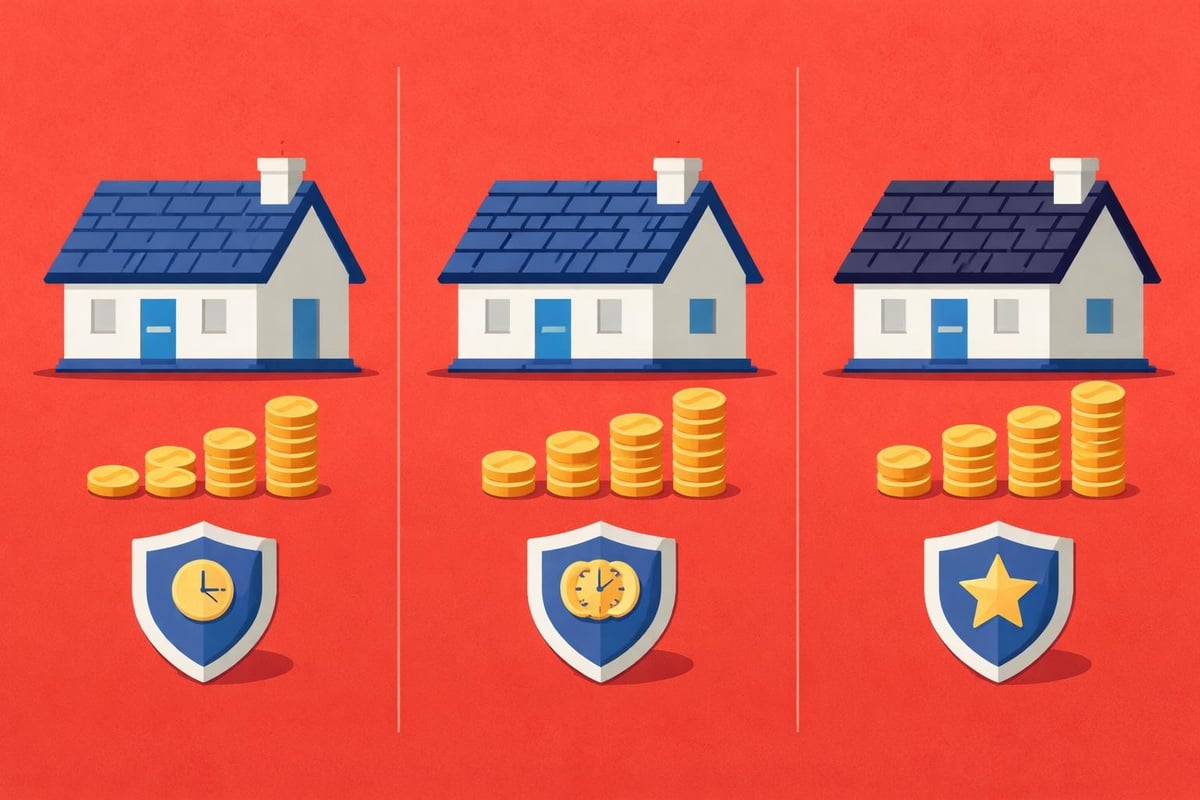
Labor typically accounts for 40-60% of your total new roof estimate. Experienced roofing crews command higher rates, but their expertise translates to better installations and fewer callbacks. The complexity of your roof design influences labor costs substantially.
Factors affecting labor pricing include:
- Roof pitch: Steeper slopes require additional safety equipment and slower work pace
- Number of penetrations: Chimneys, skylights, and vents require careful detail work
- Accessibility: Multi-story homes or properties with limited access increase difficulty
- Old roof removal: Tear-off and disposal add labor hours and dump fees
Professional contractors factor in crew size, project duration, and seasonal demand when calculating labor rates. Spring and summer typically bring higher prices due to increased demand, while fall installations may offer better pricing flexibility.
Measuring Your Roof for Accurate Estimates
Contractors calculate roofing costs based on squares, with one square equaling 100 square feet. Understanding how professionals measure ensures you recognize realistic pricing when reviewing estimates.
Roof Size Calculation Methods
Professional estimators use precise measurement techniques rather than relying on homeowner guesses. They calculate the total surface area by measuring roof planes, accounting for pitch multipliers, and adding percentages for waste and overlap.
| Measurement Method | Accuracy Level | Best Used For |
|---|---|---|
| Ground measurements with pitch calculator | High | Standard residential homes |
| Drone aerial photography | Very High | Complex roof designs |
| Physical roof measurements | Highest | Commercial or intricate projects |
The pitch of your roof affects the actual surface area significantly. A steep 12/12 pitch requires substantially more material than a gentle 4/12 pitch covering the same footprint. Understanding what roof pitch means helps you recognize why seemingly similar homes receive different estimates.
Hidden Factors That Affect Measurements
Your new roof estimate must account for waste factors, typically 10-15% beyond actual coverage needs. This waste covers:
- Cuts around valleys and hips
- Starter course requirements
- Ridge cap overlaps
- Damaged or defective material replacement
Complex roof designs with multiple dormers, valleys, and transitions require higher waste percentages. A simple gable roof maximizes material efficiency, while intricate Victorian-style roofs demand additional material allowances.
Evaluation and Inspection Considerations
Before providing a new roof estimate, reputable contractors conduct thorough inspections that reveal hidden issues affecting project scope and costs.
Deck Assessment and Repairs
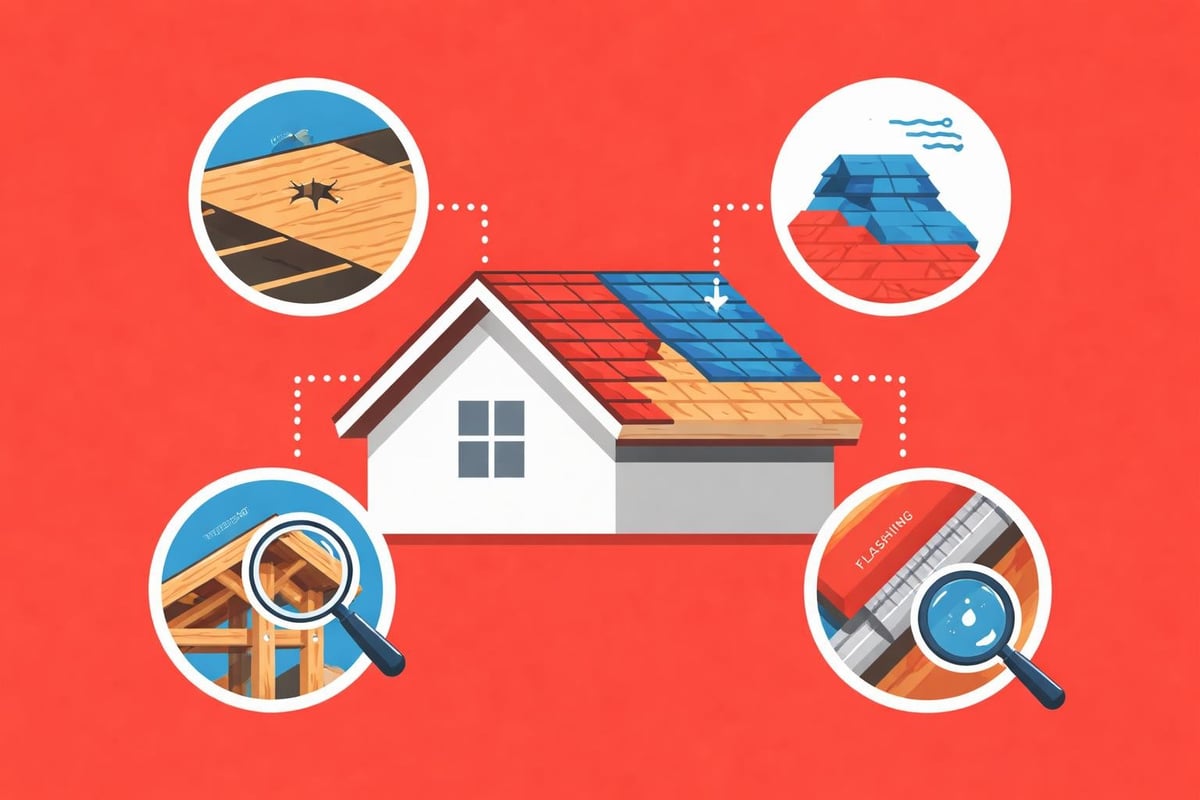
The roof decking condition directly impacts your estimate. Contractors examine the structural substrate for:
- Water damage from previous leaks
- Rot or deterioration in plywood or OSB panels
- Spacing and fastening of existing deck boards
- Structural integrity meeting current building codes
Homeowners sometimes discover extensive deck damage during tear-off, requiring additional materials and labor not included in initial estimates. Professional contractors inspect attics and look for telltale signs like water stains or sagging to identify potential issues before providing firm pricing.
Structural and Code Compliance Issues
Modern building codes require specific ventilation ratios, ice dam protection zones, and wind-resistant installation methods. Older homes often need upgrades to meet current standards, affecting your new roof estimate.
Residential roofing projects in Joliet must comply with local building codes, which may require permits and inspections. These administrative costs and potential upgrade requirements appear in comprehensive estimates from professional contractors.
Comparing Multiple Roofing Estimates
Smart homeowners obtain at least three estimates before selecting a contractor. However, comparing proposals requires understanding what makes estimates truly comparable.
What to Look for in Professional Proposals
Quality estimates provide detailed breakdowns rather than single lump-sum figures. Review each proposal for:
- Specific material brands and grades rather than generic descriptions
- Warranty coverage for both materials and workmanship
- Project timeline with start and completion dates
- Payment schedule aligned with project milestones
- Exclusions and limitations clearly stated
The lowest bid isn't always the best value. A new roof estimate that seems unusually low may indicate substandard materials, inexperienced crews, or missing scope elements that surface later as change orders.
Red Flags in Roofing Estimates
Protect yourself by recognizing warning signs in proposals:
| Red Flag | Why It Matters | What to Do |
|---|---|---|
| No written estimate | Creates disputes about agreed scope | Require detailed written proposals |
| Pressure for immediate decision | Legitimate contractors don't use high-pressure tactics | Take time to review all options |
| Large upfront deposits | Industry standard is 10-30% deposit | Verify contractor credentials |
| Vague material descriptions | Allows substitution of inferior products | Demand specific brand and model numbers |
Professional contractors like those providing commercial roofing and residential services maintain proper licensing, insurance, and established local reputations. Verify credentials before accepting any estimate.
Regional Cost Factors for Joliet Homeowners
Location significantly influences your new roof estimate due to varying labor markets, material availability, and climate requirements specific to the Joliet area.
Midwest Weather Considerations
Illinois weather patterns demand roofing systems that withstand extreme temperature fluctuations, heavy snow loads, and severe storms. Your estimate should reflect appropriate materials rated for:
- Wind resistance: Class H or F ratings for common storm conditions
- Ice dam prevention: Adequate underlayment in valleys and eaves
- Thermal expansion: Materials that accommodate temperature swings
- Impact resistance: Protection against hail damage common in the region
After significant weather events, homeowners often need storm damage repair services. Understanding how weather affects roofing helps you evaluate whether estimates include appropriate protective measures.
Local Labor Market Dynamics
The Joliet contractor market influences pricing throughout the year. Spring storms create demand surges, while late fall often brings competitive pricing as contractors fill schedules before winter. Understanding typical Joliet roof replacement costs provides context for evaluating proposals.
Financing and Budget Planning Strategies
Once you receive your new roof estimate, planning the financial aspects ensures project success without unnecessary stress.
Understanding Payment Structures
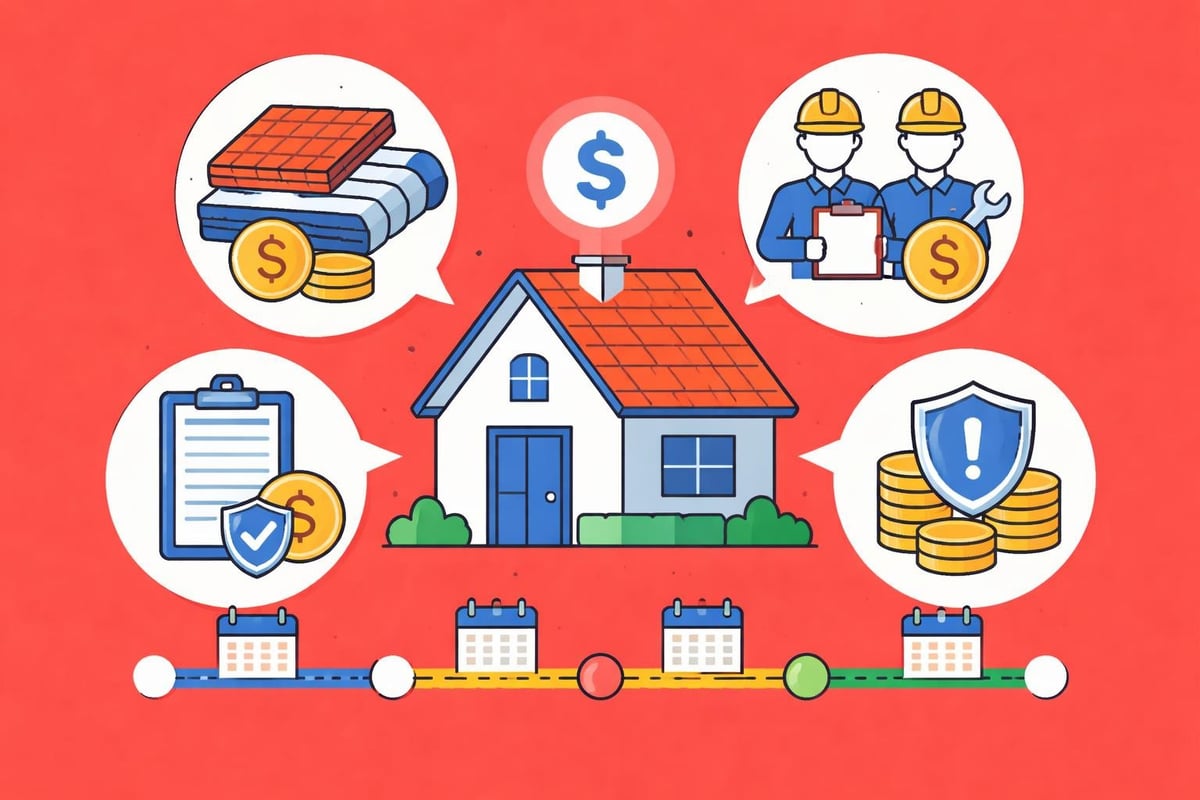
Most roofing contractors use milestone-based payment schedules:
- Deposit payment (10-30%) upon contract signing
- Materials delivery payment (30-40%) when supplies arrive
- Completion payment (30-50%) after final inspection and cleanup
Avoid contractors demanding full payment upfront or using cash-only policies. Legitimate businesses accept checks or credit cards and provide detailed receipts for all transactions.
Budgeting for Unexpected Discoveries
Even the most thorough inspections occasionally miss hidden issues revealed during tear-off. Smart homeowners budget an additional 10-20% beyond their new roof estimate for potential contingencies like:
- Extensive deck replacement
- Structural framing repairs
- Updated ventilation systems
- Modified flashing requirements
Using a roof replacement cost calculator helps establish realistic budget expectations before requesting professional estimates. These tools consider square footage, material preferences, and regional factors to provide ballpark figures.
Material Upgrades and Enhanced Features
Your base new roof estimate typically reflects standard materials and installation methods. However, several upgrades offer long-term value worth considering.
Premium Roofing Material Options
While basic asphalt shingles serve most homeowners well, premium options provide enhanced benefits:
- Architectural shingles: Deeper profile, better wind resistance, 30-50 year warranties
- Impact-resistant shingles: Class 4 rating may reduce insurance premiums
- Cool roof technology: Reflective granules reduce cooling costs
- Designer colors: Enhanced curb appeal and resale value
Understanding different types of roofing materials and their respective costs helps you make informed upgrade decisions that align with budget and performance goals.
Ventilation and Energy Efficiency Additions
Proper attic ventilation extends roof lifespan and reduces energy costs. Your estimate might include:
- Ridge vents for continuous exhaust
- Soffit vents for intake airflow
- Powered attic fans for enhanced circulation
- Radiant barriers in extreme climates
These additions increase your initial new roof estimate but deliver ongoing operational savings and longer material life.
Warranty Coverage in Your Estimate
Understanding warranty provisions protects your investment and clarifies contractor responsibilities after installation completion.
Manufacturer Material Warranties
Roofing material manufacturers offer warranties ranging from 20 years to lifetime coverage, depending on product quality. Your estimate should specify:
- Exact warranty duration and terms
- Whether coverage is prorated or non-prorated
- Registration requirements for extended protection
- Transferability if you sell your home
Premium materials command higher prices partly because they include superior warranty coverage. Evaluate whether extended protection justifies additional upfront costs based on how long you plan to own the property.
Contractor Workmanship Guarantees
Separate from material warranties, reputable contractors provide workmanship guarantees covering installation quality. Professional estimates clearly state:
| Warranty Aspect | Standard Coverage | Premium Coverage |
|---|---|---|
| Duration | 1-5 years | 10+ years |
| Coverage scope | Major leaks and failures | All installation-related issues |
| Transferability | Non-transferable | Transferable to new owners |
| Service response | Normal business hours | Emergency service available |
Contractors with established reputations stand behind their work with comprehensive guarantees. Verify that your new roof estimate includes specific workmanship warranty details in writing.
Seasonal Timing and Cost Implications
When you schedule your roofing project affects both availability and pricing. Strategic timing can optimize your new roof estimate value.
Peak Season vs. Off-Season Pricing
Summer represents peak roofing season, bringing:
- Higher labor costs due to maximum demand
- Extended scheduling with 4-6 week waits common
- Premium pricing for expedited service
- Optimal weather conditions for installation
Fall installations often provide cost advantages while maintaining good weather conditions. Late autumn scheduling requires weatherproofing considerations but may deliver 10-15% savings compared to peak summer rates.
Weather-Related Project Considerations
Illinois weather creates specific scheduling challenges affecting your new roof estimate timeline and costs. Contractors account for:
- Rain delay contingencies
- Temperature restrictions for shingle sealing
- Seasonal material availability
- Crew productivity in various conditions
Planning projects during stable weather windows reduces delays and change order risks. Experienced contractors help homeowners select optimal timing based on forecast patterns and project requirements.
Insurance Claims and Roofing Estimates
Storm damage often necessitates roof replacement, involving insurance companies in the estimate and approval process.
Working with Insurance Adjusters
When filing claims, your new roof estimate serves as documentation supporting damage extent and repair costs. The process typically involves:
- Initial damage assessment by the property owner
- Insurance adjuster inspection documenting covered damage
- Contractor estimate detailing necessary repairs and replacement
- Claim negotiation between contractor and insurance company
Professional roofing contractors experienced with insurance work help homeowners navigate claims processes and ensure estimates include all covered damage. They document conditions thoroughly and communicate effectively with adjusters.
Depreciation and Coverage Limitations
Insurance policies often include depreciation provisions affecting claim payouts. Understanding these factors helps you budget for out-of-pocket expenses:
- Replacement cost value (RCV): Full replacement without depreciation
- Actual cash value (ACV): Replacement cost minus depreciation
- Recoverable depreciation: Paid after completion documentation
- Deductible amounts: Your responsibility regardless of damage extent
Your new roof estimate should align with insurance documentation to facilitate smooth claims processing and minimize disputes about covered scope.
Permits, Inspections, and Legal Requirements
Legitimate roofing projects require proper permitting and inspections, adding costs that professional contractors include in comprehensive estimates.
Building Permit Requirements
Most municipalities require permits for complete roof replacements. Your estimate should include:
- Permit application fees ($50-$300 typical range)
- Plan review costs if required by jurisdiction
- Inspection fees for mid-project and final approvals
- Administrative time for contractor permit processing
Contractors familiar with local requirements handle permitting efficiently. Attempting to avoid permits creates liability issues and potential problems during future home sales.
Code Compliance and Upgrades
Current building codes may require upgrades beyond simple material replacement. Common requirements affecting your new roof estimate include:
- Ice dam protection in designated zones
- Minimum ventilation ratios
- Fire-resistant materials in specific areas
- Wind-uplift rated installation methods
Bringing older homes to current code compliance adds costs but ensures safety and proper performance. Professional contractors identify these requirements during initial inspections rather than surprising homeowners mid-project.
Selecting the Right Contractor for Your Project
Your new roof estimate comes from the contractor you select, making their qualifications as important as the price they quote.
Credentials and Qualifications to Verify
Before accepting any estimate, confirm the contractor maintains:
- Active business license in your jurisdiction
- General liability insurance protecting against property damage
- Workers compensation coverage for employee injuries
- Manufacturer certifications for preferred materials
- BBB accreditation or similar quality standards
Family-owned operations often provide personalized service and community accountability that large franchises cannot match. Verify credentials regardless of company size or local reputation.
References and Past Performance
Request recent customer references and review completed projects similar to yours. Quality contractors proudly share:
- Recent project photos demonstrating craftsmanship
- Customer testimonials about service and communication
- Timeline performance on comparable projects
- Problem resolution examples from challenging situations
Visiting completed projects helps you visualize quality standards and assess whether a contractor's work meets your expectations.
Understanding what components comprise a new roof estimate empowers you to make informed decisions about this significant home investment. From material selection and labor costs to warranty coverage and permit requirements, comprehensive knowledge ensures you compare proposals accurately and select contractors who deliver value beyond the lowest price. Great Roofing brings decades of family-owned expertise to every residential and commercial project in Joliet, providing transparent estimates, quality workmanship, and the personalized service homeowners deserve when protecting their most valuable asset.