


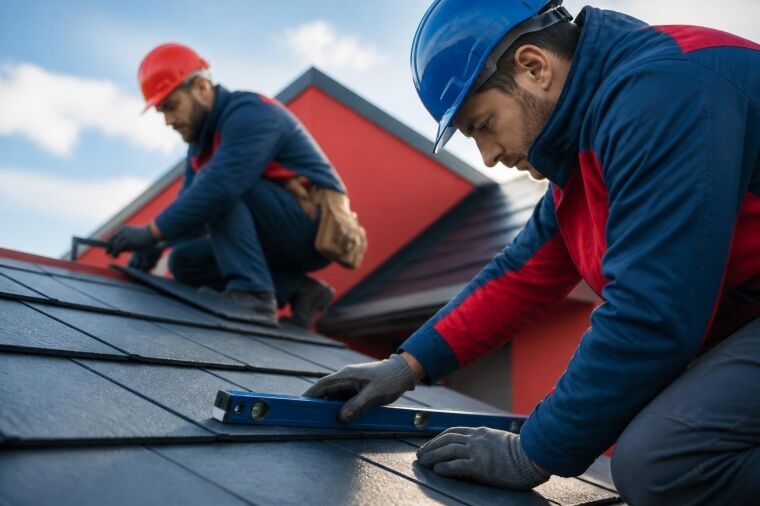
When it comes to protecting your property investment, the difference between adequate and exceptional work lies in the commitment to precision roofing and construction practices. This approach encompasses meticulous planning, accurate measurements, quality materials, and expert installation techniques that transform a basic roofing project into a long-lasting protective system. Understanding what separates precision-focused contractors from those who cut corners helps property owners make informed decisions that impact their buildings for decades to come.
The Foundation of Precision Roofing Standards
Precision roofing and construction begins with a commitment to industry-recognized standards and best practices. Professional contractors reference comprehensive guidelines such as those provided by the NRCA’s technical resources and Roofing Manual, which outline specific requirements for proper installation across different roof systems.
Key elements that define precision standards include:
- Accurate measurement and material calculation to minimize waste
- Proper substrate preparation and moisture barrier installation
- Correct fastener placement and penetration depth
- Strategic flashing integration at vulnerable transition points
- Adherence to manufacturer specifications for warranty compliance
The emphasis on technical accuracy extends beyond basic installation. Precision roofing and construction requires contractors to account for regional climate factors, building code requirements, and property-specific challenges that influence system performance. In Joliet and throughout the greater Chicago area, this means understanding how freeze-thaw cycles, heavy snow loads, and severe summer storms impact material selection and installation methods.
Quality Control Through Documentation
Modern precision roofing and construction incorporates systematic documentation at every project phase. Before work begins, contractors should provide detailed written estimates that specify materials by brand, model, and quantity. During installation, photographic documentation captures critical stages such as decking condition, underlayment placement, and flashing details.
| Project Phase | Documentation Type | Purpose |
|---|---|---|
| Pre-Installation | Detailed inspection report | Identifies substrate issues and preparation needs |
| Material Delivery | Certification documents | Verifies correct products and quantities arrived |
| Installation | Progress photography | Creates record of hidden components before covering |
| Completion | Final inspection checklist | Confirms all specifications met before sign-off |
This documentation trail serves multiple purposes beyond quality assurance. It provides homeowners with proof of proper installation for warranty claims, creates reference materials for future maintenance, and demonstrates the contractor's commitment to transparency and accountability.

Material Selection and Specification Precision
The materials specified for a roofing project directly impact its longevity and performance. Precision roofing and construction demands careful material selection based on building type, climate zone, and performance requirements rather than simply choosing the lowest-cost option.
For residential applications, asphalt shingle selection involves evaluating multiple factors. Wind resistance ratings become critical in areas prone to severe storms, with modern architectural shingles offering ratings up to 130 mph when properly installed. Algae-resistant formulations extend aesthetic appeal in humid climates, while impact-resistant options provide superior hail protection.
Commercial Roofing Material Considerations
Commercial properties present different material challenges that require precision specification. Modified bitumen systems, commonly used on low-slope commercial buildings, come in multiple formulations optimized for different installation methods and climate conditions.
Modified bitumen specification factors:
- Base sheet selection – choosing between fiberglass and polyester based on deck movement expectations
- Cap sheet formulation – APP (atactic polypropylene) versus SBP (styrene-butadiene-styrene) based on installation method and climate
- Surface granulation – white or reflective granules for energy efficiency versus standard for cost considerations
- Membrane thickness – balancing durability requirements against budget constraints
- Adhesion method – torch-applied, cold-adhesive, or self-adhering based on building occupancy and fire codes
Contractors focused on precision roofing and construction understand that ENERGY STAR cool roof criteria can significantly reduce cooling costs for commercial buildings. Specifying products that meet these standards demonstrates attention to long-term operational efficiency, not just initial installation quality.
Advanced Inspection Technologies
Technology has revolutionized how contractors approach precision roofing and construction. Thermal imaging cameras detect moisture intrusion invisible to the naked eye, allowing targeted repairs rather than wholesale replacement. Drones equipped with high-resolution cameras document roof conditions comprehensively while reducing safety risks associated with traditional inspections.
The integration of drone technology into roofing assessment requires adherence to FAA Part 107 commercial drone regulations. Licensed contractors using these tools can provide detailed aerial documentation that reveals issues with flashing, ponding water, and membrane deterioration that ground-based inspections might miss.
Digital measurement tools eliminate the guesswork from traditional roof estimating. Satellite-based measurement platforms provide accurate dimensions and calculations, reducing material waste and ensuring proper quantities from the project's outset. This technological precision translates directly into cost savings and installation efficiency.
Installation Precision for Residential Shingle Systems
Proper shingle installation requires attention to numerous technical details that impact both appearance and performance. Precision roofing and construction means following manufacturer specifications exactly, even when taking shortcuts might save time.
Critical Installation Parameters
Starter strip placement sets the foundation for the entire roof system. Precision contractors ensure starter courses extend properly beyond eaves and rakes, preventing wind-driven rain infiltration at these vulnerable edges. Underlayment overlaps must meet minimum requirements, with ice-and-water shield extending sufficiently into warm areas to prevent ice dam damage.
Nail placement represents one of the most common precision failures in residential roofing. Each shingle requires four to six fasteners placed within the manufacturer's specified zone-typically one inch below the adhesive strip and at least three-quarters of an inch from edges. Overdriven nails tear the shingle, while underdriven nails allow wind uplift. Precision installation means every nail achieves proper penetration and seating.
Proper nailing technique checklist:
- Use pneumatic nailers with adjustable pressure settings
- Calibrate nail depth based on deck material and condition
- Position fasteners within manufacturer's specified zone
- Avoid placing nails through adhesive strips
- Ensure straight courses using chalk lines, not just shingle alignment
Valley treatments demand particular precision, as these water-concentration zones experience accelerated wear. Whether using woven, closed-cut, or open metal valleys, contractors must ensure waterproofing integrity while maintaining aesthetic appeal. The IIBEC technical advisories provide detailed guidance on proper valley construction for various roof configurations.
Wind Resistance and Storm Performance
The Chicago region's exposure to severe weather makes wind resistance a critical consideration in precision roofing and construction. Properly installed roofs withstand significantly higher wind loads than those installed with inadequate fastening or edge detailing.
Research from the Insurance Institute for Business & Home Safety demonstrates that roof failures during windstorms typically begin at edges, corners, and ridge caps where wind forces concentrate. Precision installation addresses these vulnerable zones through enhanced fastening patterns and proper sealant application.
| Roof Zone | Standard Fastening | Enhanced Wind Zone |
|---|---|---|
| Field area | 4 nails per shingle | 6 nails per shingle |
| Perimeter (3 feet) | 4 nails per shingle | 6 nails plus hand-sealed tabs |
| Corners and ridges | Standard spacing | Reduced spacing plus adhesive |
For commercial modified bitumen systems, wind resistance depends heavily on proper membrane adhesion. Torch-applied systems must achieve complete bonding without overheating that damages the membrane. Cold-applied adhesives require proper coverage rates and adequate cure time before exposure to weather. Precision roofing and construction means not rushing these critical processes regardless of schedule pressures.
Understanding wind damage patterns helps contractors identify and reinforce vulnerable areas before storms occur. Proactive attention to detail prevents the costly failures that result from inadequate preparation.
Flashing Integration and Waterproofing Details
Flashing represents the Achilles heel of many roofing systems. Precision roofing and construction requires treating every penetration, transition, and termination as a critical waterproofing detail worthy of careful attention.
Chimney and Skylight Flashing
Chimney flashing demonstrates the complexity of proper detail work. Counter-flashing must embed into masonry joints rather than simply overlaying the chimney surface. Step flashing pieces integrate with shingle courses, creating a shingled effect that sheds water effectively. Cricket or saddle structures behind chimneys wider than 30 inches prevent snow and debris accumulation.
Skylight installation demands similar precision. Manufacturers provide specific flashing kits designed for their products, yet improper installation remains a leading cause of leak callbacks. The flashing must integrate with underlayment and shingles in the correct sequence, with each layer overlapping the one below to maintain proper water flow.
Just as custom wine cellars require precise climate control and attention to environmental details, roofing systems need carefully integrated waterproofing elements that work together seamlessly. A failure at any single transition point compromises the entire system's integrity.
Commercial Roof System Precision
Modified bitumen roofing systems used on commercial buildings require precision roofing and construction techniques distinct from residential applications. These multi-ply systems build waterproofing redundancy through overlapping layers, but only when each layer receives proper installation attention.
Base sheet attachment must achieve specified pull-out resistance, whether mechanically fastened or fully adhered. Fastener spacing follows engineered patterns based on wind zone and deck type. Ply sheets require precise overlap widths-typically four to six inches on side laps and six inches on end laps-with complete bonding across these overlap zones.
Quality Assurance Testing
Professional contractors verify installation quality through systematic testing. Pull tests confirm mechanical fastener resistance meets design specifications. Cut samples demonstrate proper adhesive coverage and ply bonding. Flood testing identifies membrane defects before they cause interior damage.
- Fastener pull testing – random samples across roof area confirm attachment strength
- Core sampling – reveals layer thickness, bonding quality, and proper sequencing
- Flood testing – controlled water application tests membrane integrity at penetrations
- Infrared scanning – detects moisture within assembly indicating installation defects
- Electronic leak detection – pinpoints breaches in single-ply membrane systems
These quality control measures represent precision roofing and construction at its finest-verification that installation meets design intent before the contractor leaves the site.
Gutter and Drainage System Integration
Roof performance depends equally on effective water removal. Precision roofing and construction extends to properly sized and positioned gutter systems that handle the roof's calculated water volume.
Gutter system precision factors:
- Downspout sizing based on roof area and local rainfall intensity
- Proper slope toward outlets (minimum quarter-inch per ten feet)
- Secure bracket spacing to prevent sagging under snow and ice loads
- End caps and miters sealed to prevent leakage
- Strategic placement away from high-traffic areas to prevent damage
Inadequate drainage causes water backup that defeats even perfectly installed roofing materials. Commercial buildings with parapet walls require scupper sizing and placement that prevents ponding while maintaining aesthetic appeal. Internal drains need leaf guards and overflow provisions that function when primary systems clog.
Contractor Qualification and Ongoing Training
The human element remains central to precision roofing and construction. Technical knowledge, practical experience, and commitment to quality separate exceptional contractors from adequate ones. Certifications from manufacturers and industry organizations verify that installation crews understand current best practices and product-specific requirements.
Leading contractors invest in continuing education for their teams. Roofing technology evolves continuously, with new materials, tools, and techniques emerging regularly. Manufacturers update installation requirements as field experience reveals improved methods. Contractors committed to precision stay current through factory training, industry conferences, and professional association involvement.
Insurance and bonding protection provides another indicator of contractor quality. Comprehensive general liability coverage and workers' compensation insurance protect property owners from financial exposure during projects. Performance bonds on large commercial installations guarantee completion even if contractor circumstances change.
Building Code Compliance and Permit Processes
Precision roofing and construction means navigating local building code requirements and permit processes properly. While some contractors treat permits as optional, professional installers recognize these requirements protect both property owners and contractors by ensuring work meets minimum safety and performance standards.
Chicago-area building codes address specific regional concerns including snow load capacity, fire resistance ratings for commercial buildings, and energy efficiency standards. Permitted work receives inspection at critical stages, verifying proper installation before concealment under finish layers.
Whether working with established brands visible to customers or integrating specialized elements like custom signage solutions into commercial properties, contractors must coordinate with multiple trades while maintaining code compliance throughout the project.
Project Communication and Client Education
Superior contractors view precision roofing and construction as a partnership with property owners rather than simply a transaction. Clear communication begins with thorough estimates that specify materials, methods, timeline, and payment terms without ambiguity. During installation, regular updates keep clients informed about progress and any unexpected conditions discovered.
Client education represents an often-overlooked aspect of precision work. Homeowners who understand why certain details matter appreciate the value of proper installation. Explaining the purpose behind ice-and-water shield, the importance of proper ventilation, or the reasoning for specific flashing techniques builds trust and justifies appropriate pricing.
Commercial property managers need different information focused on lifecycle costs, maintenance requirements, and warranty provisions. Precision contractors provide operation and maintenance manuals that document system specifications, recommend inspection schedules, and explain warranty claim procedures. This documentation proves invaluable when facility management changes hands.
Modern business practices extend beyond traditional roofing services. Just as marketing automation and AI solutions help businesses streamline operations and improve customer engagement, roofing contractors can leverage technology for scheduling, documentation, and client communication that enhances the overall service experience.
Long-Term Performance and Maintenance Planning
Precision roofing and construction considers the entire service life, not just initial installation. Quality contractors provide maintenance recommendations tailored to the specific system installed, local climate conditions, and building use patterns.
Residential shingle roofs benefit from annual inspections that identify minor issues before they become major problems. Checking flashing integrity, clearing debris from valleys, and ensuring proper attic ventilation extends system life significantly. Commercial modified bitumen roofs require semi-annual inspections with particular attention to seams, penetrations, and drainage components.
Preventive Maintenance Programs
Forward-thinking contractors offer maintenance agreements that systematize ongoing care. These programs typically include scheduled inspections, minor repairs, documentation of roof condition over time, and priority response during emergencies.
| Service Level | Inspections | Included Services | Emergency Response |
|---|---|---|---|
| Basic | Annual | Visual inspection, report, gutter cleaning | Standard scheduling |
| Standard | Semi-annual | Inspection, minor repairs, priority scheduling | 48-hour response |
| Premium | Quarterly | Inspection, repairs, warranty management | 24-hour response |
These programs provide predictable budgeting for property owners while generating ongoing revenue for contractors. More importantly, they ensure precision roofing and construction quality persists throughout the system's designed service life rather than deteriorating due to neglect.
The principles of precision roofing and construction-meticulous planning, quality materials, expert installation, and ongoing care-deliver superior performance that protects property investments for decades. Whether you need residential shingle replacement, commercial modified bitumen installation, or expert repairs, Great Roofing brings family-owned dedication and precision craftsmanship to every project in Joliet and the surrounding communities. Contact our team today to schedule a comprehensive roof assessment and discover how precision workmanship makes the difference.