

Understanding the price on roofing shingles is essential for homeowners planning a roof replacement or new construction project. The shingle roofing market in 2026 offers numerous options across different price points, materials, and performance levels. Whether you're replacing an aging roof or building a new home in the Joliet area, knowing what drives shingle costs helps you make informed decisions and budget appropriately for this significant investment in your property's protection and value.
What Determines the Price on Roofing Shingles
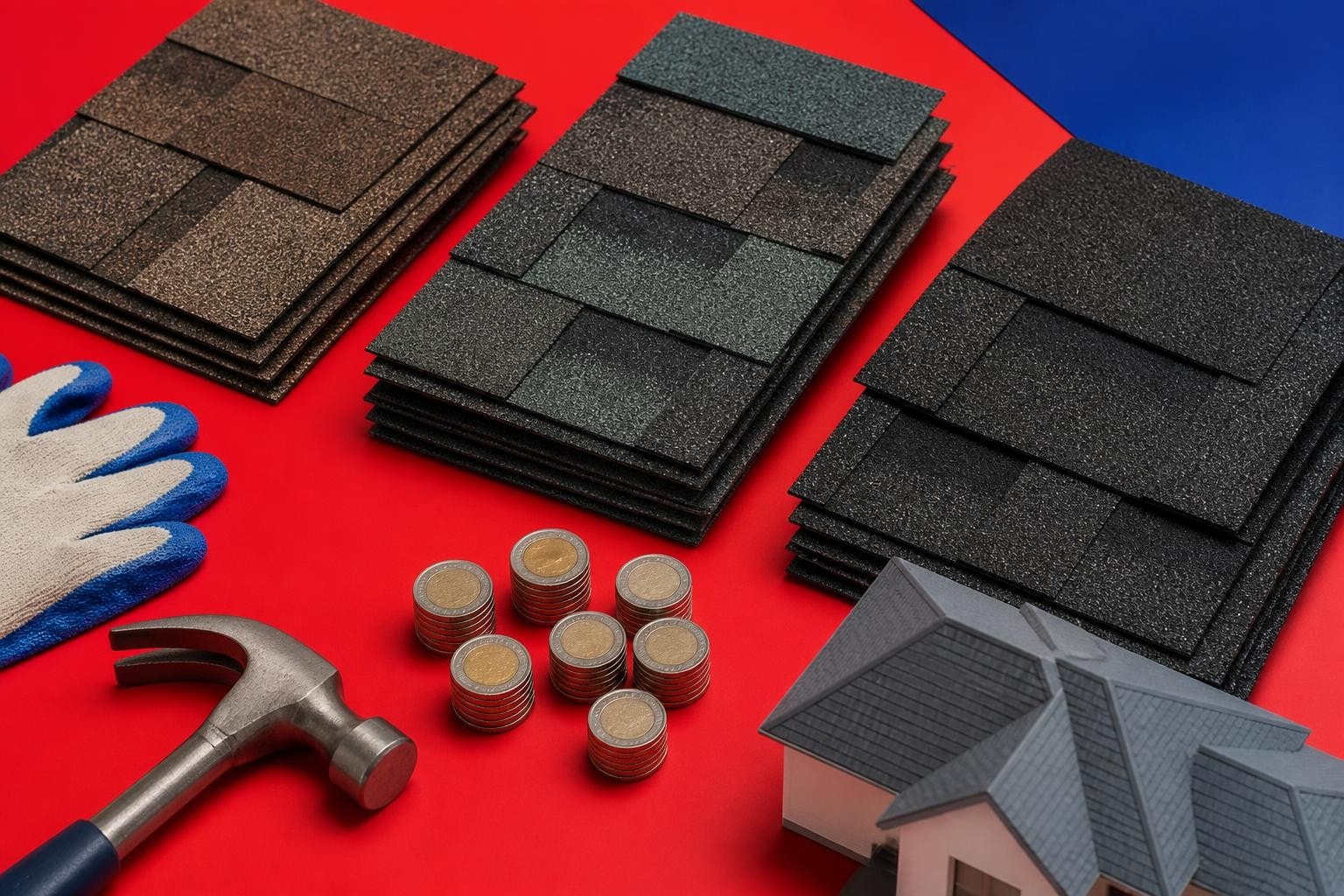
The price on roofing shingles varies dramatically based on several interconnected factors. Material composition stands as the primary driver, with basic three-tab asphalt shingles starting around $90 to $150 per square (100 square feet), while architectural shingles typically range from $150 to $250 per square, and premium designer shingles can exceed $400 per square.
Material quality affects pricing through:
- Base mat composition (fiberglass versus organic)
- Asphalt grade and thickness
- Granule quality and coverage density
- Manufacturing warranty length
- Impact resistance rating
- Wind speed certification
Brand reputation also influences cost substantially. Leading manufacturers like GAF, Certainteed, Owens Corning, and IKO command premium prices because they invest heavily in research, quality control, and warranty support. Lesser-known brands may offer lower initial costs but could compromise on longevity or warranty coverage.
Shingle Types and Their Price Ranges
Different shingle categories serve distinct budgets and aesthetic preferences. Three-tab shingles represent the most economical choice, offering basic protection with a flat, uniform appearance. These traditional shingles typically last 15-20 years and provide adequate performance for budget-conscious homeowners.
Architectural (dimensional) shingles dominate the residential market in 2026, offering enhanced curb appeal through multi-layered construction that creates shadow lines and texture. These shingles typically carry 25-30 year warranties and represent the best value proposition for most homeowners, balancing cost, durability, and appearance.
| Shingle Category | Price Per Square | Typical Lifespan | Best For |
|---|---|---|---|
| Three-Tab | $90-$150 | 15-20 years | Budget projects, rentals |
| Architectural | $150-$250 | 25-30 years | Most residential homes |
| Premium Designer | $250-$450 | 30-50 years | High-end homes, historical |
| Impact-Resistant | $200-$350 | 25-30 years | Hail-prone regions |
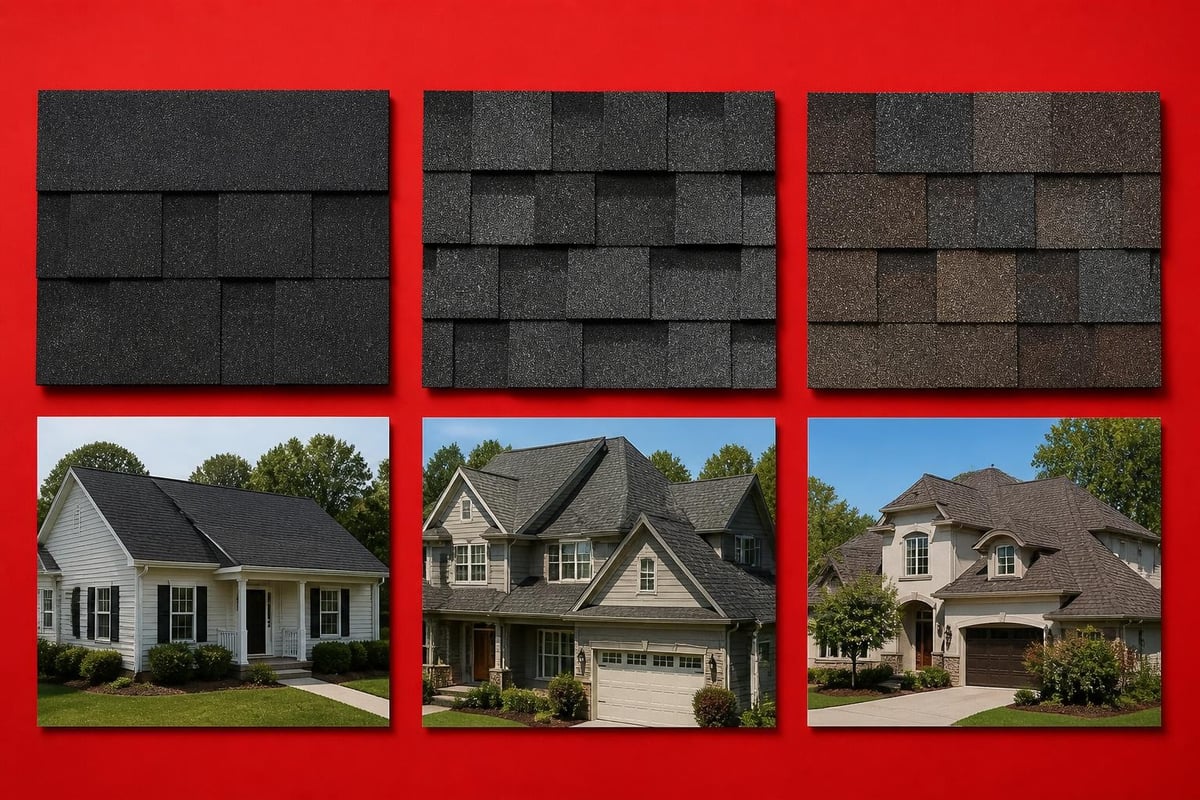
Premium designer shingles replicate the appearance of slate, cedar shake, or specialty tile at a fraction of the cost of authentic materials. These high-end options appeal to homeowners prioritizing distinctive architectural character and maximum curb appeal. When evaluating the cost of asphalt shingles, consider both upfront investment and long-term value.
Beyond Materials: Installation and Labor Costs
While material cost represents a significant portion of your total investment, labor and installation typically account for 60-70% of a complete roof replacement project. The price on roofing shingles you see at a supplier represents only the starting point for budget planning.
Professional installation costs vary by region, contractor experience, and project complexity. In the Joliet area, labor rates generally range from $150 to $300 per square for standard installations. Factors that push costs toward the higher end include steep roof pitches, multiple valleys and dormers, difficult access, and the need for extensive deck repairs.
Installation cost variables include:
- Roof pitch and complexity
- Number of penetrations (chimneys, vents, skylights)
- Accessibility and job site conditions
- Removal and disposal of existing materials
- Deck repairs or replacement
- Permit and inspection fees
Additional Project Components
Complete roofing projects require more than just shingles and basic labor. Underlayment, typically ice and water shield and synthetic felt, adds $0.50 to $1.50 per square foot. Starter strips, ridge cap shingles, and valley materials contribute another $100 to $300 to material costs.
Ventilation improvements often accompany roof replacements, particularly when upgrading from older homes with inadequate attic airflow. Ridge vents, soffit vents, and proper baffling can add $500 to $1,500 depending on your home's configuration. According to This Old House’s new-roof cost guide, these supplementary components typically represent 15-25% of total project cost but prove essential for shingle longevity.
Flashing replacement around chimneys, walls, and penetrations requires skilled labor and quality materials. Step flashing, counter-flashing, and pipe boots deteriorate over time, and replacing them during a roof project prevents future leaks and extends your new roof's service life.
Regional Variations and Market Conditions in 2026
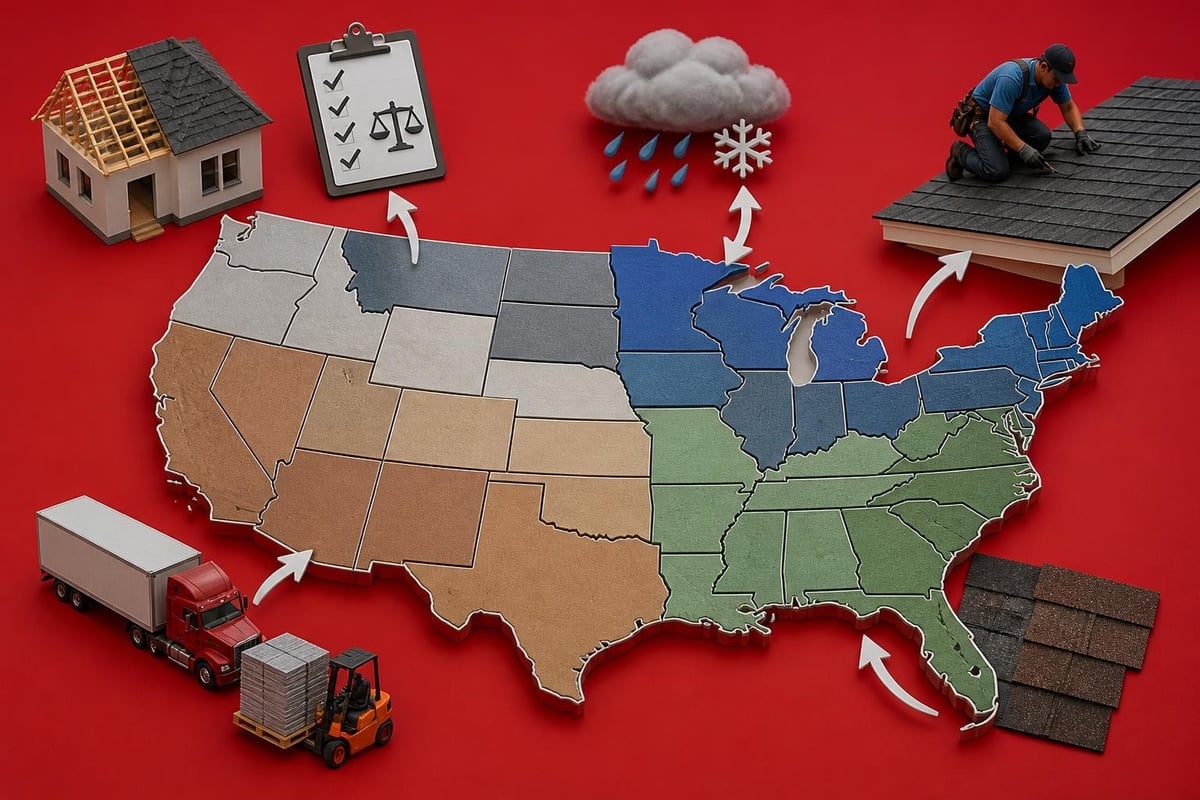
The price on roofing shingles fluctuates based on geographic location, local building codes, and regional market dynamics. Coastal areas typically see higher prices due to stringent wind resistance requirements and enhanced underlayment specifications. Northern climates may require additional ice dam protection and upgraded ventilation systems.
Supply chain conditions in 2026 continue affecting material availability and pricing. Petroleum-based asphalt remains subject to oil market fluctuations, while manufacturing capacity constraints can create regional shortages during peak construction seasons (typically April through October in the Midwest).
Local competition among contractors influences labor rates significantly. Areas with numerous established roofing companies like Joliet tend toward competitive pricing, while regions with contractor shortages see inflated labor costs. Researching top roofing companies in your area helps establish realistic budget expectations.
Building permit costs vary by municipality, ranging from $150 to $500 or more. Some jurisdictions require structural engineering reviews for certain roof types or when significant modifications occur. Understanding local requirements prevents unexpected expenses during project planning.
Energy Efficiency and Long-Term Value Considerations
The initial price on roofing shingles represents only part of the total cost of ownership equation. Energy-efficient cool roof shingles, which reflect more solar radiation than standard products, may cost 10-15% more initially but deliver measurable cooling cost savings in return.
According to the ENERGY STAR Cool Roofs program, reflective roofing can reduce roof surface temperatures by 50-60°F compared to traditional shingles, translating to 10-15% cooling energy savings in warm climates. While Joliet experiences moderate temperatures, cooling cost reductions during summer months still provide value over the roof's lifespan.
Impact-resistant shingles rated Class 4 by UL 2218 standards often qualify for insurance premium discounts of 10-30% in hail-prone regions. These shingles cost approximately $50-100 more per square than standard products, but the insurance savings typically recover the additional investment within 3-5 years while providing superior protection against storm damage. Understanding hail damage to shingle roofs highlights why impact resistance matters.
Warranty Coverage and Protection
Manufacturer warranties significantly impact long-term value despite not directly affecting initial price on roofing shingles. Basic warranties covering manufacturing defects range from 10 years on economy shingles to lifetime coverage on premium products, though "lifetime" typically means 50 years with prorated coverage after the first 10-15 years.
Enhanced warranty programs require certified contractor installation and often include upgraded underlayment and accessory products from the same manufacturer. These "system warranties" provide stronger coverage but increase project costs by 15-25% compared to using standard components.
| Warranty Type | Coverage Period | Typical Cost Impact | Key Benefits |
|---|---|---|---|
| Standard Limited | 10-30 years | Included | Manufacturing defects only |
| Enhanced System | 25-50 years | +15-25% | Workmanship, wind, algae |
| Lifetime Limited | 50 years | +20-30% | Transferable, extended coverage |
Workmanship warranties from your installing contractor complement manufacturer coverage. Reputable contractors like those offering residential roofing services typically provide 5-10 year installation warranties, protecting against leaks and installation-related failures.
Seasonal Timing and Price Optimization
Strategic project timing can influence the price on roofing shingles and installation costs. Spring and fall represent peak roofing seasons in the Midwest, creating high demand that can drive prices upward and extend contractor scheduling by weeks or months.
Off-season considerations:
- Winter installations possible during mild weather windows
- Late fall and early spring offer contractor availability
- Material suppliers may discount inventory during slow periods
- Emergency repairs cost 20-40% more than planned projects
- Multi-project neighborhoods may qualify for volume discounts
Obtaining roof quotes from multiple contractors provides pricing benchmarks and reveals the range of approaches different companies take. Quotes should itemize materials, labor, disposal, and additional components separately for accurate comparison.
Weather delays and material lead times affect project scheduling and potentially pricing. Custom color orders or specialty products may require 2-4 weeks for delivery, while standard colors typically ship within days. Planning ahead prevents rushed decisions and allows time for thorough contractor evaluation.
Making Informed Decisions on Shingle Selection
Balancing budget constraints with performance requirements and aesthetic preferences requires careful consideration of your specific circumstances. A rental property in a moderate climate may justify economy three-tab shingles, while your primary residence in a hail-prone area deserves impact-resistant architectural shingles despite higher upfront costs.
Independent testing and ratings provide objective performance data. Consumer Reports’ roofing section offers comparative analysis of major shingle brands, evaluating durability, wind resistance, and overall value. This third-party perspective complements manufacturer specifications and contractor recommendations.
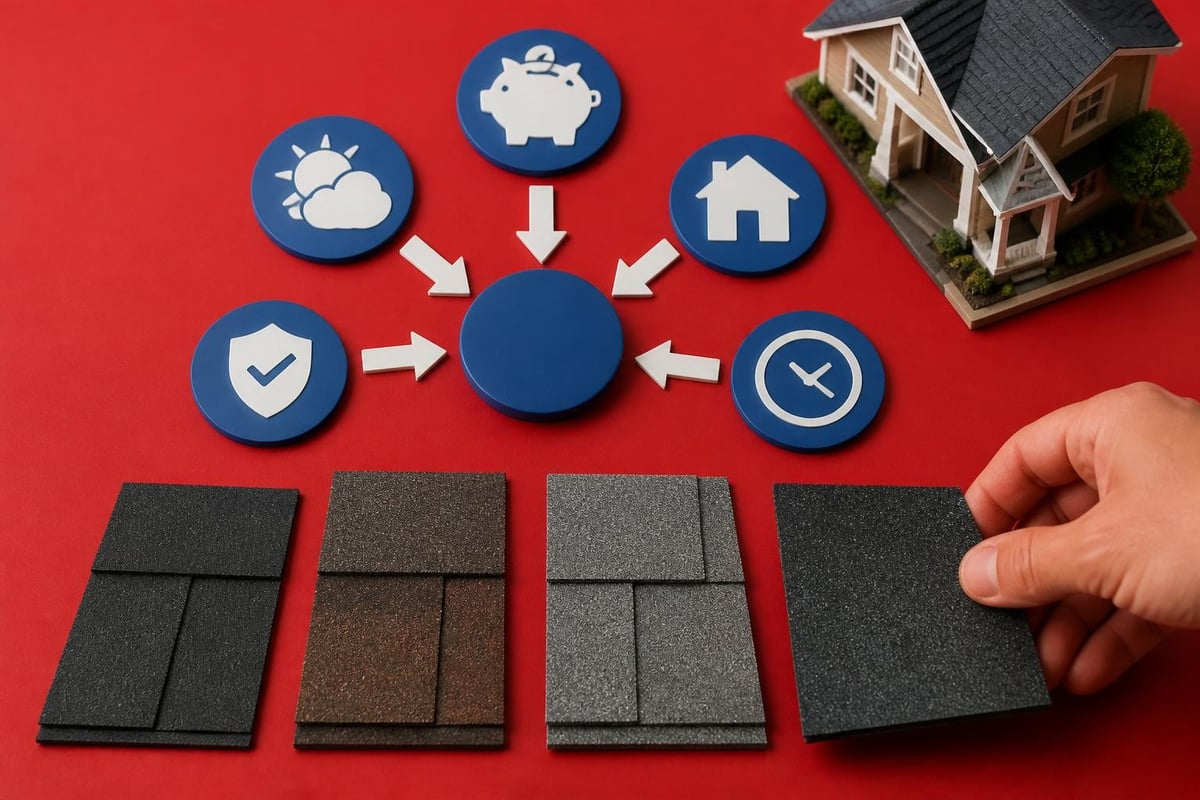
Color selection affects both aesthetics and performance. Darker shingles absorb more heat, potentially increasing cooling costs but beneficial in northern climates for ice dam prevention. Lighter colors reflect more solar radiation, reducing heat gain but may show dirt and stains more readily. The Cool Roof Rating Council provides technical data on solar reflectance values across color options.
Architectural compatibility ensures your shingle choice complements your home's design. Traditional styles pair well with classic three-tab or architectural shingles in neutral tones, while contemporary homes can accommodate bolder colors and dimensional profiles. HOA restrictions may limit color and style choices in some neighborhoods.
Understanding Quotes and Avoiding Common Pitfalls
Detailed written estimates protect both homeowners and contractors by establishing clear expectations. Comprehensive quotes specify shingle brand, model, and color; underlayment type and coverage; ventilation components; flashing details; waste removal; and warranty information. Vague or incomplete estimates often lead to disputes and unexpected costs.
The lowest bid rarely represents the best value. Extremely low quotes may indicate inexperienced contractors, substandard materials, or incomplete scope. According to NRCA’s resources and guidelines, industry best practices emphasize proper material selection and installation techniques that budget-focused contractors sometimes compromise.
Red flags in roofing estimates:
- Significant cash discounts (potential tax avoidance)
- Pressure for immediate decisions without time to compare
- Lack of proper licensing and insurance documentation
- Unwillingness to provide references or portfolio
- Vague material specifications or "contractor's choice" language
- No written warranty for workmanship
Project scope creep occurs when contractors discover unexpected conditions after beginning work. Rotten decking, inadequate ventilation, or structural issues require additional materials and labor beyond initial estimates. Understanding that older homes frequently need deck repairs helps budget for contingencies, typically 10-15% above quoted prices.
Investment Protection and Maintenance
Proper installation maximizes your shingle investment regardless of the price on roofing shingles you've selected. Poor workmanship undermines even premium materials, while expert installation extends the service life of economy products. Selecting experienced contractors who follow manufacturer specifications and local building codes proves essential.
Routine maintenance preserves shingle performance and appearance. Annual inspections identify minor issues before they escalate into costly repairs. Clearing debris, cleaning gutters, and addressing moss or algae growth maintain proper drainage and prevent premature deterioration. Professional roof repair experts can address small problems efficiently before they compromise larger roof sections.
Storm damage assessment requires professional evaluation. Hail impacts, fallen branches, and severe wind can compromise shingle integrity without obvious signs from ground level. Insurance claims for storm damage should be filed promptly, as carriers typically limit claim windows to one year from the damage date.
Ventilation and attic conditions directly affect shingle longevity. Inadequate ventilation traps heat and moisture, causing premature aging, warping, and adhesive failure. Proper soffit intake and ridge exhaust maintain balanced airflow, keeping shingles cooler in summer and preventing ice dams in winter. Research from Lawrence Berkeley National Laboratory demonstrates how proper ventilation extends cool roof performance.
Budget Planning and Financing Options
Creating realistic budgets for roof replacement requires accounting for all project components beyond basic material and labor costs. A typical 2,000 square-foot home needs approximately 22-24 squares of shingles accounting for waste. At $200 per square for quality architectural shingles, materials alone cost $4,400-$4,800. Adding labor at $200 per square brings the total to $8,800-$9,600 before underlayment, ventilation, disposal, and contingencies.
Complete project costs for this example home typically range from $10,000 to $15,000 depending on complexity, material choices, and regional factors. This substantial investment justifies careful planning, multiple quotes, and thorough contractor vetting. The National Association of Home Builders construction cost data provides broader context for residential construction expenses.
Financing options help manage roofing costs when immediate cash payment isn't feasible. Home equity loans or lines of credit offer lower interest rates than contractor financing but require sufficient home equity and credit qualifications. Personal loans provide faster approval but higher rates. Some contractors offer in-house financing or partner with lenders, though terms vary widely.
Insurance claims for covered damage like hail or wind can offset replacement costs substantially. Understanding your deductible, coverage limits, and depreciation factors helps set realistic expectations for insurance proceeds. Supplemental claims for hidden damage discovered during replacement are common and legitimate when properly documented.
Understanding the price on roofing shingles and the various factors affecting total project costs empowers you to make informed decisions that balance budget, performance, and aesthetic goals. Whether you're planning a straightforward replacement or navigating storm damage repairs, working with experienced professionals ensures quality outcomes. Great Roofing brings decades of family-owned expertise to every residential and commercial project in Joliet and surrounding communities, providing transparent pricing, quality materials, and workmanship that protects your investment for decades to come.