

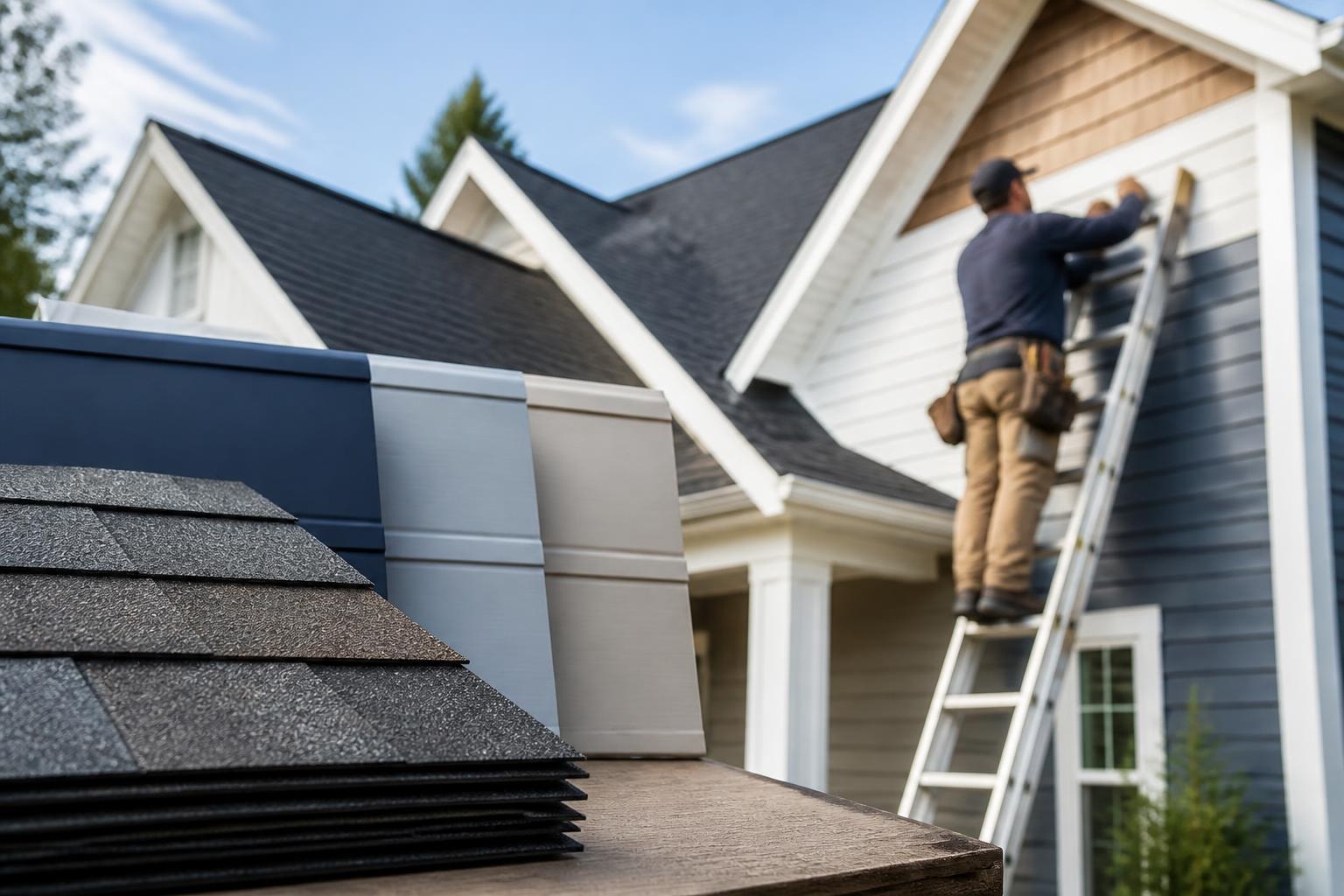
Homeowners and commercial property managers across the Joliet area understand that protecting their investment starts from the outside. The exterior envelope of any building serves as the first line of defense against weather, temperature fluctuations, and environmental damage. Quality roofing and siding work together as an integrated system to safeguard your property while enhancing curb appeal and energy efficiency. Understanding what separates exceptional exterior installations from subpar work empowers property owners to make informed decisions that pay dividends for decades to come.
Understanding Quality Materials and Standards
The foundation of quality roofing and siding begins with material selection. Not all products meet the same manufacturing standards, and understanding these differences helps property owners avoid costly mistakes.
Roofing Material Classifications
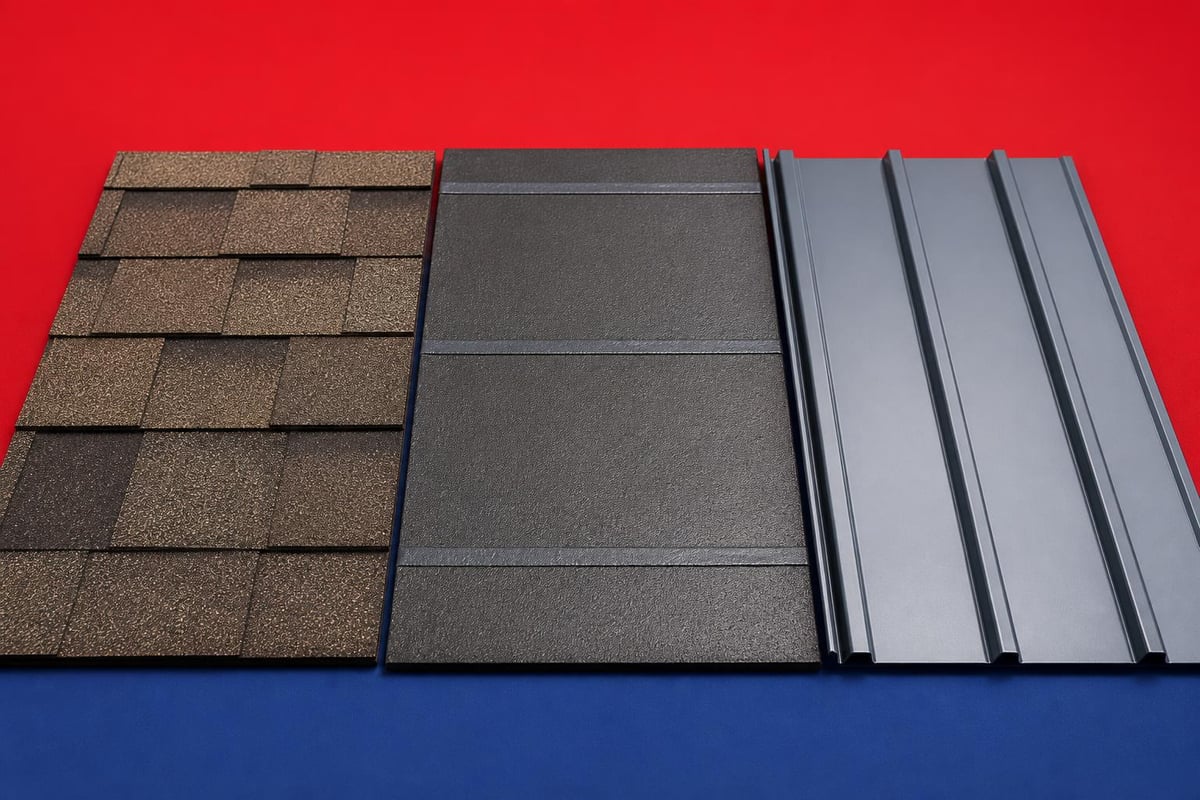
Modern roofing systems fall into several distinct categories, each with specific performance characteristics:
- Asphalt shingles: Three-tab and architectural styles with varying warranties
- Modified bitumen: Commercial-grade systems offering superior waterproofing
- Metal roofing: Standing seam and corrugated options with exceptional longevity
- Synthetic materials: Composite products mimicking traditional aesthetics
When evaluating best asphalt roof shingles, consider factors beyond initial cost. Wind resistance ratings, impact resistance classifications, and algae-resistant formulations all contribute to long-term performance. The RoofNet dataset, which provides extensive classification data for roof materials worldwide, demonstrates how material choices directly correlate with building vulnerability to natural hazards.
Siding Standards and Compliance
Quality siding installations must meet stringent building codes and industry standards. The federal standards for vinyl and polypropylene siding outline minimum requirements for material thickness, impact resistance, and dimensional stability. These regulations ensure that siding products can withstand temperature variations, UV exposure, and physical stress without premature failure.
| Material Type | Average Lifespan | Maintenance Level | Weather Resistance |
|---|---|---|---|
| Vinyl Siding | 20-30 years | Low | Good |
| Fiber Cement | 50+ years | Moderate | Excellent |
| Wood | 15-25 years | High | Fair |
| Metal | 40-60 years | Low | Excellent |
Professional contractors reference the National Siding Authority for comprehensive guidance on material specifications, installation protocols, and compliance requirements. This ensures every project meets or exceeds local building codes while delivering superior performance.
Installation Excellence: The Difference Between Good and Great
Even premium materials fail when improperly installed. Quality roofing and siding projects demand meticulous attention to installation protocols that protect your investment.
Critical Roofing Installation Steps
Professional roofers follow systematic processes that amateur installers often overlook:
- Complete removal of existing materials down to the roof deck
- Thorough inspection and repair of damaged decking or structural components
- Installation of proper underlayment including ice and water shield in vulnerable areas
- Precise shingle alignment with proper exposure and overlap
- Strategic flashing placement around penetrations, valleys, and transitions
The importance of roofing best practices cannot be overstated. Full system removal allows contractors to assess deck conditions, address moisture damage, and verify adequate ventilation. These preparatory steps prevent hidden problems that compromise new roofing systems within months of installation.
Siding Installation Fundamentals
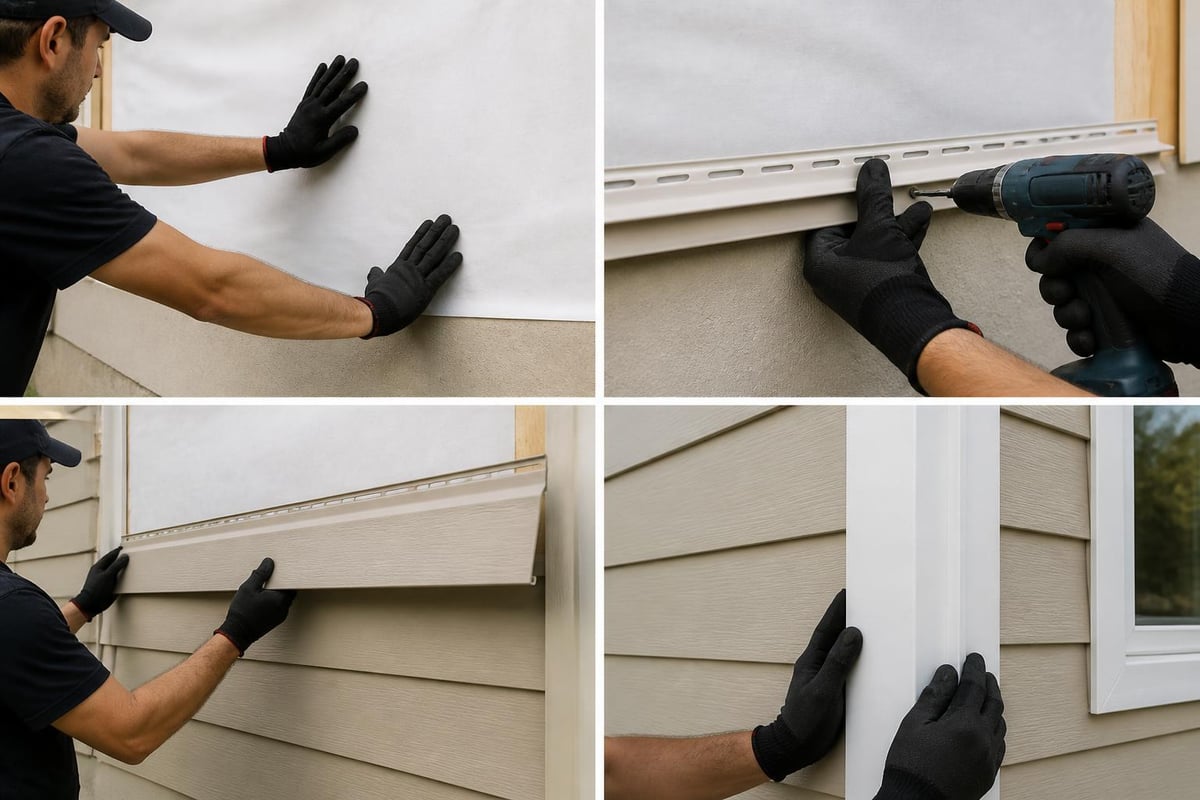
High-quality siding installation requires equal precision and expertise. Characteristics of quality siding installations include proper moisture barrier application, correct nail placement, and adequate expansion gaps.
Best practices for siding installation:
- Establish level starter strips as the foundation for vertical alignment
- Maintain consistent reveals between siding courses
- Use manufacturer-specified fasteners at recommended intervals
- Install J-channels and trim pieces before siding panels
- Ensure proper overlap at horizontal and vertical joints
- Caulk only where specified by manufacturer guidelines
Contractors who rush through installations often create problems that manifest years later. Trapped moisture, thermal expansion damage, and structural stress all result from shortcuts that save minutes but cost thousands in premature replacement.
Identifying Quality Craftsmanship
Property owners benefit from understanding how to evaluate completed work. Visual inspection reveals much about installation quality and contractor competence.
Roofing Inspection Checkpoints
Quality roofing exhibits specific visual indicators that homeowners can verify:
- Uniform shingle lines: Straight, parallel courses without waves or buckling
- Consistent overhangs: Equal projection at eaves and rakes
- Proper flashing integration: Seamless transitions around chimneys, vents, and valleys
- Clean nail placement: Fasteners in designated zones, not overdriven or exposed
- Ridge cap uniformity: Symmetrical appearance with weather-appropriate ventilation
A homeowner’s inspection guide for quality roofing craftsmanship provides detailed examination criteria. Walking your property's perimeter and examining accessible roof sections helps identify installation deficiencies before they escalate into major problems.
After severe weather events, understanding hail damage on shingle roofs becomes critical. Quality installations resist impact damage better than substandard work, and proper documentation supports insurance claims when damage occurs.
Siding Quality Markers
Examining siding installations reveals craftsmanship levels through multiple indicators:
| Quality Indicator | Professional Standard | Common Deficiency |
|---|---|---|
| Panel Alignment | Perfectly horizontal | Visible slopes or gaps |
| Corner Treatments | Tight, uniform joints | Gaps or misaligned pieces |
| Window Trim | Flush, weather-sealed | Irregular gaps, poor caulking |
| Expansion Gaps | Proper clearance | Too tight or excessive |
| Color Consistency | Uniform throughout | Visible batch variations |
Professional installations incorporate proper ventilation behind siding materials, preventing moisture accumulation that leads to mold, rot, and structural deterioration. Quality contractors understand that what happens behind the visible surface determines long-term performance.
Maintaining Your Investment
Quality roofing and siding require ongoing attention to maximize their service life and protect your property investment.
Seasonal Maintenance Protocols
Implementing regular maintenance schedules prevents minor issues from becoming major expenses:
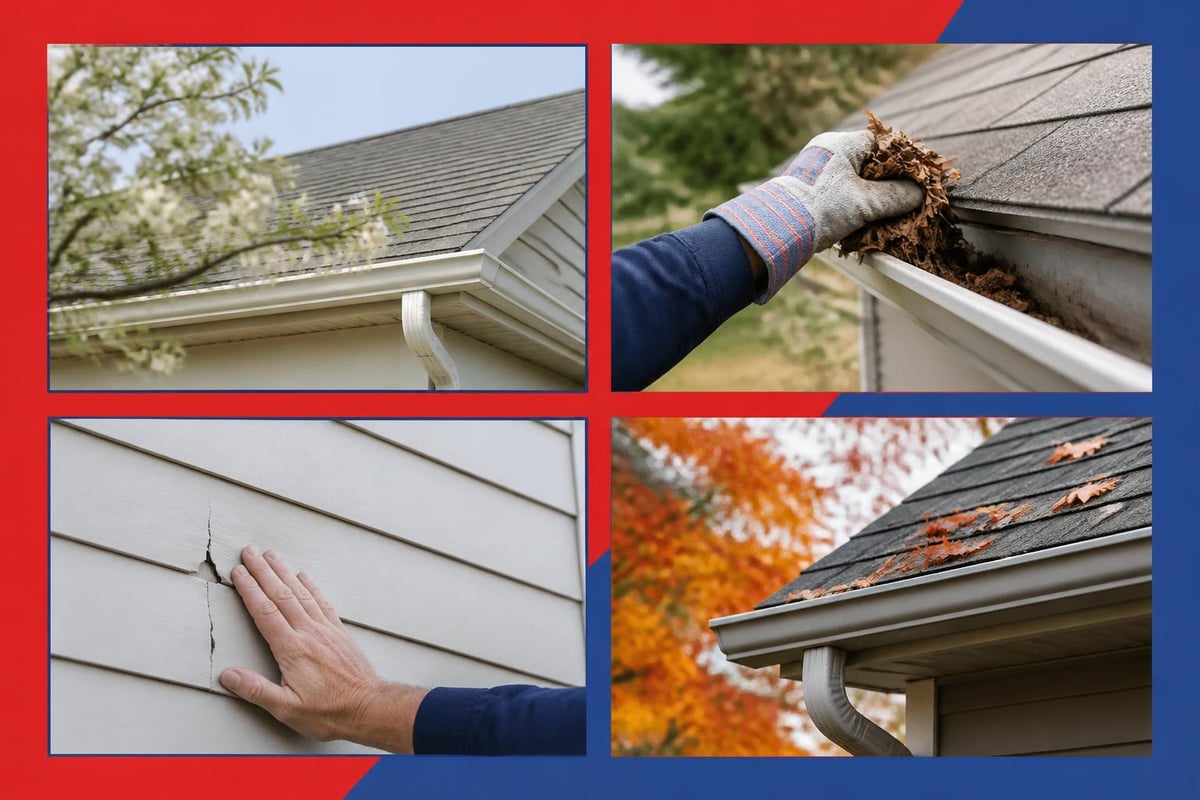
Spring maintenance tasks:
- Clear debris from gutters and downspouts
- Inspect for winter damage including ice dam effects
- Examine flashing and sealants for deterioration
- Verify siding attachment security after freeze-thaw cycles
Fall preparation steps:
- Remove organic matter that retains moisture
- Trim overhanging branches that threaten surfaces
- Inspect and repair damaged areas before harsh weather
- Verify adequate attic ventilation to prevent ice dams
Regular inspections through professional roofing services identify developing problems while repairs remain minor and affordable. Contractors experienced with quality roofing and siding recognize early warning signs that untrained eyes miss.
Addressing Storm Damage
Severe weather poses the greatest threat to exterior building systems. Understanding how to respond protects both your property and insurance interests.
When storms impact your area, systematic damage assessment should follow roof repair after hail storm protocols. Document damage with photographs, note the date and nature of the weather event, and contact qualified contractors for professional assessment.
Filing storm damage insurance claims requires detailed documentation and understanding of coverage provisions. Quality contractors assist with this process, providing accurate assessments that support legitimate claims while maintaining ethical standards.
Selecting the Right Contractor
The contractor you choose determines whether you receive quality roofing and siding or experience costly disappointment. Due diligence during selection prevents problems that plague poorly planned projects.
Essential Contractor Qualifications
Professional credentials to verify:
- Active licensing for roofing and siding work in your jurisdiction
- Current liability and workers compensation insurance
- Manufacturer certifications for products they install
- References from recent projects similar to yours
- Membership in recognized industry associations
Experienced contractors share insights that roofing and siding professionals want homeowners to know. These include realistic timeline expectations, the importance of written contracts, and why the lowest bid rarely delivers the best value.
Evaluating Proposals and Contracts
Quality contractors provide comprehensive written proposals detailing:
- Complete scope of work including preparatory steps
- Specific materials by manufacturer and product line
- Project timeline with weather contingencies
- Payment schedule tied to completion milestones
- Warranty coverage for materials and workmanship
Comparing multiple proposals requires understanding what each includes. A lower price often reflects shortcuts, inferior materials, or incomplete scope. Quality roofing and siding investments demand fair pricing that supports proper execution.
Commercial Considerations
Commercial properties require specialized approaches that differ from residential work. Understanding these distinctions helps property managers make appropriate decisions.
Commercial Roofing Systems
Modified bitumen systems dominate commercial applications for compelling reasons:
- Superior waterproofing through multiple membrane layers
- Proven durability in low-slope applications
- Cost-effective maintenance with accessible repairs
- Energy efficiency through reflective surface options
Commercial roofing specialists understand building code requirements, OSHA safety protocols, and the coordination necessary for occupied building projects. These complex installations demand experience that general contractors rarely possess.
Commercial Siding Applications
Commercial siding serves functional and aesthetic purposes while meeting stringent fire, impact, and weather resistance standards:
| Application Type | Common Materials | Key Requirements |
|---|---|---|
| Retail | Fiber cement, metal | Appearance, durability |
| Industrial | Metal panels | Impact resistance, low maintenance |
| Office | Composite, brick veneer | Energy efficiency, aesthetics |
| Warehouse | Metal, vinyl | Cost-effectiveness, weather protection |
Quality installations account for thermal movement in large wall sections, properly detail expansion joints, and integrate with existing building systems. Professional contractors coordinate with building managers to minimize operational disruption while maintaining safety standards.
Regional Climate Considerations
The Joliet area presents specific challenges that influence material selection and installation techniques. Quality roofing and siding systems must withstand local conditions.
Weather Pattern Impacts
Illinois experiences diverse weather that stresses exterior building systems:
- Temperature extremes from subzero winters to 90+ degree summers
- Heavy precipitation including snow loads and intense rainfall
- Severe storms with high winds, hail, and occasional tornadoes
- Freeze-thaw cycles that stress materials and fastening systems
Material selection must account for these conditions. Impact-resistant shingles resist hail damage, while properly installed siding expands and contracts without buckling or cracking. Understanding local roofing challenges helps property owners make climate-appropriate choices.
Building Code Compliance
Local jurisdictions enforce building codes that mandate minimum performance standards. Quality contractors maintain current knowledge of:
- Wind resistance requirements based on regional exposure
- Snow load calculations for structural adequacy
- Energy code provisions affecting insulation and ventilation
- Permit requirements for various project scopes
Professional installations exceed minimum code requirements, providing performance margins that protect against unexpected weather events while enhancing long-term value.
Long-Term Value Proposition
Investing in quality roofing and siding delivers financial returns that extend beyond initial installation costs.
Return on Investment Analysis
Financial benefits of quality installations:
- Extended service life reduces replacement frequency
- Lower maintenance costs through superior durability
- Enhanced energy efficiency decreases utility expenses
- Improved curb appeal increases property values
- Reduced insurance claims from weather resistance
Studies consistently demonstrate that quality materials and professional installation cost less over their service life than budget alternatives requiring frequent repairs or premature replacement. The initial premium pays for itself through avoided problems and extended performance.
Energy Efficiency Contributions
Modern roofing and siding systems significantly impact building energy consumption:
- Reflective roofing materials reduce cooling loads in summer
- Proper insulation integration minimizes heat transfer
- Quality air sealing prevents conditioned air loss
- Ventilation systems manage moisture and temperature
These efficiency improvements create comfortable interior environments while reducing energy costs. Property owners realize ongoing savings that offset installation investments within years rather than decades.
Understanding what constitutes quality roofing and siding empowers property owners to make decisions that protect their investments for decades. Professional installation, appropriate materials, and regular maintenance combine to deliver superior performance regardless of weather challenges. When you're ready to upgrade your property's exterior protection with quality roofing and siding that stands the test of time, Great Roofing brings family-owned dedication and professional expertise to every residential and commercial project throughout the Joliet area.