

Selecting the right roofing contractor can make the difference between a roof that lasts decades and one that requires costly repairs within a few years. Quality roofing services encompass far more than simply replacing shingles or patching leaks-they represent a comprehensive approach to protecting your most significant investment. As we navigate through 2026, understanding what distinguishes exceptional roofing contractors from mediocre ones has become increasingly important for homeowners and business owners throughout the Joliet area and beyond.
Understanding the Foundation of Quality Roofing Services
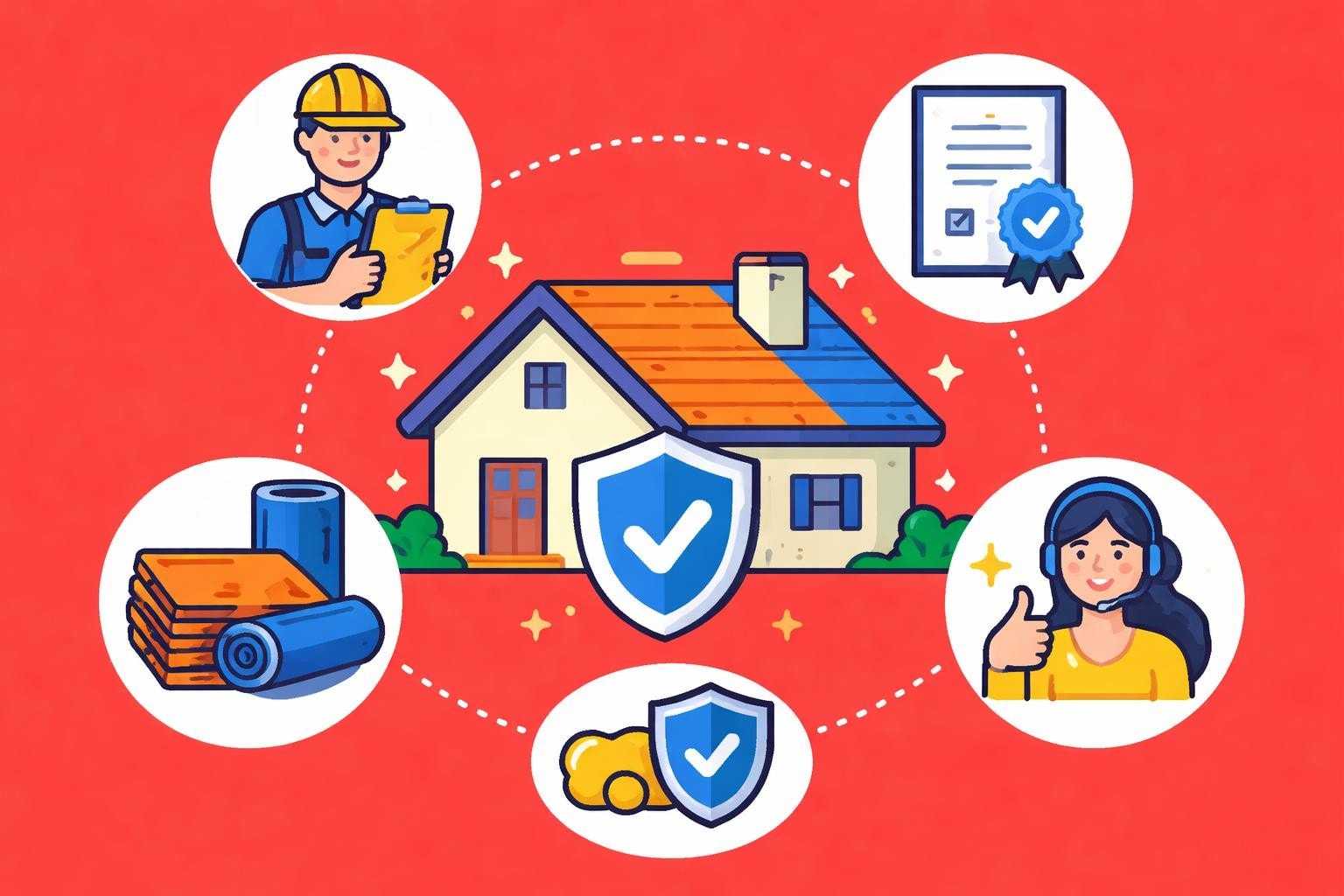
When evaluating potential contractors, the cornerstone of quality roofing services begins with proper licensing, insurance, and certifications. Professional roofing companies maintain comprehensive general liability insurance and workers' compensation coverage to protect both their teams and your property.
Essential Credentials and Documentation
A reputable contractor will readily provide proof of licensing specific to your state and municipality. In Illinois, this includes proper registration with state authorities and compliance with local building codes. Quality roofing services also involve maintaining manufacturer certifications that demonstrate expertise with specific roofing systems.
Key credentials to verify include:
- State contractor license and registration
- General liability insurance (minimum $1 million coverage)
- Workers' compensation insurance
- Manufacturer certifications for specific products
- Better Business Bureau accreditation
- Local chamber of commerce membership
Beyond paperwork, exceptional contractors invest in ongoing training for their crews. The roofing industry evolves constantly, with new materials, techniques, and building codes emerging regularly. Teams that participate in continuous education deliver superior workmanship and stay current with industry best practices.

Material Quality and Product Selection
The materials used in your roofing project directly impact longevity, performance, and overall value. Quality roofing services prioritize premium materials over budget alternatives, understanding that superior products reduce long-term maintenance costs and extend roof lifespan significantly.
Residential Roofing Materials
For residential properties, asphalt shingle roofing remains the most popular choice throughout the Midwest. However, not all shingles offer equal performance. Architectural shingles provide enhanced durability compared to standard three-tab options, with warranties extending 30 to 50 years.
| Material Type | Average Lifespan | Cost Range | Best For |
|---|---|---|---|
| 3-Tab Shingles | 15-20 years | $ | Budget-conscious projects |
| Architectural Shingles | 25-30 years | $$ | Standard residential homes |
| Premium Designer Shingles | 40-50 years | $$$ | High-end properties |
| Metal Roofing | 40-70 years | $$$$ | Long-term investment |
Professional contractors maintain relationships with established manufacturers like GAF, CertainTeed, Owens Corning, and IKO. These partnerships ensure access to the latest products and extended warranty coverage that only certified installers can provide.
Commercial Roofing Systems
Commercial properties require different approaches than residential buildings. Modified bitumen systems, which Great Roofing specializes in, offer excellent durability for flat or low-slope commercial applications. These multi-layer systems provide superior waterproofing and weather resistance.
Quality roofing services for commercial clients also include:
- TPO (Thermoplastic Polyolefin) single-ply membranes
- EPDM (Ethylene Propylene Diene Monomer) rubber roofing
- Built-up roofing (BUR) systems
- Spray polyurethane foam applications
The selection process involves careful assessment of building requirements, local climate conditions, and budget constraints. Experienced contractors guide property owners through these decisions, explaining the advantages and limitations of each system.
Comprehensive Assessment and Inspection Processes
Before any work begins, quality roofing services include thorough property inspection and damage assessment. This critical step identifies underlying issues that may not be immediately visible and ensures the project scope addresses all necessary repairs.
Professional Inspection Standards
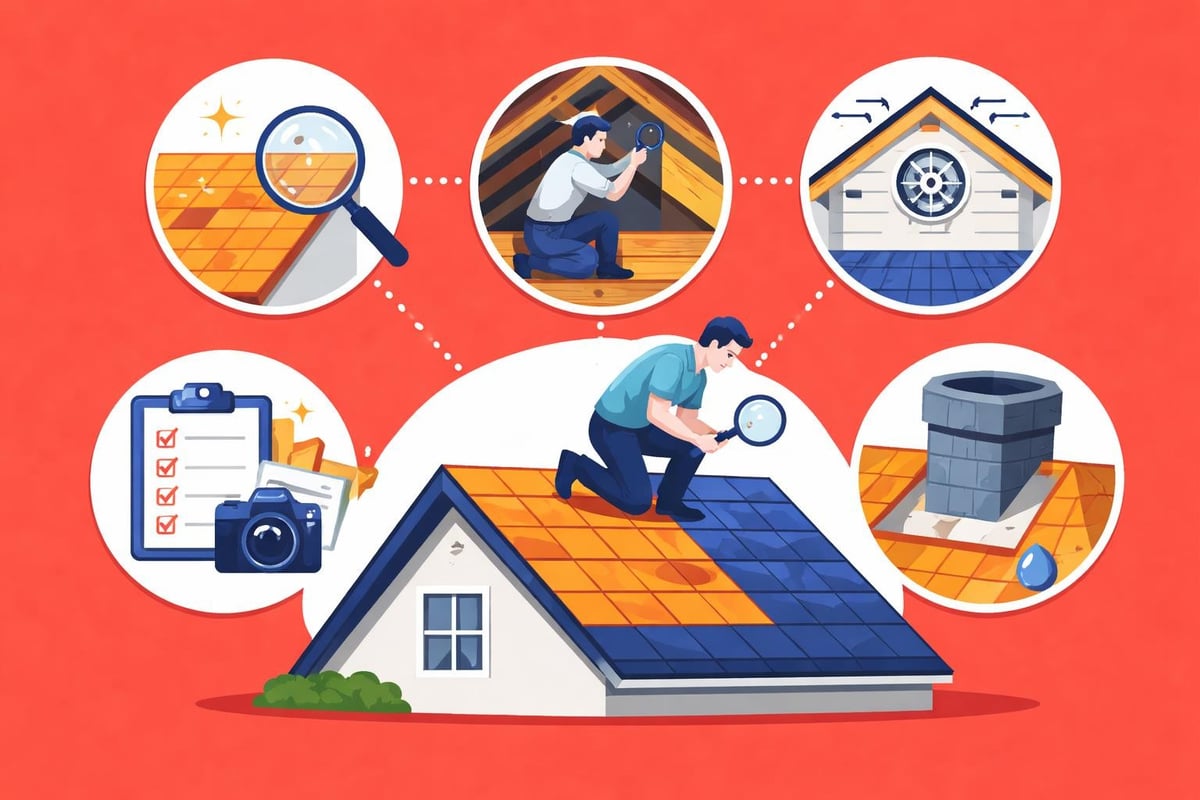
A complete roof inspection examines multiple components beyond the visible surface. Professional contractors evaluate decking condition, ventilation systems, flashing integrity, and drainage performance. They also assess attic spaces for moisture damage, inadequate insulation, or ventilation problems.
Comprehensive inspection checklist:
- Shingle or membrane condition and remaining lifespan
- Flashing around chimneys, vents, and skylights
- Gutter and downspout functionality
- Soffit and fascia condition
- Attic ventilation adequacy
- Decking integrity and moisture damage
- Structural issues or sagging areas
This detailed approach prevents surprises during installation and provides accurate cost estimates. Contractors who skip thorough inspections often encounter unexpected problems mid-project, leading to delays and additional expenses.
Transparent Communication and Documentation
Exceptional contractors maintain clear, consistent communication throughout every project phase. Quality roofing services include detailed written estimates that itemize materials, labor, disposal fees, and project timelines. These documents eliminate confusion and establish clear expectations.
Written Agreements and Contracts
Professional contracts protect both parties by outlining specific responsibilities, payment schedules, and warranty terms. They should include manufacturer specifications for all materials, installation methods that comply with building codes, and cleanup procedures upon completion.
Look for contracts that specify:
- Detailed project scope and deliverables
- Start and completion dates with weather contingencies
- Payment schedule tied to project milestones
- Material brands, grades, and colors
- Warranty coverage for labor and materials
- Disposal and cleanup responsibilities
- Process for handling unforeseen issues
Contractors offering quality roofing services also provide regular project updates. They maintain accessibility for questions, address concerns promptly, and document progress through photographs or written reports.
Workmanship Standards and Installation Excellence
The quality of installation directly affects roof performance and longevity. Even premium materials fail prematurely when installed incorrectly. Professional contractors follow manufacturer specifications precisely and adhere to industry best practices established by organizations like the National Roofing Contractors Association.
Installation Best Practices
Proper installation begins with adequate surface preparation. Old materials must be completely removed, and decking should be inspected and repaired as needed. Quality roofing services never cut corners by installing new materials over damaged substrates.
Critical installation elements include:
- Underlayment application – Water-resistant barriers protect against moisture infiltration
- Proper nailing patterns – Correct fastener placement prevents wind damage
- Flashing integration – Sealed transitions around penetrations prevent leaks
- Ventilation coordination – Balanced intake and exhaust extends roof life
- Edge detail attention – Drip edges and starter strips complete weatherproofing
Commercial roofing projects require additional considerations, including membrane seam integrity, drainage management, and equipment support systems. Modified bitumen installation demands precise torch application or cold-adhesive techniques that only experienced crews can execute properly.
Warranty Protection and Long-Term Support
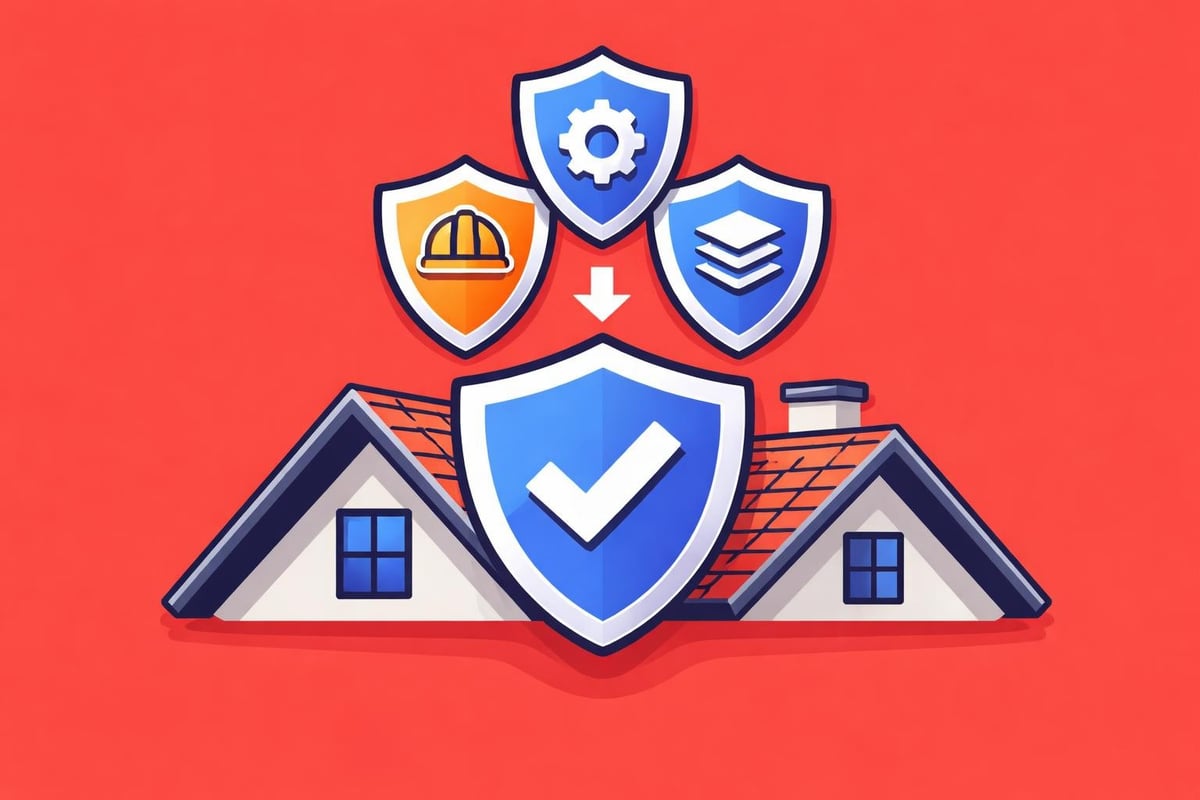
Comprehensive warranty coverage distinguishes quality roofing services from contractors who disappear after collecting final payment. Reputable companies stand behind their work with robust labor warranties that complement manufacturer material guarantees.
Understanding Warranty Types
| Warranty Type | Coverage Duration | What's Covered | Provider |
|---|---|---|---|
| Manufacturer Material | 25-50 years | Defective products | Shingle/membrane maker |
| Workmanship | 5-25 years | Installation errors | Roofing contractor |
| System Warranty | 10-50 years | Complete roof system | Manufacturer (certified installers only) |
The most valuable protection comes from system warranties available exclusively through certified contractors. These comprehensive guarantees cover both materials and labor, providing single-source accountability for any issues that arise.
Quality roofing services include clear warranty documentation explaining coverage terms, claim procedures, and maintenance requirements. Some warranties require periodic inspections or specific maintenance activities to remain valid. Professional contractors educate clients about these obligations upfront.
Customer Service and Reputation Management
A contractor's reputation provides valuable insight into service quality and reliability. In 2026, online reviews, industry awards, and community standing reveal how companies treat clients and resolve problems.
Evaluating Contractor Reputation
Before hiring any roofing contractor, research their history through multiple channels. The Better Business Bureau rating indicates complaint resolution patterns, while Google reviews and social media comments provide unfiltered customer perspectives. Industry associations like the National Roofing Contractors Association maintain directories of reputable members who commit to ethical business practices.
Consider these reputation indicators:
- Years in business – Longevity suggests stability and satisfied customers
- Local presence – Community-based contractors maintain accountability
- Customer testimonials – Recent reviews reflect current service levels
- Portfolio evidence – Project photos demonstrate capability and quality
- References availability – Willingness to connect potential clients with past customers
Family-owned businesses often provide personalized attention and genuine accountability that larger corporate operations cannot match. Great Roofing, operating throughout Joliet and surrounding communities, exemplifies this commitment to customer relationships and community engagement.
Environmental Considerations and Sustainable Practices
Modern quality roofing services incorporate environmental responsibility into project planning and execution. Sustainable roofing practices benefit both property owners and the broader community through improved energy efficiency and reduced waste.
Energy-Efficient Roofing Solutions
Cool roofing technologies reflect solar radiation rather than absorbing heat, reducing cooling costs during summer months. Light-colored shingles, reflective coatings, and specialized membranes can lower roof surface temperatures by 50-60 degrees Fahrenheit compared to traditional dark materials.
Green roofing systems represent another sustainable approach, particularly for commercial applications. These vegetated systems manage stormwater, reduce urban heat island effects, and extend membrane lifespan by protecting materials from UV exposure.
Sustainable roofing benefits include:
- Lower energy consumption and utility costs
- Extended roof lifespan through temperature moderation
- Improved indoor comfort and air quality
- Stormwater management and flood reduction
- Increased property value and marketability
Professional contractors also implement responsible disposal practices. Rather than sending old materials to landfills, quality roofing services recycle asphalt shingles for road paving applications. Metal, wood, and other materials find second lives through proper recycling channels.
Safety Protocols and Job Site Management
Roofing ranks among the most dangerous construction trades, making safety compliance non-negotiable for quality roofing services. Professional contractors maintain rigorous safety programs that protect workers, property owners, and neighbors throughout project duration.
Comprehensive Safety Programs
OSHA regulations establish minimum safety standards for roofing operations, including fall protection requirements, equipment maintenance protocols, and worker training mandates. Exceptional contractors exceed these minimums through proactive safety cultures.
Safety elements include:
- Personal protective equipment for all crew members
- Fall arrest systems and guardrail installation
- Ladder safety and scaffold inspections
- Material handling procedures
- Weather monitoring and work stoppage protocols
- Daily safety briefings and hazard assessments
Quality roofing services also protect properties during work. Contractors use tarps to shield landscaping, magnetized rollers to collect dropped nails, and protective coverings for siding and windows. They establish clear job site boundaries and parking areas that minimize disruption to neighbors.
Investment Value and Cost Transparency
While quality roofing services command premium pricing compared to budget contractors, the investment delivers superior long-term value. Understanding cost factors helps property owners make informed decisions that balance immediate expenses with lifecycle performance.
Breaking Down Roofing Costs
Roofing project expenses include multiple components beyond material and labor. Choosing materials wisely requires understanding how each factor contributes to total investment.
| Cost Component | Percentage of Total | Variables Affecting Price |
|---|---|---|
| Materials | 40-50% | Quality grade, manufacturer, warranty level |
| Labor | 30-40% | Crew experience, project complexity, timeline |
| Disposal | 5-10% | Material type, landfill fees, recycling options |
| Permits/Inspections | 2-5% | Municipality requirements, building codes |
| Overhead/Profit | 10-15% | Company size, insurance costs, reputation |
Premium pricing reflects investments in experienced crews, comprehensive insurance, quality materials, and business infrastructure that ensure reliable project completion. Contractors offering suspiciously low bids often cut corners through inadequate insurance, substandard materials, or inexperienced workers.
Payment structures for quality roofing services typically involve deposits (usually 10-33% of project cost) with remaining balances due upon completion. Avoid contractors demanding full payment upfront or cash-only transactions.
Insurance Claims and Storm Damage Response
Weather events frequently necessitate roof repairs or replacement, making insurance claim navigation a valuable service component. Quality roofing contractors assist property owners through claim processes, ensuring adequate coverage for necessary repairs.
Working with Insurance Providers
Experienced contractors document storm damage thoroughly, providing detailed assessments that support insurance claims. They understand adjuster requirements, appropriate repair scopes, and code upgrade necessities that affect claim values.
Professional claim assistance includes:
- Comprehensive damage documentation with photographs
- Detailed repair estimates matching insurance formats
- Direct communication with adjusters during inspections
- Supplement requests for additional damage discovered
- Timeline coordination with claim processing
This support proves particularly valuable after major storms when homeowners face simultaneous challenges from multiple service providers. Contractors familiar with insurance procedures expedite approvals and ensure repairs meet both building codes and policy requirements.
Local Expertise and Community Commitment
Regional knowledge significantly impacts roofing project success. Contractors familiar with local climate patterns, building codes, and architectural styles deliver solutions tailored to specific environmental challenges.
The Midwest's temperature extremes, severe storms, and precipitation patterns demand roofing systems engineered for these conditions. Local roofing companies understand ice dam prevention, wind uplift ratings appropriate for the region, and ventilation requirements for climate extremes.
Community-based contractors also maintain established relationships with local suppliers, building inspectors, and municipal officials. These connections facilitate smoother permitting processes, material availability during busy seasons, and compliance with evolving building codes.
Selecting quality roofing services requires careful evaluation of credentials, materials, workmanship standards, and customer service practices. The investment in a reputable contractor delivers decades of reliable protection and peace of mind that budget alternatives cannot match. Great Roofing brings family-owned dedication and professional expertise to every residential and commercial project throughout Joliet, combining specialized knowledge in shingle and modified bitumen systems with transparent communication and comprehensive warranty protection. Contact their team today to schedule a thorough roof assessment and discover how quality craftsmanship protects your property investment.