

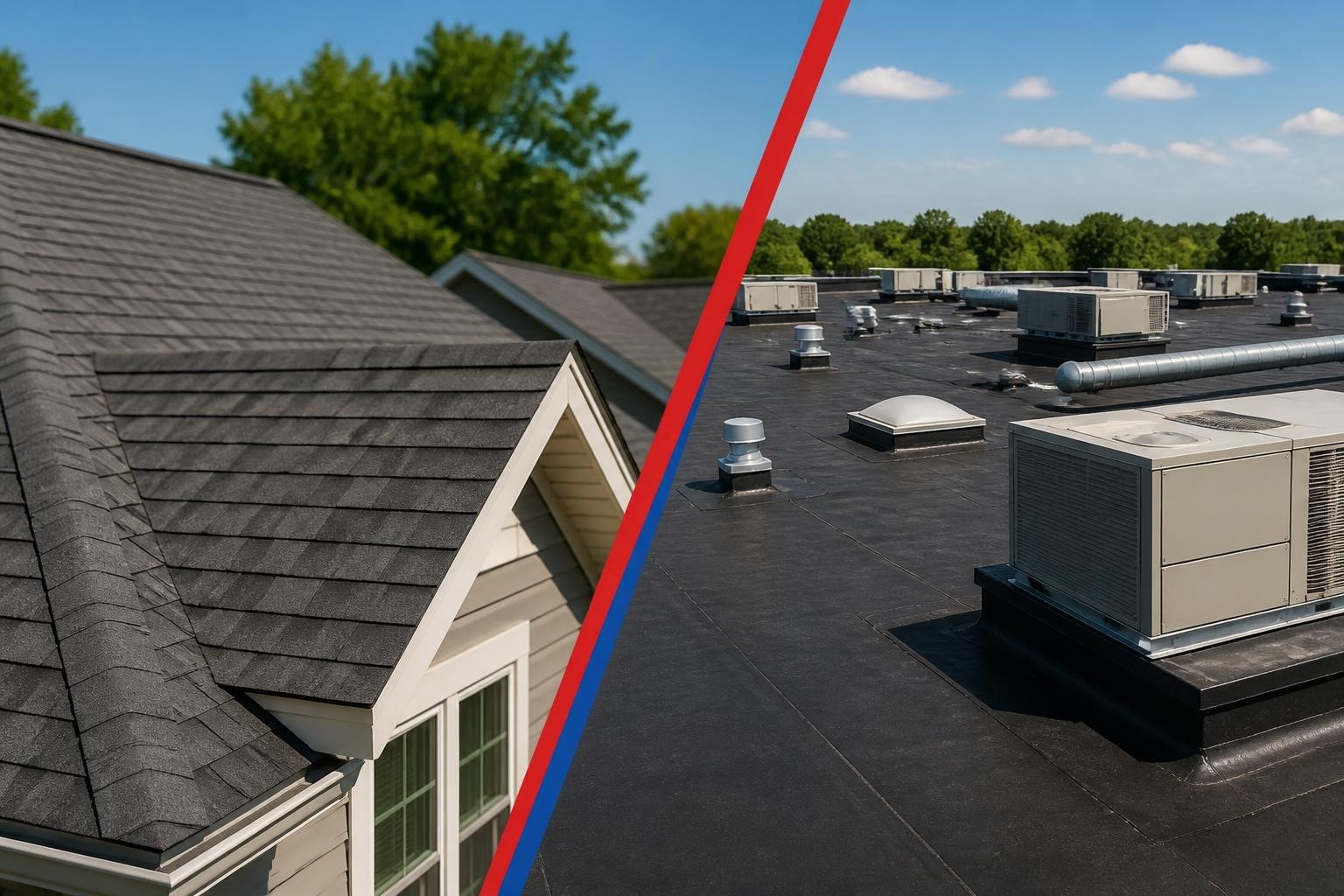
Property owners face critical decisions when selecting, maintaining, and replacing their roofing systems. Understanding the fundamental differences between residential and commercial roofing enables better planning, budgeting, and decision-making for your property investment. From material selection to installation techniques, maintenance schedules to lifecycle expectations, each roofing category presents unique considerations that directly impact performance, cost, and longevity. This comprehensive guide explores the essential aspects of both roofing types to help property owners make informed choices.
Understanding the Core Differences Between Roofing Types
The distinction between residential and commercial roofing extends far beyond simple building size. These differences influence every aspect of the roofing process, from initial design to final installation and ongoing maintenance.
Slope and Structural Considerations
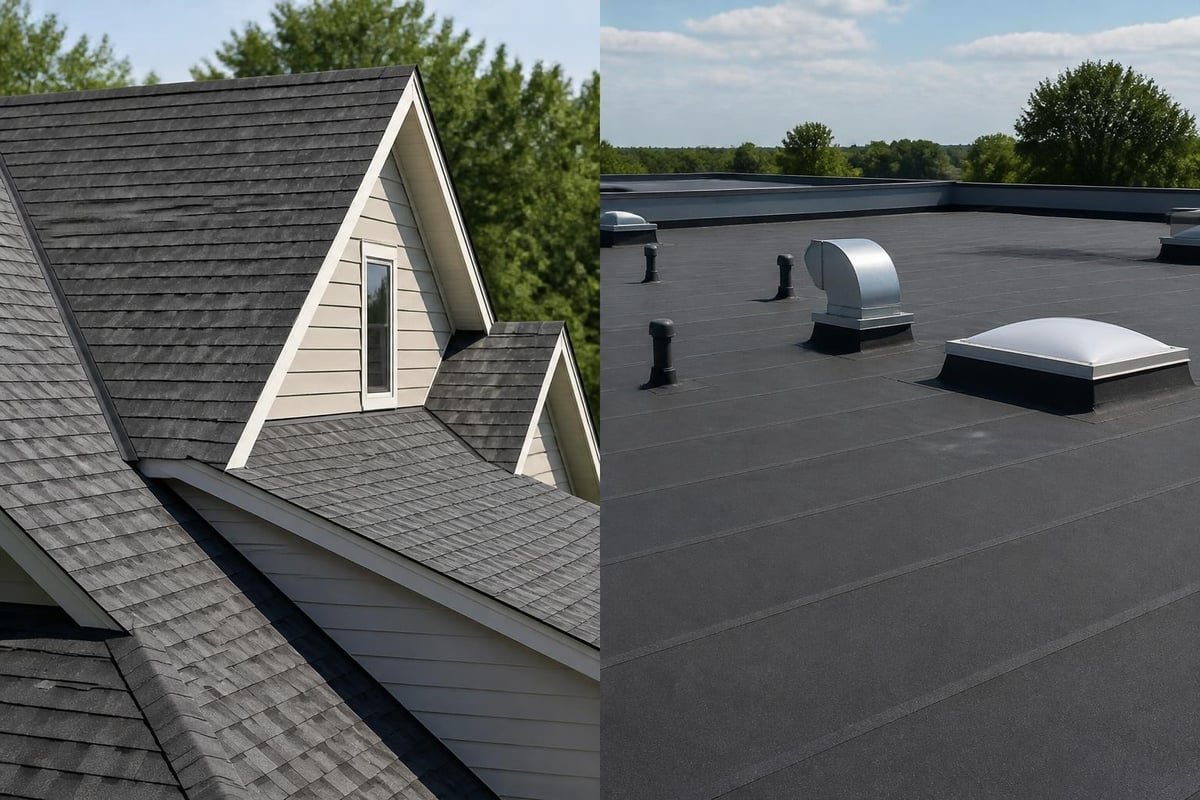
Residential roofing typically features steeper slopes, commonly ranging from 4:12 to 12:12 pitch ratios. This steep angle facilitates water drainage and creates the traditional aesthetic homeowners expect. The slope also influences material choices, with asphalt shingles, metal panels, and tile being popular options for sloped applications.
Commercial roofing predominantly uses low-slope or flat designs, usually below 2:12 pitch. These flatter profiles maximize interior space and accommodate rooftop HVAC equipment, making them practical for business operations. The NRCA Roofing Guidelines provide detailed specifications for both slope categories and their corresponding material requirements.
| Characteristic | Residential | Commercial |
|---|---|---|
| Typical Slope | 4:12 to 12:12 | 0:12 to 2:12 |
| Primary Material | Asphalt shingles | Modified bitumen, TPO, EPDM |
| Installation Time | 1-3 days | Several days to weeks |
| Average Lifespan | 20-30 years | 15-25 years |
Material Selection and Performance Standards
Material choices for residential and commercial roofing reflect different performance priorities and installation methods. Residential systems prioritize curb appeal alongside weather protection, while commercial applications emphasize durability, energy efficiency, and low maintenance.
For residential applications, asphalt shingles dominate the market due to their cost-effectiveness, ease of installation, and variety of colors and styles. Homeowners considering asphalt shingle roof installation should evaluate both three-tab and architectural shingle options. The IBHS Roof 101 resource provides excellent technical background on shingle composition, impact ratings, and wind resistance classifications.
Commercial roofing systems typically employ:
- Modified bitumen: Multi-layer systems offering excellent waterproofing and durability
- TPO (Thermoplastic Polyolefin): Heat-welded seams providing superior water resistance
- EPDM (Ethylene Propylene Diene Monomer): Rubber membrane with proven longevity
- Built-up roofing (BUR): Traditional layered systems for heavy-duty applications
Energy efficiency has become increasingly important for both sectors. The ENERGY STAR cool roofs program offers guidance on selecting reflective roofing products that reduce cooling costs and urban heat island effects.
Installation Approaches and Timeline Expectations
The installation process for residential and commercial roofing differs significantly in complexity, duration, and crew requirements. Understanding these differences helps property owners plan appropriately for minimal disruption.
Residential Installation Process
Residential roofing projects typically follow a streamlined sequence:
- Tear-off and disposal of existing materials
- Deck inspection and repair of damaged sheathing
- Underlayment installation with ice and water shield in critical areas
- Shingle application starting from eaves and progressing to ridge
- Flashing installation around penetrations and valleys
- Final cleanup and inspection
Most residential projects complete within one to three days, depending on home size, complexity, and weather conditions. For properties affected by severe weather, understanding the storm damage repair process becomes essential for timely restoration.
Commercial Installation Complexity
Commercial roofing installations demand more extensive planning and coordination. Projects often occur in phases to minimize business disruption, and safety protocols become more rigorous due to building height and complexity.
The installation timeline extends significantly because:
- Larger surface areas require more labor hours
- Multiple roof penetrations demand custom flashing details
- Equipment and material staging needs careful coordination
- Building occupancy may restrict work hours
- Weather delays impact larger projects more severely
Commercial property owners should expect comprehensive project management, including daily progress reports, safety documentation, and coordination with building operations. Professional contractors provide detailed schedules that account for these complexities.
Maintenance Requirements and Lifecycle Management
Proactive maintenance extends roof lifespan and prevents costly emergency repairs. The maintenance approach for residential and commercial roofing varies based on system type, accessibility, and performance requirements.
Residential Maintenance Best Practices
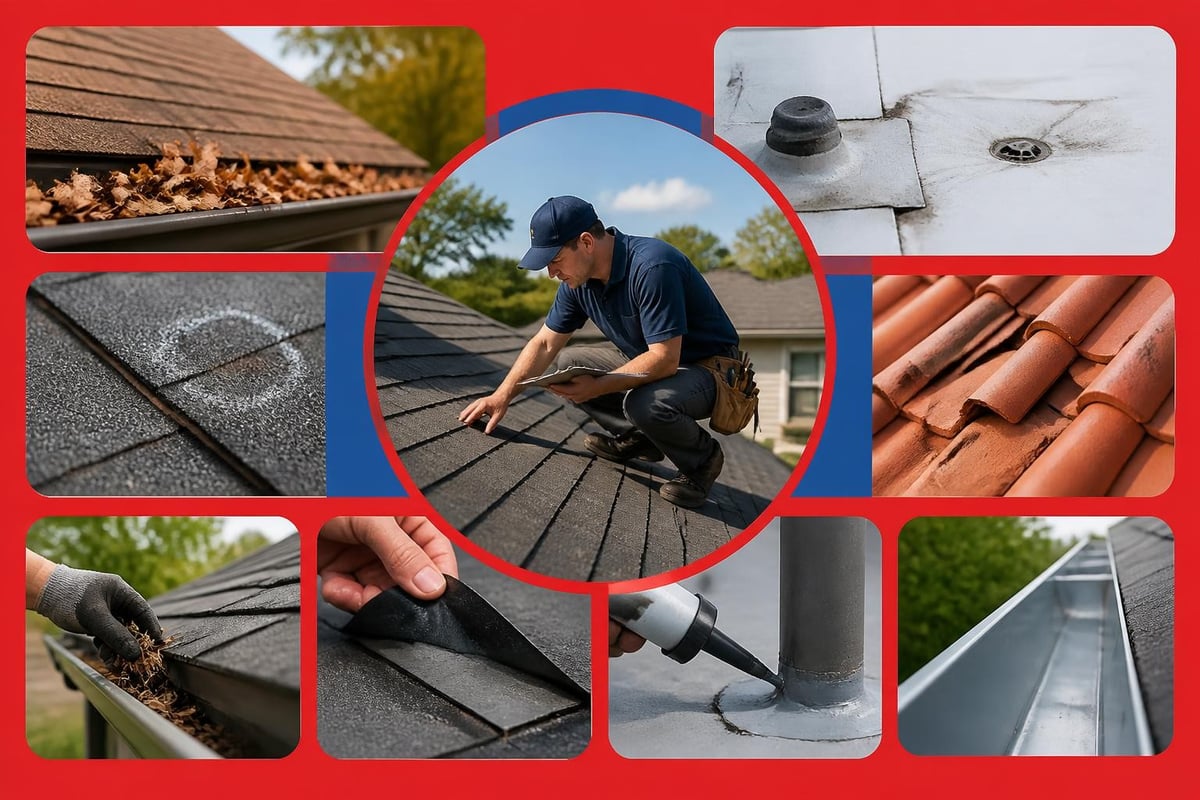
Homeowners should implement regular inspection schedules to identify minor issues before they escalate. Key maintenance activities include:
- Seasonal inspections following spring storms and before winter
- Gutter cleaning to prevent water backup and ice damming
- Shingle inspection for curling, cracking, or missing units
- Flashing checks around chimneys, skylights, and valleys
- Attic ventilation assessment to prevent moisture accumulation
The DOE Guide to Durable Attics emphasizes the critical relationship between proper ventilation and roof longevity. Inadequate ventilation causes premature shingle deterioration, ice damming, and structural moisture damage.
Commercial Maintenance Programs
Commercial facilities benefit from formalized maintenance contracts that provide scheduled inspections and priority service. These programs typically include:
| Service Component | Frequency | Purpose |
|---|---|---|
| Full roof inspection | Bi-annual | Identify deterioration and damage |
| Drain cleaning | Quarterly | Prevent standing water |
| Membrane repairs | As needed | Address punctures and seam failures |
| Reflective coating reapplication | 5-10 years | Restore energy efficiency |
Commercial roofing demands attention to drainage because standing water accelerates membrane degradation. Regular drain maintenance and proper slope verification prevent these issues.
Code Compliance and Wind Resistance Standards
Building codes establish minimum performance standards for residential and commercial roofing installations. Compliance ensures structural safety, weather resistance, and insurance eligibility.
Wind Rating Requirements
Wind resistance has become increasingly critical as severe weather events intensify. Roofing materials now carry specific wind ratings that must meet or exceed local code requirements. The IBHS wind research provides comprehensive data on roof system performance during high-wind events.
For residential applications in Joliet and surrounding areas, proper shingle installation includes:
- Adequate nail placement (typically six nails per shingle)
- Starter strip application along eaves and rakes
- High-wind rated shingles in exposed locations
- Enhanced underlayment in critical zones
Commercial buildings face additional scrutiny due to larger roof areas and potential uplift forces. The ICC code resources detail specific attachment requirements based on building height, roof zone, and geographic wind exposure.
Energy Code Considerations
Modern energy codes increasingly regulate roof thermal performance. The DOE purchasing guidance outlines how cool roof technologies reduce building energy consumption and qualify for utility incentives.
Property owners should verify that their roofing contractor understands current energy code requirements and can provide compliant solutions. Energy-efficient roofing often qualifies for tax credits and utility rebates, offsetting initial investment costs.
Insurance Considerations and Storm Documentation
Both residential and commercial property owners must understand how roofing impacts insurance coverage and claims processes. Proper documentation and timely repairs protect coverage eligibility and claim values.
Filing Insurance Claims for Roof Damage
Storm damage represents one of the most common reasons for roof replacement. Property owners should document damage immediately with photographs and detailed notes. Understanding how to file an insurance claim for roof repair streamlines the claims process and maximizes recovery.
Working with experienced contractors who understand insurance requirements provides significant advantages. Contractors familiar with roofer insurance claim procedures can identify all eligible damage, provide accurate scope documentation, and communicate effectively with adjusters.
Critical documentation steps include:
- Photographing damage from ground and roof level
- Recording dates of storm events
- Obtaining professional inspection reports
- Saving all repair estimates and invoices
- Maintaining correspondence with insurance carriers
Preventive Measures and Risk Reduction
Insurance carriers increasingly reward property owners who implement preventive maintenance and upgrade to impact-resistant materials. These proactive measures reduce claim frequency and may qualify for premium discounts.
For commercial properties, regular roof certification provides third-party verification of roof condition, supporting insurance renewals and property valuations. Certifications typically remain valid for two to five years and document remaining useful life.
Material Lifecycle and Environmental Considerations
Sustainability concerns influence roofing material selection for both residential and commercial applications. Understanding lifecycle impacts helps property owners make environmentally responsible choices.
Asphalt Shingle Recycling and Waste Management
The asphalt shingle industry has made significant progress in recycling and waste reduction. The EPA WARM model data quantifies environmental benefits of asphalt shingle recycling, including reduced landfill burden and resource conservation.
During shingle roof tear-off operations, responsible contractors separate recyclable materials and transport them to certified processors. Recycled shingles commonly become:
- Pavement aggregate in road construction
- Base material for parking lots
- Patch material for asphalt repairs
- Hot mix asphalt components
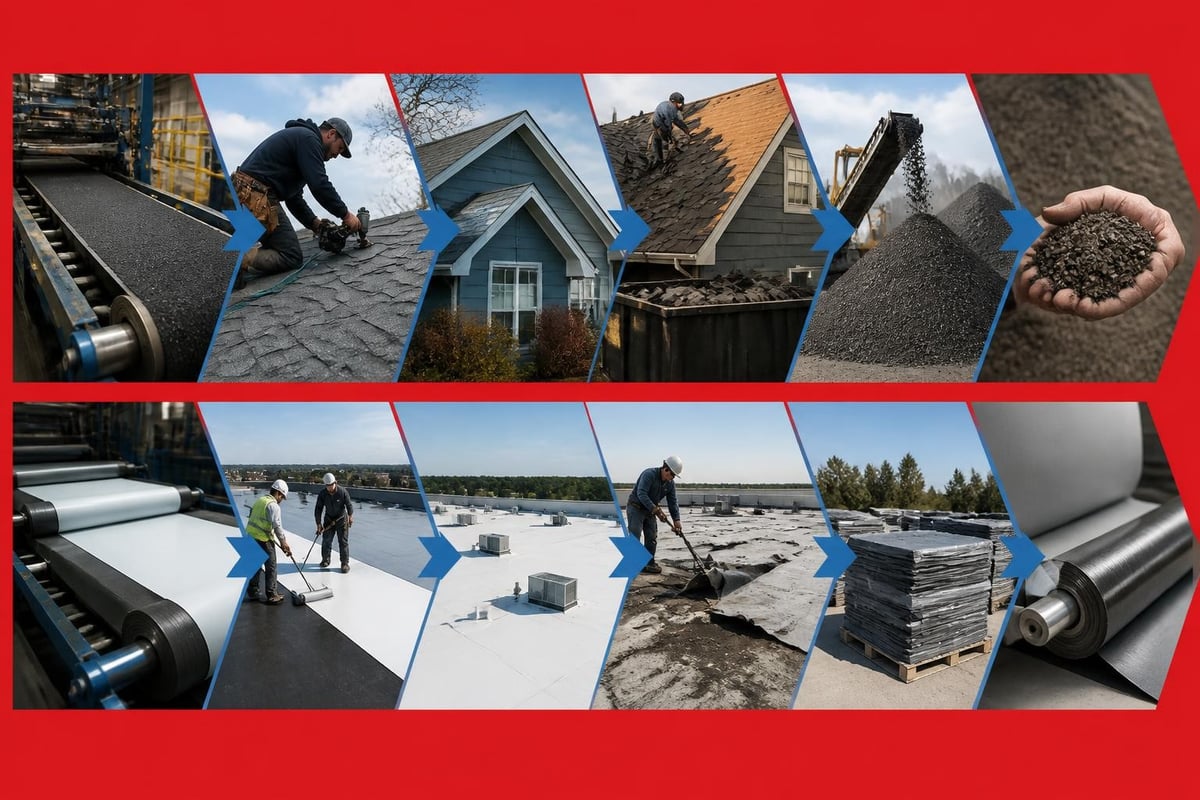
Commercial Membrane Sustainability
Commercial roofing membranes offer different sustainability profiles. TPO and PVC membranes contain recyclable components, while EPDM's long service life reduces replacement frequency. Modified bitumen systems incorporate recycled content and support cool roof coatings that extend lifespan.
Property owners prioritizing sustainability should discuss material options with their contractor and request products with recycled content certifications or environmental product declarations.
Choosing the Right Contractor for Your Project
Contractor selection represents the most critical decision in any roofing project. Quality workmanship determines system performance, longevity, and warranty validity for both residential and commercial roofing applications.
Essential Contractor Qualifications
Property owners should verify contractors possess:
- Active licensing for roofing work in your jurisdiction
- Comprehensive insurance including general liability and workers' compensation
- Manufacturer certifications for installed products
- Established business history demonstrating stability
- References from comparable projects
Great Roofing maintains all required certifications and insurance coverage, providing clients peace of mind throughout their roofing projects.
Evaluating Proposals and Warranties
Compare contractor proposals based on total value rather than price alone. Comprehensive proposals should detail:
- Complete scope of work including tear-off and disposal
- Specific materials with manufacturer and model numbers
- Installation methods and quality standards
- Project timeline with weather contingencies
- Warranty terms for materials and workmanship
- Payment schedule tied to project milestones
Warranty coverage varies significantly between residential and commercial applications. Residential shingle warranties typically extend 25 to 50 years for materials, while workmanship warranties range from 5 to 15 years. Commercial systems often include 10 to 20-year warranties with regular maintenance requirements.
Regional Considerations for Joliet Properties
Local climate conditions significantly impact roofing performance and material selection. Properties in the Joliet area face specific challenges that inform residential and commercial roofing decisions.
Weather Pattern Impacts
The region experiences diverse weather conditions including:
- Heavy winter snow loads requiring adequate structural support
- Ice damming potential during freeze-thaw cycles
- Summer hailstorms that damage roofing materials
- High winds from severe thunderstorms
- Temperature extremes causing thermal cycling stress
These conditions demand roofing systems designed for climate resilience. Residential roofing in the area should incorporate enhanced ice and water protection, impact-resistant shingles, and proper ventilation to manage seasonal temperature variations.
Service Area Expertise
Working with contractors familiar with local building codes, permitting requirements, and weather patterns ensures compliant, durable installations. Great Roofing serves Bolingbrook, Homer Glen, Plainfield, and surrounding communities with specialized knowledge of regional roofing requirements.
Local expertise also streamlines permit acquisition, inspection scheduling, and compliance verification, reducing project delays and ensuring code adherence.
Investment Planning and Financial Considerations
Roofing represents a significant capital investment for both residential and commercial property owners. Understanding cost factors and financing options enables better budget planning.
Cost Drivers and Budget Factors
Multiple variables influence total project costs:
- Material selection: Premium products command higher prices but offer extended lifespans
- Roof complexity: Multiple valleys, dormers, and penetrations increase labor requirements
- Accessibility: Difficult access adds mobilization and safety costs
- Existing damage: Structural repairs inflate total investment
- Disposal fees: Tear-off and waste removal represent significant line items
Commercial projects typically cost more per square foot due to specialized materials, enhanced safety requirements, and longer project durations. However, commercial systems often provide better energy efficiency and lower long-term maintenance costs.
Return on Investment Considerations
Quality roofing delivers measurable returns through:
- Energy savings from improved insulation and reflective surfaces
- Reduced maintenance costs with durable materials
- Extended service life minimizing replacement frequency
- Property value enhancement for resale or refinancing
- Insurance benefits through premium reductions and claim prevention
Property owners should evaluate roofing investments across the expected service life rather than initial cost alone. A moderately higher upfront investment often generates superior long-term value.
Understanding the distinct requirements of residential and commercial roofing enables property owners to make informed decisions that protect their investments and ensure long-term performance. Whether you need a durable residential shingle system or a reliable commercial modified bitumen roof, partnering with experienced professionals makes all the difference. Great Roofing brings family-owned dedication and technical expertise to every project in Joliet and surrounding communities, delivering quality roofing solutions tailored to your specific needs. Contact our team today for a complimentary consultation and discover how professional roofing services protect your property for decades to come.