

Your roof represents one of the largest investments in your home, protecting everything inside from the elements while contributing significantly to your property's curb appeal and value. Yet many homeowners overlook the importance of regular residential roof maintenance until a leak appears or visible damage becomes apparent. Proactive care and systematic inspections can extend your roof's lifespan by years, prevent costly emergency repairs, and help you maintain your manufacturer's warranty. Understanding what to look for, when to inspect, and which maintenance tasks to prioritize will save you thousands of dollars while ensuring your family stays safe and dry.
Understanding the Importance of Regular Roof Inspections
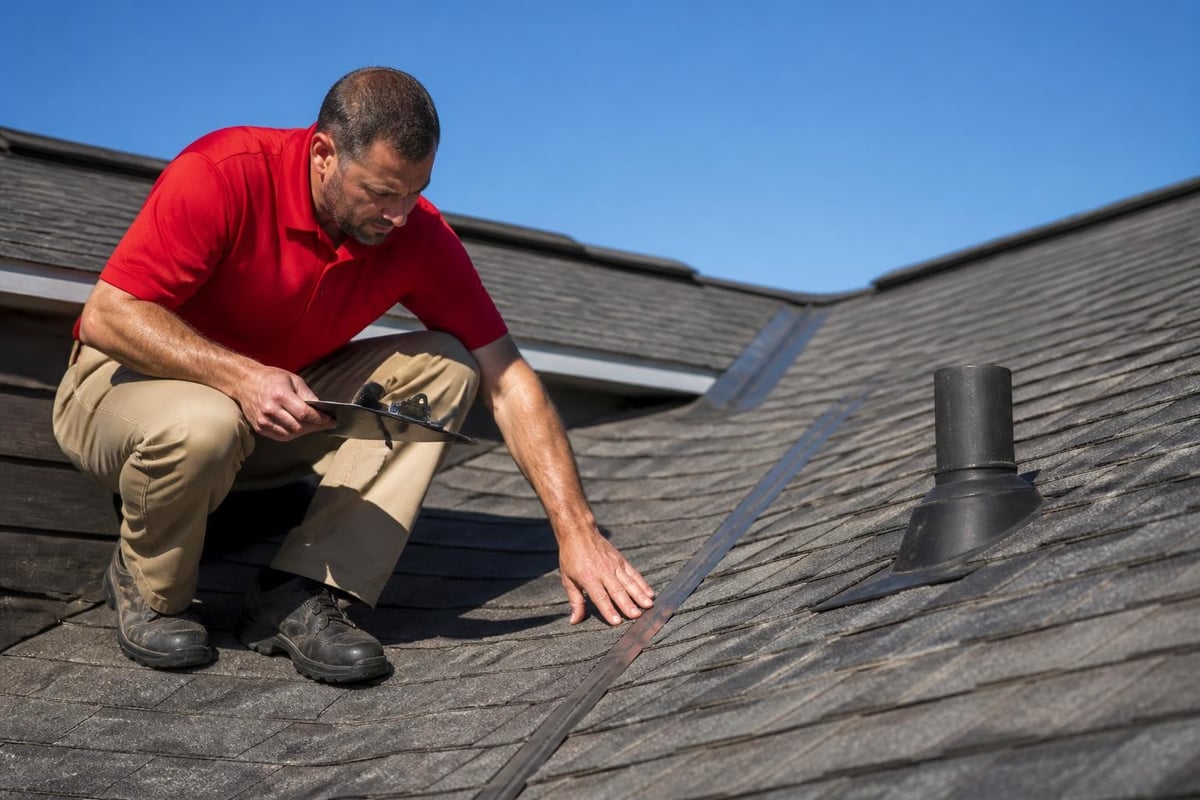
Professional roof inspections should occur at least twice annually, typically in spring and fall, to identify potential problems before they escalate into major repairs. The National Roof Authority outlines best practices for roof maintenance that emphasize these regular checkups as the foundation of any comprehensive care program. During these inspections, trained professionals examine shingles, flashing, valleys, vents, and structural components for signs of wear, damage, or deterioration.
Between professional visits, homeowners should conduct visual ground-level inspections monthly, watching for missing or damaged shingles, sagging areas, or debris accumulation. Binoculars allow you to spot issues without climbing onto the roof, which poses safety risks and can damage roofing materials if done improperly.
What Professional Inspectors Examine
A thorough inspection covers multiple critical areas:
- Shingle condition: Checking for cracks, curling, missing granules, or displacement
- Flashing integrity: Examining metal components around chimneys, vents, and valleys
- Structural soundness: Looking for sagging, water stains, or signs of rot
- Ventilation systems: Ensuring proper airflow to prevent moisture buildup
- Gutter function: Verifying proper drainage and attachment
Many homeowners benefit from scheduling a professional roof inspection after severe weather events, which can reveal hidden damage that compromises your roof's protective capabilities.
Seasonal Residential Roof Maintenance Tasks
Each season brings unique challenges and maintenance requirements for your roofing system. Roofers Home provides a seasonal roof maintenance checklist that helps homeowners stay ahead of potential problems throughout the year.
Spring Maintenance Priorities
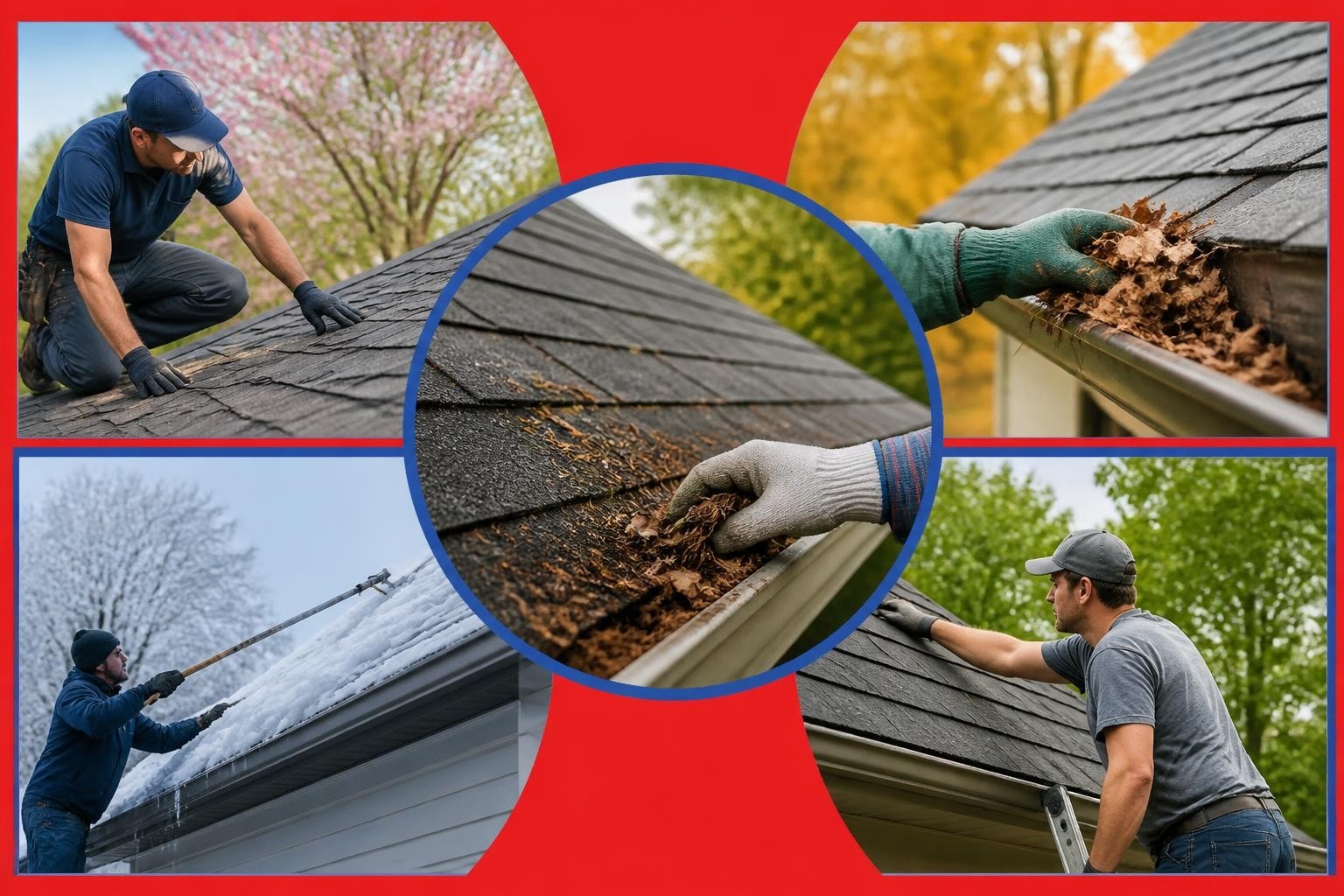
Spring represents the ideal time for comprehensive residential roof maintenance following winter's harsh conditions. Temperature fluctuations, ice dams, and snow accumulation can all compromise roofing materials during colder months.
- Remove winter debris including branches, leaves, and accumulated dirt
- Inspect shingles for damage from ice and freezing temperatures
- Check attic spaces for signs of moisture infiltration or inadequate ventilation
- Clear gutters and downspouts to ensure proper drainage during spring rains
- Examine flashing around chimneys and skylights for gaps or deterioration
The spring home maintenance checklist from Kiplinger emphasizes these roof care tasks as essential preparations for warmer months ahead.
Summer and Fall Preparations
Summer allows homeowners to address repairs identified during spring inspections, taking advantage of favorable weather conditions for maintenance work. Fall preparations focus on readying your roof for winter's challenges.
| Season | Primary Tasks | Key Focus Areas |
|---|---|---|
| Summer | Repairs, replacements, ventilation checks | Attic temperature, UV damage assessment |
| Fall | Gutter cleaning, debris removal, final inspections | Winter preparation, ice dam prevention |
| Winter | Snow removal, ice dam monitoring | Emergency leak response, ventilation |
Professional contractors like those at Great Roofing understand regional weather patterns and can recommend specific maintenance schedules based on local climate conditions in the Joliet area.
Identifying and Addressing Common Roofing Problems
Understanding common roofing issues helps homeowners recognize when professional intervention becomes necessary. This Old House provides a comprehensive guide on identifying and addressing common roof problems that every homeowner should understand.
Warning Signs That Require Immediate Attention
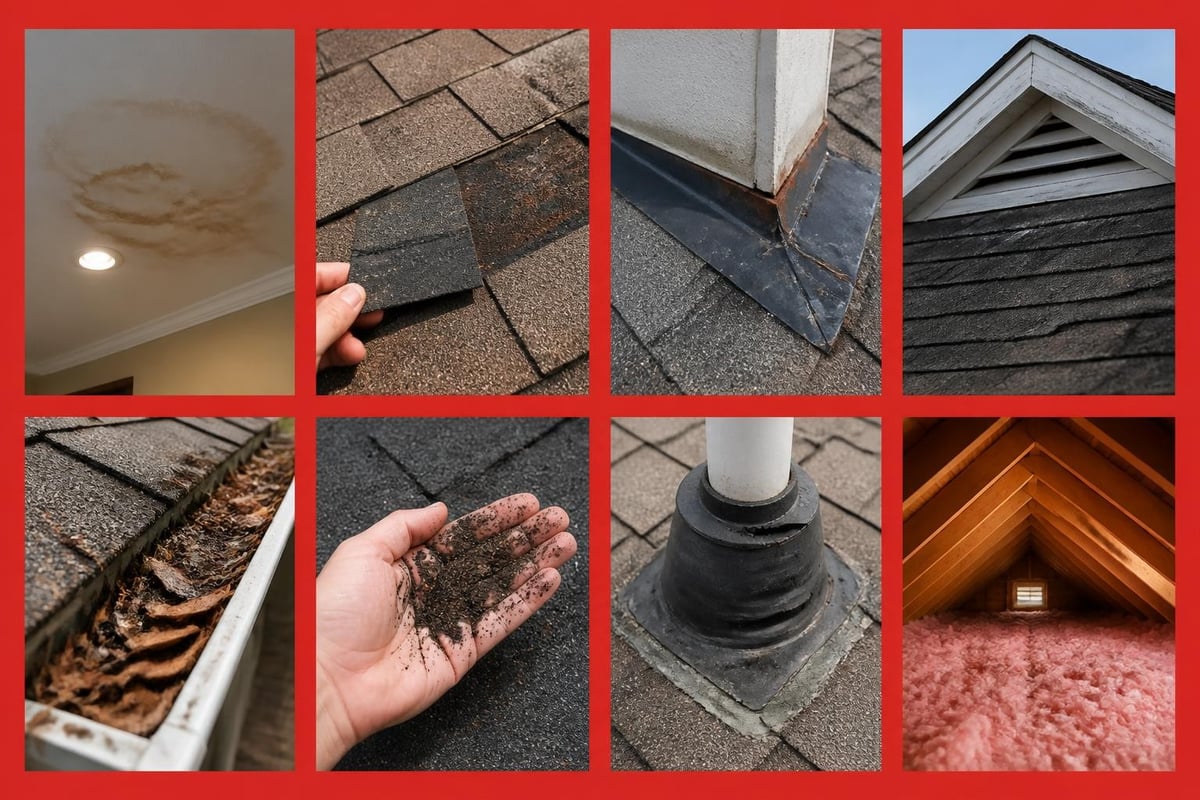
Certain symptoms indicate urgent problems that can rapidly worsen without intervention:
- Water stains on ceilings or walls suggesting active leaks
- Missing, cracked, or curling shingles exposing underlayment
- Granule accumulation in gutters indicating advanced shingle deterioration
- Sagging roof deck areas suggesting structural compromise
- Daylight visible through roof boards in attic spaces
Minor issues often escalate into major problems when ignored. A small leak can lead to extensive water damage, mold growth, and compromised structural integrity costing thousands more than early repairs would have required.
Preventable Issues Through Regular Maintenance
Many expensive roofing problems stem from neglected maintenance rather than material failure. Clogged gutters cause water backup that damages fascia boards, soffit, and roof edges. Overhanging tree branches scrape shingles during windstorms and deposit debris that retains moisture. Poor attic ventilation creates temperature imbalances that accelerate shingle aging and promote ice dam formation.
Homeowners who invest in quality roofing materials and professional installation establish a solid foundation for long-term performance, though even premium systems require consistent care.
Preventive Maintenance Strategies for Extended Roof Life
Proactive residential roof maintenance dramatically extends system lifespan while reducing lifetime ownership costs. Asphalt shingle roofs typically last 20 to 25 years with proper care but may fail in 15 years or less when neglected.
Essential Preventive Tasks
Regular cleaning prevents organic growth and debris accumulation that trap moisture against roofing materials. Moss, algae, and lichen not only create unsightly stains but also lift shingle edges and retain water that accelerates deterioration. Zinc or copper strips installed near ridge lines help prevent biological growth on susceptible roofs.
Trimming overhanging branches eliminates scraping damage and reduces debris accumulation. Branches should maintain at least six feet of clearance from roof surfaces to prevent contact during windstorms while reducing shade that promotes moss growth.
- Schedule professional cleanings every two to three years
- Keep gutters clear and functioning properly year-round
- Address small repairs immediately before they expand
- Maintain proper attic insulation and ventilation
- Document all maintenance activities for warranty purposes
The Role of Professional Maintenance Programs
Many roofing contractors offer maintenance programs that include scheduled inspections, priority service, and discounted repairs. These programs ensure consistent care while providing professional oversight that catches developing problems early.
Understanding roof replacement timing and costs helps homeowners budget appropriately and recognize when repair investments no longer make financial sense compared to full system replacement.
Gutter Maintenance as Part of Roof Care
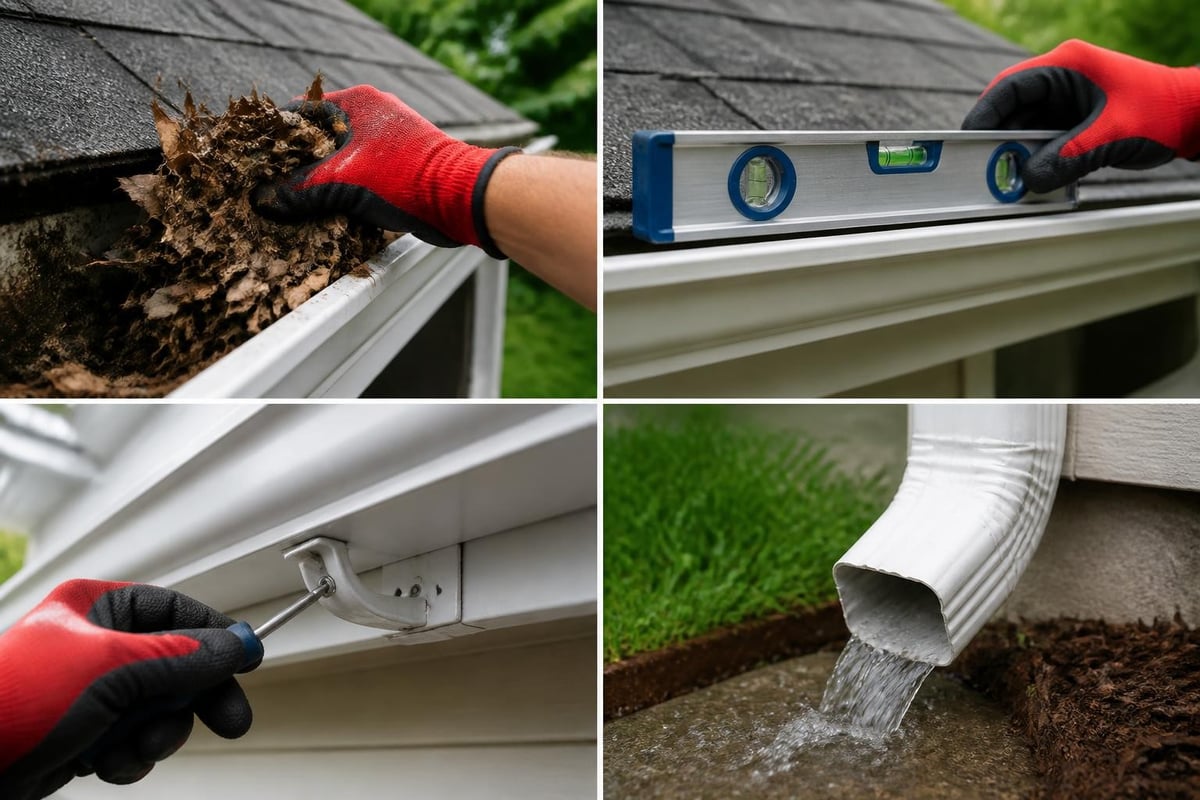
Gutter systems represent critical components of residential roof maintenance, directing water away from foundations, basements, and landscaping. Clogged or damaged gutters cause water to overflow, potentially damaging fascia boards, soffit panels, and roof edges while creating basement flooding risks.
Proper Gutter Care Techniques
Gutters require cleaning at least twice annually, with additional cleanings necessary for properties surrounded by mature trees. Spring and fall represent ideal timing, removing accumulated debris before heavy rain seasons.
- Remove large debris by hand using gloves for protection
- Flush remaining material using garden hose from highest point
- Check for proper slope ensuring water flows toward downspouts
- Examine fasteners and hangers replacing any loose or damaged components
- Verify downspout extensions direct water at least six feet from foundations
Professional gutter services include inspection of attachment points, seam integrity, and overall system function, addressing problems before they affect roofing components.
Storm Damage Assessment and Insurance Considerations
Severe weather events require immediate inspection to document damage for insurance purposes while preventing further deterioration. Hail, high winds, and falling debris can compromise roofing systems even when damage isn't immediately obvious from ground level.
Post-Storm Inspection Protocol
After significant weather events, conduct both exterior and interior inspections looking for these indicators:
| Location | Damage Signs | Action Required |
|---|---|---|
| Exterior | Dented vents, missing shingles, damaged flashing | Professional inspection, documentation |
| Attic | Water stains, daylight penetration, wet insulation | Immediate leak repair, moisture remediation |
| Interior | Ceiling stains, wall discoloration, dripping water | Emergency tarping, contractor contact |
Understanding how to handle storm damage insurance claims helps homeowners navigate the claims process effectively while maximizing coverage for legitimate damage.
Ventilation and Insulation Impact on Roof Longevity
Proper attic ventilation and insulation significantly impact roof performance and lifespan. Inadequate ventilation creates temperature extremes that accelerate shingle aging, promote ice dam formation, and increase energy costs through thermal transfer.
Balanced Ventilation Systems
Effective attic ventilation requires balanced intake and exhaust airflow. Soffit vents provide intake while ridge vents, gable vents, or powered fans facilitate exhaust. The standard recommendation calls for one square foot of ventilation per 150 square feet of attic space, with half dedicated to intake and half to exhaust.
Temperature monitoring helps identify ventilation problems. Attic temperatures should remain within 10 to 15 degrees of outdoor temperatures during warm months. Excessive heat indicates inadequate ventilation requiring professional evaluation.
Proper insulation works in conjunction with ventilation to regulate attic temperatures. Most residential applications require R-38 to R-60 insulation values depending on climate zone and local building codes.
Working Safely Around Your Roof
Residential roof maintenance requires careful attention to safety protocols. Falls from roofs represent serious injury risks that make professional service the prudent choice for most homeowners. Those who choose DIY inspections and minor maintenance must follow strict safety guidelines.
Safety Equipment and Procedures
- Use properly secured extension ladders extending three feet above roof line
- Wear rubber-soled shoes with good traction on dry surfaces only
- Never work on roofs during wet, icy, or windy conditions
- Consider safety harnesses and anchor points for steep-pitch roofs
- Keep someone informed of your activities and timeline
Many maintenance tasks can be accomplished from ladder positions without actually stepping onto roof surfaces. Binoculars, cameras, and inspection mirrors extend visual range without requiring roof access.
Professional contractors maintain comprehensive insurance coverage, safety training, and specialized equipment that make their services cost-effective compared to injury risks and potential damage from improper techniques.
Documentation and Warranty Protection
Maintaining detailed records of all residential roof maintenance activities, repairs, and inspections protects manufacturer warranties while providing valuable information for future owners. Most shingle manufacturers require proof of regular maintenance to honor warranty claims for premature failure.
Essential Documentation Elements
Create a roof maintenance file including:
- Original installation contracts and material specifications
- Warranty documents from manufacturers and contractors
- Dated photographs showing roof condition over time
- Inspection reports from professional evaluations
- Receipts for all repairs, cleanings, and maintenance services
Digital photographs taken from consistent positions during each inspection create visual timelines showing how conditions change over years. These images prove invaluable when filing insurance claims or negotiating with contractors about necessary repairs.
Understanding asphalt shingle warranties and pricing helps homeowners make informed decisions about material selection and maintenance investments that protect long-term value.
Regional Considerations for Joliet Homeowners
Climate conditions, weather patterns, and local building codes influence residential roof maintenance requirements. The Joliet area experiences significant temperature fluctuations, heavy snow loads, severe thunderstorms, and occasional hail events that impact roofing systems.
Local Weather Impact on Maintenance Needs
Freeze-thaw cycles common in Illinois cause expansion and contraction that stresses roofing materials and fasteners. Ice dams form when inadequate insulation allows heat transfer that melts snow on upper roof sections, with water refreezing at colder eaves and creating backup behind shingles.
Spring and summer severe weather brings high winds, heavy rain, and hail that can damage even well-maintained roofs. Homeowners should schedule post-storm inspections, particularly after hail events that may not cause immediately visible damage but compromise shingle integrity over time. For homeowners in regions like Finland where similar weather challenges exist, Remonttihaku.fi offers a useful platform for comparing renovation and repair contractors, making it easier to find qualified professionals for roof maintenance and repairs.
Winter snow removal requires caution to avoid damaging shingles while preventing excessive weight accumulation on roof structures. Professional snow removal services use proper techniques and equipment that protect roofing materials while ensuring safety.
Regular residential roof maintenance protects your investment, extends system lifespan, and prevents costly emergency repairs through proactive care and professional oversight. Whether you need routine inspections, seasonal maintenance, or emergency repairs, Great Roofing brings family-owned dedication and professional expertise to every project, serving Joliet homeowners with comprehensive roofing solutions tailored to local conditions and your specific needs.