


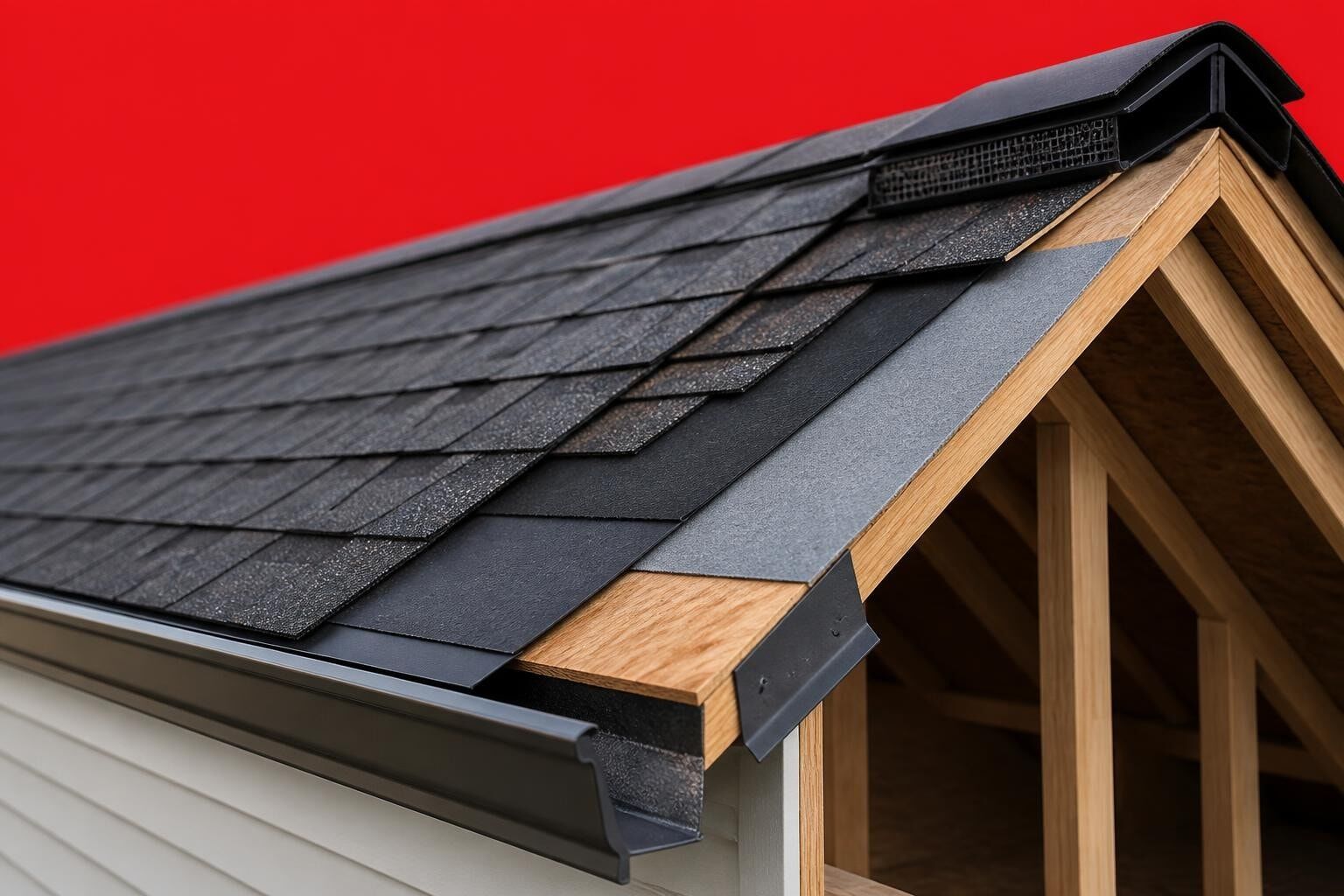
Residential shingle roofing remains the most popular choice for American homeowners in 2026, covering approximately 80 percent of all single-family homes across the country. This dominance stems from a combination of affordability, durability, aesthetic versatility, and proven performance in diverse climate conditions. Whether you're planning a complete roof replacement, evaluating storm damage, or simply researching options for a future project, understanding the fundamentals of shingle roofing systems will help you make informed decisions that protect your investment for decades to come.
Understanding Modern Asphalt Shingle Technology
Today's residential shingle roofing products represent a significant evolution from the simple three-tab designs that dominated the market decades ago. Modern asphalt shingles incorporate advanced material science, including modified asphalt formulations, glass-fiber reinforcement mats, and ceramic-coated granules that enhance UV resistance and color retention.
The manufacturing process follows strict industry standards, particularly the ASTM D3462 specification for glass-fiber-based asphalt shingles, which governs material composition, physical properties, and performance characteristics. These standards ensure consistent quality across manufacturers and provide contractors and homeowners with reliable benchmarks for comparing products.
Architectural vs. Three-Tab Shingles
The residential roofing market now divides primarily into two categories:
- Three-tab shingles: Budget-friendly, uniform appearance, typically 20-25 year lifespan
- Architectural (dimensional) shingles: Enhanced aesthetic depth, improved wind resistance, 30-50 year warranties
- Luxury or designer shingles: Premium appearance mimicking slate or wood shake, highest performance ratings
Architectural shingles have captured the majority of the market share because they offer substantially better performance at a modest price premium. Their multi-layer construction creates shadow lines that add visual interest while improving wind resistance and durability. The asphalt shingle product and test standards maintained by ARMA provide detailed guidance on these product classifications and testing protocols.

Critical Performance Factors for Residential Applications
When evaluating residential shingle roofing options, homeowners must consider multiple performance dimensions beyond simple aesthetics. Each characteristic directly impacts long-term value, maintenance requirements, and overall system longevity.
Wind Resistance Ratings
Wind damage represents one of the most common causes of premature roof failure. Modern shingles undergo rigorous testing according to the ASTM D3161 wind-resistance standard, which simulates sustained wind speeds and measures the product's ability to resist uplift and tearing. Products typically receive ratings of:
| Wind Rating | Sustained Speed | Application Zone |
|---|---|---|
| Class D (60 mph) | Basic residential | Low-wind areas |
| Class G (90 mph) | Enhanced residential | Moderate exposure |
| Class H (150 mph) | High-wind rated | Coastal, severe weather zones |
For properties in the Joliet area and throughout northern Illinois, Class G rated shingles provide excellent protection against the region's severe thunderstorms and occasional straight-line winds. Great Roofing’s residential roofing services emphasize proper installation techniques that maximize the wind-resistance capabilities of quality shingle products.
Impact Resistance and Hail Performance
Illinois homeowners face regular hail exposure, making impact resistance a crucial consideration. The Insurance Institute for Business & Home Safety research on asphalt shingle durability demonstrates that impact-rated products significantly reduce damage from hail events. Shingles receive UL 2218 impact ratings from Class 1 (lowest) through Class 4 (highest), with Class 4 products capable of withstanding two-inch diameter ice ball impacts without cracking or granule loss.
Beyond protection benefits, many insurance companies offer premium discounts for Class 4 impact-resistant shingles, potentially offsetting the additional material cost over the roof's lifespan. When evaluating storm damage repair options, upgrading to impact-resistant products often makes excellent financial sense.
Installation Best Practices and Workmanship Standards
Even premium residential shingle roofing will underperform if installation quality falls short. Professional workmanship encompasses proper substrate preparation, precise fastening patterns, meticulous flashing details, and adherence to manufacturer specifications that preserve warranty coverage.
The NRCA roofing guidelines provide comprehensive installation protocols developed jointly with industry manufacturers. These technical resources cover every aspect of steep-slope roofing application, from deck inspection through final ridge detailing.
Deck Preparation and Underlayment Selection
A successful shingle installation begins with a solid, properly prepared roof deck:
- Deck inspection: Identify and replace damaged or deteriorated sheathing panels
- Fastener security: Ensure all sheathing fasteners are flush and properly secured
- Edge metal installation: Apply drip edge along eaves before underlayment
- Underlayment application: Install high-quality synthetic or felt underlayment with proper overlap
- Valley preparation: Apply enhanced protection in critical water concentration areas
- Eave protection: Install ice and water barrier in areas prone to ice damming
Modern synthetic underlayments offer superior tear resistance and extended UV exposure capability compared to traditional felt products. These advanced membranes provide enhanced protection during installation delays and improved long-term performance as a secondary water barrier.
Fastening Patterns and Shingle Alignment
Proper fastener placement directly impacts wind resistance and long-term weathertightness. Each shingle requires a minimum of four fasteners (six in high-wind zones) positioned within the manufacturer's specified nailing zone. Overdriven or underdriven fasteners compromise the seal and create potential leak points.
Critical fastening requirements include:
- Fasteners driven perpendicular to deck surface
- Nail heads flush with shingle surface (not breaking or dimpling)
- Proper penetration depth into solid deck material
- Correct lateral spacing across shingle width
- Strategic placement to secure underlying shingle tabs
Experienced contractors understand that rushing installation or cutting corners on fastening invariably leads to callbacks and premature failures that damage both reputation and profitability.
Energy Efficiency and Cool Roofing Technology
As energy costs continue rising and environmental awareness grows, homeowners increasingly evaluate residential shingle roofing through an efficiency lens. Traditional dark shingles absorb substantial solar radiation, increasing attic temperatures and driving up cooling costs during summer months.
Cool roofing technology addresses this challenge through specially formulated granules that reflect more solar energy while maintaining attractive dark color options. The ENERGY STAR cool roofs program certifies products meeting specific solar reflectance and thermal emittance thresholds, helping homeowners identify options that reduce surface temperatures by 10-25 degrees Fahrenheit compared to conventional products.
Quantifying Energy Savings
The actual energy savings from cool roofing products vary based on multiple factors:
| Factor | Impact on Savings |
|---|---|
| Climate zone | Higher savings in cooling-dominated climates |
| Attic insulation level | Well-insulated attics see reduced benefit |
| Roof pitch | Steeper slopes receive more direct solar exposure |
| HVAC efficiency | Newer systems maximize temperature reduction benefits |
For northern Illinois properties, cool roofing delivers moderate summer cooling savings while potentially increasing winter heating costs slightly. A comprehensive energy analysis helps homeowners determine whether the technology makes financial sense for their specific situation. The asphalt shingle roofing experts at Great Roofing can guide you through these cost-benefit considerations.
Maintenance Requirements and Lifespan Optimization
Residential shingle roofing requires minimal maintenance compared to many other steep-slope systems, but proactive care significantly extends service life and prevents small issues from escalating into major problems. A strategic maintenance program includes regular inspections, prompt minor repairs, and preventive measures that address common failure modes.
Annual Inspection Protocols
Professional roof inspections should occur at least annually, ideally in spring after winter weather and again in fall before severe weather season. These examinations identify:
- Loose, damaged, or missing shingles requiring replacement
- Compromised flashing around chimneys, vents, and valleys
- Granule loss indicating advanced weathering
- Moss or algae growth requiring treatment
- Deteriorated sealant at penetrations
- Damaged or inadequate ventilation components
Homeowners can also perform basic visual inspections from ground level using binoculars, watching for obvious damage, debris accumulation, or vegetation growth. However, walking on shingle roofs risks damage and personal injury, making professional inspections the safer, more thorough approach.
When working with roofing insurance claims, thorough documentation of pre-existing conditions and regular maintenance records strengthen claim positions and demonstrate responsible property stewardship.
Common Failure Modes and Prevention
Understanding how residential shingle roofing typically fails helps homeowners and contractors implement targeted prevention strategies:
- Wind uplift: Ensure proper fastening and use starter strips along rakes and eaves
- Ice damming: Maintain adequate attic insulation and ventilation to prevent melting
- Thermal cycling: Select products rated for local temperature extremes
- UV degradation: Consider reflective products in high sun exposure areas
- Biological growth: Apply zinc or copper strips to inhibit moss and algae
- Mechanical damage: Trim overhanging branches and avoid foot traffic
The Home Innovation Research Labs conducts long-term field studies tracking how various shingle products perform under real-world conditions, providing valuable insights into aging patterns and failure mechanisms that inform both manufacturing improvements and maintenance best practices.
Selecting the Right Product for Your Property
The residential shingle roofing market offers hundreds of products across dozens of manufacturers, creating both opportunity and confusion for homeowners planning roof replacements. A systematic selection process considers performance requirements, aesthetic preferences, budget constraints, and long-term value rather than simply choosing the lowest bid.
Warranty Coverage and Fine Print
Shingle warranties typically include two distinct components: a material defect warranty from the manufacturer and a workmanship warranty from the installing contractor. Material warranties range from 20 years to lifetime coverage, but critical details hide within the fine print.
Key warranty considerations include:
- Prorated vs. non-prorated periods: Most warranties transition to prorated coverage after 10-15 years
- Transferability: Some warranties become void upon property sale
- Wind coverage limitations: Enhanced wind warranties often require special installation procedures
- Algae resistance: Certain products include algae-resistance guarantees
- Required maintenance: Failure to maintain proper ventilation may void coverage
Quality contractors stand behind their work with comprehensive workmanship warranties, typically ranging from 5 to 10 years. When hiring roofing contractors, verify both their licensing and insurance coverage alongside warranty terms to ensure complete protection.
Color and Style Selection Strategy
While performance characteristics drive technical specifications, aesthetic factors ultimately influence many purchasing decisions. Modern residential shingle roofing products offer extraordinary color variety, from traditional earth tones to bold designer options that complement diverse architectural styles.
Consider these aesthetic factors:
- Architectural style compatibility: Traditional homes suit classic colors while contemporary designs allow bolder choices
- Climate appropriateness: Lighter colors reflect heat in warm climates; darker shades absorb warmth in cold regions
- Neighborhood context: Extreme departures from surrounding homes may impact resale value
- Fade resistance: Premium products maintain color integrity better than budget options
- Dimensional appearance: Thicker, more textured products create enhanced curb appeal
The Consumer Reports roofing buying guide provides independent testing results and ratings that help homeowners compare products objectively beyond marketing claims.
Code Compliance and Above-Code Performance Standards
Building codes establish minimum requirements for residential shingle roofing systems, addressing factors like wind resistance, fire rating, and installation methods. However, minimum code compliance rarely represents optimal performance, particularly in regions facing severe weather exposure or for homeowners prioritizing long-term durability.
Fire Ratings and Wildfire Considerations
Asphalt shingles receive fire ratings from Class A (highest) through Class C (lowest), based on their resistance to external fire exposure. Most modern products achieve Class A ratings through fire-retardant treatments and fiberglass reinforcement, meeting code requirements across virtually all jurisdictions.
For properties in wildfire-prone areas or seeking maximum protection, additional considerations include:
| Enhancement | Benefit | Application |
|---|---|---|
| Impact-resistant products | Better hail/debris protection | All severe weather zones |
| High-wind rated shingles | Enhanced wind performance | Coastal and plains regions |
| Cool roofing technology | Lower surface temperatures | Wildfire interface areas |
| Metal drip edge | Prevents ember infiltration | Eave and rake edges |
FORTIFIED Home Standards
The FORTIFIED construction standards developed by IBHS provide above-code guidance for resilient residential construction, including specific requirements for enhanced roof systems. FORTIFIED Home designations (Bronze, Silver, Gold) require progressively more stringent construction techniques, with roof system requirements forming the foundation of all levels.
FORTIFIED roofs incorporate sealed roof decks, enhanced attachment patterns, and reinforced flashing details that substantially improve performance during hurricanes, severe thunderstorms, and hail events. While initially more expensive than code-minimum construction, FORTIFIED roofs deliver measurable insurance savings and superior durability that typically provides positive return on investment.
Contractor Selection and Project Management
The quality of residential shingle roofing installation depends as much on contractor competence and professionalism as on product selection. A systematic contractor evaluation process protects homeowners from substandard work, cost overruns, and warranty complications that plague poorly managed projects.
Essential Contractor Qualifications
Legitimate roofing contractors maintain proper licensing, comprehensive insurance coverage, and established business operations that demonstrate stability and accountability. Before signing any contract, verify:
- Licensing: Confirm valid contractor license for your jurisdiction
- Insurance: Request certificates for general liability and workers' compensation
- References: Contact multiple recent customers about their experiences
- Financial stability: Research business history and Better Business Bureau ratings
- Manufacturer certifications: Verify status as certified installer for preferred products
- Local presence: Prioritize established local businesses over traveling storm chasers
Working with established contractors like Great Roofing in Mokena and throughout the Joliet area ensures access to local expertise, reliable warranty support, and contractors invested in long-term customer relationships rather than quick profits.
Contract Elements and Payment Structures
Comprehensive written contracts protect both homeowners and contractors by clearly establishing scope, timeline, payment terms, and responsibilities. Essential contract elements include:
- Detailed scope of work: Specific products, quantities, and installation procedures
- Material specifications: Brand names, product lines, colors, and warranty terms
- Project timeline: Start date, completion deadline, and weather delay provisions
- Payment schedule: Deposit amount, progress payments, and final payment terms
- Debris removal: Responsibility for cleanup and disposal of old materials
- Warranty documentation: Both material and workmanship warranty details
Avoid contractors demanding full payment upfront or offering suspiciously low bids that likely indicate corner-cutting or future change orders. Reasonable payment structures typically include a modest deposit (10-25 percent), progress payments as work advances, and final payment upon satisfactory completion and inspection.
Residential shingle roofing continues evolving through improved materials, enhanced testing standards, and refined installation techniques that deliver superior performance and extended service life. By understanding product options, performance characteristics, and installation best practices, homeowners can make informed decisions that protect their properties for decades. Great Roofing brings three generations of family roofing expertise to every project throughout the Joliet area, combining technical knowledge with commitment to customer satisfaction that has built our reputation as the region's trusted roofing partner.