

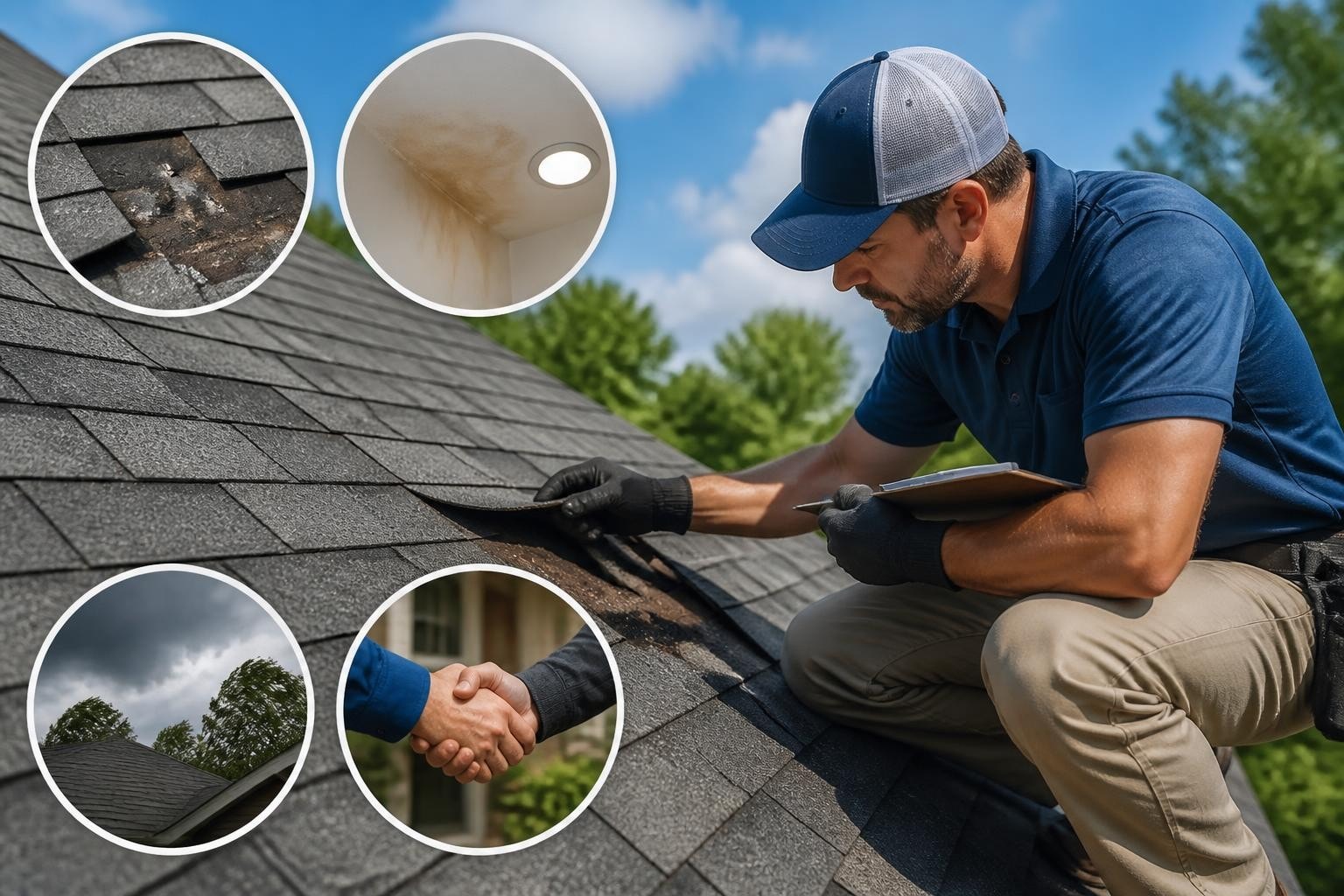
When your roof shows signs of damage, the urgency to find qualified professionals becomes paramount. Whether you're dealing with storm aftermath, age-related deterioration, or sudden leaks, searching for "roof damage repair near me" connects you with local experts who understand regional weather patterns and building codes. The condition of your roof directly impacts your property's value, energy efficiency, and structural integrity. Understanding how to identify damage, what repair options exist, and how to select the right contractor ensures your investment receives proper protection and expert care.
Recognizing Common Types of Roof Damage
Different weather events and environmental factors create distinct damage patterns that require specific repair approaches. Understanding these variations helps property owners make informed decisions when seeking roof damage repair near me services.
Storm-Related Impact Damage
High winds can lift and tear shingles, leaving your roof vulnerable to water intrusion. Hail damage creates distinctive bruising on asphalt shingles, reducing their protective capabilities even when no obvious holes appear. Storm damage requires immediate assessment to prevent secondary water damage to your home's interior.
Heavy rainfall often reveals pre-existing weaknesses through leaks and water stains. When combined with wind, storms can dislodge flashing around chimneys, vents, and valleys. Debris accumulation during severe weather blocks drainage systems, leading to standing water that accelerates deterioration.
Common storm damage indicators include:
- Missing or torn shingles in concentrated areas
- Granule loss exposing the underlying asphalt
- Dented or damaged metal flashing
- Cracked or broken tiles on clay or concrete roofs
- Punctures from falling branches or debris
Age and Weather-Related Deterioration
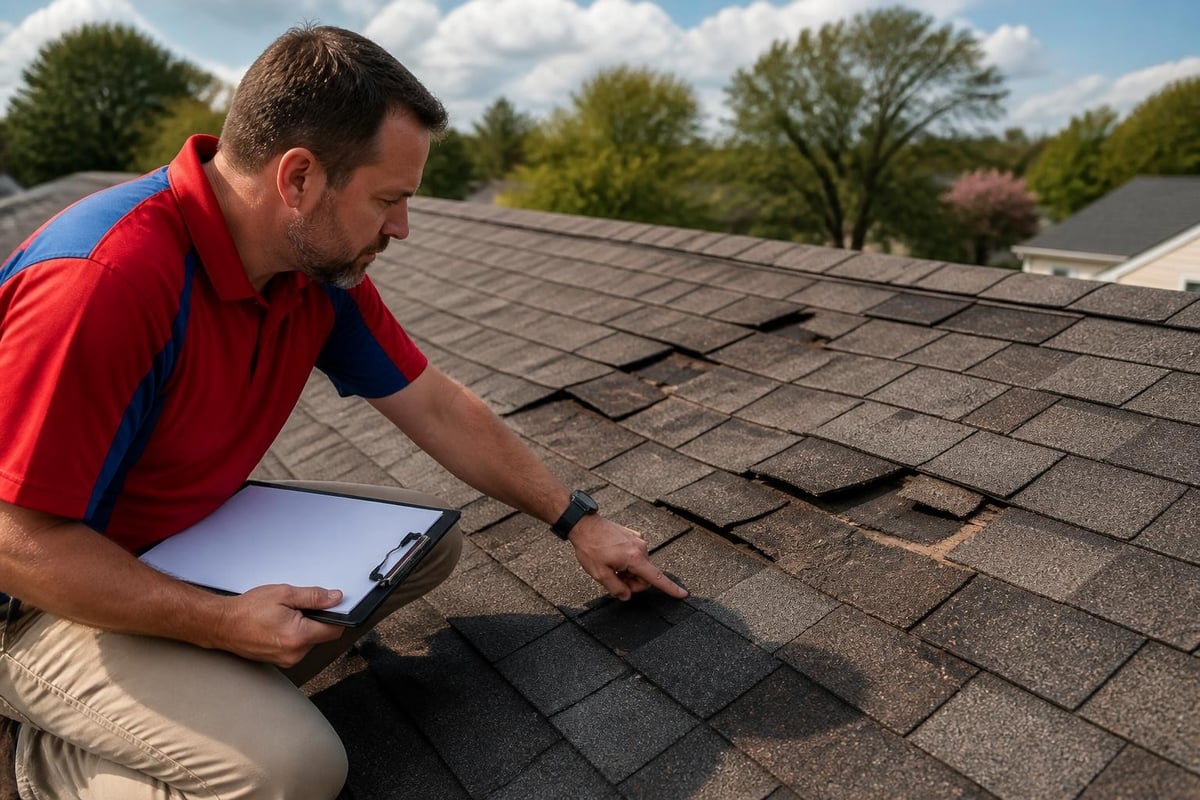
Every roofing material has a finite lifespan that environmental exposure gradually diminishes. Asphalt shingles typically last 20-30 years, but extreme temperature fluctuations accelerate aging. UV radiation breaks down protective oils, causing shingles to become brittle and crack.
The freeze-thaw cycle in regions like Joliet creates expansion and contraction that loosens fasteners and separates materials. Winter ice dams can cause significant structural issues when melting snow refreezes at roof edges, forcing water under shingles.
| Deterioration Type | Timeline | Warning Signs |
|---|---|---|
| Shingle Curling | 15-20 years | Edges lifting, corners turning upward |
| Granule Loss | 10-15 years | Bare spots, excessive granules in gutters |
| Flashing Failure | 20-25 years | Rust, separation from roof surface |
| Decking Rot | Variable | Sagging, soft spots, visible damage |
Evaluating When to Repair Versus Replace
The decision between repair and replacement depends on multiple factors including damage extent, roof age, and long-term cost considerations. Making the right choice prevents unnecessary expenses while ensuring adequate protection.
Damage Assessment Criteria
Professional contractors evaluate several key metrics when determining repair feasibility. Localized damage affecting less than 30% of the roof surface typically qualifies for targeted repairs. When damage spreads across multiple sections or compromises structural elements, replacement becomes more economical.
A roof approaching the end of its expected lifespan rarely justifies extensive repairs. If your asphalt shingles have surpassed 20 years, investing in repairs only delays inevitable replacement. For those researching asphalt shingle pricing, understanding material costs helps frame the repair-versus-replace decision.
Consider replacement when:
- Multiple leak locations exist simultaneously
- Shingles show widespread curling or buckling
- Previous repairs have failed repeatedly
- Roof age exceeds 80% of expected lifespan
- Energy costs have increased due to heat loss
Cost-Benefit Analysis for Homeowners
Immediate repair costs appear lower than replacement, but frequent repairs accumulate quickly. Calculate total maintenance expenses over the next five years to determine the most economical path forward. Factor in energy efficiency improvements that new roofing materials provide.
Insurance coverage significantly impacts financial decisions. Filing a storm damage insurance claim may cover replacement costs that repairs wouldn't address comprehensively. Working with contractors experienced in insurance processes ensures proper documentation and claim support.
Finding Qualified Local Roofing Contractors
Selecting the right professional for roof damage repair near me searches requires careful vetting and research. The contractor you choose directly impacts repair quality, timeline, and long-term performance.
Essential Credentials and Qualifications
License verification confirms a contractor meets state and local requirements for roofing work. Illinois requires specific licensing for roofing contractors, protecting consumers from unqualified operators. Insurance coverage including general liability and workers' compensation protects property owners from financial liability if accidents occur.
Manufacturer certifications demonstrate expertise with specific roofing systems. Contractors certified by major shingle manufacturers like GAF, CertainTeed, or Owens Corning receive ongoing training and can offer enhanced warranties. When evaluating local roofing experts, these certifications indicate commitment to professional development.
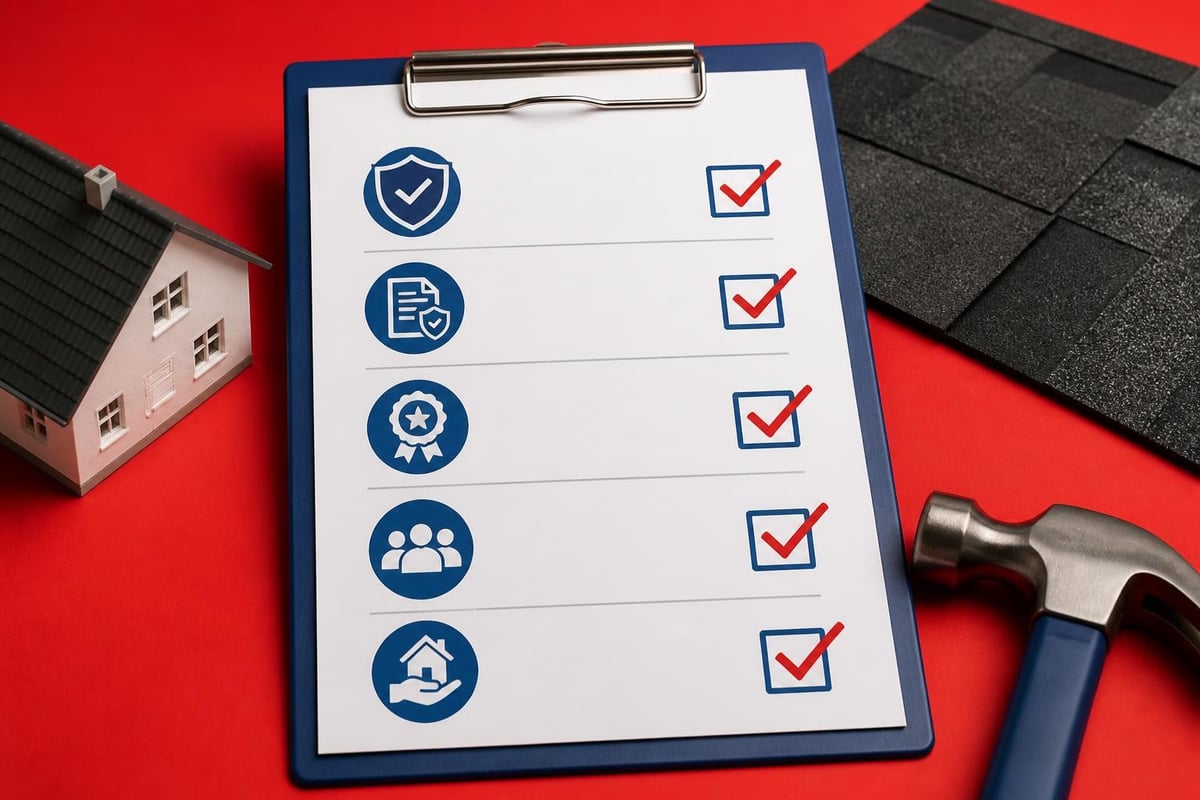
- Verify active business license with local authorities
- Confirm current insurance certificates directly with providers
- Check Better Business Bureau ratings and complaint history
- Review manufacturer certifications for your roof type
- Examine online reviews across multiple platforms
Red Flags and Warning Signs
Avoid contractors who pressure immediate decisions or offer prices significantly below market rates. Storm chasers follow severe weather events, providing substandard work before disappearing. Legitimate contractors maintain permanent local offices and long-term community presence.
Requests for full payment upfront indicate potential fraud. Standard practice involves initial deposits of 10-30%, progress payments tied to completion milestones, and final payment upon satisfactory inspection. Written contracts should detail materials, timeline, payment schedule, and warranty terms.
| Warning Sign | Why It Matters | Proper Alternative |
|---|---|---|
| No physical address | Difficult to pursue if problems arise | Established local office |
| Cash-only payments | No paper trail for accountability | Check or credit card |
| Verbal estimates only | No legal protection for agreed terms | Detailed written contract |
| Unmarked vehicles | Suggests temporary, fly-by-night operation | Professional branding |
Understanding the Repair Process and Timeline
Knowing what to expect during roof damage repair near me projects helps property owners prepare appropriately and recognize quality workmanship. Professional contractors follow systematic approaches that ensure thorough, lasting repairs.
Initial Inspection and Documentation
Comprehensive assessments begin with interior examination for water stains, mold, or structural damage. Exterior inspection identifies visible damage, evaluates flashing integrity, and checks ventilation systems. Regular roof inspections catch problems before they require emergency repairs.
Contractors document findings with photographs, measurements, and detailed notes supporting repair recommendations. This documentation proves essential for insurance claims and provides baseline comparisons for future maintenance. Thermal imaging technology detects hidden moisture that visual inspection misses.
Professional inspection includes:
- Shingle condition across all roof planes
- Flashing around penetrations and transitions
- Gutter and drainage system functionality
- Attic ventilation adequacy
- Decking integrity and support structure
Repair Execution and Quality Standards
Weather conditions dictate scheduling, as most roofing materials require dry conditions for proper installation. Temperatures affect adhesive activation and sealant performance. Professional contractors monitor forecasts and adjust schedules to ensure optimal working conditions.
Material matching presents challenges for partial repairs, especially on older roofs where exact replacements may be discontinued. Experienced contractors source compatible materials or strategically replace sections to maintain aesthetic consistency. When performing hail storm roof repair, matching existing shingles becomes particularly important for insurance purposes.
Work crews protect landscaping, windows, and surrounding property during repairs. Magnetic sweepers collect fallen nails, and tarps shield plants from debris. Quality contractors leave properties cleaner than they found them, removing all materials and conducting thorough site cleanup.
Preventive Maintenance to Minimize Future Damage
Proactive care extends roof lifespan and reduces emergency repair frequency. Establishing maintenance routines identifies developing issues before they require extensive intervention.
Seasonal Inspection Protocols
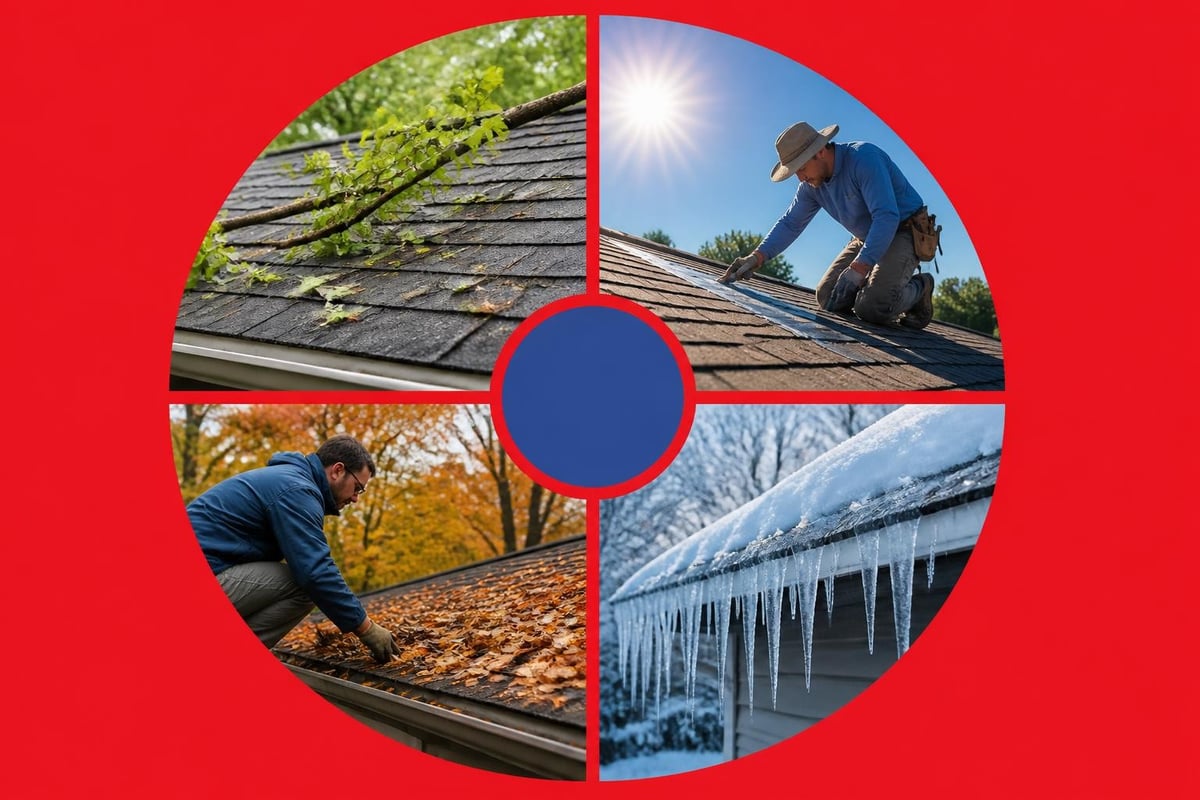
Spring assessments should occur after winter weather subsides, checking for ice dam damage, loose shingles, and drainage issues. Spring maintenance checklists help homeowners systematically address seasonal concerns. Clear debris from gutters and valleys to ensure proper water flow.
Fall preparations before winter arrival involve removing leaves, trimming overhanging branches, and verifying flashing integrity. Check attic ventilation to prevent ice dam formation during cold months. Professional residential roof maintenance programs provide scheduled inspections that catch problems early.
- Clean gutters and downspouts quarterly
- Trim tree branches maintaining six-foot clearance
- Inspect attic for moisture or ventilation issues
- Check flashing around chimneys and vents
- Document roof condition with dated photographs
Minor Repairs Homeowners Can Address
Simple maintenance tasks don't require professional intervention. Replacing individual loose or missing shingles prevents water infiltration when addressed promptly. Basic repair techniques help homeowners handle minor issues confidently.
Resealing exposed nail heads and small flashing gaps with roofing cement provides temporary protection. However, extensive caulking suggests underlying problems requiring professional assessment. Apply sealants sparingly and only to appropriate locations, as overuse traps moisture and accelerates deterioration.
DIY-appropriate tasks include:
- Applying roofing cement to small cracks
- Replacing missing individual shingles
- Cleaning debris from valleys and gutters
- Checking and resealing pipe boot flashings
- Monitoring for new stains or damage
When to Call Professionals Immediately
Certain situations demand immediate expert intervention regardless of homeowner skill level. Active leaks during rainfall require emergency response to prevent interior damage. Water intrusion compromises insulation, drywall, and electrical systems rapidly.
Structural concerns like sagging roof sections or visible decking damage indicate serious problems affecting building integrity. Attempting DIY repairs on structural issues risks personal safety and may void insurance coverage. Professional contractors have equipment, training, and insurance for safe high-elevation work.
Material Selection for Repair Projects
Choosing appropriate materials ensures repairs blend seamlessly with existing roofing and provide lasting protection. Material compatibility affects both performance and aesthetics.
Matching Existing Roof Systems
Asphalt shingles dominate residential roofing in the Joliet area, offering cost-effectiveness and versatility. When repairing shingle roofs, matching manufacturer, style, and color maintains uniform appearance. Discontinued products require creative solutions like strategic replacement of visible sections with current alternatives.
For commercial properties using modified bitumen systems, patch repairs must use compatible materials from the same manufacturer. Mixing different bitumen formulations creates adhesion problems and potential failure points. Understanding commercial roofing material requirements prevents compatibility issues.
| Material Type | Average Lifespan | Best Applications | Repair Difficulty |
|---|---|---|---|
| 3-Tab Asphalt | 20-25 years | Budget-conscious residential | Easy |
| Architectural Shingles | 25-30 years | Standard residential | Moderate |
| Modified Bitumen | 20-25 years | Low-slope commercial | Moderate |
| Metal Panels | 40-70 years | Commercial and residential | Difficult |
Quality Considerations and Warranties
Premium materials cost more initially but deliver superior longevity and weather resistance. Impact-resistant shingles earn insurance discounts in hail-prone areas while providing enhanced protection. Consider total cost of ownership including maintenance requirements and replacement frequency.
Manufacturer warranties vary significantly in coverage terms and transferability. Quality materials often include 50-year limited warranties, though actual coverage decreases over time. Contractor workmanship warranties should guarantee installation quality for minimum five years. The selection of best asphalt roof shingles balances performance, aesthetics, and budget.
Regional Considerations for Joliet Homeowners
Local climate patterns and building codes influence repair approaches and material selection. Understanding regional factors ensures repairs withstand area-specific challenges.
Weather Pattern Impacts
Illinois experiences temperature extremes ranging from sub-zero winters to 90-degree summers. This thermal cycling stresses roofing materials through constant expansion and contraction. Wind speeds during spring and fall storms frequently exceed 50 mph, testing fastener integrity and shingle adhesion.
Freeze-thaw cycles create unique challenges as moisture penetrates small cracks, freezes, and expands, enlarging damage. Selecting materials rated for temperature extremes prevents premature failure. Proper attic insulation and ventilation moderates temperature differentials that accelerate aging.
Heavy snow loads during winter months stress roof structures, particularly on older buildings with lower design specifications. Accumulated snow should be professionally removed when depths exceed twelve inches to prevent structural damage. Understanding local weather patterns helps property owners anticipate repair needs.
Building Code Compliance
Local building departments enforce specific requirements for roofing work ensuring structural adequacy and fire safety. Permit requirements vary by project scope, with extensive repairs often requiring inspection. Working with licensed contractors familiar with local codes prevents compliance issues that complicate future property transactions.
Wind uplift ratings must meet minimum standards based on regional wind speeds and building height. Illinois building codes reference International Building Code provisions with local amendments. Proper installation techniques including adequate fastener quantity and placement ensure code compliance and optimal performance.
Protecting your roof investment requires vigilance, timely intervention, and partnership with qualified professionals who understand both roofing systems and local conditions. Regular inspections, prompt repairs, and quality materials form the foundation of long-term roof performance. When you need expert roof damage repair near me services, Great Roofing brings decades of family-owned experience to every project, combining technical expertise with personalized service that puts your property's protection first.