

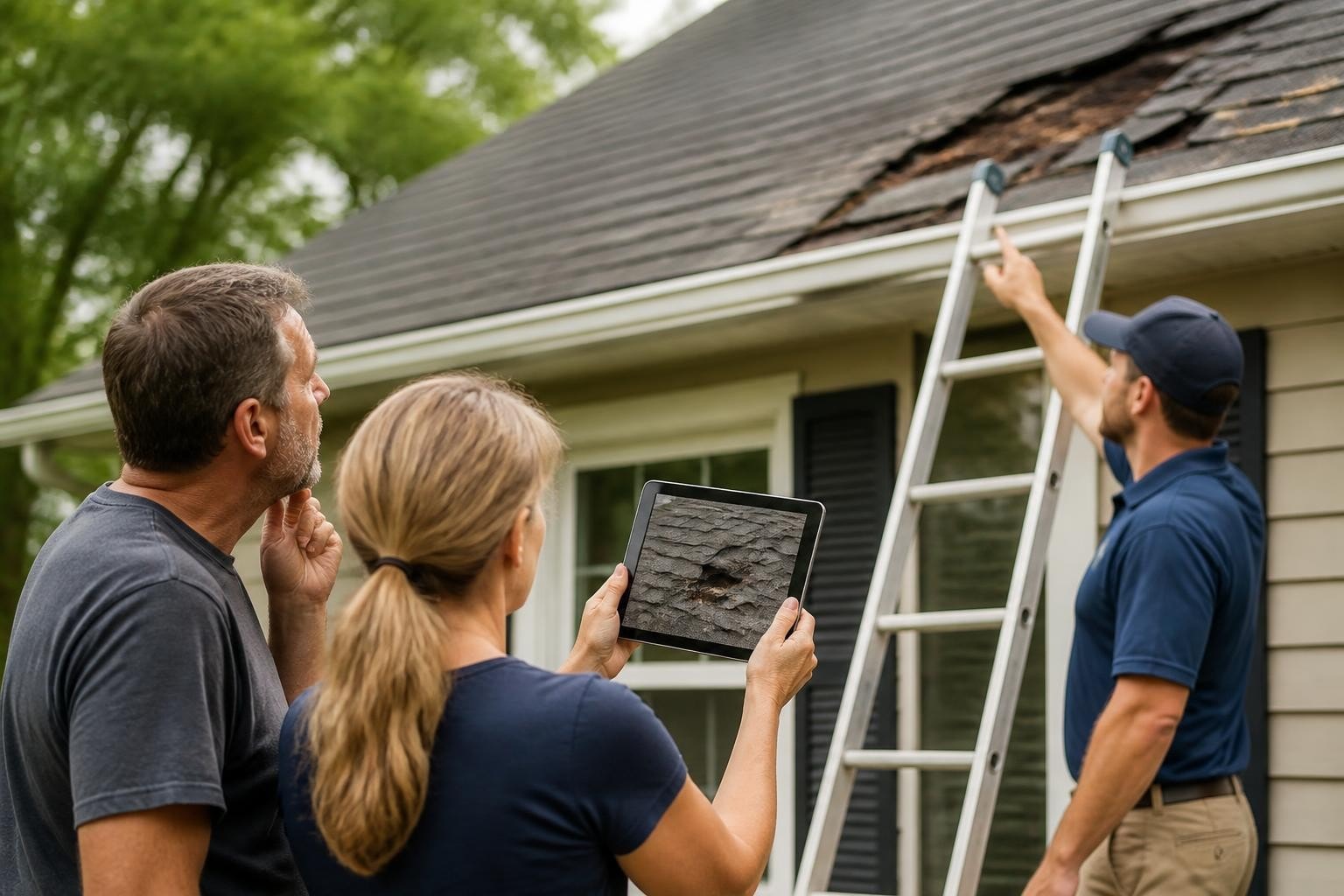
When severe weather strikes Joliet and surrounding areas, property owners often face the stressful reality of a roof damaged by storm activity. Whether high winds, hail, or heavy rain has compromised your roofing system, knowing how to respond quickly and effectively can mean the difference between a minor repair and extensive structural damage. Understanding the signs of storm damage, the inspection process, and your options for repair or replacement helps you protect your investment and restore your home's protective barrier efficiently.
Identifying Storm Damage to Your Roof
After severe weather passes through your area, conducting a thorough assessment helps you determine whether your roof has sustained damage. A roof damaged by storm conditions may not always show obvious signs from the ground level, making careful observation essential.
Visual Indicators from Ground Level
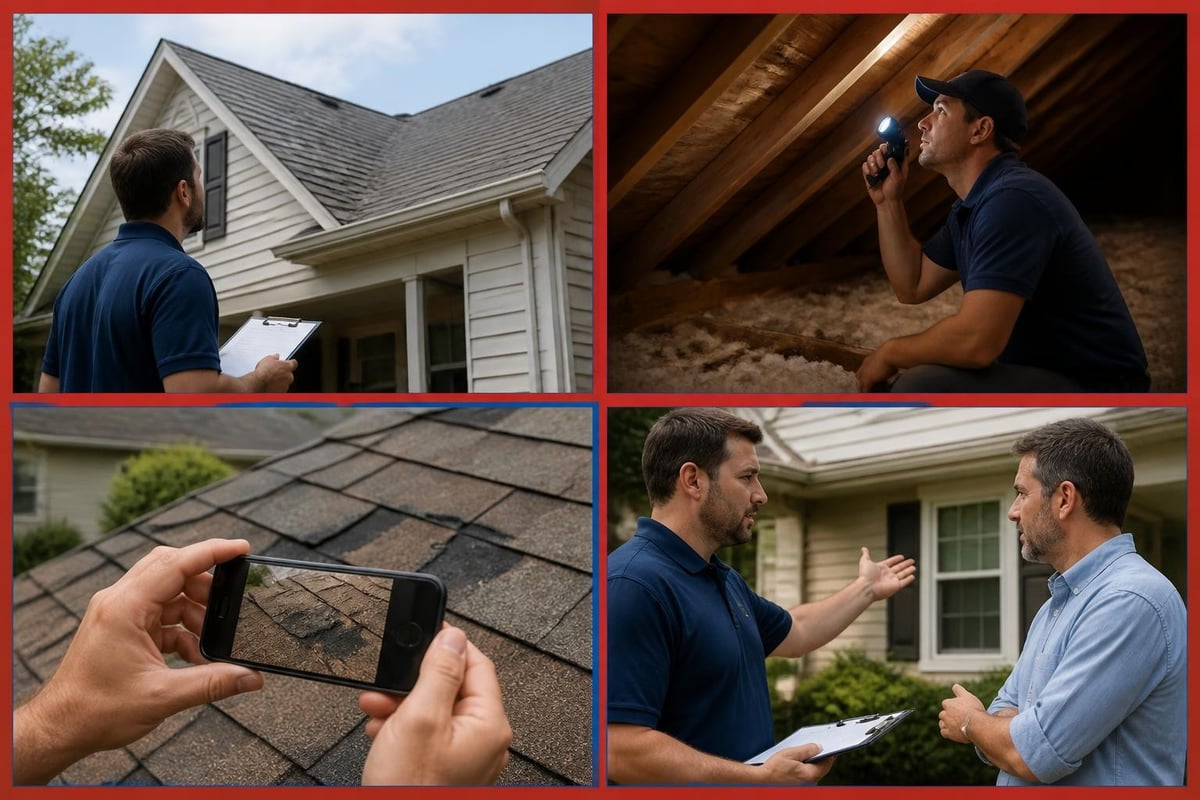
Start your inspection from the safety of the ground. Look for missing, cracked, or curling shingles that may have been lifted by strong winds. Check your gutters and downspouts for granules from asphalt shingles, which indicate surface wear from hail impact. Dented or damaged vents, flashing around chimneys, and displaced ridge caps are common signs that warrant professional evaluation.
Key warning signs include:
- Shingle fragments scattered in your yard
- Dents on metal components like vents or gutters
- Exposed underlayment or decking
- Sagging areas that suggest structural compromise
- Water stains on interior ceilings or walls
For a comprehensive approach to identifying different types of damage, the roof storm damage checklist from Owens Corning provides detailed guidance on what to look for after severe weather events.
Interior Warning Signs
Don't limit your inspection to exterior observations. Interior damage often reveals problems that aren't visible from outside. Check your attic for daylight penetrating through the roof boards, water stains on rafters, or wet insulation. These indicators suggest your roof damaged by storm activity has developed leaks that require immediate attention.
Common Types of Storm Damage
Understanding the specific ways different weather events affect roofing systems helps you communicate effectively with contractors and insurance adjusters. Each type of storm creates distinct damage patterns that require specialized repair approaches.
Wind Damage Characteristics
High winds generate uplift forces that test the integrity of your shingle installation. Wind speeds exceeding 50 mph can tear off properly installed shingles, while sustained winds create a peeling effect starting from roof edges and corners. Modern shingles are rated for specific wind resistance, but older installations or improper installation techniques increase vulnerability. Our storm damage repair services address all wind-related issues, from minor shingle replacement to complete system rehabilitation.
Hail Impact Damage
Hail creates unique damage patterns depending on size, density, and impact velocity. Small hail may only remove granules, creating cosmetic concerns that eventually compromise shingle longevity. Larger hail stones fracture the shingle mat, creating immediate vulnerabilities to water infiltration. Metal components like flashing, vents, and gutters show distinctive denting that helps adjusters confirm hail events. For detailed information about hail-related issues, our guide on roof hail damage repair explains the assessment and restoration process.
| Storm Type | Primary Damage | Secondary Effects | Urgency Level |
|---|---|---|---|
| High Winds | Missing shingles, lifted edges | Water infiltration, debris impact | High |
| Hail | Granule loss, mat fractures | Accelerated aging, leaks | Medium to High |
| Heavy Rain | Overwhelmed drainage, ponding | Saturated decking, interior damage | Medium |
| Tornado | Complete structural failure | Total system replacement needed | Critical |
Water Damage and Ponding
While less dramatic than wind or hail, sustained heavy rainfall reveals drainage inadequacies and existing vulnerabilities. A roof damaged by storm-driven rain often shows problems in valley areas, around penetrations, or where debris has blocked proper water flow. Flat or low-slope commercial roofs face particular challenges with ponding water that persists more than 48 hours after precipitation stops.
Immediate Steps After Storm Damage
Taking prompt action after discovering damage limits secondary problems and strengthens your position with insurance claims. The first 24 to 72 hours are critical for preventing additional deterioration.
Safety First Approach
Never climb onto a damaged roof yourself. Storm-weakened structures present serious fall hazards, and wet conditions increase danger exponentially. Instead, document visible damage from the ground using photography and notes. If you notice active leaks, place containers to catch water and protect interior furnishings. For significant damage where interior exposure exists, consider temporary tarping by professionals who have proper safety equipment.
Immediate protective actions:
- Contact your insurance company to report the claim
- Document all damage with dated photographs
- Prevent water entry to interior spaces
- Save damaged materials as evidence
- Keep detailed records of all communications
Understanding the insurance process is essential. This Old House provides excellent guidance on repairing roofs damaged by storms, including how to work with insurance companies and contractors effectively.
Emergency Repairs and Temporary Protection
When your roof damaged by storm activity threatens interior spaces, emergency tarping provides temporary protection while you arrange permanent repairs. Professional contractors use specialized materials and techniques to secure tarps that withstand additional weather exposure. These temporary measures prevent mold growth, structural damage from water saturation, and loss of personal property.
Document all emergency repair costs separately. Most insurance policies cover reasonable temporary protection expenses, but you'll need receipts and clear records. Avoid permanent repairs until your insurance adjuster completes their inspection, as premature work may complicate your claim assessment.
Professional Inspection and Assessment
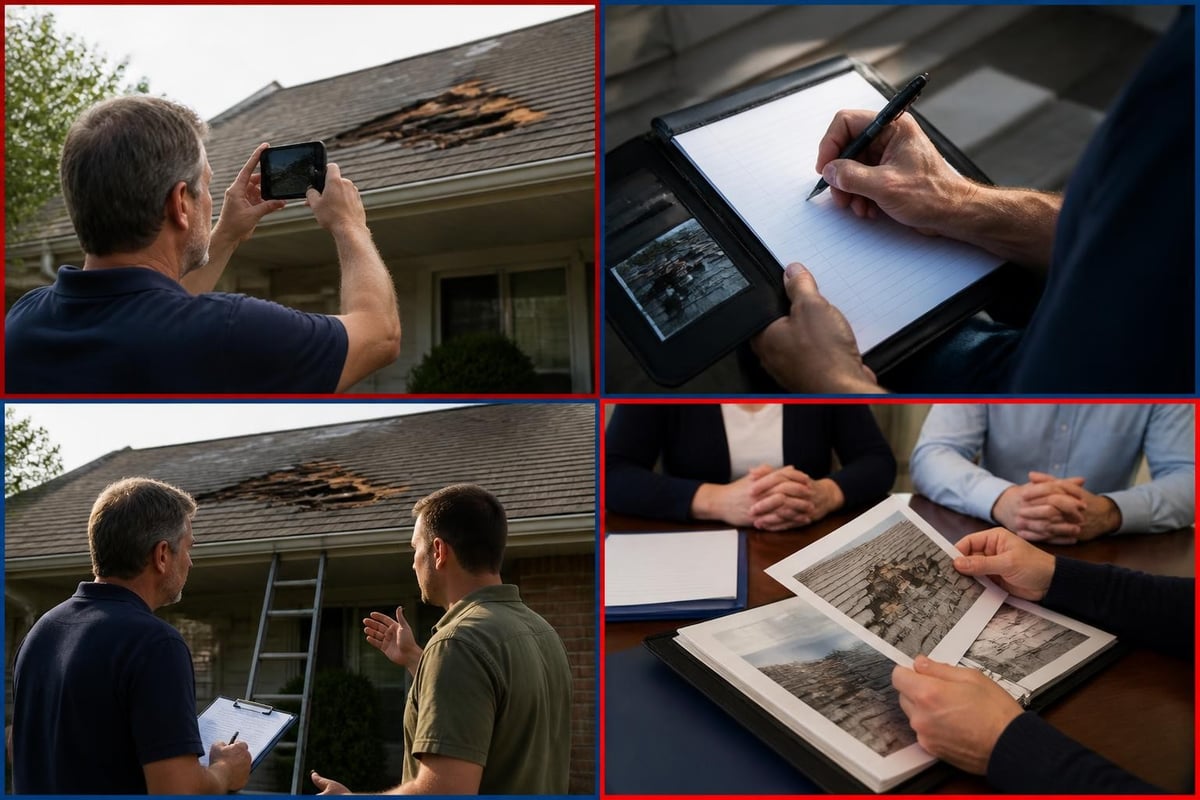
A comprehensive professional inspection provides the detailed analysis necessary for accurate repairs and complete insurance claims. Experienced roofing contractors understand what adjusters look for and can identify hidden damage that affects claim valuations.
What Professional Inspectors Evaluate
Licensed roofing professionals conduct multi-point inspections that examine structural integrity, material condition, and code compliance. They assess shingle seal integrity, flashing conditions, ventilation adequacy, and decking soundness. Using specialized tools, inspectors measure hail impact sizes, document wind uplift patterns, and identify compromised waterproofing layers. This thorough evaluation determines whether repair or replacement represents the most appropriate solution.
Detailed Inspection Components
| Inspection Area | Assessment Focus | Common Issues Found |
|---|---|---|
| Shingle Surface | Granule loss, cracking, missing pieces | Storm impact, age-related wear |
| Flashing Systems | Seal integrity, metal condition | Wind displacement, corrosion |
| Structural Decking | Moisture content, stability | Water damage, rot |
| Ventilation | Airflow adequacy, component function | Impact damage, blockage |
| Drainage | Gutter function, valley flow | Debris accumulation, damage |
Choosing qualified professionals matters significantly. Working with experienced roofing and siding services providers ensures you receive accurate damage assessments and reliable repair recommendations.
Navigating the Insurance Claim Process
Filing an insurance claim for a roof damaged by storm conditions involves specific procedures and documentation requirements. Understanding your policy coverage and the claims process helps you achieve fair compensation for necessary repairs.
Understanding Your Coverage
Most homeowner policies cover sudden, accidental damage from weather events but exclude gradual deterioration or maintenance-related issues. Review your policy to understand your deductible, replacement cost versus actual cash value coverage, and any specific exclusions. Some policies limit coverage for roofs over a certain age or require depreciation calculations that reduce payouts.
- Replacement Cost Coverage: Pays for new materials without depreciation deductions
- Actual Cash Value: Factors in roof age and condition, reducing settlement amounts
- Extended Replacement Cost: Covers amounts exceeding policy limits up to specified percentages
- Code Upgrade Coverage: Pays for improvements required by current building codes
For specific guidance on different storm types, Kiplinger's articles on filing tornado insurance claims and hurricane insurance claim considerations offer valuable insights into the claims process.
Working With Insurance Adjusters
Insurance adjusters evaluate damage to determine claim settlements. Schedule your professional contractor inspection before or during the adjuster visit. Having expert representation ensures all damage receives proper consideration. Adjusters work for insurance companies, so having your own professional assessment protects your interests.
Provide complete documentation including pre-storm roof condition photos if available, detailed damage photographs, professional inspection reports, and repair estimates. Request written explanations for any denied or reduced claim components. If disputes arise, consider requesting reinspection or engaging public adjusters who work on your behalf.
Common Claim Challenges
Insurance companies sometimes undervalue storm damage or attribute deterioration to age rather than weather events. A roof damaged by storm activity may show combination damage where storms accelerated existing minor issues. Professional contractors help distinguish covered storm damage from excluded wear, ensuring you receive appropriate compensation. Our expertise with storm damage insurance claims helps homeowners navigate these complex situations effectively.

Repair Versus Replacement Decisions
Determining whether to repair or replace your roof damaged by storm conditions depends on multiple factors including damage extent, roof age, and long-term cost effectiveness. This critical decision affects both immediate expenses and future property value.
Factors Influencing the Decision
Damage extent plays the primary role. Localized damage affecting less than 25 percent of the roof area typically warrants repairs. Widespread damage affecting multiple roof sections often makes replacement more practical and economical. Consider that partial repairs on older roofs may create aesthetic mismatches if matching materials are unavailable.
Roof age significantly impacts the decision. A five-year-old roof with minor storm damage clearly justifies repair. A twenty-year-old roof approaching the end of its expected lifespan may benefit from complete replacement, especially when storm damage provides insurance coverage that offsets replacement costs.
Cost analysis requires comparing immediate repair expenses against long-term value. Multiple repairs over several years often exceed single replacement costs. Additionally, new roofing systems include warranty coverage that provides protection and peace of mind unavailable with patched older systems.
When Repairs Make Sense
- Roof age under ten years with manufacturer warranties remaining
- Damage limited to specific areas without widespread compromise
- Matching materials available for seamless aesthetic integration
- Budget constraints requiring phased approaches
- Insurance coverage insufficient for complete replacement
When Replacement Provides Better Value
Choose replacement when damage exceeds 30 percent of roof area, when the existing roof has less than five years of expected life remaining, or when multiple previous repairs indicate systemic problems. New installations offer improved energy efficiency, enhanced weather resistance, and updated material technology unavailable when your current roof was installed. For professional guidance on replacement options, explore roof replacement and home insurance considerations.
Selecting the Right Contractor
Choosing qualified professionals to restore your roof damaged by storm activity protects you from poor workmanship, inflated costs, and contractor fraud that unfortunately increases after major weather events.
Essential Contractor Qualifications
Licensing and insurance form the foundation of contractor credibility. Verify current licenses appropriate for your state and locality. Confirm general liability insurance and workers compensation coverage protecting you from liability if accidents occur during repairs. Request certificates of insurance and verify coverage directly with insurance carriers.
Experience and specialization matter significantly for storm damage repairs. Contractors familiar with insurance processes, documentation requirements, and adjuster expectations streamline claims and ensure complete damage consideration. Look for established businesses with permanent local addresses rather than temporary storm-chasing operations.
References and reputation provide insight into contractor reliability and quality. Check online reviews, Better Business Bureau ratings, and request references from recent similar projects. Established contractors willingly provide this information and welcome verification of their track record.
| Qualification | Why It Matters | How to Verify |
|---|---|---|
| Valid License | Legal compliance, skill standards | State licensing board |
| Insurance Coverage | Liability protection | Certificate of insurance |
| Local Presence | Warranty accessibility | Physical address verification |
| Manufacturer Certifications | Advanced training, warranty eligibility | Manufacturer verification |
| References | Past performance indicator | Direct contact with customers |
Warning Signs of Contractor Fraud
Storm events attract unscrupulous operators who exploit homeowner urgency. Avoid contractors who demand full payment upfront, pressure immediate decisions, or offer to waive insurance deductibles. Legitimate professionals provide detailed written estimates, maintain permanent business locations, and never ask homeowners to sign over insurance proceeds.
For reliable service from an established local provider, consider Great Roofing, a family-owned contractor with proven expertise in storm damage restoration throughout the Joliet area.
Preventing Future Storm Damage
While you cannot control weather, proactive measures reduce vulnerability and minimize damage when severe conditions occur. Regular maintenance and strategic improvements strengthen your roofing system's storm resistance.
Regular Maintenance Programs
Seasonal inspections identify minor issues before they become major problems. Schedule professional inspections twice yearly, particularly before and after storm seasons. Inspectors clean debris from valleys and gutters, check flashing integrity, verify shingle adhesion, and assess ventilation function. These preventive measures often cost less than single emergency repair calls.
Vegetation management reduces impact damage and keeps drainage systems clear. Trim branches extending over or near your roof. Remove dead trees that could fall during high winds. Keep gutters and downspouts free from leaves and debris that compromise drainage capacity.
Storm-Resistant Upgrades
Modern roofing materials offer enhanced storm resistance compared to products from even a decade ago. Impact-resistant shingles rated for Class 4 hail resistance withstand larger hail stones without fracturing. Some insurance companies offer premium discounts for impact-resistant installations, providing ongoing savings that offset upgrade costs.
Enhanced installation techniques improve wind resistance significantly. Sealed shingles resist uplift better than standard installations. Additional fasteners in high-wind zones and upgraded underlayment materials create redundant protection layers. For new installations, our asphalt shingle roof repair services include these advanced techniques as standard practice.
- Install impact-resistant shingles rated Class 4
- Upgrade to sealed shingle systems for wind resistance
- Use synthetic underlayment for superior moisture protection
- Add extra fasteners in vulnerable edge and corner areas
- Install reinforced drip edge and starter strips
Understanding Different Roofing Systems
Different roofing materials respond to storm conditions in unique ways. Understanding your specific roofing system helps you recognize damage patterns and communicate effectively with contractors assessing your roof damaged by storm activity.
Asphalt Shingle Systems
Asphalt shingles represent the most common residential roofing material in North America. Three-tab shingles, architectural shingles, and premium designer shingles each offer different storm resistance characteristics. Architectural shingles generally provide superior wind and impact resistance compared to basic three-tab products due to their laminated construction and heavier weight.
Storm damage to asphalt shingles manifests as granule loss, seal failure, mat cracking, and complete shingle displacement. Proper assessment requires understanding whether damage resulted from storm impact or represents normal aging. Insurance adjusters look for damage patterns consistent with specific weather events rather than gradual deterioration.
Modified Bitumen Commercial Systems
Commercial buildings often feature modified bitumen roofing systems installed on low-slope applications. These membranes resist wind uplift through torch-applied or cold-adhesive bonding to substrate materials. Storm damage typically appears as membrane punctures from debris, seam separation from wind uplift, or surface deterioration from hail impact.
Modified bitumen systems require specialized repair techniques and materials. Attempting DIY repairs or hiring residential-only contractors often results in inadequate solutions that void manufacturer warranties. Working with contractors experienced in commercial applications, like our flat roof experts, ensures proper restoration.
Metal Roofing Considerations
Metal roofing systems offer excellent longevity and storm resistance when properly installed. However, they show damage differently than shingle systems. Hail creates visible denting rather than fractures. Wind typically affects fastening systems and seam integrity rather than displacing entire panels.
Assessing metal roof damage requires specialized knowledge. Some denting affects only appearance without compromising function, while other impacts damage protective coatings or create stress points for future failures. Professional evaluation determines whether repairs restore full functionality or whether cosmetic damage justifies insurance claims.
Long-Term Roof Health After Repairs
Successfully repairing your roof damaged by storm conditions represents only the first step toward restoring complete protection. Ongoing monitoring and maintenance ensure repairs perform as expected and your entire roofing system maintains optimal condition.
Post-Repair Monitoring
Schedule follow-up inspections three to six months after repairs. This timing allows materials to settle and reveal any workmanship issues while remaining within warranty periods. Check repaired areas during and after rainfall to confirm proper water shedding. Verify that replaced shingles match surrounding materials in appearance and lie flat without curling or lifting.
Monitor these specific indicators:
- Seal integrity of replaced shingles after exposure to summer heat
- Proper integration of new flashing with existing components
- Absence of granule accumulation from newly installed materials
- Consistent appearance without color mismatches or texture differences
- Interior spaces showing no signs of moisture or staining
Warranty Protection
Understand warranty coverage for both materials and workmanship. Manufacturer warranties typically cover material defects but exclude installation errors or storm damage. Contractor workmanship warranties should guarantee repair quality for specific periods, usually ranging from one to ten years depending on repair scope.
Maintain documentation of all repairs, warranties, and maintenance activities. This record proves valuable for future insurance claims, home sales, or warranty service requests. Keep receipts, inspection reports, photographs, and correspondence organized in permanent files.
Preparing for Future Events
Experience with a roof damaged by storm activity provides learning opportunities. Document what worked well and what needs improvement in your emergency response plan. Update contact information for contractors, insurance agents, and emergency services. Consider creating emergency supply kits including tarps, fasteners, and tools for temporary protection.
Review and update insurance coverage based on your claim experience. If you discovered coverage gaps or inadequate limits, adjust policies before the next storm season. Some homeowners find that upgrading to replacement cost coverage or adding code upgrade endorsements provides worthwhile protection despite slightly higher premiums.
The Cost Factors in Storm Damage Repair
Understanding the financial aspects of repairing your roof damaged by storm conditions helps you budget appropriately, evaluate estimates, and make informed decisions about repair versus replacement options.
Primary Cost Components
Material costs vary significantly based on product quality, manufacturer, and regional availability. Basic three-tab shingles cost substantially less than premium architectural products, but offer reduced storm resistance and shorter lifespans. Metal roofing, tile, and specialty materials command premium prices but deliver enhanced durability and weather resistance.
Labor costs typically represent 40 to 60 percent of total project expenses. Complex roof designs, steep pitches, multiple stories, and difficult access increase labor requirements and costs. Emergency repairs and temporary protection services often carry premium pricing due to urgency and after-hours scheduling.
Additional cost factors include:
- Permits and inspection fees required by local building departments
- Waste disposal for damaged materials and tear-off debris
- Structural repairs if decking or framing sustained damage
- Ventilation improvements required by current building codes
- Gutter or siding work needed due to storm damage
Kiplinger's analysis of hail damage insurance claims discusses whether filing claims justifies potential premium increases, helping homeowners make informed financial decisions.
Insurance Coverage Impact
Deductible amounts significantly affect out-of-pocket expenses. Common deductibles range from five hundred to five thousand dollars, with percentage-based deductibles applying in some high-risk areas. Higher deductibles reduce premiums but increase immediate costs after damage occurs.
Depreciation calculations reduce settlements under actual cash value policies. A ten-year-old roof might receive only 50 percent of replacement cost under ACV coverage, leaving substantial homeowner expense. Replacement cost policies eliminate depreciation, providing full repair funding minus deductibles.
Hidden Costs to Consider
Storm damage often reveals previously unknown issues that complicate repairs. Inadequate ventilation, code violations from previous work, or hidden water damage may require correction during storm repairs. While frustrating, addressing these issues prevents future problems and may receive partial insurance coverage if storm damage made them discoverable.
Temporary housing costs during extensive repairs sometimes qualify for insurance coverage under loss of use provisions. If your roof damaged by storm activity makes your home uninhabitable, review policy provisions for alternative living expense coverage. Document all costs carefully for potential reimbursement.
Protecting your home from storm damage requires understanding the assessment process, working effectively with insurance companies, and partnering with qualified professionals who deliver lasting solutions. Whether you're dealing with wind damage, hail impact, or water infiltration, taking prompt action and choosing experienced contractors ensures proper restoration. When severe weather affects your Joliet property, Great Roofing provides the expertise and commitment to quality that restores your peace of mind along with your roof. Contact our family-owned team today for a comprehensive damage assessment and personalized repair plan.