

Finding the right roof fixing company can be one of the most important decisions you make as a property owner. Your roof protects your investment, your belongings, and your family from the elements. Whether you need emergency repairs after storm damage or a complete replacement, selecting a qualified contractor requires careful consideration. With numerous options available in the Joliet area and beyond, understanding what separates exceptional service from mediocre work helps ensure you receive quality craftsmanship and lasting results.
Understanding What a Professional Roof Fixing Company Offers
A reputable roof fixing company provides comprehensive services that extend far beyond simple patch jobs. These contractors assess structural integrity, identify underlying issues, and recommend solutions tailored to your specific situation.
Professional roofing contractors typically offer several core services:
- Emergency repair services for sudden leaks and storm damage
- Routine maintenance programs to extend roof lifespan
- Complete roof replacement when repairs are no longer cost-effective
- Inspection services that identify problems before they escalate
- Insurance claim assistance to navigate the documentation process
Quality contractors also maintain proper licensing, insurance, and certifications specific to their trade. They stay current with building codes, manufacturer requirements, and best practices for roof inspections and maintenance. This expertise ensures your project meets all regulatory standards while delivering optimal performance.
Specialization in Different Roofing Systems
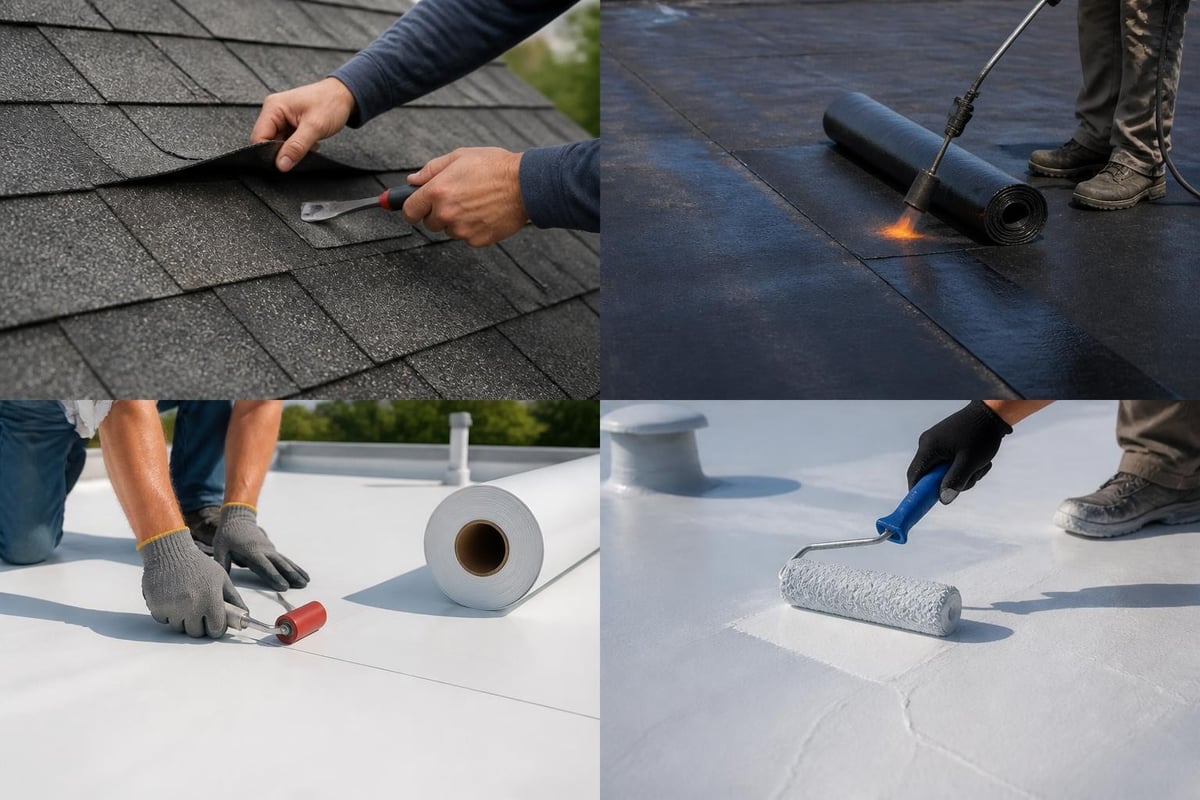
Not all roofing companies possess equal expertise across all system types. Residential properties often feature asphalt shingles, while commercial buildings may utilize modified bitumen, TPO, or EPDM systems. When searching for a roof fixing company, verify they have specific experience with your roof type.
For residential projects, contractors should demonstrate proficiency with shingle installation, flashing details, and ventilation requirements. Commercial roofing demands different skills, including knowledge of membrane systems, drainage design, and equipment curb installation. Companies like Great Roofing specialize in both residential shingle systems and commercial modified bitumen applications, offering versatility for various property types.
Key Factors to Evaluate When Selecting a Contractor
Choosing a roof fixing company requires evaluating multiple factors beyond price alone. The lowest bid often signals cut corners, inferior materials, or inexperienced crews.
| Evaluation Factor | What to Look For | Red Flags |
|---|---|---|
| Licensing & Insurance | Current general liability and workers' compensation | Expired certificates or reluctance to provide proof |
| Local Presence | Established physical address and local references | P.O. box only or out-of-state registration |
| Written Estimates | Detailed breakdown of materials and labor | Vague pricing or pressure for immediate decisions |
| Warranty Coverage | Manufacturer and workmanship guarantees | No written warranty or extremely limited coverage |
| Communication | Prompt responses and clear explanations | Delayed callbacks or evasive answers |
Experience and Track Record
A roof fixing company's history reveals much about their reliability and quality standards. Request references from recent projects similar to yours. Established contractors should readily provide contact information for satisfied customers.
Check online reviews across multiple platforms. While no company achieves perfection, patterns in feedback indicate consistent strengths or recurring problems. Pay attention to how businesses respond to negative reviews. Professional contractors address concerns constructively rather than defensively.
Verify tenure in the industry. Companies operating for a decade or more have weathered economic challenges and established supplier relationships that benefit customers. Family-owned operations often prioritize reputation over short-term profits, as hiring a local roofing company demonstrates commitment to the community they serve.
Safety Standards and Professional Practices
Safety represents a non-negotiable aspect of professional roofing work. A competent roof fixing company implements comprehensive safety protocols protecting both workers and property owners.
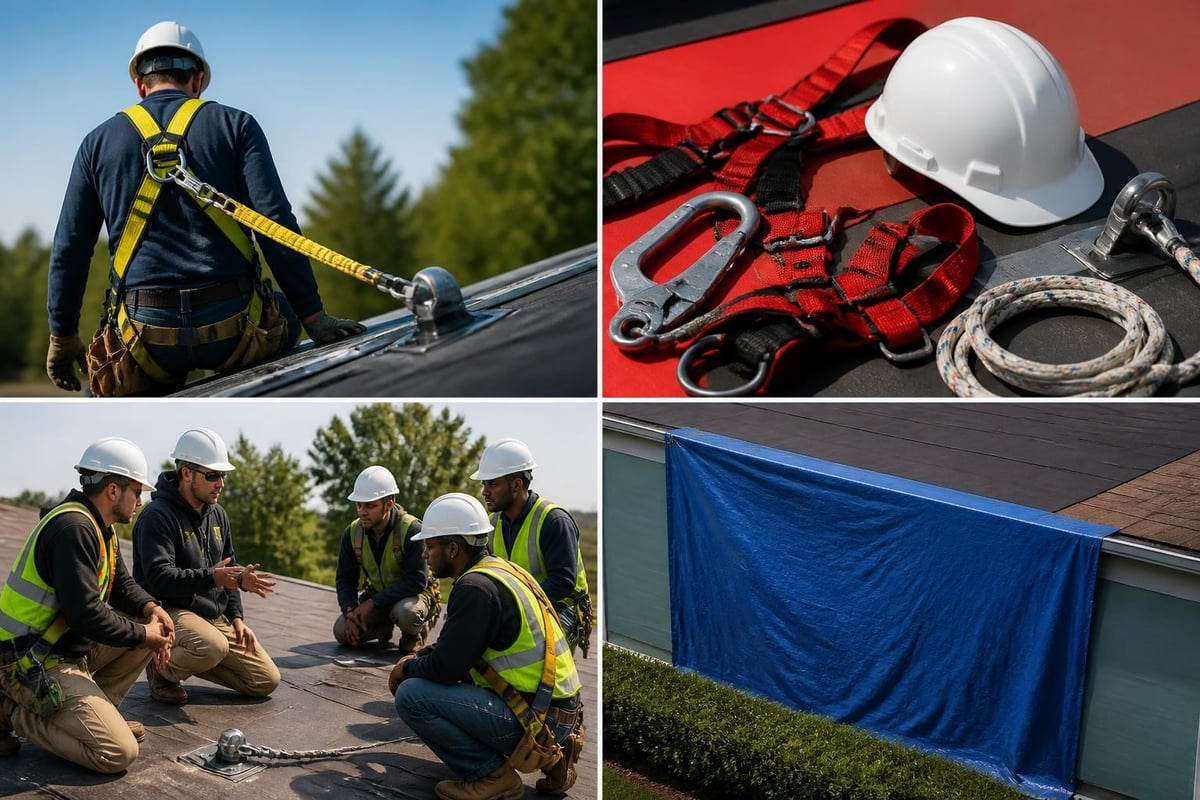
Fall protection during roof repairs requires proper equipment and training. Contractors should utilize personal fall arrest systems, guardrails, and safety nets as appropriate for each project. Workers must receive training on hazards associated with fragile roof surfaces and proper procedures for working at heights.
Property protection measures include:
- Ground tarps to collect debris
- Magnetic sweepers to remove nails
- Protective coverings for landscaping and outdoor furniture
- Designated pathways to minimize lawn damage
- Dumpster placement that doesn't block driveways or street access
Professional contractors maintain clean work sites throughout the project. Daily cleanup prevents accidents and demonstrates respect for your property. Upon completion, thorough final cleanup should leave your property in pristine condition.
Insurance and Liability Protection
Adequate insurance coverage protects you from potential liability if accidents occur during your project. A roof fixing company should carry both general liability insurance and workers' compensation coverage.
Request certificates of insurance directly from the contractor's insurance provider. Verify coverage amounts meet or exceed local requirements. General liability should typically provide at least one million dollars in coverage per occurrence. Workers' compensation protects you if crew members suffer injuries on your property.
Never hire contractors who lack proper insurance, regardless of price advantages. Without coverage, you could face lawsuits if workers are injured or property damage occurs during roofing work.
The Estimate and Proposal Process
Professional estimates provide detailed information enabling informed decisions. A comprehensive proposal from a roof fixing company should include specific details rather than general descriptions.
What Quality Estimates Include
Detailed proposals break down every aspect of the project:
- Material specifications – Brand names, product lines, color choices, and warranty information
- Scope of work – Specific tasks including tear-off, deck repairs, ventilation installation, and cleanup
- Timeline – Start date, estimated duration, and factors that might cause delays
- Payment terms – Deposit requirements, progress payments, and final payment conditions
- Warranty coverage – Both manufacturer material warranties and contractor workmanship guarantees
- Permit information – Who obtains permits and whether costs are included
Beware of estimates lacking detail. Vague proposals make it impossible to compare contractors accurately and create opportunities for disputes when actual work begins.
Request clarification on any unclear items before signing contracts. Reputable contractors welcome questions and provide thorough explanations. Understanding what you're purchasing prevents surprises and establishes clear expectations for both parties.
Materials and Workmanship Quality
The materials your roof fixing company uses significantly impact long-term performance. Premium materials cost more initially but often provide better value through extended lifespan and enhanced durability.
For residential projects, asphalt shingle options range from basic three-tab shingles to premium architectural styles. Architectural shingles offer superior wind resistance, enhanced aesthetics, and longer warranties. Discuss material options with your contractor, considering factors like climate conditions, building codes, and budget constraints.
Commercial roofing materials require different considerations. Modified bitumen systems provide excellent waterproofing and durability for flat and low-slope applications. Installation quality matters enormously with these systems, as proper commercial roofing installation techniques determine long-term performance.
Manufacturer Certifications and Warranties
Leading roofing manufacturers offer enhanced warranties when certified contractors perform installations. These certifications require contractors to complete training programs and demonstrate technical proficiency.
Manufacturer certifications benefit you in several ways:
- Extended warranty coverage beyond standard terms
- Assurance that installers understand product specifications
- Access to technical support if issues arise
- Protection if the contractor goes out of business
Ask potential contractors about their manufacturer relationships and certifications. Companies investing in ongoing education and certification demonstrate commitment to quality and professional development.
Timeline Expectations and Project Management
Understanding realistic timelines helps you plan accordingly and evaluate contractor proposals. A roof fixing company should provide clear schedules accounting for various factors affecting project duration.
| Project Type | Typical Duration | Variables Affecting Timeline |
|---|---|---|
| Minor repairs | 1-2 days | Weather, material availability, extent of hidden damage |
| Residential replacement | 2-5 days | Roof size, complexity, weather conditions, crew size |
| Commercial replacement | 1-4 weeks | Building size, system type, business operations, permits |
Weather significantly impacts roofing schedules. Professional contractors monitor forecasts and adjust plans to avoid working in dangerous or unsuitable conditions. Expect delays during rainy periods or extreme temperatures.
Communication During the Project
Effective communication distinguishes exceptional contractors from average ones. Your roof fixing company should designate a primary contact person who keeps you informed throughout the project.
Regular updates should cover:
- Daily progress and any changes to the schedule
- Discoveries requiring additional work or adjustments
- Material deliveries and crew schedules
- Challenges encountered and proposed solutions
Don't hesitate to ask questions or express concerns. Professional contractors appreciate involved clients who understand project details rather than discovering surprises after completion.
Maintenance and Long-Term Support
The relationship with your roof fixing company shouldn't end when installation completes. Ongoing maintenance extends roof lifespan and helps identify minor issues before they become major problems.
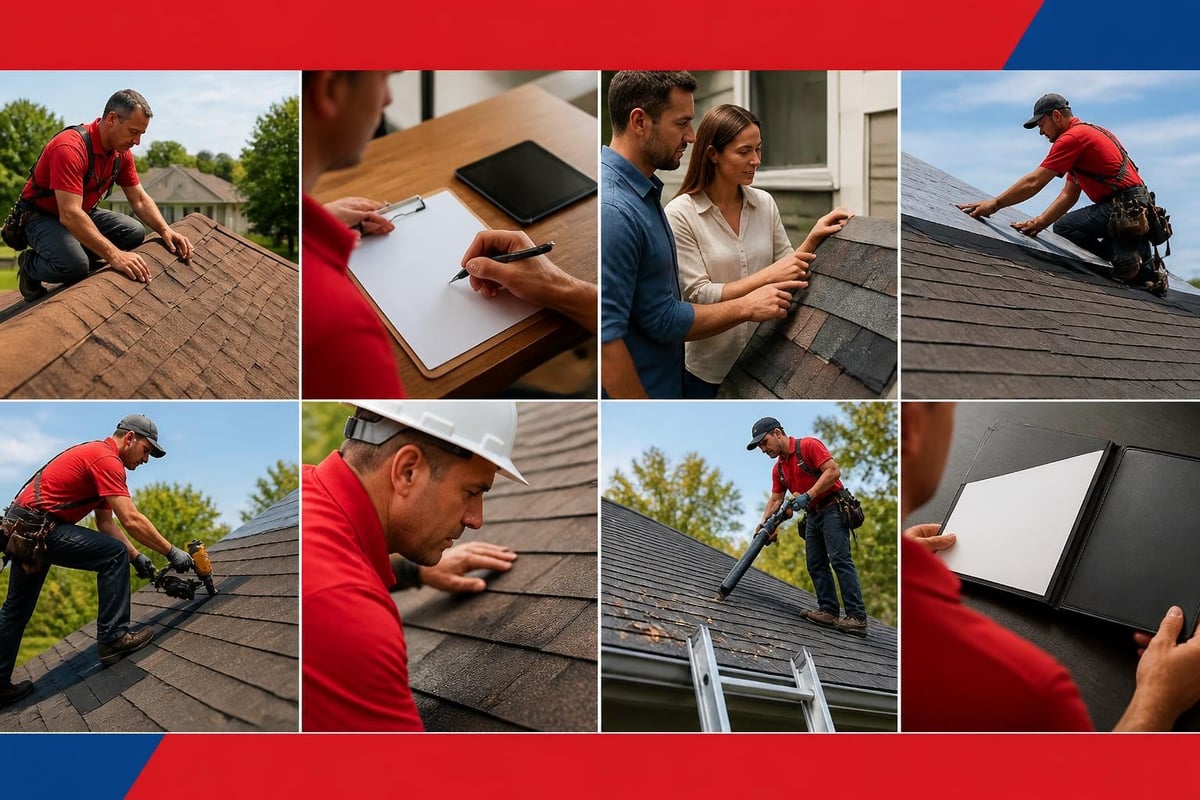
Regular roof maintenance practices should include biannual inspections, gutter cleaning, and prompt attention to any concerns. Many contractors offer maintenance programs providing scheduled inspections and priority service for program members.
Seasonal maintenance addresses specific concerns:
- Spring: Inspect for winter damage, clean debris, check flashing
- Summer: Verify ventilation adequacy, inspect shingles for heat damage
- Fall: Clean gutters, trim overhanging branches, secure loose materials
- Winter: Remove snow buildup, check for ice dams, inspect attic ventilation
Following essential maintenance guidelines preserves warranty coverage and maximizes your roofing investment. Many manufacturers require documented maintenance to honor warranty claims.
Understanding Warranty Coverage
Roofing warranties typically include two components: manufacturer material warranties and contractor workmanship warranties. Understanding both protections helps you make informed decisions and know what coverage you actually possess.
Material warranties cover defects in the roofing products themselves. Terms range from 20 years for basic shingles to lifetime coverage for premium products. Read warranty documents carefully, as many contain prorated provisions reducing coverage over time.
Workmanship warranties protect against installation errors. Reputable roof fixing companies offer substantial workmanship guarantees, typically ranging from one to ten years. Longer workmanship warranties indicate contractor confidence in their crew's abilities.
Red Flags and Warning Signs to Avoid
Certain warning signs indicate contractors you should avoid. Recognizing these red flags protects you from poor workmanship, inflated costs, and potential fraud.
Storm chasers arrive after severe weather offering immediate repairs. While legitimate contractors respond to storm damage, be wary of out-of-state companies with no permanent local presence. If you experience storm damage to your Joliet roof, work with established local contractors who'll be available if issues arise.
Pressure tactics represent another warning sign. Legitimate contractors provide estimates and allow time for decision-making. Avoid anyone demanding immediate decisions or offering discounts only valid "today."
Additional red flags include:
- Requesting full payment upfront
- Unwillingness to provide references or credentials
- Offering to waive insurance deductibles
- Lacking physical business addresses or local phone numbers
- Proposing to perform work without required permits
Trust your instincts. If something feels wrong about a contractor or their proposal, continue your search. The right roof fixing company earns your confidence through transparency, professionalism, and demonstrated expertise.
Questions to Ask Potential Contractors
Asking targeted questions helps you evaluate roof fixing companies effectively. Prepare a standard list of questions to ask each contractor you interview.
Essential Questions for Every Contractor
- How long have you been in business, and are you locally based?
- What specific experience do you have with my roof type?
- Can you provide current insurance certificates and licensing information?
- Will you obtain necessary permits, and are permit costs included in your estimate?
- What manufacturer certifications do you hold?
- Can you provide references from recent similar projects?
- Who will supervise the work, and will the same crew complete the entire project?
- What warranties do you offer on materials and workmanship?
- How do you handle unexpected issues discovered during work?
- What is your cleanup and debris removal process?
Pay attention not just to answers but to how contractors respond. Professional companies answer thoroughly and patiently, demonstrating knowledge and transparency.
Cost Considerations and Value Assessment
Price represents an important factor, but it shouldn't be your sole consideration when selecting a roof fixing company. Understanding what influences costs helps you evaluate proposals accurately.
Several factors affect roofing project costs:
- Roof size and complexity – Larger roofs and complicated designs require more materials and labor
- Material selection – Premium products cost more but often provide better long-term value
- Accessibility – Difficult access increases labor time and safety requirements
- Removal and disposal – Multiple existing layers or special disposal needs add costs
- Repairs required – Deck damage or structural issues increase total investment
- Local building codes – Specific requirements may mandate certain materials or techniques
When comparing estimates from different contractors, ensure you're comparing equivalent scopes of work and material quality. The lowest bid using inferior materials provides poor value compared to slightly higher pricing with premium products and experienced crews.
Consider total cost of ownership rather than just initial installation price. Quality materials and expert installation reduce maintenance costs and extend replacement intervals. A roof installed correctly by a professional roof fixing company may cost more initially but provides superior value over its lifespan.
Financing and Payment Options
Roofing projects represent significant investments. Many contractors offer financing options making projects more affordable through monthly payments.
Investigate financing terms carefully:
- Interest rates and annual percentage rates (APR)
- Payment term lengths and total interest paid
- Prepayment penalties or restrictions
- Origination fees or closing costs
Compare contractor financing against other options like home equity loans, personal loans, or credit cards. Sometimes alternative financing sources offer better terms than contractor-arranged programs.
Understand payment schedules before signing contracts. Typical arrangements include deposits of 10-25% at signing, progress payments during work, and final payment upon completion. Never pay full amounts upfront, as this removes incentive for contractors to complete work properly or return to address issues.
The Importance of Local Expertise
Working with a local roof fixing company offers advantages beyond convenience. Local contractors understand regional weather patterns, building codes, and architectural styles common to the area.
Joliet's climate presents specific challenges for roofing systems. Temperature extremes, heavy snow loads, and severe storms require durable materials and proper installation techniques. Local roofing experts understand these conditions and recommend solutions proven effective in the region.
Local contractors also maintain relationships with building inspectors, suppliers, and other trades. These connections facilitate smoother projects through faster permit processing, reliable material availability, and coordinated scheduling when multiple trades are involved.
Community reputation matters more to local businesses than national companies. Local contractors rely on referrals and repeat business from satisfied customers. This accountability encourages quality work and responsive service, as their reputation directly impacts future success.
Building Long-Term Relationships
Establishing a relationship with a reliable roof fixing company provides ongoing benefits. The same contractor who performs your installation understands your roof's details, making future maintenance and repairs more efficient.
Long-term relationships also provide priority scheduling during busy seasons or emergencies. Contractors often prioritize existing customers over new inquiries, especially during peak periods following severe weather.
Additionally, contractors familiar with your property can spot developing issues during routine maintenance visits. Early detection prevents minor problems from escalating into costly repairs. This proactive approach extends roof lifespan and protects your investment more effectively than reactive repairs only when problems become obvious.
Selecting the right roof fixing company requires careful evaluation of multiple factors including experience, credentials, safety standards, and communication practices. The contractor you choose significantly impacts your roofing project's outcome, affecting everything from initial installation quality to long-term performance and durability. Great Roofing brings family-owned commitment and specialized expertise in both residential and commercial roofing systems to every project throughout the Joliet area. Whether you need emergency repairs, routine maintenance, or complete replacement, Great Roofing delivers the professionalism and quality craftsmanship your property deserves.